Pooper Scoopers
Pooper Scooper Business: 9 Things You Need to Start Safe
Thinking of starting a pooper scooper business? An honest look at the daily work, the downsides, the 9 essentials you need, and gear that survives a full route.

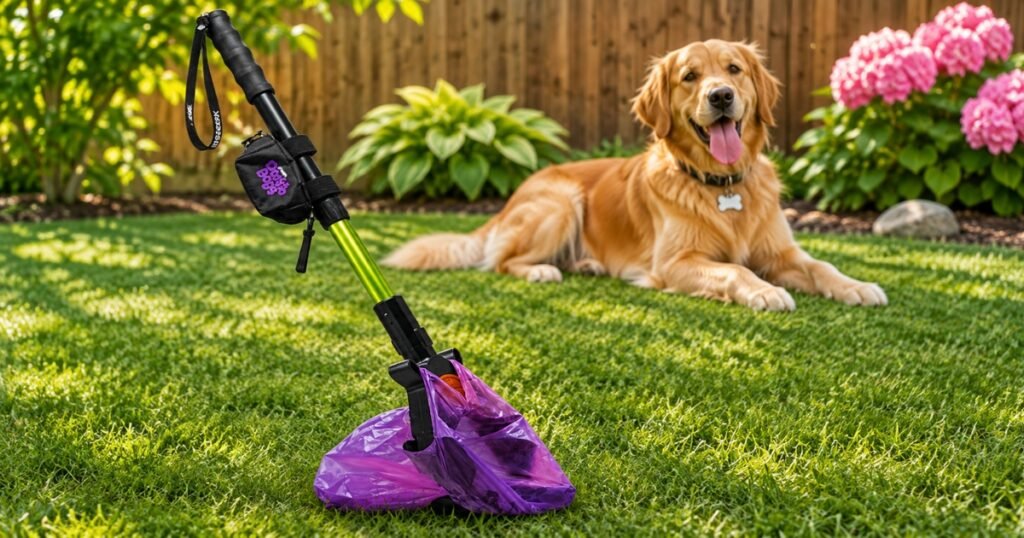
A dog poop catcher is a long-handled tool you hold under your dog while they go, so the waste lands in a bag instead of on the ground. That is a completely different job from a pooper scooper, which deals with waste that has already landed.
The distinction matters more than most people expect. Once waste touches gravel, mulch, snow or long grass, part of the cleanup is already lost. Catching removes ground contact from the equation, so there is nothing pressed into stones, nothing frozen in place, and nothing smeared on a sidewalk. Scooping still wins for yards and accumulated piles. Below are the six situations where catching is the better tool, the situations where it plainly is not, and how to get a suspicious dog comfortable with it.
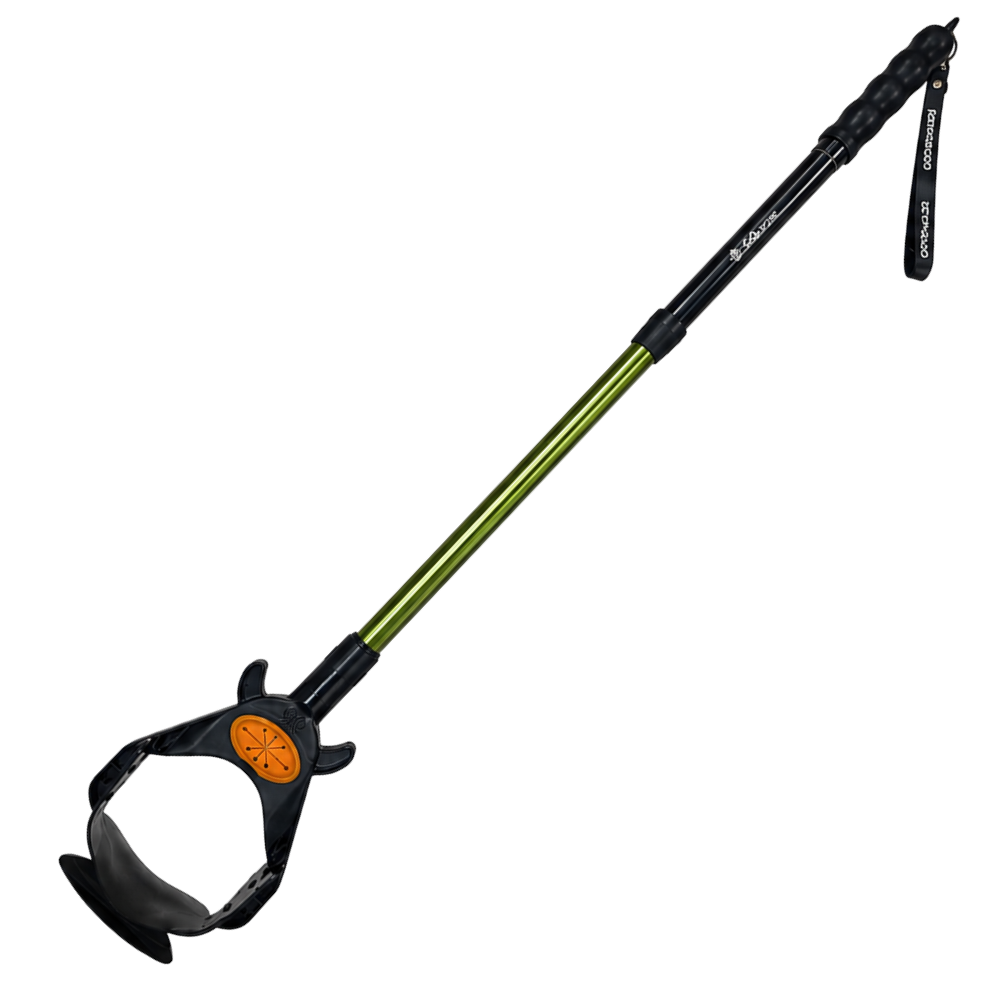
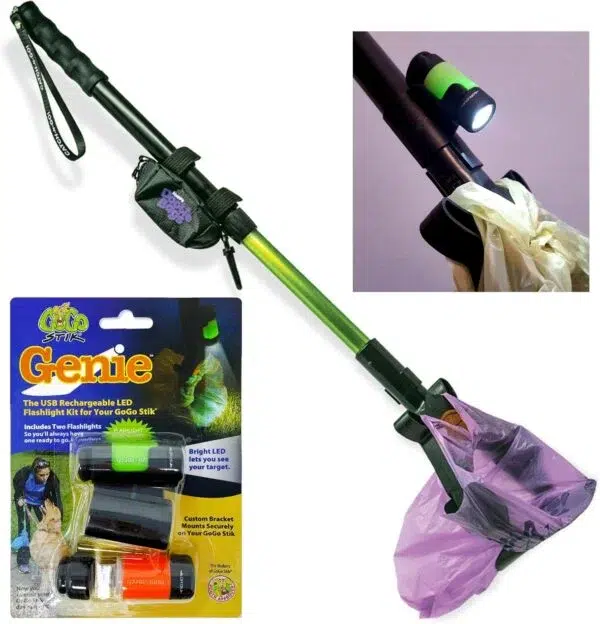
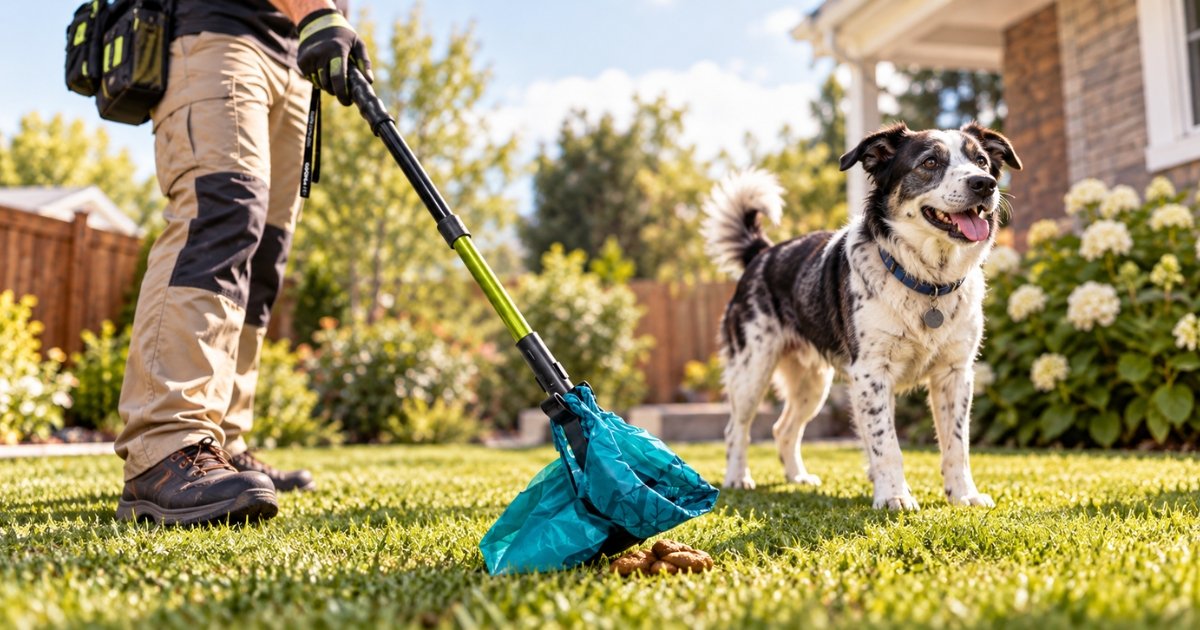
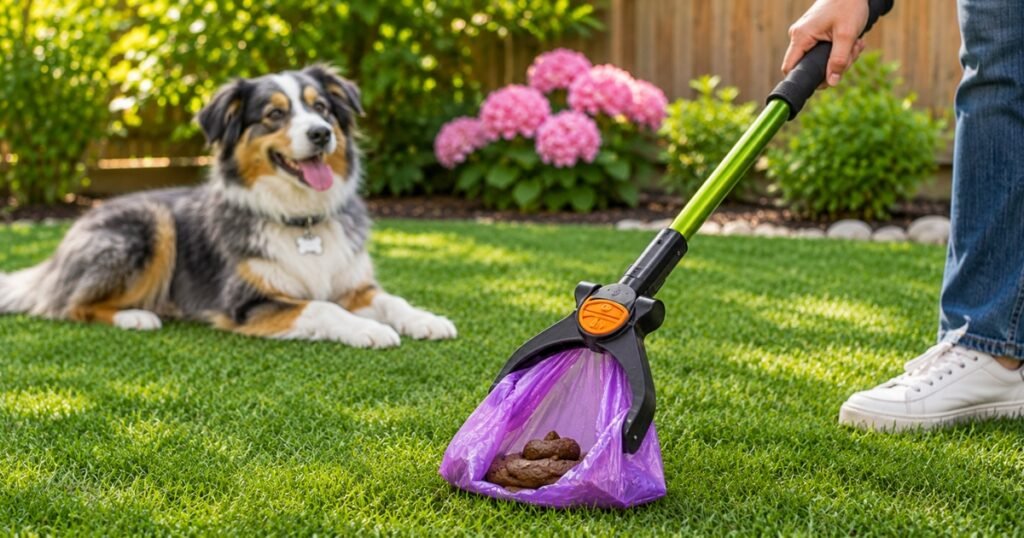
Many people search for this product without knowing the category has a name. A catcher-scooper for dogs is a lightweight pole with a bag-holding head at the end. You open a bag over the head, extend the handle, and hold it a few inches under your dog at the moment they squat.
The GoGo Stik Catch-N-Go is built for this use: a telescopic aluminium handle that adjusts from 23 to 33 inches, weighing 8 ounces, so you can hold it steady at arm’s length without crouching all the way down. For the hands-on detail, see the Catch-N-Go hands-on review.
Gravel is the worst surface for scooping. Soft waste presses down between the stones, and a scoop either skims over the top and misses it or lifts a pound of driveway along with it. You then have gravel in your bag and residue still in the gaps.
Catching deletes the problem rather than solving it. Nothing enters the stones, so nothing has to come back out. If you are still planning a potty surface, the trade-offs between gravel, turf and mulch potty areas are worth reading first.
Mulch behaves the same way as gravel, with one extra annoyance: the bedding travels. Chips cling to the waste, come up with the scoop, and end up in the bag, so a landscaped bed thins out a little every time you clean it.
Holding a catch tool under the dog keeps the mulch where you paid to put it. It also spares you the fishing-around that soft stools require in loose bark, which is the part most owners dislike.
Fresh waste melts a small well into snow, sinks, then refreezes. Within an hour it is welded in place and often invisible under a dusting of new powder. Come March, it all reappears at once.
Catching is the only method that works reliably during a hard freeze, because you never have to break anything free. Our full winter routine for handling dog waste in snow and ice covers what to do with the piles you did miss.
Sand swallows waste almost instantly, and a scoop just sifts. What you lift is half sand, and what stays behind is the part other people step in.
Beaches and dune paths also tend to carry the strictest local cleanup rules of anywhere you walk, often with posted fines. Catching gives you a visibly complete pickup, which matters when a beach officer is watching.
On an apartment pet strip, a sidewalk or a communal lawn, the ground is not the obstacle. The audience is. Soft stools smear on concrete, and the brown mark stays long after the bag is tied.
A catch tool means neighbours see nothing land and nothing left behind. For anyone doing six short potty trips a day in a building, it also shortens each trip, since there is no bending, aiming or wiping involved.
You cannot pick up what you cannot find. In unmown grass or a layer of wet autumn leaves, waste disappears the moment it lands, and the search costs more time than the pickup.
Catching removes the search entirely. You walk away knowing exactly where every stool went, which is the whole point in a yard you will be mowing or raking later.
This part is not negotiable, and ignoring it is how people end up disappointed:
If your main task is a fenced yard cleared once a week, a long-handled scooper is the right purchase and a catcher is the wrong one. The pooper scooper types explained rundown covers jaw, rake and tray designs for that job.
Stand beside your dog, not in front, and keep the handle extended so your body stays back. Most dogs circle, then plant and arch their back a second or two before they go. That arch is your cue. Slide the head under at roughly four to six inches of clearance.
A tucked tail, a head turn or a step forward means back off. Let the dog finish on the ground and scoop it. Pushing the point teaches the dog that squatting predicts something unpleasant, which is a much bigger problem than one missed catch.
Some dogs take an evening. Others take three weeks. Never restrain a dog to make it work.
| Catcher | Long-handled scooper | Bag over the hand | |
|---|---|---|---|
| Best for | Walks, loose or shared surfaces | Yards, accumulated waste, multiple dogs | Backup, firm stools, emergencies |
| Ground types | Any, since contact never happens | Grass, concrete, turf; struggles in gravel and mulch | Firm, flat ground only |
| Hands needed | One on the handle, one free | One or two | One, up close |
| After the catch | Tie the bag and carry it off | Tip into a bag, then clean the tool | Tie and carry |
A pooper scooper with a bag attached sits between the first two columns, and that page explains how the attached-bag designs differ.
Dog faeces can carry parasites such as roundworms and hookworms, which is why the American Veterinary Medical Association recommends prompt cleanup and routine parasite control. Residue left in gravel, sand or snow is simply cleanup you did not complete.
Catching also means the tool head stays clean. Nothing scraped off a sidewalk, nothing to rinse before it goes back in the car.
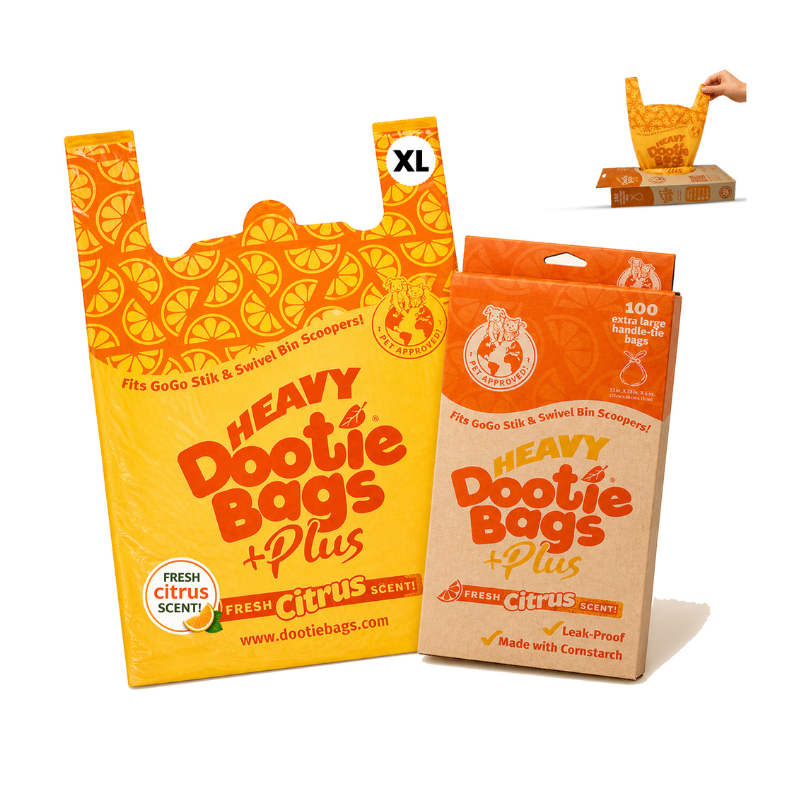
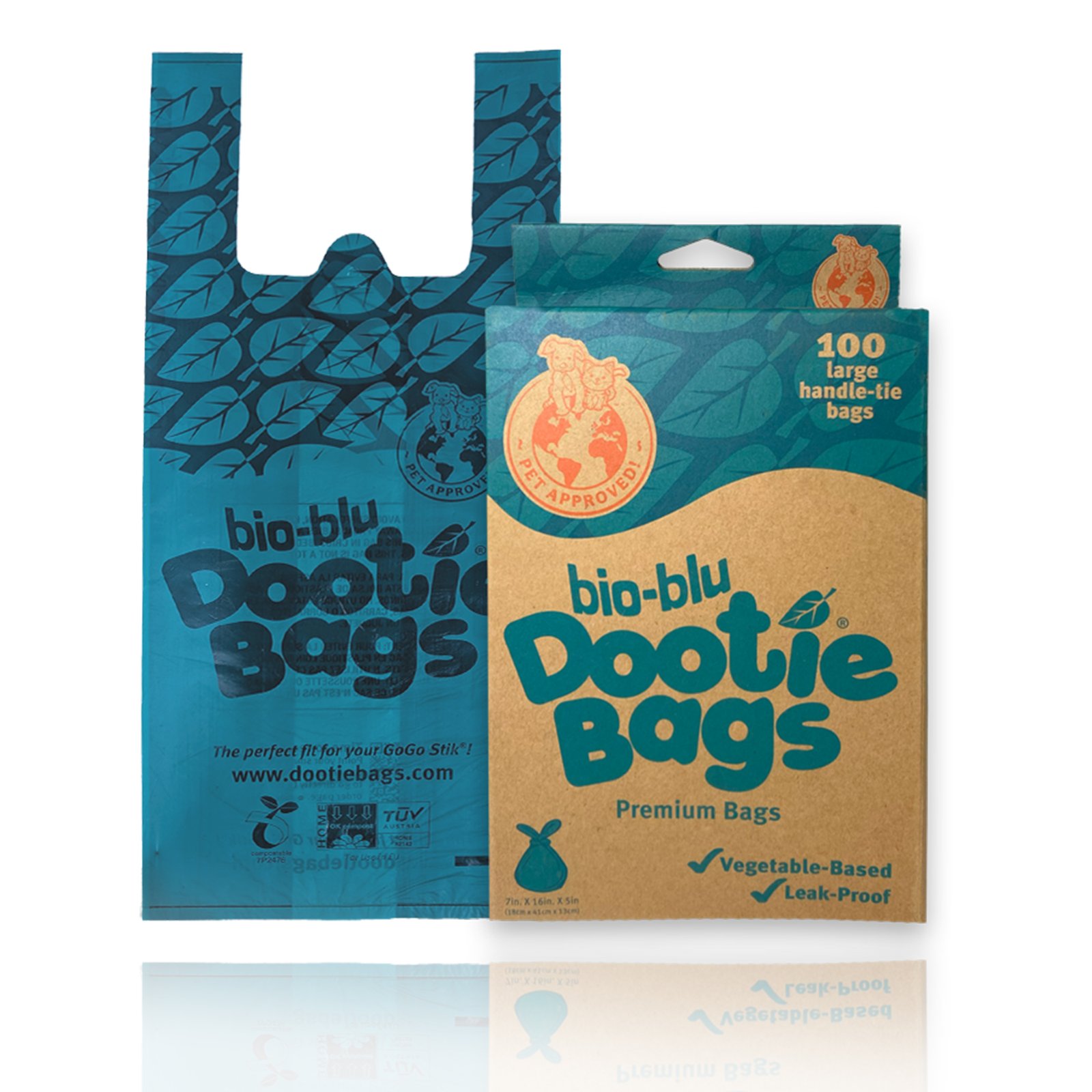
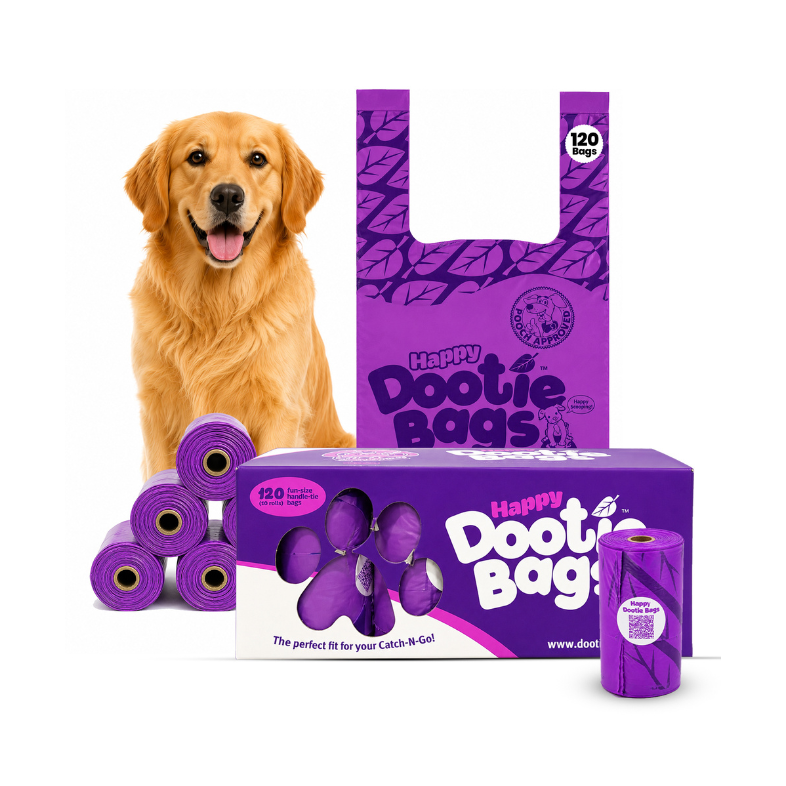
The bag matters as much as the tool it hangs on. You want a large bag with EZ-tie handles so you can knot it one-handed while the other hand holds the leash. The Catch-N-Go with pouch dispenser and handle-tie bags keeps a roll on the handle, so you are never fumbling for the next bag.
For big dogs, step up to the Heavy Dootie leak-proof poop bags. Every GoGo Stik tool carries a five-year warranty. If you are juggling a full bag, a leash and a coffee, the ways to carry poop bags on walks will save you a hand.
Yes, and often better than for large dogs, because small dogs squat lower and hold still for a shorter time. The main adjustment is handle length. A telescopic handle set near its shortest extension, around 23 inches, keeps the head close to a small dog without you having to reach awkwardly under them.
You scoop it like normal, which is why most owners carry both. Missing happens when the dog moves, when you are slow on the cue, or when the stool is unexpectedly loose. Treat the catch as the preferred outcome rather than the only one, and keep spare bags on the handle dispenser so the fallback costs you nothing.
Some hybrid catcher-scooper designs handle both, holding the bag open for a catch and also working as a pickup head afterwards. It still will not match a dedicated rake and scoop set for a yard full of accumulated waste. If weekly yard cleanup is your main task, buy for that job first and treat catching as the add-on.
Catching and scooping solve two different problems. If you walk on gravel, mulch, sand, snow or a shared apartment strip, a catcher removes the hard part of cleanup before it starts. If you are clearing a fenced yard once a week, or walking two dogs, a long-handled scooper is the smarter buy. Work out which situation you are actually in, then pick the tool that matches it.
Alec Beaton is the Founder & Inventor of Pooch Approved Products and GoGo Stik®. Inspired by real-life pet parenting, he turns everyday cleanup challenges into simple, innovative solutions that make life better for pets and their people.
Thinking of starting a pooper scooper business? An honest look at the daily work, the downsides, the 9 essentials you need, and gear that survives a full route.
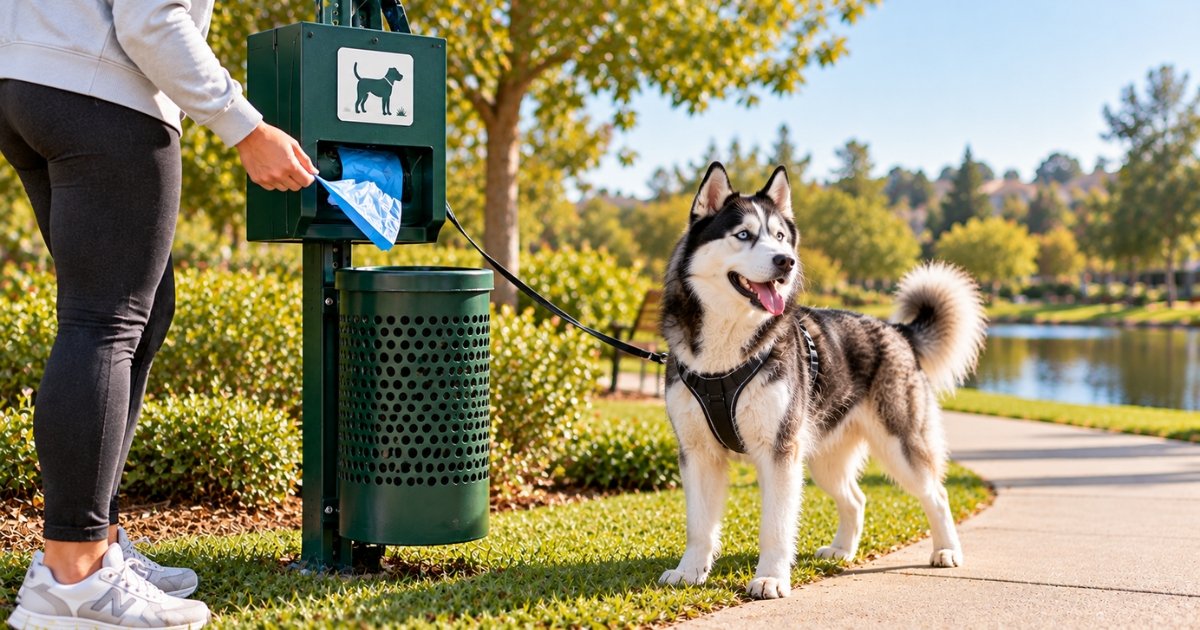
Choosing a dog waste station for an HOA, apartment or park? Learn siting, signage, emptying duties and the refill bag costs that decide if it works.
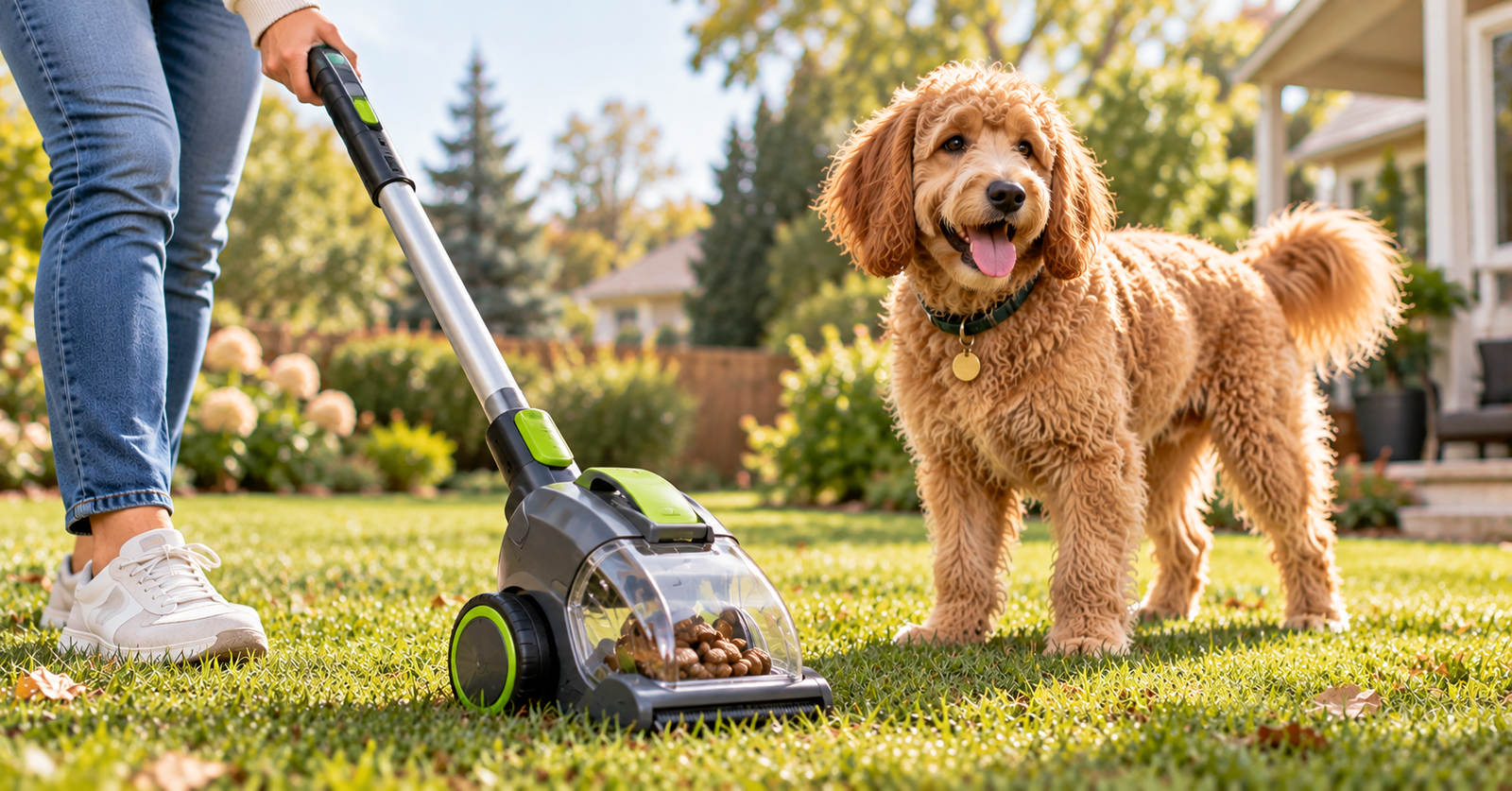
Can a dog poop vacuum really clean your yard? Here is how suction, powered scoopers and yard robots work, what they struggle with, and what to buy.