
Pooper Scoopers
Dog Poop Vacuum: Worth It? 7 Real Questions to Ask
Can a dog poop vacuum really clean your yard? Here is how suction, powered scoopers and yard robots work, what they struggle with, and what to buy.

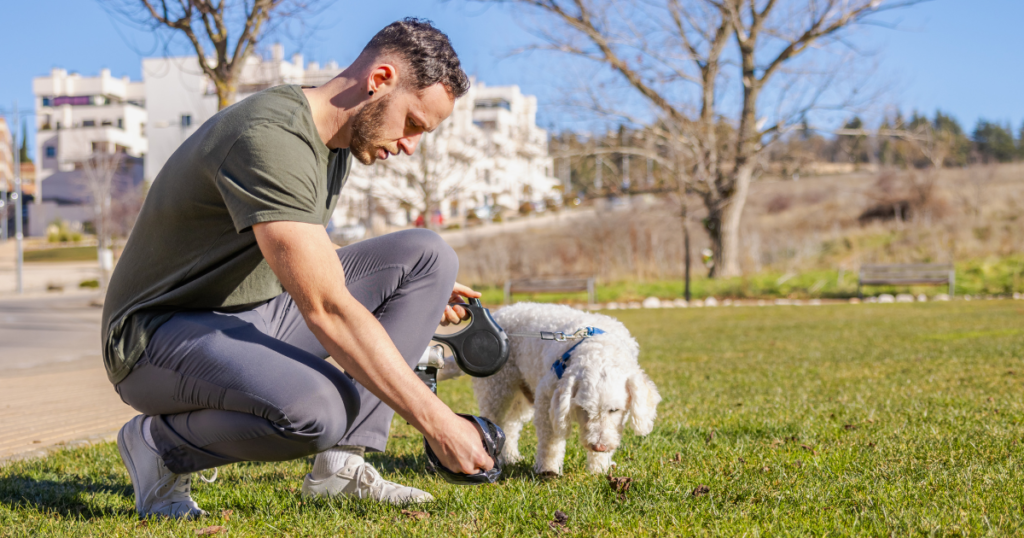
Shopping for a scooper and confused by the options? You’re not alone. There are five distinct types of pooper scoopers, and they work very differently, what’s perfect for a small dog on a sidewalk can be miserable for a big dog on a half-acre lawn. This guide explains every type, jaw, rake-and-tray, spade, catcher, and no-touch bag scoopers, with honest pros and cons, so you can match the tool to your dog, your yard, and your back.
Before you compare pooper scooper types, it helps to be clear on why prompt cleanup matters at all. The American Veterinary Medical Association points out that pet waste left on the ground can spread parasites to other animals and people, so the right tool is the one you will actually use every single day.
The classic one-handed design: squeeze the handle and a spring-loaded jaw clamps around the waste. Popular because they’re everywhere, hardware stores, pet chains, Amazon.
A two-piece system: rake the waste into a pan or bin, then tip it into a bag. The design most professional yard-cleanup services started with.
A flat shovel blade on a stick, sometimes sold with a jaw as a set. Simple and cheap.
The clever one: instead of picking waste up, a catcher slides under your dog while they squat, so the waste never touches the ground. No residue in the grass, nothing to scrape off wet lawn, no crouching with a bag.
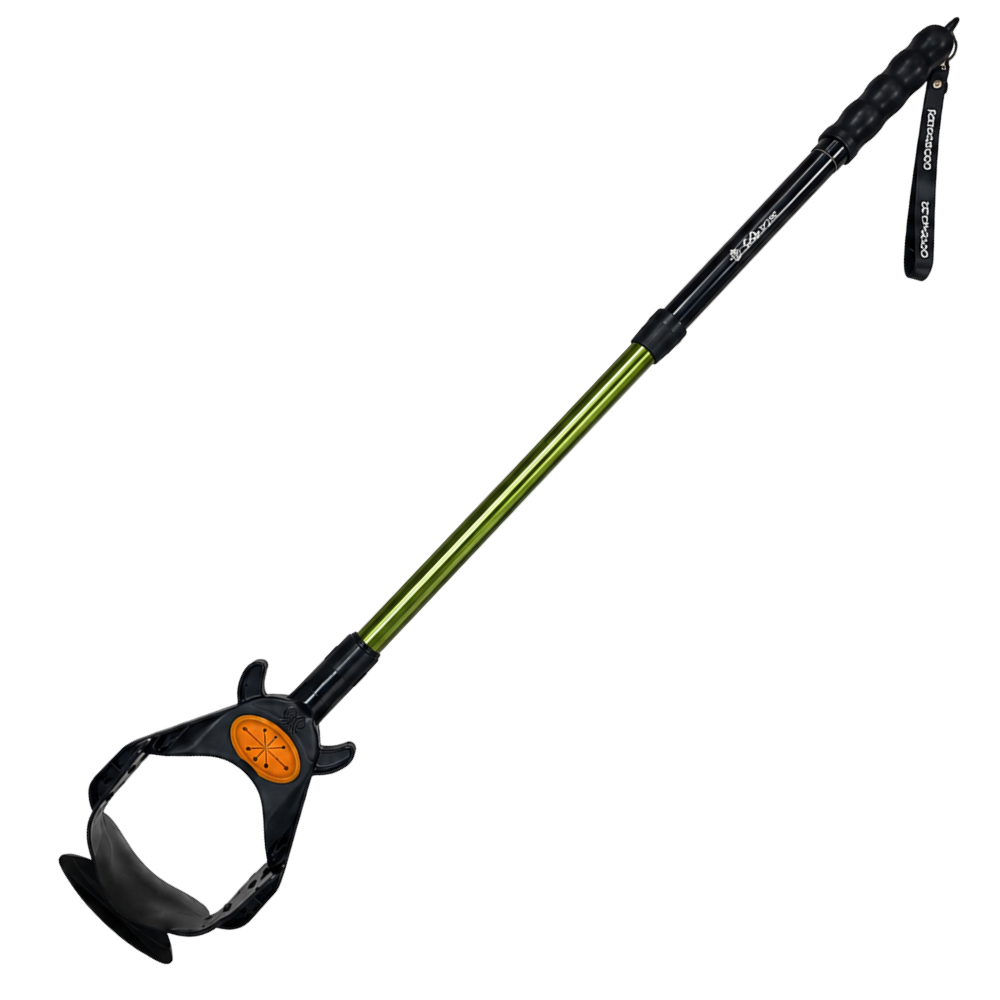
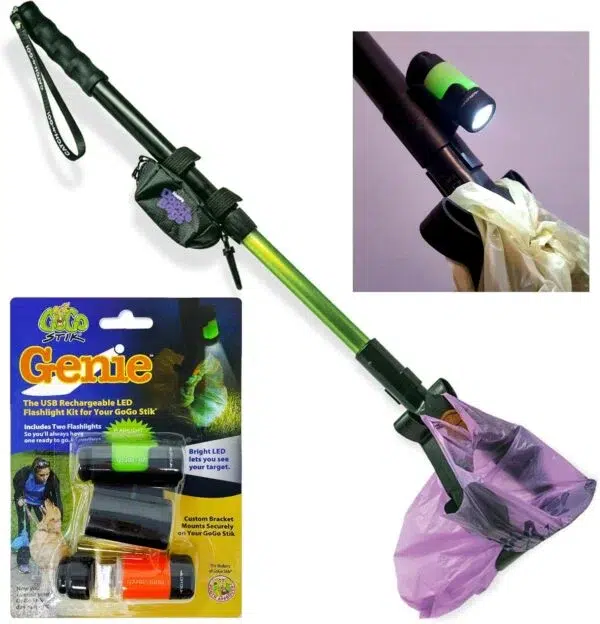
The design GoGo Stik® patented: a long-handled frame that holds a disposable bag open as the scooping surface. You scoop with the bag, tie it off, and toss it, the tool itself never contacts the waste. It’s the only type where “cleaning the scooper” mostly stops being a chore, and the reason Consumer Reports recognized the design for ergonomics. The engineering rationale is worth two minutes: the science behind effective scooper design.
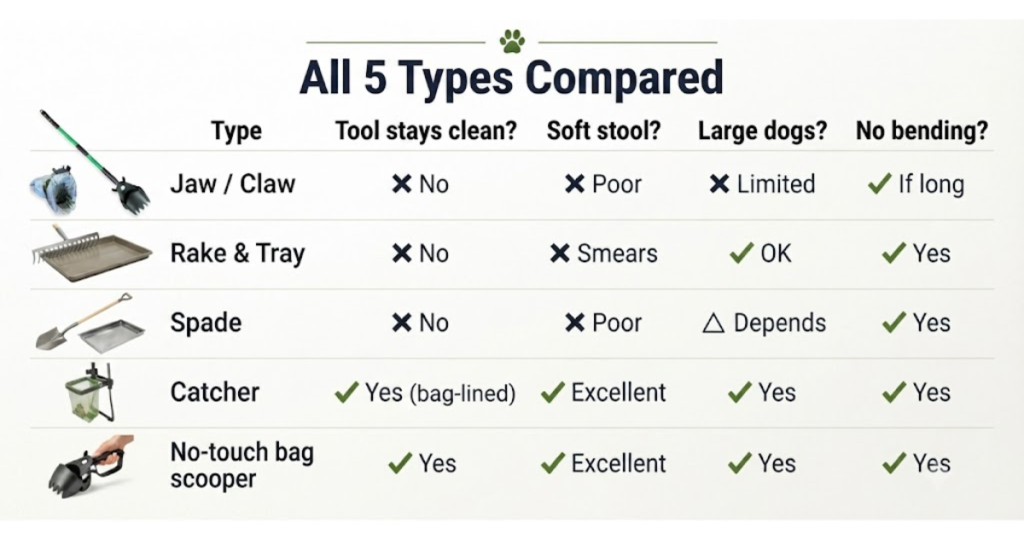
| Type | Tool stays clean? | Soft stool? | Large dogs? | No bending? |
|---|---|---|---|---|
| Jaw / claw | ✗ No | ✗ Poor | ✗ Limited | ✓ If long |
| Rake & tray | ✗ No | ✗ Smears | ✓ OK | ✓ Yes |
| Spade | ✗ No | ✗ Poor | △ Depends | ✓ Yes |
| Catcher | ✓ Yes (bag-lined) | ✓ Excellent | ✓ Yes | ✓ Yes |
| No-touch bag scooper | ✓ Yes | ✓ Excellent | ✓ Yes | ✓ Yes |
| Product | Type | Price | |
|---|---|---|---|
| XP Pro Pooper Scooper 37″ + 100 Heavy Dootie Bags | No-touch bag scooper | $22.95 |
Order Now → |
| Catch-N-Go™ Catcher-Scooper with Pouch & Handle-Tie Bags | Catcher | $30.49 |
Order Now → |
| EZ Dootie Rake-Spade (hybrid attachment) | Rake + spade hybrid | $14.95 |
Order Now → |
Prices shown at time of writing; current promotions apply automatically at checkout.
No-touch bag scoopers, by design, the disposable bag is the only surface that contacts waste, so there’s no residue on the tool and nothing to disinfect after each use.
A no-touch scooper (optionally with a rake-spade attachment for long grass). Jaws pinch grass blades and trays smear soft waste into the lawn.
Many owners run two: a catcher for walks and a no-touch scooper for the yard. Our bundles pair them at a discount.
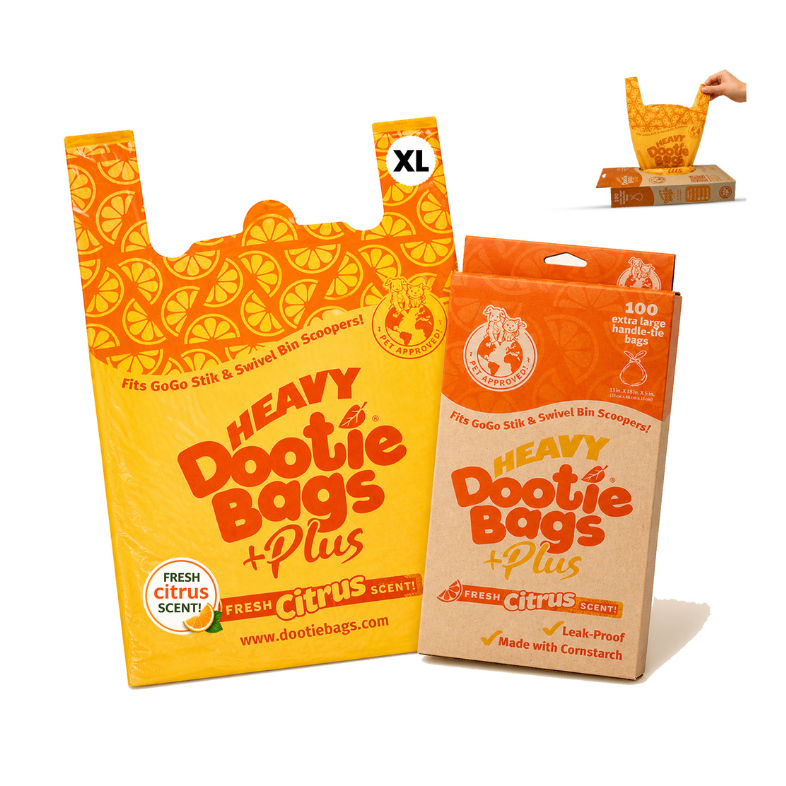
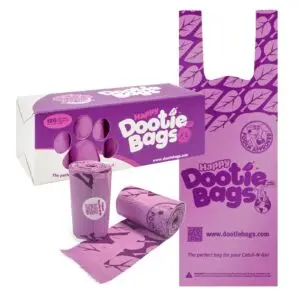
Any of our Dootie Bags, for big dogs use the very-large HEAVY Dooties; sizing help is in our bag-size-by-breed guide.
Understanding the five pooper scooper types is really the whole decision. Jaws and trays make you clean two messes, the pile and the tool. Catchers and no-touch bag scoopers make the bag do the dirty work. If you’re starting fresh, start no-touch: browse the full GoGo Stik scooper lineup and you’ll never hose off a scooper again.

Alec Beaton is the Founder & Inventor of Pooch Approved Products and GoGo Stik®. Inspired by real-life pet parenting, he turns everyday cleanup challenges into simple, innovative solutions that make life better for pets and their people.
Can a dog poop vacuum really clean your yard? Here is how suction, powered scoopers and yard robots work, what they struggle with, and what to buy.
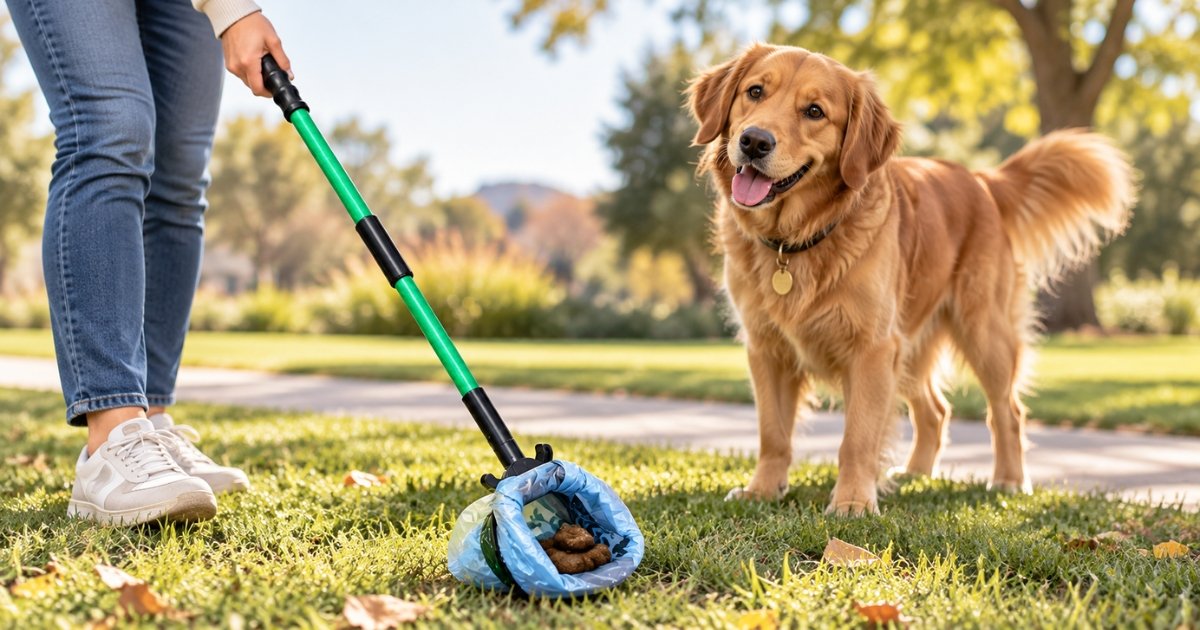
A claw pooper scooper is cheap and one-handed, but it fails on soft stool and gravel. Here are 5 checks before you buy, plus a cleaner alternative.
How long can a dog go without pooping? Learn normal timeframes, warning signs of constipation, and when to call the vet. Clear, vet-backed answers.