Pooper Scoopers
Pooper Scooper Business: 9 Things You Need to Start Safe
Thinking of starting a pooper scooper business? An honest look at the daily work, the downsides, the 9 essentials you need, and gear that survives a full route.
 Skip to content

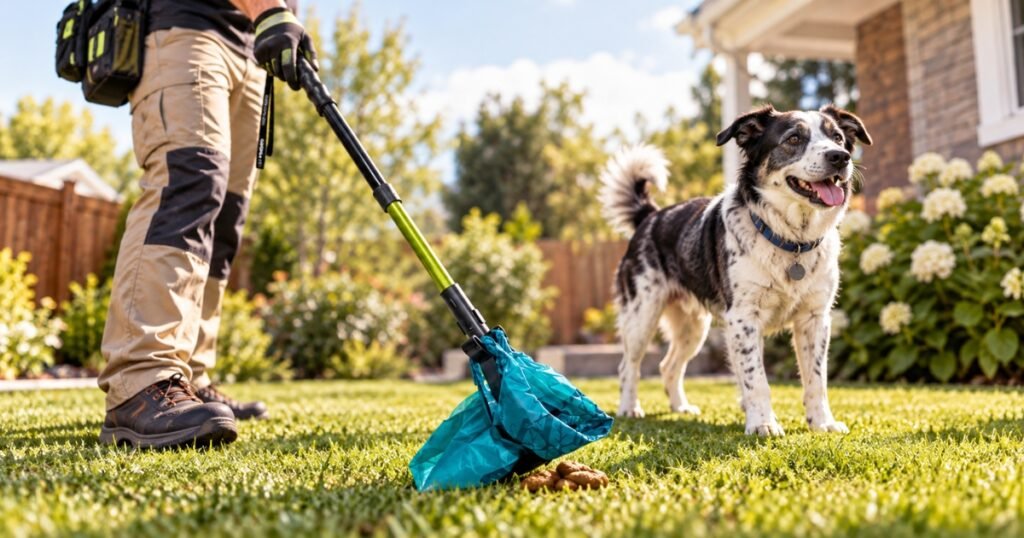
A pooper scooper business is outdoor physical labour on a fixed route: you drive to homes, clear every pile from the yard, bag it, haul it away and move to the next address. The money side depends almost entirely on how tightly packed your stops are, and the legal side depends entirely on where you live, so treat every rule below as something to verify locally before you quote anyone.
This is the honest version: what the job feels like, what breaks, and what you actually have to buy before the first visit.
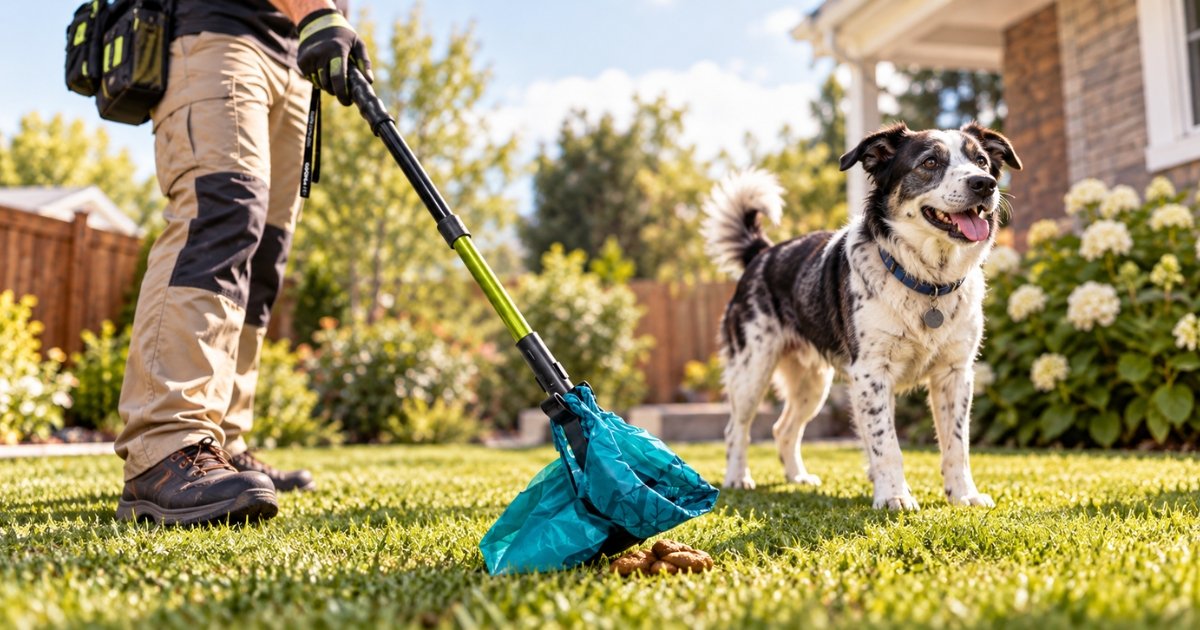
A stop is short and repetitive. You park, walk the perimeter, grid the lawn, clear the fence line and shrubs where piles hide, bag everything, close the gate, note anything odd and leave.
The customer list is more varied than most people expect:
Residential clients notice the small things: the gate latched, the bin lid closed, a text when you are done, and a quick heads-up if the stool looked unusual. That last one earns loyalty, because owners rarely inspect the yard themselves.
Most articles about pet waste removal services skip straight to the upside. Start with the parts that make people quit.
You work in rain, heat, mud and snow. Frozen yards make scooping slow; thaw week is worse, because weeks of hidden waste surface at once. Soft stool in wet grass is the daily reality, not the exception.
Driving twenty minutes between two houses burns the margin on both. A compact route in one neighbourhood beats scattered clients in four towns every time. Track your drive time per stop from week one.
Cancellations cluster when yards are frozen or families travel. Many operators offer paused service or seasonal plans so clients return in spring instead of disappearing.
Gloves, hand sanitiser, a change of clothes and a tolerance for smell are part of the job description.
Before the first paid visit, have these nine things sorted.
Rules for commercial pet waste removal, hauling and disposal vary by state, county and city, and they change. Confirm yours directly with the issuing office rather than trusting any article, including this one.
A scooper used a few times a week at home and a scooper used dozens of times a day are different purchases. Hinges loosen, trays crack and handles bend under route volume.
| Factor | Consumer gear | Commercial-grade kit |
|---|---|---|
| Durability | Built for occasional use; hinges and trays fail first | Built to take repeated impact and daily abuse |
| Cleaning between yards | Tray and jaws need scrubbing after every property | Bag does the touching, so little or nothing to scrub |
| Bag capacity | Small retail bags fill after one or two large piles | Oversized bags hold a whole yard’s worth |
| Cost per yard | Low tool price, high replacement and bag count | Higher upfront, fewer bags and fewer replacements |
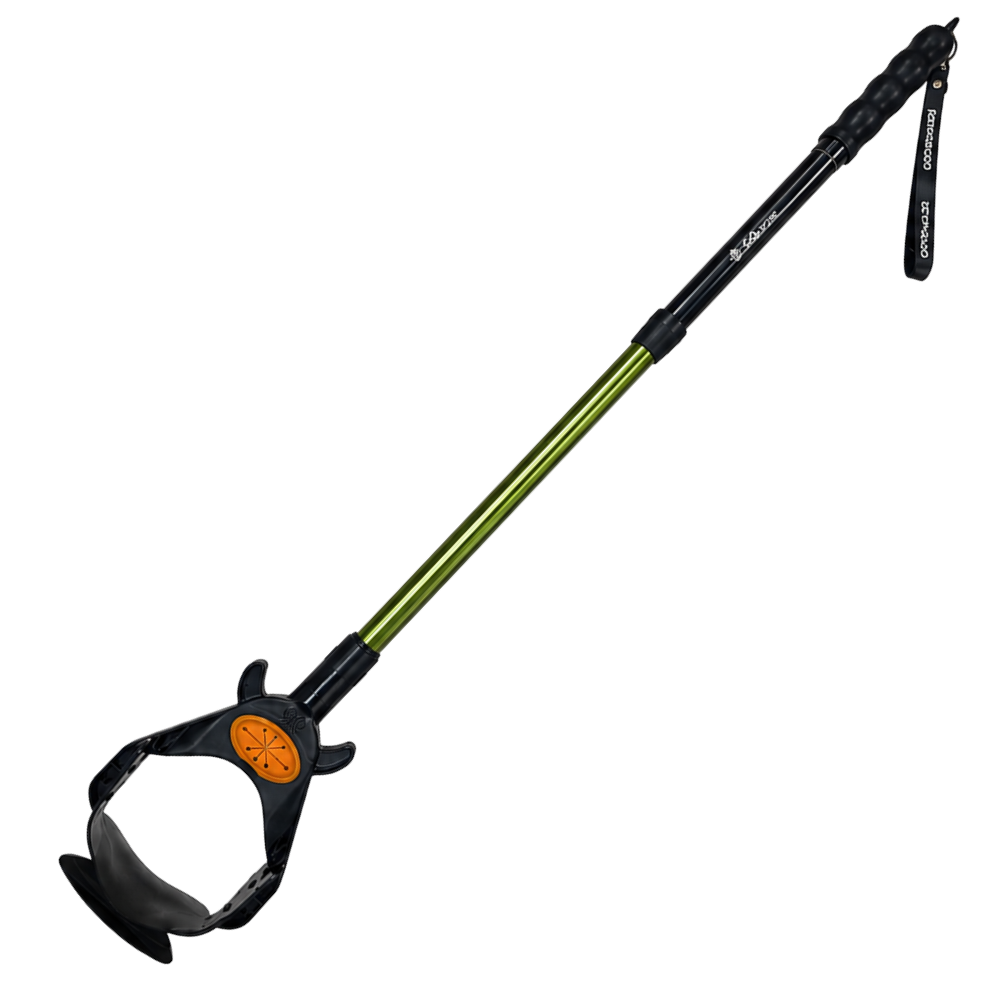
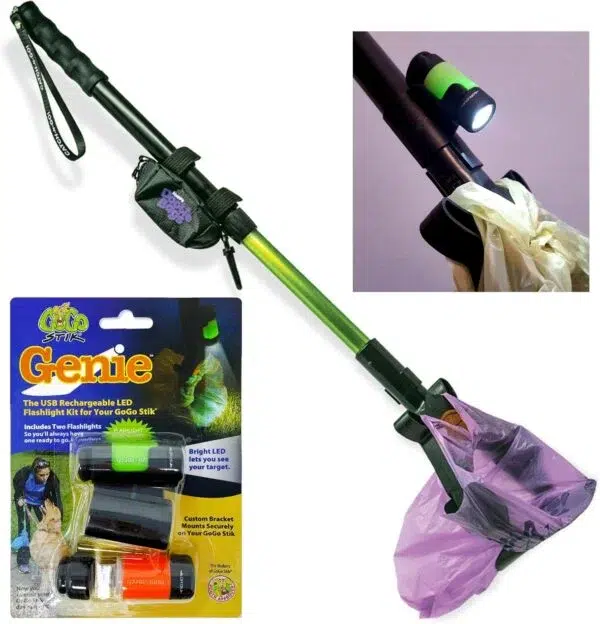
If the bag lines the scooper, waste never touches the tool. That removes the single slowest part of a stop. The XP Pro long-handle scooper works that way, and the scooper and rake-spade set with bulk bags adds the rake you need for rough turf.
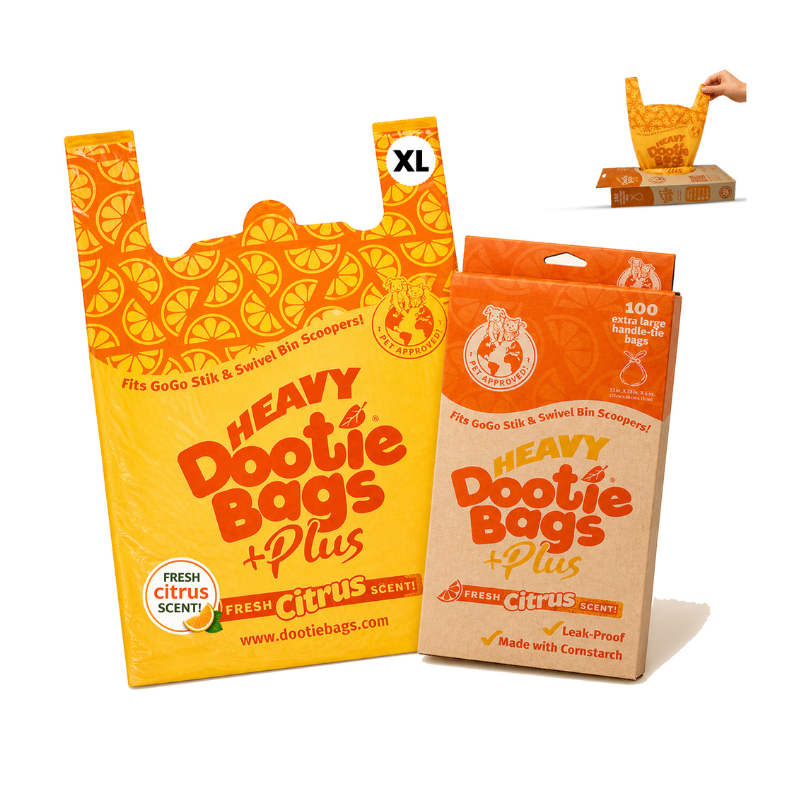
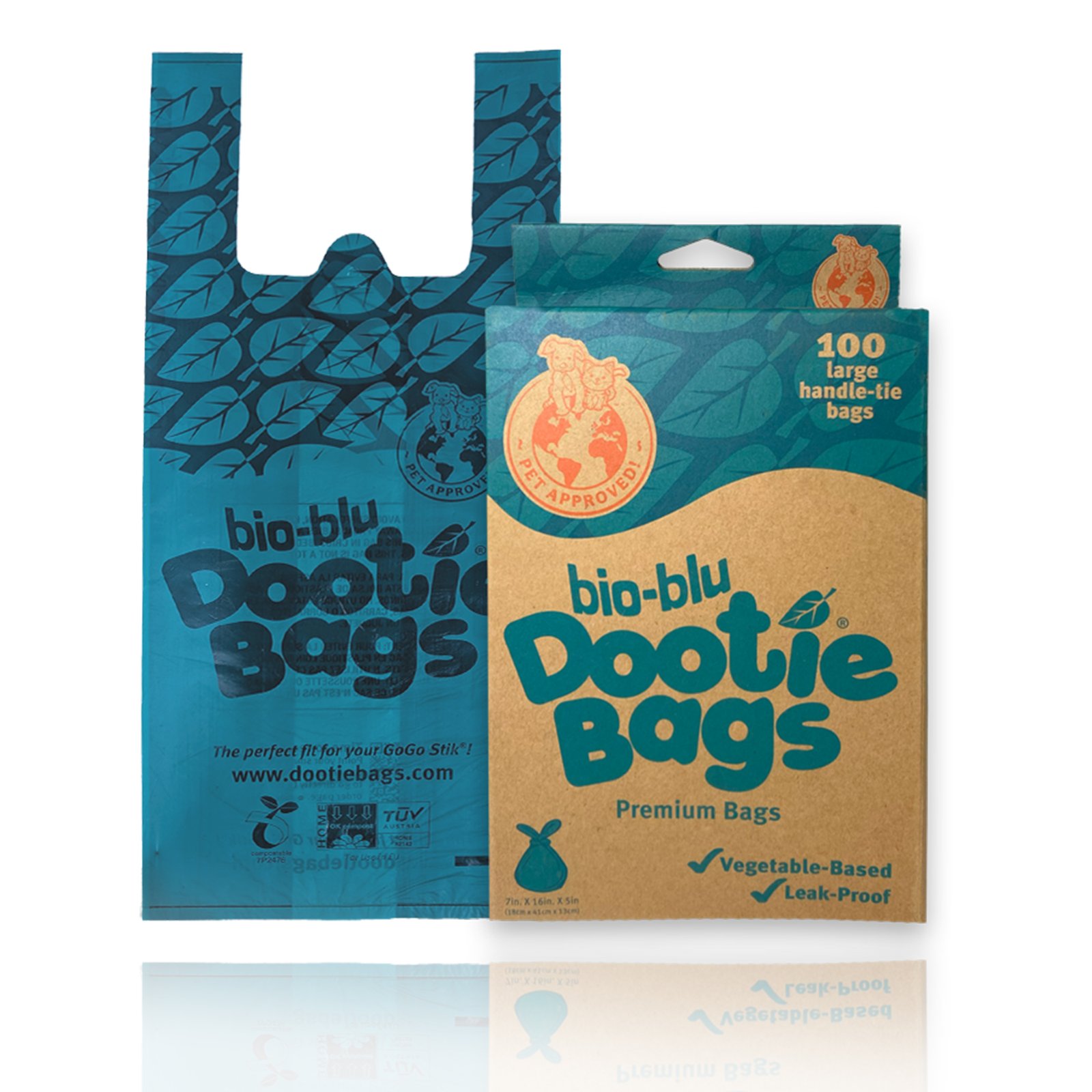
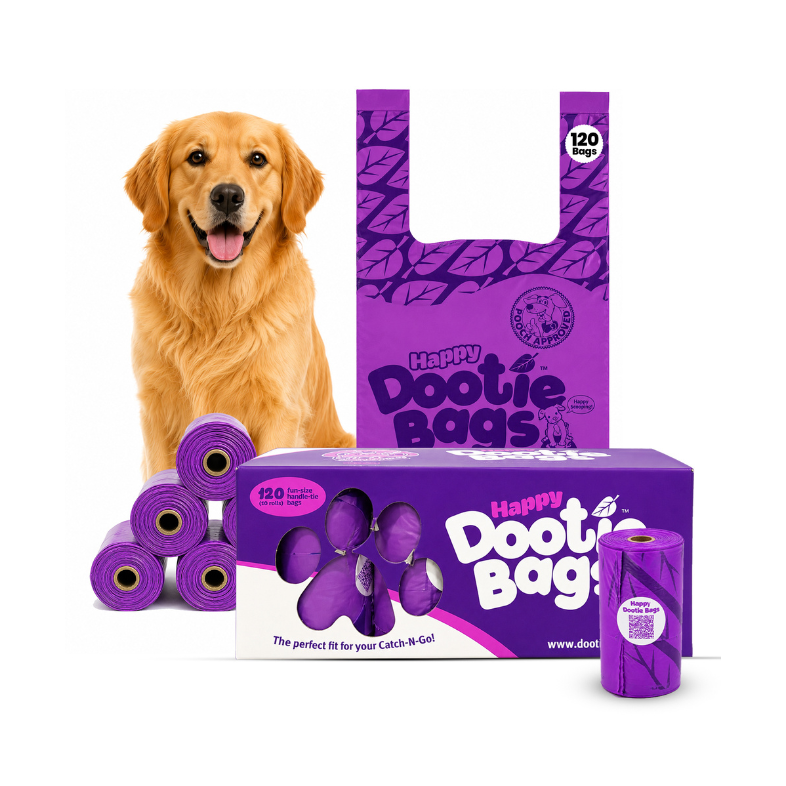
Volume bags matter more than tool choice over a year, and the bulk bag setup dog walkers use scales straight onto a scooping route. Heavy Dootie bulk waste bags are oversized with tie handles, so one bag can hold a full yard instead of three. If you want to ask about larger quantities, contact the GoGo Stik team directly.
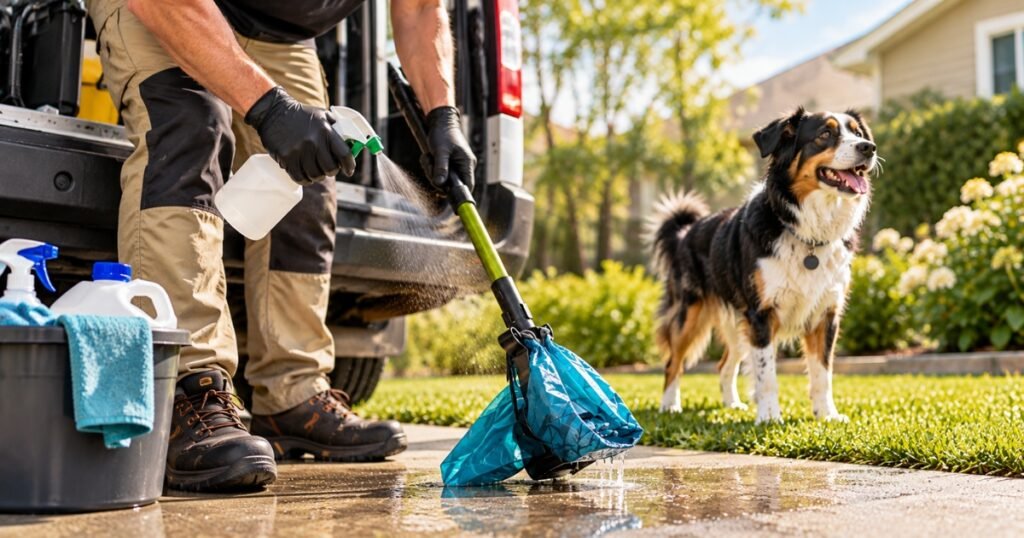
Carrying residue from one property to the next is how a dog waste removal business spreads parasites between client dogs. Roundworm and hookworm eggs travel in faecal matter, as the AVMA explains in its parasite guidance.
Keep a sprayer of disinfectant and a jug of rinse water in the vehicle. Spray the scooper head, boots and gloves before you get back in. A design where waste never contacts the tool cuts this down to seconds, and our 60-second scooper cleaning method covers the full routine.
Do it even when nobody watches. One parvo scare traced back to your truck ends the business.
Paid ads can wait. Early clients come from people who already see dogs every day.
For large or multi-dog properties, matching your tool to the dog matters; the top scoopers for large dogs comparison is a useful starting point.
It depends almost entirely on route density, fuel and how many clients stay through winter. We cannot give you figures, because they vary by market and change constantly. Track two numbers yourself from the first week: minutes per stop and drive time between stops. Those two tell you more about whether the route works than any income claim you read online.
Requirements vary by state, county and city, and they change. Check three places: your state’s business registration office, your city or county solid waste department about hauling and disposing of commercial pet waste, and your local business licensing desk. Ask them directly rather than relying on a forum answer. Get the response in writing or by email so you have a record.
That is a local question, and the answer differs between neighbouring counties. Some areas allow collected waste in regular trash, some treat hauled waste differently, and some facilities have their own rules. Call your county solid waste authority before your first route. Never dump collected waste in a client’s bin or a public can without clear permission from the owner or the municipality.
Typically a long-handle no-touch scooper with a backup, a rake or spade attachment for grass and gravel, oversized bags bought by the case, gloves, a disinfectant sprayer, and a lidded container in the vehicle for transport. The key difference from home gear is that everything has to survive dozens of uses a day and clean up fast between properties.
What separates the routes that last from the ones that fold is planning, not enthusiasm: tight routes, durable tools, bulk bags and local rules you have actually confirmed. Start by calling your county about disposal and a broker about liability cover, then build your first clients on one or two streets you can service in a single loop. When you are ready to equip the route, pick a no-touch scooper and oversized bags that survive a full morning of yards.
Alec Beaton is the Founder & Inventor of Pooch Approved Products and GoGo Stik®. Inspired by real-life pet parenting, he turns everyday cleanup challenges into simple, innovative solutions that make life better for pets and their people.
Thinking of starting a pooper scooper business? An honest look at the daily work, the downsides, the 9 essentials you need, and gear that survives a full route.
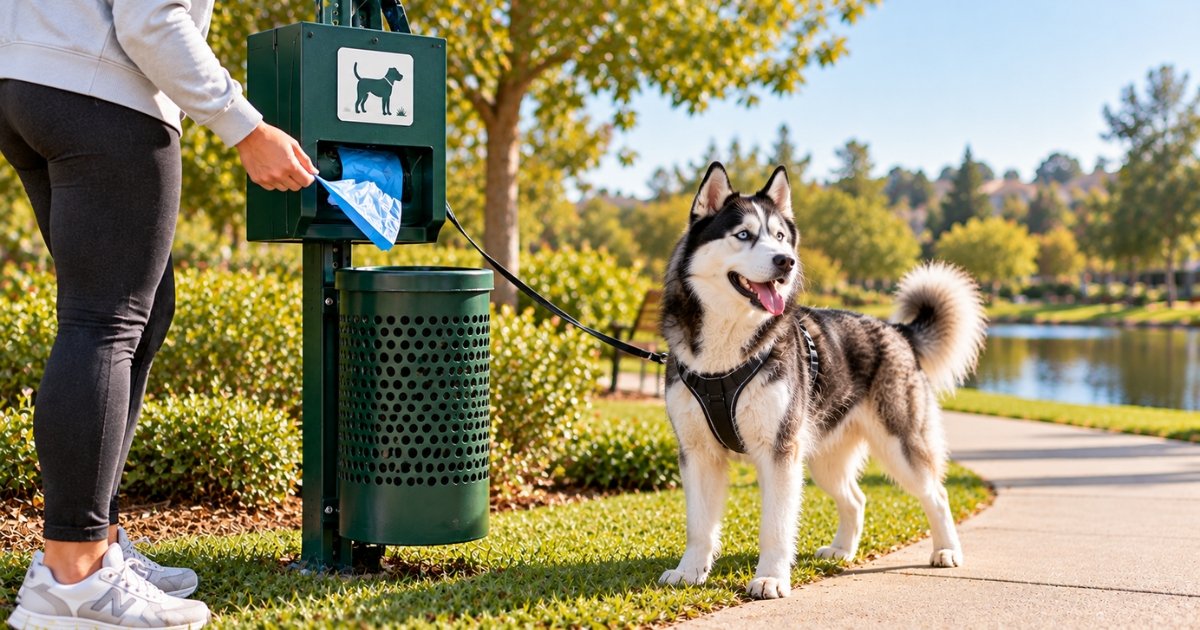
Choosing a dog waste station for an HOA, apartment or park? Learn siting, signage, emptying duties and the refill bag costs that decide if it works.
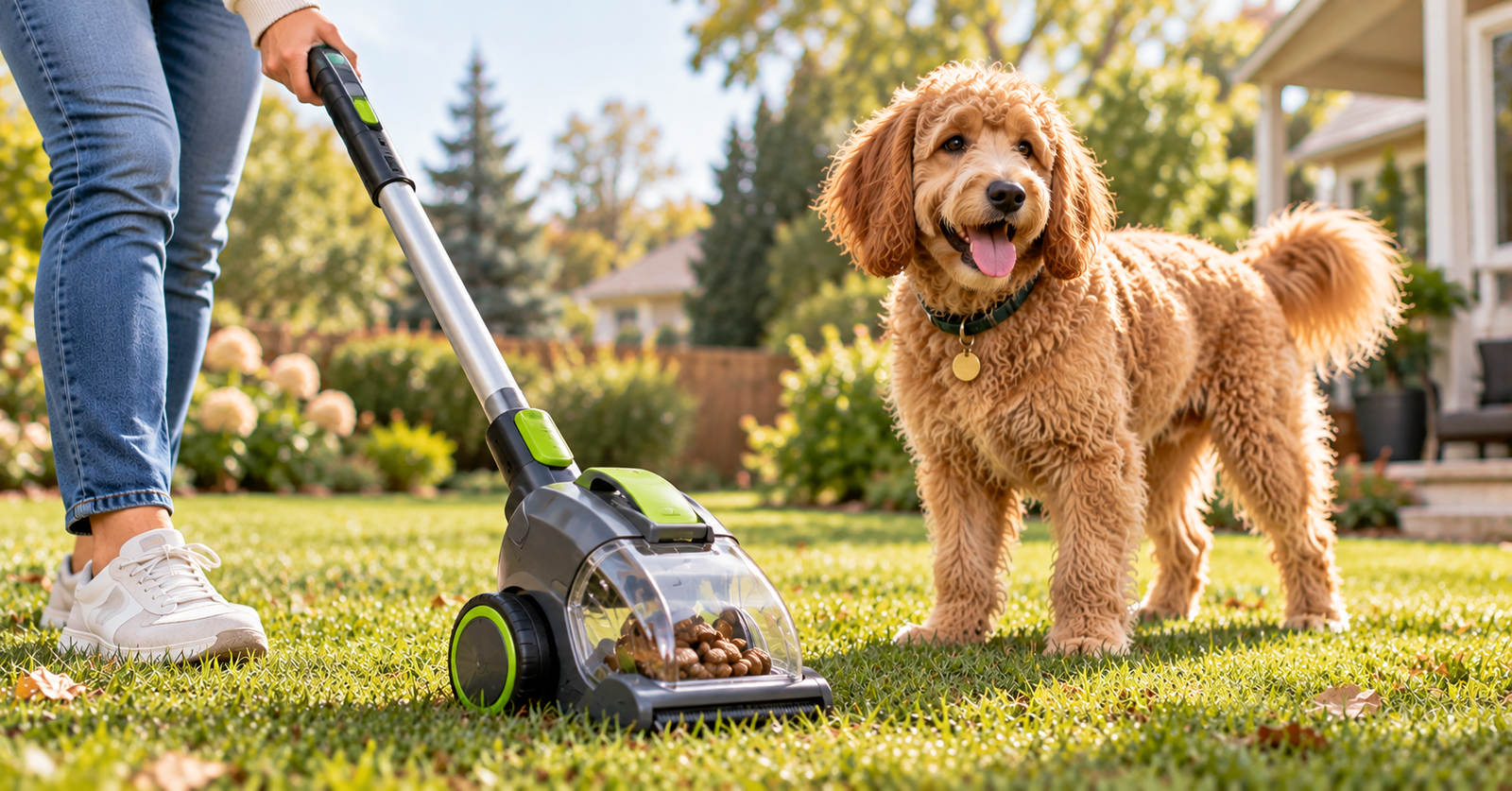
Can a dog poop vacuum really clean your yard? Here is how suction, powered scoopers and yard robots work, what they struggle with, and what to buy.