Pooper Scoopers
Pooper Scooper Business: 9 Things You Need to Start Safe
Thinking of starting a pooper scooper business? An honest look at the daily work, the downsides, the 9 essentials you need, and gear that survives a full route.
 Skip to content
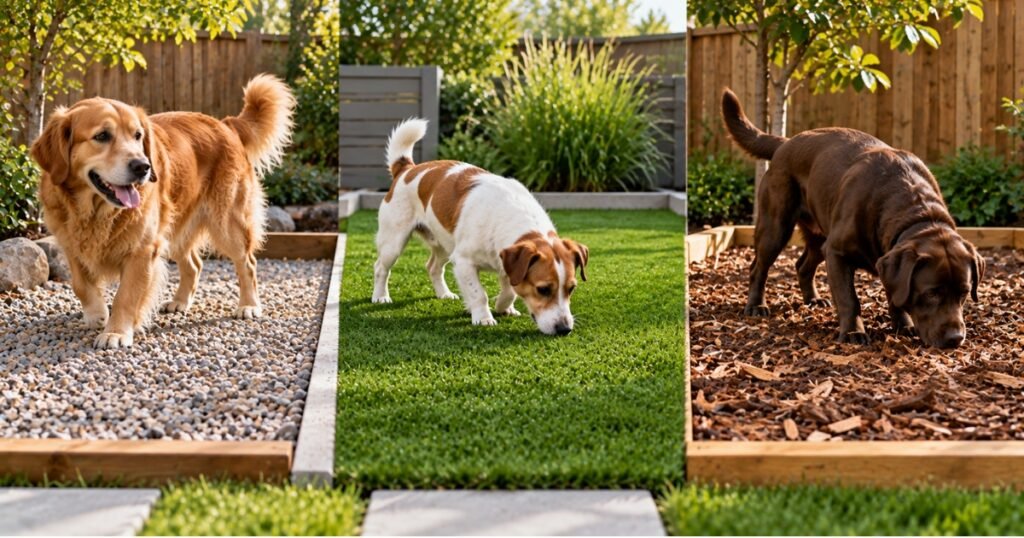
If your lawn has turned into a patchwork of yellow spots and muddy paw prints, you’re not alone. Creating a dedicated bathroom zone is one of the smartest ways to protect your grass and simplify daily cleanup. But the best dog potty area ideas all come down to one big decision: what do you put on the ground? The three most popular surfaces—pea gravel, artificial turf, and mulch—each have real trade-offs in drainage, odor control, cost, and how easy they are to scoop. Below, we break down all three so you can build a potty station that actually works for your dog and your weekend.
We’ve tested these setups across small city yards and big rural properties, and the “right” answer depends on your climate, your dog’s size, and how much maintenance you’re willing to do. Let’s dig in.
A designated potty spot trains your dog to go in one place, which means no more hunting across the whole yard with a bag in hand. It also concentrates waste and urine to one drainable zone, protecting the rest of your lawn from nitrogen burn. According to the American Veterinary Medical Association, consistent routines and designated spaces support better housetraining outcomes—especially for puppies and senior dogs.
Just as important: a proper base surface keeps cleanup fast and hygienic. Pair any of these surfaces with a good no-touch scooper and you’ll spend seconds, not minutes, on the daily chore. If you’re still deciding on tools, our guide to no-touch cleanup gear is a helpful next step.
Pea gravel—small, rounded stones about ⅜ inch across—is a favorite for permanent potty areas. It drains almost instantly, dries fast, and doesn’t hold heat the way some surfaces do.
Solid waste sits right on top, so you’ll want to scoop daily—a rake-style tool works beautifully here because the tines slide between the stones. Gravel can also scatter, and some dogs are hesitant about the texture at first. A landscape-fabric underlayment prevents stones from sinking into the soil over time.
Pet-specific artificial turf gives you a clean, green look year-round with almost no muddy mess. It’s ideal for balconies, patios, and small urban yards where a natural surface isn’t practical.
Urine doesn’t disappear—it sits in the backing unless you buy turf with a proper drainage base and rinse regularly. Without upkeep, ammonia odor builds fast, especially in summer heat. Choose turf rated for pets with antimicrobial infill, and plan to hose it down and deodorize weekly. Quality pet turf also carries a higher upfront cost than gravel or mulch.
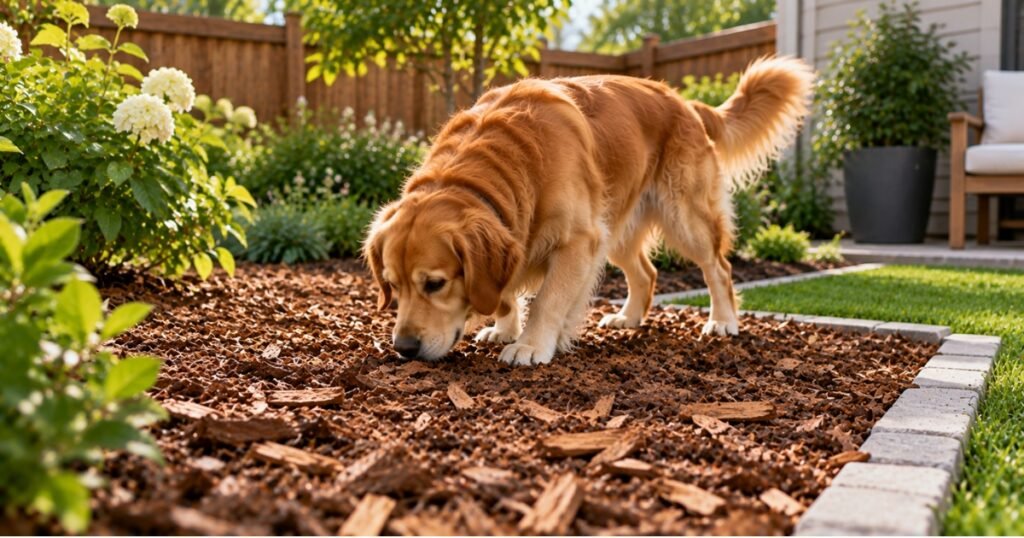
Mulch blends naturally into garden-style yards and is the most affordable surface to install. But not all mulch is safe—this is where many owners go wrong.
Never use cocoa mulch, which is toxic to dogs. Avoid dyed mulches and sharp bark, too. The safest choice is untreated cedar or pine bark. The ASPCA maintains detailed guidance on pet toxins worth reviewing before you buy any landscaping material.
Here’s how the three top dog potty area ideas stack up side by side so you can match a surface to your priorities:
Our field-tested tip: whatever surface you pick, install a slight slope (about 1–2%) away from the house and lay landscape fabric underneath. That single step prevents the pooling and sinking that ruins most DIY potty areas within a year.
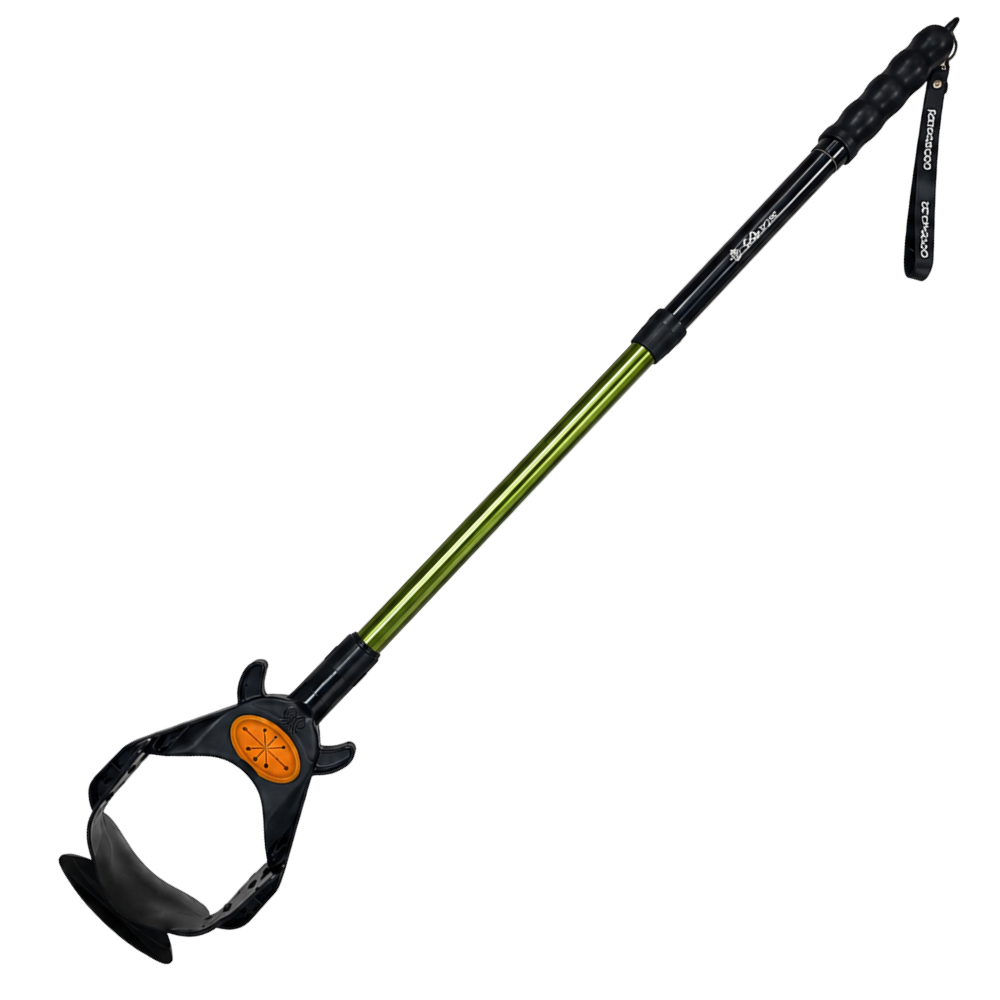
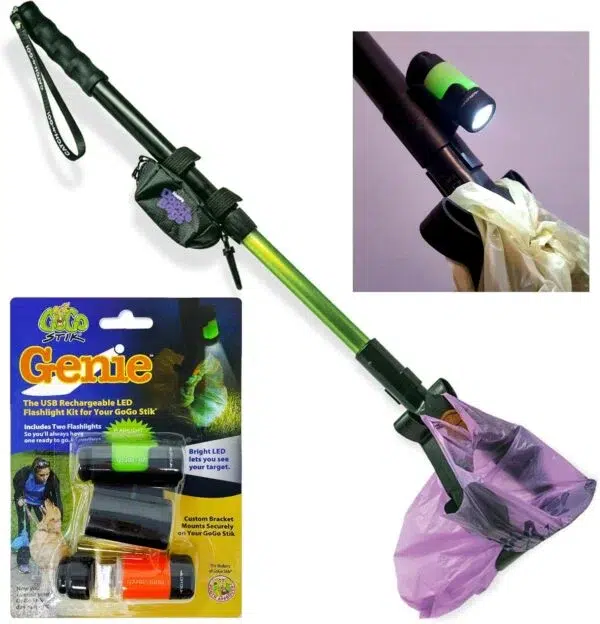
The surface is only half the equation—daily removal is what actually keeps odor down. Solid waste left to break down is the number-one source of smell on gravel and mulch alike. A patented no-touch scooper like the GoGo Stik XP Pro set lets you scoop from a standing position without bending, and the rake-spade attachment is perfect for lifting waste off gravel and turf without snagging.
Follow a simple routine:
For the paw-wiping step, a wipes and poop bags bundle keeps everything you need in one spot by the door.
For most yards, pea gravel offers the best all-around performance thanks to fast drainage and low odor. Artificial turf wins for patios and balconies, while mulch is the budget pick—just use untreated cedar or pine, never cocoa mulch.
Scoop solid waste daily, rinse the surface weekly, and use a pet-safe enzyme deodorizer. Good drainage matters most—gravel and properly based turf let urine flow away instead of pooling and turning to ammonia.
Pea gravel drains better and costs less upfront, but turf looks tidier and requires no mud management. Choose gravel for larger natural yards and turf for small hard-surface spaces where installation and appearance matter more.
A good rule of thumb is roughly 16 square feet (4×4) for a small dog and up to 8×8 for a large breed. Bigger dogs need more room to circle and sniff before going.
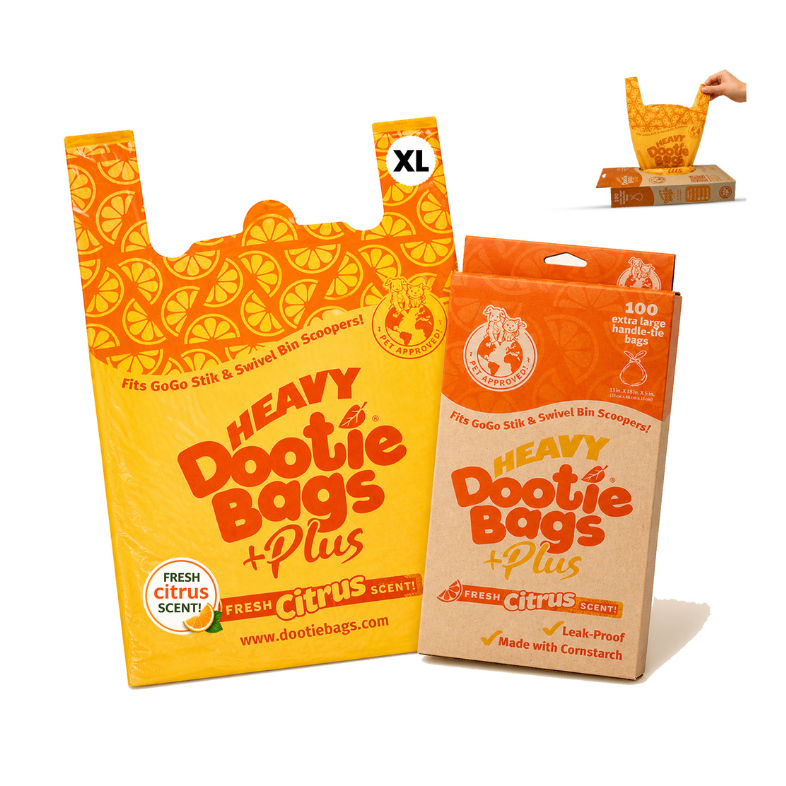
There’s no single winner among these dog potty area ideas—the best choice depends on your space, climate, and cleanup habits. Whichever surface you build, the right no-touch tools make daily maintenance effortless and keep odor in check. Ready to gear up? Browse the full lineup of scoopers, rakes, wipes, and Dootie Bags at the GoGo Stik shop and make yard cleanup the easiest part of your day.
Alec Beaton is the Founder & Inventor of Pooch Approved Products and GoGo Stik®. Inspired by real-life pet parenting, he turns everyday cleanup challenges into simple, innovative solutions that make life better for pets and their people.
Thinking of starting a pooper scooper business? An honest look at the daily work, the downsides, the 9 essentials you need, and gear that survives a full route.
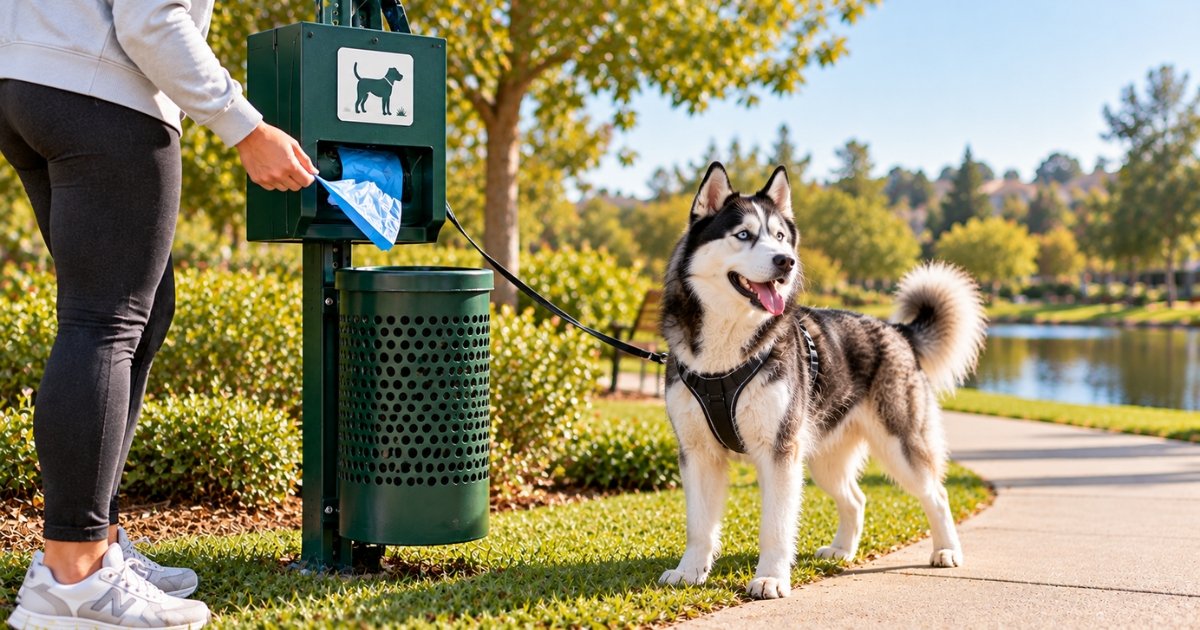
Choosing a dog waste station for an HOA, apartment or park? Learn siting, signage, emptying duties and the refill bag costs that decide if it works.
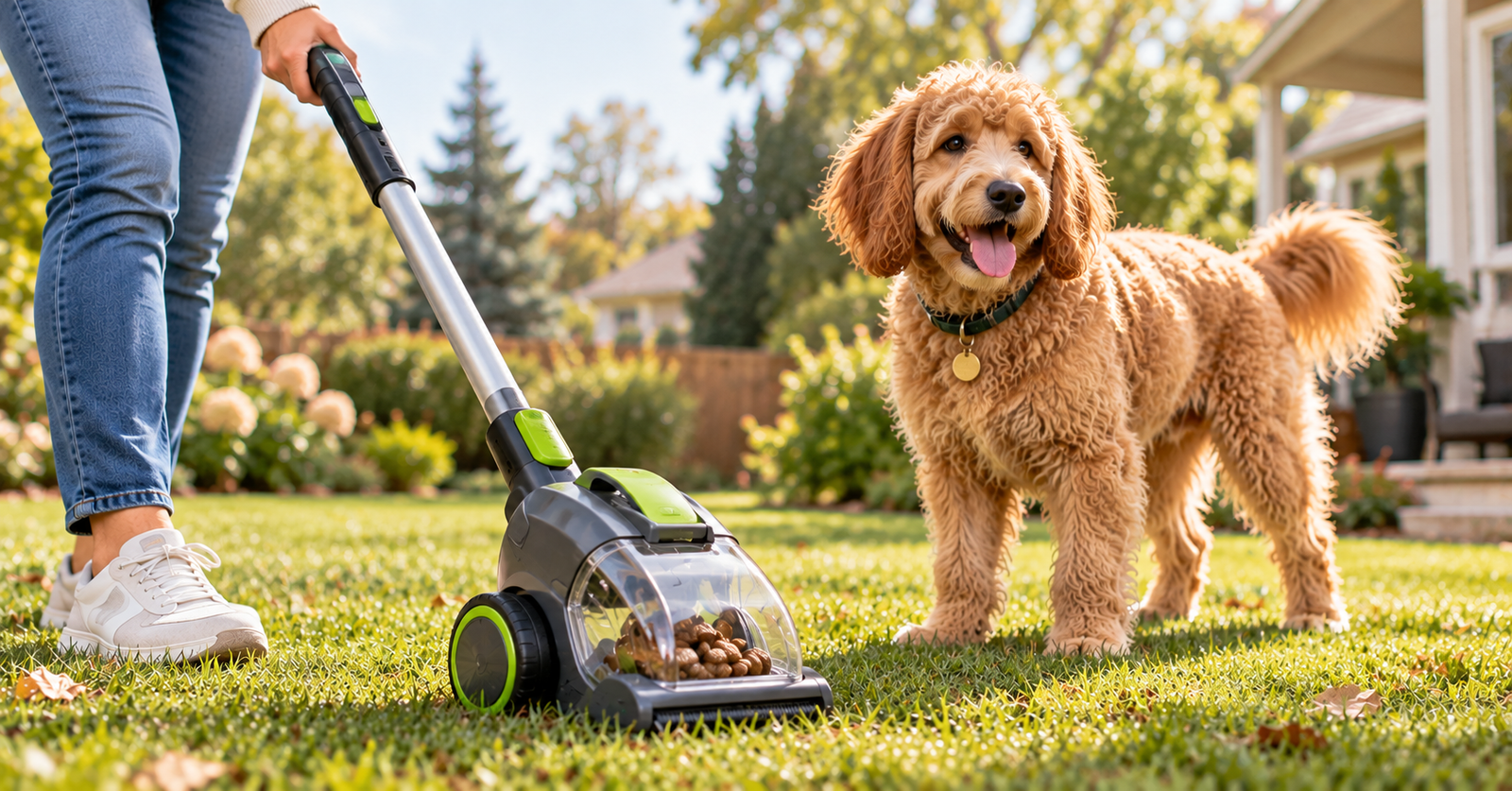
Can a dog poop vacuum really clean your yard? Here is how suction, powered scoopers and yard robots work, what they struggle with, and what to buy.