





Dog Life & Training
Dog Won’t Poop in Snow? 6 Easy Fixes
Dog won’t poop in snow? Learn why cold, salt and buried scent stop them, how to clear a potty patch, and when holding it means a vet visit.

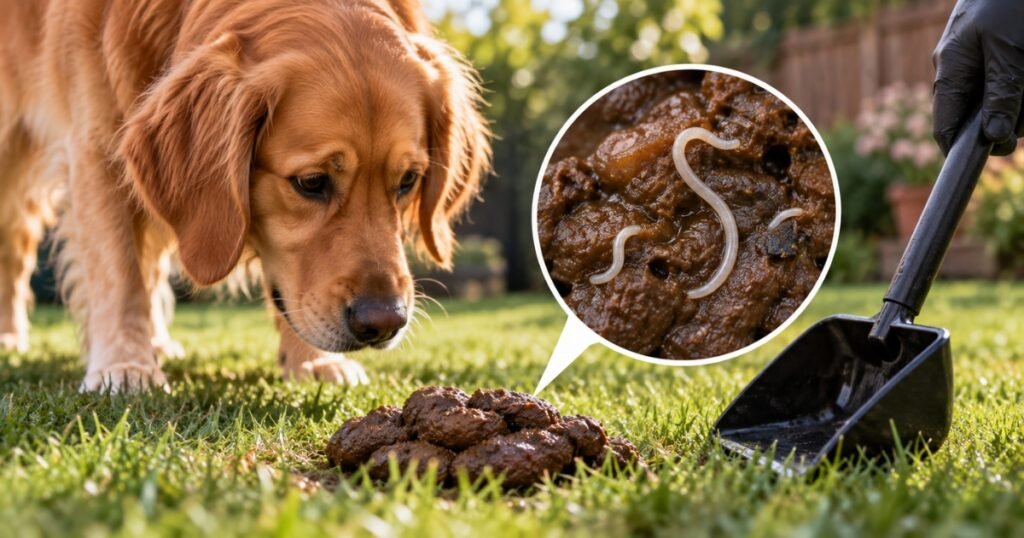
Scooping the yard and spotting something wriggling — or what looks like grains of rice — can be alarming. Finding worms in dog poop is one of the most common (and unsettling) things pet parents notice, and the good news is that most intestinal parasites are treatable once you know what you’re looking at. This vet-reviewed guide walks you through how to identify the worms you might see, what they mean for your dog’s health, and how to clean up safely so the problem doesn’t spread.
Whether you’re a new puppy owner or a seasoned dog parent, learning to read your dog’s stool is a simple, powerful habit. Let’s break down what those worms look like and what to do next.
Intestinal parasites are extremely common in dogs of all ages. Dogs pick them up from contaminated soil, infected wildlife or rodents, fleas, mother’s milk, or simply by sniffing and licking the ground on a walk. Puppies are especially vulnerable because many are born with roundworms passed from their mother.
Seeing worms in your dog’s poop usually means the infection is already established. But not every parasite is visible — some, like whipworms and certain hookworms, are microscopic and only show up on a fecal test at your vet. That’s why regular stool checks and yearly screenings matter, even when everything looks normal.
Different parasites look distinctly different. Here’s what to look for during cleanup:
The most common worm in dogs, roundworms look like spaghetti — long, round, off-white or tan, and often several inches long. You may see them in fresh stool or, in heavy infections, in vomit. Puppies with roundworms frequently have a pot-bellied appearance.
Tapeworm segments look like small, flat, white grains of rice or cucumber seeds. You’ll often spot them stuck to the fur around your dog’s rear or on fresh poop, sometimes moving. Tapeworms are usually transmitted when a dog swallows an infected flea.
Hookworms are thin and very small — often too tiny to see with the naked eye. The bigger clues are dark, tarry, or bloody stool, weakness, and pale gums, since hookworms feed on blood and can cause anemia.
Whipworms are also rarely visible. They can cause intermittent diarrhea, sometimes with mucus or blood. Diagnosis almost always requires a lab fecal exam.
Visible worms warrant a call to your veterinarian, but watch for these warning signs too:
According to the U.S. Centers for Disease Control and Prevention, some dog worms — including roundworms and hookworms — are zoonotic, meaning they can infect people, particularly children. That’s one more reason to act quickly and clean up thoroughly.
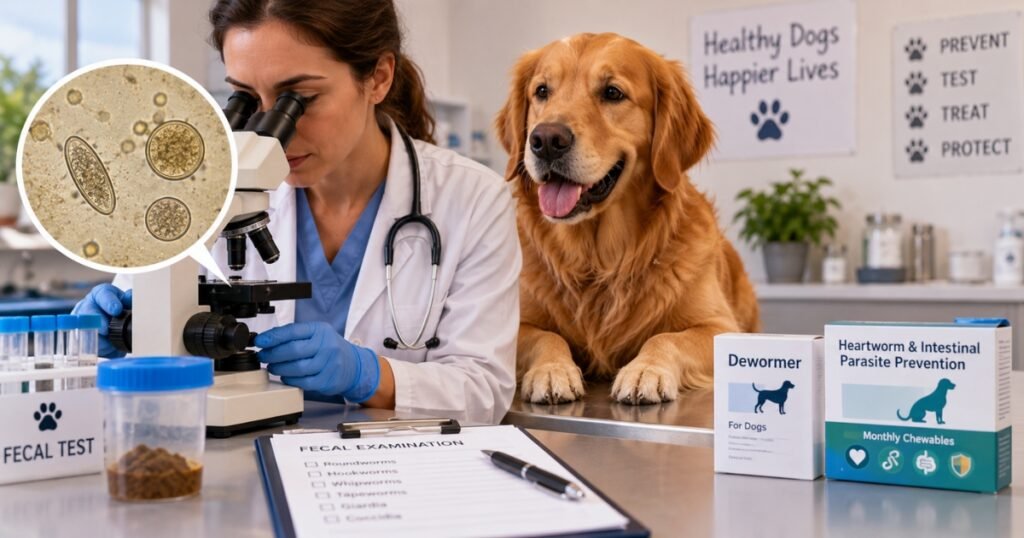
Your vet will typically run a fecal flotation test to identify parasite eggs under a microscope — the most reliable way to confirm which worms are present, even the ones you can’t see. Treatment is usually a targeted deworming medication, and the specific drug depends on the parasite, so avoid guessing with over-the-counter products alone.
The Companion Animal Parasite Council recommends year-round parasite prevention and routine fecal testing. Many monthly heartworm preventives also protect against common intestinal worms, so ask your vet about a plan that covers your dog year-round.
Worm eggs can survive in soil for months, quietly reinfecting your dog and putting your family at risk. Prompt, no-touch cleanup is your best defense. Here’s how to keep your yard and hands clean:
This is where the right tool makes a real difference. Our patented no-touch scoopers let you pick up and bag waste without bending, touching, or risking exposure. The GoGo Stik XP Pro with heavy-duty Dootie Bags is a pet-parent favorite for fast, sanitary daily scooping, while the Catch-N-Go with LED flashlight kit makes nighttime cleanup easy so nothing gets missed. For bigger dogs or full yard cleanups, the Scooper and Rake-Spade Set clears grass and gravel without the mess.
It depends on the type. Roundworms resemble spaghetti — long, round, and off-white. Tapeworm segments look like small white grains of rice, often moving. Hookworms and whipworms are usually too small to see, so bloody or chronically loose stool may be your only clue.
Yes. Some parasites, like roundworms and hookworms, are zoonotic and can infect people, especially children, through contaminated soil. Practicing no-touch cleanup, washing your hands, and scooping daily dramatically lowers the risk.
No. Intestinal worms need proper deworming medication from your veterinarian to clear fully. Left untreated, they can cause anemia, weight loss, and serious illness — and they’ll keep contaminating your yard.
Combine year-round parasite prevention (ask your vet), routine fecal testing, flea control, and consistent daily poop pickup. Removing stool quickly is one of the simplest, most effective ways to break the reinfection cycle.
Finding worms in dog poop is common, treatable, and manageable when you know the signs. Learn to recognize roundworms, tapeworms, and hookworms, call your vet for the right diagnosis and dewormer, and stay ahead of reinfection with fast, sanitary cleanup. Your dog — and your whole family — will be healthier for it.
Ready to make daily pickup cleaner and safer? Explore our full lineup of patented no-touch scoopers, rakes, and heavy-duty Dootie Bags in the GoGo Stik shop and keep your yard worm-free with less mess and zero touching.

Alec Beaton is the Founder & Inventor of Pooch Approved Products and GoGo Stik®. Inspired by real-life pet parenting, he turns everyday cleanup challenges into simple, innovative solutions that make life better for pets and their people.
Dog won’t poop in snow? Learn why cold, salt and buried scent stop them, how to clear a potty patch, and when holding it means a vet visit.
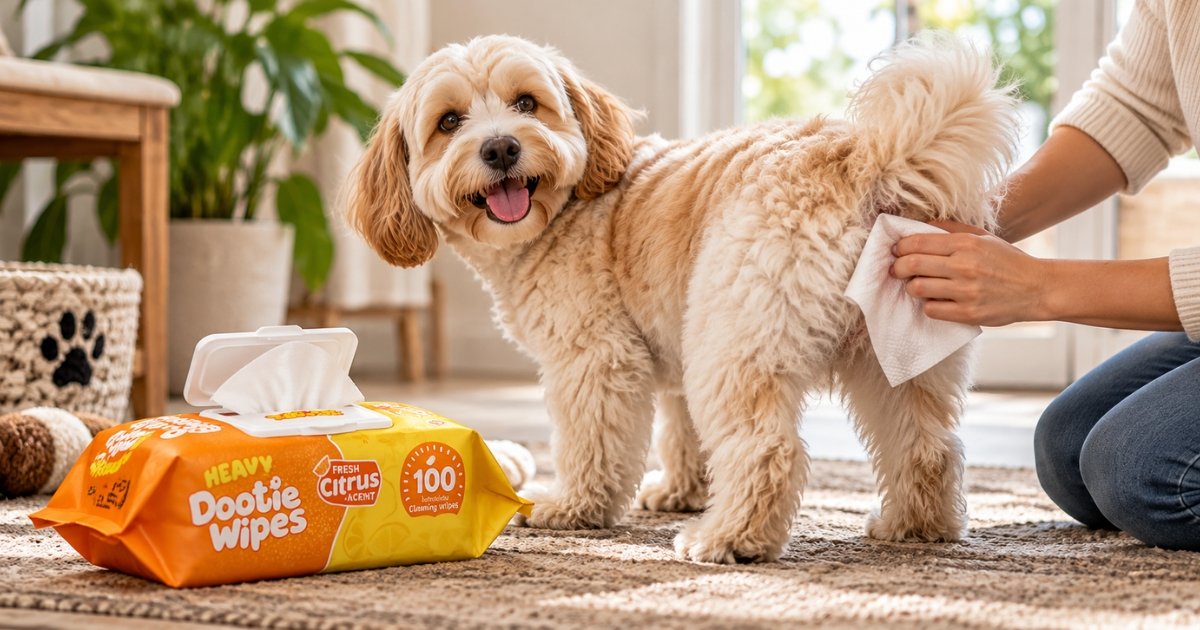
Dog butt wipes buyer’s guide: when your dog needs one, the 6 specs that matter, why baby wipes fail, and the signs that mean a vet visit, not more wiping.
Dog upset stomach? Use this vet-informed home-care checklist to soothe nausea, spot red flags, and know exactly when to call the clinic.