Home/Blogs/Winter Pet Care: How to Handle Dog Waste in Snow and Ice
Winter Pet Care: How to Handle Dog Waste in Snow and Ice
Winter brings unique challenges for dog owners, especially when it comes to managing pet waste. Frozen droppings, snow-covered yards, and icy conditions can make the task of keeping your outdoor space clean feel nearly impossible. However, with the right tools and techniques, winter waste management doesn’t have to be a frustrating chore.
Cold weather transforms dog waste into hard, frozen obstacles that standard cleanup methods can’t handle. Snow accumulation hides waste until spring thaw, creating unsanitary conditions and unpleasant surprises. Therefore, having a proper winter cleanup strategy is essential for maintaining a clean yard and protecting your family’s health.
Why Winter Dog Waste Cleanup Matters
Many dog owners postpone waste removal during winter months, assuming frozen temperatures make it less urgent. Unfortunately, this approach leads to serious problems once warmer weather arrives.
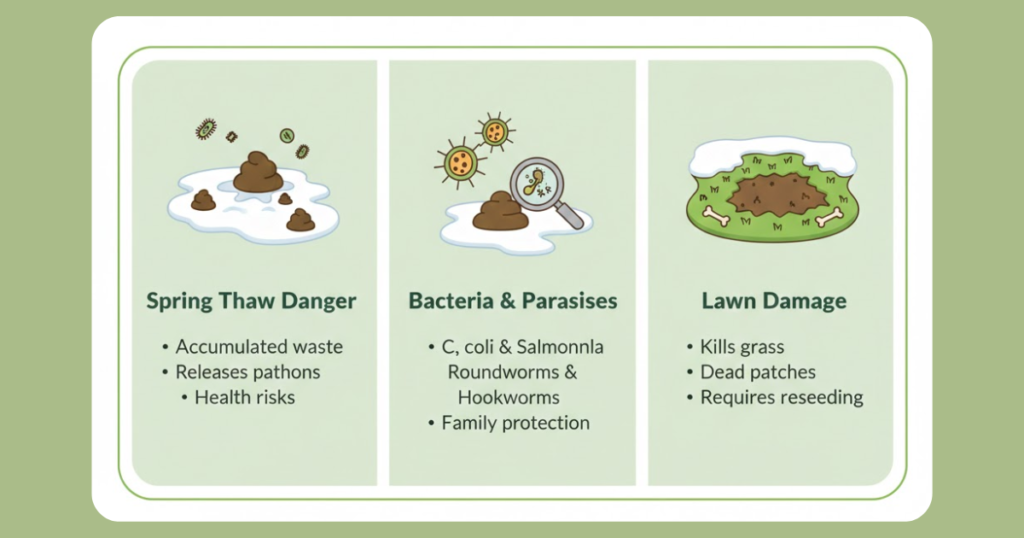
Frozen waste doesn’t decompose. Instead, it accumulates throughout winter, creating breeding grounds for bacteria and parasites. When spring arrives, melting snow reveals months of accumulated waste, releasing harmful pathogens into your yard. Children playing outside and other pets become exposed to these health risks.
Dog waste contains harmful bacteria like E. coli and salmonella, which remain viable even in freezing temperatures. Consequently, regular removal protects your family and neighbors from potential illness. Parasites such as roundworms and hookworms can survive winter conditions in dog feces, posing risks to both humans and animals.
Beyond health concerns, accumulated waste damages your lawn. As snow melts, concentrated waste deposits kill grass and create dead patches that require reseeding in spring. Regular winter cleanup prevents this damage and keeps your yard looking healthy year-round.
Challenges of Winter Waste Removal
Frozen Waste Problems
Frozen dog poop becomes rock-hard, making it difficult to pick up with standard bags or tools. The cold causes waste to stick to surfaces, requiring extra effort to remove completely. Standard cleanup methods that work well in warmer months fail during winter conditions.
Snow Cover Issues
Fresh snowfall quickly covers waste, making it invisible until you accidentally step on it or hit it with your pooper scooper. Locating waste buried under several inches of snow becomes a time-consuming treasure hunt. Deep snow makes it challenging to maneuver cleanup tools effectively.
Ice and Slippery Conditions
Icy walkways and frozen ground make it dangerous to carry waste bags and cleanup tools. Slipping while handling pet waste is not only unpleasant but potentially hazardous. Ice buildup on cleanup tools makes them less effective and harder to use.
Limited Daylight
Shorter winter days mean many dog owners handle waste removal in darkness. Poor visibility makes it harder to spot waste, especially against white snow. Therefore, proper lighting becomes essential for thorough cleanup.
Choosing the Right Winter Cleanup Tools
Essential Features for Winter Pooper Scoopers
Not all pooper scoopers work well in winter conditions. Look for these critical features when selecting your winter cleanup tool:
Durable Construction: Winter requires a heavy duty pooper scooper built from strong materials like reinforced plastic or metal. Flimsy tools break when dealing with frozen waste or pushing through packed snow.
Long Handle Design: Extended handles keep you upright during cleanup, reducing back strain and improving leverage when removing frozen waste. Long handles also help you reach waste in deep snow without bending over constantly.
Wide Scoop: A wider scooping surface allows you to gather more waste with fewer passes, saving time in cold weather. This feature proves especially valuable when clearing large yards or multiple dogs’ waste.
Serrated or Toothed Edges: Some premium scoopers feature serrated edges that can break through ice and packed snow, making frozen waste removal easier. These specialized edges grip frozen waste better than smooth surfaces.
Best Types of Pooper Scoopers for Winter
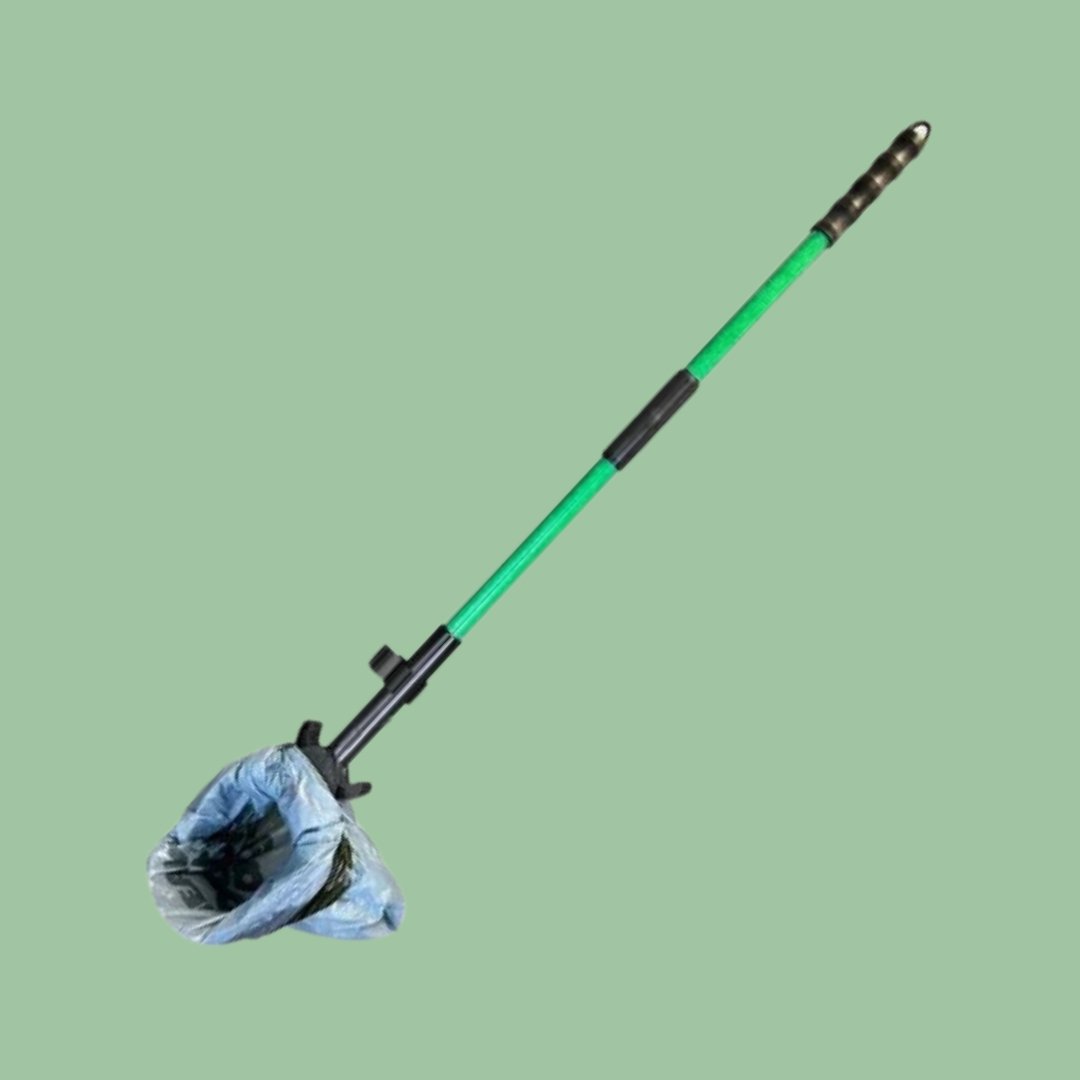
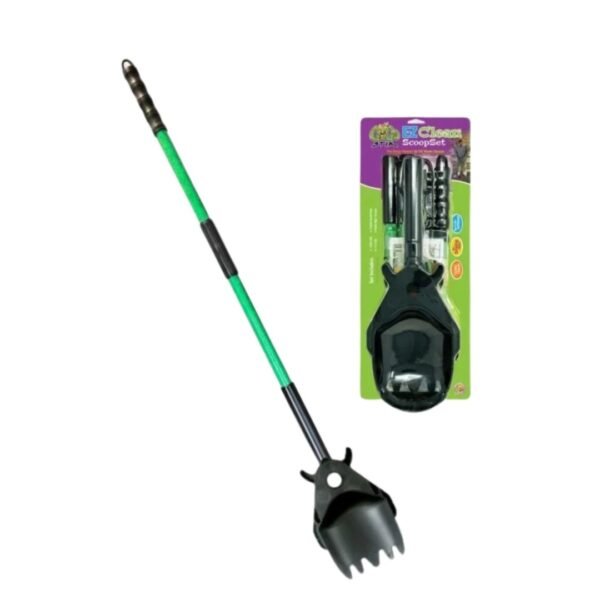
Rake and Bin Systems: These tools work exceptionally well in snow because the rake tines can penetrate through layers of snow to reach waste underneath. The separate bin allows you to collect multiple droppings before disposal. Products like the EZ Dootie Rake excel in winter conditions due to their specialized design.
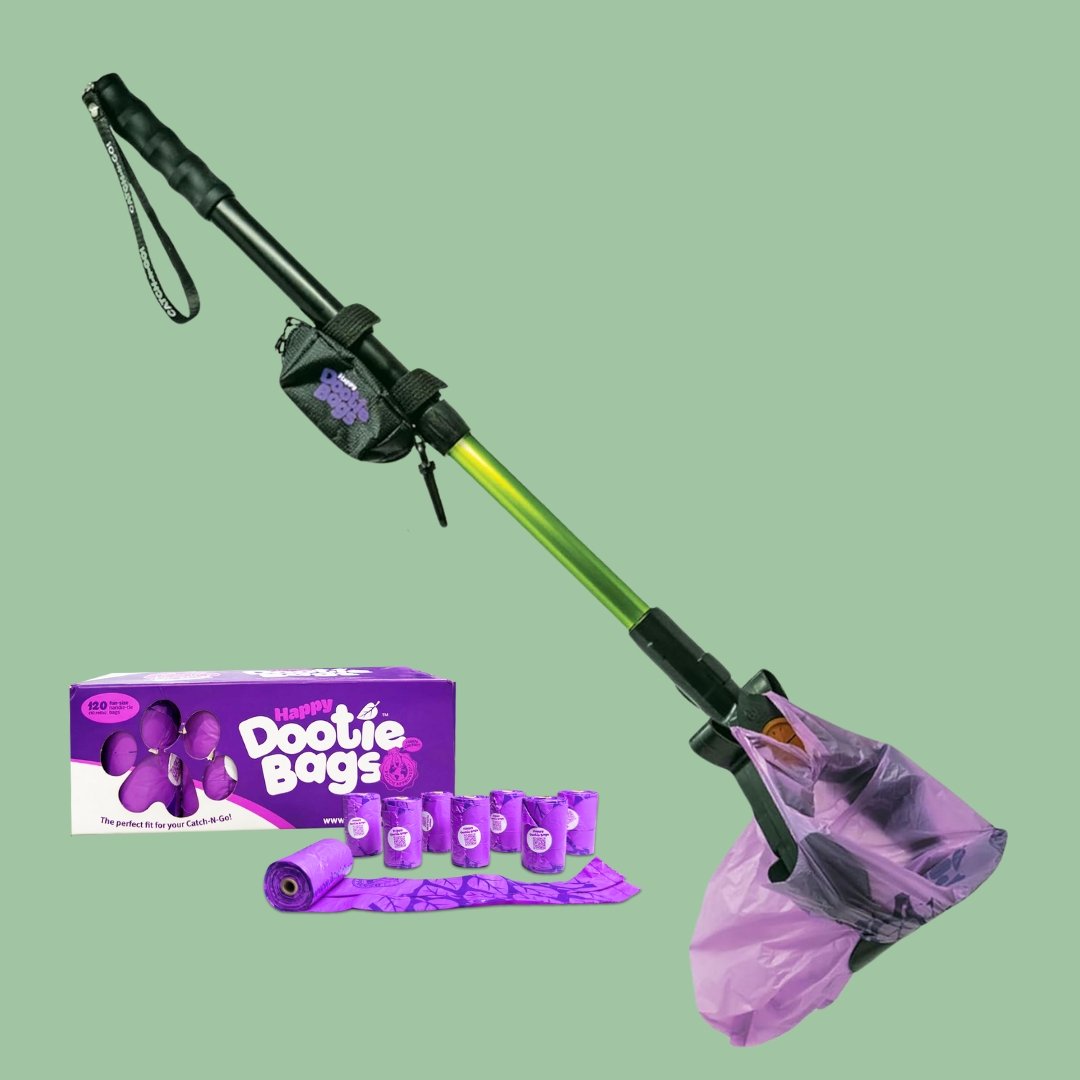
Claw-Style Scoopers: Spring-loaded claw scoopers provide excellent grip on frozen waste. Their squeezing action can break apart frozen clumps and maintain a firm hold during transport to disposal bags. The Catch N Go Hybrid Catcher combines claw functionality with convenient bag dispensing.
Pan and Rake Combinations: This classic design works reliably in all conditions, including winter. The rake pushes waste onto the pan, which then carries it to your disposal container. The XP Pooper Scooper Set includes both components for complete waste management.
Additional Winter Cleanup Equipment
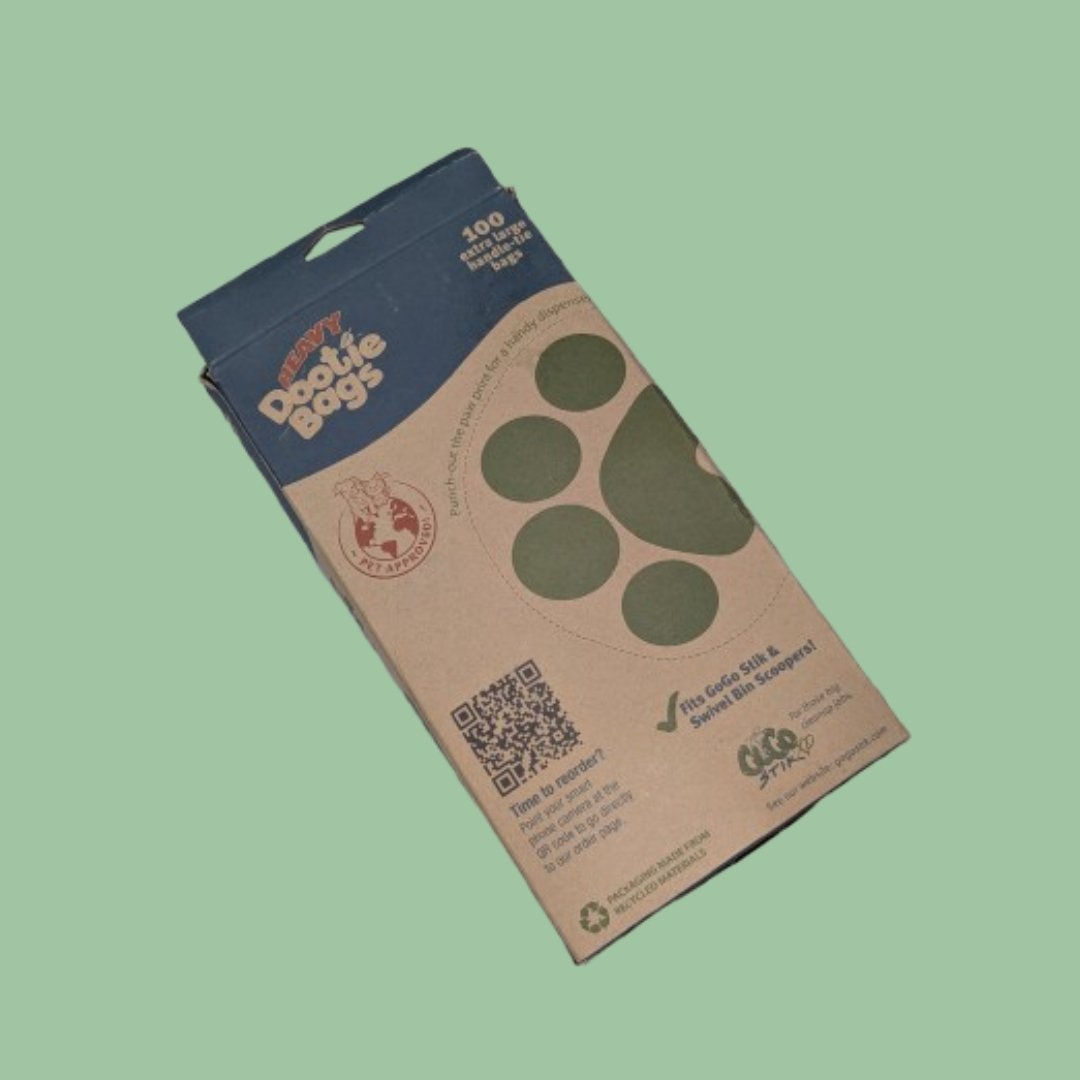
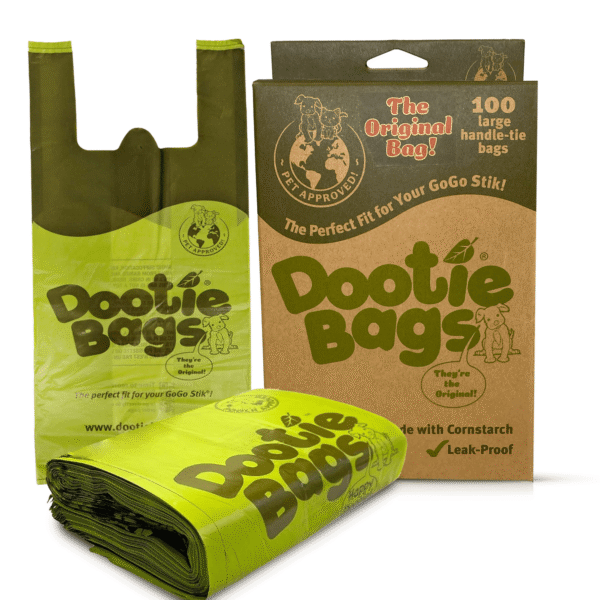
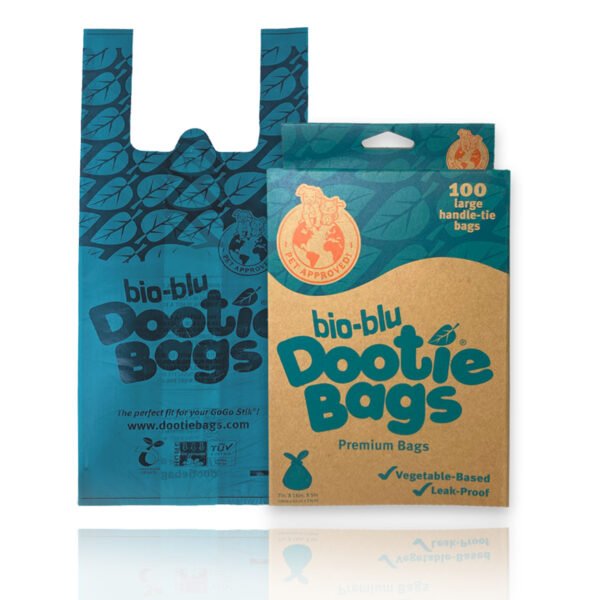
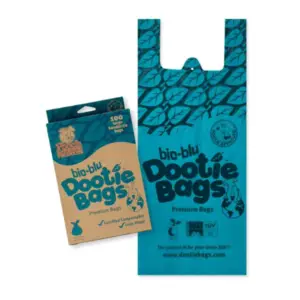
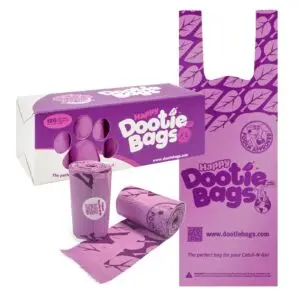
Heavy-Duty Waste Bags: Standard bags may tear in cold weather or when handling frozen waste. Invest in Heavy Dootie Bags designed to withstand winter conditions. These thicker bags prevent tears and leaks even with frozen waste.
Rechargeable LED Flashlights: Since winter cleanup often happens in darkness, a good light source is essential. Clip-on LED flashlights attach directly to your scooper, illuminating waste while keeping your hands free.
Pet-Safe Ice Melt: Keep pathways clear with pet-friendly ice melt products. Standard rock salt can irritate your dog’s paws and cause digestive issues if ingested. Pet-safe alternatives make cleanup areas safer for both you and your dog.
Step-by-Step Winter Waste Removal Guide
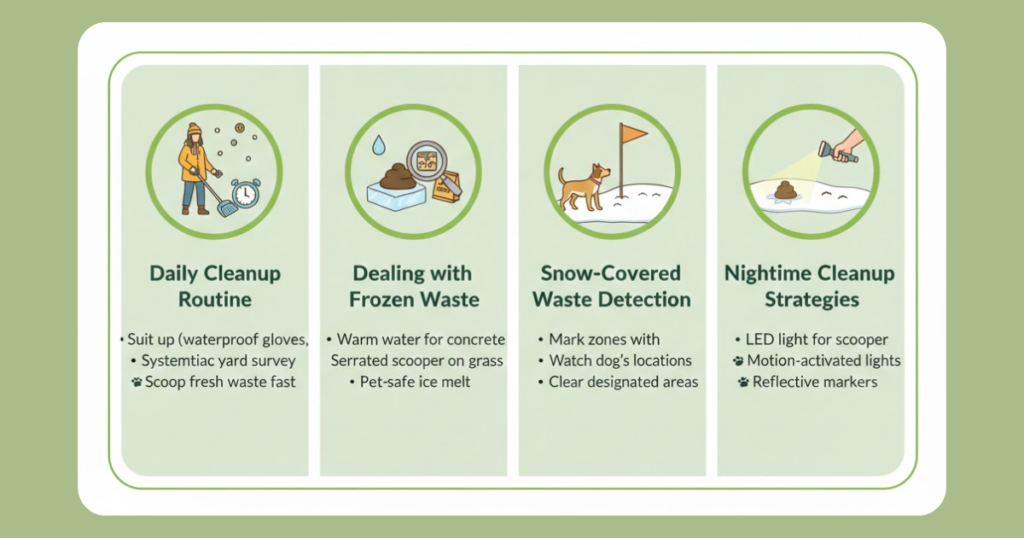
Daily Cleanup Routine
Establishing a daily cleanup routine prevents waste accumulation and makes each session faster. Even in harsh winter weather, consistency pays off.
First, suit up properly before heading outside. Wear warm, waterproof gloves that allow dexterity for handling your cleanup tools. Insulated boots with good traction prevent slipping on ice. Layer clothing to stay comfortable during extended cleanup sessions.
Next, survey your yard systematically. Start from one corner and work across in rows to ensure complete coverage. Look for disturbed snow or discoloration that indicates waste locations. Your dog’s typical bathroom spots should receive extra attention.
Use your best pooper scooper to collect visible waste immediately. Don’t wait for waste to freeze solid – fresh waste is always easier to remove than frozen material. Scoop carefully to avoid leaving residue that will freeze to the ground overnight.
Dealing with Frozen Waste
When you encounter frozen waste, patience and proper technique make removal much easier. Don’t try to force frozen waste off surfaces, as this damages both the surface and your tool.
For waste frozen to concrete or pavers, pour warm (not boiling) water around the edges. This loosens the bond without creating dangerous ice patches. Wait 30 seconds, then use your scooper to lift the waste cleanly.
On grass or dirt, use a scooper with serrated edges to work under the frozen waste. Rock the tool gently back and forth to break the ice bond. If waste is extremely frozen, sprinkle a small amount of pet-safe ice melt around it, wait a minute, then scoop.
For large quantities of frozen waste, consider using a sturdy metal scraper in combination with your scooper. The scraper breaks up frozen clumps, which your scooper can then collect. The Scooper and Hybrid Rake Set handles this two-step process efficiently.
Snow-Covered Waste Detection
Finding waste hidden under snow requires strategy rather than luck. After each snowfall, mark your dog’s preferred bathroom areas with small flags or stakes. This helps you focus cleanup efforts on high-probability zones.
Watch your dog during bathroom breaks to note exact locations. Mental mapping of fresh deposits prevents lengthy searches later. If possible, clear a designated bathroom area after each snowfall, making waste immediately visible.
Some dog owners train their pets to use specific cleared areas during winter. This concentrated approach simplifies cleanup considerably. Create a small cleared zone by shoveling snow aside, then encourage your dog to use this space consistently.
Nighttime Cleanup Strategies
Winter’s early darkness means many cleanup sessions happen without natural light. Proper lighting makes these sessions safer and more thorough.
Attach a rechargeable LED flashlight to your scooper for hands-free illumination. These specialized lights angle downward, highlighting waste against snow. Some models include clip-on holders that attach securely to various scooper styles.
Motion-activated outdoor lights help illuminate cleanup areas automatically. Install these lights near your dog’s bathroom zones for convenient visibility. Solar-powered options work well even during winter months in most regions.
Reflective markers can outline waste locations you’ve spotted during daylight. Small reflective stakes or biodegradable marking spray help you relocate waste after dark.
Proper Winter Waste Disposal
Bagging Frozen Waste
Cold weather affects bag performance, making proper bag selection crucial. Thin bags become brittle and crack when handling frozen waste, creating messy situations.
Choose Heavy Dootie Bags or similar thick, cold-resistant bags. These products maintain flexibility even in freezing temperatures. Their extra strength prevents tears from sharp, frozen waste edges.
Keep bags in an inside pocket to prevent them from becoming stiff and difficult to open. Cold bags are harder to separate and open, slowing down your cleanup process. Warm bags open smoothly and maintain better grip on waste.
Double-bagging provides extra insurance against leaks and tears when dealing with frozen waste. The outer bag catches any material that might puncture the inner bag. This extra step prevents unpleasant surprises during transport to disposal containers.
Storage Between Pickup Days
Trash pickup schedules don’t change for winter, but frozen waste creates storage challenges. Bags of waste can freeze solid in outdoor containers, making them difficult to remove on pickup day.
Store waste bags in a lidded container that prevents wildlife access but doesn’t seal completely. Some air circulation prevents extreme temperature buildup. Place containers away from house entrances to minimize odor issues during temporary thaws.
Line waste containers with large garbage bags for easier removal on pickup day. When pickup arrives, lift out the entire liner rather than trying to extract individual frozen waste bags.
Some municipalities offer special winter waste management programs. Check local regulations regarding pet waste disposal during winter months. Certain areas provide additional pickup services or special composting programs for pet waste.
Environmental Considerations
Even in winter, proper waste disposal protects water quality and environmental health. Snow melt in spring carries accumulated waste into storm drains, streams, and groundwater.
Never throw waste bags into wooded areas or natural spaces, even if frozen. Wildlife can tear open bags, spreading waste and potential parasites. Frozen waste eventually thaws, creating environmental contamination.
If your municipality allows pet waste composting, continue this practice during winter. Special pet waste composters work year-round, though they process material more slowly in cold weather. These systems safely break down waste while generating useful soil amendments for non-edible landscaping.
Maintaining Your Winter Cleanup Tools
Cleaning and Storage
Winter conditions are harsh on cleanup equipment. Salt, ice, and constant exposure to moisture can damage even the best pooper scooper without proper maintenance.
After each use, rinse tools with warm water to remove waste residue and ice buildup. Don’t use boiling water, as extreme temperature changes can crack plastic components. Mild dish soap helps sanitize surfaces without damaging materials.
Dry tools completely before storing them. Moisture left on metal parts causes rust, while wet plastic can crack when refrozen. Hang scoopers to air dry in a garage or utility room.
Apply a thin coat of vegetable oil or silicone spray to moving parts monthly. This prevents ice buildup in hinges and joints, keeping spring-loaded mechanisms working smoothly. Petroleum-based products work well but require complete drying before next use.
Store tools indoors when possible. Garages, sheds, or mudrooms provide protection from extreme temperature fluctuations. If outdoor storage is necessary, use a weatherproof storage box with adequate ventilation.
When to Replace Winter Tools
Even quality tools eventually wear out, especially under winter’s demanding conditions. Recognize replacement signs to maintain cleanup efficiency.
Cracks in plastic components indicate material fatigue. Small cracks spread quickly and can cause complete failure during use. Replace cracked scoopers before they break at an inconvenient moment.
Bent or damaged metal parts don’t grip waste effectively. Misaligned scooper jaws leave residue behind, forcing you to re-clean areas. If tools no longer close properly or maintain their shape, replacement is necessary.
Broken spring mechanisms in claw-style scoopers can’t be repaired effectively. Once springs weaken or break, the tool loses its primary function. The Catch N Go Hybrid system provides reliable spring action designed for long-term use.
Training Your Dog for Winter Bathroom Breaks
Designated Winter Bathroom Areas
Creating a specific winter bathroom zone makes cleanup exponentially easier. Dogs can learn to use designated areas consistently with proper training.
Choose a location that’s easy to access and clean. Avoid areas where snow drifts heavily or where morning ice forms frequently. Proximity to your door encourages quick bathroom breaks in harsh weather.
Clear snow from this area after each significant snowfall. Shovel down to grass level, creating an obvious cleared space. Most dogs prefer to eliminate on bare ground rather than deep snow.
Use positive reinforcement when your dog uses the designated area. Treats and praise create strong associations with the correct location. Consistency is key – take your dog to this spot for every bathroom break during training.
Some dogs need extra motivation during extreme weather. Patience and persistence pay off as your dog learns the routine. Within a few weeks, most dogs automatically head to their designated bathroom spot.
Quick Bathroom Break Strategies
Freezing temperatures make lengthy outdoor sessions uncomfortable for both you and your dog. Efficient bathroom breaks benefit everyone during winter months.
Establish a consistent bathroom routine. Dogs thrive on predictability, and regular timing helps them prepare mentally for outdoor breaks. Scheduled breaks reduce anxiety and speed up the elimination process.
Use a command word or phrase that signals bathroom time. “Go potty” or similar simple phrases help your dog understand the purpose of each outdoor trip. Consistent verbal cues create faster responses.
Limit distractions during bathroom breaks. Winter isn’t the time for extended play sessions before elimination. Quick, focused breaks keep both you and your dog comfortable.
Dress your dog appropriately for weather conditions. Small or short-haired dogs benefit from sweaters or coats during bathroom breaks. Comfortable dogs eliminate more quickly and willingly.
Health and Safety Considerations
Protecting Your Dog’s Paws
Winter conditions can damage your dog’s paws. Ice, snow, and salt create various hazards that require preventive care.
Trim hair between paw pads before winter arrives. Long hair collects ice balls that cause discomfort and make walking difficult. Regular trimming prevents this painful problem.
Apply paw wax before walks and bathroom breaks. These protective balms create a barrier between paw pads and harsh surfaces. Reapply after walks to moisturize and heal any minor damage.
Rinse paws after outdoor time, especially in areas treated with ice melt. Even pet-safe products can irritate paws with prolonged exposure. Warm water rinses remove chemicals and ice particles. Heavy Dootie Pet Wipes offer a convenient alternative for quick cleaning.
Watch for signs of cold injury. Limping, holding up paws, or reluctance to walk indicates discomfort. Bring your dog inside immediately if you notice these signs.
Preventing Cold-Related Illness
Extended time outdoors during waste cleanup exposes dogs to cold weather risks. Monitor your pet carefully during winter months.
Limit outdoor exposure for elderly dogs, puppies, and small breeds. These animals are more vulnerable to cold-related health issues. Keep bathroom breaks brief and efficient.
Recognize hypothermia symptoms: shivering, letharness, and weakness indicate dangerous cold exposure. Seek veterinary care immediately if you observe these signs. Prevention is always easier than treatment.
Provide adequate indoor warmth between outdoor sessions. Dogs need time to warm up fully between bathroom breaks. Heated beds or warm blankets help maintain proper body temperature.
Human Safety During Winter Cleanup
Your own safety matters just as much as your dog’s during winter waste management. Take precautions to prevent injury.
Wear appropriate footwear with excellent traction. Ice and snow create slip hazards, especially when carrying cleanup tools and waste bags. Insulated, waterproof boots with deep treads provide necessary stability.
Use proper lifting techniques when handling waste containers. Frozen waste is surprisingly heavy. Bend at your knees, not your waist, to prevent back strain.
Keep cleanup areas well-lit. Falls and injuries increase dramatically in poor lighting. Install adequate outdoor lighting or use portable light sources during dark hours.
Watch for ice patches, especially in shaded areas and on slopes. These hidden hazards cause serious falls. Apply ice melt to cleanup routes before beginning waste removal.
Cost-Effective Winter Solutions
Budget-Friendly Cleanup Options
Quality winter cleanup tools don’t have to break your budget. Smart shopping and maintenance extend tool life while controlling costs.
Invest in one high-quality heavy duty pooper scooper rather than replacing cheap tools repeatedly. Durable equipment pays for itself through years of reliable service. Initial higher costs are offset by longevity.
Buy waste bags in bulk quantities. Large packages of Heavy Dootie Bags or variety packs offer better per-bag pricing. Proper storage prevents bags from degrading before use.
Share equipment costs with neighbors. If multiple households have dogs, consider group purchases of expensive items like outdoor lighting or heavy-duty scoopers. Shared resources reduce individual expenses.
DIY Winter Cleanup Aids
Supplement commercial tools with homemade solutions for better winter waste management.
Create marking flags from bright-colored surveyor’s tape tied to bamboo stakes. These inexpensive markers help locate buried waste after snowfall. Replace them seasonally as weather damages materials.
Build a simple cleaning station near your door. A plastic tub filled with warm water and towels lets you clean tools and paws immediately after outdoor sessions. This prevents tracking waste and snow into your home.
Make your own paw wax using coconut oil, beeswax, and vitamin E oil. Heat ingredients together, pour into small containers, and let cool. This homemade balm protects paws at a fraction of commercial product costs.
Repurpose old buckets or storage containers for outdoor waste storage. Drill ventilation holes in lids to prevent moisture buildup. These free containers work as well as store-bought options.
Preparing Your Yard for Winter
Pre-Winter Cleanup
Thorough fall cleanup makes winter waste management much easier. Take time to prepare your yard before the first snowfall.
Remove all existing waste completely. Don’t let any accumulation carry over into winter. A clean starting point simplifies ongoing maintenance throughout cold months.
Mark permanent bathroom area boundaries with landscape edging or decorative rocks. These markers remain visible even under moderate snow cover. Clear demarcation helps you focus cleanup efforts efficiently.
Trim overgrown grass and vegetation in bathroom areas. Shorter growth prevents waste from hiding in tall grass and weeds. This preparation makes waste more visible against snow.
Store outdoor furniture and decorations that might obstruct waste cleanup. Clear pathways make tool maneuvering easier. Open spaces allow efficient, systematic cleanup patterns.
Snow Management Strategies
How you manage snow accumulation affects waste cleanup difficulty throughout winter.
Shovel bathroom areas first after each snowfall. Prioritizing these zones maintains accessible cleanup spaces. Your dog appreciates cleared areas, and you benefit from easier waste visibility.
Create snow banks away from bathroom areas. Don’t pile snow where your dog typically eliminates. Snow piles block access and create hidden waste deposits.
Apply pet-safe ice melt to main pathways before waste builds up. Clear, dry walkways make cleanup safer and more efficient. Regular application prevents dangerous ice formation.
Consider snow fencing in areas prone to drifting. These temporary barriers redirect wind and prevent snow accumulation in critical zones. Strategic placement keeps bathroom areas more accessible.
Common Winter Waste Management Mistakes
What to Avoid
Learning from common errors saves time and frustration during winter waste management.
Never delay cleanup until spring. This approach creates enormous health hazards and lawn damage. Daily maintenance prevents overwhelming spring workloads. Frozen waste doesn’t “take care of itself” – it simply waits for warm weather to become a major problem.
Don’t use salt or harsh chemicals to melt waste free from surfaces. These products damage lawns and can poison pets. Warm water and patience work better without creating additional problems.
Avoid flimsy, cold-weather-inappropriate tools. Cheap scoopers break under winter stress, leaving you without working equipment during the harshest weather. Quality tools prove their worth when conditions are most challenging.
Never throw bagged waste into yard areas thinking frozen ground prevents problems. Spring thaw reveals these hidden deposits, creating concentrated contamination zones. Always dispose of waste properly in designated containers.
Don’t ignore tool maintenance between uses. Ice buildup and residue accumulation reduce tool effectiveness. A few minutes of cleaning after each use prevents hours of frustration later.
Conclusion
Winter dog waste management requires proper tools, consistent routines, and smart strategies. Cold weather, snow, and ice transform routine cleanup into a challenging task, but the right approach makes it manageable. Investing in a quality pooper scooper designed for winter conditions pays dividends throughout the season.
Daily cleanup prevents waste accumulation and protects your family’s health. Even in harsh weather, maintaining your routine is easier than facing months of accumulated waste come spring. The time you spend now saves considerably more effort later while keeping your yard sanitary and pleasant.
Remember that your dog’s comfort matters too. Designated bathroom areas, paw protection, and quick, efficient breaks make winter elimination less stressful for your pet. Happy dogs cooperate better with bathroom routines, making your cleanup job easier.
Winter waste management isn’t just about cleanliness – it’s about responsible pet ownership and environmental stewardship. Proper disposal protects water quality, prevents disease transmission, and maintains neighborhood standards. Your efforts contribute to a healthier community for everyone.
As temperatures drop and snow begins falling, take action now. Equip yourself with appropriate tools, establish your routine, and commit to consistent cleanup. Your future self will thank you when spring arrives and your yard remains clean and healthy. Winter may be challenging, but with preparation and the right equipment, managing dog waste doesn’t have to be a miserable chore.
FAQs
How often should I clean up dog waste in winter?
Clean up dog waste at least once daily, even during winter. Frozen temperatures don’t eliminate health risks or reduce the importance of regular cleanup. Daily removal prevents accumulation, makes each session faster, and keeps your yard sanitary. If you have multiple dogs or a small yard, consider cleaning twice daily to prevent buildup. Consistent daily cleanup is much easier than dealing with weeks of frozen waste accumulation. Fresh waste is always easier to remove than frozen material, so immediate cleanup after bathroom breaks saves time and effort.
Can frozen dog poop harm my lawn?
Yes, frozen dog poop damages lawns significantly. When waste sits on grass throughout winter, it blocks sunlight and air circulation, killing the grass underneath. As spring thaw occurs, concentrated waste deposits create nitrogen burns that kill remaining grass. These dead patches require reseeding and extra care to restore. Regular winter cleanup prevents this damage entirely. Even frozen waste contains compounds that are toxic to grass in high concentrations. The longer waste remains in place, the more severe the lawn damage becomes. Protecting your lawn investment requires consistent winter waste removal.
What’s the best way to find dog poop under snow?
Finding waste under snow requires systematic searching and strategic markers. First, watch your dog during bathroom breaks and note exact locations. Immediately place small flags or markers at these spots for easy relocation. Create and maintain a cleared designated bathroom area where waste remains visible regardless of snowfall. Look for disturbed snow, discoloration, or slight depressions that indicate waste locations. Use a long-handled rake to gently probe suspected areas. Motion-activated lights or clip-on flashlights help during dark winter evenings. Some dogs naturally return to the same spots repeatedly, making cleanup zones more predictable.
Should I use different poop bags in winter?
Absolutely. Standard thin bags become brittle in cold weather and tear easily when handling frozen waste. Winter conditions require heavy-duty bags specifically designed to remain flexible in freezing temperatures. Look for bags rated for cold weather use with reinforced construction. Thicker bags prevent punctures from sharp, frozen waste edges. Keep bags in an inside pocket before use to maintain flexibility. Double-bagging provides extra insurance against tears when dealing with particularly frozen or rough waste. The small additional cost of quality winter bags prevents messy accidents and makes cleanup more efficient.
How do I prevent my pooper scooper from freezing?
Proper maintenance prevents ice buildup on cleanup tools. After each use, rinse your pooper scooper thoroughly with warm water to remove all waste residue. Dry it completely before storage – moisture left on tools freezes and causes ice accumulation. Apply a thin coat of vegetable oil or silicone spray to moving parts weekly. Store tools indoors in a garage or utility room rather than leaving them outside. If your scooper does freeze, bring it indoors to thaw naturally before use. Never force frozen mechanical parts, as this damages springs and hinges. Quality tools with proper maintenance remain functional throughout winter.
Is it safe to compost dog waste in winter?
Yes, pet waste composting can continue during winter, though the process slows significantly in cold weather. Specialized pet waste composters maintain some activity even in freezing temperatures due to heat generated by decomposition. However, don’t add waste to standard garden compost bins, as they don’t reach temperatures high enough to kill harmful pathogens. Dedicated pet waste composters or municipal pet waste programs handle waste safely. If composting, never use the finished product on vegetable gardens – only use it for ornamental landscaping. In regions with severe winters, some composters pause processing until spring, simply storing waste for later decomposition. Check your specific composter’s winter operating instructions.
How do I handle waste from multiple dogs in winter?
Multiple dogs require scaled-up winter waste management systems. Invest in larger capacity scoopers that handle more waste per trip. Create multiple designated bathroom areas if your yard size allows, reducing waste concentration in single zones. Clean up twice daily minimum when managing multiple dogs – morning and evening sessions prevent overwhelming accumulation. Use heavy-duty disposal bags that hold more waste without tearing. Consider a wheeled waste cart for transporting larger quantities to disposal containers. Multiple dogs mean more total cleanup time, but efficient tools and established routines keep the task manageable throughout winter months.
Can I train my dog to poop in one spot during winter?
Yes, most dogs can learn to use designated bathroom areas with consistent training. Start by clearing a specific zone after each snowfall, creating an obvious bare spot. Take your dog to this location for every bathroom break, using the same command phrase each time. Provide immediate treats and praise when your dog eliminates in the correct spot. Consistency is crucial – use the same spot for several weeks until the habit forms. Some dogs learn within days, while others need several weeks of training. The effort pays off tremendously by concentrating waste in easily cleaned areas. This training works best if started before winter or during mild fall weather.
What should I do if I can’t keep up with winter cleanup?
If winter cleanup becomes overwhelming, several options exist. Hire a professional pet waste removal service – many companies offer winter-specific packages. These services visit weekly or bi-weekly, handling all waste removal regardless of weather. Ask a responsible neighbor or teenager to handle cleanup for a reasonable fee. Consider temporarily reducing your dog’s outdoor access area by fencing off a smaller zone that’s easier to maintain. Focus cleanup efforts on high-traffic areas near your home, handling the full yard less frequently. Prioritize health and safety over perfection. Some waste management is always better than none, and doing what you can manage prevents complete yard contamination.
How long does dog poop stay frozen outside?
Dog waste remains frozen whenever ground temperatures stay below freezing, which varies by location. In regions with sustained winter cold, waste stays frozen for months. However, sunny days can cause partial thawing even when air temperatures are below freezing. This freeze-thaw cycle makes waste especially messy and difficult to handle. Don’t assume frozen waste is “safe” or inactive – harmful bacteria and parasites survive freezing temperatures and reactivate during thaws. This resilience makes regular removal essential regardless of frozen state. Even solidly frozen waste should be removed promptly. Waiting for permanent spring thaw creates overwhelming cleanup jobs and months of contamination in your yard.
Bringing a dog into your home is one of the most rewarding decisions you can make. Yet, before you sign those adoption papers, there are several factors every future dog owner should consider carefully. From choosing the right breed to setting up a clean and safe environment, preparation makes all
Bringing a new baby home is one of the most exciting milestones in any family’s life. But if you have a dog, the transition requires careful planning. Dogs are creatures of routine, and the arrival of a newborn can feel overwhelming and confusing for them. The good news is that
Does your dog bolt in the opposite direction the moment bath time begins? You are definitely not alone. Many dogs dislike full baths, and sometimes a busy schedule simply does not allow for a lengthy grooming session. The good news is that you can keep your dog clean, fresh, and