Home/Blogs/Why Your Dog Hates Baths (and What To Do About It)
Why Your Dog Hates Baths (and What To Do About It)
Most dog owners have been there — you say the word “bath,” and your dog bolts in the other direction. The dramatic whining, the scrambling paws on tile, the look of pure betrayal. But why do so many dogs act like bath time is the worst thing that ever happened to them?
The truth is, your dog isn’t being dramatic for no reason. There are real, understandable reasons behind the fear. And once you know what’s going on, you can turn bath time from a battle into something your pup actually tolerates — maybe even enjoys.
Why Dogs Fear Water and Baths
First of all, not every dog hates water. Some breeds love it. But bath time is a completely different situation than splashing in a lake or running through sprinklers. Here’s why.
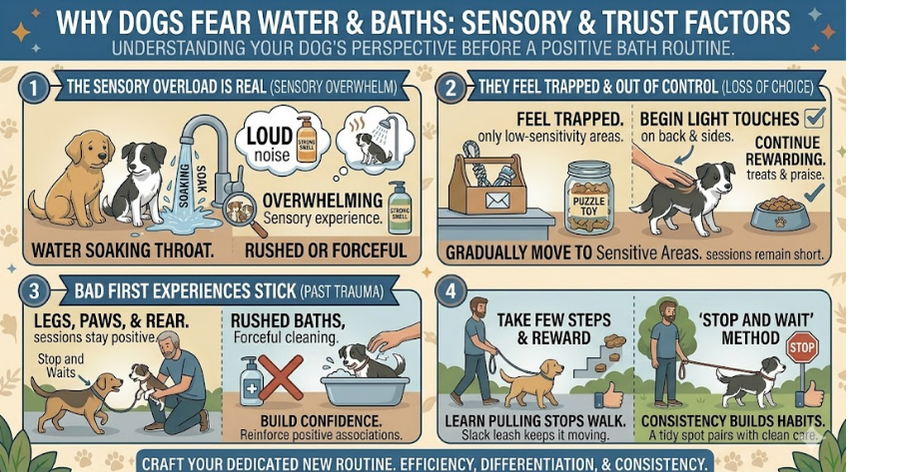
The Sensory Overload Is Real
Dogs process the world through their nose and ears far more than we do. During a bath, they’re hit with loud running water, strong-smelling shampoos, and the echo of a bathroom or laundry room. On top of that, the feeling of water soaking through their coat can be uncomfortable, especially for breeds with thick or double coats.
As a result, what feels routine to you can feel overwhelming to your dog.
They Feel Trapped and Out of Control
In most cases, bath time means being placed in a tub or shower where they can’t escape. Dogs are naturally wired to avoid situations where they feel confined. So even if the water itself isn’t the problem, the lack of control is.
For this reason, many dogs start panicking before the water even turns on — just being carried toward the bathroom triggers the stress response.
A Bad First Experience Sticks
If your dog had a rough introduction to baths — water that was too hot, too cold, soap in their eyes, or being forced into the tub — that memory doesn’t fade easily. Dogs form strong associations, and one bad bath can create a lasting fear.
Therefore, if your dog has always hated baths, think back to their earliest experiences. That first impression might be the root cause.
Signs Your Dog Is Stressed (Not Just Being Stubborn)
Before you assume your dog is just being difficult, look for actual stress signals. These include:
Tucked tail or flattened ears
Excessive yawning or lip licking
Panting when they’re not hot
Trying to climb out of the tub repeatedly
Trembling or shaking before the bath even starts
If you notice these signs, your dog isn’t throwing a tantrum. They’re genuinely anxious. Recognizing this difference is the first step toward making things better.
How To Make Bath Time Less Stressful
Now that you understand the “why,” let’s talk about what actually works. These aren’t gimmicks — they’re simple adjustments that can make a real difference over time.
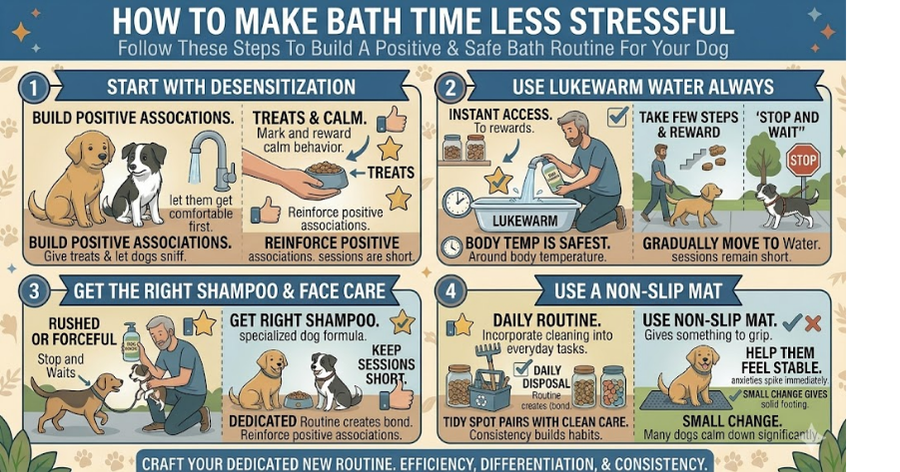
Start With Desensitization
Rather than forcing your dog into the tub, build positive associations gradually. Start by bringing them into the bathroom without any water. Give them treats. Let them sniff around. Over the next few days, turn the water on while they’re nearby — but don’t put them in yet.
In other words, let them get comfortable with the environment before adding the actual bath into the equation.
Use Lukewarm Water (Always)
One of the most common mistakes dog owners make is using water that’s too hot or too cold. Dogs are more sensitive to temperature than most people realize. Lukewarm water — around body temperature — is the safest and most comfortable option.
Get the Right Shampoo
Harsh, heavily scented shampoos can irritate your dog’s skin and nose. Choose a mild, dog-specific formula. If your dog has sensitive skin, look for oatmeal-based or hypoallergenic options.
Similarly, avoid getting shampoo near their eyes, ears, or mouth. Use a damp cloth for the face instead.
Use a Non-Slip Mat
A slippery tub floor is one of the biggest hidden stressors during bath time. When your dog can’t get solid footing, their anxiety spikes immediately. A simple rubber mat or towel at the bottom of the tub gives them something to grip and helps them feel more stable.
Because of this one small change, many dogs calm down significantly during baths.
What To Do After the Bath
Bath time doesn’t end when the water shuts off. How you handle the post-bath routine matters just as much.
Dry Them Properly
Some dogs hate the blow dryer even more than the bath itself. If that’s your dog, skip it. A large absorbent towel works just fine for most breeds. For dogs with thick coats, you may need two or three towels.
On the other hand, if your dog tolerates a dryer, use it on a low, cool setting and keep it moving so it doesn’t overheat one spot.
Reward Them Immediately
Right after the bath, give your dog their favorite treat, a new chew toy, or a few minutes of play. This creates a positive association — the bath leads to something good. Over time, this reward loop helps reduce the dread.
Clean Up After Outdoor Time Too
Bath stress often builds up because dogs get dirty frequently, which means more baths. One way to reduce bath frequency is to stay on top of daily dog poop cleanup in your yard. A clean yard means your dog rolls around in less mess, tracks less grime inside, and needs fewer full baths overall.
You don’t always need a full bath to keep your dog fresh. In between washes, try these alternatives:
Dry shampoo sprays — quick and easy for surface-level freshness
Pet wipes — great for wiping down paws and coats after walks. Heavy Dootie Pet Wipes are made specifically for cleaning paws and rear ends with a light citrus scent
Spot cleaning — use a damp cloth on trouble areas instead of a full soak
These alternatives reduce how often you need to give a full bath, which in turn reduces your dog’s overall stress around water.
Keeping the Yard Clean Reduces Bath Frequency
This point deserves its own section because it’s often overlooked. The cleaner your yard is, the less dirty your dog gets — and the fewer baths they need.
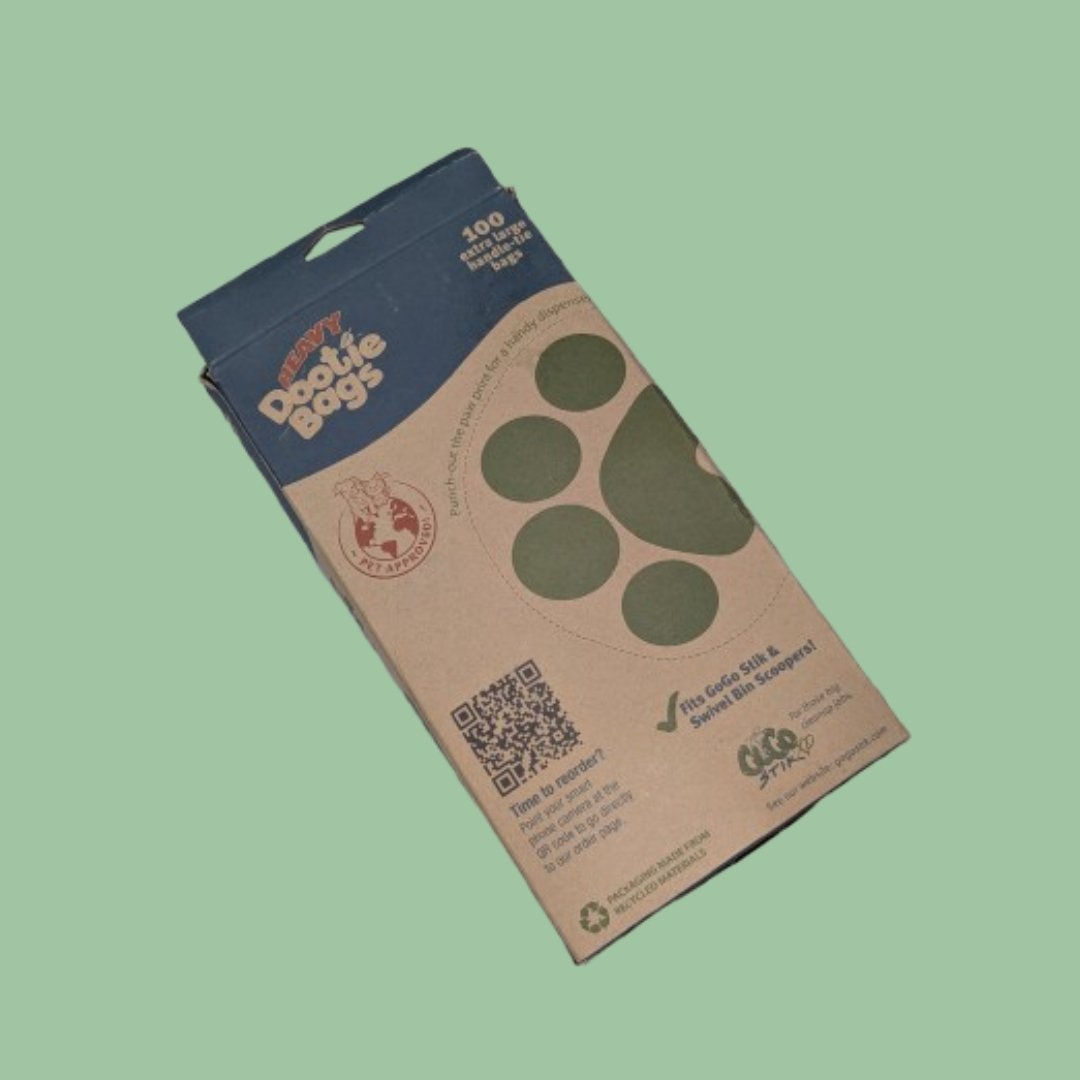
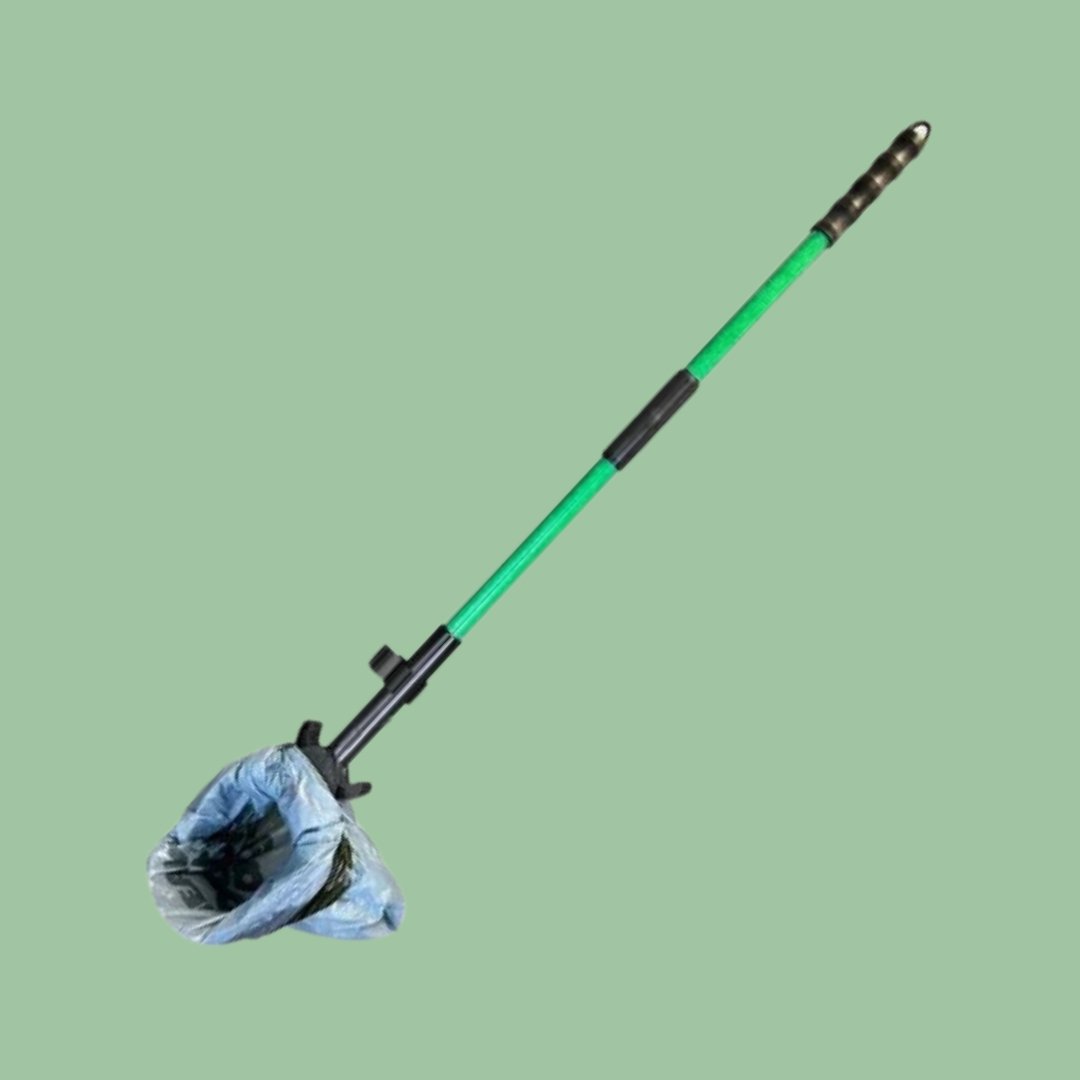
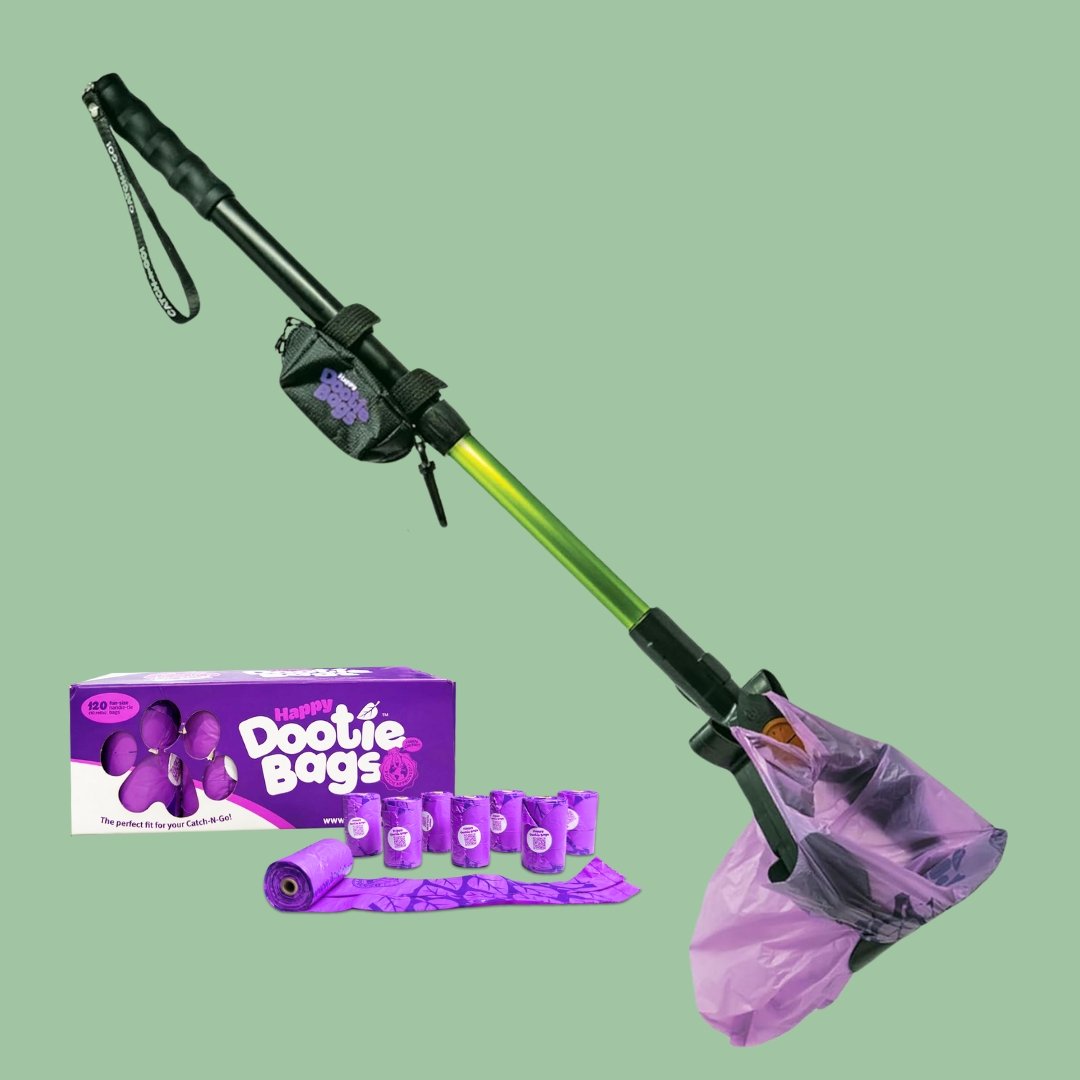
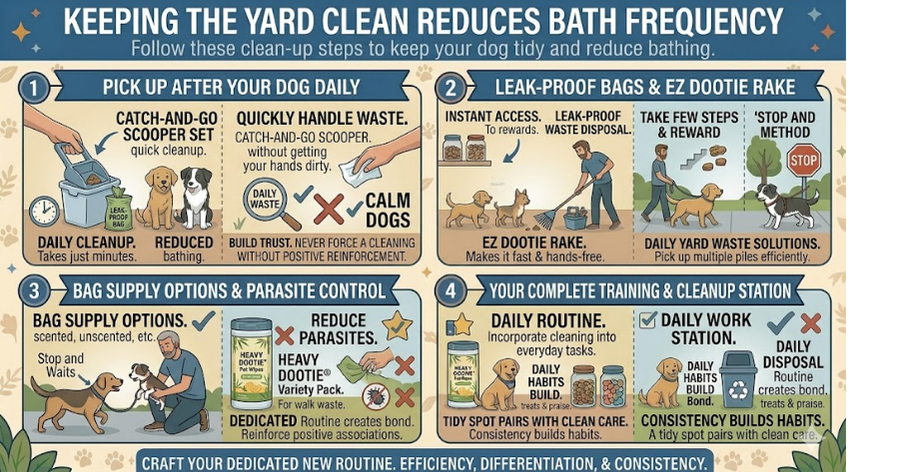
Picking up after your dog daily with the right tools makes a huge difference. A catch-and-go scooper set lets you handle waste quickly without getting your hands dirty. Pair that with strong, leak-proof poop bags and your cleanup routine takes just minutes.
For larger yards or tougher jobs, an EZ Dootie Rake covers more ground fast. And if you prefer variety in your bag supply, a Heavy Dootie Bags Variety Pack gives you options for different situations.
As a bonus, a cleaner yard also means fewer parasites, less odor, and a healthier space for your dog to play — all of which contribute to better hygiene with less frequent bathing.
When To Talk to Your Vet
Sometimes, bath-time fear goes beyond normal anxiety. If your dog shows extreme panic — biting, self-harm, or complete shutdown — it’s worth discussing with your veterinarian. They can rule out underlying conditions like skin sensitivity, pain, or noise phobias that make baths genuinely painful or terrifying.
In some cases, your vet may recommend anti-anxiety solutions, behavioral training, or even professional grooming where handlers are trained to work with fearful dogs.
Final Thoughts
Your dog’s hatred of baths isn’t random, and it isn’t stubbornness. It comes from real discomfort — sensory, emotional, or both. The good news is that with patience, the right approach, and a few smart tools, you can make bath time far less dramatic for everyone involved.
Start small. Stay calm. Reward generously. And keep your yard clean so baths happen less often in the first place. Your dog — and your sanity — will thank you.
Taking your dog on a camping trip is one of the best ways to bond, burn energy, and make memories that last. But if you’ve ever shown up at a trailhead without the right gear, you know how quickly things can go sideways muddy paws, no waste bags, forgotten water
Most dog owners have been there — you say the word “bath,” and your dog bolts in the other direction. The dramatic whining, the scrambling paws on tile, the look of pure betrayal. But why do so many dogs act like bath time is the worst thing that ever happened
If you’ve ever been dragged down the sidewalk by your dog, you know how stressful a simple walk can become. The good news is that leash pulling is one of the most fixable dog behaviors out there. With the right approach and a bit of patience, you can turn chaotic