Home/Blogs/Why Is My Dog Shedding So Much? Causes and Solutions
Why Is My Dog Shedding So Much? Causes and Solutions
If you keep finding dog hair on your couch, clothes, and floors, you are not alone. Dog shedding is one of the most common concerns among pet owners. While some shedding is completely normal, there are times when it signals something worth looking into. This guide walks you through the main causes of excessive shedding and practical steps to manage it effectively.
Is Dog Shedding Normal?
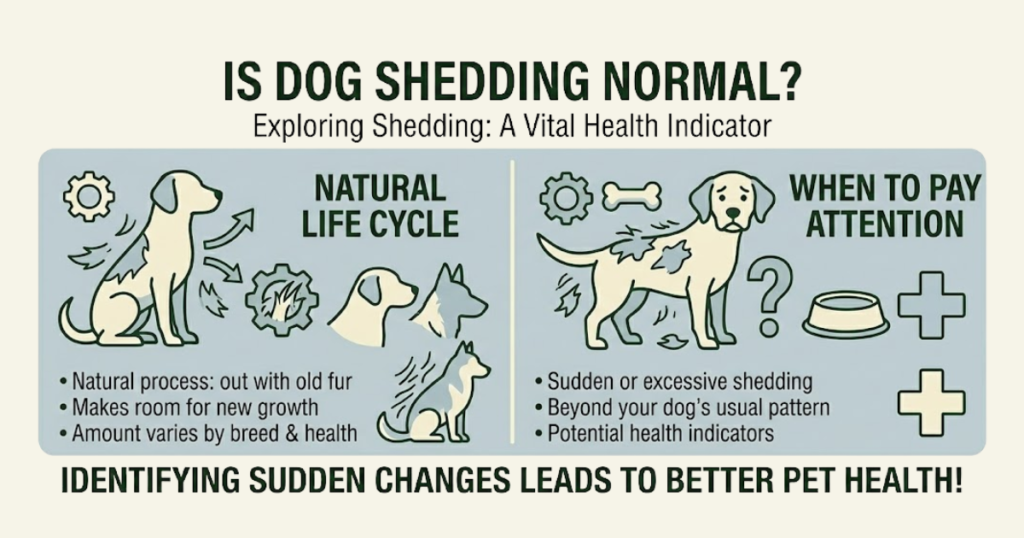
Yes, shedding is a natural part of a dog’s life. Dogs shed old or damaged hair to make room for new growth. However, the amount varies widely depending on the breed, season, and overall health of your dog. Breeds like Labrador Retrievers, German Shepherds, and Huskies are known for heavy shedding, especially during seasonal coat changes in spring and fall.
That said, sudden or excessive shedding that goes beyond your dog’s usual pattern can be a sign that something is off. So, instead of brushing it aside, it helps to look at potential causes.
Top Causes of Excessive Dog Shedding
1. Seasonal Shedding
Most dogs shed more heavily during seasonal transitions. In spring, they lose their thick winter coat, and in fall, they prepare for the cold months ahead. This type of shedding is predictable and temporary. Regular brushing during these periods goes a long way in keeping the hair under control.
2. Poor Nutrition
A dog’s coat reflects what they eat. If your dog’s diet lacks essential fatty acids, proteins, or vitamins, their skin and coat will suffer. Dogs on low-quality food often shed more than those on a balanced, nutrient-rich diet. Switching to a high-quality food or adding omega-3 supplements can make a noticeable difference over time.
3. Allergies
Dogs can develop allergies to food ingredients, environmental triggers like pollen or dust mites, or even certain grooming products. Allergic reactions often cause itching and inflammation, which leads to hair loss and increased shedding. If your dog scratches constantly and sheds in patches, allergies could be the reason. A vet visit helps confirm the trigger and guide treatment.
4. Stress and Anxiety
Just like humans, dogs experience stress, and it can show up physically. Changes in routine, a new pet in the home, loud noises, or separation anxiety can all cause your dog to shed more than usual. In most cases, once the source of stress is addressed, shedding returns to normal levels.
5. Parasites
Fleas, ticks, and mites irritate the skin and cause dogs to scratch and bite at their fur. This repeated irritation leads to noticeable hair loss. Keeping up with parasite prevention treatments and checking your dog’s coat regularly helps catch these issues early.
6. Hormonal Imbalances
Conditions like hypothyroidism, Cushing’s disease, or hormonal changes after pregnancy can trigger significant shedding. These issues typically come with other symptoms such as weight changes, lethargy, or changes in skin texture. A veterinarian can run blood tests to check for hormonal causes if excessive shedding persists.
7. Skin Infections or Fungal Issues
Bacterial or fungal skin infections can cause hair to fall out in concentrated areas. You may notice red, scaly, or irritated patches on the skin alongside the shedding. These conditions need veterinary treatment, often in the form of medicated shampoos or oral medications.
8. Dehydration
When dogs do not drink enough water, their skin becomes dry and their coat suffers. Dehydration weakens hair follicles, which results in increased shedding. Always make sure your dog has access to clean, fresh water throughout the day.
How to Manage and Reduce Dog Shedding
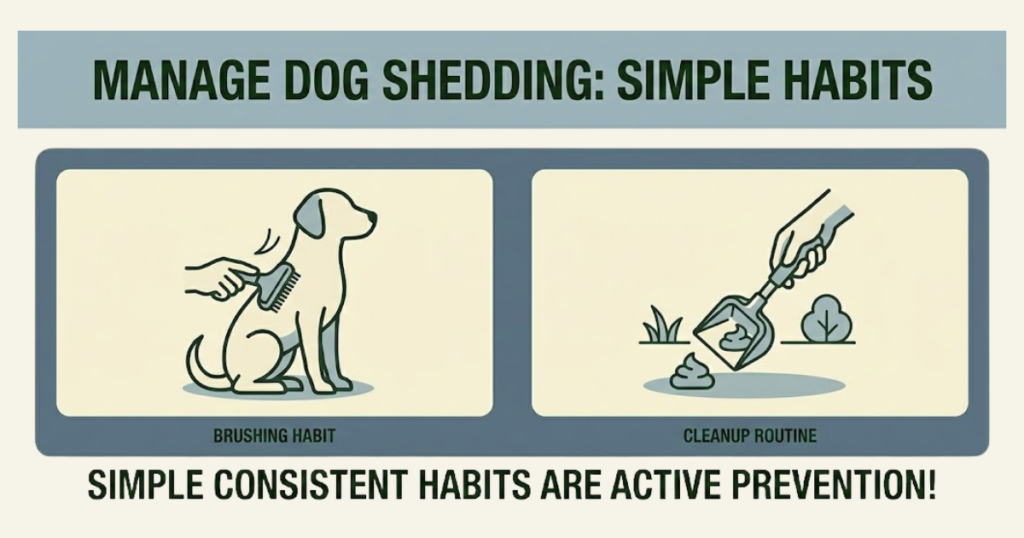
Brush Your Dog Regularly
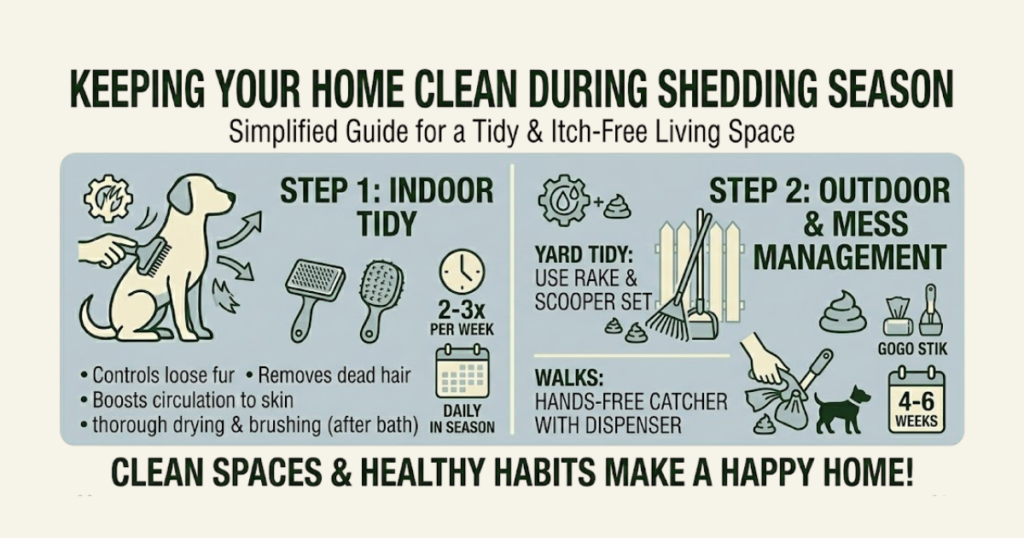
Consistent brushing is one of the most effective ways to control shedding. It removes loose fur before it ends up on your furniture and also improves circulation to the skin. The right brush depends on your dog’s coat type. Short-haired breeds benefit from a rubber brush, while double-coated breeds do better with a de-shedding tool or slicker brush.
Try to brush your dog at least two to three times a week. During heavy shedding seasons, daily brushing makes a real difference.
Bathe Your Dog Consistently
Regular baths help loosen dead hair and keep the coat clean. Use a dog-specific shampoo that supports coat health, ideally one with moisturizing or de-shedding properties. Bathing once every four to six weeks works well for most breeds, though some may need it more or less often.
After bathing, brush your dog thoroughly once the coat is dry. This step removes a significant amount of loose hair in one go.
Upgrade Your Dog’s Diet
Feed your dog a diet that supports coat health. Look for foods with real protein sources and healthy fats listed in the ingredients. Omega-3 and omega-6 fatty acids are especially helpful for reducing shedding and improving coat shine. Fish oil supplements are a popular and affordable add-on if your dog’s current food falls short in this area.
Keep Your Dog Hydrated
Encourage your dog to drink enough water daily. Dry skin from dehydration leads to brittle hair and more shedding. Some dogs prefer running water, so a pet water fountain can be a helpful investment.
Reduce Stress in Your Dog’s Environment
A calm, consistent routine helps dogs feel secure. Regular exercise, playtime, and mental stimulation all contribute to lower stress levels. If your dog shows signs of anxiety, talk to your vet about behavioral strategies or natural calming options.
Visit Your Vet for Persistent Shedding
If your dog’s shedding seems extreme, lasts longer than usual, or comes with bald patches, skin irritation, or behavioral changes, schedule a vet appointment. Early diagnosis of any underlying condition leads to faster recovery and better outcomes for your pet.
Keeping Your Home Clean During Shedding Season
Even with all the right grooming habits, dog hair will still find its way around your home. Staying on top of cleanup makes the experience far more manageable. Vacuuming frequently, using lint rollers on furniture and clothing, and washing your dog’s bedding weekly all help reduce buildup.
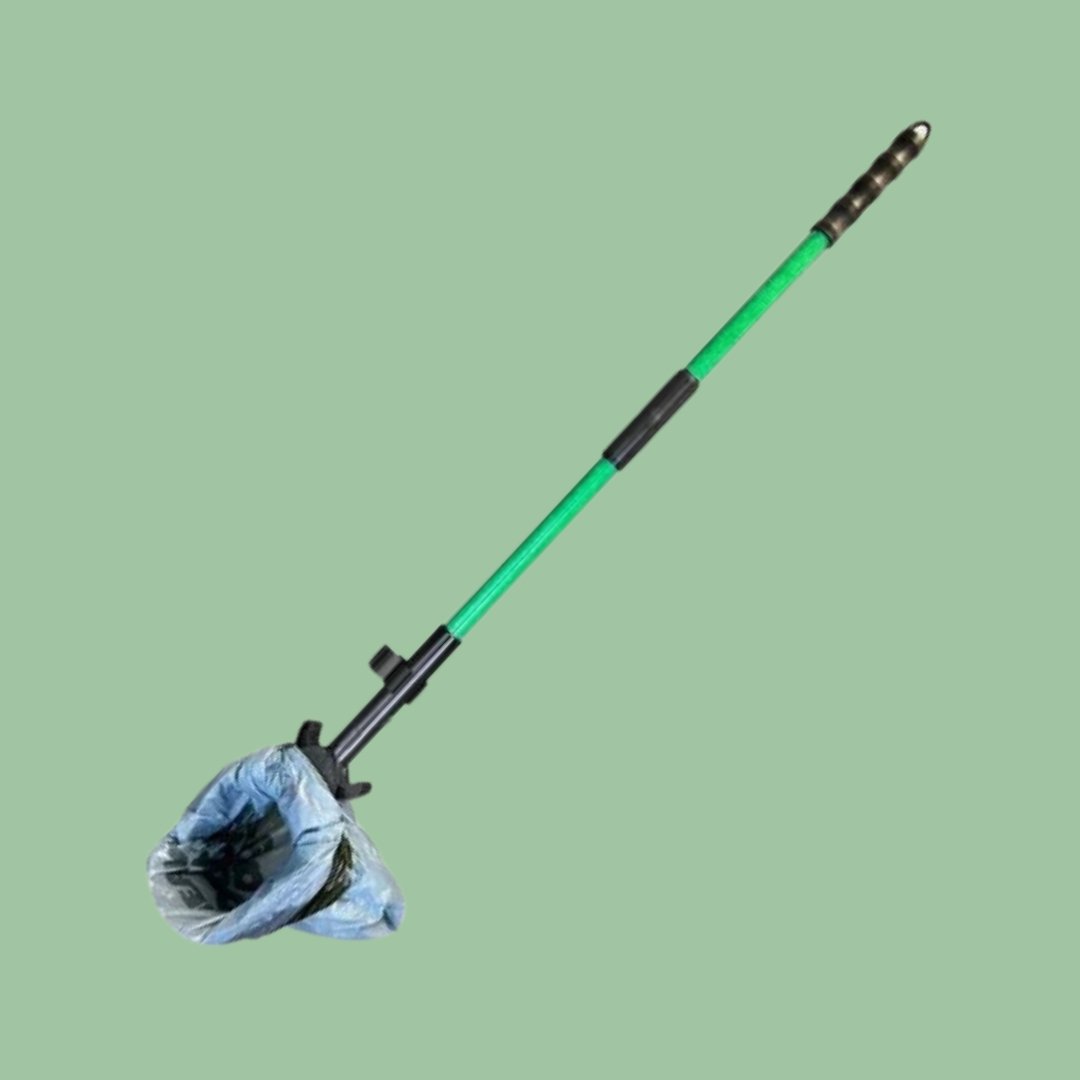
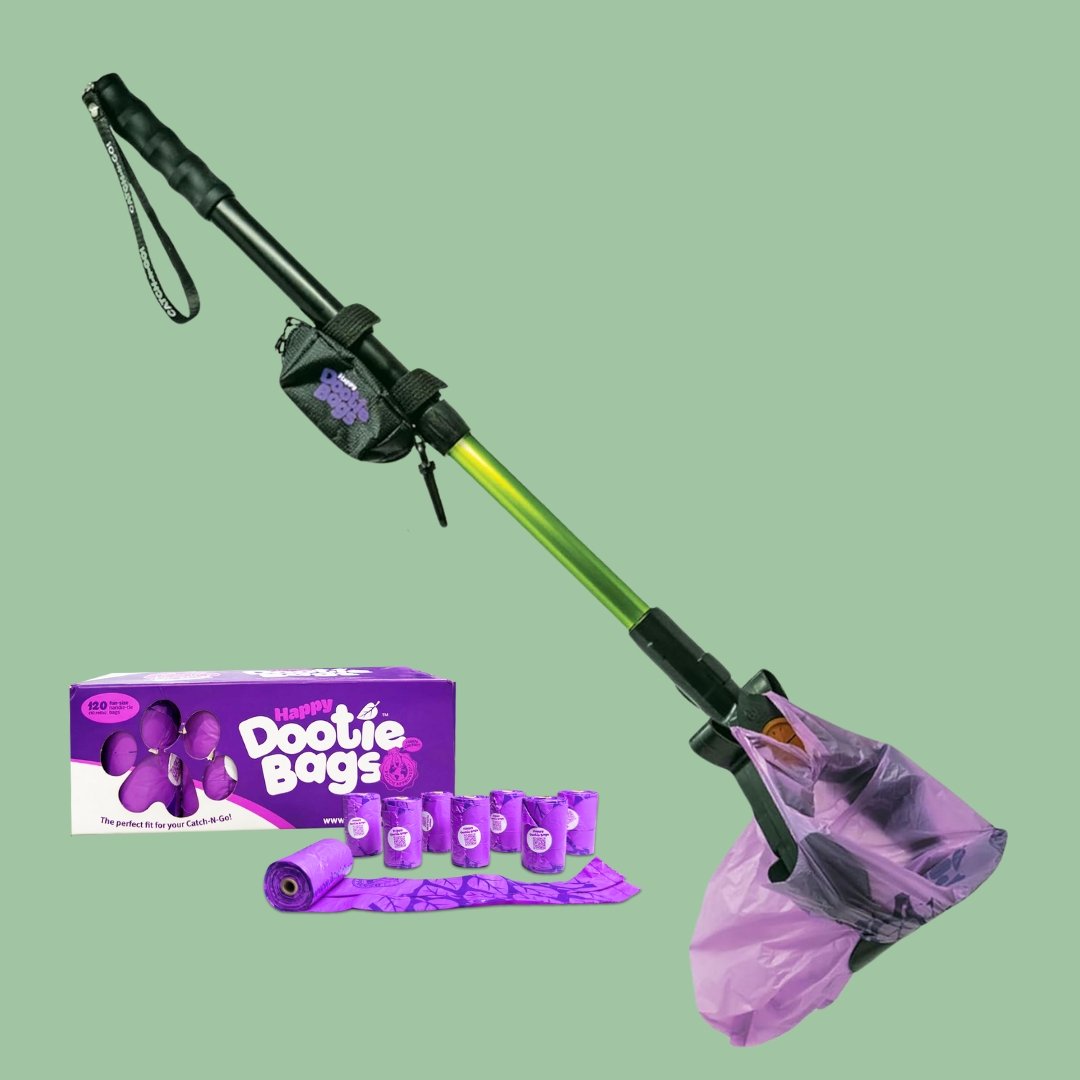
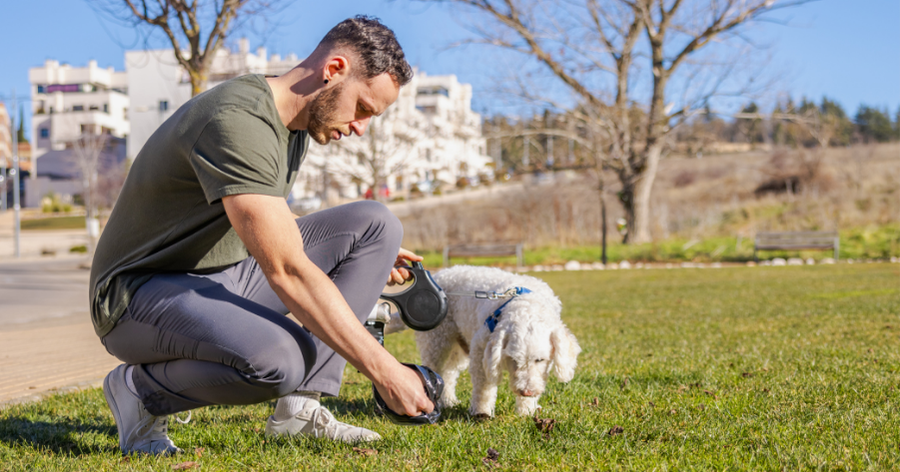
Outdoors is where things can get messier. If your dog spends time in the yard, dealing with both hair and waste becomes part of the routine. Having reliable tools on hand makes the job easier. A pooper scooper and rake set designed for yard cleanup keeps your outdoor space tidy without the hassle. For walks, a catch-and-go hybrid catcher scooper with a built-in bag dispenser makes on-the-go cleanup quick and hands-free.
Most shedding is manageable at home, but some situations call for professional attention. See your vet if you notice any of the following signs alongside heavy shedding:
Bald patches or thinning coat in specific areas
Red, inflamed, or scaly skin
Constant scratching, licking, or biting at the skin
Changes in appetite, energy, or weight
Shedding that does not slow down after seasonal transitions
These symptoms, taken together, can point to conditions that need medical treatment. Catching them early typically leads to a smoother recovery for your dog.
Final Thoughts
Dealing with dog shedding is a standard part of pet ownership, but it does not have to feel overwhelming. By understanding what triggers excessive shedding, staying consistent with grooming, and addressing any health concerns early, you can keep your dog comfortable and your home cleaner. Small habits, done regularly, add up to a big difference for both you and your pet.
The snoot challenge has taken social media by storm, and for good reason. It’s one of the cutest tricks your dog can learn, and the best part is that it’s surprisingly simple to teach. If you’ve been scrolling through Instagram or TikTok and wondering how those dogs gently rest their
Every dog owner has seen it — that bizarre, hilarious ritual your pup performs before doing their business. From dramatic spins to the classic “walk and drop,” dogs have some truly ridiculous pooping habits. Whether you own a tiny Chihuahua or a massive Great Dane, one thing is universal: dogs
Taking your dog on a camping trip is one of the best ways to bond, burn energy, and make memories that last. But if you’ve ever shown up at a trailhead without the right gear, you know how quickly things can go sideways muddy paws, no waste bags, forgotten water