Home/Blogs/Why Do Dogs Eat Dirt? Causes, Risks, and Prevention
Why Do Dogs Eat Dirt? Causes, Risks, and Prevention
Have you caught your dog munching on dirt during a walk? You’re not alone. This behavior is surprisingly common among dogs of all breeds and ages. While it might seem strange, dirt-eating isn’t always a cause for concern.
However, knowing why dogs eat dirt can help you decide if it’s harmless curiosity or something that needs attention. In this guide, we’ll cover the most common causes of dirt-eating in dogs, potential health risks, and practical steps you can take to prevent this behavior.
Why Do Dogs Eat Dirt?
Dogs eating dirt is more common than most pet owners realize. While occasional dirt consumption usually isn’t a red flag, sudden changes in this behavior deserve closer attention. The reasons can range from nutritional gaps to behavioral issues or underlying medical conditions.
Nutritional Deficiencies and Pica
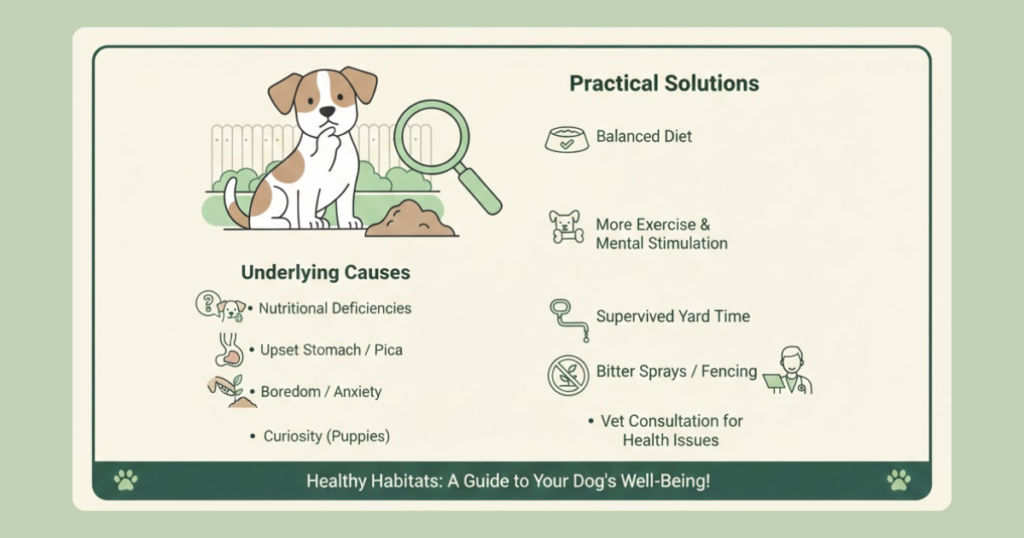
One of the most common reasons dogs eat dirt is pica—the craving and consumption of non-food substances. When dogs have pica, they’re often trying to compensate for something missing in their diet. As a result, they instinctively seek out alternative sources.
Nutritional deficiencies, particularly in minerals like iron, zinc, or calcium, can trigger dirt consumption. Dogs instinctively seek out these minerals because soil contains trace amounts of them. If your dog is eating poor-quality or imbalanced dog food that doesn’t meet their nutritional needs, they may turn to dirt as a supplement.
Behavioral Causes Behind Dirt-Eating
Not all dirt-eating stems from physical needs—sometimes it’s about what’s happening in your dog’s mind. Boredom, stress, and anxiety are common behavioral triggers for unusual habits like eating dirt. For this reason, mental health plays a significant role in your dog’s eating patterns.
Dogs need mental and physical stimulation to stay healthy. When they’re under-stimulated or left alone for long periods, they may develop odd behaviors to entertain themselves or cope with stress. Some dogs eat dirt simply out of curiosity, while others do it because they’ve learned it gets them attention from their owners.
Puppies, in particular, explore the world with their mouths and may eat dirt as part of normal development. However, if this continues into adulthood or becomes compulsive, it’s worth addressing right away.
Medical Reasons Dogs Eat Dirt
Several medical conditions can drive dogs to eat dirt as they seek relief from discomfort. Gastrointestinal issues like stomach upset, inflammation, or inflammatory bowel disease may cause dogs to consume soil as a natural digestive aid. This is similar to how they eat grass when their stomach bothers them.
Other medical triggers include anemia, which creates cravings for minerals found in dirt due to low red blood cell counts. Parasites such as intestinal worms cause nutritional deficiencies and unusual eating behaviors. Metabolic disorders affecting nutrient absorption may also lead to pica.
If your dog’s dirt-eating is frequent, obsessive, or accompanied by other symptoms, you should consult your veterinarian as soon as possible.
Is Eating Dirt Dangerous for Dogs?
While a small amount of dirt occasionally won’t harm most dogs, there are legitimate risks to be aware of. Understanding these dangers will help you protect your pet from serious health issues.
Soil can contain toxic substances like pesticides, fertilizers, herbicides, and harmful bacteria or parasites. Depending on where you live, dirt might also harbor mold, fungi, or toxic plants that have decomposed into the soil. Because of this, dogs with compromised immune systems are particularly vulnerable to infections from contaminated dirt.
If your dog consumes large amounts of dirt, intestinal blockages become a real concern. Foreign material can accumulate in the digestive tract, which may require surgical intervention. Therefore, monitoring your dog’s dirt consumption is crucial.
Warning Signs That Require Immediate Vet Attention
Watch for these warning signs that warrant an immediate vet visit:
Vomiting or repeated attempts to vomit
Lethargy or unusual tiredness throughout the day
Loss of appetite lasting more than 24 hours
Bloody or black stool, which indicates internal issues
Abdominal pain or bloating that seems uncomfortable
Diarrhea that persists for more than a day
These symptoms could indicate poisoning, blockage, or serious illness requiring prompt medical attention. As a result, you shouldn’t wait to see if symptoms improve on their own.
How to Stop Your Dog from Eating Dirt
Addressing dirt-eating depends on identifying the underlying cause. Here are practical strategies to help curb this behavior and keep your pup healthy.
Improve Diet and Nutrition
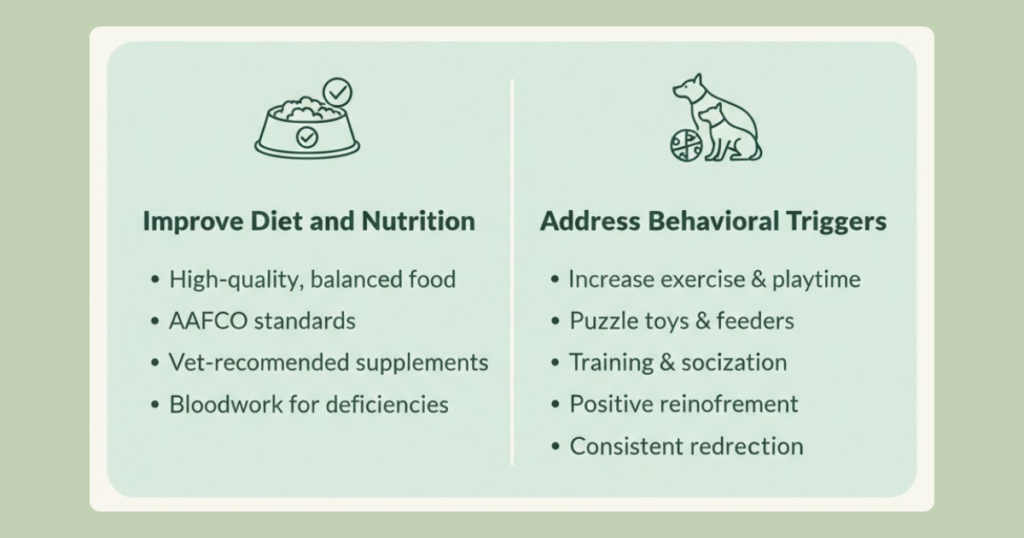
Start by evaluating your dog’s current diet. High-quality dog food with balanced nutrients is essential for preventing deficiency-related dirt-eating. Look for foods that meet AAFCO standards and are appropriate for your dog’s life stage and size.
If you suspect nutritional deficiencies, consult your veterinarian about adding supplements. Never guess at supplementation—too much of certain minerals can be as harmful as too little. Your vet can run bloodwork to identify specific deficiencies and recommend appropriate solutions.
Address Behavioral Triggers
For dogs eating dirt out of boredom or anxiety, increasing mental and physical stimulation makes a significant difference. You can try puzzle toys and interactive feeders that challenge problem-solving skills. Increased playtime and exercise help burn off excess energy. Training sessions provide mental engagement, while socialization opportunities with other dogs or people reduce anxiety.
Use positive reinforcement to redirect the behavior. When you catch your dog about to eat dirt, call them away and reward them with treats or play when they comply. Consistency is key to breaking this habit.
Create a Safe Environment for Your Dog
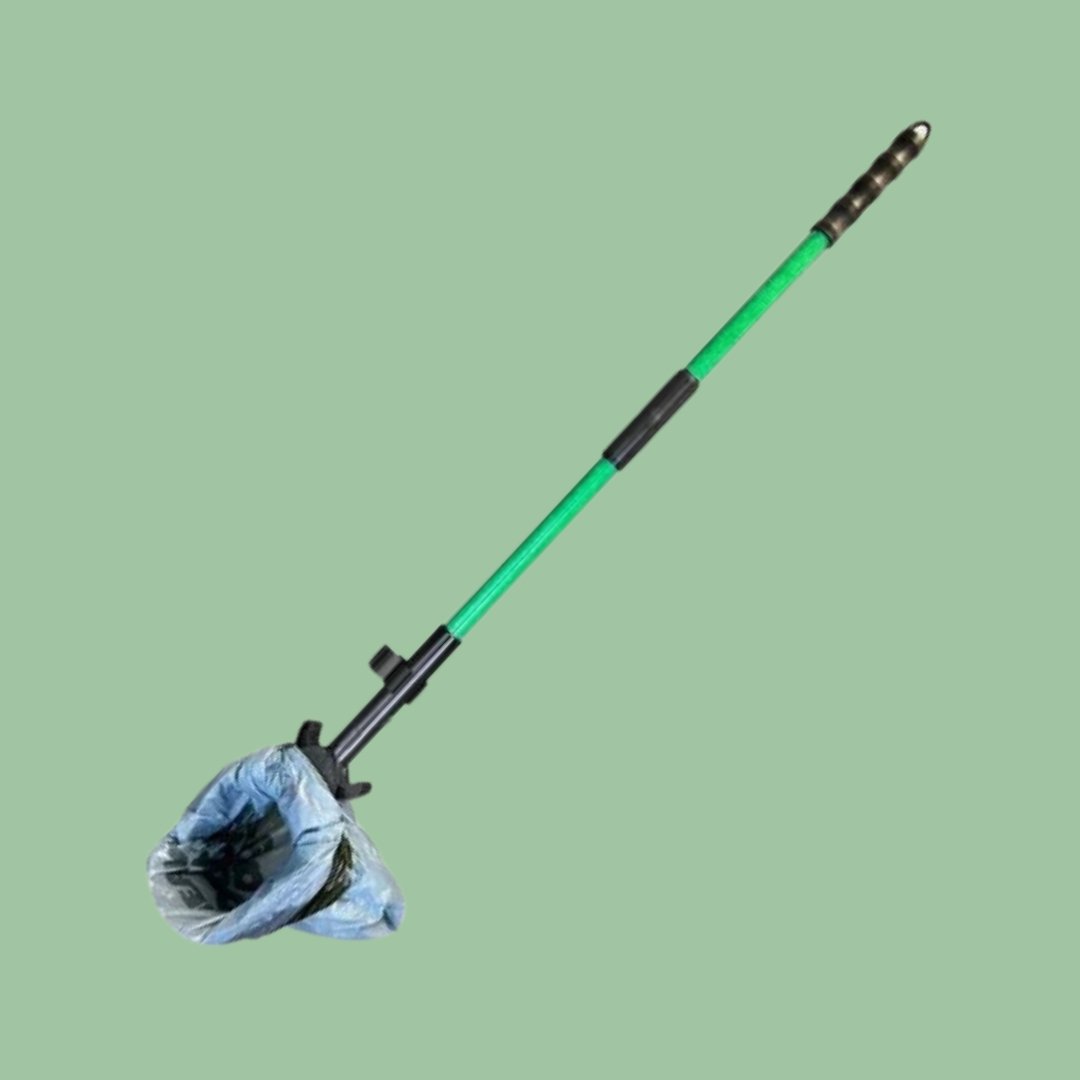
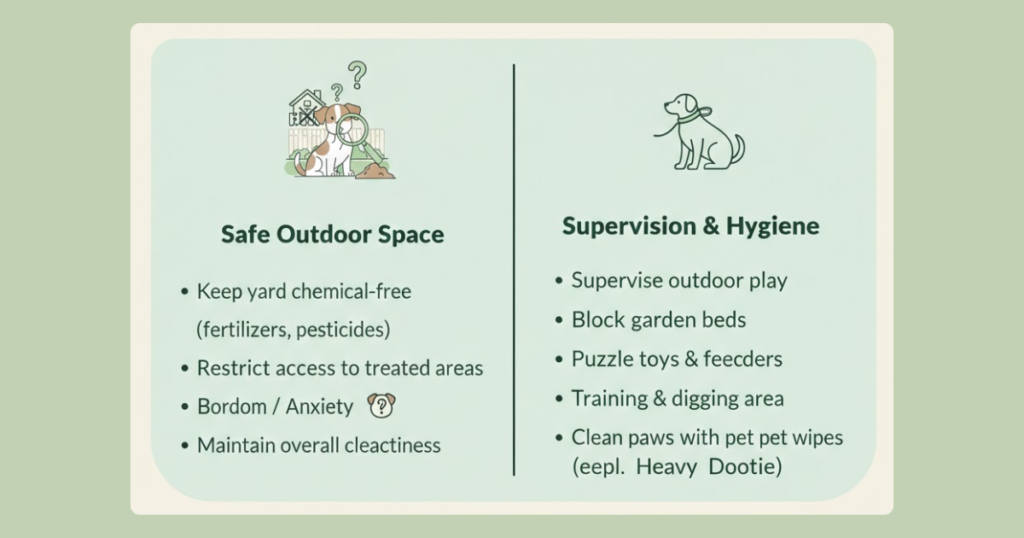
Keep your yard free of fertilizers, pesticides, and other harmful substances that make dirt consumption even more dangerous. If you must use these products, restrict your dog’s access to treated areas until they’re completely safe. Maintaining a clean outdoor space is just as important as having the right pooper scooper to keep your yard hygienic.
Supervise your dog during outdoor time, especially if they have a dirt-eating habit. Block access to known problem areas like garden beds or potted plants. For persistent diggers and dirt-eaters, creating a designated digging area filled with sand or safe soil can redirect the behavior.
After outdoor adventures, use pet wipes to clean your dog’s paws and face. This removes any dirt residue before they have a chance to lick it off. Our Heavy Dootie Pet Wipes are perfect for this purpose, keeping your pup fresh and clean.
When to See a Veterinarian About Dirt-Eating
While occasional dirt-eating might not require a vet visit, certain situations definitely do. Seek professional advice if dirt-eating is frequent, excessive, or obsessive. You should also visit the vet if the behavior appears suddenly or intensifies rapidly.
Schedule an appointment when your dog shows signs of illness such as vomiting, diarrhea, or lethargy. Changes in appetite, weight, or energy levels are also red flags. If your dog also eats other non-food items like rocks, fabric, or plastic, this warrants immediate attention. Contact your vet if the behavior persists despite dietary improvements and behavioral interventions.
Your veterinarian can perform a thorough examination, run diagnostic tests, and determine whether the dirt-eating stems from medical issues, nutritional deficiencies, or behavioral causes. Early intervention prevents complications and addresses underlying problems before they become serious.
Keep Your Yard Clean and Your Dog Safe
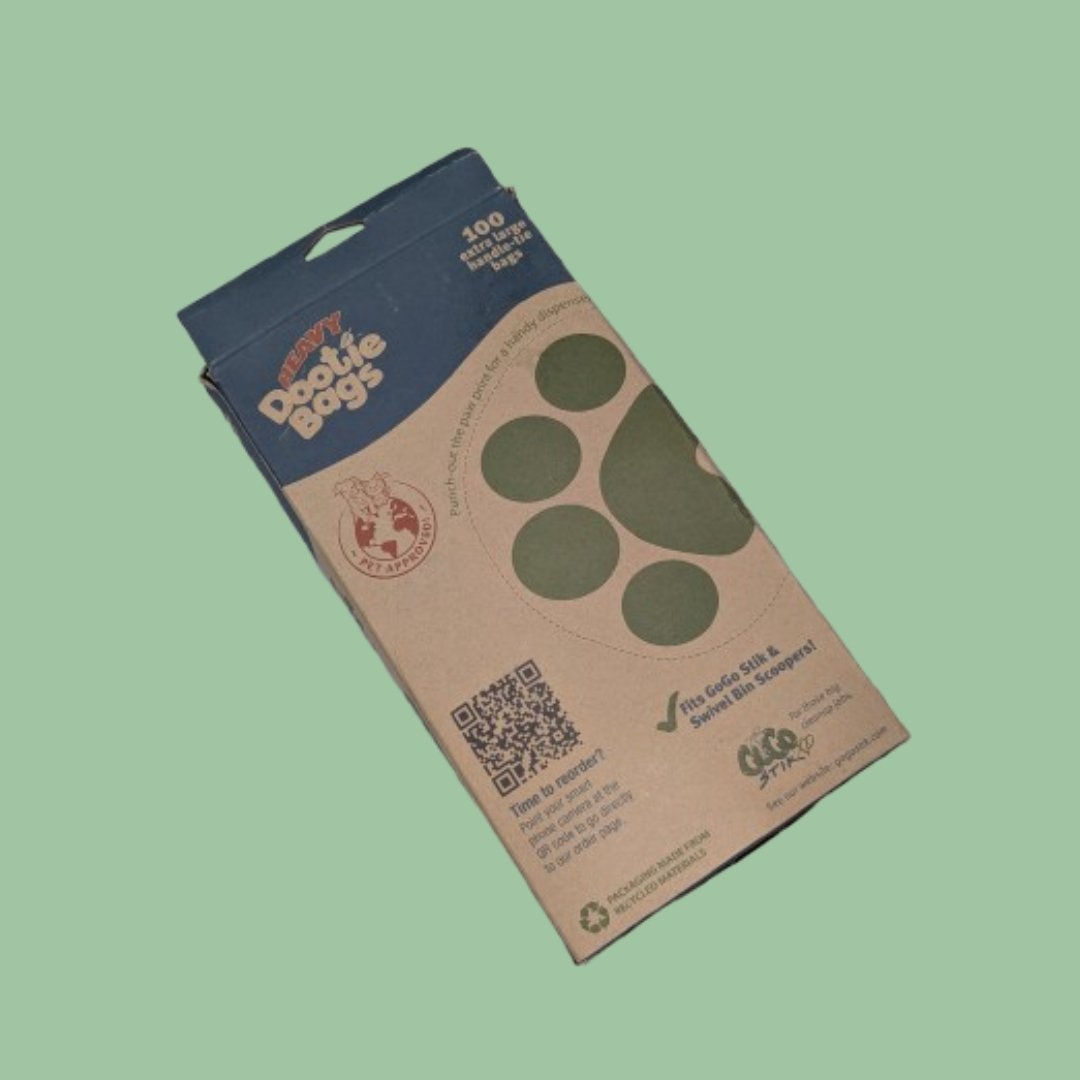
A clean yard reduces the temptation for your dog to sniff around and eat dirt. When pet waste sits in your yard, it attracts your dog’s attention and can mix with soil, making it even more appealing to them. Using reliable dog poop bags helps you maintain a clean outdoor space quickly and efficiently.
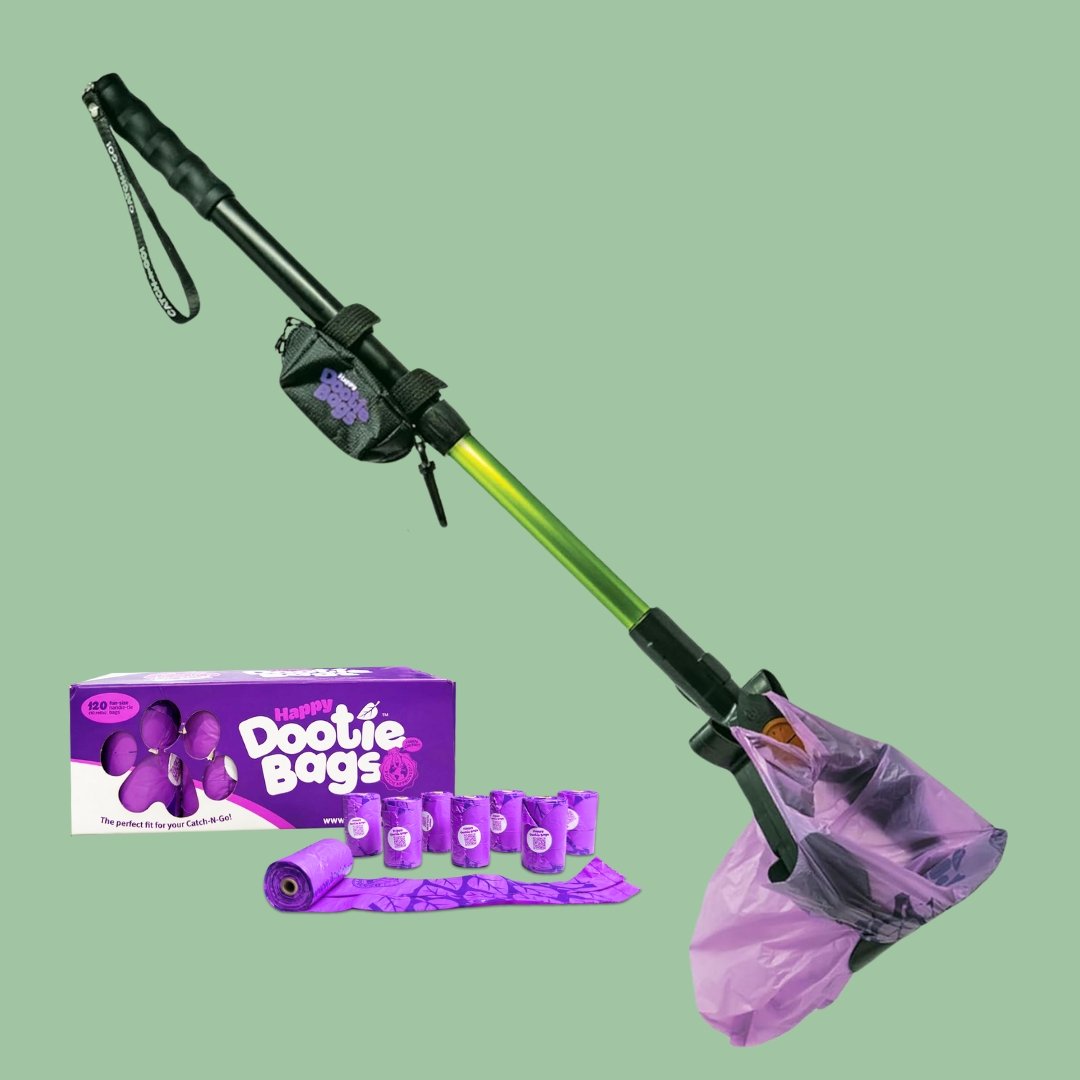
For yard cleanup, consider using a hybrid rake and scooper set that makes the job easier. This tool allows you to clean up waste without bending over or getting your hands dirty. As a result, you can maintain a cleaner yard with less effort.
Dogs eating dirt often lack essential minerals like iron, zinc, or calcium in their diet. This nutritional deficiency triggers pica, causing them to seek out these minerals in soil. However, dirt-eating can also indicate anemia, gastrointestinal issues, or behavioral problems unrelated to nutrition. A veterinary exam with bloodwork can identify specific deficiencies.
What can I give my dog to stop eating dirt?
The solution depends on the cause. If nutritional deficiencies are the issue, switch to high-quality dog food and add vet-approved supplements. For behavioral dirt-eating, provide mental stimulation through puzzle toys, increase exercise, and use positive reinforcement training. Always consult your veterinarian before adding supplements or making major dietary changes.
What does it mean when your dog is eating soil?
Dogs eating soil can indicate nutritional deficiencies (especially minerals), gastrointestinal discomfort, boredom, anxiety, or curiosity. Puppies often eat dirt as part of normal exploration. Occasional soil consumption usually isn’t concerning, but frequent or compulsive eating warrants investigation to rule out medical issues.
What vitamins do dogs need if they eat dirt?
Dogs eating dirt may need minerals rather than vitamins—specifically iron, zinc, and calcium. However, never supplement without veterinary guidance because excess minerals can cause serious health problems. Your vet should run bloodwork to identify actual deficiencies before recommending specific supplements. A balanced, high-quality dog food typically provides all necessary nutrients.
Keep Your Dog Healthy and Happy
Understanding why dogs eat dirt is the first step toward addressing this common behavior. Whether it stems from nutritional deficiencies, behavioral triggers, or underlying medical conditions, identifying the cause helps you take appropriate action.
While occasional dirt consumption may not be harmful, persistent behavior deserves attention—both to keep your dog safe from potential toxins and to address any underlying health issues. By improving your dog’s diet, providing adequate mental and physical stimulation, and creating a safe environment, you can help curb this habit.
Regular outdoor cleanup also plays a role in keeping your dog away from contaminated areas. Check out our full range of pooper scoopers and poop bags to maintain a clean, safe yard for your furry friend.
The snoot challenge has taken social media by storm, and for good reason. It’s one of the cutest tricks your dog can learn, and the best part is that it’s surprisingly simple to teach. If you’ve been scrolling through Instagram or TikTok and wondering how those dogs gently rest their
Every dog owner has seen it — that bizarre, hilarious ritual your pup performs before doing their business. From dramatic spins to the classic “walk and drop,” dogs have some truly ridiculous pooping habits. Whether you own a tiny Chihuahua or a massive Great Dane, one thing is universal: dogs
Taking your dog on a camping trip is one of the best ways to bond, burn energy, and make memories that last. But if you’ve ever shown up at a trailhead without the right gear, you know how quickly things can go sideways muddy paws, no waste bags, forgotten water