Home/Blogs/Ultimate First Time Dog Owner Guide: Expert Tips for a Pawsitive Start
Ultimate First Time Dog Owner Guide: Expert Tips for a Pawsitive Start
Bringing home your first dog is one of life’s most exciting milestones. However, the responsibility can feel overwhelming without proper guidance. This comprehensive guide will help you navigate the early days of dog ownership with confidence and ease.
Essential Supplies Every New Dog Owner Needs
Before your furry friend arrives, stock up on these must-have items:
Food and water bowls: Choose sturdy, non-tip options
High-quality dog food: Select age-appropriate nutrition
Comfortable bed: Provide a cozy sleeping space
Collar, leash, and ID tags: Keep your pup safe and identifiable
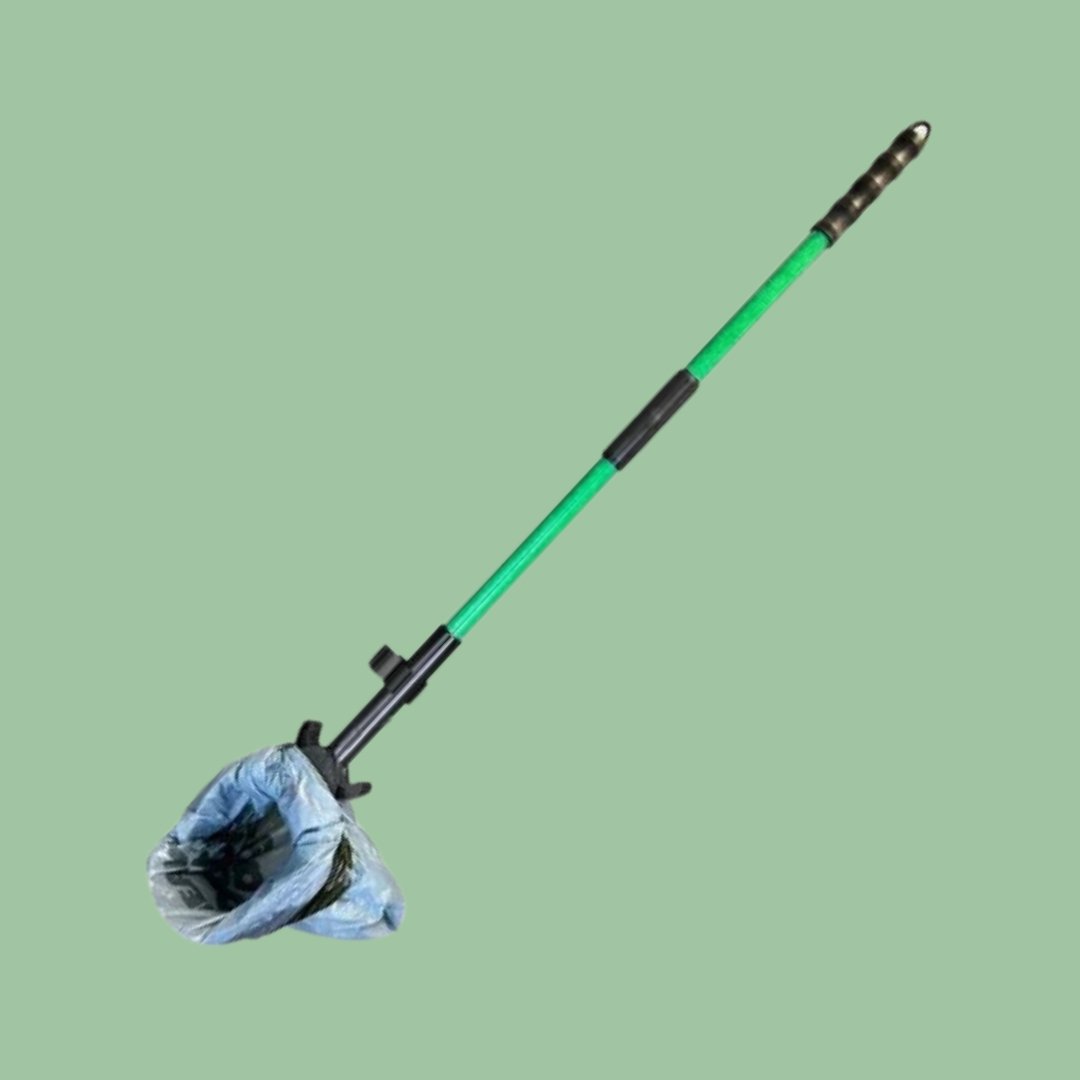
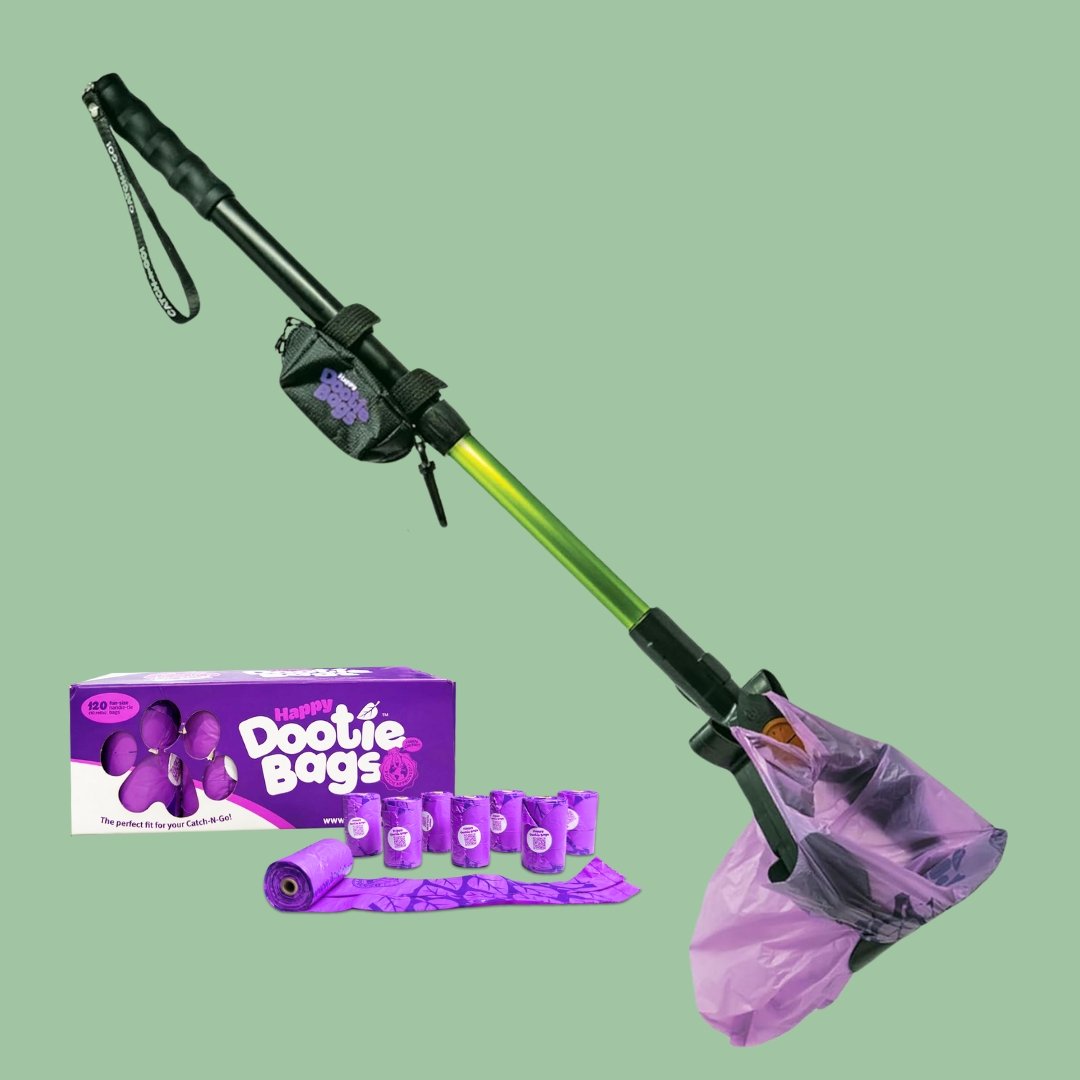
Waste management tools: A reliable pooper scooper makes cleanup effortless
Grooming supplies: Brushes, nail clippers, and shampoo
Toys: Keep your dog entertained and mentally stimulated
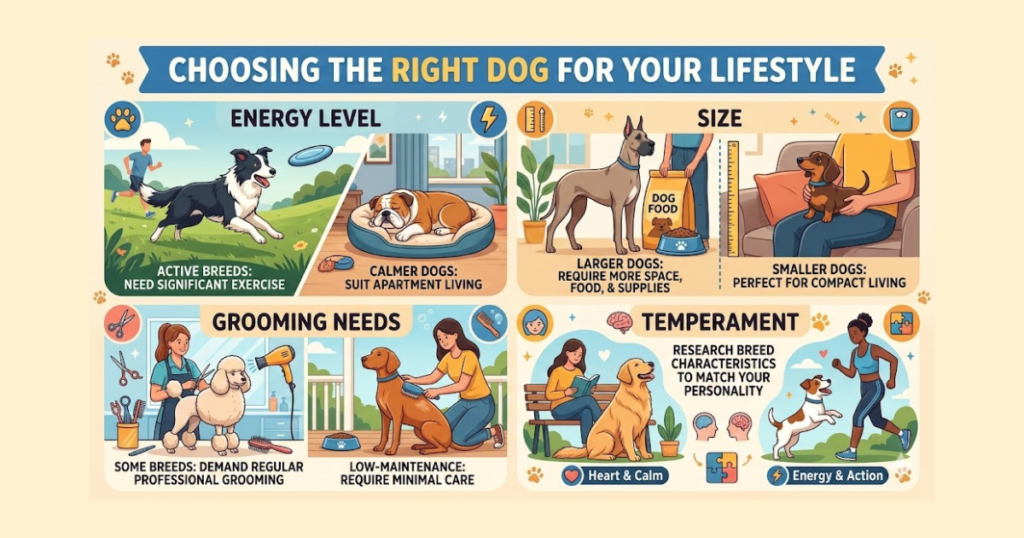
Choosing the Right Dog for Your Lifestyle
Not all breeds fit every household. Consider these factors:
Energy Level: Active breeds need significant exercise, while calmer dogs suit apartment living.
Size: Larger dogs require more space, food, and supplies.
Grooming Needs: Some breeds demand regular professional grooming.
Temperament: Research breed characteristics to match your personality.
Setting Up a Dog-Friendly Home
Puppy-proofing protects both your belongings and your new companion:
Secure electrical cords and remove toxic plants
Store cleaning supplies and medications out of reach
Create a designated space for your dog’s bed and toys
Install baby gates to restrict access to certain areas
Keep waste bags readily available for quick cleanups
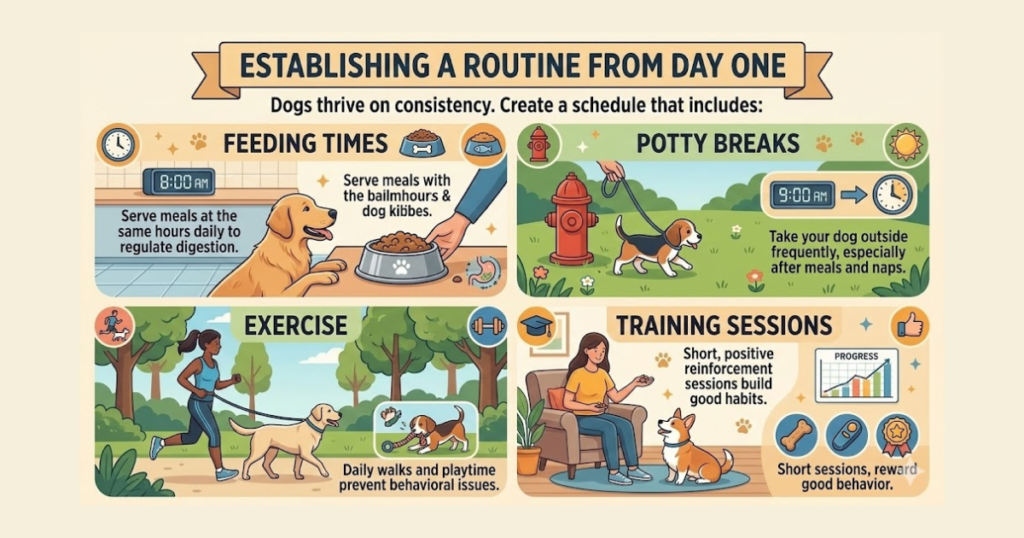
Establishing a Routine from Day One
Dogs thrive on consistency. Create a schedule that includes:
Feeding Times: Serve meals at the same hours daily to regulate digestion.
Potty Breaks: Take your dog outside frequently, especially after meals and naps.
Exercise: Daily walks and playtime prevent behavioral issues.
Training Sessions: Short, positive reinforcement sessions build good habits.
House Training Made Simple
Patience is key during the house training process. Follow these steps:
Take your dog outside every 2-3 hours
Choose a specific potty spot in your yard
Use a consistent command phrase
Reward immediately after successful elimination
Clean accidents thoroughly with enzymatic cleaners
Check for hazards like holes, sharp objects, or chemicals
Understanding Dog Behavior
Recognize what your dog is telling you:
Tail Wagging: Not always friendly—speed and position matter
Yawning: Can signal stress, not just tiredness
Play Bow: Invites interaction and shows friendliness
Growling: A warning that should never be punished
Whining: May indicate needs, anxiety, or excitement
Budget Planning for Dog Ownership
First-year costs typically include:
Adoption or purchase fees
Initial veterinary care and vaccinations
Spay/neuter surgery
Supplies and equipment
Training classes
Food and treats
Emergency medical fund
Plan for ongoing expenses including food, preventative care, and annual vet visits.
Finding Professional Support
Don’t hesitate to seek help when needed:
Trainers: Professional guidance accelerates learning
Veterinary Behaviorists: Address serious anxiety or aggression
Groomers: Maintain breeds with complex coat requirements
Dog Walkers/Sitters: Provide care when you’re unavailable
Making Cleanup Easy and Efficient
Maintaining cleanliness doesn’t have to be a chore. Modern tools simplify waste management significantly. For those with large yards, a complete cleanup kit provides everything needed for thorough maintenance.
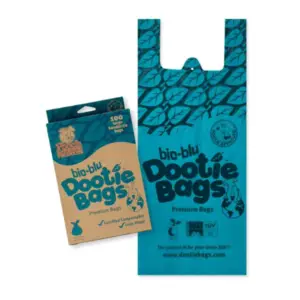
Stock reliable dootie bags in multiple locations—by the door, in your car, and attached to leashes.
Building Confidence as a New Owner
Your skills will improve with practice. Remember:
Every dog is different—what works for others may need adjustment
Mistakes happen; learn and move forward
Ask questions and research thoroughly
Join online communities or local dog owner groups
Celebrate small victories and progress
The Rewards of Dog Ownership
Despite the challenges, the benefits far outweigh the work:
Unconditional love and companionship
Improved physical health through regular exercise
Reduced stress and anxiety
Social connections through the dog community
Teaching responsibility and empathy
Endless entertainment and joy
Final Thoughts
Becoming a first-time dog owner is a significant commitment that transforms your life in beautiful ways. By preparing properly, establishing routines, and approaching challenges with patience, you’ll build a rewarding relationship with your four-legged companion.
Focus on the fundamentals: consistent training, proper nutrition, regular exercise, and healthcare. Equip yourself with quality supplies that make daily tasks manageable. Most importantly, give your dog time, attention, and love as they adjust to their new home.
The journey ahead will test your patience and dedication, but the bond you create will be worth every effort. Your dog depends on you for their wellbeing, and the responsibility of caring for another life brings immense personal growth.
Start your dog ownership adventure with confidence, armed with knowledge and the right tools. Before you know it, you’ll wonder how you ever lived without your faithful companion by your side.
Bringing a dog into your home is one of the most rewarding decisions you can make. Yet, before you sign those adoption papers, there are several factors every future dog owner should consider carefully. From choosing the right breed to setting up a clean and safe environment, preparation makes all
Bringing a new baby home is one of the most exciting milestones in any family’s life. But if you have a dog, the transition requires careful planning. Dogs are creatures of routine, and the arrival of a newborn can feel overwhelming and confusing for them. The good news is that
Does your dog bolt in the opposite direction the moment bath time begins? You are definitely not alone. Many dogs dislike full baths, and sometimes a busy schedule simply does not allow for a lengthy grooming session. The good news is that you can keep your dog clean, fresh, and