Home/Blogs/Top 9 Non-Toxic Indoor House Plants Safe for Your Dog
Top 9 Non-Toxic Indoor House Plants Safe for Your Dog
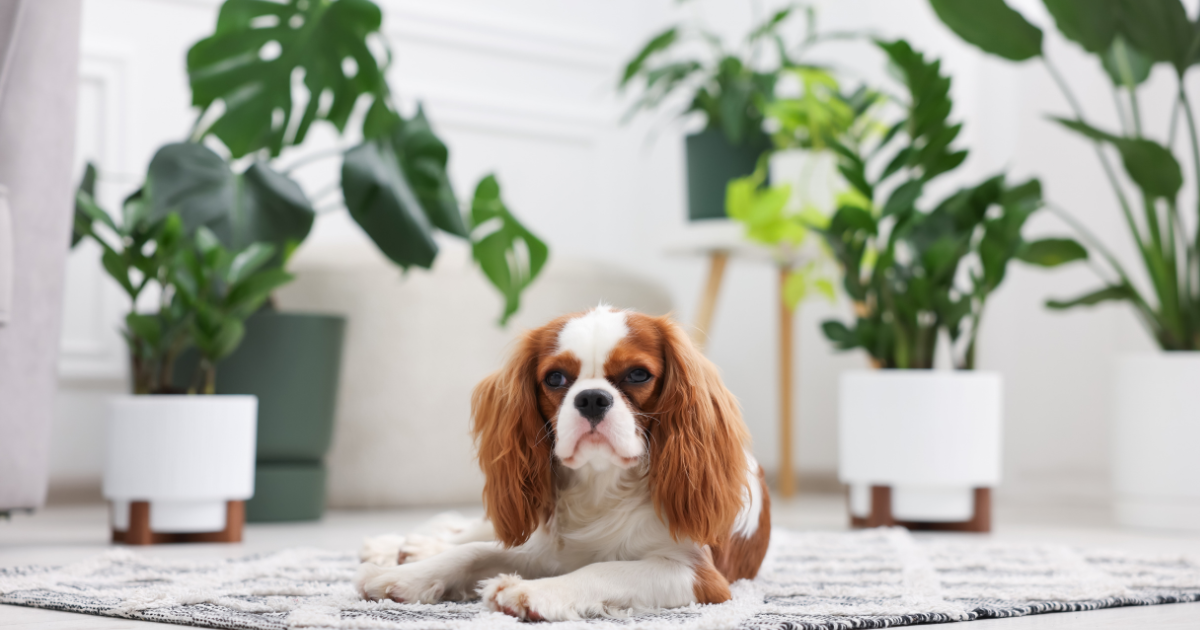
Dogs are curious by nature. They sniff, chew, and taste just about everything they come across—including your houseplants. For that reason, choosing non-toxic indoor plants that are safe for dogs should be a top priority for every pet owner.
The good news? Plenty of beautiful, low-maintenance houseplants pose zero risk to your four-legged friend. In fact, many of these plants also purify the air in your home. So you get a greener living space and peace of mind at the same time.
Below, we’ve listed nine of the best dog-safe houseplants you can bring home today. Each one is verified as non-toxic by the ASPCA, so you can breathe easy knowing your pup is protected.
Why Choosing Dog-Safe Houseplants Matters
According to the ASPCA Animal Poison Control Center, plants are the eighth-most reported toxin affecting pets. Every year, thousands of dogs end up at the vet after chewing on a toxic houseplant. Common culprits include sago palms, lilies, and pothos—all of which can cause vomiting, seizures, or even organ failure in dogs.
On the other hand, stocking your home with verified pet-safe plants removes that risk entirely. You still get the benefits of cleaner air, reduced stress, and a more inviting home—without the worry. Before buying any plant, double-check the ASPCA’s toxic and non-toxic plant database to confirm it’s safe for your specific pet.
1. Spider Plant (Chlorophytum comosum)
Why Dog Owners Love It
Spider plants are one of the most popular houseplants worldwide, and for good reason. They’re incredibly easy to care for, tolerate low light, and produce charming trailing “baby” plantlets. Most importantly, the ASPCA lists them as completely non-toxic to dogs.
Care Tips
Place your spider plant in bright, indirect light for the best growth. However, it can handle lower light conditions too. Water it when the top inch of soil feels dry, and mist the leaves occasionally to keep them looking fresh. Because spider plants produce long, dangling stems, they work especially well in hanging baskets—keeping them out of your dog’s reach.
2. Boston Fern (Nephrolepis exaltata)
Why Dog Owners Love It
Boston ferns bring a lush, tropical look to any room. Their arching fronds add texture and volume, and they are one of the best air-purifying plants you can own. The ASPCA confirms they are safe for dogs and won’t cause harm if your pup takes a nibble.
Care Tips
Boston ferns thrive in humid environments with indirect sunlight. Keep the soil evenly moist but not waterlogged. During winter, mist them daily or place a humidifier nearby to prevent the fronds from turning brown. Like spider plants, these ferns look stunning in hanging baskets or on elevated plant stands.
3. Parlor Palm (Chamaedorea elegans)
Why Dog Owners Love It
If you want a tropical vibe without any risk to your dog, the parlor palm is an excellent pick. This slow-growing palm handles low light conditions well, making it perfect for bedrooms, hallways, and offices. According to the ASPCA, it is non-toxic to both dogs and cats.
Care Tips
Parlor palms prefer bright, indirect light but can tolerate shade. Water them when the top layer of soil dries out, and avoid overwatering—root rot is the most common issue with this plant. They grow slowly, so you won’t need to repot often. A general houseplant fertilizer once a month during spring and summer will keep them healthy.
African violets deliver vibrant color year-round without posing any danger to your dog. Their soft, velvety leaves and rich purple, pink, or white blooms make them a beautiful addition to tabletops, shelves, and windowsills. These compact plants are perfect for small spaces, too.
Care Tips
African violets do best in moderate temperatures with bright, indirect light. Water them from the bottom to avoid getting moisture on the leaves, which can cause spots. Use a well-draining soil mix designed for African violets, and feed them with a balanced fertilizer every two weeks during the growing season. With proper care, they can bloom multiple times per year.
5. Calathea (Calathea spp.)
Why Dog Owners Love It
Calatheas are known for their eye-catching patterned leaves in shades of green, silver, and purple. They’re sometimes called “living art” because the leaf patterns are so striking. Thankfully, calatheas are completely safe for dogs, making them a smart and stylish choice for pet-friendly homes.
Care Tips
Calatheas prefer warm, humid conditions with indirect light. Direct sunlight can fade their beautiful leaf patterns, so keep them away from south-facing windows. Use distilled or filtered water since calatheas are sensitive to chemicals in tap water. Place the pot on a pebble tray with water to boost humidity around the plant.
6. Prayer Plant (Maranta leuconeura)
Why Dog Owners Love It
The prayer plant gets its name from the way its leaves fold upward at night, resembling hands in prayer. It’s a close relative of the calathea, and like its cousin, it’s non-toxic to dogs. The colorful leaf markings—featuring red veins against green and cream backgrounds—make this plant a true standout on any shelf.
Care Tips
Prayer plants grow best in low to moderate indirect light. Keep the soil consistently moist but never soggy. They appreciate higher humidity, so bathrooms or kitchens are ideal spots. During winter, reduce watering slightly and keep the plant away from cold drafts near windows or doors.
7. Christmas Cactus (Schlumbergera bridgesii)
Why Dog Owners Love It
Christmas cactuses bloom in stunning reds, pinks, and whites during the holiday season—offering a pet-friendly alternative to toxic poinsettias. The ASPCA classifies them as non-toxic to dogs, so they’re a safe and festive option all year round.
Care Tips
Place your Christmas cactus in bright, indirect light. Water it when the top inch of soil is dry, and reduce watering after the blooming period. To encourage blooms, give it 12–14 hours of darkness per day for about six weeks before the holiday season. These plants can live for decades with proper care, so they make a great long-term addition to your home.
8. Areca Palm (Dypsis lutescens)
Why Dog Owners Love It
The areca palm is a showstopper in any living room. Its feathery, arching fronds create a dramatic tropical feel, and it’s one of the best plants for removing indoor air pollutants. Best of all, the ASPCA lists it as safe for dogs. Just be aware that it can grow up to 6–7 feet tall indoors, so give it some room.
Care Tips
Areca palms prefer bright, indirect light and consistently moist soil. Avoid letting the soil dry out completely, as this can cause the leaf tips to turn brown. Feed it with a palm-specific fertilizer during the growing season. Rotate the pot every few weeks so all sides receive equal light and grow evenly.
9. Haworthia (Haworthia spp.)
Why Dog Owners Love It
Haworthia succulents look similar to aloe vera, but unlike aloe, they’re non-toxic to dogs. These small, compact plants are perfect for desks, windowsills, and bathroom shelves. Their thick, fleshy leaves feature white stripes or bumps that give them a unique, modern look.
Care Tips
Haworthias thrive in bright, indirect light and prefer well-draining, sandy soil. Water them sparingly—once every two to three weeks is usually enough. During winter, cut back even more since they go semi-dormant. These low-maintenance succulents are ideal for busy dog owners who want greenery without a lot of upkeep.
Houseplants You Should Avoid If You Have a Dog
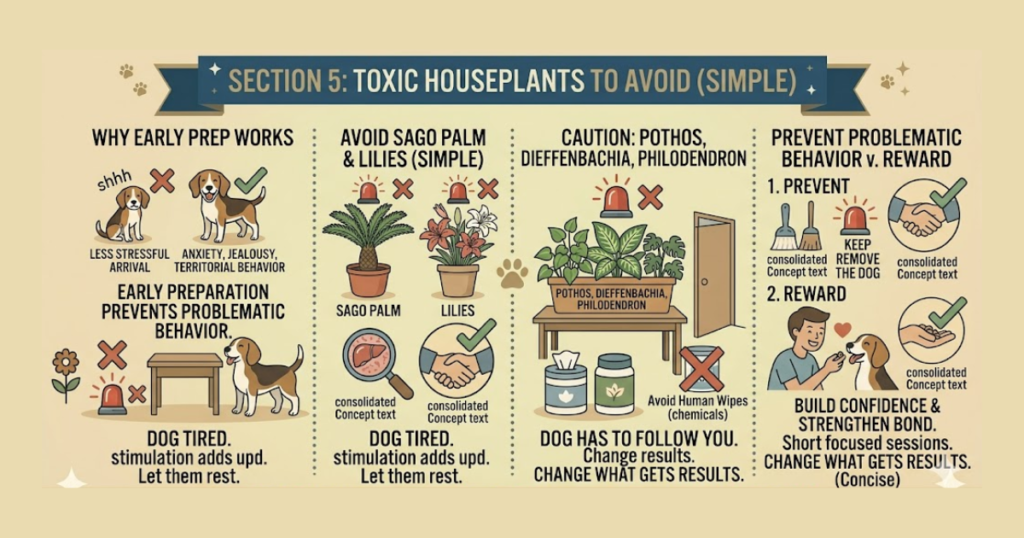
While the nine plants above are all safe options, some common houseplants are highly toxic to dogs. As a result, you should keep the following plants out of your home or place them well out of reach:
Sago Palm – Extremely toxic. Even a small amount can cause liver failure in dogs.
Lilies – Several lily species are dangerous, especially for cats, though some can also affect dogs.
Pothos (Devil’s Ivy) – Contains calcium oxalate crystals that cause mouth pain, drooling, and vomiting.
Dieffenbachia – Can cause intense oral irritation and swelling in dogs.
Philodendron – Contains toxins that irritate the mouth and digestive tract of dogs.
If you suspect your dog has chewed on a toxic plant, contact your veterinarian right away. You can also reach the ASPCA Poison Control hotline at (888) 426-4435 for immediate guidance.
Tips to Keep Your Dog Safe Around Houseplants
Even with non-toxic plants, some dogs love to dig in the soil or knock over pots. Here are a few practical ways to keep both your plants and your dog safe:
Use hanging baskets or wall-mounted planters to keep plants above your dog’s reach.
Cover the soil with decorative stones or mulch to discourage digging.
Spray a citrus solution on the leaves, since most dogs dislike the smell and taste of citrus.
Train your dog with a firm “leave it” command to redirect them when they approach plants.
Place plants in rooms your dog doesn’t frequent if your pup is especially curious or persistent.
Don’t Forget About Outdoor Dog Safety, Too
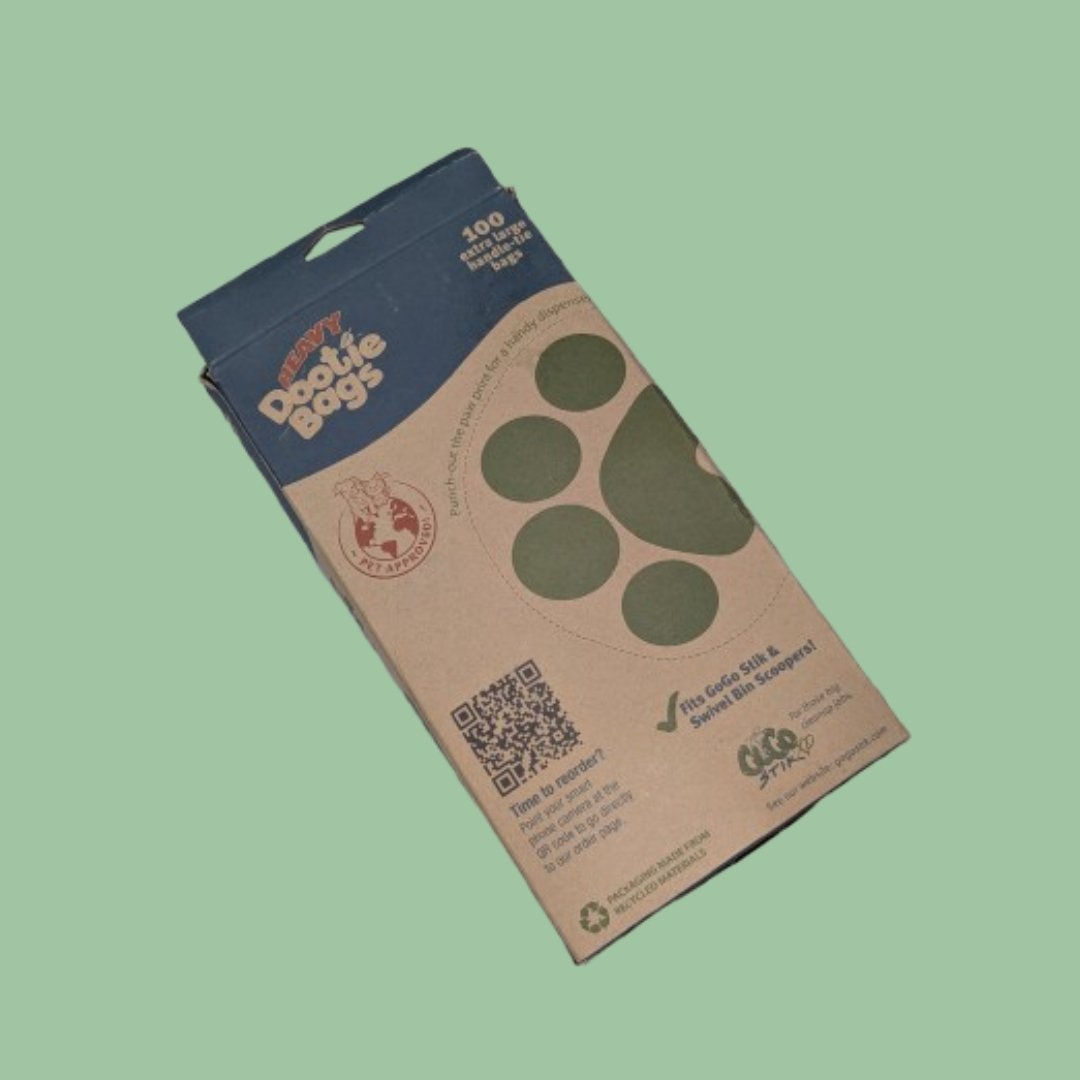
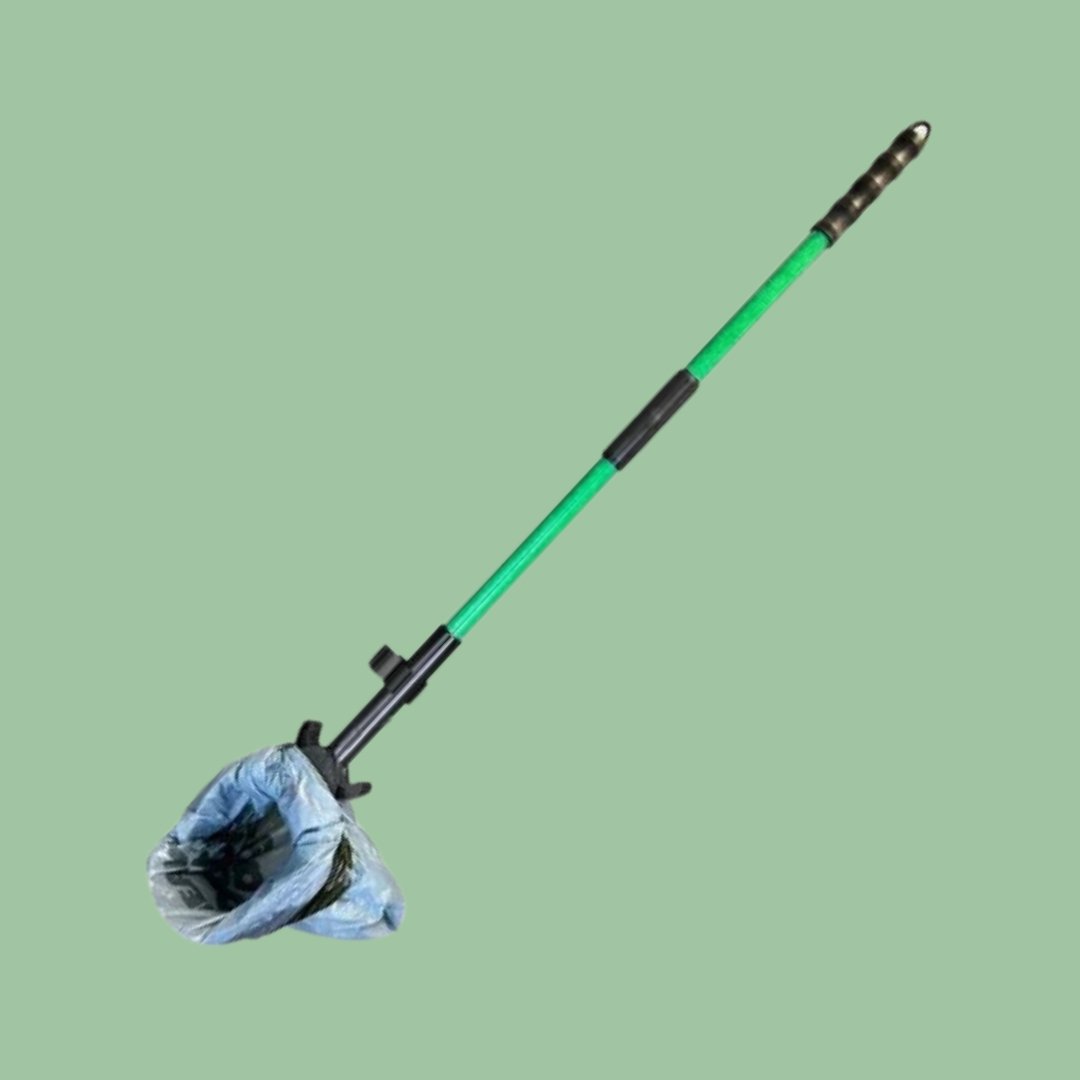
Keeping your dog safe indoors is only half the equation. Once your pup heads outside, yard maintenance matters just as much. That’s where GOGO Stik comes in. Our pooper scooper tools and waste bags make yard cleanup fast, mess-free, and hygienic for both you and your dog.
A clean yard reduces your dog’s risk of stepping in or eating waste, which can lead to parasites and infections. Pairing a clean indoor space (with non-toxic plants) with a well-maintained yard creates the safest possible environment for your pet. Consider adding pet wipes to your routine as well—they’re great for cleaning paws and fur after outdoor play.
Frequently Asked Questions
What happens if my dog eats a non-toxic plant?
Even non-toxic plants can cause mild stomach upset if your dog eats a large amount. Symptoms may include temporary vomiting or loose stools. In most cases, these symptoms resolve on their own within a day. Still, if your dog shows signs of distress or the symptoms last longer than 24 hours, contact your vet.
How do I check if a plant is safe for my dog?
The most reliable resource is the ASPCA’s Toxic and Non-Toxic Plant List. You can search by plant name to see whether it’s safe for dogs, cats, or horses. Always search by the plant’s scientific name to avoid confusion, since many plants share common names.
Can I use fertilizer on dog-safe plants?
Yes, but keep all fertilizers out of your dog’s reach. While the plants themselves are non-toxic, many fertilizers contain chemicals that can be harmful if ingested. Store fertilizer in a sealed container and wait until it’s fully absorbed into the soil before letting your dog near the plant.
Are succulents safe for dogs?
Some are, and some aren’t. Haworthia and Christmas cactus are both safe options. On the other hand, aloe vera and jade plants are mildly toxic to dogs. Always verify the specific succulent species before purchasing.
Final Thoughts
Building a dog-friendly home doesn’t mean you have to give up on houseplants. By choosing any of the nine non-toxic indoor plants listed above, you can fill your home with greenery while keeping your pup completely safe.
Start with one or two easy plants—like a spider plant or a haworthia—and build from there. Before long, you’ll have a home that’s both beautiful and safe for every member of your family, including the furry ones.
And while you’re creating a safer space for your dog, don’t forget to check out the full range of GOGO Stik dog waste products to keep your outdoor spaces just as clean and healthy. From poop bags to LED flashlight attachments for evening walks, GOGO Stik has everything you need to care for your dog—inside and out.
Disclaimer: This blog post is for informational purposes only and should not replace professional veterinary advice. If your dog ingests any plant material and shows signs of illness, contact your veterinarian or the ASPCA Poison Control Center at (888) 426-4435 immediately.
Dogs are more than pets — they’re stress relievers, mood boosters, and loyal companions who show up for us every single day. In fact, spending just a few minutes with your dog can lower cortisol levels and increase the feel-good hormone oxytocin. But here’s the thing: if your daily dog
Dogs are curious by nature. They sniff, chew, and taste just about everything they come across—including your houseplants. For that reason, choosing non-toxic indoor plants that are safe for dogs should be a top priority for every pet owner. The good news? Plenty of beautiful, low-maintenance houseplants pose zero risk
Keeping your dog clean doesn’t have to be a wrestling match. Many pet parents struggle when it comes to wiping down their furry friend after walks, messy meals, or muddy adventures. However, with patience and the right approach, you can transform cleanup time into a bonding experience your dog actually