Home/Blogs/Things You Need to Know Before Adopting a Dog
Things You Need to Know Before Adopting a Dog
Bringing a dog into your home is one of the most rewarding decisions you can make. Yet, before you sign those adoption papers, there are several factors every future dog owner should consider carefully. From choosing the right breed to setting up a clean and safe environment, preparation makes all the difference. So, let’s walk through what you truly need to know before adopting a dog — and how to set yourself and your new companion up for a happy life together.
1. Understand the Commitment You’re Making
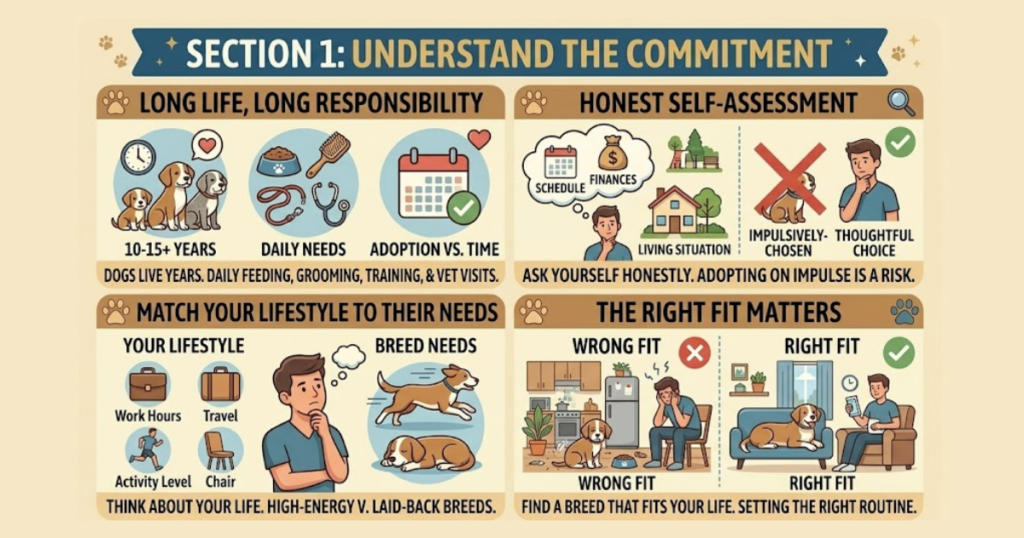
Dogs live anywhere from 10 to 15 years, sometimes longer. That means years of daily feeding, grooming, training, and veterinary visits. Before adopting, ask yourself honestly whether your schedule, finances, and living situation can support that level of long-term responsibility.
Many people adopt on impulse, only to realize later that their lifestyle doesn’t match the needs of their pet. Think about your work hours, travel habits, and activity level. A high-energy breed will struggle in a small apartment with a sedentary owner, while a laid-back dog may fit perfectly into that same setting.
2. Choose the Right Breed for Your Lifestyle
Not every dog is the right fit for every family. Breed characteristics play a big role in how a dog behaves, how much exercise it needs, and how it interacts with children or other animals.
For example, Border Collies are highly intelligent and require a lot of mental stimulation, while Basset Hounds tend to be more laid-back. Research breeds thoroughly or consult a shelter worker who can help match you with the right dog based on your lifestyle. Mixed-breed dogs can also make wonderful companions — they often carry the best traits of multiple breeds.
Consider Size and Space
Larger dogs typically need more space and more exercise. However, size alone doesn’t determine energy level. Some large breeds are surprisingly calm, while certain small dogs are bundles of energy. Take both size and temperament into account when making your decision.
3. Prepare Your Home Before the Dog Arrives
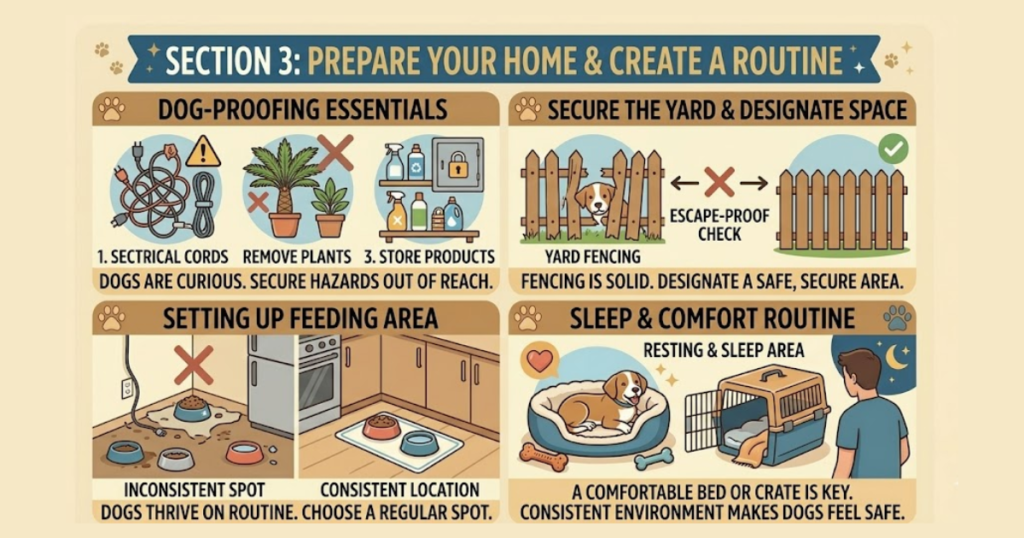
Dog-proofing your home is a step many first-time owners overlook. Dogs — especially puppies — are naturally curious and will chew, scratch, or knock over anything within reach.
Before your dog arrives, secure electrical cords, remove toxic plants, store cleaning products out of reach, and create a safe, designated space where your dog can sleep and feel secure. If you have a yard, check that your fencing is solid and escape-proof.
Set Up a Feeding and Sleep Area
Dogs thrive on routine. Set up a consistent spot for food and water bowls, and choose a comfortable bed or crate where your dog can rest. A consistent environment helps new dogs feel safe as they adjust to their new home.
4. Budget for All Dog-Related Expenses
Owning a dog costs more than most people anticipate. Beyond adoption fees, you’ll face ongoing costs for food, vaccinations, flea and tick prevention, grooming, toys, and routine vet visits. Unexpected medical bills can also arise at any time.
On average, dog ownership can cost between $1,000 and $3,000 per year depending on the breed, size, and health of your pet. Pet insurance is worth considering, as it can offset large veterinary expenses. Build a pet emergency fund to cover unexpected situations without financial stress.
5. Plan for Training and Socialization
Training is not optional — it’s one of the most important investments you’ll make in your dog’s life. A well-trained dog is safer, happier, and easier to live with. Start with basic obedience commands like sit, stay, come, and leave it. Then gradually introduce your dog to new environments, people, and other animals to build healthy social skills.
Positive reinforcement methods work best. Reward good behavior with treats, praise, or play rather than using punishment. Consistency is key — everyone in your household should use the same commands and rules to avoid confusing your dog.
Puppy vs. Adult Dog
Puppies require more time for training and socialization, but you’ll shape their habits from the start. Adult dogs, on the other hand, often come already house-trained and with a more established personality. Both have their advantages — it simply depends on your available time and preferences.
6. Keep Your Yard Clean with the Right Tools
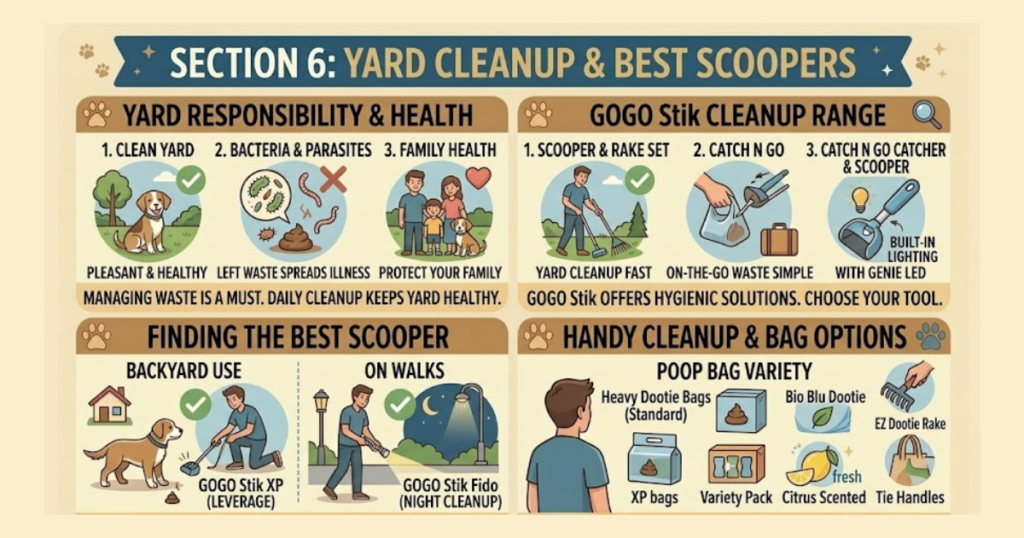
One responsibility that comes with dog ownership is managing waste. A clean yard is not only more pleasant — it’s healthier for your family, your dog, and your neighbors. Waste left on the ground can spread bacteria and parasites, so picking up after your dog daily is a must.
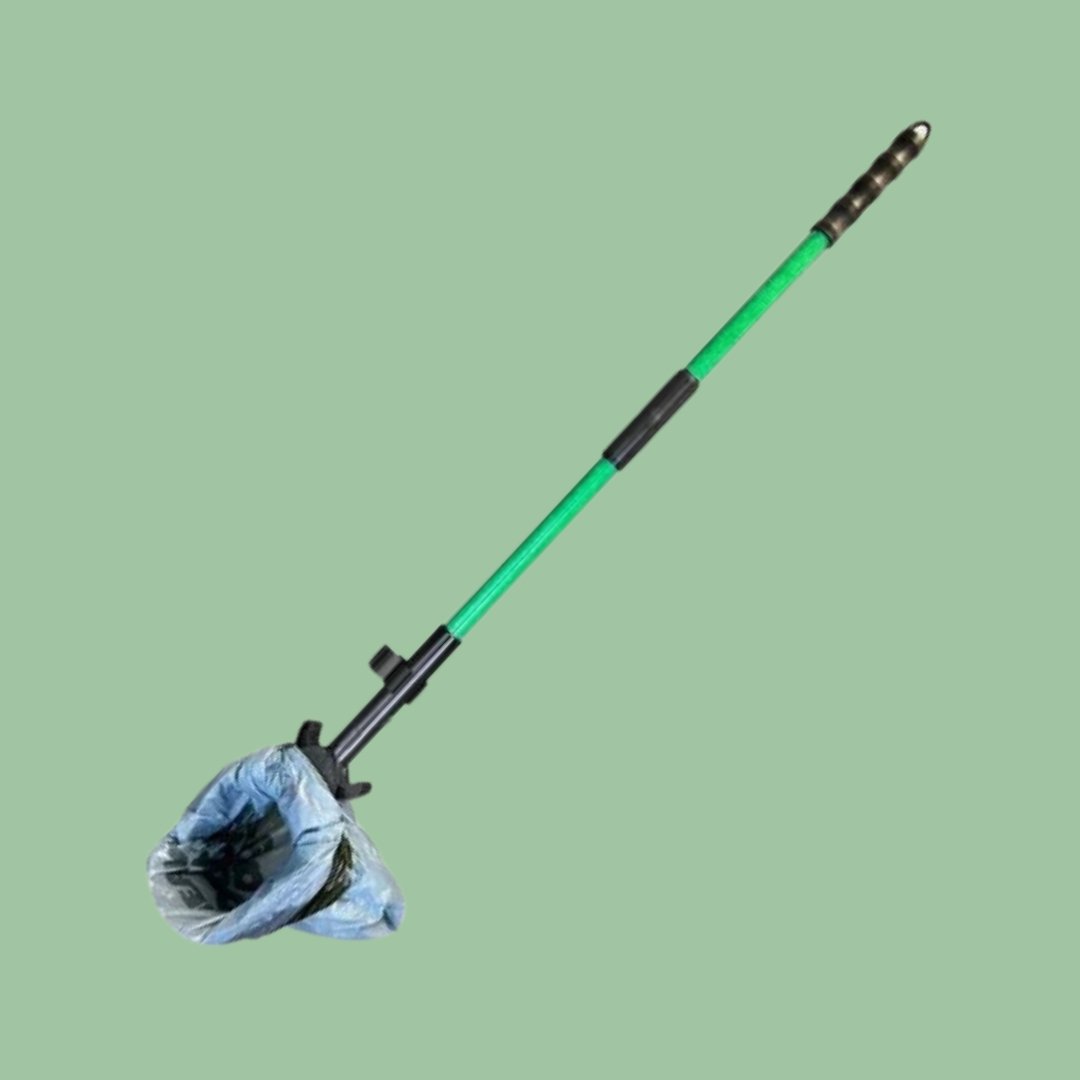
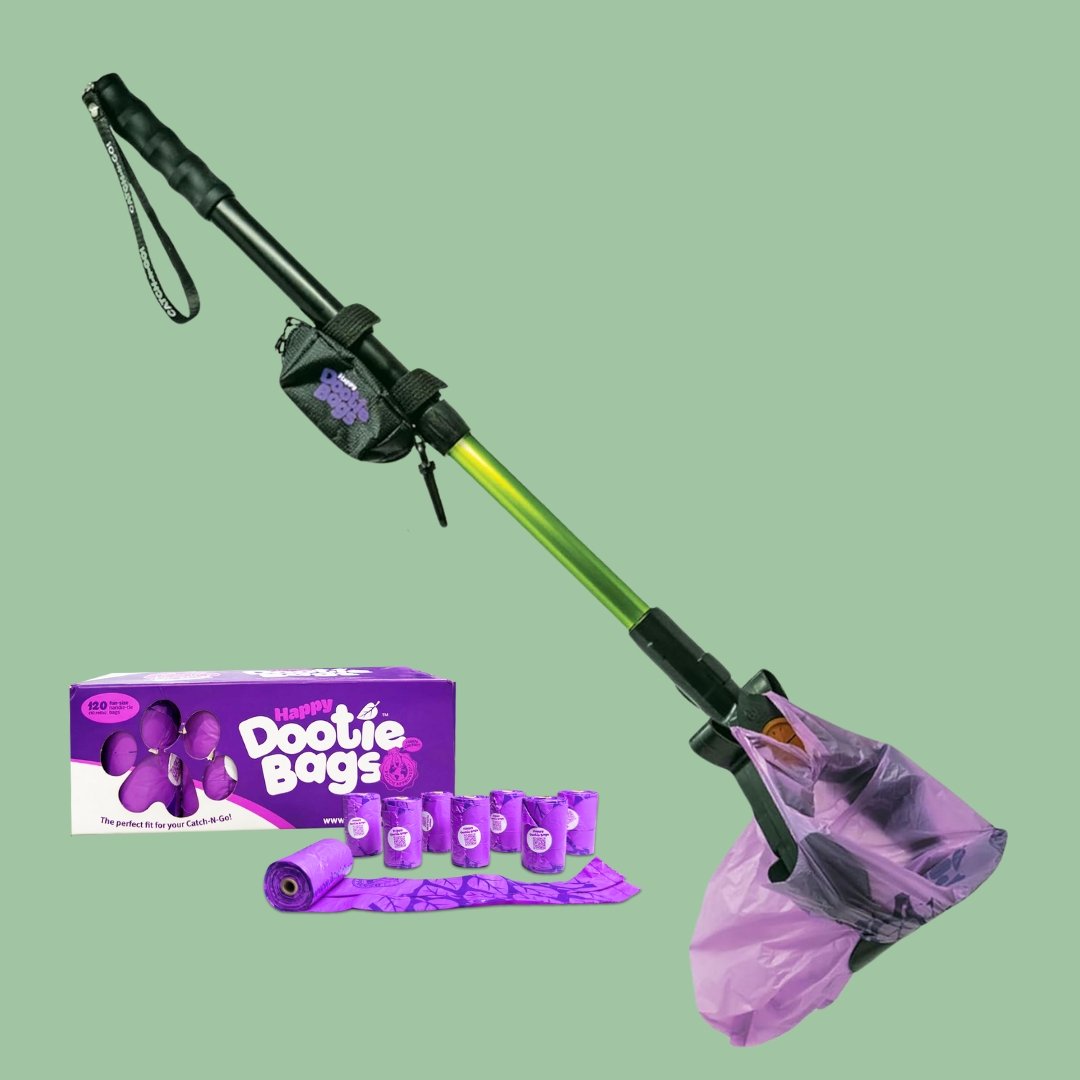
GOGO Stik offers a range of products designed to make cleanup fast, hygienic, and hassle-free. For example, the Scooper and Hybrid Rake Set is ideal for large dog breeds and yard cleanups, while the Catch N Go Hybrid Catcher Scooper makes on-the-go waste collection simple and clean.
Finding the Best Pooper Scooper for Your Needs
The right tool depends on your dog’s size and where you spend most of your time. For larger dogs and backyard use, the GOGO Stik XP Pooper Scooper Scoop Set gives you more leverage and reach without bending over. For walks and late-night outings, the GOGO Stik Fido USB Rechargeable LED Flashlight Scooper adds built-in lighting so you never miss a spot in the dark.
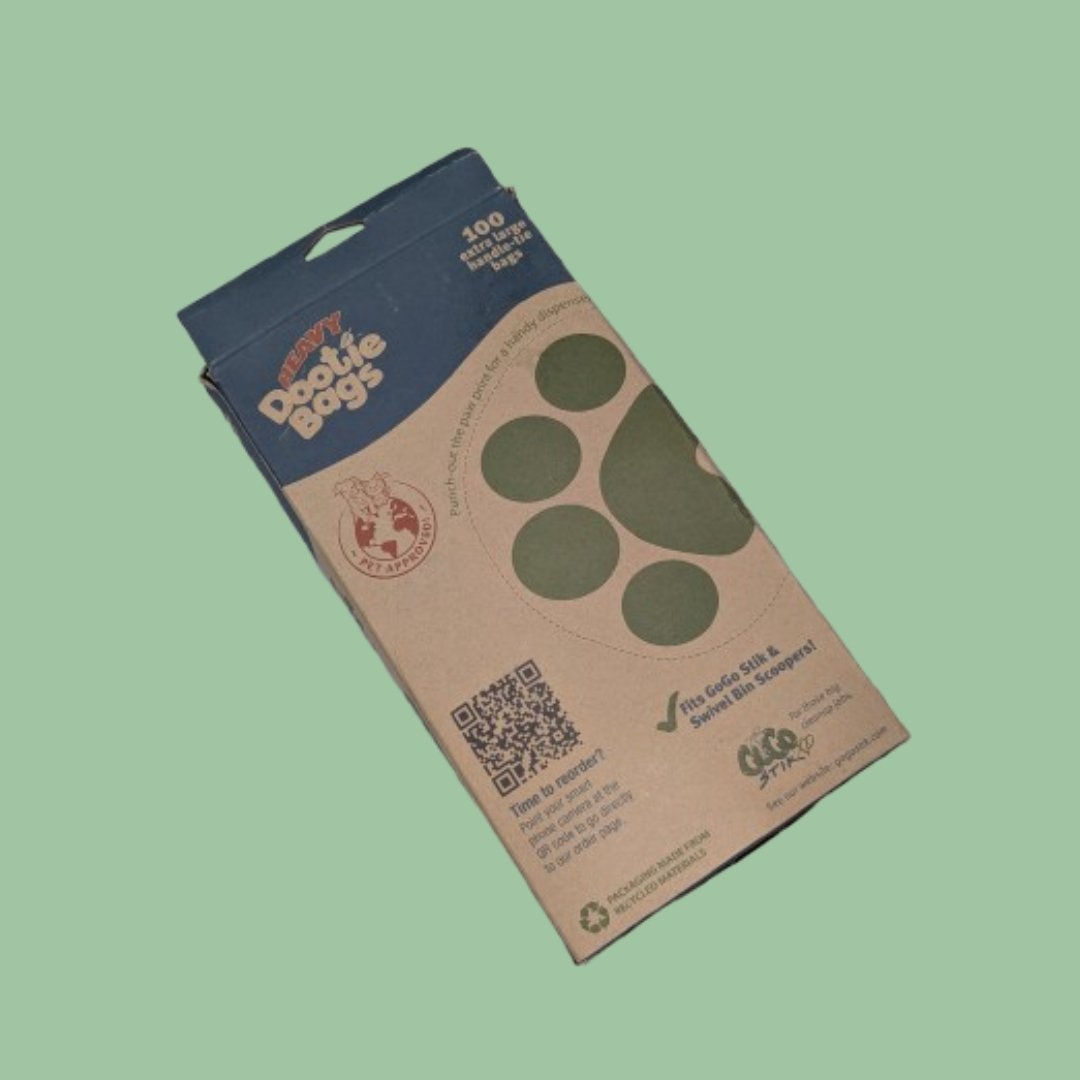
You can also pair your scooper with reliable Heavy Dootie Poop Bags or try the Bio Blu Dootie Bags, which are an eco-friendly option for environmentally conscious pet owners.
Before or shortly after bringing your dog home, establish a relationship with a local veterinarian. Your dog will need a wellness check, vaccinations, parasite prevention, and possibly spaying or neutering. Having a trusted vet means you’ll always have someone to call when questions or health issues arise.
Ask neighbors or friends for referrals, read reviews online, and consider visiting a clinic before committing. A good vet will take the time to answer your questions and explain your dog’s specific health needs based on breed and age.
8. Consider the Impact on Your Household
If you have children, other pets, or elderly family members in your home, factor their needs into your decision. Some dogs are naturally gentle with kids, while others may need extra training or supervision. Introductions should always be done slowly and in a controlled environment.
In the same way, if you already have cats or other pets, choose a dog known for adaptability. Some breeds have strong prey instincts that can cause issues in multi-pet homes. A gradual, properly managed introduction process is the best approach to set everyone up for success.
9. Adopt Responsibly — Know Where Your Dog Comes From
When you’re ready to adopt, seek out a reputable shelter or rescue organization. These facilities typically screen dogs for health and temperament, and they match dogs with suitable families. Responsible adoption helps reduce the number of animals in shelters and gives a deserving dog a second chance.
Be cautious of breeders or sellers who don’t let you visit in person, don’t provide health records, or push you to decide quickly. Ethical breeders are transparent about their dogs’ lineage, health testing, and living conditions.
10. Be Patient During the Adjustment Period
Even the most easygoing dog needs time to adapt to a new home. The first few weeks can include anxious behavior, accidents in the house, or testing boundaries. This is completely normal. Stay consistent with routines, use positive reinforcement, and give your dog space to settle in at their own pace.
The 3-3-3 rule is commonly used in rescue circles: the first 3 days your dog may be overwhelmed, the first 3 weeks they’ll begin to settle in, and after 3 months they’ll feel truly at home. Trust the process and let the bond develop naturally.
Final Thoughts
Adopting a dog is a life-changing decision that brings tremendous joy — but it also comes with genuine responsibility. By taking the time to prepare, you’re not only setting yourself up for success but also giving your new dog the stable, loving home they deserve.
From training and vet care to yard maintenance and daily cleanup, every part of dog ownership matters. GOGO Stik is here to support the cleaner, easier side of pet life with products built for real pet owners. Check out the full range of GOGO Stik dog waste solutions and Heavy Dootie Pet Wipes for Paws and Butt to keep both your dog and your space fresh and clean every day.
Keeping your dog clean doesn’t have to be a wrestling match. Many pet parents struggle when it comes to wiping down their furry friend after walks, messy meals, or muddy adventures. However, with patience and the right approach, you can transform cleanup time into a bonding experience your dog actually
Dog anxiety is more common than most pet owners realize. Your furry friend might pace nervously, bark excessively, or hide when stressed. Recognizing these signs early helps you address the root cause before the behavior worsens. Understanding Why Dogs Feel Anxious Dogs experience anxiety for various reasons. Loud noises like
Walking your dog should be one of the best parts of your day — fresh air, bonding time, and a little exercise for both of you. But if your dog is constantly yanking, zigzagging, or dragging you down the street, it stops being fun fast. The good news? Leash pulling