Home/Blogs/The Environmental Impact of Pet Waste: Why Proper Cleanup Matters
The Environmental Impact of Pet Waste: Why Proper Cleanup Matters
Pet ownership brings tremendous joy, but it also comes with responsibilities that extend beyond our backyards. Dog waste might seem like a natural, harmless substance, but the reality is far different. Each year, millions of tons of pet waste enter our ecosystems, creating serious environmental and health concerns that many pet owners don’t realize exist.
Understanding the true impact of improperly disposed pet waste can change how we approach this daily responsibility. Therefore, using quality tools like a reliable pooper scooper becomes more than just convenient—it becomes an environmental necessity.
The Hidden Dangers Lurking in Dog Waste
Dog waste is not fertilizer. Unlike the waste from herbivores like cows or horses, dog feces contains harmful bacteria, parasites, and pathogens that pose significant risks to both environmental and human health.
Bacterial Contamination
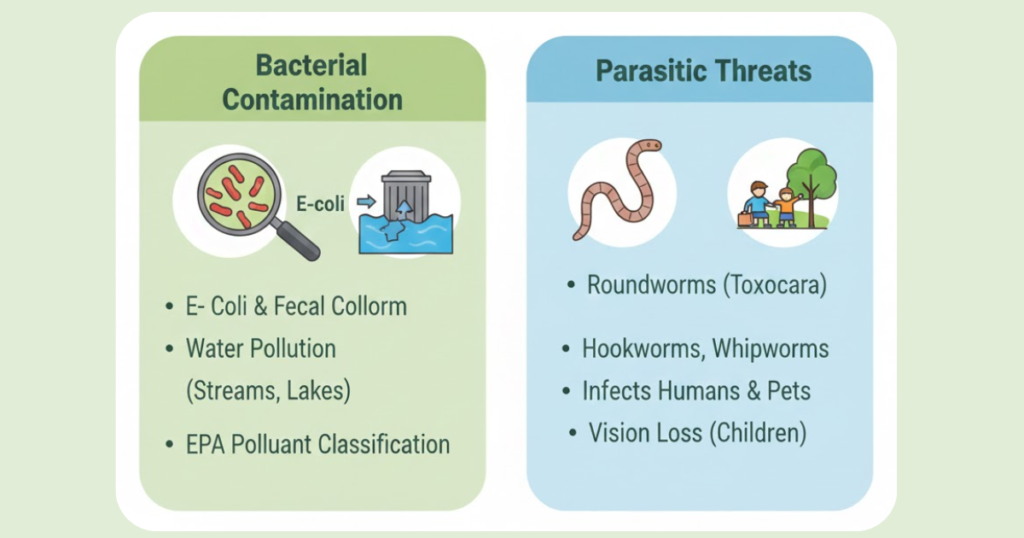
A single gram of dog waste can contain 23 million fecal coliform bacteria. These microorganisms include E. coli, which can cause serious gastrointestinal illness in humans. Consequently, when rain washes this waste into storm drains, it flows directly into streams, rivers, and lakes without treatment.
The Environmental Protection Agency (EPA) has classified dog waste as a non-point source pollutant, placing it in the same category as oil spills and toxic chemicals. This classification reflects the serious threat it poses to water quality and aquatic ecosystems.
Parasitic Threats
Beyond bacteria, dog waste carries parasites that can survive in soil for years. Roundworms, hookworms, and whipworms can remain dormant yet infectious, creating long-term health hazards for both pets and people. Children playing in contaminated areas face particular risk since these parasites can cause serious infections.
Toxocara canis, a common roundworm found in dog feces, causes toxocariasis in humans. This infection can lead to vision loss, organ damage, and neurological problems, especially in young children who accidentally ingest contaminated soil.
How Pet Waste Pollutes Our Water Systems
Water contamination from pet waste represents one of the most pressing environmental concerns for urban and suburban areas. As a result, understanding this pollution pathway helps explain why proper cleanup matters so much.
Storm Drain Contamination
Most storm drains lead directly to natural water bodies without any treatment. Therefore, when dog waste enters these systems, all its harmful contents flow straight into our waterways. A single day of waste from 100 dogs produces enough bacteria to temporarily close a bay and beaches within 20 miles.
Urban areas with high dog populations face particularly severe challenges. In cities where hundreds of thousands of dogs live, the cumulative effect of improperly disposed waste creates a significant pollution burden. Subsequently, this affects drinking water sources, recreational areas, and aquatic habitats.
Nutrient Overload and Algae Blooms
Dog waste contains high levels of nitrogen and phosphorus. These nutrients might sound beneficial, but in water systems, they trigger excessive algae growth. These algae blooms deplete oxygen levels in the water, creating “dead zones” where fish and other aquatic life cannot survive.
The decomposition process of this waste also consumes dissolved oxygen, further stressing aquatic ecosystems. In addition, some algae species produce toxins that can poison wildlife, pets, and even humans who come into contact with contaminated water.
Soil and Vegetation Damage
Many pet owners believe leaving dog waste in their yard or on trails allows it to naturally decompose and fertilize the ground. However, this misconception leads to serious soil and plant health problems.
Soil Acidification
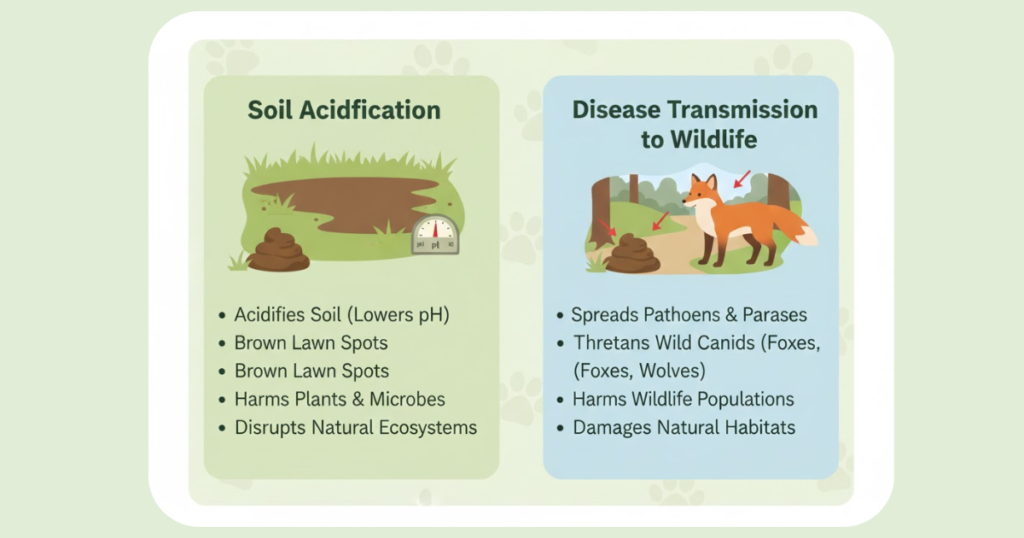
Dog waste acidifies soil as it breaks down. This change in pH levels harms grass, plants, and beneficial soil organisms. Brown spots on lawns often indicate areas where dog waste has damaged the soil chemistry. Over time, these affected areas struggle to support healthy plant growth.
Natural ecosystems along hiking trails face similar damage. Native plants adapted to specific soil conditions cannot thrive when pet waste alters their environment. This disruption can change plant communities and affect the wildlife that depends on them.
Disease Transmission to Wildlife
Wild animals that encounter dog waste face exposure to diseases and parasites they wouldn’t normally encounter. Canine distemper, parvovirus, and other pathogens can spread to wild canids like foxes, wolves, and coyotes. Similarly, parasites from domestic dogs can infect wildlife populations, sometimes with devastating effects.
Protected natural areas and wildlife habitats require particular care. Leaving dog waste in these locations threatens the very ecosystems we seek to preserve for future generations.
The Scale of the Problem
Numbers help put the pet waste issue into perspective. The United States has approximately 90 million pet dogs. If each dog produces about three-quarters of a pound of waste daily, that amounts to nearly 11 million tons of waste annually.
Only about 60% of dog owners consistently pick up after their pets. This means millions of tons of waste enter the environment improperly each year. In urban areas, this uncollected waste contributes significantly to water quality problems and creates public health hazards in parks, sidewalks, and shared spaces.
Why Using Quality Cleanup Tools Makes a Difference
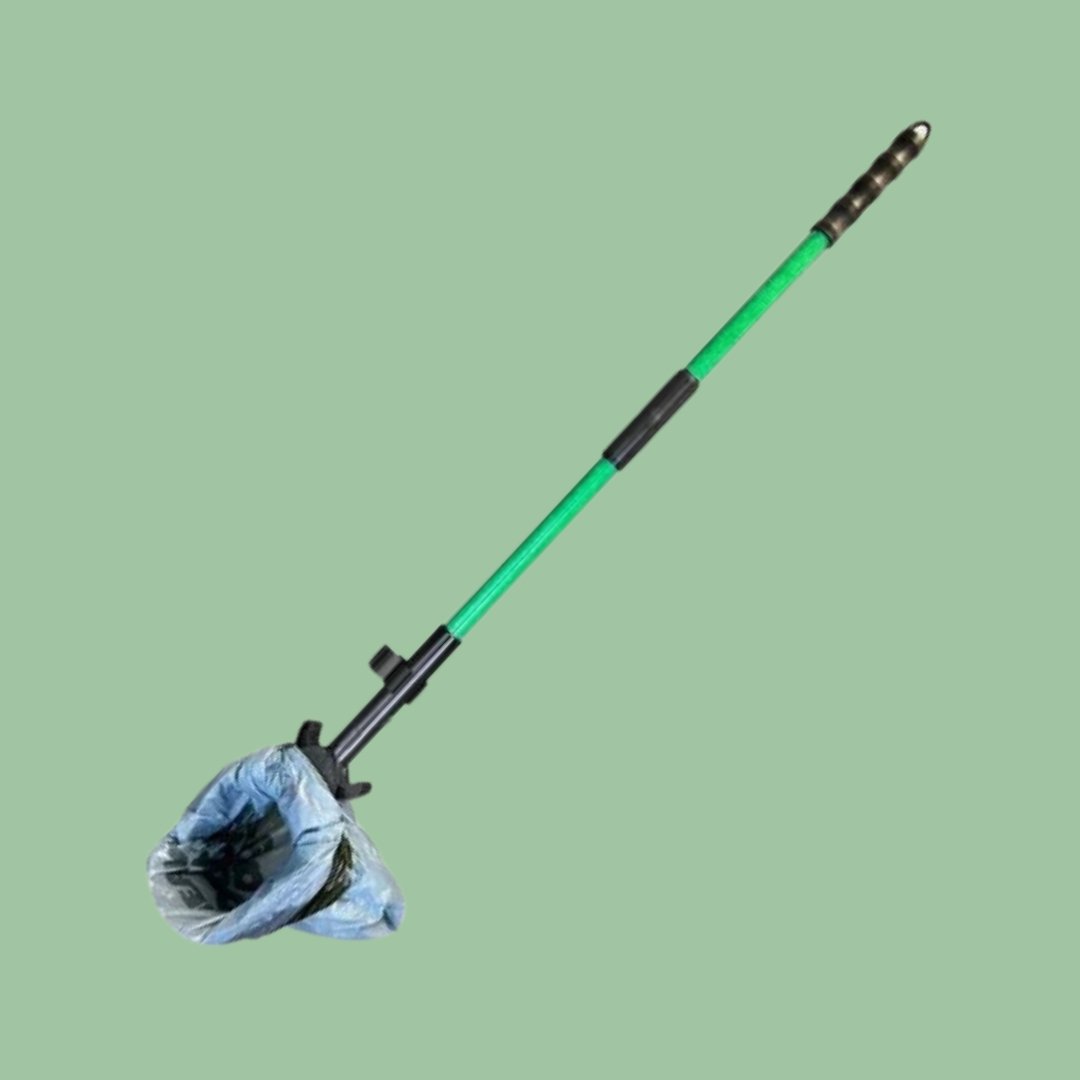
Proper pet waste management requires the right equipment. A sturdy pooper scooper makes regular cleanup easier and more hygienic, increasing the likelihood that owners will maintain consistent habits.
Benefits of Regular Scooping
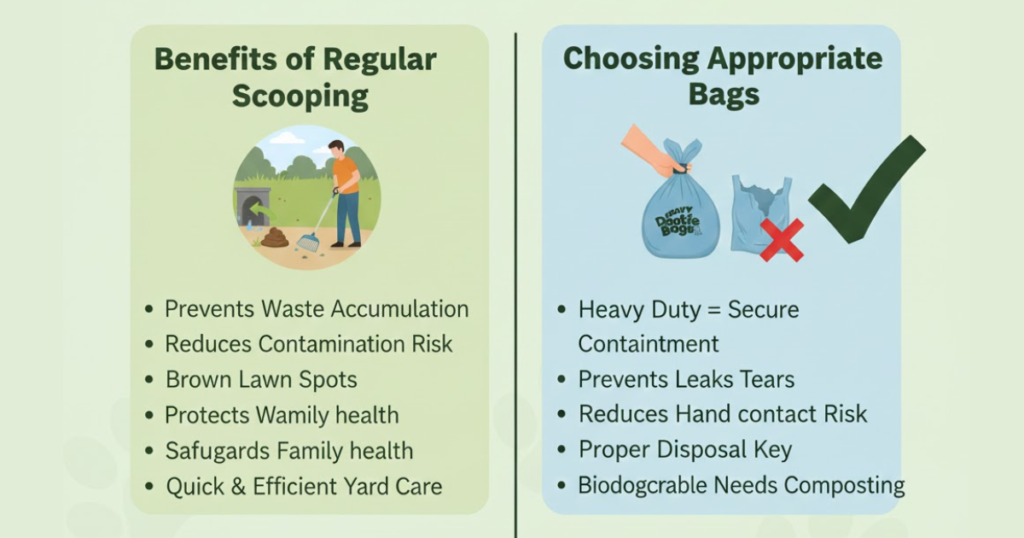
Regular yard cleanup prevents waste accumulation and reduces the risk of contamination spreading to neighboring properties or water systems. Tools like the best pooper scooper systems make this task quick and efficient, removing barriers to consistent cleanup.
During rainstorms, waste left in yards for even a day or two can wash into storm drains. Regular removal prevents this pathway of contamination. In addition, keeping yards clean protects family members and pets from exposure to harmful pathogens.
Choosing Appropriate Bags
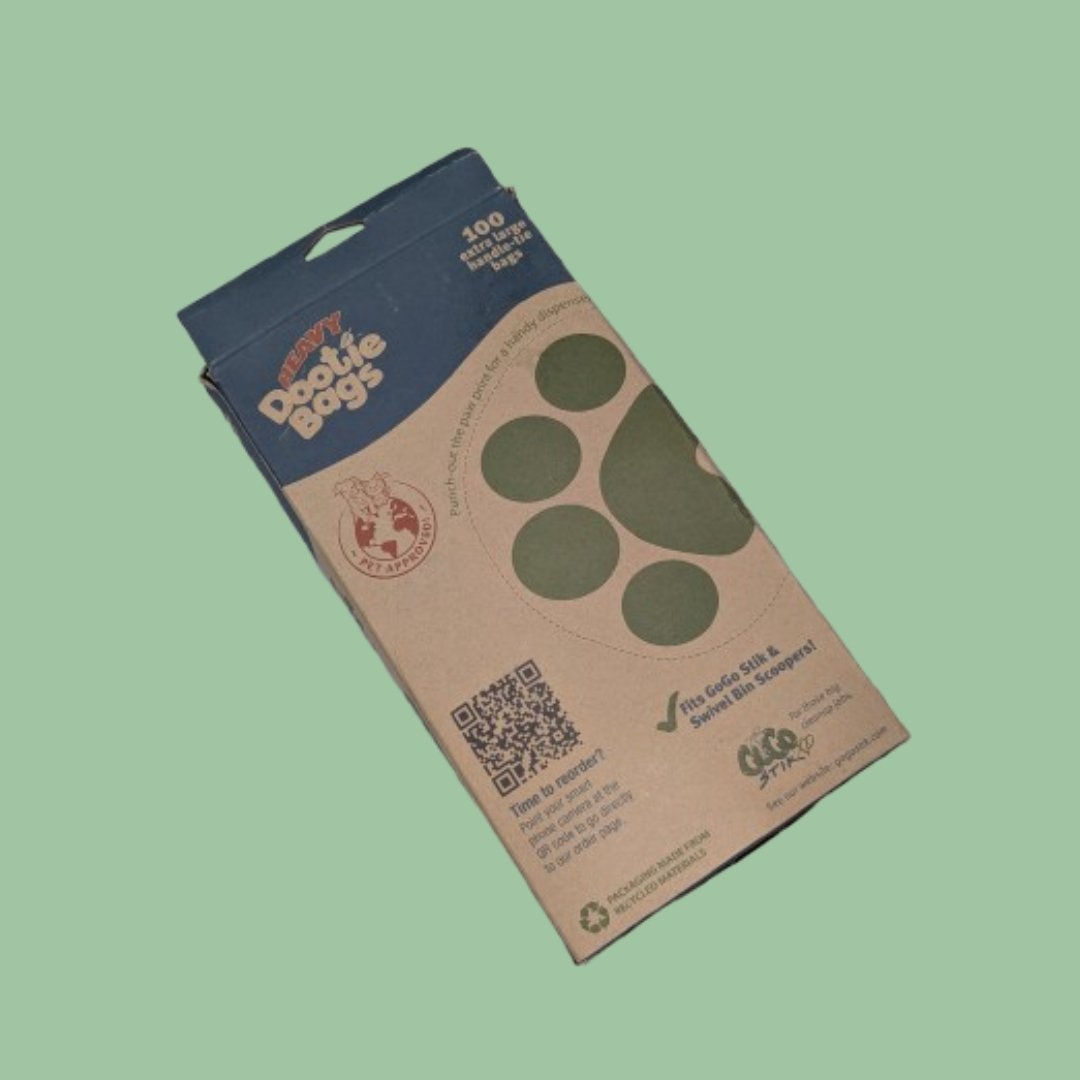
Using heavy duty bags ensures secure containment and prevents leaks during disposal. Quality bags also reduce the risk of hand contact with waste, protecting your health while handling this necessary task.
Some pet owners wonder about biodegradable bags. While these seem environmentally friendly, they only break down properly in commercial composting facilities, not in landfills or home compost bins. Therefore, focusing on secure containment and proper disposal proves more important than bag material alone.
Proper Disposal Methods
Knowing how to dispose of pet waste correctly is just as important as picking it up. Unfortunately, many well-intentioned pet owners use disposal methods that still harm the environment.
What Not to Do
Never flush dog waste down the toilet unless your municipality specifically allows it. Most wastewater treatment plants aren’t designed to handle the parasites and pathogens in pet waste. These organisms can survive the treatment process and contaminate water systems.
Composting dog waste at home isn’t safe either. Home compost piles don’t reach temperatures high enough to kill harmful pathogens. These organisms can survive and spread when you use the compost in your garden.
Leaving bagged waste on trails or in parks, even temporarily, creates problems. Animals may tear open bags, spreading the contents. Weather can also break down bags over time, releasing waste into the environment.
Best Disposal Practices
The safest disposal method for most households is placing sealed waste bags in the trash. Landfills provide containment that prevents environmental contamination. Some communities offer pet waste composting services that use industrial processes to safely break down waste at temperatures that kill pathogens.
Dedicated pet waste disposal systems for yards exist, but they require proper installation and maintenance to work effectively. These systems act like miniature septic tanks, breaking down waste underground. However, they must be installed away from water sources and gardens, and they require regular enzyme treatments to function properly.
Creating Sustainable Cleanup Habits
Building consistent waste removal habits protects the environment while keeping your property clean and healthy. Fortunately, modern tools and products make this task much easier than in the past.
Daily Cleanup Routines
Establishing a daily cleanup schedule prevents waste accumulation and reduces environmental impact. Many pet owners find that cleaning their yards in the morning or evening works best. Having your pooper scooper and heavy duty bags readily accessible makes it easy to maintain this routine.
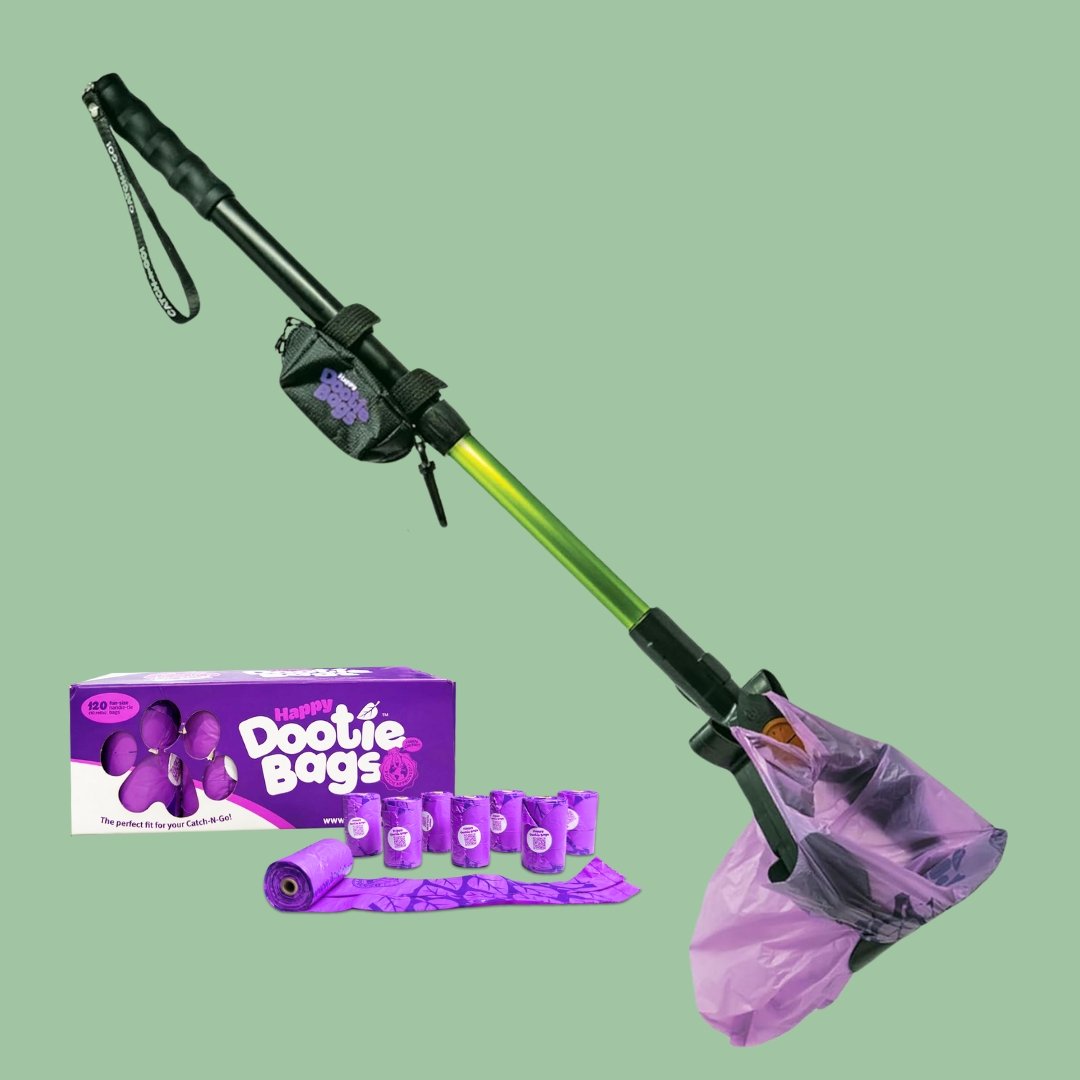
For walks, carrying bags and a portable disposal solution ensures you’re always prepared. Many modern pooper scooper designs include built-in bag storage, making walks more convenient.
Yard Maintenance Strategies
Large yards or multi-dog households benefit from systematic cleanup approaches. Dividing your yard into sections and cleaning each area thoroughly prevents missed spots. Seasonal deep cleaning also helps, especially after winter when snow may have hidden waste.
Consider the timing of yard cleanup relative to weather. Cleaning before rain prevents waste from washing into storm drains. After storms, check for any waste that may have washed from other areas into your property.
Community Impact and Responsibility
Individual actions combine to create community-wide effects. Areas where residents consistently clean up after their pets enjoy cleaner parks, safer play areas, and healthier water systems. Conversely, communities with poor cleanup compliance face ongoing sanitation and environmental problems.
Public Spaces and Shared Areas
Parks, trails, and sidewalks serve entire communities. Leaving waste in these spaces shows disrespect for neighbors and creates health hazards for children, other pets, and wildlife. Many municipalities have implemented fines for failure to clean up pet waste, recognizing its serious public health implications.
Dog parks face particular challenges due to high waste concentration. Responsible users who clean up after their pets help keep these valuable community resources clean and safe. Using proper tools like a reliable best pooper scooper makes cleanup in these busy areas much easier.
Setting a Positive Example
Pet owners who consistently clean up encourage others to do the same. Children learn responsible pet ownership by watching adults handle this task properly. Communities with strong cleanup cultures protect their local environment more effectively than areas where irresponsible behavior is tolerated.
Some neighborhoods organize community cleanup days or provide waste stations in common areas. These initiatives make proper disposal more convenient while building community awareness about environmental impacts.
The Bigger Picture: Climate and Ecosystems
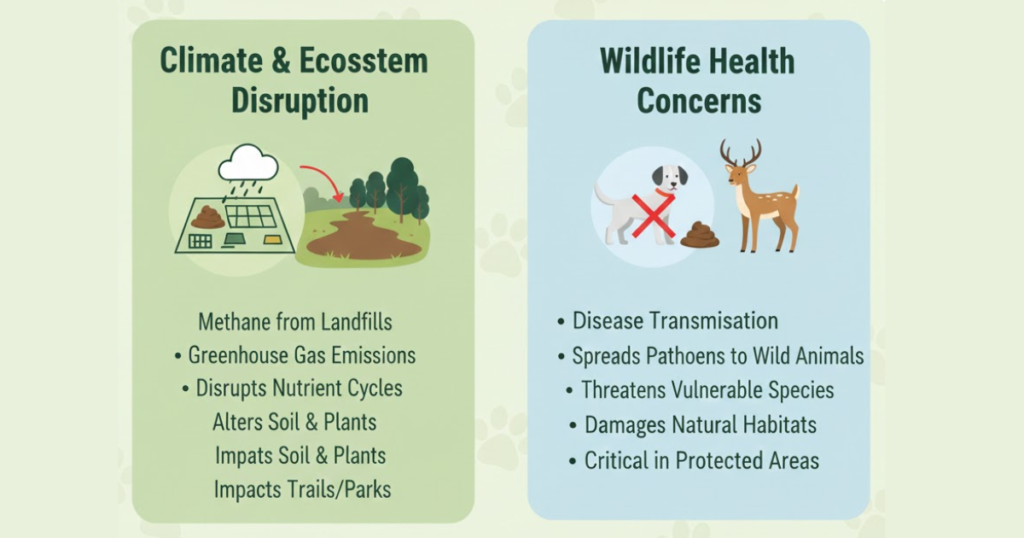
Pet waste management connects to broader environmental concerns beyond immediate water and soil contamination. Methane production from decomposing organic waste in landfills contributes to greenhouse gas emissions. While pet waste represents a small fraction of total landfill content, minimizing waste volume through other means helps reduce this impact.
Ecosystem Disruption
Beyond direct contamination, pet waste disrupts natural nutrient cycles in ecosystems. Natural areas evolved with nutrient inputs from native animals. The waste from domestic dogs, especially in high concentrations, overwhelms these systems and changes their ecological balance.
Trail systems in natural areas face significant impacts. Popular hiking destinations with heavy dog traffic can show measurable changes in soil chemistry and plant communities. Responsible cleanup helps preserve these areas for future generations to enjoy.
Wildlife Health Concerns
Wild animals face risks from diseases carried in pet waste. Protecting wildlife means preventing their exposure to domestic animal pathogens. This concern extends beyond immediate areas to migration corridors and wildlife movement patterns.
Protected habitats require particular care. Many parks and nature preserves restrict or prohibit dogs due to these concerns. Where dogs are allowed, meticulous waste cleanup becomes even more critical for protecting vulnerable species and habitats.
Economic Costs of Poor Waste Management
Environmental damage from pet waste creates real economic costs. Municipalities spend millions annually treating contaminated water and restoring affected beaches and waterways. These costs ultimately fall on taxpayers through increased water treatment expenses and beach closure costs.
Property values can suffer in neighborhoods with poor pet waste management. Unsightly and unsanitary conditions make areas less desirable. Conversely, well-maintained communities with responsible pet owners often see property value benefits from their attractive, clean environment.
Tourism-dependent communities face particular economic risks. Beach closures due to bacteria contamination from pet waste can devastate local businesses. Preventing these problems through responsible waste management protects local economies.
Solutions for Every Situation
Different living situations require different approaches to pet waste management. Apartment dwellers, suburban homeowners, and rural residents all face unique challenges but can find effective solutions.
Urban and Apartment Living
City dwellers often use designated pet relief areas. Keeping these spaces clean requires community cooperation and adequate waste disposal facilities. Building management that provides heavy duty bags and disposal stations encourages compliance.
Walking routes in urban areas should include regular cleanup. Carrying necessary supplies ensures you’re prepared wherever your walk takes you. Modern portable pooper scooper designs make urban walking more manageable.
Suburban and Rural Properties
Larger properties might seem less urgent for cleanup, but regular removal remains important. Accumulated waste still poses contamination risks, especially near water features or gardens. Systematic cleanup of larger areas becomes manageable with efficient tools.
Rural properties near streams, ponds, or wetlands require particular attention. These water features often connect to larger watershed systems, meaning contamination can spread far beyond your property.
Teaching Responsible Pet Ownership
Educating new pet owners about proper waste management starts with explaining why it matters. Many people simply don’t understand the environmental and health implications. Sharing this knowledge helps build a culture of responsibility.
Kids and Pet Care
Children learning to care for pets should understand waste cleanup as a fundamental responsibility, not an optional chore. Age-appropriate explanations about environmental protection help them grasp why this task matters.
Proper tools make the job safer and easier for young people. Providing kids with appropriate equipment teaches them to handle the task properly while protecting their health.
Community Education
Neighborhood groups, homeowner associations, and local parks departments can promote responsible pet ownership through education campaigns. Providing information about environmental impacts often changes behavior more effectively than enforcement alone.
Some communities offer free or discounted heavy duty bags and waste stations in popular dog areas. These programs reduce barriers to compliance while demonstrating community commitment to environmental protection.
Looking Forward: Sustainable Pet Ownership
The future of responsible pet ownership includes greater awareness of environmental impacts. As climate change and ecosystem health become increasingly urgent concerns, every action matters, including how we manage pet waste.
Innovation in Waste Management
New technologies and products continue to improve pet waste management. Better pooper scooper designs make cleanup easier and more hygienic. Improved bag materials balance strength with environmental considerations.
Some municipalities experiment with anaerobic digestion systems that convert pet waste into energy. These systems process waste from multiple sources, creating biogas while safely breaking down harmful pathogens. As these technologies mature, they may offer better disposal options for communities.
Personal Commitment
Individual pet owners hold the key to solving pet waste environmental problems. Each person who commits to consistent, proper cleanup contributes to healthier communities and ecosystems. The collective impact of millions of responsible pet owners creates meaningful environmental protection.
Conclusion
The environmental impact of pet waste extends far beyond what most people realize. From water contamination and ecosystem disruption to public health risks and wildlife threats, improperly managed dog waste creates serious, lasting problems. However, solutions are straightforward and achievable for every pet owner.
Using quality tools like a reliable best pooper scooper paired with heavy duty bags makes proper cleanup simple and hygienic. Building consistent habits protects your family, your community, and the broader environment. The small effort required for responsible waste management delivers outsized benefits for water quality, soil health, wildlife protection, and public spaces.
Every pet owner can make a difference. By understanding the real environmental consequences of pet waste and committing to proper management, we protect the natural world our pets help us appreciate. Clean parks, safe water, and healthy ecosystems depend on the daily choices we make as responsible pet owners.
FAQs
How long does dog poop take to decompose naturally?
Dog waste takes anywhere from several months to over a year to decompose fully, depending on environmental conditions. However, even as it breaks down, harmful bacteria and parasites remain active in the soil for years. Temperature, moisture, and other factors affect decomposition rates, but the health risks persist long after the visible waste disappears. This extended contamination period explains why simply leaving waste to decompose naturally isn’t safe for the environment or public health.
Is dog waste really worse than wild animal waste?
Yes, dog waste poses significantly greater environmental and health risks than wildlife waste. Wild animals typically live in much lower densities than domestic dogs in residential areas, so their waste doesn’t concentrate in the same way. In addition, wild herbivores produce waste with different bacterial content than carnivorous pets. Dogs also carry diseases and parasites that don’t naturally occur in local wildlife populations. The sheer volume of domestic dog waste combined with its pathogen content creates problems that wildlife waste simply doesn’t match.
Can I compost dog poop in my backyard?
Home composting isn’t recommended for dog waste. Backyard compost piles rarely reach temperatures high enough to kill harmful parasites, bacteria, and pathogens present in pet waste. These organisms require sustained temperatures above 165°F (74°C) for several days to be destroyed. Only commercial composting facilities or specialized pet waste composting systems achieve these conditions safely. Using contaminated compost in vegetable gardens or around plants poses serious health risks to your family.
What should I do if my neighbor doesn’t pick up after their dog?
Start with a friendly conversation if you feel comfortable doing so. Many people simply don’t understand the environmental and health implications of leaving pet waste. If direct communication doesn’t work, contact your homeowner’s association if you have one, as most have pet waste policies. Municipal codes also typically address this issue, and you can report violations to local animal control or code enforcement. Some communities provide educational materials you can share with neighbors to promote awareness without confrontation.
Are biodegradable poop bags better for the environment?
Biodegradable bags offer limited environmental benefits in most disposal situations. These bags only break down properly in commercial composting facilities, not in typical landfills where most pet waste ends up. Landfills lack the oxygen, moisture, and bacterial conditions needed for biodegradation. Therefore, biodegradable bags often persist just as long as regular plastic bags in landfills. The most important factors are bag strength to prevent leaks and proper disposal of the sealed waste, regardless of bag material. Focus on using heavy duty bags that securely contain waste rather than worrying primarily about bag composition.
How often should I clean my yard of dog waste?
Daily cleanup is ideal, especially if your dog uses the same yard where children play or you spend time outdoors. At minimum, remove waste at least twice weekly to prevent contamination buildup. However, more frequent removal reduces odor, fly problems, and the risk of waste washing into storm drains during unexpected rain. Large properties or multiple-dog households benefit from daily cleanup routines. Using an efficient pooper scooper makes daily cleanup quick enough that it doesn’t become an overwhelming chore.
Does rain wash away dog poop and clean it naturally?
Rain actually makes the problem worse rather than cleaning it up. Rainwater breaks apart waste and carries bacteria, parasites, and nutrients into storm drains, streams, and groundwater. This process spreads contamination across larger areas and into water systems. The misconception that rain “washes away” waste leads many people to neglect cleanup, but this actually creates more environmental damage. Always remove waste before rainstorms to prevent this contamination pathway. Even waste that seems to have washed away has simply moved the problem elsewhere in the environment.
raining your dog can transform your relationship and make daily life easier for both of you. Clicker training stands out as one of the most effective, science-based methods available today. This positive reinforcement technique helps dogs learn faster while strengthening the bond between you and your furry companion. What Is
Training a new puppy requires patience, consistency, and the right approach. Whether you’re a first-time dog owner or adding another furry friend to your family, these proven techniques will help you raise a well-behaved companion. Let’s explore ten essential strategies that make puppy training effective and enjoyable. 1. Start Training
Is your furry friend constantly gnawing at their paws? You’re not alone. Paw chewing is one of the most frequent behavioral issues dog owners face, and understanding the root cause is the first step toward helping your pet find relief. Understanding Why Dogs Chew Their Paws Dogs communicate discomfort through