Home/Blogs/The Complete Guide to Dog Waste Disposal: Legal and Ethical Considerations
The Complete Guide to Dog Waste Disposal: Legal and Ethical Considerations
Every dog owner faces the same daily responsibility: properly disposing of their pet’s waste. While it might seem straightforward, there are important legal requirements and ethical considerations that many pet parents overlook. In fact, improper waste disposal can result in hefty fines, environmental damage, and community health risks.
This guide covers everything you need to know about responsible dog waste management, from local laws to the best tools and techniques for keeping your yard and community clean.
Why Proper Dog Waste Disposal Matters
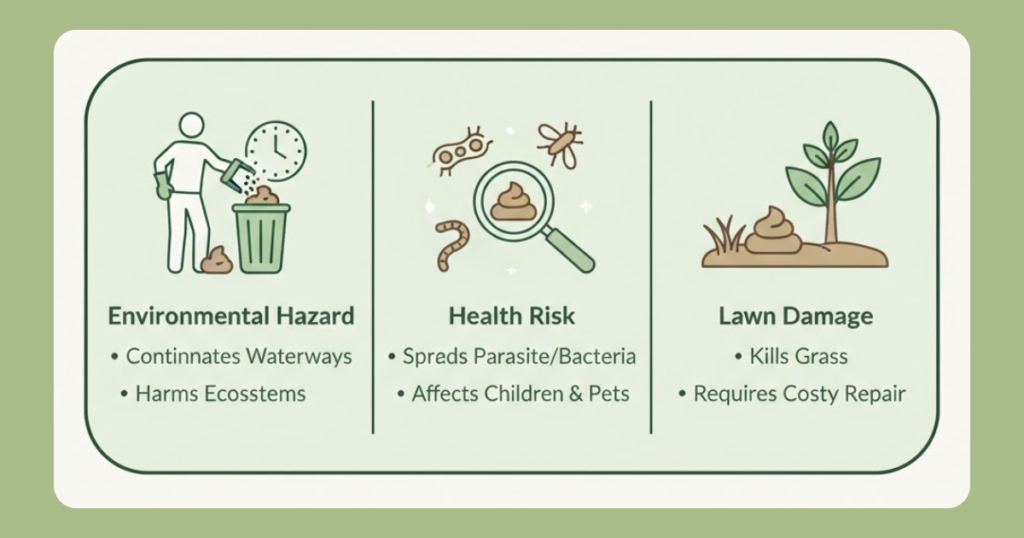
Dog waste isn’t just unpleasant—it’s a genuine environmental and health hazard. Therefore, responsible disposal protects both your community and the environment.
Environmental Impact
Dog waste contains harmful bacteria, parasites, and nutrients that can contaminate water supplies. Consequently, when left on the ground, rainwater washes these pollutants into storm drains, rivers, and lakes. This runoff contributes to algae blooms that harm aquatic ecosystems.
A single gram of dog waste can contain 23 million fecal coliform bacteria. Hence, even small amounts left in your yard or on sidewalks can create significant contamination risks.
Public Health Concerns
Beyond environmental issues, dog waste poses direct health risks to humans. For instance, it can transmit diseases like:
E. coli infections
Giardia
Salmonella
Roundworms
Hookworms
Children playing in yards or parks face the highest risk of exposure. Similarly, other pets can contract parasites and diseases from contaminated areas.
Community Responsibility
Cleaning up after your dog demonstrates respect for your neighbors and community. Otherwise, you risk damaging relationships and creating unsanitary conditions in shared spaces. Most importantly, it’s simply the right thing to do as a responsible pet owner.
Understanding Local Laws and Regulations
Before choosing your waste disposal method, you should understand the legal requirements in your area. Most cities and counties have specific ordinances regarding pet waste.
Common Legal Requirements
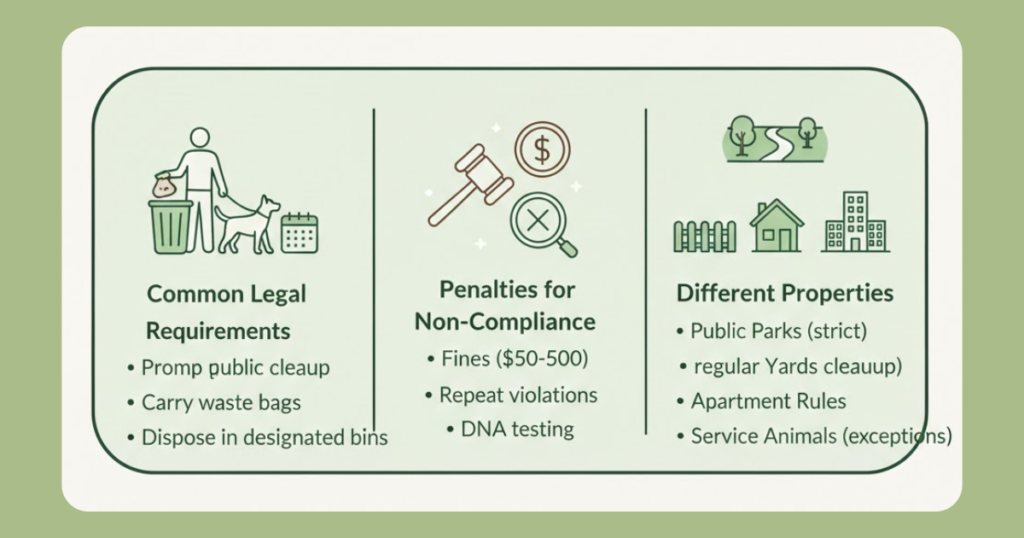
Typically, local laws require dog owners to:
Immediately pick up waste from public property
Clean up waste from private property (including your own yard)
Many jurisdictions define “immediate pickup” as within minutes of the incident. Therefore, you cannot claim you planned to return later.
Penalties for Non-Compliance
Fines for failing to pick up dog waste vary widely by location. However, they generally range from $50 to $500 for first-time offenses. Repeat violations can result in:
Increased fines
Community service requirements
Court appearances
Loss of dog park privileges
Some areas have implemented DNA testing programs to identify offenders. Consequently, enforcement has become more effective in recent years.
Special Considerations for Different Properties
Laws often differ based on where the waste occurs:
Public Parks and Trails: These areas typically have the strictest enforcement. Most require immediate cleanup and provide designated waste bins.
Private Yards: Even on your own property, many jurisdictions require regular waste removal. For example, some cities mandate cleanup at least once per week to prevent pest attraction and groundwater contamination.
Apartment Complexes: Rental properties often have specific rules in their lease agreements. In addition to local laws, you must follow these property-specific requirements.
Service Animals: Most laws make exceptions for handlers of service animals who physically cannot pick up waste due to their disability. However, they may need to arrange alternative cleanup methods.
Choosing the Right Tools for Waste Collection
The right equipment makes waste collection easier, more hygienic, and more effective. Therefore, investing in quality tools pays off in the long run.
Pooper Scoopers: Types and Features
Pooper scoopers come in several designs, each suited for different situations:
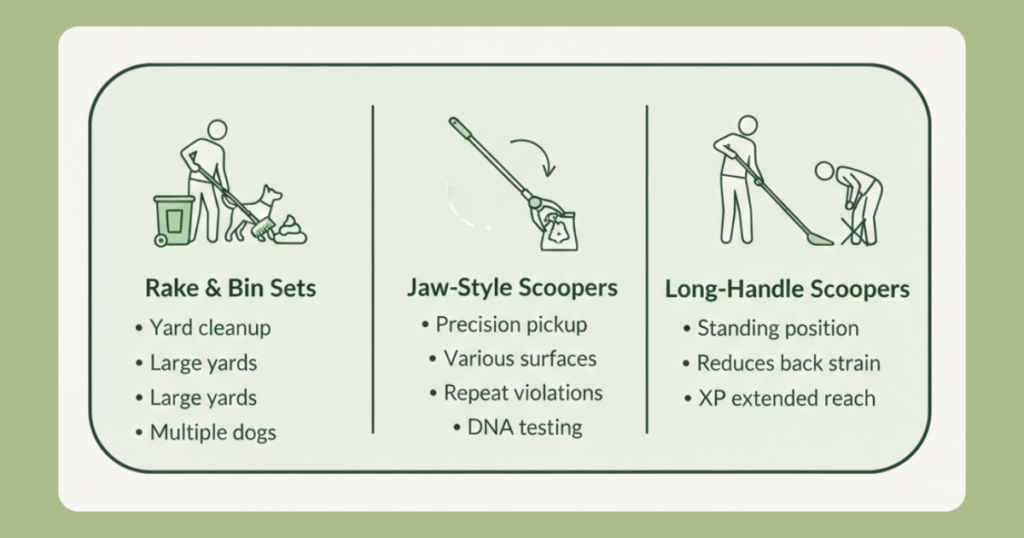
Rake and Bin Sets: These traditional models work well for yard cleanup. The rake gathers waste while the bin holds it for disposal. They’re ideal for large yards with multiple dogs.
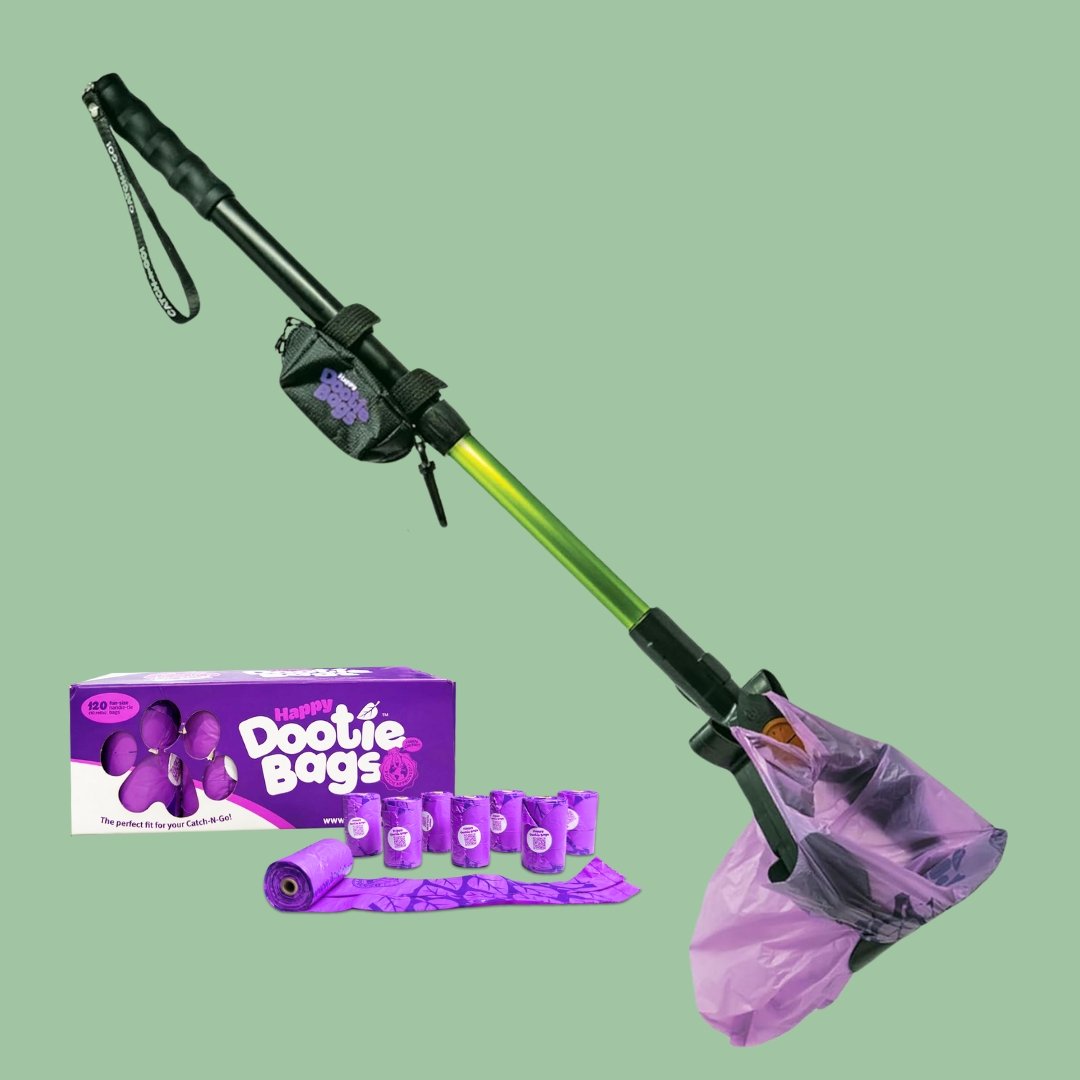
Jaw-Style Scoopers: These feature two handles that squeeze together to grip waste. They offer precision pickup on various surfaces. Catch-n-Go hybrid models combine scooping and bagging in one tool.
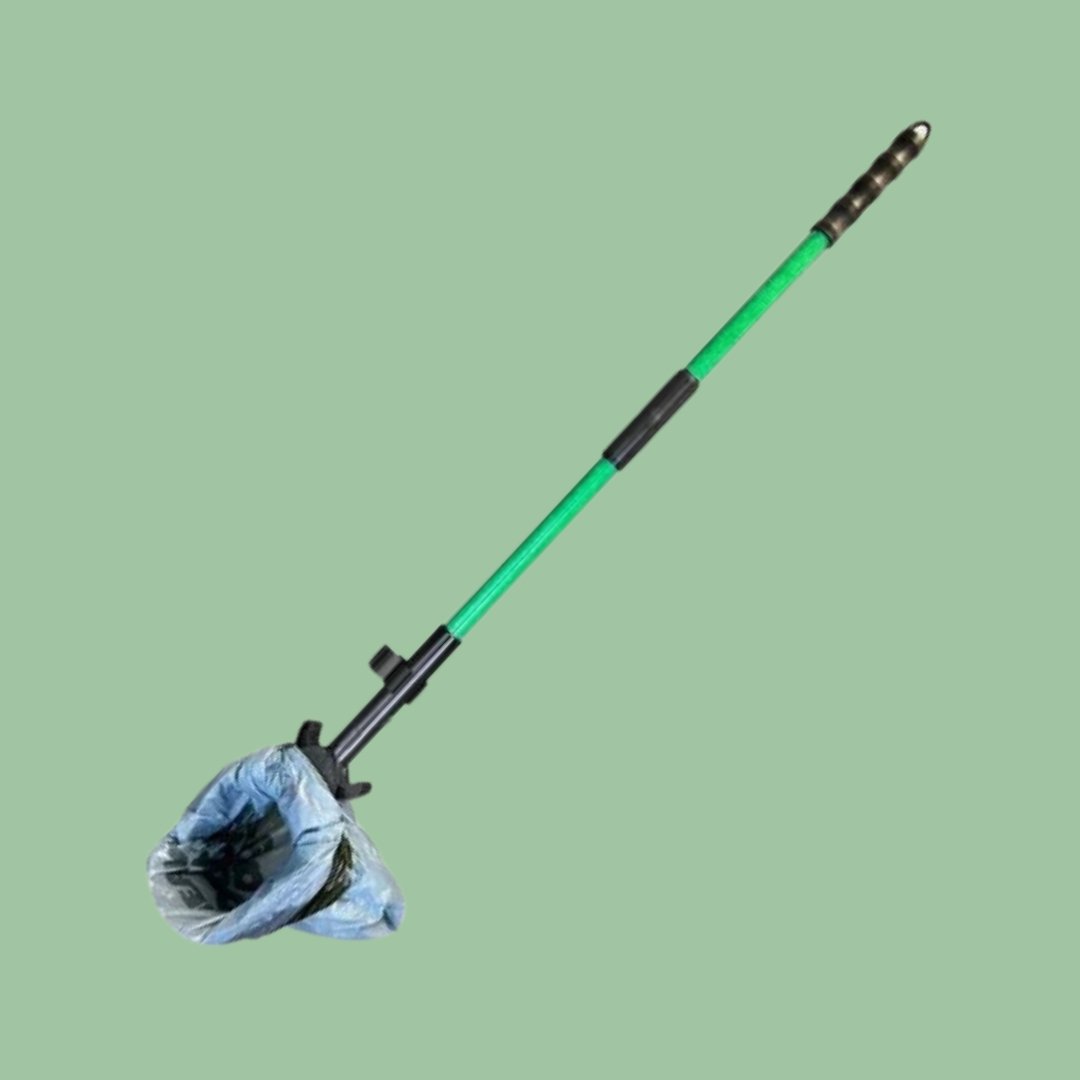
Long-Handle Scoopers: These keep you at a comfortable standing position. They reduce back strain during regular yard maintenance. XP pooper scoopers feature extended handles for maximum reach.
Portable Walk Scoopers: Compact designs fold for easy carrying during walks. They allow hands-free waste collection without bending over.
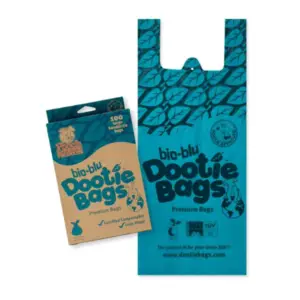
Quality waste bags are essential for sanitary handling and secure disposal. Not all bags are created equal, so choose wisely.
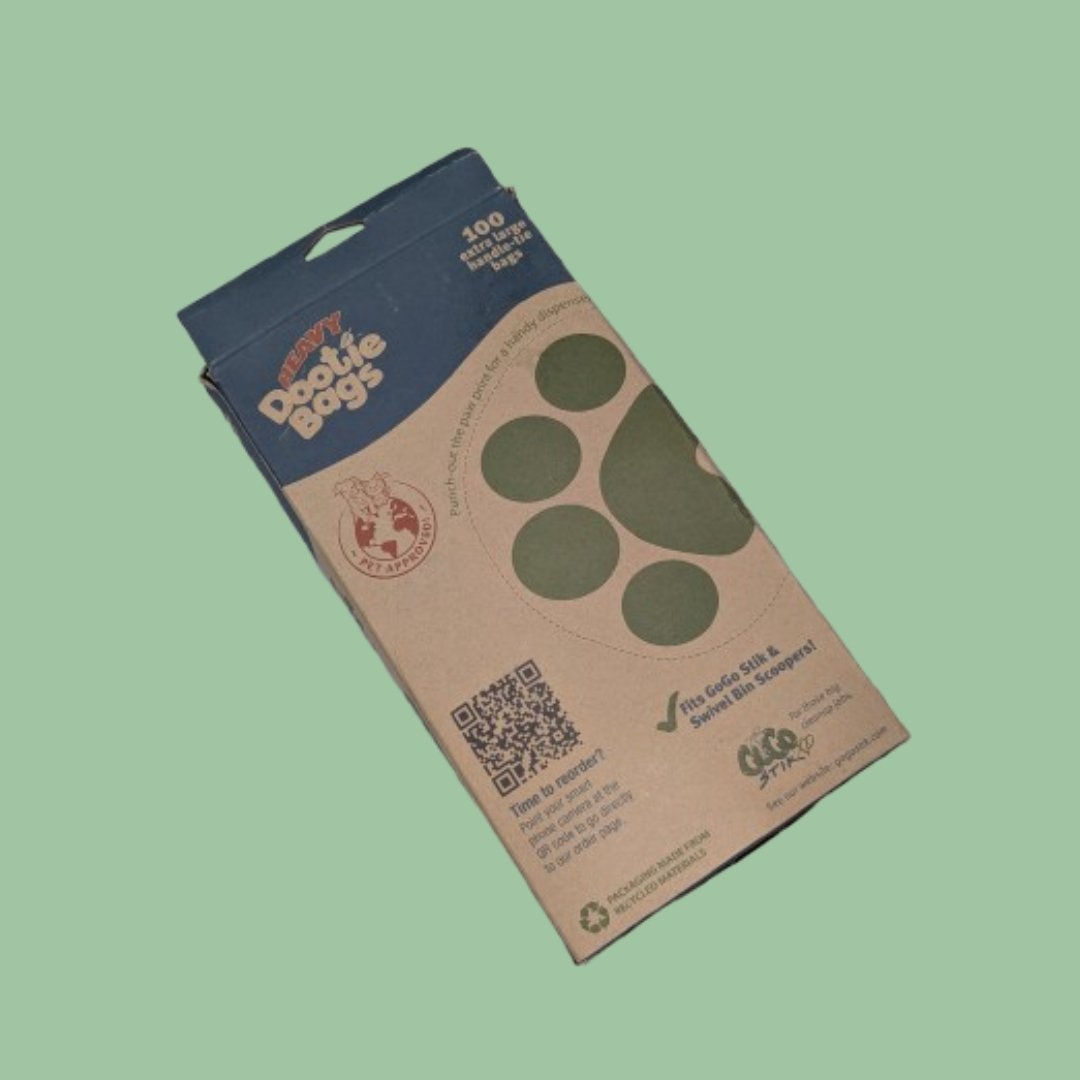
Thickness and Strength: Heavy duty garbage bags prevent tears and leaks. Thin bags often rip during pickup, creating messy situations. Look for bags at least 1.2 mils thick for reliable performance.
Size Appropriateness: Match bag size to your dog’s size. Large dogs need bigger bags to accommodate their waste volume. Conversely, small breeds do fine with standard sizes.
Handle Design: Tie-handle bags offer secure closure and easy carrying. They prevent accidental opening during transport.
Scent Options:Citrus-scented bags help mask odors. However, unscented options work fine if you prefer chemical-free products.
Quantity and Storage:Variety packs let you try different options. Buying in bulk reduces cost per bag.
Dispensing Method:Roll dispensers attach to leashes for convenient access. Individual bags in boxes work well for home use.
Best Practices for Different Scenarios
Different situations require different approaches to waste management. Here’s how to handle various scenarios effectively.
Daily Yard Maintenance
Regular yard cleanup prevents waste buildup and keeps your outdoor space pleasant. Ideally, remove waste daily from areas where your dog eliminates frequently.
Morning Routine: Make waste pickup part of your daily schedule. Check your yard before letting your dog out, then clean up immediately after they finish. This habit prevents accumulation and reduces odor.
Systematic Approach: Walk the same pattern each day to ensure you don’t miss spots.Heavy duty trash bags make this process efficient and sanitary.
Weather Considerations: Rain and snow can make waste harder to locate and collect. Therefore, try to clean up before storms when possible.All-weather scoopers maintain functionality in wet conditions.
Walking and Public Spaces
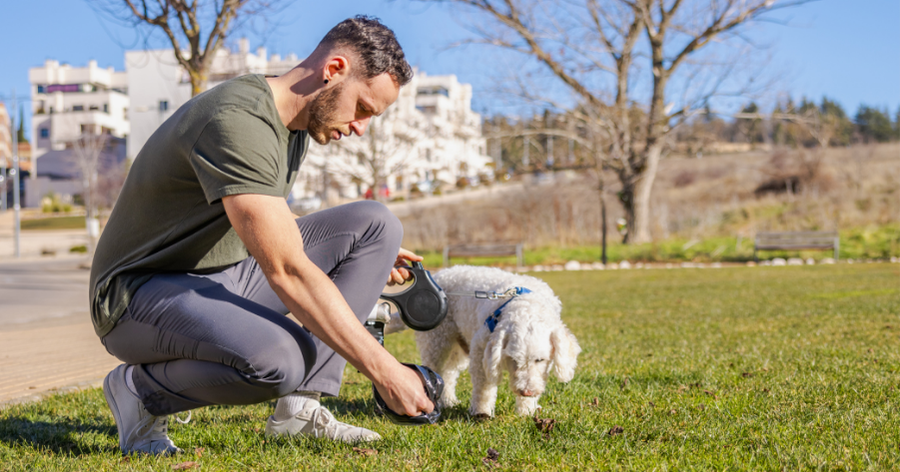
Always carry supplies when walking your dog. Being prepared ensures you can clean up immediately, regardless of timing or location.
Carry Essentials: Attach a bag dispenser to your leash for easy access. Bring extra bags in case you need multiple pickups. Keep a small flashlight handy for evening walks.
Immediate Pickup: Don’t wait or plan to return later. Pick up waste as soon as your dog finishes. This prevents someone else from stepping in it and demonstrates consideration.
Proper Disposal: Use designated pet waste bins when available. If none exist, carry the bag home for proper disposal. Never leave bagged waste on the ground or hanging from trees.
Night Walks: Darkness makes waste detection challenging. LED flashlight attachments illuminate the area, ensuring you don’t miss anything.
Traveling with Your Dog
Road trips and vacations require portable waste management solutions. Planning ahead prevents problems at rest stops, hotels, and campsites.
Portable Supplies: Pack acompact scooper and extraheavy duty bags. Many travel-sized options fold or telescope for easy packing.
Hotel Stays: Always clean up waste on hotel grounds immediately. Many pet-friendly hotels have designated relief areas with disposal bins.
Camping and Hiking: Follow Leave No Trace principles. On trails, bury waste 6-8 inches deep, at least 200 feet from water sources. Alternatively, pack it out in sealed bags.
Rest Stops: These areas often lack waste bins. Therefore, keep a sealed container in your vehicle for temporary storage until you find proper disposal.
Multi-Dog Households
Managing waste from multiple dogs requires efficient systems and consistent routines. Organization becomes critical as the volume increases.
Scheduled Cleanups: Set specific times for yard checks. Multiple daily cleanups prevent overwhelming accumulation. Large-capacity scoopers handle bigger loads efficiently.
Designated Elimination Areas: Train dogs to use specific yard sections. This concentrates waste in manageable zones and keeps other areas cleaner.
Tool Organization: Keep cleanup supplies accessible at multiple locations. For instance, store scoopers near back doors and in garages.Variety packs of bags ensure you never run out.
Disposal Methods: Pros and Cons
Once collected, you need to dispose of dog waste properly. Several methods exist, each with advantages and disadvantages.
Trash Disposal
The most common method involves bagging waste and placing it in regular garbage bins. This method offers simplicity and universal availability.
Advantages:
Simple and straightforward
Works anywhere garbage service exists
Minimal additional cost
No special equipment needed
Disadvantages:
Adds plastic to landfills
Contributes to methane production in landfills
Plastic bags take centuries to decompose
Not environmentally optimal
Best Practices: Use biodegradable bags when possible. Double-bag if disposing of large amounts. Place waste on top of other garbage to minimize odor.
Flushing
Some sources recommend flushing dog waste down the toilet. However, this method has limitations and regional restrictions.
Advantages:
Eliminates plastic bag waste
Processes waste through sewage treatment
Reduces landfill burden
No special containers needed
Disadvantages:
Not suitable for all septic systems
Requires removing waste from bags
Time-consuming for multiple dogs
May be prohibited in some areas
Cat litter and non-flushable items cause problems
Best Practices: Check with your local water authority first. Remove waste from bags before flushing. Never flush cat litter, gravel, or foreign objects.
Composting
Pet waste composting requires specific methods different from regular garden composting. Done correctly, it converts waste into usable soil amendment.
Advantages:
Environmentally friendly
Creates useful garden product
Reduces landfill waste
Works well for multiple dogs
Disadvantages:
Requires dedicated system
Cannot use on vegetable gardens
Takes time to decompose properly
Needs careful temperature management
Initial setup cost
Best Practices: Use a separate composting system exclusively for pet waste. Never add waste compost to edible gardens. Maintain proper temperature (above 140°F) to kill pathogens. Use finished compost only on ornamental plants.
Digesters
In-ground waste digesters break down dog waste using enzymes and bacteria. These buried containers offer convenient yard disposal.
Advantages:
Convenient for yard waste
Minimal ongoing effort
Environmentally conscious
Reduces trash volume
Disadvantages:
Requires installation
Doesn’t work in all climates
Needs regular enzyme additions
Limited capacity
Ineffective in frozen ground
Best Practices: Install in a well-drained area away from gardens. Add enzyme packets according to instructions. Avoid overloading the system. Consider climate limitations in cold regions.
Commercial Waste Services
Some areas offer special pet waste collection services. Professional services handle residential and commercial properties.
Advantages:
No effort required
Professional equipment
Regular schedule
Ideal for busy owners
Handles large properties
Disadvantages:
Monthly service fees
Requires yard access
Limited availability in rural areas
Ongoing expense
Best Practices: Research local providers and compare pricing. Ensure they use environmentally responsible disposal methods. Clarify access requirements and scheduling.
Hygiene and Safety Considerations
Proper waste handling protects your health and your dog’s wellbeing. Following sanitation guidelines minimizes disease transmission risks.
Hand Hygiene
Always wash hands thoroughly after handling dog waste, even when using bags or tools. Bacteria can transfer to your hands during the process.
Immediate Cleaning: Wash hands with soap and water for at least 20 seconds. Pay attention to fingernails and between fingers. If water isn’t available, use hand sanitizer with at least 60% alcohol.
Additional Protection: Consider wearing disposable gloves for yard cleanup. This adds another barrier between you and waste. However, gloves don’t replace proper handwashing.
Tool Maintenance
Regular cleaning and sanitization of waste collection tools prevent bacterial buildup and odor. Clean scoopers work better and last longer.
After Each Use: Rinse tools with a garden hose to remove debris. For deeper cleaning, wash weekly with hot soapy water. Sanitize monthly using a bleach solution (1 part bleach to 10 parts water).
Storage: Keep tools in a designated area away from food preparation spaces. Hang scoopers to dry completely, preventing mold and bacteria growth. Store bags in a dry location to prevent deterioration.
Personal Protection
Beyond hand hygiene, take precautions to avoid direct contact with waste. Smart habits reduce infection risks significantly.
Barrier Methods: Always use bags or tools—never pick up waste with bare hands. Heavy duty bags prevent tears and leaks. Turn bags inside-out over your hand as a protective layer.
Footwear: Wear designated shoes for yard cleanup. Keep a pair by the door specifically for this purpose. Clean shoe soles regularly to prevent tracking bacteria indoors.
Clothing: Change clothes if waste comes into contact with fabric. Wash contaminated items separately in hot water. Consider wearing an apron for extensive yard cleanup sessions.
Pet Health Monitoring
Your dog’s waste provides valuable health information. Regular observation can catch problems early, before they become serious.
Normal vs. Abnormal: Learn what’s normal for your dog. Note consistency, color, frequency, and any unusual contents. Changes may indicate dietary issues, parasites, or illness.
When to Worry: Contact your veterinarian if you notice:
Blood in stool
Persistent diarrhea or constipation
Mucus coating
Worms or unusual objects
Significant color changes
Dramatic increase or decrease in frequency
Parasite Prevention: Regular veterinary checkups include fecal testing. Annual or bi-annual tests detect parasites before they cause serious problems. Maintain preventive medication as recommended.
Children and Pets
If you have children or multiple pets, extra precautions protect their health. Young children are especially vulnerable to infections from contaminated soil.
Supervision: Don’t allow children to help with waste pickup. Keep them away from cleanup areas until you’ve finished. Teach them never to touch dog waste, even accidentally.
Play Areas: Create separate zones for waste elimination and children’s play. Clean play areas thoroughly and frequently. Regular yard maintenance keeps these spaces safe.
Multiple Pets: Prevent pets from eating or rolling in waste. This behavior can transmit parasites between animals. Clean up immediately to eliminate temptation.
Environmental Considerations and Eco-Friendly Options
Responsible dog ownership includes minimizing environmental impact. Several options reduce the ecological footprint of waste disposal.
Biodegradable Bags
Biodegradable bags break down faster than traditional plastic. However, understanding their limitations helps you make informed choices.
Types Available:
Plant-based bags (cornstarch, vegetable oils)
Oxo-biodegradable bags (petroleum-based with additives)
Compostable bags (certified for commercial composting)
Important Considerations: Most biodegradable bags require specific conditions to decompose. In landfills without oxygen, even biodegradable bags may persist for years. Certified compostable bags work best in commercial facilities.
Making the Best Choice: Look for bags certified by the Biodegradable Products Institute (BPI). These meet strict decomposition standards. Use truly compostable bags if you have access to appropriate facilities.
Reducing Plastic Waste
Beyond biodegradable options, other strategies minimize plastic consumption while maintaining hygiene.
Newspaper Alternative: Some owners use newspaper sheets instead of plastic bags. Fold several layers to create a temporary holder. This works for immediate disposal in outdoor trash cans.
Reusable Systems: Dedicated waste containers with disposable liners reduce overall plastic use. Change liners less frequently than individual bags.
Bulk Purchasing: Buying bags in larger quantities reduces packaging waste. Fewer boxes and fewer plastic dispensers enter the waste stream.
Water Quality Protection
Preventing waste from entering waterways protects aquatic ecosystems and drinking water supplies. Your actions have far-reaching environmental effects.
Storm Drain Awareness: Never rinse waste down storm drains. Unlike toilets, storm drains flow directly to rivers and lakes without treatment. This directly contaminates water sources.
Yard Runoff: Position elimination areas away from slopes that drain into streets or waterways. Clean up before heavy rains whenever possible. Consider landscaping that filters runoff naturally.
Beach and Lake Areas: Many beaches prohibit dogs during certain seasons to protect water quality. Where permitted, clean up immediately and dispose of waste in designated bins. Never bury waste in sand near water.
Carbon Footprint Considerations
Every disposal method has environmental costs. Evaluating these helps you choose the most sustainable option for your situation.
Landfill Impact: Waste in landfills produces methane, a potent greenhouse gas. However, modern landfills often capture methane for energy production. This partially offsets the environmental cost.
Sewage Treatment: Flushing waste processes it through existing infrastructure. This may have lower overall environmental impact than landfilling. However, it increases water usage and treatment load.
Composting Benefits: Proper composting returns nutrients to soil while avoiding landfills. This creates a closed loop system with minimal environmental impact. Nevertheless, it requires commitment and proper execution.
Common Mistakes to Avoid
Even well-intentioned dog owners make waste disposal errors. Recognizing and avoiding these mistakes improves your practices.
Leaving Waste to Decompose Naturally
Some owners believe dog waste naturally fertilizes grass. This misconception causes multiple problems and violates most local ordinances.
Why It’s Wrong: Dog waste doesn’t decompose like herbivore manure. High protein content and potential pathogens make it harmful. Parasites and bacteria persist in soil for months or years.
Actual Effects: Waste kills grass, creating brown spots. It attracts flies and other pests. Rainwater washes harmful bacteria into groundwater and surface water.
Correct Approach: Always remove waste promptly, even from your own yard. Proper disposal protects your lawn, your family, and your community.
Using Inappropriate Bags
Not all bags work equally well for waste collection. Using the wrong type creates messy situations and hygiene problems.
Too Thin: Cheap, thin bags tear easily during pickup. This defeats the purpose of using bags at all. Heavy duty options prevent these failures.
Too Small: Bags smaller than the waste volume are impossible to close properly. This leads to leaks and odors. Match bag size to your dog’s output.
Wrong Material: Produce bags from grocery stores are often too thin and small. Similarly, bread bags have holes that leak. Use purpose-made pet waste bags.
Improper Tool Use
Even quality tools produce poor results when used incorrectly. Proper technique maximizes efficiency and cleanliness.
Wrong Angle: Scooping at the wrong angle misses waste or damages your lawn. Approach waste straight-on for best pickup. Adjustable scoopers accommodate different situations.
Incomplete Pickup: Leaving small pieces behind creates health hazards. Use rake attachments to gather all debris. Make a second pass if necessary.
Neglecting Maintenance: Dirty tools become less effective and harbor bacteria. Clean equipment after each use and deep clean regularly.
Bagging Without Disposing
Some people bag waste but leave it on the ground, hang it from trees, or toss it in bushes. This behavior is worse than leaving waste unbagged.
The Problem: Bagged waste doesn’t decompose and remains a permanent eyesore. Plastic bags persist in the environment for hundreds of years. Animals may tear bags open, spreading waste and creating litter.
Why People Do It: Some plan to retrieve bags on their return trip but forget. Others mistakenly believe bagging alone fulfills their responsibility. Both approaches are wrong and often illegal.
Proper Method: Carry waste until you reach an appropriate disposal bin. Keep a sealed container in your car for temporary storage if needed. Never leave bagged waste in natural areas.
Ignoring Seasonal Challenges
Weather changes affect waste management, yet many owners don’t adjust their approach. Seasonal adaptations keep your system working year-round.
Winter Issues: Snow covers waste, making it hard to locate. Frozen ground prevents decomposition. Some owners wait for spring thaw, creating enormous accumulation.
Summer Concerns: Heat accelerates decomposition and intensifies odors. Flies breed rapidly in waste. More frequent cleanup becomes necessary during hot weather.
Rainy Seasons: Wet waste is harder to pick up and more likely to contaminate water. Rain washes bacteria into runoff. Clean up before storms whenever possible.
Adaptive Strategies: Adjust cleanup frequency based on weather. Use illuminated scoopers when daylight is limited. Stock up on supplies before seasonal weather arrives.
Special Situations and Solutions
Certain circumstances require modified approaches to waste management. These specialized scenarios need tailored strategies.
Elderly or Disabled Owners
Physical limitations shouldn’t prevent proper waste disposal. Adaptive equipment and techniques make the task manageable.
Extended Reach Tools: Long-handle scoopers eliminate bending and stooping. They reduce back strain and improve accessibility. Some models extend to 36 inches or more.
Ergonomic Designs: Comfort grips and lightweight materials reduce hand fatigue. Easy-to-use mechanisms require minimal strength to operate.
Service Options: Professional waste removal services handle the physical work. This maintains yard cleanliness without physical demands. Many services offer senior discounts.
Training Solutions: Teach your dog to eliminate in specific, easily accessible areas. This minimizes the area you need to cover during cleanup.
Service Dogs
Service dog handlers face unique challenges regarding waste cleanup. Legal protections exist, but ethical responsibility remains important.
Legal Accommodations: The Americans with Disabilities Act (ADA) recognizes that some handlers cannot physically pick up waste. This doesn’t eliminate all responsibility, however.
Alternative Solutions: Handlers often arrange for assistants to clean up. Some use specialized equipment adapted to their abilities. Others choose designated elimination areas for easier maintenance.
Communication: Inform property managers and landlords about your situation. Many will arrange reasonable accommodations. Documentation from healthcare providers may be helpful.
Public Spaces: Even with legal protections, handlers should make reasonable efforts. Notify park staff if you cannot clean up. Many facilities will assist or send maintenance personnel.
Apartment and Condo Living
Multi-unit housing presents specific waste management challenges. Shared spaces require extra consideration and planning.
Community Rules: Most buildings have strict pet waste policies. Review your lease carefully and follow all requirements. Violations can result in fines or lease termination.
Designated Areas: Use only approved elimination zones. Keep these areas clean for other residents. Portable scoopers make building cleanup convenient.
Elevator Etiquette: If accidents occur in common areas, clean them immediately. Keep cleanup supplies handy for unexpected situations. Pet wipes help with spot cleaning.
Neighbor Relations: Respect shared spaces by maintaining high standards. Your diligence reflects on all pet owners in the building. Poor behavior by one owner often leads to restrictive policies affecting everyone.
Rental Properties
Renters must satisfy both local laws and landlord requirements. Careful attention to waste management protects your tenancy.
Lease Provisions: Many leases include specific pet waste clauses. These often exceed local legal requirements. Violation can trigger eviction proceedings.
Move-Out Considerations: Yard waste affects your security deposit. Clean yards thoroughly before final inspection. Professional yard treatments may be necessary to restore grass damaged by waste.
Outdoor Space: If you lack a yard, identify suitable elimination areas nearby. Many complexes provide designated pet areas. Otherwise, plan walking routes to appropriate spaces.
Documentation: Some landlords require proof of waste disposal service. Keep receipts if you use professional services. Photograph clean yards regularly as evidence of proper maintenance.
Dog Parks and Shared Spaces
Dog parks require heightened responsibility due to concentrated dog populations. Your actions affect all users and the facility’s reputation.
High-Traffic Areas: More dogs mean more waste and higher contamination risk. Consequently, immediate pickup is critical. Bring extra bags to help others if needed.
Station Maintenance: Refill bag dispensers if empty and you have extras. Report broken waste bins to park management. Community cooperation keeps facilities functional.
Soft Surface Challenges: Wood chips and mulch make waste harder to see and collect. Check the area thoroughly before leaving. Use scoopers designed for varied terrain.
Setting Examples: Other dog owners watch and often mirror your behavior. Demonstrating proper cleanup encourages others to do likewise. Your diligence improves the entire community’s standards.
Conclusion
Proper dog waste disposal represents a fundamental responsibility of pet ownership. It protects public health, preserves environmental quality, and demonstrates respect for your community. While it may seem like a simple task, the methods you choose and the diligence you apply make a real difference.
From selecting the right pooper scooper and heavy duty garbage bags to understanding local regulations and environmental impacts, every aspect of waste management matters. The tools and techniques you use affect both the efficiency of cleanup and the long-term health of your environment.
Remember that responsible waste disposal goes beyond legal compliance. It’s about being a considerate neighbor, protecting shared resources, and setting a positive example for other pet owners. Whether you’re maintaining your own yard, walking through public parks, or traveling with your dog, consistent attention to proper waste management reflects your commitment to responsible pet ownership.
Ultimately, these daily actions contribute to a cleaner, healthier community where dogs and people can coexist harmoniously. By following the guidelines in this guide, you’re not just cleaning up after your pet—you’re actively participating in environmental stewardship and community care.
The snoot challenge has taken social media by storm, and for good reason. It’s one of the cutest tricks your dog can learn, and the best part is that it’s surprisingly simple to teach. If you’ve been scrolling through Instagram or TikTok and wondering how those dogs gently rest their
Every dog owner has seen it — that bizarre, hilarious ritual your pup performs before doing their business. From dramatic spins to the classic “walk and drop,” dogs have some truly ridiculous pooping habits. Whether you own a tiny Chihuahua or a massive Great Dane, one thing is universal: dogs
Taking your dog on a camping trip is one of the best ways to bond, burn energy, and make memories that last. But if you’ve ever shown up at a trailhead without the right gear, you know how quickly things can go sideways muddy paws, no waste bags, forgotten water