Home/Blogs/Puppy Training: Establishing Good Bathroom Habits from Day One
Puppy Training: Establishing Good Bathroom Habits from Day One
Bringing home a new puppy is exciting, but house training can feel overwhelming. However, the good news is that establishing proper bathroom habits from the start makes everything easier. In fact, consistent dog training for poop creates a foundation for a well-behaved adult dog.
This guide covers everything you need to know about puppy bathroom training. By following these proven methods, you’ll help your furry friend learn where and when to go potty.
Understanding Your Puppy’s Bathroom Needs
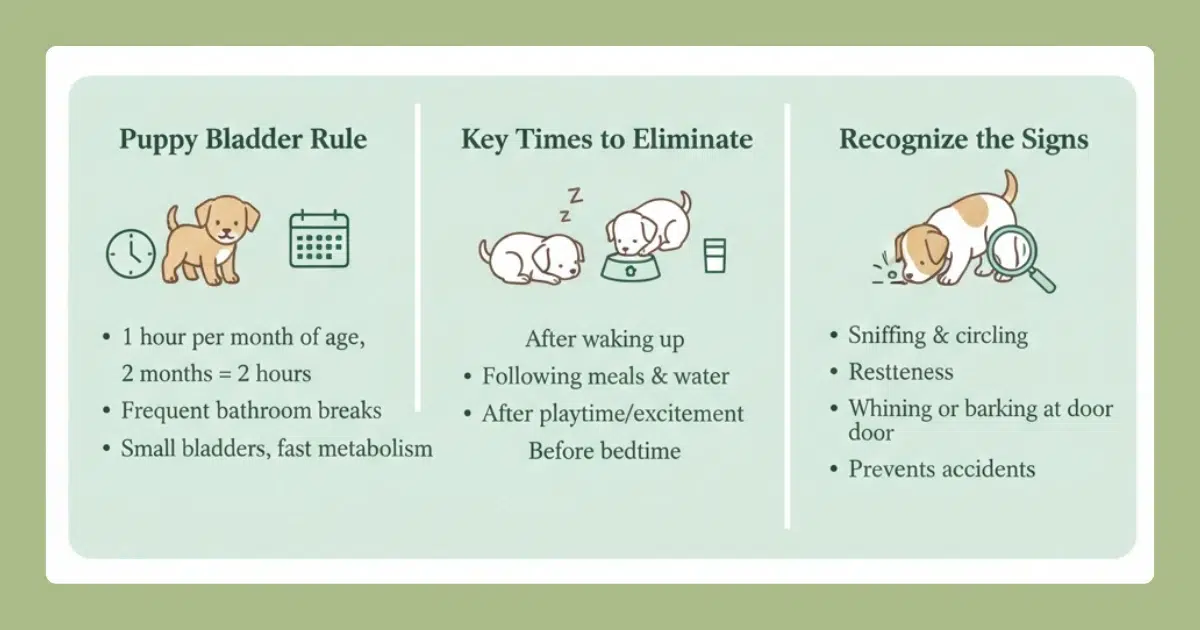
Puppies have small bladders and fast metabolisms. Therefore, they need frequent bathroom breaks throughout the day. Most puppies can hold their bladder for one hour per month of age. For example, a two-month-old puppy needs to go outside every two hours.
Young puppies typically need to eliminate:
Right after waking up
Following meals and drinking water
After playtime or excitement
Before bedtime
Every 2-3 hours during the day
Recognizing these patterns helps you anticipate when your puppy needs to go. Consequently, you can prevent accidents before they happen.
Creating a Consistent Potty Schedule
Success in dog training for poop starts with routine. Puppies thrive on predictability, so maintaining a consistent schedule is crucial.
Morning Routine
Start each day by taking your puppy outside immediately after they wake up. Don’t wait for them to show signs of needing to go. Instead, carry them directly to the designated potty area. This prevents accidents along the way.
Feed your puppy at the same time each morning. Then, take them outside 15-30 minutes after eating. Most puppies will need to defecate shortly after meals.
Daytime Schedule
Continue taking your puppy out every 2-3 hours during the day. Set reminders on your phone if needed. Even if they don’t seem to need it, stick to the schedule. Over time, their body will adjust to this routine.
Watch for warning signs between scheduled breaks:
Sniffing the ground intensely
Circling or pacing
Whining or scratching at the door
Suddenly leaving play to wander
Evening and Bedtime
Take your puppy out right before bed. Similarly, pick up their water bowl 1-2 hours before bedtime. This helps prevent middle-of-the-night accidents. However, very young puppies may still need one nighttime potty break.
Choosing the Right Potty Area
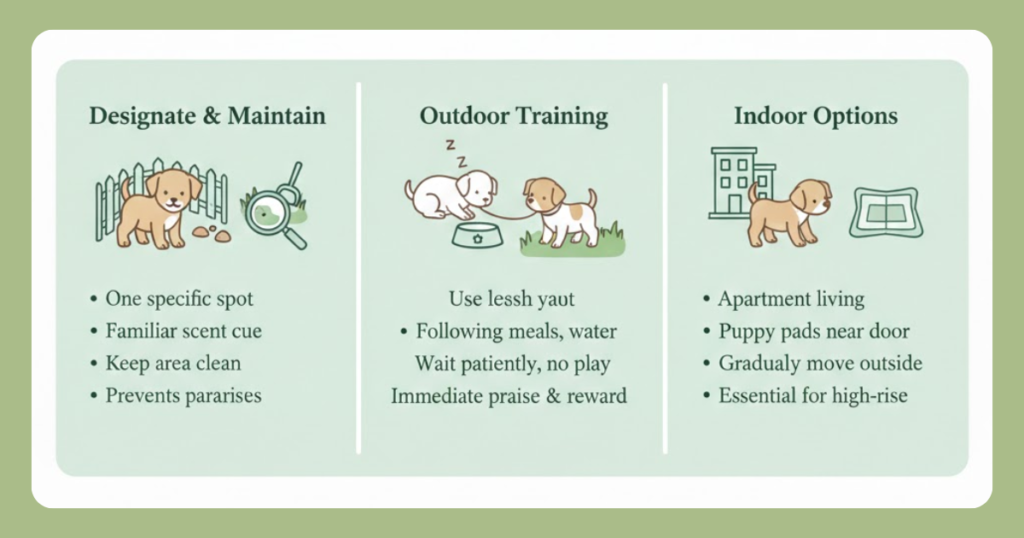
Select one specific spot for your puppy’s bathroom area. Using the same location each time helps your puppy associate that spot with going potty. The familiar scent will trigger their instinct to eliminate there.
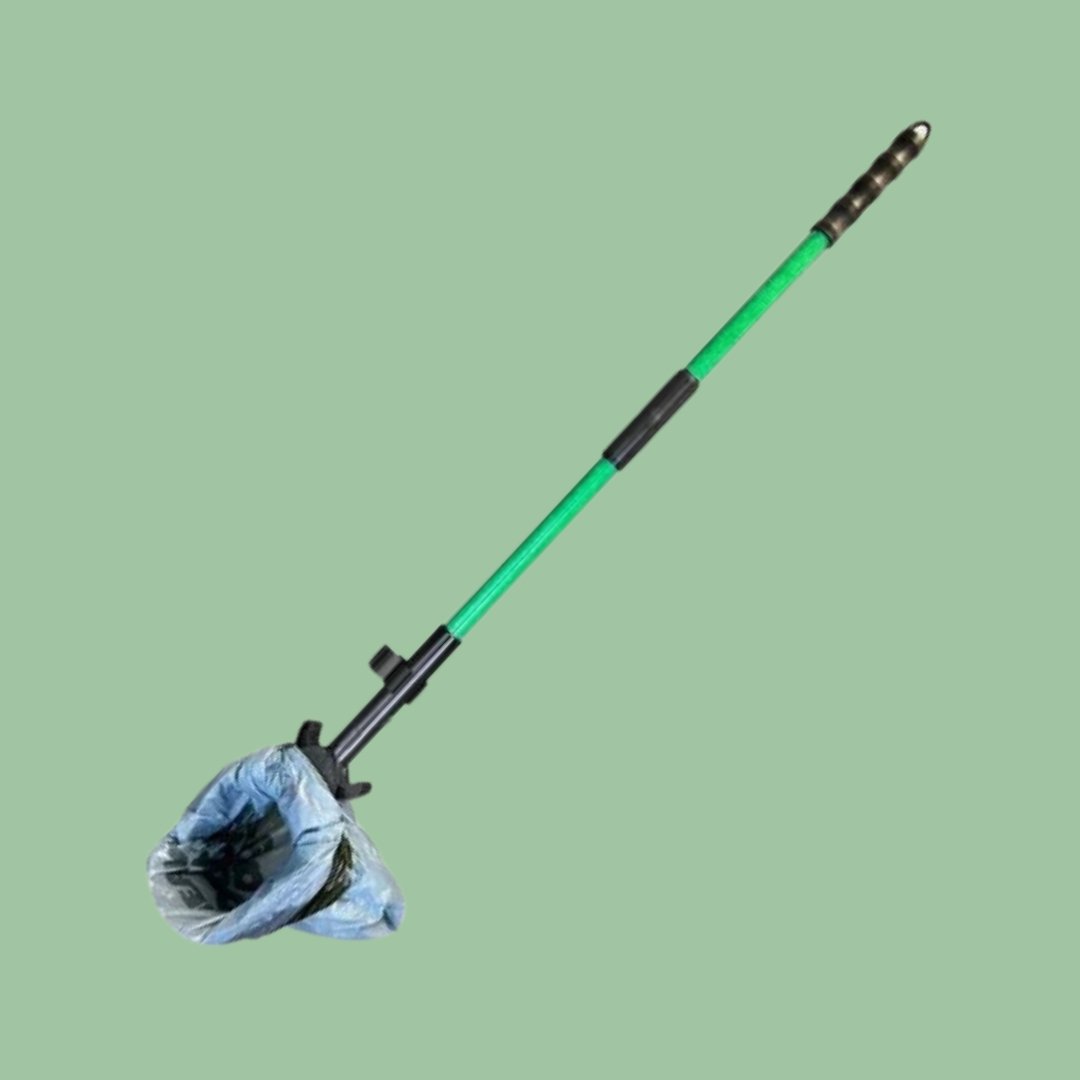
Keep the area clean using a quality pooper scooper to remove waste promptly. A clean space is more inviting for your puppy and prevents the spread of parasites.
Outdoor Potty Training
For outdoor training, choose an easily accessible spot in your yard. Walk your puppy on a leash to this location each time. This prevents them from getting distracted by other things in the yard.
Stay with your puppy and wait patiently. Avoid playing with them or providing attention until after they’ve gone. Once they finish, offer immediate praise and rewards.
Indoor Options for Apartment Living
If you live in an apartment or high-rise building, consider starting with puppy pads in addition to outdoor training. Place the pads near the door you’ll use for outdoor potty breaks. Gradually move them closer to the door, then outside.
Positive Reinforcement Techniques
Rewards-based training is the most effective approach for teaching bathroom habits. Positive reinforcement builds confidence and strengthens the behavior you want to see.
Timing is Everything
Praise and reward your puppy immediately after they finish eliminating in the correct spot. The timing matters because puppies associate rewards with their most recent action. Waiting even 30 seconds reduces the effectiveness of your praise.
Use a consistent verbal cue like “good potty” or “yes” right as they finish. Pair this with high-value treats that your puppy loves. Small, soft treats work best because they can eat them quickly.
Types of Rewards
Vary your rewards to keep your puppy motivated:
Small training treats
Enthusiastic verbal praise
Gentle petting and affection
A favorite toy or brief play session
Some puppies respond better to one type of reward over others. Pay attention to what excites your puppy most, then use that as your primary motivator.
Avoiding Punishment
Never punish your puppy for accidents. Punishment creates fear and confusion rather than learning. If you catch your puppy mid-accident, calmly interrupt them with a gentle “oops” and quickly carry them outside.
If you find an accident after the fact, simply clean it up. Your puppy won’t connect punishment with an action they took earlier. Instead, assess whether you need to adjust their schedule or supervision.
Cleaning Up Accidents Properly
Accidents will happen during the training process. How you clean them affects future behavior. Puppies return to spots where they smell their previous eliminations.
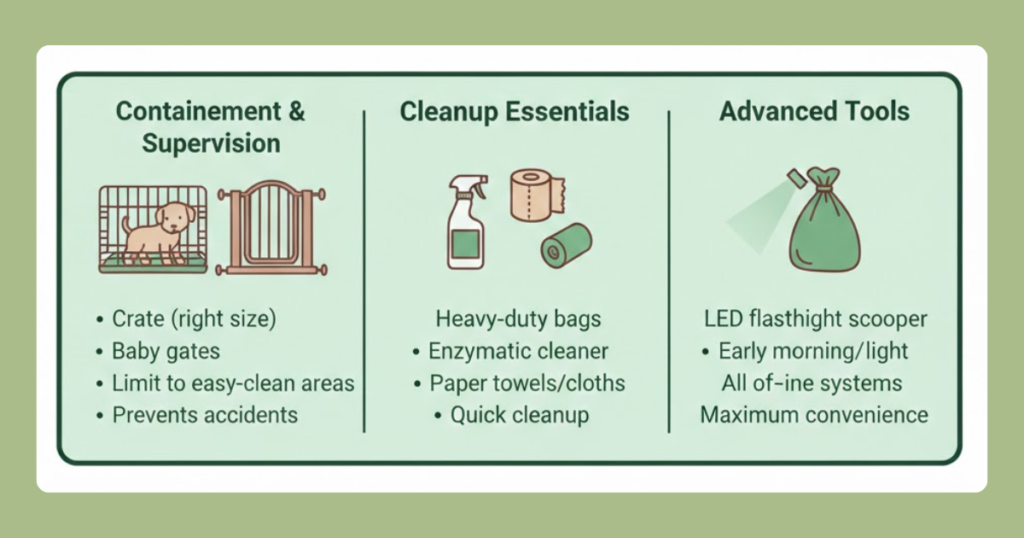
Use enzymatic cleaners specifically designed for pet accidents. These cleaners break down the odor-causing proteins that regular cleaners leave behind. Avoid ammonia-based cleaners, as they can smell like urine to dogs and attract them back to the spot.
For outdoor cleanup, invest in reliable tools. A sturdy pooper scooper makes the job quick and sanitary. Pair it with heavy duty dog bags that are leak-proof and reliable.
Essential Training Tools and Supplies
Having the right equipment makes house training easier and more efficient. Quality tools save time and reduce frustration for both you and your puppy.
Containment and Supervision Tools
A properly sized crate serves as a valuable training aid. Dogs naturally avoid soiling their sleeping area, making crates helpful for preventing accidents when you can’t supervise directly. Choose a crate that’s just large enough for your puppy to stand, turn around, and lie down comfortably.
Baby gates help restrict your puppy to easy-to-clean areas during the training phase. This limits accidents to tile or hardwood floors rather than carpeted rooms.
Keep cleanup supplies readily accessible in multiple locations. Quick cleanup prevents odors from setting in and reduces the chance of repeat accidents in the same spot.
Advanced Tools for Busy Pet Parents
Modern training tools can make the process even easier. LED flashlight pooper scoopers help with early morning or late evening potty breaks. These illuminated tools make cleanup possible even in low light conditions.
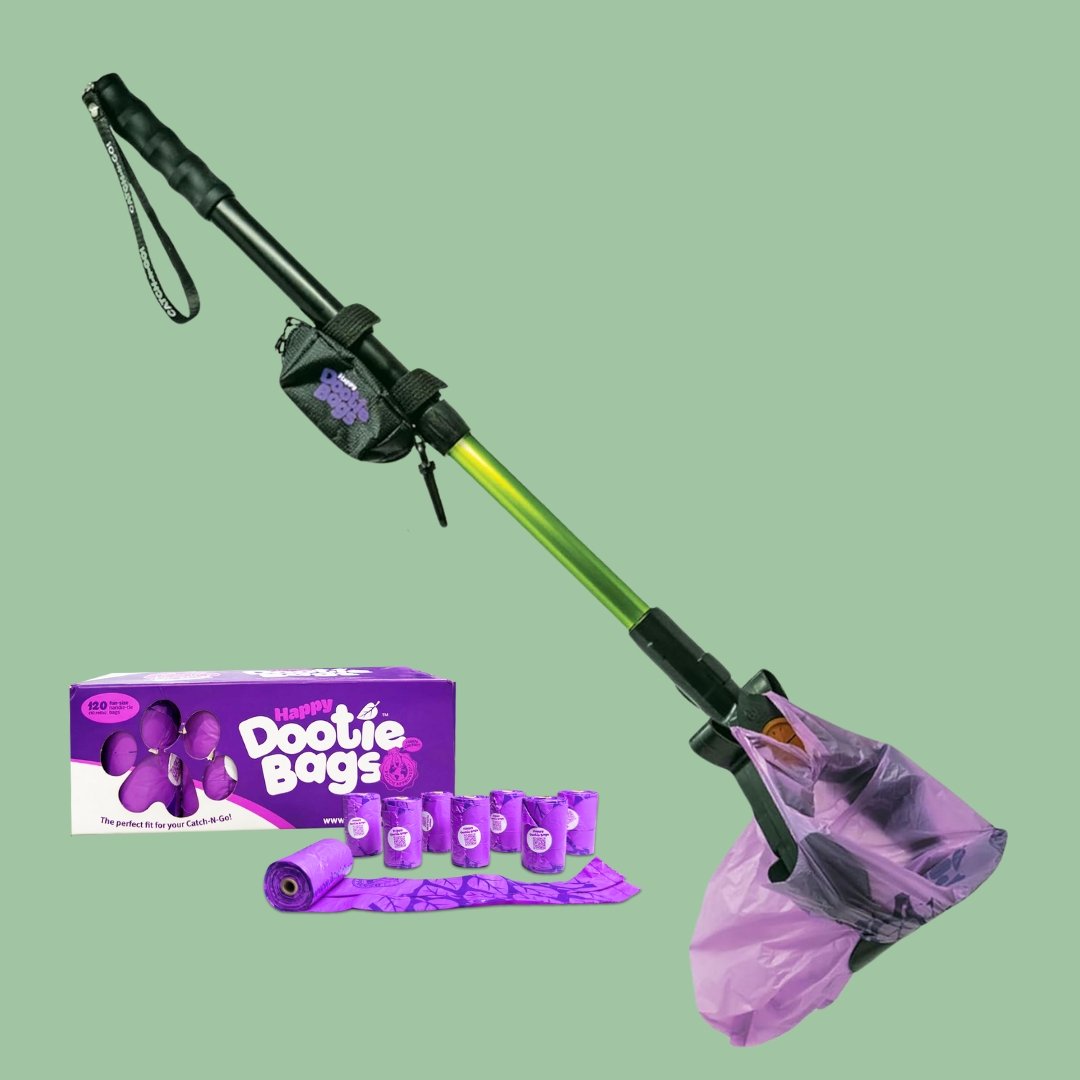
For those who want maximum convenience, consider an all-in-one system that includes a scooper with attached bag dispenser. This keeps everything you need in one place.
Recognizing and Addressing Common Challenges
Most puppies encounter some obstacles during house training. Identifying these challenges early helps you adjust your approach before bad habits form.
Frequent Accidents Despite Consistent Schedule
If your puppy continues having frequent accidents despite a regular schedule, several factors might be at play. First, consider whether you’re taking them out frequently enough. Very young puppies may need even more frequent breaks than the standard guideline.
Medical issues can also cause house training difficulties. Urinary tract infections, parasites, or digestive problems may prevent your puppy from holding it. Schedule a veterinary checkup if accidents persist.
Selective Elimination Problems
Some puppies learn to urinate outside but continue defecating indoors, or vice versa. This often happens because one behavior gets rewarded more consistently than the other. Make sure you praise both urination and defecation equally.
Track your puppy’s patterns to identify any triggers. For instance, some puppies refuse to defecate in certain weather conditions or on particular surfaces. Gradually acclimate them to different situations.
Regression After Initial Success
Puppies sometimes regress after making good progress. Common causes include:
Changes in routine or environment
Stress from new family members or pets
Growth spurts affecting bladder control
Not enough supervision during free time
Return to basics by increasing supervision and potty break frequency. Consistency will help your puppy get back on track quickly.
Age-Specific Training Considerations
Different ages require slightly different approaches to bathroom training. Adjusting your expectations and methods based on your puppy’s developmental stage leads to better results.
8-12 Weeks Old
At this age, puppies have very limited bladder control. They need to go outside every 1-2 hours during waking hours. Focus on preventing accidents through frequent trips outside rather than expecting your puppy to signal their needs.
Crate training works well for this age group. Puppies naturally avoid soiling their sleeping area, so a properly sized crate helps them develop bladder control overnight.
3-4 Months Old
Puppies in this age range start developing better control and can hold it for 3-4 hours. They also begin showing more obvious signals that they need to go out. Watch for these signs and respond immediately.
Start teaching your puppy to ring a bell or bark at the door to signal their needs. Hang bells low enough for them to reach with their paw or nose. Ring the bells yourself each time you take them out, then reward them if they touch the bells.
5-6 Months and Older
By this age, most puppies can hold their bladder for 5-6 hours. They should reliably signal their needs if you’ve taught them how. However, teenage puppies sometimes test boundaries or become distracted easily.
Maintain your routine even as your puppy shows more reliability. Premature freedom often leads to regression. Wait until your puppy has gone several weeks without accidents before gradually increasing their unsupervised time.
Building on Basic Training Success
Once your puppy masters basic bathroom habits, you can expand their skills and reliability. These advanced steps solidify good behavior and prepare your dog for various situations.
Introducing Verbal Cues
Teaching a verbal cue for elimination proves useful throughout your dog’s life. Choose a simple phrase like “go potty” or “do your business.” Say this phrase while your puppy eliminates, then immediately reward them.
After several weeks of pairing the phrase with the action, your puppy will begin to associate the cue with eliminating. Eventually, saying the phrase will prompt them to try going potty on command. This skill is incredibly helpful during travel or before long car rides.
Transitioning from Puppy Pads to Outdoor-Only
If you started with puppy pads, gradually transition to outdoor-only elimination. Move the pads closer to the door over several days. Then place them just outside the door. Finally, remove them completely while increasing outdoor potty breaks.
Some puppies adjust quickly, while others need more time. Be patient and reward all outdoor eliminations enthusiastically. Clean indoor areas thoroughly to remove any lingering scent from the pads.
Expanding Approved Potty Areas
Once your puppy reliably uses one designated spot, slowly introduce other acceptable locations. This flexibility becomes important for travel, visits to friends’ homes, or walks in new areas.
Take your puppy to the new spot and use your verbal cue. Reward them heavily for going potty in the new location. Gradually, they’ll learn that many outdoor spaces are appropriate bathroom areas.
Maintaining Good Habits Long-Term
House training doesn’t end once your puppy learns the basics. Maintaining these habits throughout your dog’s life requires ongoing attention and occasional refreshers.
Dealing with Schedule Changes
Life circumstances change, and your dog’s routine may need to adjust accordingly. Whether you start a new job, move to a new home, or have a baby, handle transitions carefully.
Increase potty break frequency during major changes. Give your dog extra time to adjust to new schedules or environments. Be patient with any temporary setbacks, as they’re normal during transitions.
Seasonal Considerations
Weather affects bathroom habits for many dogs. Some dogs hesitate to go outside in rain, snow, or extreme temperatures. Prepare for seasonal challenges before they arise.
For yard cleanup in all weather, keep quality tools accessible. Store heavy duty dog bags and your pooper scooper near the door you use most frequently. This makes cleanup quick regardless of weather conditions.
Consider protective gear for your dog in harsh weather. Paw balm protects against ice melt chemicals, while a simple raincoat might encourage a reluctant dog to venture outside during storms.
Senior Dog Considerations
As dogs age, their bathroom needs change. Older dogs may need more frequent potty breaks due to decreased bladder control or medical conditions. Don’t interpret these changes as training failures.
Adjust your expectations and schedule. Increase bathroom breaks proactively rather than waiting for accidents. Your senior dog still wants to please you, even if their aging body makes things harder.
Creating a Puppy-Proofed Environment
Setting up your home correctly prevents accidents and supports successful training. A well-prepared space makes supervision easier and protects your belongings.
Flooring and Surface Protection
Remove or secure valuable rugs during the training phase. Hard surfaces are much easier to clean than carpet. If you can’t avoid carpeted areas, use washable runners or protective mats in high-traffic zones.
Gate off rooms with delicate flooring or furnishings. Your puppy won’t miss what they can’t access. Gradually introduce these areas once your puppy proves reliable for several weeks.
Visibility and Supervision Strategies
Arrange furniture so you can easily see your puppy from multiple rooms. Open floor plans work well for supervision. If your home has many separate rooms, keep your puppy in the same room with you during the training phase.
Tether training keeps your puppy close during free time. Attach their leash to your belt or furniture near you. This prevents them from wandering off to have accidents in other rooms.
Outdoor Space Setup
Create an engaging outdoor bathroom area that your puppy wants to visit. Avoid placing it in isolated, scary corners of the yard. Choose a spot that feels safe and accessible.
Keep the area reasonably clean using your pooper scooper daily. While some scent helps your puppy recognize the spot, too much waste becomes unpleasant and may cause them to eliminate elsewhere.
Install outdoor lighting if you have a fenced yard. Good lighting makes evening potty breaks safer and more pleasant for both you and your puppy.
Involving the Whole Family
Successful house training requires consistency from everyone in your household. When family members follow different rules, puppies become confused and training takes longer.
Creating a Training Plan Everyone Follows
Hold a family meeting to establish house training protocols. Decide on:
Potty break schedule and who handles which breaks
Verbal cues and commands everyone will use
Reward types and timing
How to handle accidents
Designated potty area location
Write down these decisions and post them where everyone can see. This prevents mixed signals that confuse your puppy.
Age-Appropriate Responsibilities for Children
Kids often want to help with puppy care. Assign age-appropriate tasks that support training:
Older children can take the puppy out on scheduled breaks
Younger kids can help choose treats or say the verbal cue
All children should learn to recognize potty signals
Teach kids proper cleanup procedures using safe cleanup tools.
Supervise children during puppy care tasks. This protects both the child and the puppy while ensuring training consistency.
Communicating with Pet Sitters and Dog Walkers
If you use pet care services, provide detailed training information. Share your schedule, verbal cues, reward preferences, and your puppy’s current training level. Give them access to your cleanup supplies and show them where everything is stored.
Ask your pet sitter to keep notes about potty breaks, including times and any accidents. This information helps you maintain consistency and identify patterns.
Troubleshooting Persistent Problems
Some puppies face ongoing house training challenges despite consistent effort. These situations require creative problem-solving and sometimes professional help.
Medical Issues That Affect Training
Certain health conditions make house training difficult or impossible without treatment. Schedule a veterinary exam if your puppy:
Has frequent accidents despite following all training protocols
Shows signs of pain or straining while eliminating
Passes blood in urine or stool
Drinks excessively or urinates much more than normal
Has diarrhea lasting more than 24 hours
Common medical issues affecting house training include urinary tract infections, parasites, inflammatory bowel disease, and congenital abnormalities. Treating the underlying condition often resolves training difficulties quickly.
Behavioral Concerns
Sometimes accidents stem from behavioral issues rather than lack of training. Anxiety, fear, or excitement can all cause elimination problems.
Submissive urination occurs when puppies become overly excited or nervous. They may urinate when greeting people or during corrections. This behavior is involuntary, not a house training failure. Avoid punishment, which worsens the problem. Instead, keep greetings calm and build your puppy’s confidence through positive training.
When to Seek Professional Help
Contact a professional dog trainer or veterinary behaviorist if:
Your puppy is over 6 months old and still having frequent accidents
You’ve consistently followed training protocols for 3+ months without improvement
Your puppy shows signs of separation anxiety or fear-based elimination
Multiple family members have tried helping without success
Professional trainers identify issues you might miss and create customized solutions. Many problems that seem insurmountable have straightforward fixes once properly diagnosed.
Celebrating Milestones and Progress
House training takes time, patience, and persistence. Recognizing progress along the way keeps you motivated and builds your bond with your puppy.
Defining Success Markers
Set realistic milestones that show your puppy’s improvement:
Three days without accidents
One week without accidents
Successfully signaling their need to go out
Eliminating on cue
Handling a disrupted schedule without regression
Celebrate each milestone with extra praise, a special treat, or a fun activity your puppy loves. These celebrations reinforce that good behavior brings good things.
Adjusting Expectations Realistically
Most puppies aren’t fully house trained until 4-6 months old. Some larger breeds take even longer. Expect occasional accidents, especially during growth spurts or environmental changes.
Perfect behavior isn’t the goal during training—consistent improvement is. Focus on the overall trend rather than individual setbacks. If your puppy had ten accidents last week but only three this week, that’s real progress worth celebrating.
Documenting Your Training Journey
Keep a simple log of potty breaks and accidents. This record helps you identify patterns, track progress, and spot problems early. Note the time, location, and circumstances of each elimination.
Many pet parents enjoy photographing training milestones. These photos become cherished memories once your dog is fully trained. You’ll look back fondly on the challenging early days.
Building a Lifetime of Good Habits
The effort you put into early training pays dividends throughout your dog’s life. Well-trained dogs are welcome in more places and enjoy closer relationships with their families.
Benefits Beyond House Training
The skills your puppy learns during house training extend to other areas:
Patience and impulse control
Reading human body language and cues
Crate comfort and independence
Routine and structure
Trust in your guidance
These foundational skills make all future training easier. The bond you build during house training sets the tone for your relationship with your dog.
Maintaining Equipment and Supplies
Quality training tools last for years with proper care. Clean your pooper scooper regularly to prevent odor buildup and bacterial growth. Keep backup supplies of heavy duty dog bags so you never run out at inconvenient times.
Store cleanup supplies in a dedicated caddy or basket. This organization makes dealing with accidents faster and less stressful. Replace enzymatic cleaners annually, as their effectiveness decreases over time.
Continuing Education and Adaptation
Dog training methods evolve as research reveals new insights into canine learning. Stay informed about current best practices through reputable sources. Be willing to adjust your methods if something isn’t working.
Join local training classes or online communities for ongoing support. Connecting with other dog owners normalizes the challenges you face and provides practical solutions from people who’ve been there.
Conclusion
Establishing good bathroom habits from day one sets your puppy up for a lifetime of success. Through consistency, patience, and positive reinforcement, you’ll guide your furry friend toward reliable house training. Remember that every puppy learns at their own pace, so comparing your progress to others rarely helps.
The key elements of successful dog training for poop include maintaining a consistent schedule, using positive rewards, preventing accidents through supervision, and cleaning up promptly with quality tools like a reliable pooper scooper and heavy duty dog bags. These fundamentals work for puppies of all breeds and sizes.
House training challenges are temporary, but the bond you build with your puppy lasts forever. Stay patient, celebrate small victories, and trust the process. Before you know it, those early struggles will be distant memories, and you’ll have a well-trained companion who makes you proud.
Frequently Asked Questions
How long does it typically take to potty train a puppy?
Most puppies take 4-6 months to become reliably house trained, though some learn faster while others need more time. The process depends on several factors: your consistency with the schedule, your puppy’s age, breed size, and individual personality. Smaller breeds often take longer because they have smaller bladders. By 6 months, many puppies can go 6-8 hours between potty breaks. However, true reliability often doesn’t develop until 8-12 months when your dog reaches full maturity. Be patient and focus on progress rather than perfection.
What should I do if my puppy has an accident inside?
Stay calm if you catch your puppy mid-accident. Calmly say “oops” and immediately carry them outside to their designated potty spot. If they finish eliminating outside, praise and reward them. Never punish your puppy for accidents, as this creates fear and confusion rather than learning. If you find an accident after it happens, simply clean it thoroughly with an enzymatic cleaner. Your puppy won’t connect punishment with something they did earlier. Instead, evaluate whether you need to adjust their potty break schedule or increase supervision.
How often should I take my puppy outside during training?
Very young puppies (8-12 weeks) need bathroom breaks every 1-2 hours during the day. As they grow, you can gradually extend the time between breaks. A good rule of thumb is that puppies can hold their bladder for one hour per month of age, up to about 8 hours maximum for adult dogs. Always take your puppy out immediately after waking, within 15-30 minutes after eating, following play sessions, and right before bedtime. Set phone reminders to ensure you maintain a consistent schedule throughout the day.
Can I use puppy pads for house training?
Puppy pads can be useful in certain situations, particularly for apartment dwellers or during extreme weather. However, they can also confuse some puppies by teaching them that eliminating indoors is acceptable. If you choose to use pads, place them near the door you’ll eventually use for outdoor breaks. Gradually move the pads closer to and then outside the door. Reward outdoor elimination more enthusiastically than pad use. Many trainers recommend skipping pads entirely and focusing only on outdoor training from the start if your living situation allows it.
Why does my puppy signal to go out but then not actually go potty?
This common frustration has several possible causes. Your puppy may have learned that going to the door gets them attention or outdoor time, even if they don’t need to eliminate. Some puppies genuinely need to go but get distracted by interesting sights and smells outside. Others may be uncomfortable with weather conditions. To address this, stay outside with your puppy for 5-10 minutes when they signal. Walk them to the designated potty spot and wait patiently. If they don’t go, bring them back inside and supervise closely. Try again in 15-20 minutes.
Is crate training necessary for successful house training?
While not absolutely necessary, crate training significantly helps most puppies learn bladder control. Dogs naturally avoid soiling their sleeping area, so a properly sized crate encourages them to hold it until you take them outside. Crates also provide a safe space when you cannot directly supervise your puppy. However, some puppies and owners do successfully house train without crates. If you prefer not to use a crate, you’ll need to provide extra supervision and use baby gates to limit your puppy’s access to small, easily monitored areas of your home.
What’s the best way to clean up dog poop in my yard?
Regular yard cleanup is important for hygiene and prevents your puppy from stepping in or eating their waste. Use a quality pooper scooper for easy, sanitary waste removal. Choose one with a long handle to save your back and avoid bending repeatedly. Pair your scooper with reliable heavy duty dog bags that won’t tear or leak. Clean your yard at least once daily, or more frequently if you have multiple dogs. For night cleanup, consider a scooper with a built-in LED flashlight for better visibility.
My puppy was doing great but suddenly started having accidents again. What happened?
Regression after successful training is frustrating but relatively common. Several factors can cause backsliding: changes in routine or environment, stress from new family members or pets, medical issues like urinary tract infections, or your puppy simply having more freedom than they’re ready for. Return to basics by increasing potty break frequency and supervision. Take your puppy out more often and watch them more closely during free time. If accidents continue despite going back to basics, or if you notice any signs of illness, schedule a veterinary appointment to rule out medical causes.
Your kitchen’s already loaded with safe, nutritious treats for your dog. Most owners don’t realize this. While you’re spending big money on commercial treats packed with preservatives, simple human foods for dogs sitting in your pantry cost less and offer way better nutrition. These wholesome options strengthen your bond with
The snoot challenge has taken social media by storm, and for good reason. It’s one of the cutest tricks your dog can learn, and the best part is that it’s surprisingly simple to teach. If you’ve been scrolling through Instagram or TikTok and wondering how those dogs gently rest their
Every dog owner has seen it — that bizarre, hilarious ritual your pup performs before doing their business. From dramatic spins to the classic “walk and drop,” dogs have some truly ridiculous pooping habits. Whether you own a tiny Chihuahua or a massive Great Dane, one thing is universal: dogs