
Dog Life & Training
Dog Waste Station: 8 Smart Decisions Before You Buy
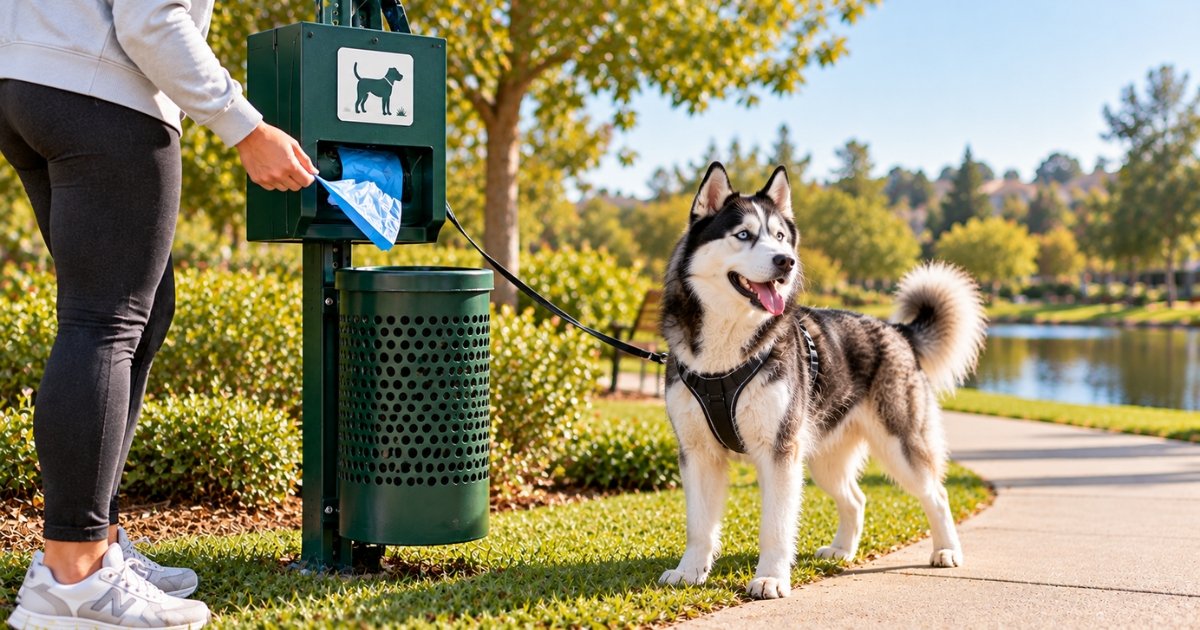
Choosing a dog waste station for an HOA, apartment or park? Learn siting, signage, emptying duties and the refill bag costs that decide if it works.

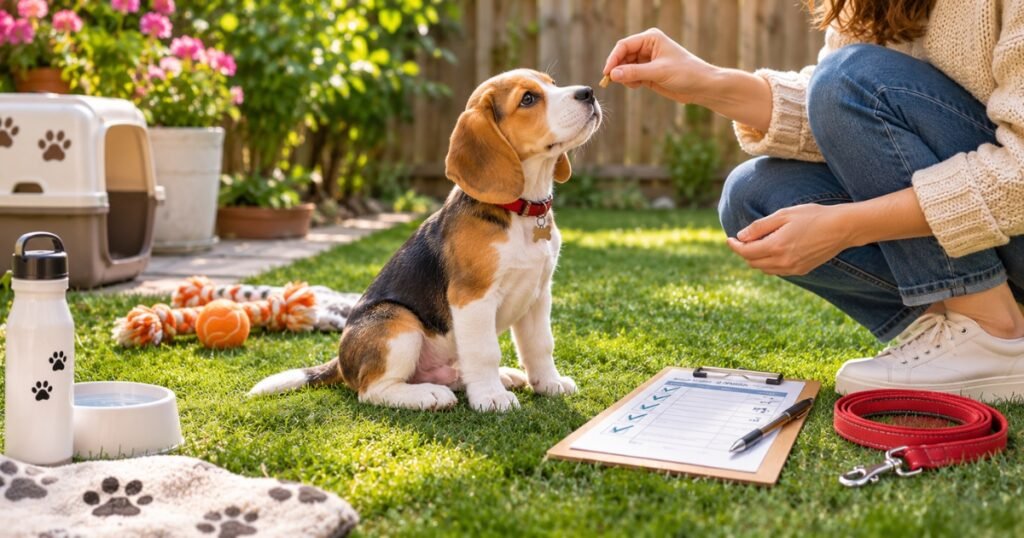
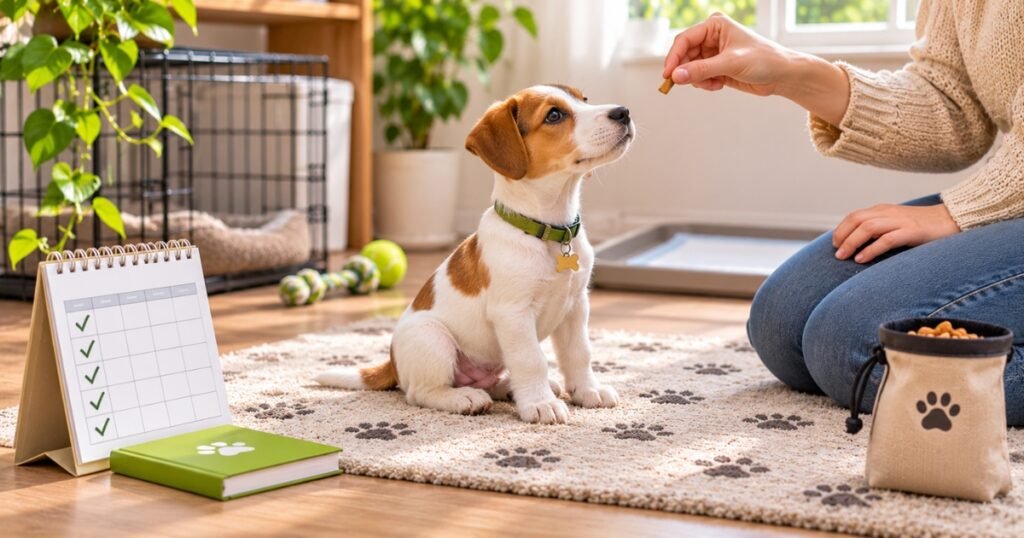
A puppy potty training schedule works best as a repeating rhythm rather than a calendar: outside after every wake-up, after every meal, after play, and at a fixed interval in between. Keep that interval short at first, stretch it as your puppy grows, and run the same routine at 6am tomorrow that you ran today.
One thing first, because it is probably what you need to hear: accidents in the first weeks are not a failure of yours or your puppy’s. Bladder control is still developing. Your job is to make the right spot easy and the wrong spot uninteresting, again and again, until the habit sets.
Some accidents are not a training problem at all. Call your vet rather than changing the routine if you notice:
Your vet is the authority on your particular dog. Nothing you read online, here included, replaces that phone call.
A rhythm is a set of triggers you respond to, not a clock you obey. The triggers stay the same for months. What changes is the gap between them, which widens as the puppy matures.
You will see the common rule of thumb that a puppy can hold its bladder about one hour per month of age. Treat it as a rough starting point, not a rule. Size, breed, sleep, water intake and individual bladders all shift it, and plenty of puppies need far shorter gaps than the guideline suggests. Ask your vet what is reasonable for your dog instead of pushing to hit a number.
Set a repeating timer on your phone and go when it buzzes, whether or not the puppy looks like they need to. Hunches fail because the signal comes about four seconds before the puddle. The interval is what you are training, not the daily total.
After several clean trips in a row, add five or ten minutes. After an accident, drop back to the last gap that worked and hold it there for a few days before trying again.
Walk your puppy to the same patch on a leash, even in your own fenced yard. Scent does most of the teaching, and a puppy that smells yesterday’s visit gets to the point far faster than one wandering a whole lawn.
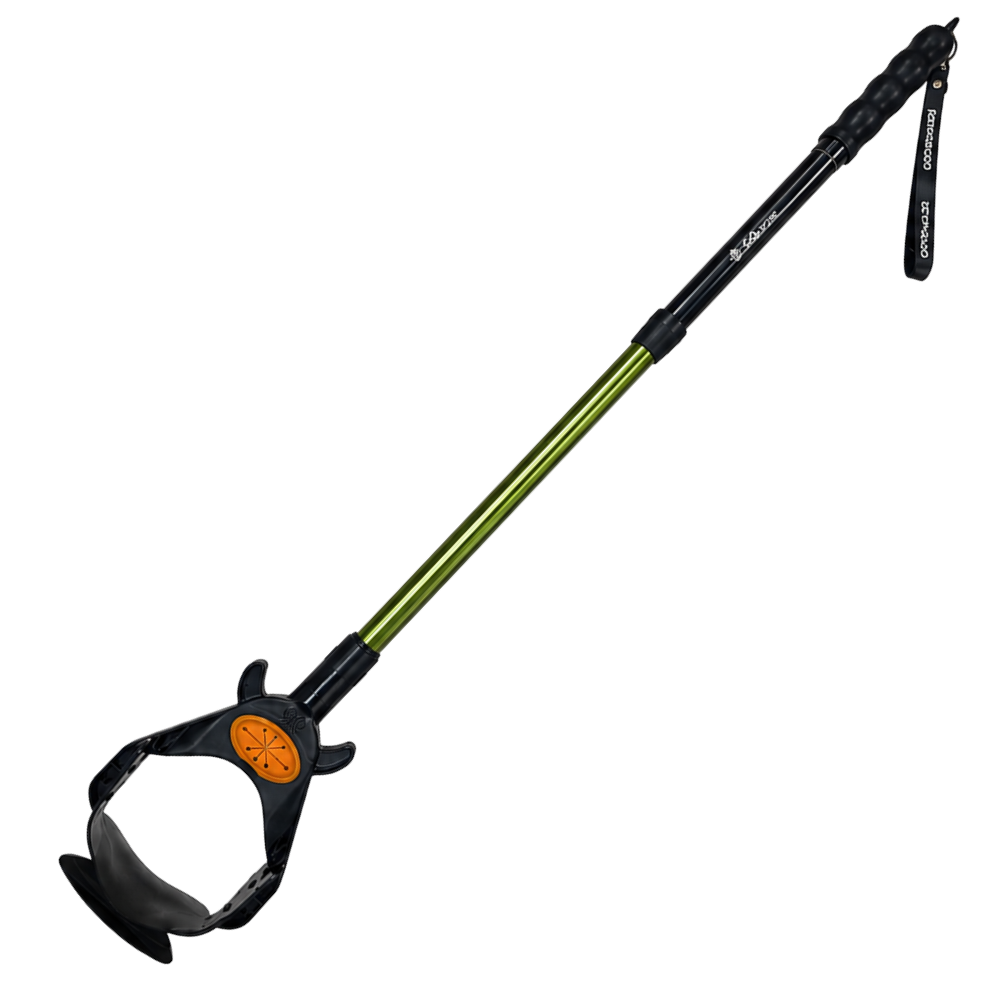
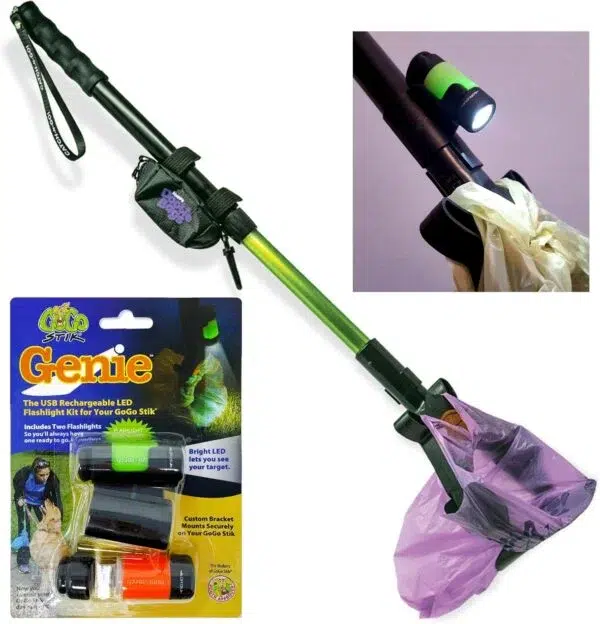
It pays off on the cleanup side too. One area means one place to clear each day, which matters because stool can carry parasites like roundworm and hookworm. If you are choosing a surface, gravel, turf and mulch potty areas each behave differently. A long-handled tool makes the daily sweep quick, and there are several no-bend ways to pick up dog poop if your back is already complaining.
Go out every time. Stand still, say nothing, and resist the urge to chat or play. A puppy that gets attention before the job is done will spend the whole trip soliciting more of it, then go the moment you are back inside.
The second the puppy finishes, praise warmly and hand over a treat. Wait until you are back indoors and you have rewarded coming inside, not going outside. Thirty seconds is already too late for a puppy to connect the two.
What goes in on a clock comes out on a clock. Measured meals at the same times each day make the output predictable, which is the whole point of a routine. Free-feeding from a bowl left down all day makes it guesswork.
Follow your vet’s advice or the feeding guidance on the food for amounts and meal frequency. Keep water freely available during the day unless your vet tells you otherwise, and note that a big drink usually means a trip outside soon after.
A spot that looks clean can still smell like a toilet to a puppy. Use an enzyme cleaner made for pet messes, soak the area rather than wiping it, and let it dry on its own. Regular household cleaners lift the stain and leave the scent marker behind.
Never use an ammonia-based product. Ammonia smells like urine to a dog, so you are effectively leaving a sign pointing at the same corner.
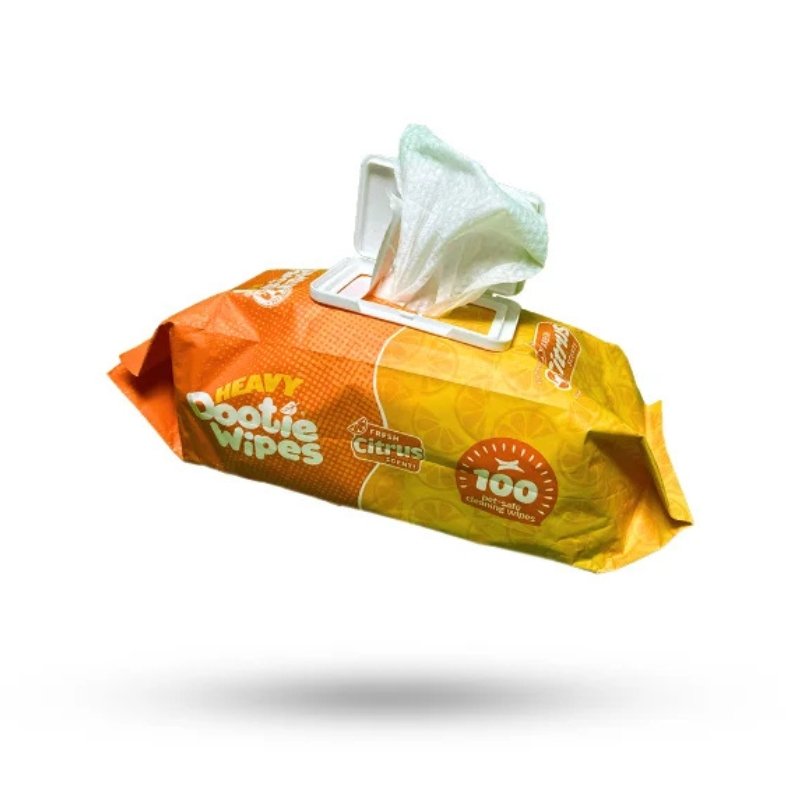
Two different jobs. The floor needs enzymes; the puppy needs a quick wipe of the rear end and paws before they track it onto the rug. Bamboo pet wipes for paws and rear ends live better by the door than in a cupboard, since you will reach for them several times a day.
Young puppies wake at night. Plan the trip so it is thirty seconds of business, not thirty minutes of being awake. The aim is to make it so dull that nobody, puppy included, wants to extend it.
Pads solve a real problem. If you are on the ninth floor, recovering from surgery, or working a shift that puts your puppy alone for long stretches, they beat the alternative of a puppy holding on past what their body can manage.
They also teach that going indoors is allowed. That is not a disaster, it is a trade: you will spend extra effort later moving the habit outdoors.
Use them if outdoors is more than a couple of minutes away or access is unreliable. Skip them if you have a door to a yard and someone home during the day. If you do use them, keep the pad in one fixed place and read up on pee pad use for dogs before you start moving it.
| Approach | Who it suits | What it costs later | Cleanup load |
|---|---|---|---|
| Outdoor only | Houses with yard access and someone home | Nothing to undo; harder in bad weather and at night | Daily yard scooping in one spot |
| Pads, then outdoors | Apartments, high floors, long work days, limited mobility | A transition period once the puppy can hold longer | Pad changes plus outdoor trips |
| Indoor grass patch | Balconies, high-rise living, dogs that refuse pads | Same transition, plus the patch itself | Rinsing and replacing the patch regularly |
None of these is cheating. Pick the one you can actually run every day without skipping trips.
Ninety seconds to grass is not realistic from the twelfth floor, so build the delay into the plan. Go earlier than you think you need to, and treat the elevator ride as part of the trip rather than the start of it.
Carry the puppy to the elevator rather than walking them, keep a loaded bag dispenser clipped to the leash, and pick the nearest acceptable patch outside instead of the pretty one across the street. The practical side of handling dog waste in an apartment is worth setting up in week one.
A puppy that was reliable starts having accidents again. It is common, and it usually has a cause you can name.
Go back to the shorter interval that used to work, supervise closely again for a week, and clean every spot with enzymes. If the backslide came out of nowhere, or comes with straining, tiny frequent wees, blood or crying, stop troubleshooting the routine and call your vet.
Nobody can give you a date, and anyone who does is guessing. Puppies differ enormously in bladder development, temperament and living setup, so the honest answer is that trips get further apart over time until one day you realize you have stopped timing them.
What you can control is consistency. If you prefer a staged version of the same ideas, the week-by-week puppy house training plan lays the routine out in stages, but treat the stages as a sequence rather than a deadline.
Start with short, frequent trips and always go after waking, eating, drinking and playing. The widely repeated guideline of about one hour per month of age is a rough starting point only, and many young puppies need shorter gaps than that. Begin with an interval you know is comfortable, then add a few minutes once several trips in a row stay clean. Your vet can advise for your specific dog.
Most young puppies will wake you on their own at first. Rather than setting an alarm by default, respond when they stir and keep the trip silent and businesslike so it does not turn into playtime. Have the leash, shoes, bags and a light ready by the door. As bladder control improves, the night trips usually space out and then stop without you doing anything.
Usually because the outdoor trip ended before the puppy actually finished, or because coming in got rewarded instead of going. Stay out a few minutes longer, stand still and stay quiet until the job is done, then praise and treat within a second or two. Also clean every indoor accident with an enzyme cleaner, since leftover scent is an invitation to repeat in the same spot.
A puppy potty training schedule is a rhythm you repeat, not a countdown you finish. Run the same triggers every day, keep one outdoor spot, praise the instant the job is done, and clean with enzymes so yesterday’s accident does not become today’s habit. Set your timer tonight, stock the door with a leash, bags and wipes, and keep your vet’s number handy for anything that looks medical rather than behavioral.
Alec Beaton is the Founder & Inventor of Pooch Approved Products and GoGo Stik®. Inspired by real-life pet parenting, he turns everyday cleanup challenges into simple, innovative solutions that make life better for pets and their people.
Choosing a dog waste station for an HOA, apartment or park? Learn siting, signage, emptying duties and the refill bag costs that decide if it works.
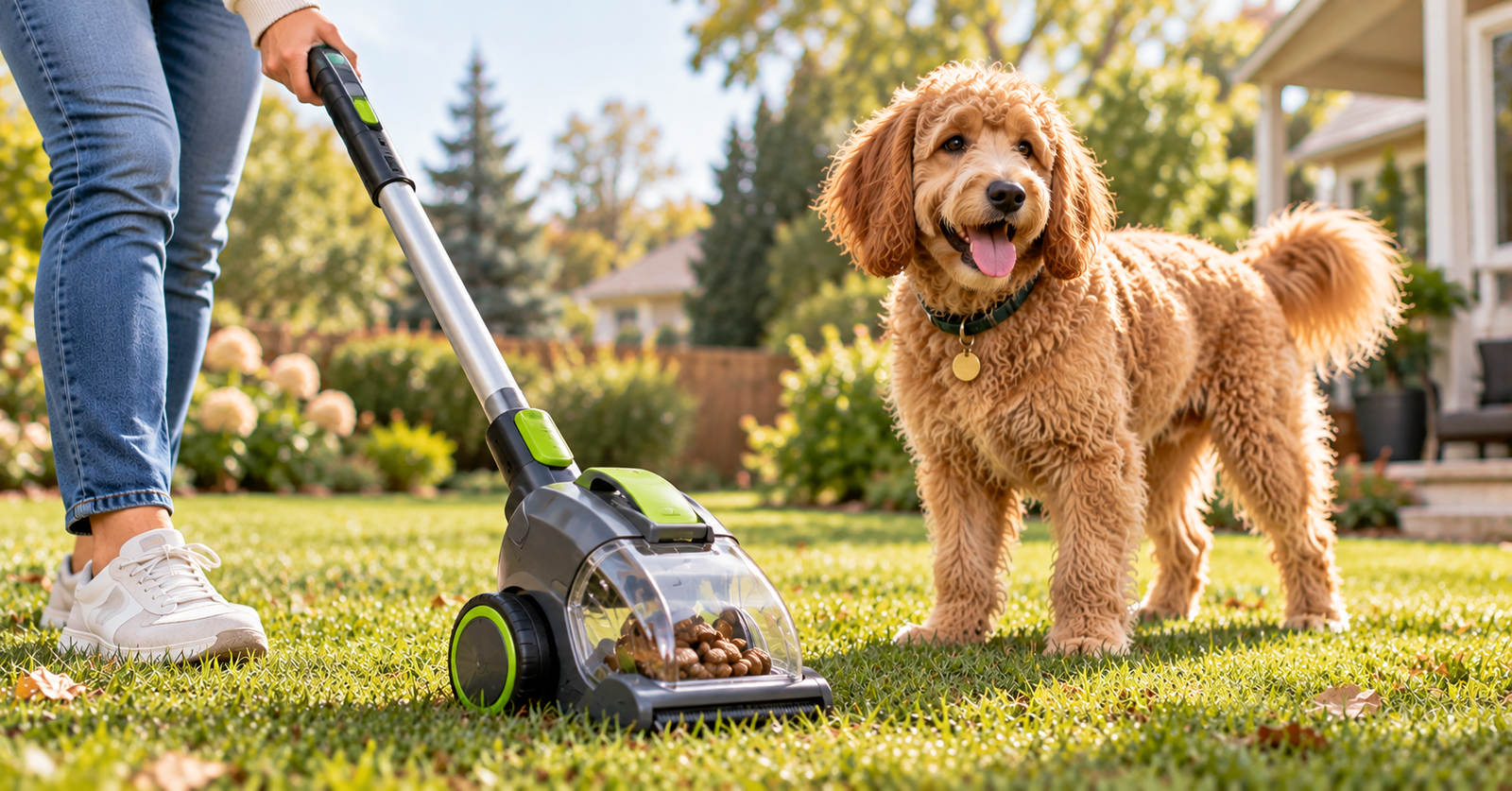
Can a dog poop vacuum really clean your yard? Here is how suction, powered scoopers and yard robots work, what they struggle with, and what to buy.
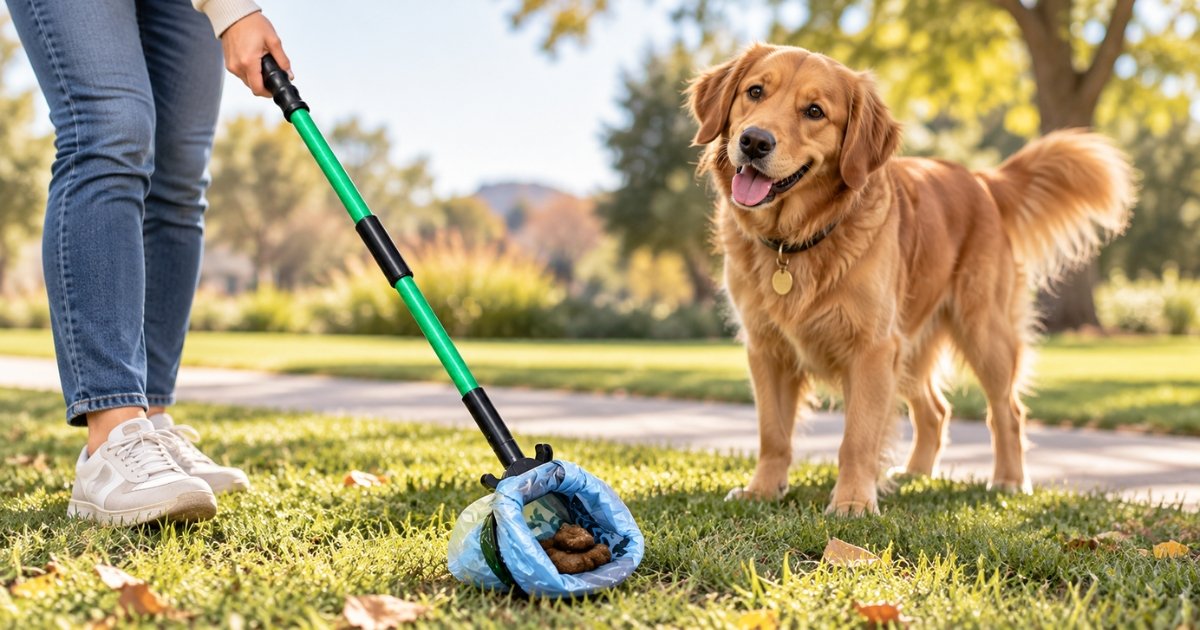
A claw pooper scooper is cheap and one-handed, but it fails on soft stool and gravel. Here are 5 checks before you buy, plus a cleaner alternative.