General
How to Get Dog Poop Off Shoes (Fast, No Gagging)
Learn how to get dog poop off shoes fast without gagging. Step-by-step cleaning for treads, suede & canvas, plus odor-killing tips that actually work.
 Skip to content
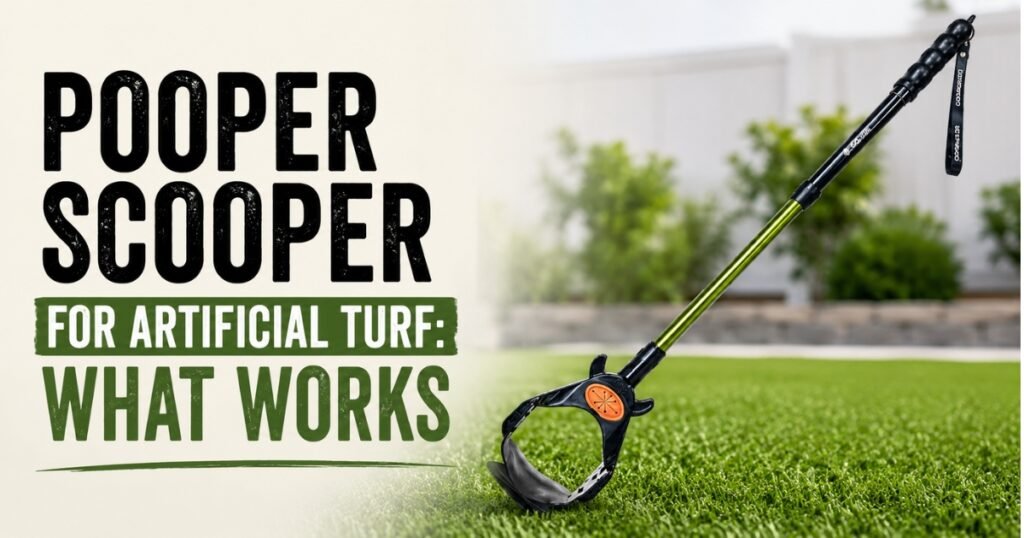
Artificial turf is fantastic for dog owners — until cleanup day. The wrong pooper scooper for artificial turf will snag the blades, drag out infill, and leave you with bald, matted patches that no amount of brushing fixes. The right one lifts waste cleanly off the surface without ever touching the backing.
We’ve spent years building no-touch scoopers for real yards, and synthetic grass is the surface that trips people up most. Below is exactly what works on turf, what quietly ruins it, and how to pick a synthetic grass poop scooper that lasts.
Natural grass forgives bad tools. Turf does not. Synthetic lawns are built in three layers: a plastic blade face, a perforated backing, and a layer of infill (usually silica sand, crumb rubber, or a coated antimicrobial infill like Zeolite) that holds the blades upright and drains urine.
Every layer is vulnerable to the wrong scoop:
The EPA’s research on crumb rubber infill underlines why keeping infill in place matters — replacing it means re-topdressing the whole area, not just the spot you damaged. Infill top-ups typically run $0.40–$0.90 per square foot in 2026, so a $15 tool choice can cost you hundreds.
On grass, poop sits in the lawn. On turf, it sits on the lawn — but soft or heat-softened stool bonds to the blade fibers instead of releasing. That’s why people start scraping, and scraping is what destroys turf. You need a tool that closes around waste and lifts it, not one that shoves it sideways.
Three scoop styles genuinely work on synthetic grass. Here’s how they rank in real yards.
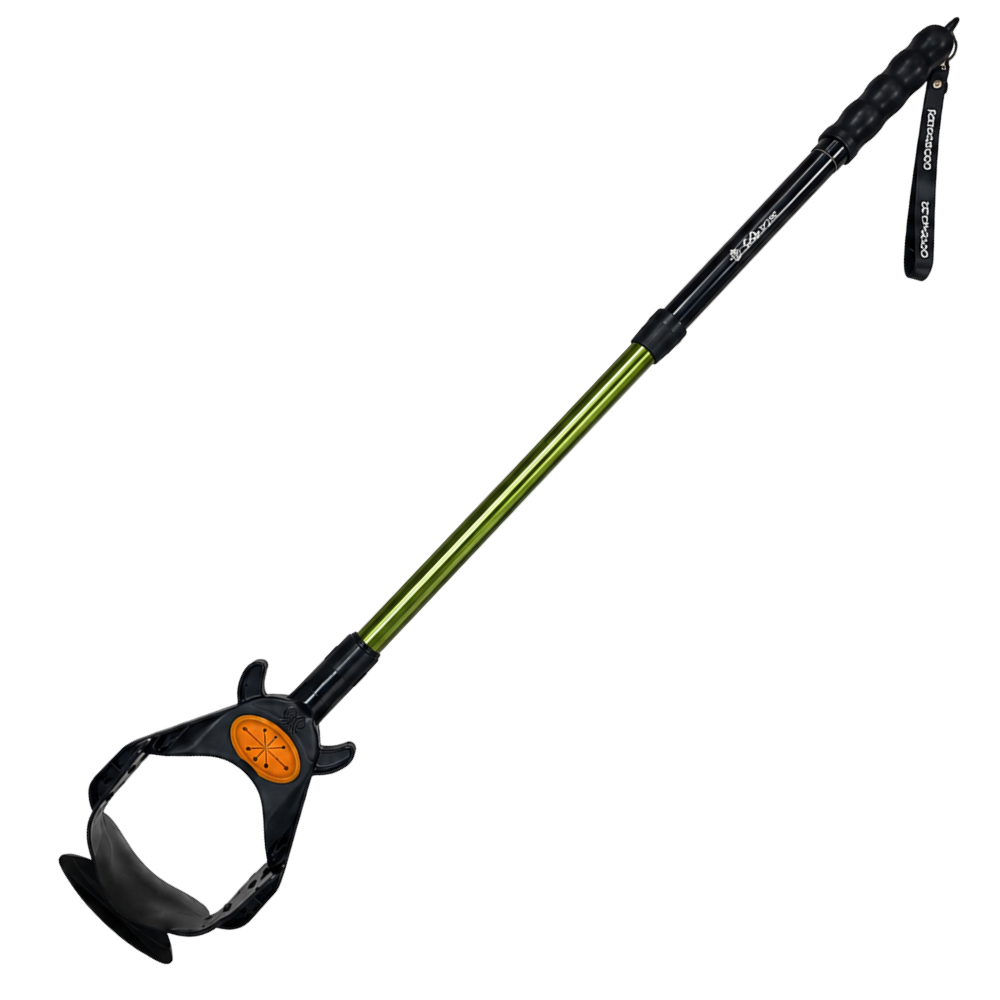
A catcher-style scooper holds an open bag at the business end. You position it behind the waste, sweep once, and the poop drops straight into the bag — the tool barely grazes the surface. The Catch-N-Go catcher-scooper was designed for exactly this: no jaws to pinch fibers, no metal edge to cut, no bending over.
Because the bag is the collection surface, contact pressure on the turf stays near zero. This is the single safest option for high-end synthetic lawns.
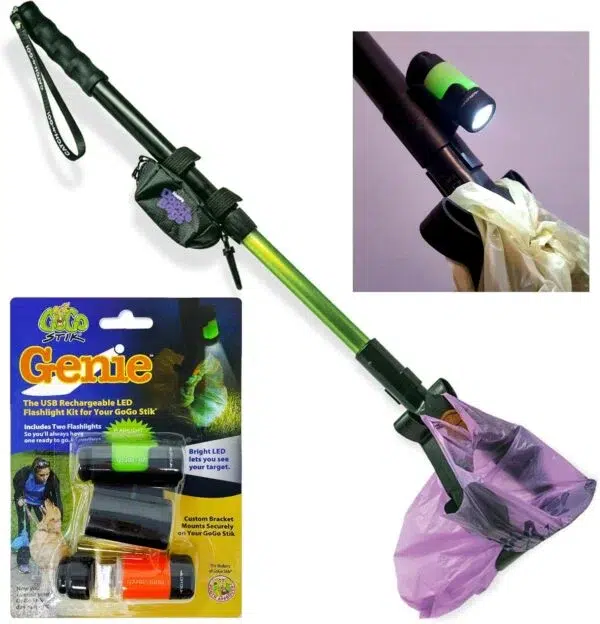
A rake paired with a spade or scoop gives you leverage for firm stool and larger dogs. The key is flexible tines with rounded tips. Our GoGo Stik XP scooper and Dootie Rake set uses a rake that flexes over the blade tops instead of digging beneath them — you’re combing the surface, not tilling it.
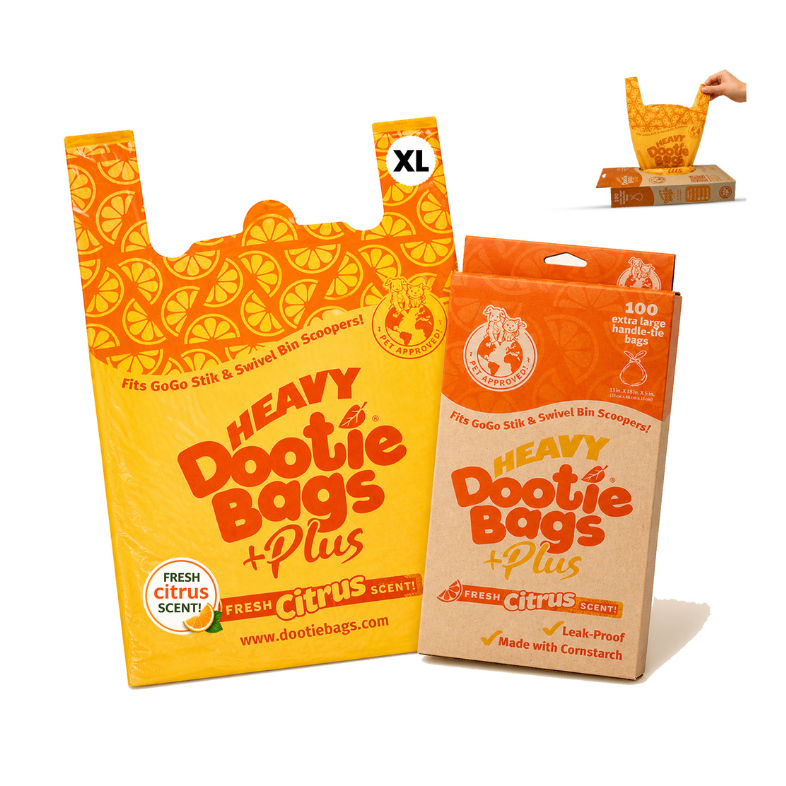
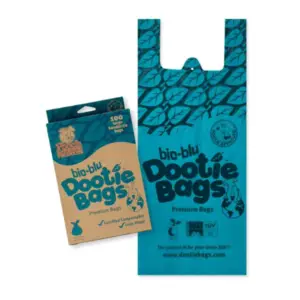
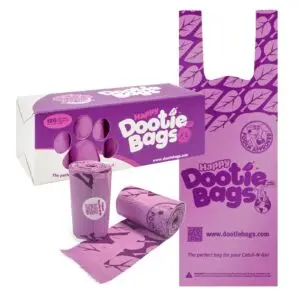
Big dogs, big messes. A rake-spade set bundled with 100 heavy Dootie Bags handles volume without multiple trips. The spade edge is wide and blunt — it slides under waste with a shallow angle rather than a vertical chop.
If you own synthetic grass, these tools and habits cause the damage we see most:
For soft stool that’s already stuck to the blades, don’t scrape. Give it a five-second blast of cold hose water first. The water chills and firms the surface just enough that a catcher scoop lifts it in one clean pass, leaving almost nothing behind. It sounds too simple — it works, and it’s saved more turf than any tool we sell.
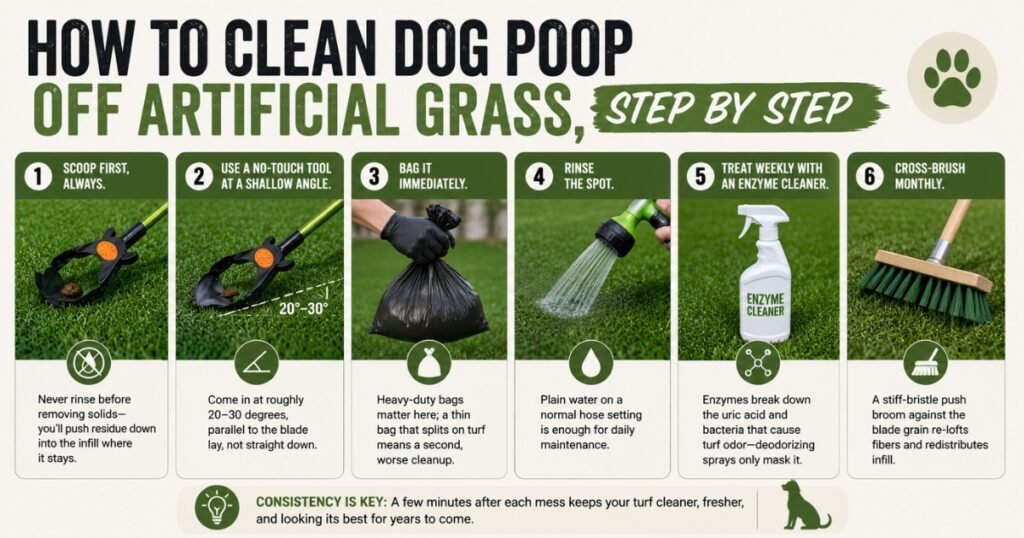
The CDC’s guidance on pets and healthy people is a good reminder of why prompt removal matters — parasites like roundworm can persist in the environment, and turf’s warmth doesn’t neutralize them.
Before you buy any synthetic grass pooper scooper, check it against this list:
If a scooper checks all seven, it will serve you for years on turf. Our full lineup on the GoGo Stik shop is built to that spec.
A bag-in-catcher design like the Catch-N-Go is the best pooper scooper for artificial turf, because the bag — not a metal edge — contacts the surface. For large dogs or high-volume yards, a scooper-and-flexible-rake set gives more leverage while still protecting the blades and infill.
A rigid metal garden rake absolutely will — it hooks the backing and pulls infill out. A purpose-built rake with flexible, rounded tines is safe because it combs across the blade tops instead of digging beneath them. The tine material and tip shape matter far more than the brand.
Daily rinsing with plain water is enough for most yards. Apply an enzyme-based turf cleaner weekly if you have multiple dogs or notice odor in hot weather. Skip bleach, ammonia, and solvent cleaners — they degrade the fibers and commonly void manufacturer warranties.
Every day, ideally within a few hours. Unlike soil, turf has no microbial layer to break waste down, so anything left behind bonds to the fibers, feeds odor-causing bacteria, and eventually forces the scraping that damages the surface.
Picking the right pooper scooper for artificial turf comes down to one rule: lift, never scrape. Blunt edges, flexible tines, a bag doing the catching, and a daily habit will keep synthetic grass looking new for its full 15–20 year lifespan.
Ready to protect your turf? Browse the full range of patented no-touch scoopers, rake sets, and heavy-duty Dootie Bags at the GoGo Stik shop, or start at gogostik.com to find the set that fits your dog and your yard.
Alec Beaton is the Founder & Inventor of Pooch Approved Products and GoGo Stik®. Inspired by real-life pet parenting, he turns everyday cleanup challenges into simple, innovative solutions that make life better for pets and their people.
Learn how to get dog poop off shoes fast without gagging. Step-by-step cleaning for treads, suede & canvas, plus odor-killing tips that actually work.
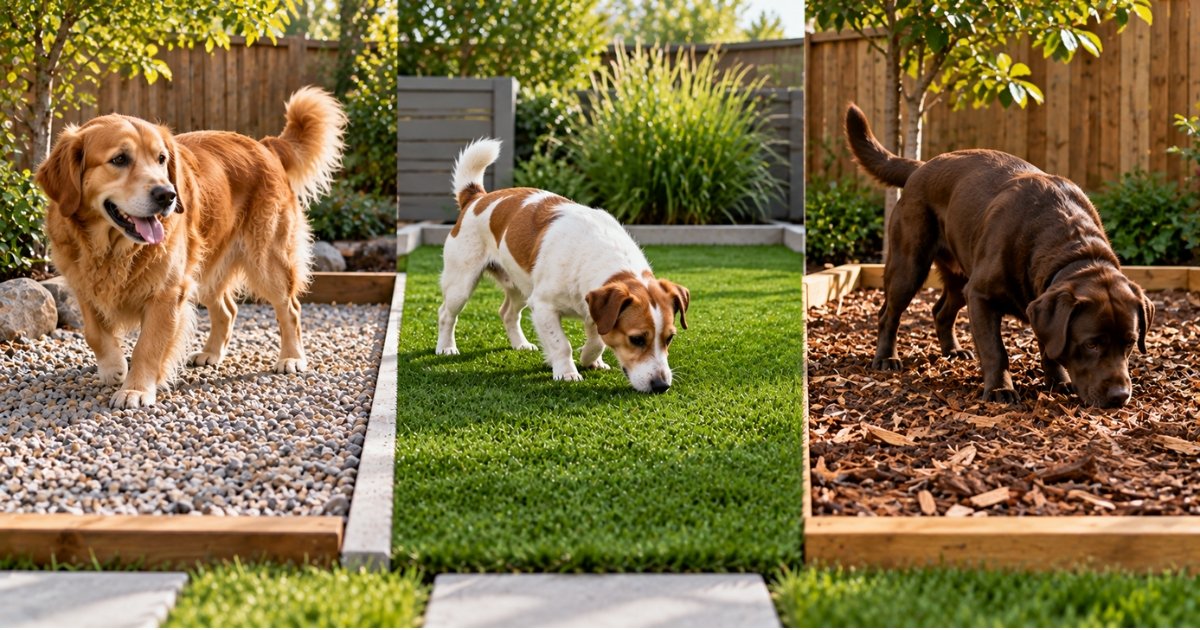
Compare the best dog potty area ideas—pea gravel, artificial turf, and mulch—for drainage, cleanup, and cost. Find the right pick for your yard in 2026.
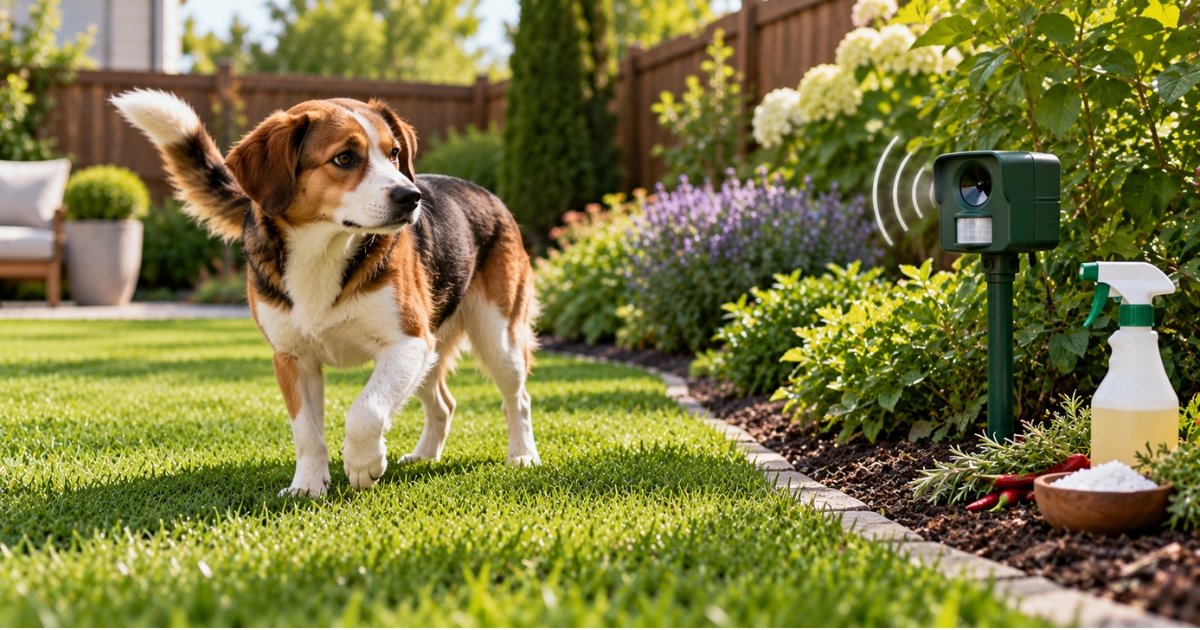
Looking for a dog repellent for lawn that’s safe and effective? See what actually works, what’s cruel to avoid, and humane fixes that keep grass green.