




General
Dog Upset Stomach: Quick Home-Care Checklist
Dog upset stomach? Use this vet-informed home-care checklist to soothe nausea, spot red flags, and know exactly when to call the clinic.

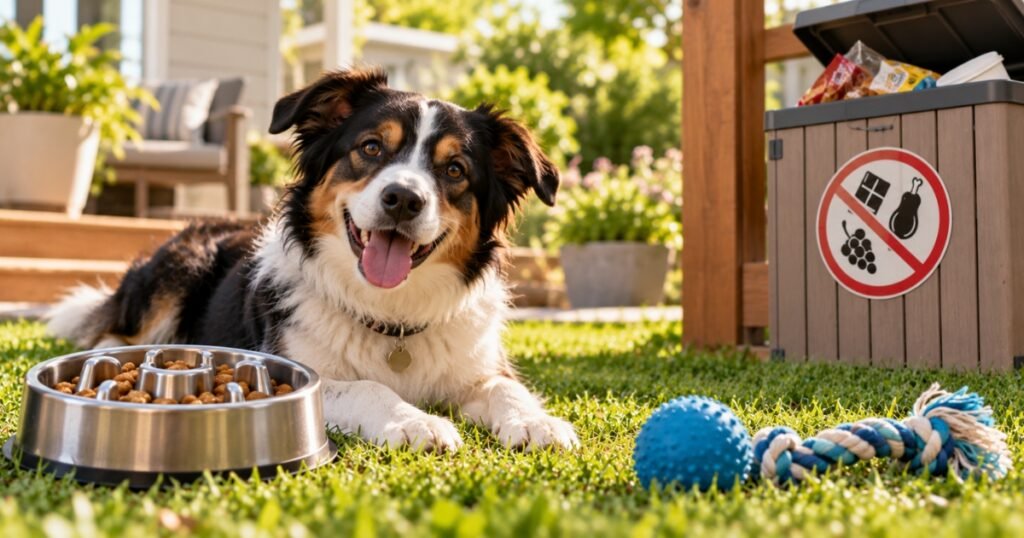
A dog upset stomach is one of the most common reasons pet parents panic at 2 a.m. One minute your pup is bouncing around the backyard, the next they’re pacing, drooling, or leaving an unpleasant surprise by the back door. The good news? Most mild cases of tummy trouble clear up at home within 24 to 48 hours with a little patience and the right care. This quick home-care checklist walks you through exactly what to do when your dog’s digestion goes sideways — and, just as importantly, when to call the vet.
We’ve cleaned up after enough “oops” moments to know that comfort, hydration, and a calm routine make all the difference. Let’s get your best friend feeling like themselves again.
Before you treat it, it helps to understand it. A dog upset stomach — often called acute gastroenteritis — simply means the stomach and intestines are irritated and inflamed. Dogs are curious, indiscriminate eaters, so the triggers are endless.
Common culprits include:
Symptoms range from mild to alarming. Watch for vomiting, diarrhea, loud gurgling (borborygmi), excessive grass-eating, lip-licking, drooling, loss of appetite, and a hunched or “prayer pose” posture. A dog with a mild upset stomach will usually still be alert and responsive — that’s a reassuring sign.
Here’s the step-by-step routine the American Kennel Club and many vets recommend for a mild dog upset stomach. Work through it in order.
For step six, grooming wipes are a quiet hero. When your dog has had a messy bout, a quick wipe-down keeps their skin comfortable and your home sanitary without a full bath that could stress them further. Our Heavy Dootie Pet Wipes are thick, bamboo-based, and gentle enough for the butt, body, and paws.
A bland diet is the cornerstone of soothing a dog upset stomach. It’s low in fat, easy to digest, and gives the GI tract a break. Here’s a quick comparison.
| Feed (Gut-Friendly) | Avoid (Irritating) |
|---|---|
| Boiled skinless chicken or turkey | Fatty meats, bacon, or drippings |
| Plain white rice | Dairy and cheese |
| Plain canned pumpkin (not pie filling) | Onions, garlic, grapes, chocolate |
| Boiled, mashed sweet potato | Spicy or heavily seasoned food |
| Bone broth (low-sodium, no onion) | Rich table scraps |
Serve small portions every few hours rather than one large meal. If your dog keeps it down for a full day, you’re on the right track.
Home care works for mild cases — but some symptoms mean it’s time to stop DIY and get professional help. According to the American Veterinary Medical Association, you should contact your veterinarian right away if you notice:
Original tip from our team: Snap a quick phone photo of any abnormal stool or vomit before you clean it up. It feels gross, but it gives your vet invaluable diagnostic clues about color, consistency, and content — saving time and guesswork.
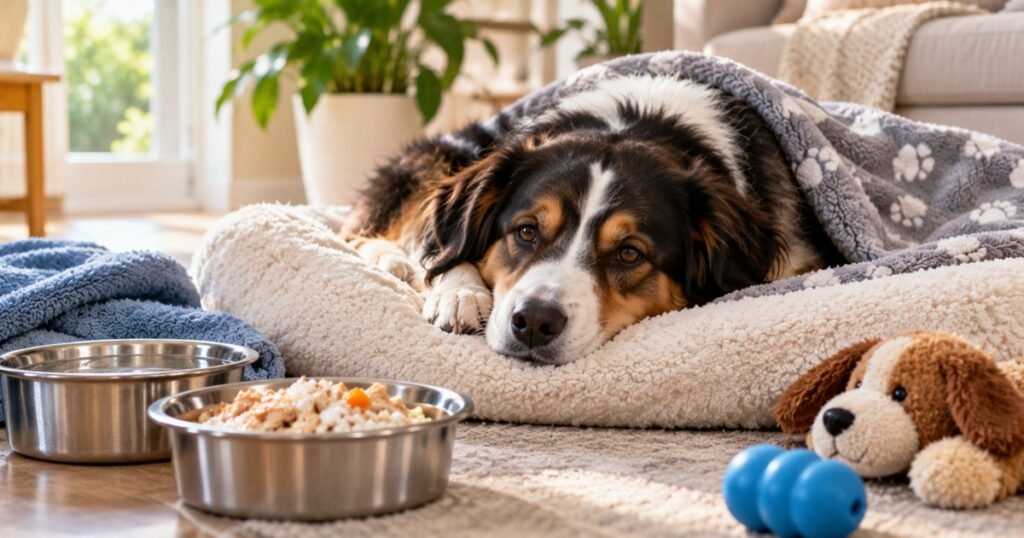
An ounce of prevention keeps the clean-ups rare. Transition foods slowly over a week, keep trash and toxic foods out of reach, stick to a consistent feeding schedule, and use a slow-feeder bowl if your dog inhales meals. Regular parasite prevention and routine checkups round out a healthy gut strategy.
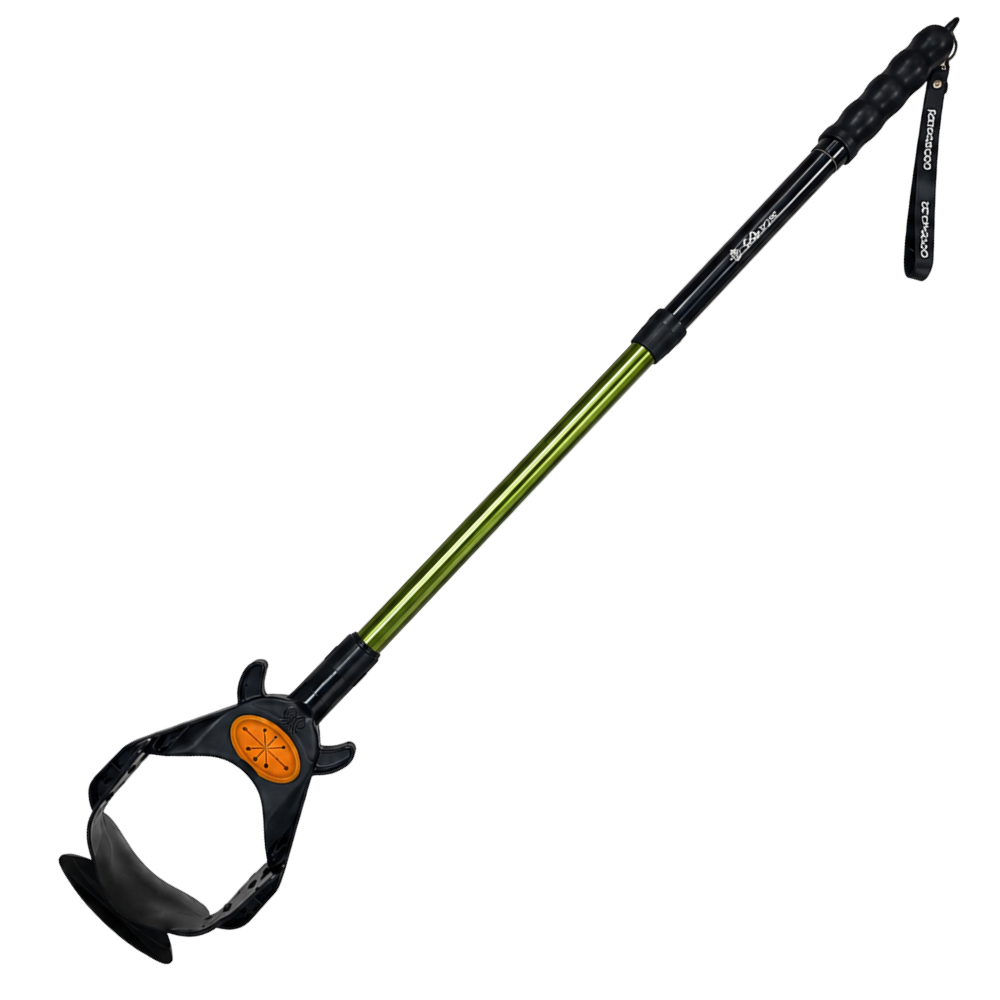
And because recovery days often come with extra outdoor trips and messes, having a reliable cleanup kit on hand matters. Our no-touch scoopers plus the Heavy Dootie Wipes & Poop Bags Bundle make handling loose stool sanitary and stress-free — for you and your pup.
Most mild cases resolve within 24 to 48 hours with rest, hydration, and a bland diet. If symptoms persist beyond two days or worsen at any point, contact your veterinarian promptly.
No — never give human medications like Pepto-Bismol, ibuprofen, or acetaminophen without explicit vet direction. Many are toxic to dogs. Always ask your veterinarian before offering any over-the-counter remedy.
Occasional grass-eating is common and usually harmless; some dogs do it to self-soothe nausea. But frequent, frantic grazing paired with vomiting warrants a vet visit, especially if lawn chemicals may be involved.
Don’t withhold water entirely — dehydration is a bigger risk than mild nausea. Instead, offer small, frequent sips. If even water comes back up repeatedly, call your vet, as this signals a more serious problem.
A dog upset stomach is rarely fun, but with calm care, hydration, a bland diet, and a watchful eye for red flags, most pups bounce back fast. Keep your cleanup essentials stocked so messy recovery days stay low-stress for everyone. Explore gentle pet wipes, leakproof Dootie Bags, and our patented no-touch scoopers in the GoGo Stik shop — because a happy, healthy dog deserves a clean, worry-free home.

Alec Beaton is the Founder & Inventor of Pooch Approved Products and GoGo Stik®. Inspired by real-life pet parenting, he turns everyday cleanup challenges into simple, innovative solutions that make life better for pets and their people.
Dog upset stomach? Use this vet-informed home-care checklist to soothe nausea, spot red flags, and know exactly when to call the clinic.
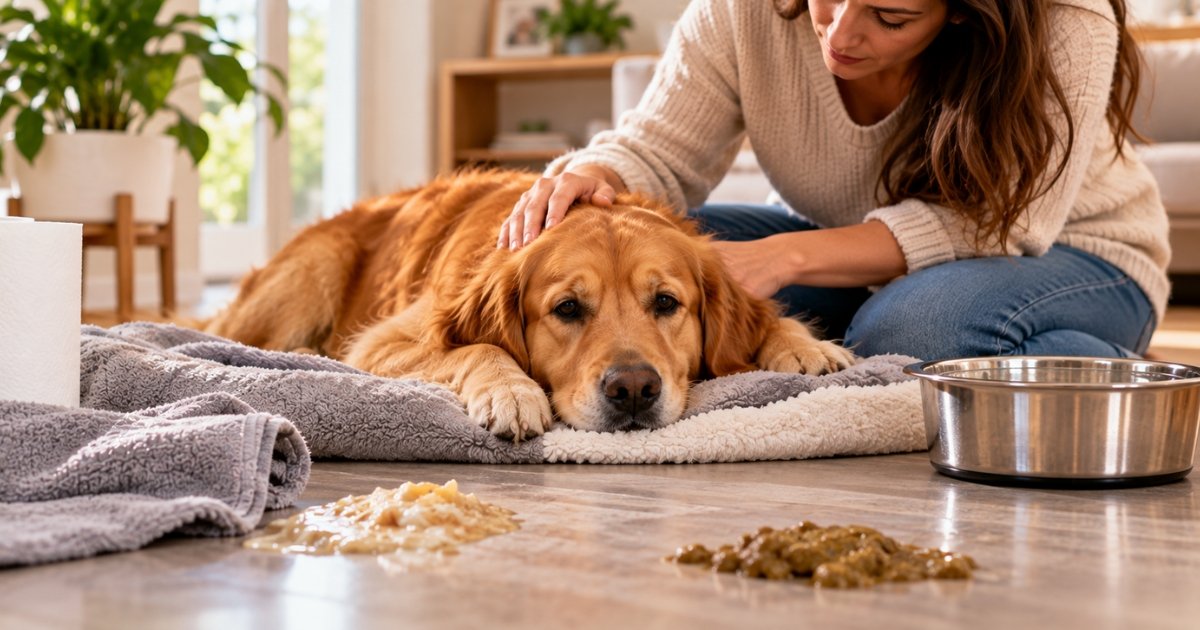
Dog vomiting and diarrhea? Stay calm. Learn what’s normal, when to call the vet, and simple at-home steps to help your dog recover fast.
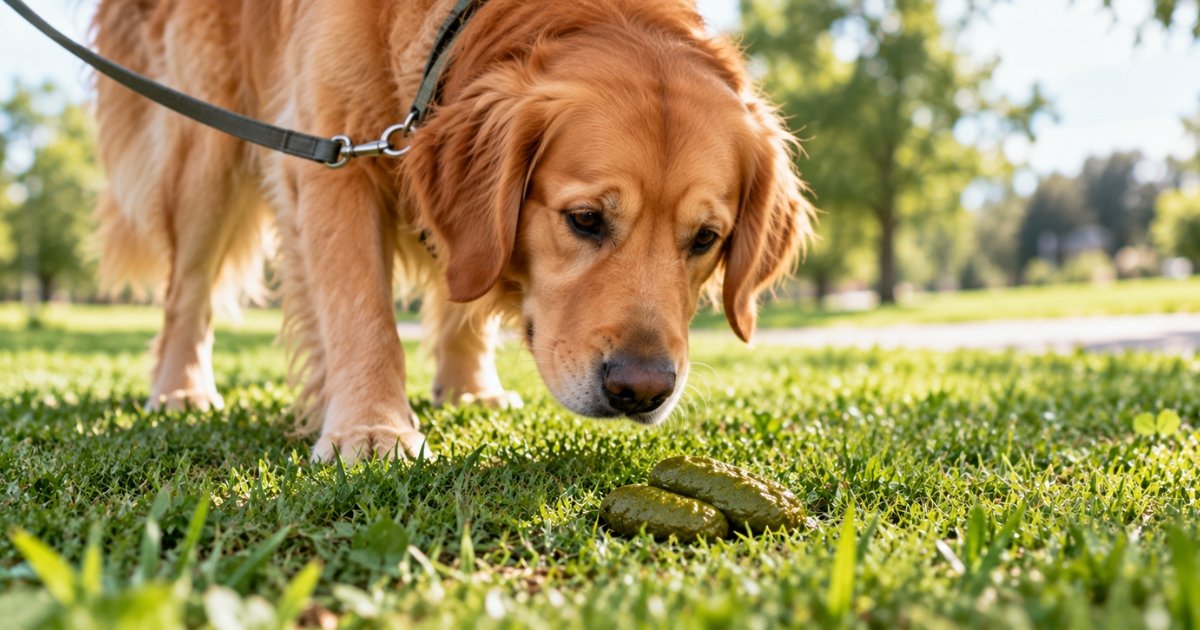
Green dog poop can signal grass, bile, or illness. Learn the common causes, warning signs, and when to call your vet in this 2026 guide.