Home/Blogs/Pet Waste Composting: Is It Safe and How to Do It Right
Pet Waste Composting: Is It Safe and How to Do It Right
Every dog owner faces the same daily task: cleaning up after their furry friend. Most of us toss waste into the trash without a second thought, but what if there was a more environmentally friendly option? Pet waste composting has gained attention as a potential solution, yet many pet parents wonder whether it’s actually safe.
The truth is, composting dog waste isn’t as straightforward as composting kitchen scraps. However, with the right knowledge and proper techniques, you can handle pet waste responsibly while reducing your environmental footprint. Before you start, you’ll need the right tools, including a reliable pooper scooper and heavy duty bags for safe collection.
Understanding the Risks of Dog Waste Composting
Dog waste differs significantly from other organic materials you might compost. Unlike cow manure or chicken droppings, which are commonly used in gardens, dog feces can contain harmful pathogens that pose health risks to humans.
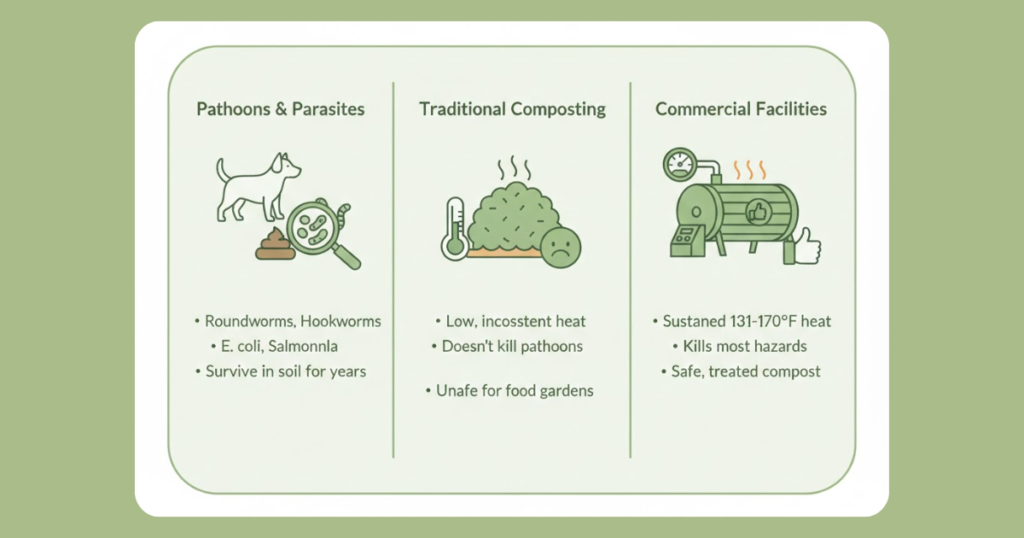
The primary concern involves parasites and bacteria. Dogs can carry roundworms, hookworms, and E. coli in their digestive systems. These organisms can survive in soil for years if not properly treated. Therefore, traditional backyard composting methods won’t necessarily eliminate these health hazards.
Temperature plays a critical role in killing harmful pathogens. Most backyard compost piles don’t reach the sustained high temperatures needed to destroy dangerous bacteria and parasites. Commercial composting facilities typically maintain temperatures between 131-170°F for several days, which effectively eliminates most pathogens.
The Environmental Impact of Dog Waste
Before deciding on composting, it’s important to understand why proper disposal matters. Dog waste left on the ground doesn’t simply biodegrade harmlessly. Instead, it can contaminate water sources and spread disease.
Rainwater runoff carries bacteria from dog waste into storm drains, which often lead directly to rivers, lakes, and oceans. This pollution contributes to algae blooms and can make water unsafe for swimming or drinking. In fact, the Environmental Protection Agency has classified pet waste as a significant pollutant, comparable to toxic chemicals and oil.
Many pet owners use plastic bags for cleanup, which creates another environmental challenge. These bags can take hundreds of years to break down in landfills. Consequently, finding sustainable disposal methods becomes increasingly important for eco-conscious pet parents.
Safe Composting Methods for Pet Waste
If you’re determined to compost dog waste, several methods can help you do so safely. The key lies in creating conditions that eliminate harmful pathogens while breaking down organic matter.
The Pet Waste Digester System
A pet waste digester offers one of the safest home composting options. This system works similarly to a septic tank, buried in your yard away from vegetable gardens and water sources. First, you’ll dig a hole about 18-24 inches deep and install the digester. Then, you’ll add dog waste along with a digester powder containing enzymes and bacteria.
The digester breaks down waste underground, preventing contact with the surface. This method works best in areas with good drainage and moderate climates. However, it may not function well in very cold or dry regions where bacterial activity slows down significantly.
Hot Composting Technique
Hot composting requires careful monitoring but can effectively kill pathogens when done correctly. You’ll need a dedicated compost bin separate from your regular garden compost. The bin should maintain temperatures between 140-165°F for at least five days.
To achieve these temperatures, you’ll need a proper carbon-to-nitrogen ratio. Mix dog waste (nitrogen-rich) with sawdust, wood chips, or shredded newspaper (carbon-rich materials). Turn the pile regularly to maintain oxygen flow and consistent heat distribution throughout.
Use a compost thermometer to track temperatures daily. If the pile doesn’t reach 140°F, it won’t kill harmful organisms. Never use this compost on food gardens, even if temperatures seem adequate. Instead, apply it only to ornamental plants and lawns.
Commercial Pet Waste Composting Services
Some municipalities and private companies offer pet waste composting services. These facilities have the equipment and expertise to process pet waste safely at industrial temperatures. They accept waste in biodegradable bags or sometimes loose form.
Check with your local waste management department to see if such services exist in your area. This option provides peace of mind that waste is being handled properly without the effort of home composting.
Essential Tools for Safe Pet Waste Collection
Proper collection is the first step in any waste management system. Using the right tools makes the process cleaner and more efficient.
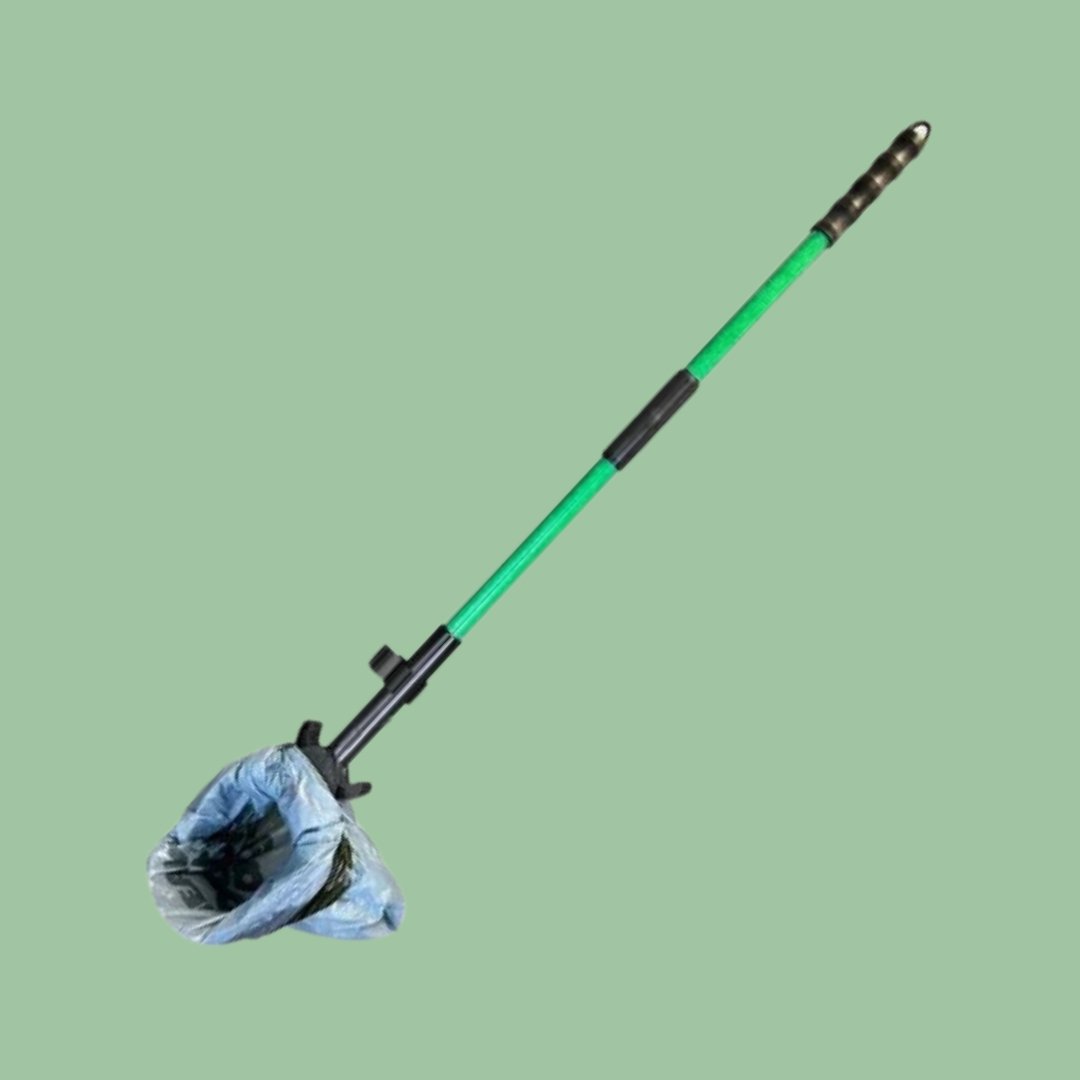
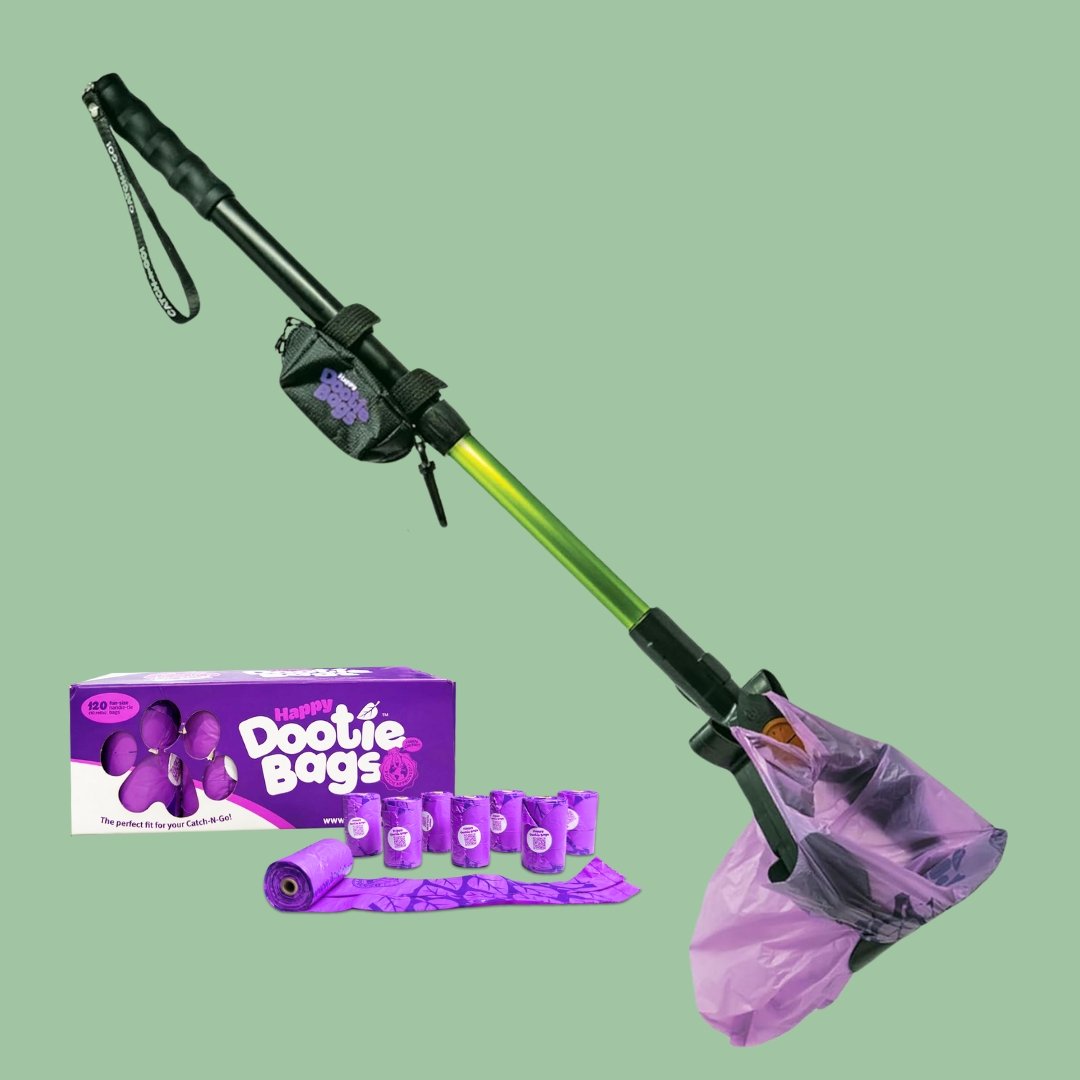
A quality pooper scooper designed for your specific needs can make daily cleanup significantly easier. Models with long handles save your back, while grab-style scoopers work well in tight spaces. Look for durable materials that clean easily and resist rust.
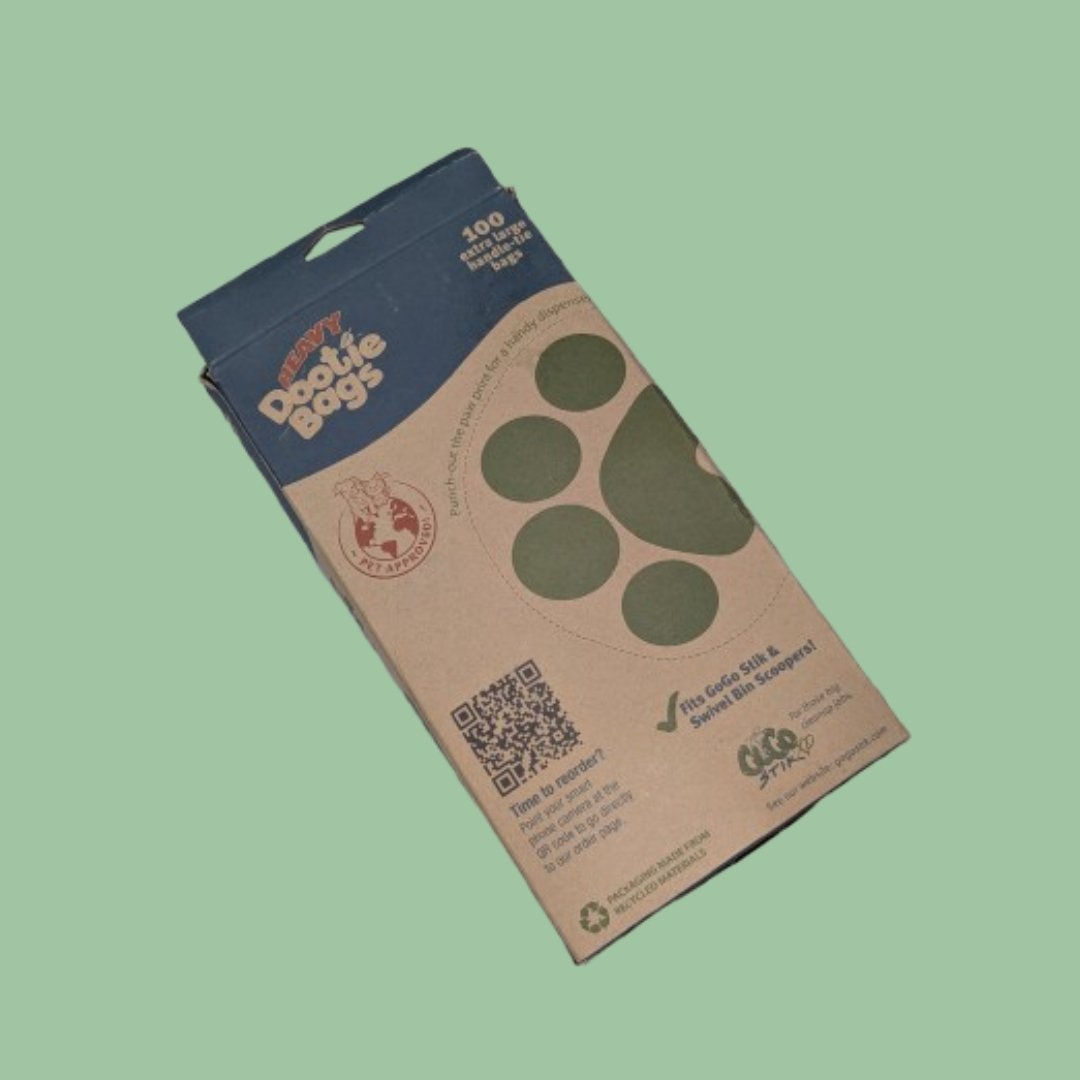
For bag users, heavy duty bags are essential. Thin bags can tear, creating messy situations and potential health hazards. Thicker bags with secure closures contain odors better and prevent leaks during transport. Some bags are specifically designed for composting systems and will break down more quickly than standard plastic.
Consider a complete scooper set that includes both collection tools and appropriate bags. This ensures you have everything needed for efficient, hygienic waste management.
Alternatives to Composting
Composting isn’t the only environmentally conscious option for pet waste disposal. Several alternatives deserve consideration based on your circumstances and priorities.
Biodegradable Waste Bags
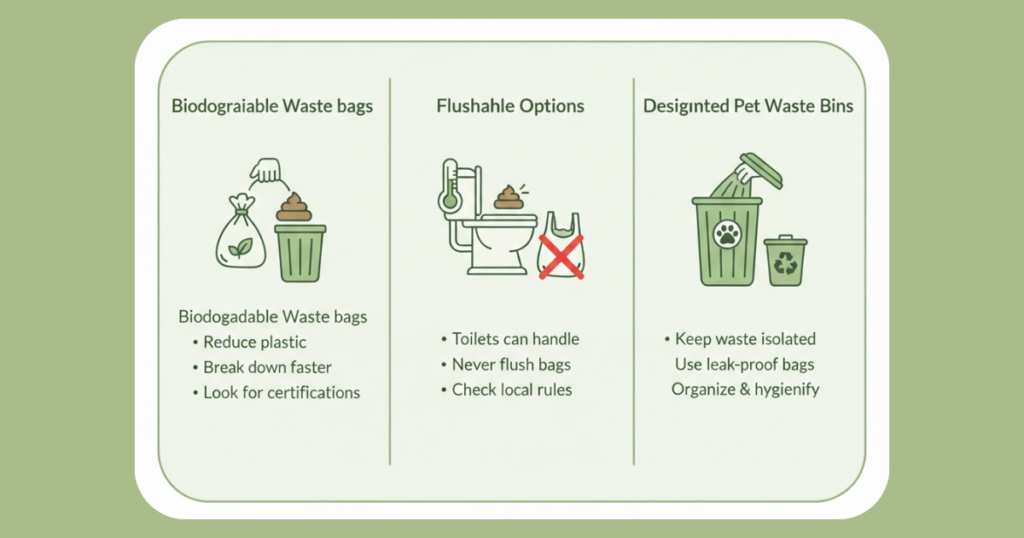
Using biodegradable bags represents a simple step toward reducing plastic waste. These bags break down faster than traditional plastic in landfill conditions. While they still end up in the trash, they pose less long-term environmental harm.
Make sure bags are truly biodegradable and not just “degradable,” which means they break into smaller plastic pieces. Look for certifications from recognized organizations that verify decomposition claims.
Flushable Options
Some pet owners flush dog waste down the toilet after removing it from bags. This method sends waste to sewage treatment plants, which are designed to handle human waste containing similar bacteria. However, this only works for waste itself—never flush bags, even those labeled as flushable.
Before using this method, check local regulations. Some septic systems and older sewer infrastructure can’t handle the additional load. In these cases, flushing pet waste could cause backups or system failures.
Designated Pet Waste Bins
Creating a separate trash bin exclusively for pet waste keeps it isolated from other household garbage. Line the bin with strong, leak-proof bags and empty it regularly to prevent odor buildup.
This method doesn’t reduce landfill waste but does provide better organization and hygiene. Pair it with biodegradable bags to minimize environmental impact.
Best Practices for Pet Waste Management
Regardless of which disposal method you choose, following best practices ensures cleanliness and safety for your household and community.
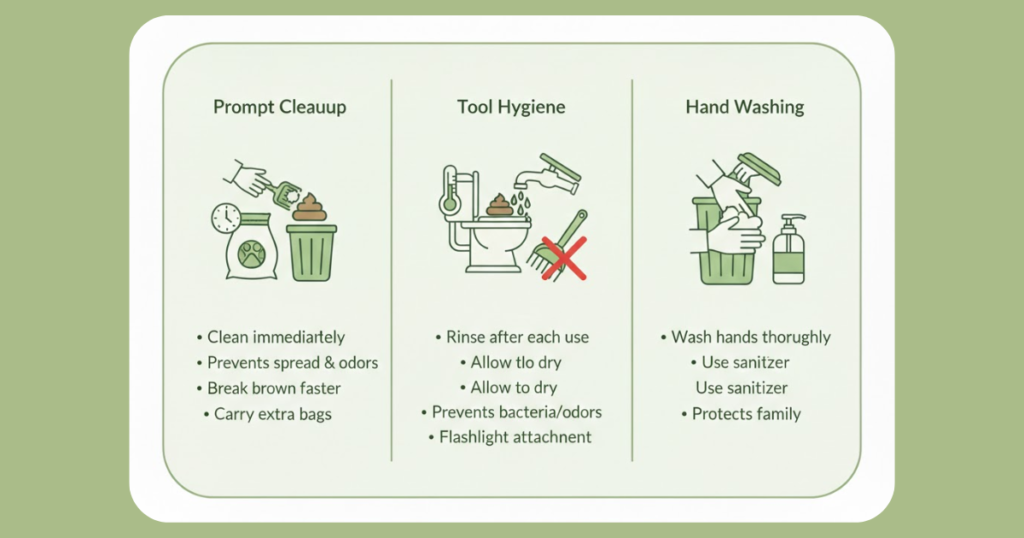
Clean up waste promptly, ideally as soon as your dog finishes. This prevents bacteria from spreading and reduces odor issues. In public spaces, always carry extra bags in case you encounter other waste or need a double layer for particularly messy situations.
Store collection tools properly between uses. Rinse scooper and rake sets after each use and allow them to dry completely. This prevents bacterial growth and extends the life of your equipment. Consider keeping a flashlight attachment handy for early morning or evening cleanup sessions.
Wash your hands thoroughly after handling pet waste, even when using bags or scoopers. Keep hand sanitizer near your waste storage area for quick cleaning when soap and water aren’t immediately available.
Health and Safety Considerations
Protecting your family’s health should be your top priority when managing pet waste. Certain groups face higher risks from exposure to pet waste pathogens.
Pregnant women should avoid handling pet waste when possible due to the risk of toxoplasmosis and other infections. Young children, elderly individuals, and people with weakened immune systems also face elevated risks. If you fall into one of these categories, ask family members to take over waste duties or use tools that minimize direct contact.
Never use pet waste compost on vegetable gardens or fruit trees. Even properly composted pet waste can retain trace amounts of harmful organisms. Restrict its use to ornamental plants, flowers, and lawns where direct food contact won’t occur.
Keep pets up to date on deworming treatments and vaccinations. Healthy dogs produce waste with lower pathogen loads, making any disposal method safer. Regular veterinary checkups can identify and treat intestinal parasites before they become a problem.
Creating a Sustainable Routine
Building habits around pet waste management makes the task less burdensome and more consistent. Set up a system that works for your lifestyle and stick with it.
Designate a specific area in your yard for dog bathroom breaks. This concentrates waste in one spot, making collection easier and more thorough. Train your dog to use this area consistently through positive reinforcement.
Stock up on supplies before you run low. Keep multiple rolls of bags on hand so you’re never caught without them. Consider subscribing to regular deliveries if available, ensuring you always have fresh supplies.
Schedule weekly maintenance for your disposal system, whether that’s emptying a digester, turning a compost pile, or taking out the trash. Consistency prevents buildup and keeps your yard clean and pleasant.
Making an Informed Decision
Choosing the right pet waste disposal method depends on multiple factors unique to your situation. Consider your climate, yard size, physical abilities, and environmental priorities when making this decision.
Cold climates may struggle with composting systems that rely on bacterial activity, which slows dramatically in freezing temperatures. In contrast, hot, dry climates might find digesters less effective due to insufficient moisture for decomposition.
Your physical capabilities matter too. Hot composting requires regular turning and monitoring, which can be physically demanding. If mobility issues or time constraints make this difficult, simpler methods like biodegradable bags might suit you better.
Budget considerations also play a role. Initial setup costs for digesters or hot composting systems can be significant, though they may save money long-term by reducing bag purchases. Evaluate your financial situation and choose a method you can maintain consistently.
The Future of Pet Waste Solutions
Innovation in pet waste management continues to grow as more people seek environmentally friendly options. New products and services are emerging that balance convenience, safety, and sustainability.
Some companies now offer mail-in composting services where you ship pet waste in special containers to certified facilities. These services handle all the complex processing while you simply collect and ship. While costs are higher than traditional disposal, they provide peace of mind about proper handling.
Research into biogas production from pet waste shows promise. Several pilot programs have successfully converted dog waste into renewable energy through anaerobic digestion. As this technology becomes more accessible, it could provide another sustainable disposal option.
Enzymatic treatments that break down waste more quickly and safely are also being developed. These products could make home composting safer by reducing pathogen survival rates without requiring extreme temperatures.
Regional Regulations and Guidelines
Before implementing any pet waste management system, check local laws and regulations. Many areas have specific requirements about pet waste disposal that you must follow.
Some municipalities prohibit backyard composting of pet waste entirely due to groundwater contamination concerns. Others may require permits for waste digesters or have setback requirements from property lines and water sources. Violating these regulations can result in fines or mandatory system removal.
Homeowner associations often have rules about yard maintenance that could affect your waste management choices. Review your HOA guidelines before installing any permanent structures or changing your waste disposal methods.
Public health departments can provide guidance on safe practices specific to your region. They may offer resources or recommendations based on local soil conditions, water table depth, and climate factors.
Maintaining Your Waste Management System
Regular maintenance keeps any disposal system working effectively and safely. Different methods require different care routines, but all benefit from consistent attention.
For digesters, check water levels monthly and add digester powder as directed by the manufacturer. Clear any clogs in drainage holes and inspect the system for damage, especially after heavy rains or freezing weather. Replace worn components promptly to prevent system failures.
Hot compost piles need temperature checks and turning every few days during active composting. Add carbon materials as needed to maintain proper ratios. Monitor moisture levels—the pile should feel like a wrung-out sponge, not too wet or dry.
Even simple bag-and-trash systems benefit from regular cleaning of storage containers. Disinfect bins monthly to prevent odor and bacterial buildup. Replace bags before they become too heavy or full, reducing the risk of tears and spills.
Teaching Responsible Waste Management
If you have children or share pet care duties with others, teaching proper waste management practices ensures everyone handles the task safely and effectively.
Show family members how to use collection tools correctly. Demonstrate proper bag-tying techniques and hand-washing procedures. Make the process routine rather than something avoided or done carelessly.
Help children understand why pet waste cleanup matters for neighborhood cleanliness and environmental health. Age-appropriate explanations can build responsible habits that last a lifetime. Older children can take on waste collection duties as part of their pet care responsibilities.
When guests or pet sitters care for your dog, provide clear instructions about your waste management system. Leave supplies in obvious locations and post simple reminder signs if helpful.
Troubleshooting Common Problems
Even well-maintained systems sometimes encounter issues. Knowing how to address common problems prevents small concerns from becoming major headaches.
Odor Issues
Persistent odors usually indicate inadequate coverage or too much moisture in composting systems. Add more carbon materials to absorb excess liquid and neutralize smells. For digesters, ensure proper drainage and add extra enzyme powder to boost bacterial activity.
In bag-and-trash systems, odors often mean bags need emptying more frequently. Use scented bags to mask smells between disposal days, and consider sprinkling baking soda in trash bins.
Slow Decomposition
If waste isn’t breaking down in your composter or digester, temperature or moisture levels may be off. Check that you’re maintaining adequate heat in hot composters and proper water content in digesters. Adding fresh green materials can jumpstart bacterial activity in sluggish systems.
Cold weather dramatically slows decomposition. In winter months, some systems may need to go dormant until spring. Plan accordingly and have backup disposal methods ready.
Equipment Failures
Scooper handles can break or become loose over time. Tighten screws regularly and replace worn parts before they fail completely. Investing in quality equipment from the start reduces replacement frequency and provides better long-term value.
Bags that tear frequently indicate you need thicker options. Switch to heavy-duty varieties designed for larger dogs or particularly messy situations. The slight extra cost prevents frustrating cleanups and potential health exposures.
Seasonal Adjustments
Different seasons bring different challenges to pet waste management. Adapting your approach throughout the year maintains system effectiveness.
Summer Strategies
Hot weather accelerates decomposition but also intensifies odors. Empty trash bins more frequently during summer months. If composting, monitor moisture levels closely as heat can dry out piles quickly. Water compost as needed to maintain proper consistency.
Flies can become problematic in warm weather. Cover fresh waste quickly with carbon materials in composters. For trash bins, seal bags tightly and keep lids closed. Cleaning wipes can help maintain hygiene around disposal areas.
Winter Challenges
Frozen ground makes waste collection harder and digesters less effective. Consider using a poop catcher system with a long handle to minimize bending on icy surfaces. Clear snow from designated bathroom areas to make waste easier to spot and collect.
Composting slows or stops in freezing temperatures. You may need to stockpile waste in a covered container until spring thaw allows processing to resume. Alternatively, switch to disposal methods during cold months and return to composting when weather permits.
Conclusion
Pet waste composting offers an environmentally conscious alternative to traditional disposal methods, but it’s not suitable for everyone. The risks associated with harmful pathogens require careful consideration and proper implementation to ensure safety. If you choose to compost, commit to maintaining proper temperatures, using dedicated systems, and never applying the compost to edible gardens.
For many pet owners, the safest and most practical approach involves using biodegradable bags and regular trash disposal or municipal composting services. These methods balance environmental responsibility with health safety and convenience. Whichever method you select, consistency and proper technique are crucial. Invest in quality tools like a reliable pooper scooper and heavy duty bags to make waste management cleaner and more efficient.
Remember that responsible pet ownership extends beyond daily walks and feeding schedules. How you handle waste impacts your neighborhood, local water quality, and the environment. By making informed choices and following best practices, you can fulfill this important duty while minimizing your ecological footprint. The perfect solution varies by individual circumstances, but the goal remains the same: keeping our communities clean and our planet healthier for future generations.
FAQs
Is it safe to compost dog poop in my backyard?
Composting dog poop in a backyard setting carries significant risks if not done correctly. Dog waste contains harmful pathogens like E. coli, roundworms, and hookworms that can survive in soil for extended periods. Standard backyard compost piles rarely reach the sustained high temperatures (140-165°F) needed to kill these organisms effectively. If you choose to compost pet waste, use a dedicated hot composting system or pet waste digester, never mix it with food garden compost, and only apply the finished product to ornamental plants and lawns. For most pet owners, alternative disposal methods provide better safety with less effort.
Can I use composted dog waste on my vegetable garden?
No, you should never use composted dog waste on vegetable gardens, fruit trees, or any plants that produce food for human consumption. Even when properly composted at high temperatures, pet waste can retain trace amounts of harmful bacteria and parasites. These organisms can contaminate produce and pose serious health risks when ingested. The U.S. Department of Agriculture and most composting experts strongly advise against this practice. If you compost pet waste, restrict its use to ornamental flowers, shrubs, and lawns where direct food contact won’t occur. For vegetable gardens, stick with herbivore manure like cow, horse, or chicken droppings that have been properly composted.
What’s the best way to dispose of dog waste if I don’t want to compost?
Several effective alternatives exist for pet owners who prefer not to compost. The simplest method involves using biodegradable bags to collect waste and disposing of it in your regular trash. This approach minimizes plastic pollution while maintaining convenience. Another option is flushing solid waste down the toilet (without the bag), which sends it to sewage treatment plants designed to handle similar bacteria. Check local regulations first, as some septic systems can’t handle this additional load. Some communities also offer dedicated pet waste composting services that process waste at industrial facilities with proper temperature controls. Choose the method that best fits your local infrastructure, budget, and environmental priorities.
How often should I empty my pet waste disposal system?
The frequency depends on your chosen disposal method and the number of dogs in your household. For bag-and-trash systems, empty bins at least twice weekly to prevent odor buildup, more often in hot weather. Pet waste digesters typically need waste added regularly but only require maintenance every few months when you add digester powder and check drainage. Hot compost systems need attention every few days for turning and temperature monitoring. If you notice persistent odors, flies, or overflow, you’re waiting too long between maintenance sessions. Establish a consistent schedule based on your dog’s size and bathroom frequency—larger dogs produce more waste requiring more frequent handling.
Are biodegradable dog waste bags really better for the environment?
Biodegradable bags offer modest environmental benefits compared to standard plastic bags, but they’re not a perfect solution. True biodegradable bags break down into natural components within months under proper conditions, whereas conventional plastic can persist for hundreds of years. However, many bags labeled “biodegradable” only fragment into smaller plastic pieces rather than fully decomposing. Look for bags certified by organizations like the Biodegradable Products Institute (BPI) or that meet ASTM D6400 standards. Keep in mind that even certified biodegradable bags need specific conditions to break down properly—sitting in an oxygen-deprived landfill slows this process significantly. While not perfect, quality biodegradable bags represent a step toward reducing long-term plastic pollution from pet waste management.
What temperature does compost need to reach to kill parasites in dog waste?
To effectively kill parasites and harmful bacteria in dog waste, compost must maintain temperatures between 140-165°F (60-74°C) for at least five consecutive days. This sustained heat is crucial because many parasites like roundworm eggs can survive lower temperatures and shorter heating periods. Most backyard compost piles rarely achieve or maintain these temperatures consistently, which is why hot composting requires dedicated effort and monitoring. Use a compost thermometer to track temperatures in multiple spots within the pile, as heat distribution can vary. If your pile doesn’t reach 140°F, harmful organisms may survive. For this reason, many experts recommend pet waste digesters or professional composting services rather than home composting for inexperienced composters.
Can I compost cat waste the same way as dog waste?
No, cat waste presents even greater health risks than dog waste and requires different handling. Cat feces can contain Toxoplasma gondii, a parasite particularly dangerous to pregnant women and immunocompromised individuals. This parasite can survive in soil for over a year and isn’t reliably killed even by hot composting. The Centers for Disease Control and most composting experts strongly advise against composting cat litter and waste. Used cat litter should be sealed in bags and disposed of in regular trash. Never flush cat litter down toilets as it can damage plumbing and introduce parasites to water systems. If you’re seeking eco-friendly cat waste solutions, consider biodegradable, non-clumping litters and explore specialized cat waste disposal services in your area.
How long does it take for dog waste to decompose naturally?
In natural conditions without intervention, dog waste can take 6-12 months to fully decompose, though this timeline varies based on climate, soil type, and environmental factors. In hot, moist conditions with active soil bacteria, decomposition happens faster. In cold or dry climates, waste can persist much longer. However, natural decomposition doesn’t eliminate harmful pathogens—bacteria and parasite eggs can survive in soil for years even after the visible waste has broken down. This is why leaving dog waste to decompose naturally isn’t recommended, especially in public areas or near water sources. Proper disposal through composting, digesters, or trash removal ensures pathogens are handled appropriately and prevents environmental contamination and disease transmission.
Do I need special equipment to start composting pet waste?
Yes, successful pet waste composting requires specific equipment to ensure safety and effectiveness. At minimum, you’ll need a dedicated compost bin separate from any food-garden compost, a compost thermometer to monitor temperatures, and materials for carbon balance like sawdust or wood chips. A pitchfork or turning tool helps aerate the pile. For digester systems, you’ll need the digester unit itself, enzyme powder, and installation tools for burial. Don’t forget collection equipment—a quality pooper scooper prevents contamination during the gathering process. While you can start with basic materials, investing in proper equipment from the beginning increases success rates and reduces health risks. Remember that improper composting creates more problems than it solves, so adequate supplies are essential, not optional.
What are the signs that my pet waste composting system isn’t working properly?
Several warning signs indicate problems with your composting system. Persistent foul odors beyond normal compost smell suggest inadequate carbon materials or insufficient aeration. If waste isn’t visibly breaking down after several weeks, temperatures may be too low or moisture levels incorrect. A compost pile that feels extremely wet and heavy likely has too much nitrogen and needs more carbon materials added. Conversely, a dry, dusty pile needs watering. In digesters, standing water that won’t drain indicates drainage problems requiring immediate attention. Flies or pests around the system mean waste isn’t being covered properly. If you can’t maintain temperatures above 140°F consistently, your hot composting system won’t kill harmful pathogens. Any of these issues requires immediate correction to prevent health hazards and system failure.
Dog toys can get expensive fast, especially if your pup chews through them in minutes. On top of that, many store-bought options are made with questionable materials that may not be safe for your furry friend. The good news? You don’t need to spend a fortune to keep your dog
Every dog owner knows the struggle of keeping treats organized. Bags rip open, treats go stale, and the kitchen counter turns into a mess. A DIY dog treat jar solves all of that — and it looks great sitting on your counter, too. In this guide, you will learn how
Dogs are more than pets — they’re stress relievers, mood boosters, and loyal companions who show up for us every single day. In fact, spending just a few minutes with your dog can lower cortisol levels and increase the feel-good hormone oxytocin. But here’s the thing: if your daily dog