
Dog Life & Training
Dog Won’t Poop in Snow? 6 Easy Fixes
Dog won’t poop in snow? Learn why cold, salt and buried scent stop them, how to clear a potty patch, and when holding it means a vet visit.

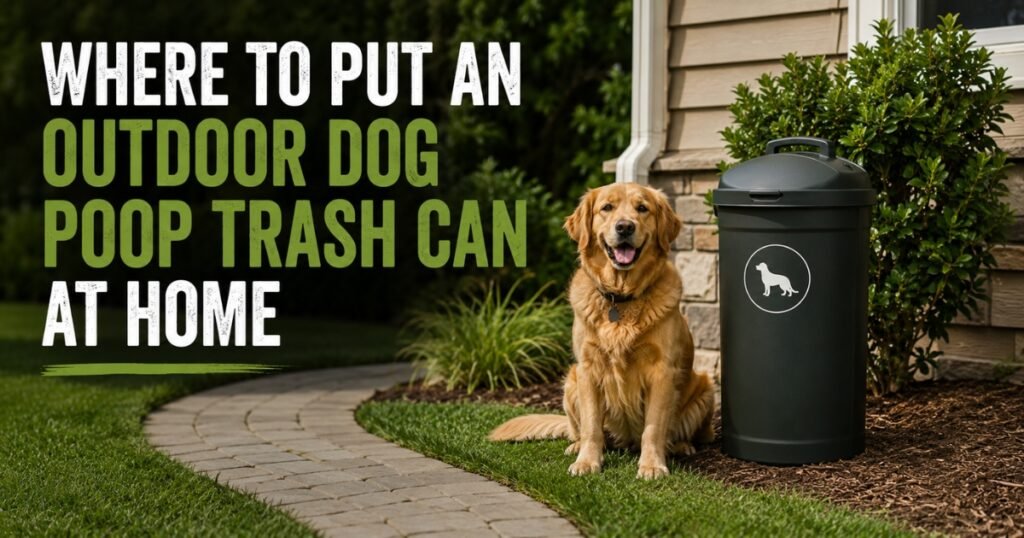
Deciding where to put an outdoor dog poop trash can sounds simple—until the summer heat turns a poorly placed bin into a smell you can detect from the patio. The right spot keeps odor away from living spaces, shortens your cleanup route, and keeps flies and curious dogs out of the mess. This guide walks through the best placement zones for a home dog waste bin, proven odor-control tactics, and the scooping gear that makes the whole system work.
Whether you have one small dog or a pack of big ones, dialing in your bin location is one of the easiest yard upgrades you can make this year.
The ideal location balances three things: distance from where you relax, convenience for daily scooping, and airflow. Get those right and your outdoor dog poop trash can practically disappears from your senses.
Not every trash can survives yard duty. For an outdoor dog poop trash can that lasts, look for these features:
Many owners repurpose a small metal trash can or a dedicated pet-waste “digester.” Whatever you choose, line it and keep collection quick with the right scooper. Our full shop pairs no-touch tools with heavy-duty bags built for exactly this job.
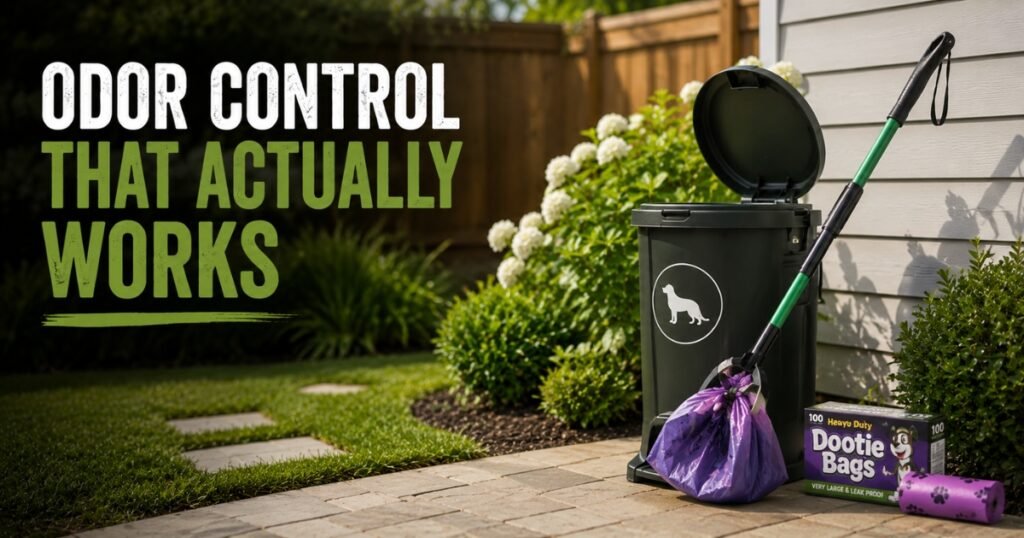
Placement handles most of the battle; the rest comes down to a simple routine. Here’s what keeps a home dog waste bin from announcing itself:
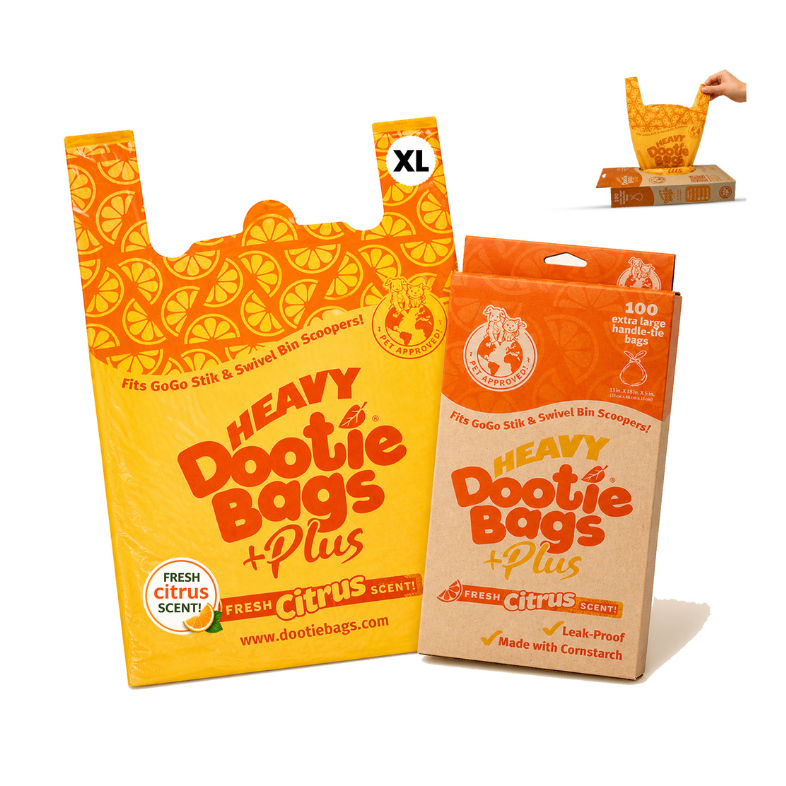
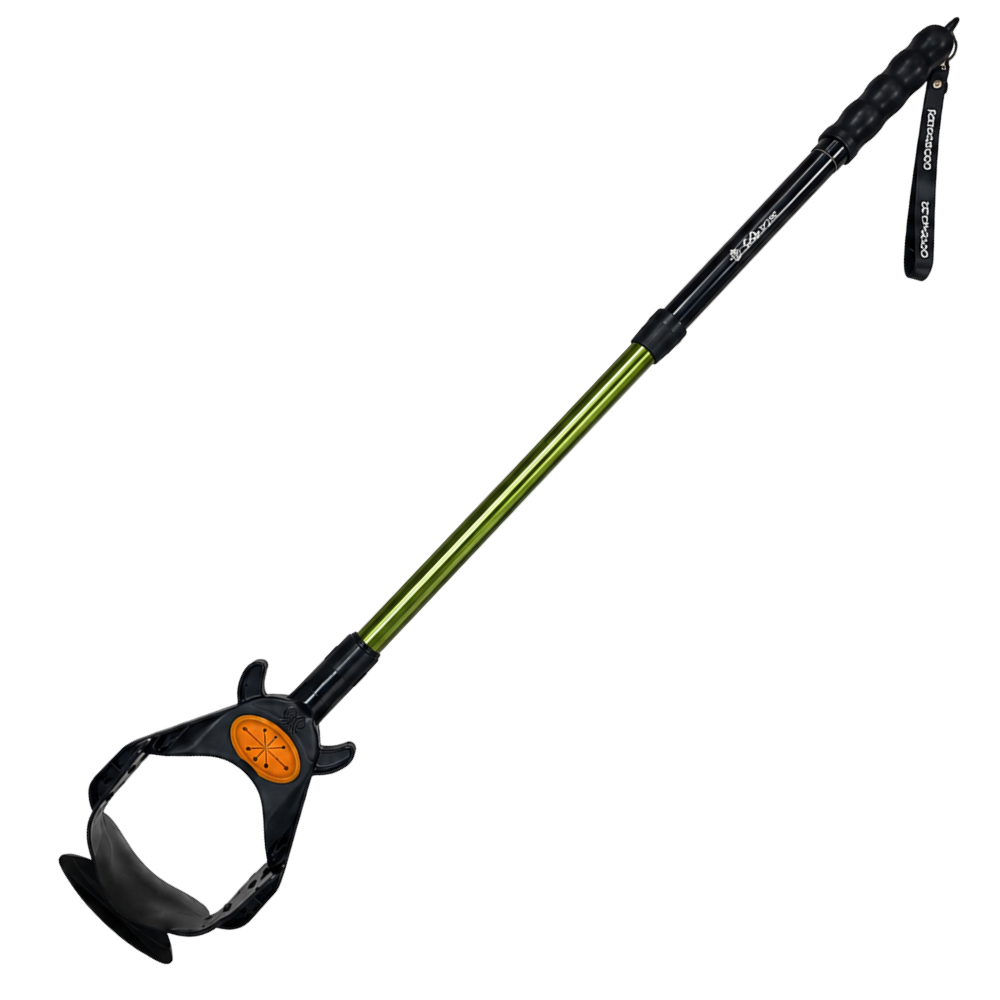
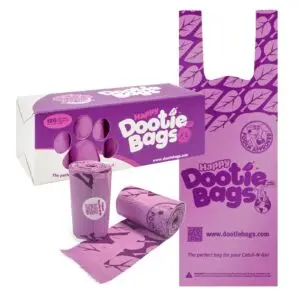
The single biggest odor upgrade is faster, cleaner pickup so waste spends less time exposed. A tool that lets you scoop and bag in one motion—without bending or touching anything—means you’ll do it more often and more thoroughly. The patented GoGo Stik XP Pro scooper with heavy Dootie Bags is built around this exact idea.
Turn your bin area into a tidy station and daily pickup stops feeling like a chore. A good setup includes:
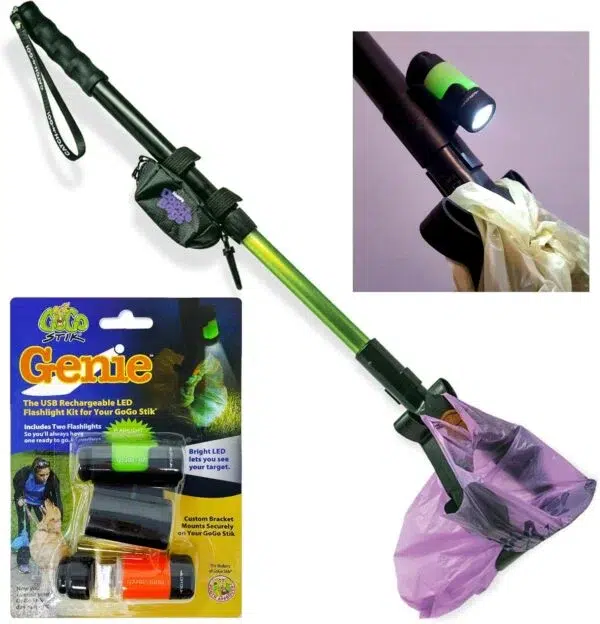
For nighttime cleanups, an LED-equipped catcher makes finding messes in a dark yard painless—the Catch-N-Go with rechargeable flashlight kit handles that. And if you’re dealing with big dogs or a large yard, the XP Pro scooper and rake-spade set clears grass and gravel fast, straight into your bag and bin.
Aim for at least 15–20 feet from doors, windows, patios, and play areas, positioned downwind so breezes carry odor away from the house. That distance keeps smells out of your living spaces while staying close enough that daily scooping stays convenient.
Yes, in most areas you can bag dog waste and place it in your regular trash bin, but check local rules first. To control odor, double-bag it, keep the lid latched, and empty the can on collection day rather than letting bags sit for a week in the heat.
Bag every deposit in a thick leakproof bag, keep the bin shaded and sealed, empty it every day or two in warm weather, and sprinkle baking soda or a pet-safe enzyme deodorizer in the bottom. Rinsing the bin weekly with diluted vinegar removes lingering residue.
A no-touch scooper that opens and closes in one hand lets you grab, bag, and drop waste straight into the bin without bending or touching anything. Store it right next to the can so pickup takes seconds and you’re more likely to do it daily.
The perfect outdoor dog poop trash can spot is shaded, downwind, on a hard surface, and a short walk from your dog’s favorite corner—paired with tight-lid storage, quick bagging, and a weekly rinse. Nail those and yard odor stops being a problem you notice.
Ready to make cleanup fast and truly hands-free? Browse the patented no-touch scoopers, catchers, and heavy Dootie Bags at the GoGo Stik store and build the cleanup station your yard—and your nose—deserve.

Alec Beaton is the Founder & Inventor of Pooch Approved Products and GoGo Stik®. Inspired by real-life pet parenting, he turns everyday cleanup challenges into simple, innovative solutions that make life better for pets and their people.
Dog won’t poop in snow? Learn why cold, salt and buried scent stop them, how to clear a potty patch, and when holding it means a vet visit.
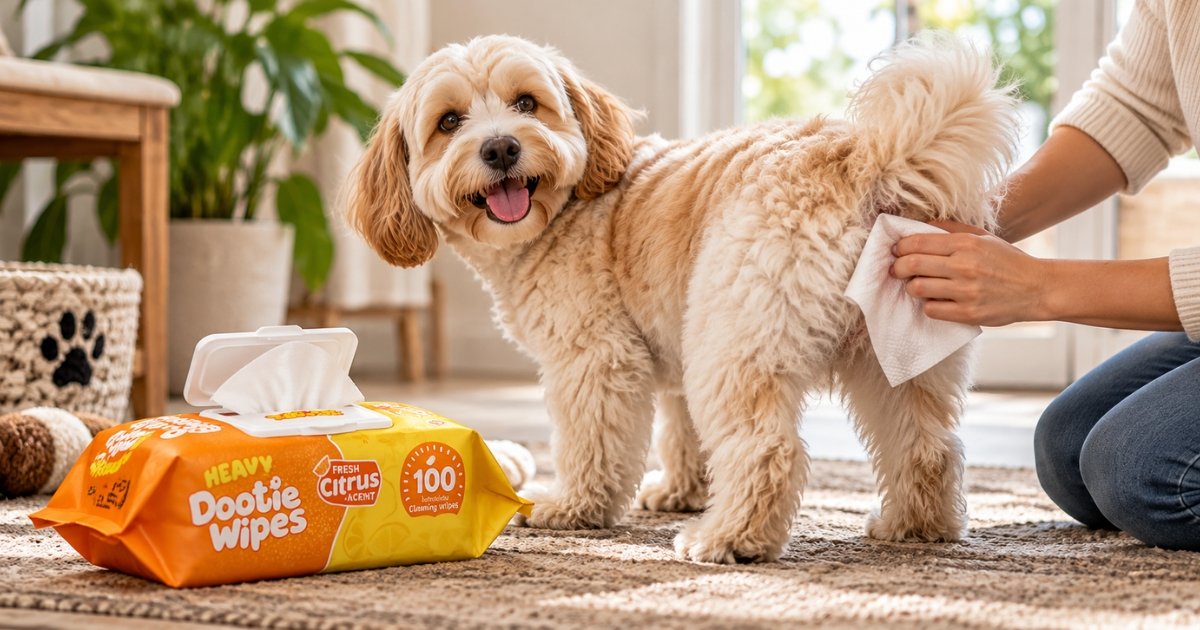
Dog butt wipes buyer’s guide: when your dog needs one, the 6 specs that matter, why baby wipes fail, and the signs that mean a vet visit, not more wiping.
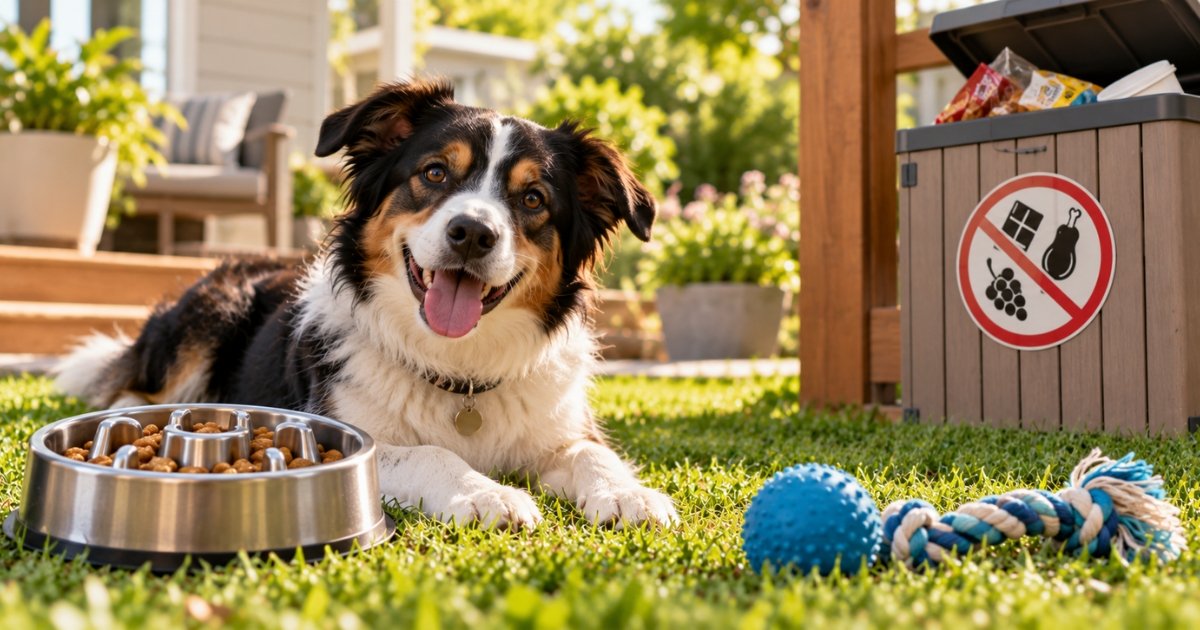
Dog upset stomach? Use this vet-informed home-care checklist to soothe nausea, spot red flags, and know exactly when to call the clinic.