Home/Blogs/New Puppy Essentials Checklist | Everything You Need for Day One
New Puppy Essentials Checklist | Everything You Need for Day One
Bringing a new puppy home is one of the most exciting days you’ll have as a pet owner. It’s also one of the most chaotic if you’re not prepared. Between the tail wags, the zoomies, and the inevitable accidents, that first day can feel overwhelming fast.
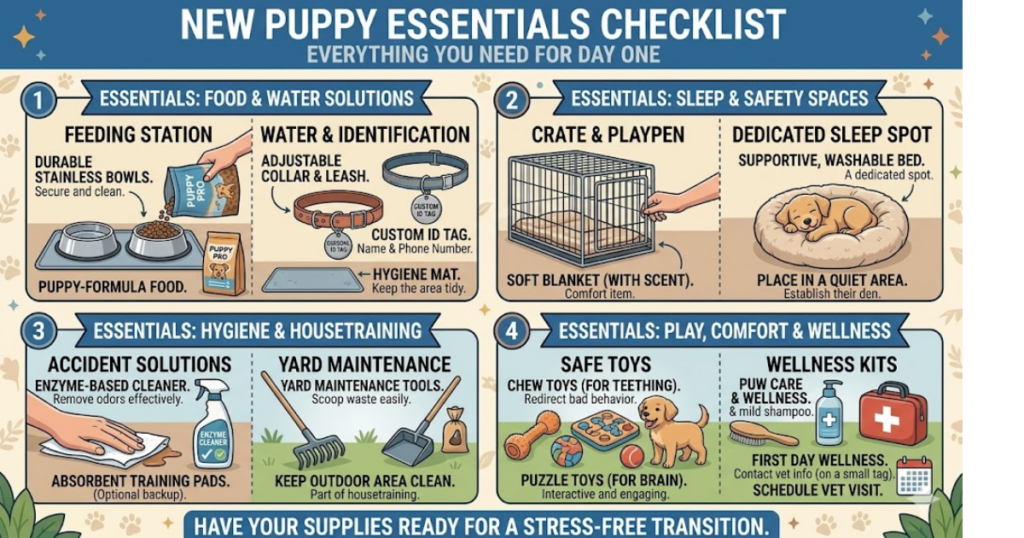
That’s why a solid new puppy essentials checklist matters. Having the right supplies ready before your pup arrives means less stress for you and a smoother, safer transition for your new four-legged family member.
This guide breaks down every item you need on day one, organized by category, so nothing gets missed.
Food and Feeding Supplies
Your puppy’s diet sets the foundation for healthy growth, strong bones, and a shiny coat. Before your pup comes home, find out what food the breeder or shelter was already feeding. A sudden diet change can upset your puppy’s stomach, so it’s best to stick with the same brand for the first week or two.
Here’s what to have on hand:
Puppy-specific food Choose a formula labeled for puppies, not adult dogs. Puppy food has higher protein, fat, and calcium levels to support rapid growth. Ask your vet for a recommendation based on your puppy’s breed and size.
Two sturdy bowls One for food, one for water. Look for bowls with a non-slip rubber base, since puppies tend to push their dishes across the floor. Stainless steel or ceramic bowls are easy to clean and long-lasting.
Slow-feeder bowl (optional) If your puppy inhales food too quickly, a slow-feeder bowl helps pace them and reduces the risk of bloating.
Portable water container If you plan on taking your pup on car rides or walks, a collapsible water bowl is a smart addition.
Set a consistent feeding schedule right away. Most puppies do best with three meals a day until they’re about six months old. After that point, you can switch to twice daily.
Collar, Leash, and Identification
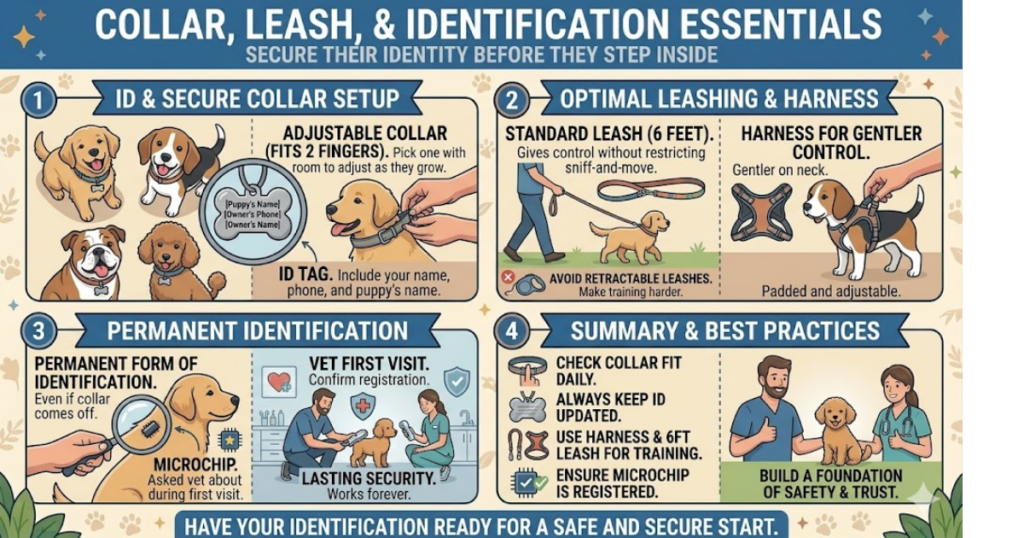
Before your puppy even steps through the front door, they need proper identification. Puppies are fast, curious, and unpredictable. If they slip out of the house or wiggle free during a walk, an ID tag is the quickest way for someone to contact you.
Stock up on these items:
Adjustable collar Puppies grow quickly, so pick a collar with room to adjust. Make sure you can fit two fingers between the collar and your puppy’s neck.
ID tag Include your name, phone number, and your puppy’s name. Many pet stores offer engraved tags on the spot.
Standard leash (6 feet) A six-foot leash gives you enough control without restricting your puppy’s ability to sniff and move around. Avoid retractable leashes for young puppies they make training harder.
Harness A harness is gentler on your puppy’s neck, especially during early leash training when pulling is common. Look for an adjustable, padded option.
Microchip Ask your vet about microchipping during your first visit. A microchip is a permanent form of identification that works even if the collar comes off.
Crate and Sleeping Setup
Puppies sleep up to 20 hours a day, so a cozy, designated sleeping area helps them feel safe and settle into a routine. Crate training is one of the most effective tools for house training and giving your puppy a safe space.
What you’ll need:
Appropriately sized crate The crate should be large enough for your puppy to stand, turn around, and lie down comfortably. Many crates come with a divider panel, which lets you adjust the space as your puppy grows.
Crate pad or blanket Add something soft and washable to the bottom of the crate. Keep in mind that some puppies chew bedding, so start with something inexpensive until the chewing phase passes.
Puppy bed For naps outside the crate, a bolster-style bed gives your puppy a sense of security with raised edges to rest against.
Introduce the crate gradually and make it a positive space with treats and praise. Never use the crate as punishment your puppy should view it as their own personal den.
Potty Training Supplies
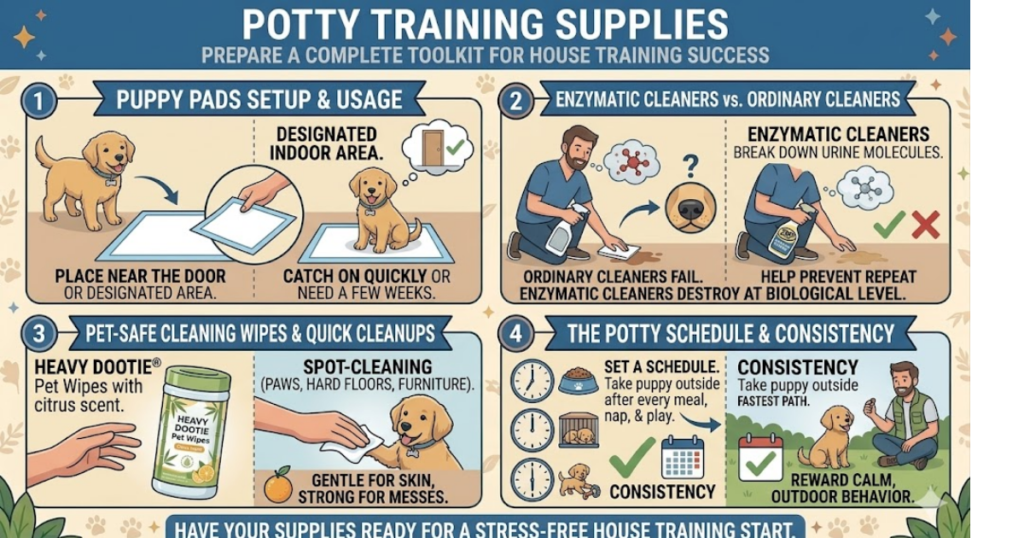
Accidents will happen on day one. Probably day two and day three as well. That’s completely normal. The key is being prepared so cleanup is quick and your floors stay protected.
Your potty training toolkit should include:
Puppy pads Place these near the door or in a designated indoor area for early-stage house training. Some puppies catch on quickly, while others need a few weeks.
Enzymatic cleaner Regular household cleaners don’t eliminate the odor molecules that draw your puppy back to the same spot. Enzymatic cleaners break down urine at a biological level, which helps prevent repeat accidents.
Pet-safe cleaning wipes Great for quick spot-cleaning on hard floors, furniture, or your puppy’s paws after outdoor trips. Heavy Dootie Pet Wipes with a citrus scent are a solid option they’re gentle enough for your puppy’s skin but strong enough to handle real messes.
Set a potty schedule and take your puppy outside after every meal, nap, and play session. Consistency is the fastest path to a fully house-trained dog.
Poop Bags and Waste Cleanup Gear
This might not be the most glamorous section of your puppy supplies checklist, but it’s one of the most used. From the first walk to every yard cleanup session, you’ll go through a lot of poop bags. Having the right supplies saves time, keeps your hands clean, and makes the whole process far less unpleasant.
Here’s what belongs on your list:
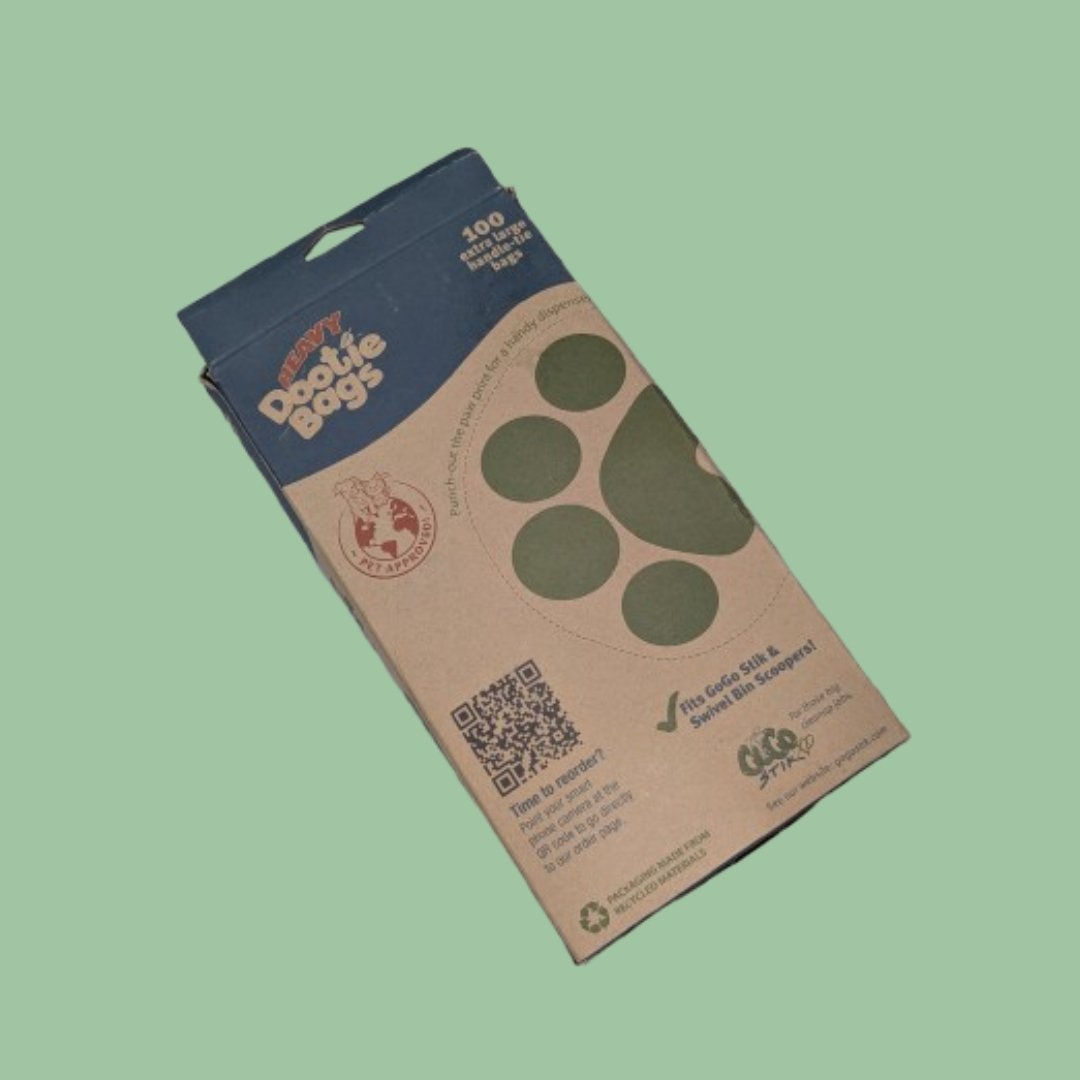
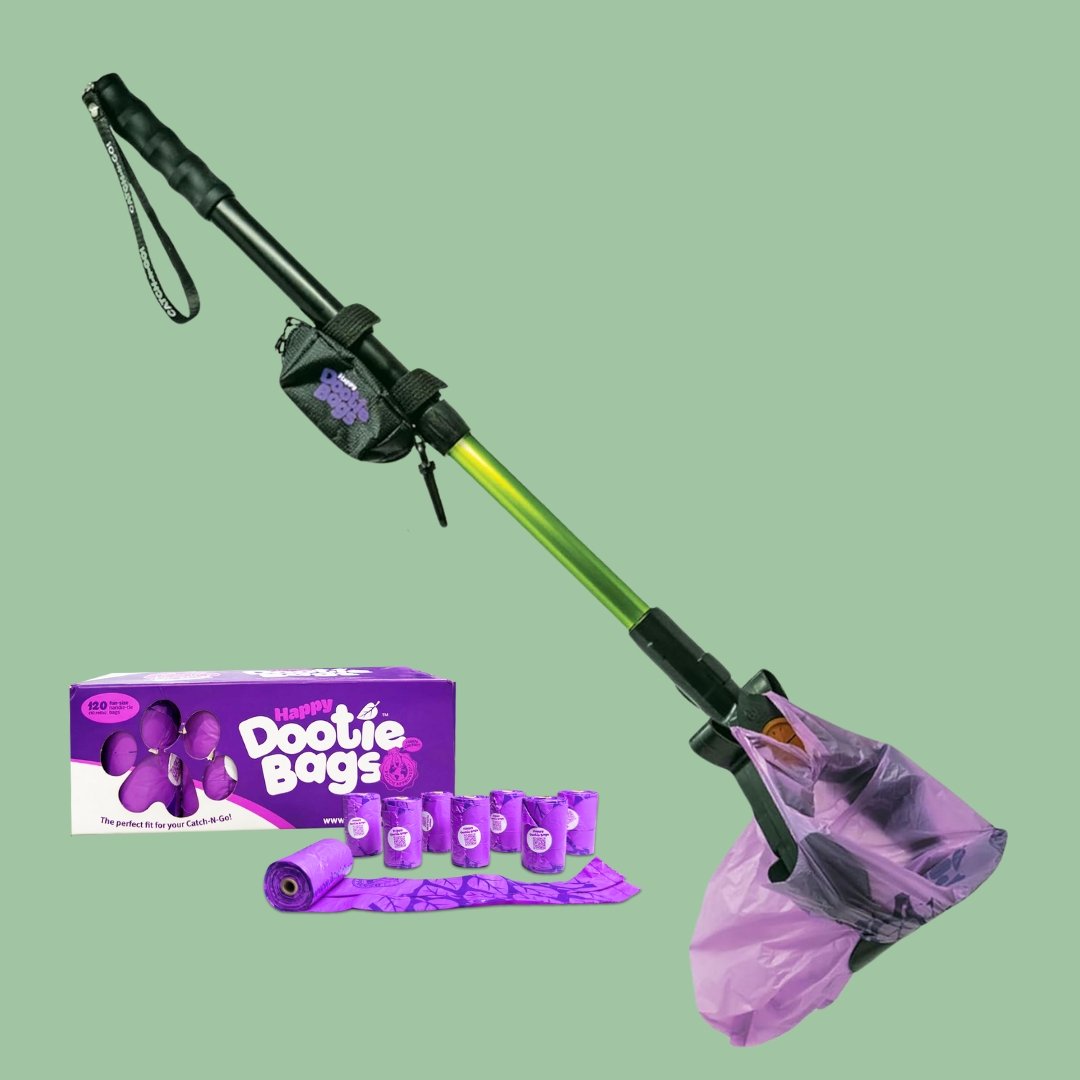
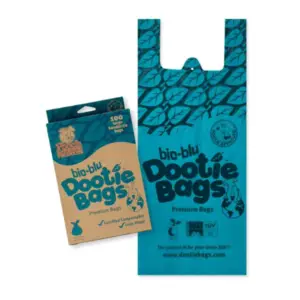
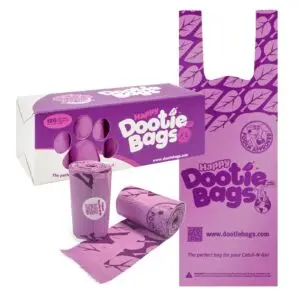
Poop bags (lots of them) Buy in bulk. You’ll use more than you think, especially in the early months. Look for bags that are thick, leak-proof, and large enough to handle any size mess. Heavy Dootie Poop Bags are extra-large and strong, designed for dogs of all sizes. If you prefer a scented option, try the citrus-scented Heavy Dootie Bags that mask odor effectively. For everyday walks, Happy Dootie Bags come in convenient rolls with tie handles. And if you want variety, the Heavy Dootie Bags Variety Pack lets you test different styles.
Bag dispenser A clip-on dispenser that attaches to your leash means you’ll never forget bags on a walk.
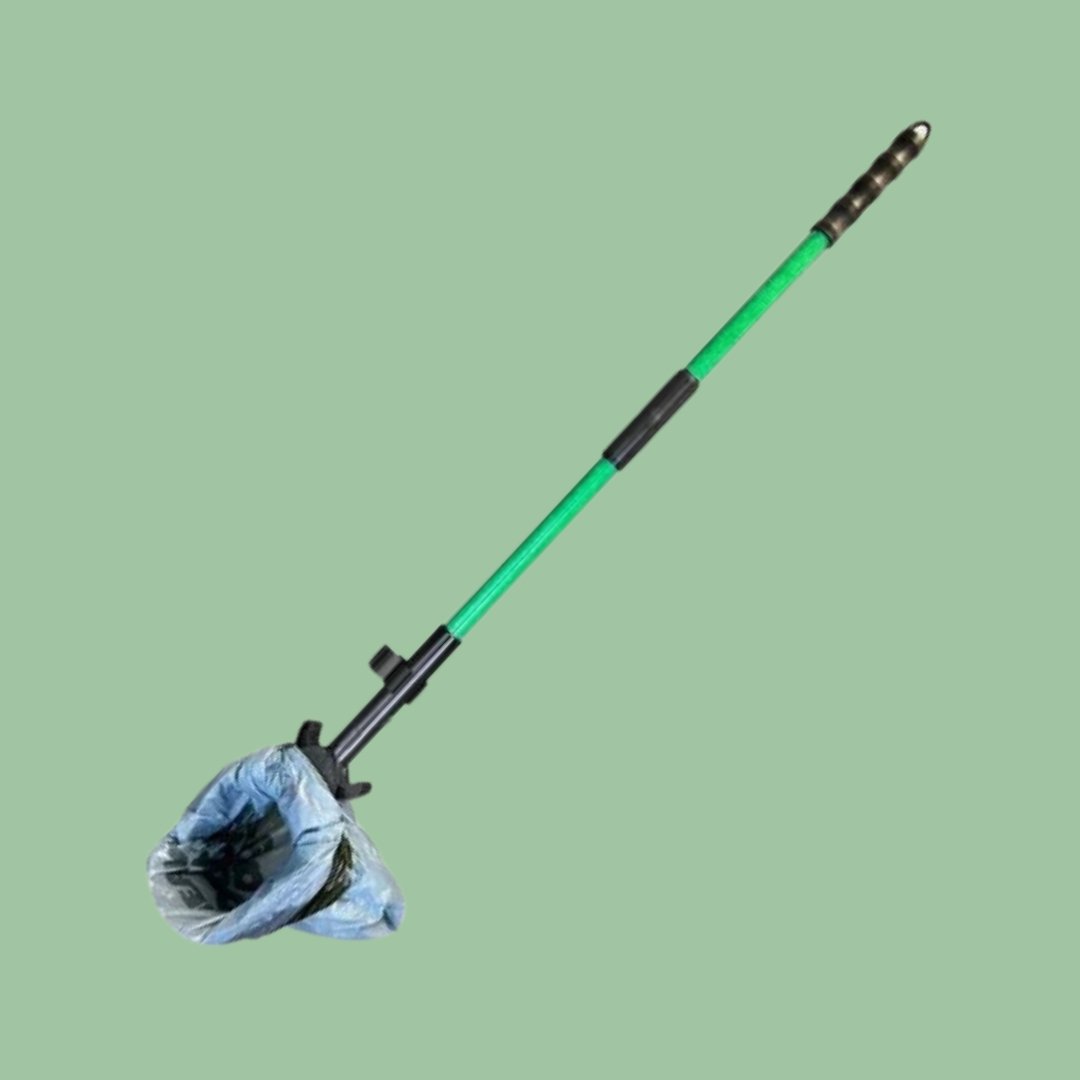
Pooper scooper A quality scooper is a game-changer for yard cleanup. Instead of bending over with a bag on your hand, a scooper lets you clean up quickly without back strain. The GOGO Stik XP Pooper Scooper Set pairs a scooper with a hybrid rake for fast, hands-free cleanup on grass, gravel, and other surfaces. For walks specifically, the Catch-N-Go Hybrid Catcher Scooper catches waste before it hits the ground meaning no scooping needed at all.
Yard cleanup set If you have a backyard, a dedicated scooper-and-rake setup saves serious time. The Scooper and Hybrid Rake Set with Heavy Dootie Bags comes bundled with 100 bags and works well for large-dog cleanup.
Pro tip: start yard cleanup habits early. Letting waste pile up attracts flies, creates odor, and can spread parasites. A weekly (or better yet, daily) cleanup routine keeps your yard safe and sanitary for your puppy.
Toys and Enrichment
Puppies chew on everything your shoes, your furniture, your hands. Providing the right toys channels that energy into something productive and protects your belongings at the same time.
Stock up on a mix of toy types:
Chew toys Puppies need to chew, especially during teething (which typically starts around 3–4 months). Rubber chew toys, nylon bones, and textured teething rings help soothe sore gums.
Interactive puzzle toys Puzzle feeders and treat-dispensing toys keep your puppy mentally stimulated. Mental exercise tires a puppy out just as much as physical play.
Plush toys Many puppies find comfort in a soft toy, particularly during their first nights away from their littermates. Choose one without small parts that could be swallowed.
Tug toys and rope toys These are great for interactive play sessions between you and your pup. Tug games also help teach your puppy impulse control when combined with basic commands like “drop it.”
Rotate toys every few days so your puppy doesn’t get bored. And always supervise playtime with new toys until you know how your puppy interacts with them.
Grooming Basics
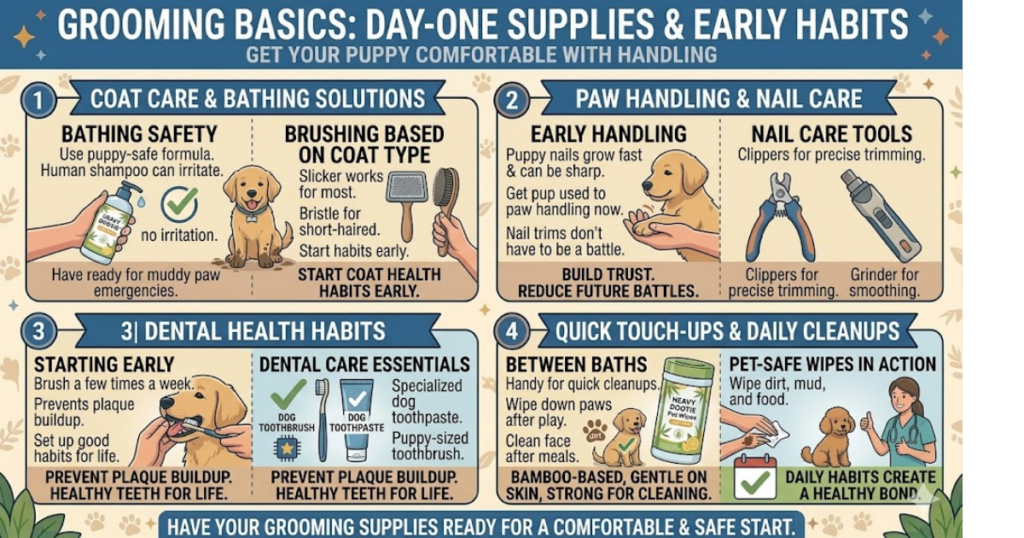
Starting grooming habits early helps your puppy get comfortable with being handled. Even breeds that don’t require frequent grooming benefit from regular brushing and nail trims.
Day-one grooming supplies include:
Puppy shampoo Use a formula made specifically for dogs. Human shampoo can irritate your puppy’s skin. You won’t need to bathe your puppy often, but having shampoo ready for muddy-paw emergencies is smart.
Brush or comb The type depends on your puppy’s coat. Slicker brushes work for most breeds, while bristle brushes are better for short-haired dogs.
Nail clippers or grinder Puppy nails grow fast and can become sharp. Get your pup used to having their paws handled early so nail trims don’t become a battle.
Dog toothbrush and toothpaste Dental care should start in puppyhood. Brushing your puppy’s teeth a few times a week prevents plaque buildup and sets up good habits for life.
Pet wipes Handy for between baths. Wipe down your puppy’s paws after outdoor play and clean around their face after meals. Heavy Dootie Pet Wipes are bamboo-based, gentle on skin, and strong enough for real cleaning.
Health and Veterinary Essentials
Schedule your first vet appointment within the first week of bringing your puppy home. This initial checkup covers vaccinations, parasite prevention, and a general health assessment.
What you should prepare:
Medical records from the breeder or shelter Bring any vaccination records, deworming history, and health certificates.
Vaccination schedule Puppies need a series of core vaccines between 6 and 16 weeks of age, with boosters following a set schedule. Your vet will outline a plan during the first visit.
Flea, tick, and worm prevention Ask your vet for a recommendation based on your area and your puppy’s age. Most preventative treatments can start early.
Pet first-aid kit Include gauze, antiseptic wipes, tweezers, a digital thermometer, and your vet’s emergency phone number.
Pet insurance Consider getting coverage before any health issues arise. Pet insurance can save thousands of dollars over your dog’s lifetime if unexpected illness or injury occurs.
Training Treats and Supplies
Training starts on day one. Even simple cues like “sit,” “stay,” and “come” build a communication foundation between you and your puppy. Positive reinforcement through treats is the most effective method for young dogs.
Your training kit should include:
Small training treats Choose soft, bite-sized treats so your puppy can eat them quickly during training sessions. Treats should make up less than 10% of your puppy’s daily calorie intake.
Treat pouch A pouch that clips to your belt or pocket keeps treats accessible during training walks and indoor sessions.
Clicker (optional) Clicker training helps mark desired behavior with a distinct sound, followed by a reward. Many dog trainers recommend this approach for puppies.
Baby gates Use gates to restrict your puppy’s access to certain rooms. This makes house training easier and keeps them safe from household hazards like stairs, kitchens, and garages.
Keep training sessions short five to ten minutes at a time is plenty for a young puppy. End each session on a positive note with a reward and praise.
Nighttime and After-Dark Supplies
Puppies need to go outside during the night, especially in the first few weeks. If you have a backyard, late-night potty trips are much easier when you can actually see what’s happening.
Reflective collar or clip If you walk your puppy near roads at dawn or dusk, a reflective collar or clip-on LED light makes them visible to drivers.
Puppy-Proofing Your Home
Before your puppy arrives, walk through your home at “puppy level” and remove or secure anything that could be dangerous.
Focus on these areas:
Electrical cords Tuck cords behind furniture or use cord covers. Chewing on live wires can cause burns or worse.
Toxic plants Many common houseplants (lilies, aloe, philodendrons) are toxic to dogs. Move them out of reach or remove them entirely.
Small objects Puppies put everything in their mouths. Pick up coins, hair ties, rubber bands, small toys, and anything else that could be swallowed.
Trash cans Use cans with secure lids or place them inside cabinets. Puppies love digging through garbage, which can lead to choking or ingestion of harmful foods like chocolate, grapes, or chicken bones.
Medications and cleaning supplies Store these in closed cabinets, not on low shelves or counters your puppy can reach.
Baby gates work well for blocking off rooms that haven’t been puppy-proofed yet.
Optional But Helpful Extras
Once you’ve covered the basics, a few bonus items can make life with a new puppy even smoother:
Treat-dispensing camera Lets you check on your puppy and toss them a treat remotely while you’re at work or running errands.
Calming aids A snuggle toy with a heartbeat simulator or a calming pheromone diffuser can help your puppy sleep through the night during the first week.
Car seat cover or travel crate If your puppy will ride in the car often, protect your seats and keep your pup secure with a crate or hammock-style seat cover.
EZ Dootie Rake For homeowners with a backyard, the EZ Dootie Rake is a standalone rake designed to pair with any GOGO Stik scooper for faster yard cleanup.
Quick-Reference Checklist
Food & Feeding
☐ Puppy food (same brand as breeder/shelter)
☐ Food and water bowls (non-slip)
☐ Slow-feeder bowl
☐ Portable water container
Collar, Leash & ID
☐ Adjustable collar
☐ ID tag with contact info
☐ 6-foot leash
☐ Harness
☐ Microchip appointment
Crate & Sleep
☐ Crate with divider
☐ Washable crate pad
☐ Puppy bed
Potty Training
☐ Puppy pads
☐ Enzymatic cleaner
☐ Pet-safe wipes
Poop Bags & Cleanup
☐ Poop bags (bulk supply)
☐ Bag dispenser
☐ Pooper scooper
☐ Yard cleanup set
Toys
☐ Chew toys
☐ Puzzle toys
☐ Plush toys
☐ Tug/rope toys
Grooming
☐ Puppy shampoo
☐ Brush or comb
☐ Nail clippers
☐ Toothbrush and toothpaste
☐ Pet wipes
Health & Vet
☐ Medical records
☐ Vet appointment scheduled
☐ Flea/tick/worm prevention
☐ First-aid kit
☐ Pet insurance
Training
☐ Training treats
☐ Treat pouch
☐ Clicker
☐ Baby gates
Nighttime
☐ Flashlight or clip-on light
☐ Reflective collar or clip
Final Thoughts
Getting a new puppy is a big commitment, but preparation makes all the difference. When you have the right supplies in place before day one, you can spend less time scrambling and more time bonding with your new best friend.
Start with the essentials on this checklist, adjust based on your puppy’s breed and size, and build from there. Your puppy doesn’t need everything to be perfect they just need a safe space, good food, the right tools, and a whole lot of your time and attention.
And don’t forget cleanup is a daily part of puppy life. Having reliable waste management tools like a GOGO Stik pooper scooper and dependable poop bags on hand from the start keeps your home clean and your routine stress-free.
Welcome to puppy parenthood. It’s messy, tiring, and absolutely worth every second.
Take Your Dog To Work Day falls on the Friday after Father’s Day each year — and it’s one of the most fun workplace traditions dog lovers can enjoy. Whether your office is a corporate building or a home setup, bringing your dog along makes the day better for everyone.
Bringing a dog into your home is one of the most rewarding decisions you can make. Yet, before you sign those adoption papers, there are several factors every future dog owner should consider carefully. From choosing the right breed to setting up a clean and safe environment, preparation makes all
Bringing a new baby home is one of the most exciting milestones in any family’s life. But if you have a dog, the transition requires careful planning. Dogs are creatures of routine, and the arrival of a newborn can feel overwhelming and confusing for them. The good news is that