


Dog Health & Wellness
Dog Butt Wipes: 6 Easy Checks for a Safe Choice
Dog butt wipes buyer’s guide: when your dog needs one, the 6 specs that matter, why baby wipes fail, and the signs that mean a vet visit, not more wiping.

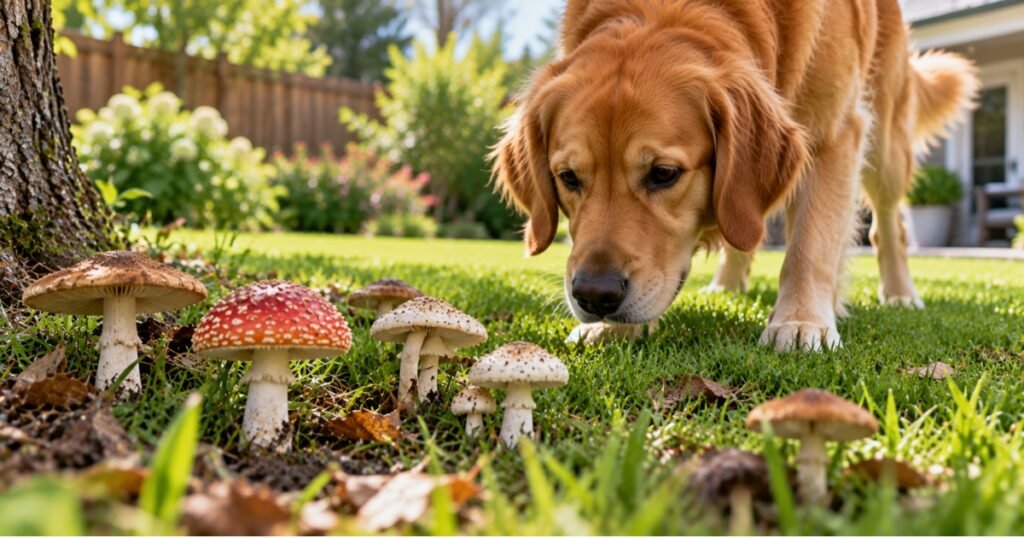
Every fall, a fresh crop of fungi pops up across shady, damp lawns overnight — and if you share your yard with a curious pup, that’s a problem. Knowing which mushrooms toxic to dogs might be sprouting in your grass can genuinely save your dog’s life. Because dogs explore the world nose-first, a single toxic mushroom snapped up on a morning potty break can lead to a terrifying emergency vet visit.
In this guide, we’ll walk through the most dangerous yard mushrooms in the US, the warning signs of poisoning, and the simple cleanup habits that keep your lawn safe. As the folks behind GoGo Stik no-touch scoopers, we spend a lot of time thinking about clean, hazard-free yards — so let’s dig in.
Here’s the hard truth: identifying wild mushrooms is difficult even for trained mycologists. Many toxic species look nearly identical to harmless ones, and toxicity can vary by region, season, and growth stage. That’s why the ASPCA and most veterinarians recommend treating every unknown yard mushroom as potentially poisonous.
Dogs are especially vulnerable for a few reasons:
According to the ASPCA Animal Poison Control Center, mushroom calls spike during warm, wet stretches of spring and fall — exactly when your grass looks its greenest.
While thousands of mushroom species exist, a handful cause the majority of serious canine poisonings. These are the yard offenders every dog owner should recognize.
The Amanita phalloides (death cap) and Amanita ocreata (destroying angel) are the deadliest. They contain amatoxins that attack the liver and kidneys. Look for a smooth cap, white gills, and a cup-like base. Even a small bite can be fatal.
These small brown “little brown mushrooms” contain muscarine, which triggers drooling, tearing, and severe GI distress. They’re common in lawns and near tree roots.
Often growing on decaying wood or mulch, this species also contains liver-destroying amatoxins and is easily mistaken for harmless varieties.
With brain-like, wrinkled caps, false morels contain a toxin that can cause seizures and liver damage.
These hallucinogenic mushrooms cause disorientation, tremors, and agitation in dogs — a scary and dangerous reaction.
Use this at-a-glance table to understand relative risk. Remember: unless you’re a mushroom expert, assume any wild mushroom is unsafe.
| Mushroom Type | Toxicity Level | Main Danger |
|---|---|---|
| Amanita (Death Cap/Angel) | Deadly | Liver & kidney failure |
| Galerina marginata | Deadly | Amatoxin poisoning |
| Inocybe / Clitocybe | High | Muscarine (GI & nervous) |
| Gyromitra (False Morel) | High | Seizures, liver damage |
| Psilocybe / Panaeolus | Moderate–High | Hallucinations, tremors |
| Puffballs (unknown stage) | Variable | Possible GI upset |
Signs can appear within 15 minutes or be delayed for hours — sometimes days with amatoxins. Never “wait and see.” Watch for:
If you suspect your dog ate a wild mushroom, call your vet or the ASPCA Poison Control hotline immediately. If you can safely grab a sample of the mushroom in a paper bag, it helps vets identify the toxin.
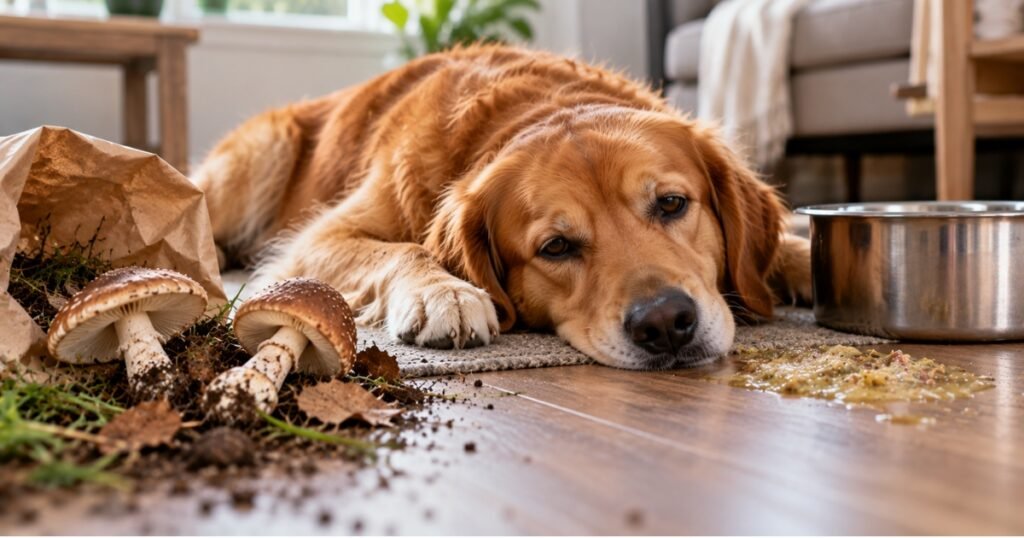
The best defense is a clean, dry, well-maintained yard. Here’s our field-tested routine after years of helping dog owners keep lawns safe:
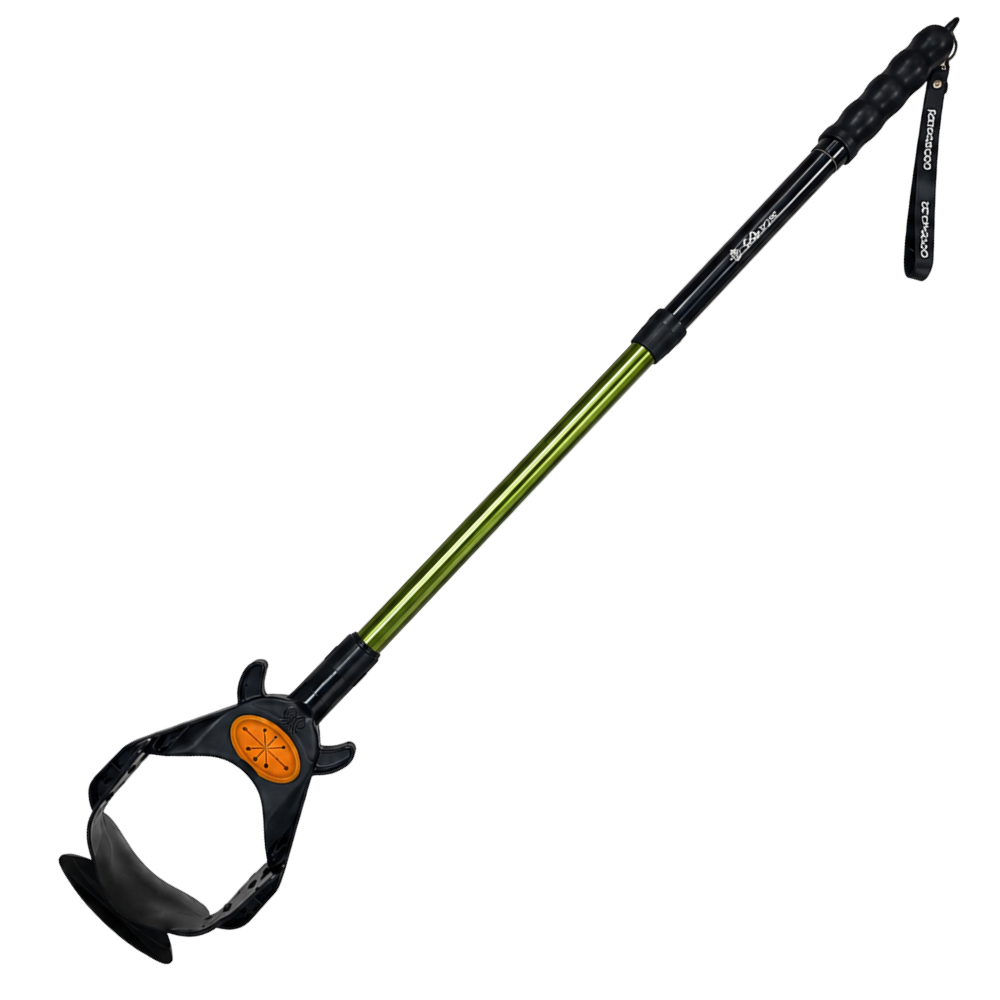
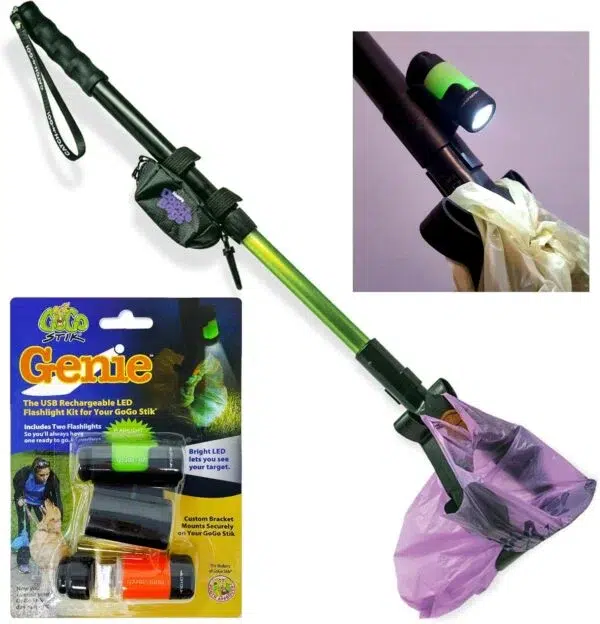
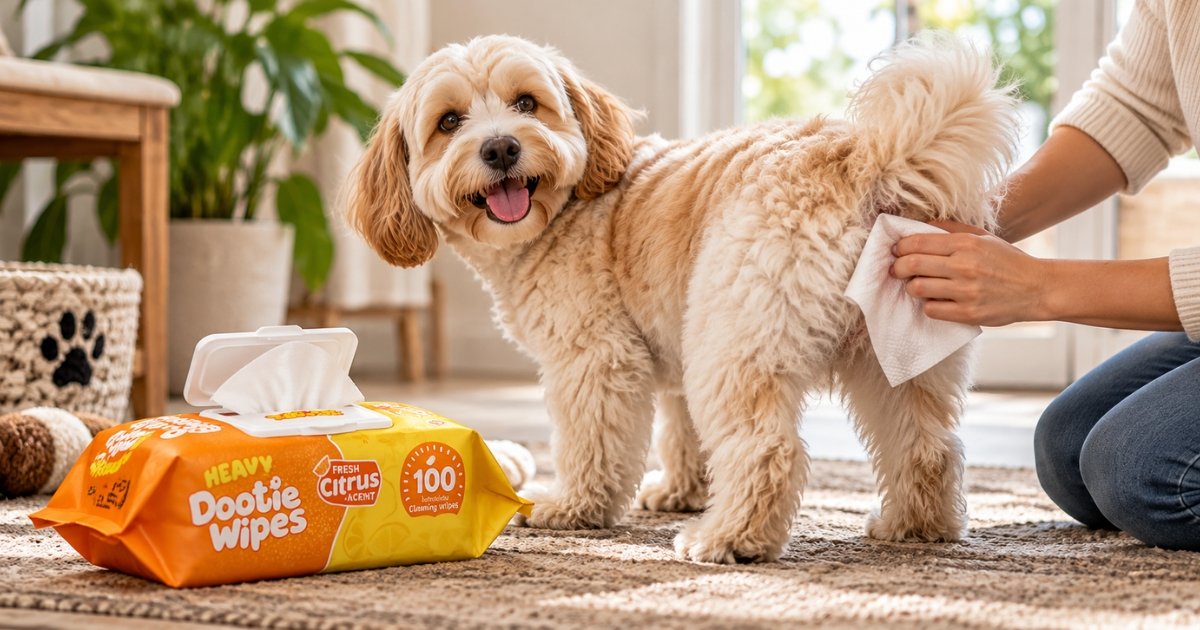
One original tip we swear by: keep a dedicated no-touch tool by the door. When you spot a mushroom on a walk-through, you can scoop and bag it instantly without bare-hand contact — many toxins can transfer through skin. A rake-and-scooper combo like our XP Pro scooper and rake set handles both mushrooms and waste in one pass, and pairs perfectly with our Dootie Wipes and bags bundle for a truly hands-off cleanup.
No — most wild mushrooms are actually non-toxic. However, because dangerous and harmless species look nearly identical, you should treat every unknown yard mushroom as potentially toxic to dogs and remove it before your pup can reach it.
It depends on the toxin. Muscarine-type mushrooms can cause drooling and vomiting within 15–30 minutes, while deadly amatoxin mushrooms may show no symptoms for 6–24 hours before causing liver failure. Always seek help immediately, even if your dog seems fine.
Don’t wait. Call your veterinarian or the ASPCA Animal Poison Control Center right away, note the time, and if possible collect a sample of the mushroom in a paper bag. Early treatment dramatically improves outcomes.
Yes. Dog waste adds moisture and nutrients that many fungi feed on. Consistent, prompt scooping — plus good yard drainage — makes your lawn far less hospitable to the mushrooms toxic to dogs.
Toxic mushrooms are one of fall’s sneakiest yard hazards, but a quick daily sweep and consistent waste cleanup keep the risk low. When you make scooping effortless, you’re far more likely to catch those hidden dangers before your dog does. Ready to build a safer, cleaner lawn? Explore our patented no-touch scoopers and bundles at the GoGo Stik shop — or start at our homepage to find the right set for your yard.

Alec Beaton is the Founder & Inventor of Pooch Approved Products and GoGo Stik®. Inspired by real-life pet parenting, he turns everyday cleanup challenges into simple, innovative solutions that make life better for pets and their people.
Dog butt wipes buyer’s guide: when your dog needs one, the 6 specs that matter, why baby wipes fail, and the signs that mean a vet visit, not more wiping.
Dog upset stomach? Use this vet-informed home-care checklist to soothe nausea, spot red flags, and know exactly when to call the clinic.
Dog vomiting and diarrhea? Stay calm. Learn what’s normal, when to call the vet, and simple at-home steps to help your dog recover fast.