Home/Blogs/Is It Okay to Leave Your Dog Alone? How To Leave Your Dog Alone at Home With Help From Pee Pads
Is It Okay to Leave Your Dog Alone? How To Leave Your Dog Alone at Home With Help From Pee Pads
If you have ever stood at your front door, keys in hand, feeling guilty about leaving your dog home alone, you are certainly not the only one. Many pet parents struggle with this moment because they worry about accidents, anxiety, or what they might find when they return. The good news is that with the right preparation and tools like pee pads, you can leave home confidently knowing your dog is comfortable, safe, and has everything they need.
This guide will walk you through practical steps to prepare your home, train your dog for alone time, and use pee pads as a supportive solution that gives both you and your pup peace of mind.
Is It Okay to Leave Your Dog Alone?
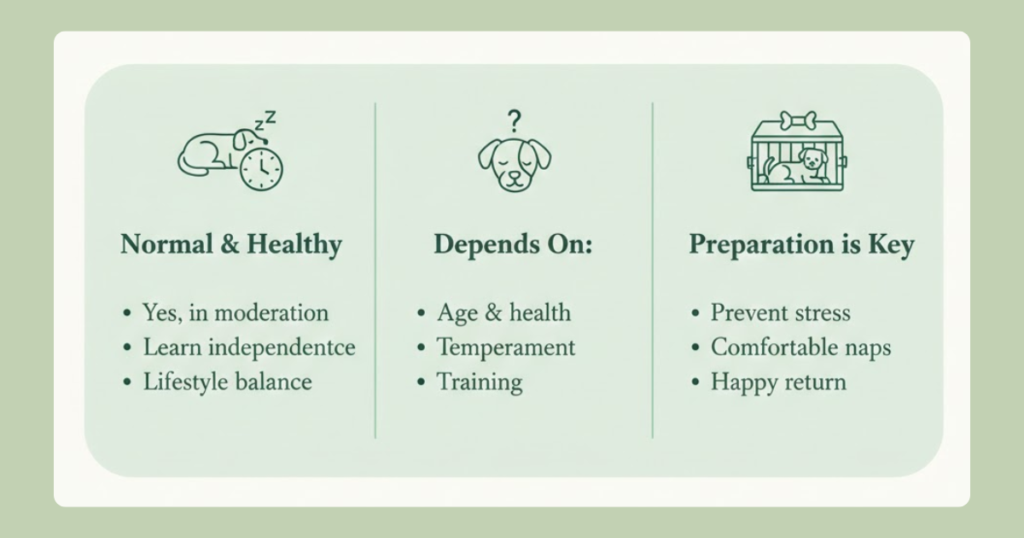
Yes, it is perfectly normal and healthy for dogs to spend some time alone. However, the key word here is “some.” Dogs are social animals, yet learning independence is an important part of their development and your lifestyle balance. The duration your dog can handle alone depends on their age, health, temperament, and training. Therefore, proper preparation makes all the difference between a stressed-out pup and one who comfortably naps until you return.
Dog Alone-Time Guidelines by Age
For puppies under 6 months old, the general rule is 1 hour per month of age, with a maximum of 4 hours. Young pups have small bladders, so they need frequent potty breaks. Adult dogs between 1 and 7 years old can typically handle up to 6-8 hours alone, though shorter periods are ideal when possible. Senior dogs aged 7 years and older have varying needs based on their health and mobility. Some seniors need more frequent breaks due to incontinence or medical conditions.
How To Prep Your Home And Your Dog for Alone Time
Success starts before you ever walk out the door. Creating the right environment and establishing routines helps your dog feel secure when you are away. By following these steps, you can build a foundation that supports your dog’s comfort and independence.
Create a Safe and Calm Environment
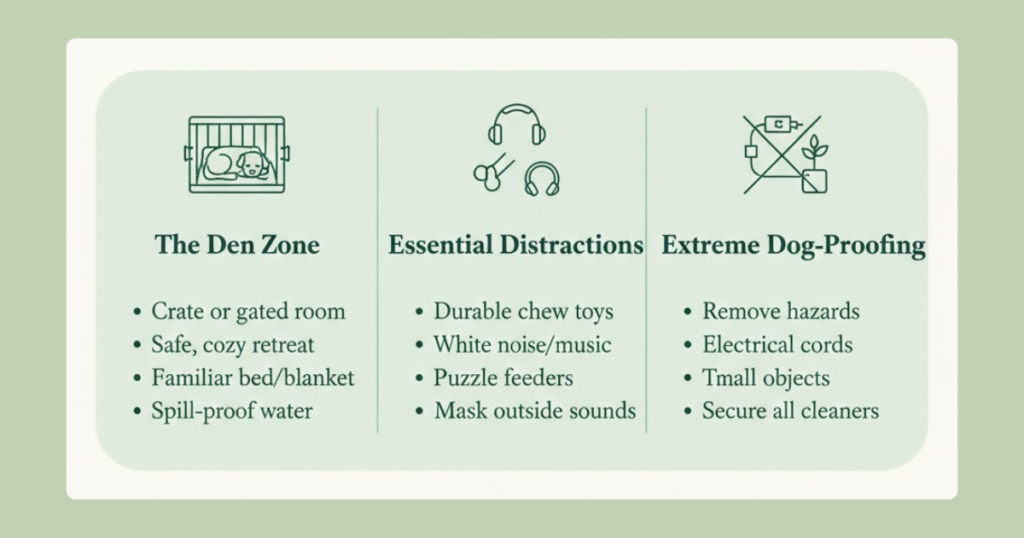
Start by designating a specific area where your dog will stay while you are gone. This could be a laundry room, kitchen area blocked off with baby gates, or a properly sized crate for dogs who are crate-trained. The space should feel like a safe den rather than a punishment zone.
Set up the space with safe chew toys that are durable and cannot be destroyed and swallowed. Include comfort items like a bed or blanket with your scent, and always make sure water is available in a spill-proof bowl. For ambient noise, consider using white noise machines, soft music, or a TV left on at low volume to mask outside sounds that trigger barking. In addition, remove anything potentially dangerous such as electrical cords, toxic plants, small objects that could be swallowed, or items you do not want destroyed. Think of it as extreme puppy-proofing, even for adult dogs. After your walk with a pooper scooper, make sure to store it safely away from your dog’s area.
Use Pee Pads to Reduce Accidents and Anxiety
This is where pee pads become your secret weapon. Even house-trained dogs can have accidents when left alone for extended periods, especially if they are anxious or cannot physically hold it. Pee pads give your dog an appropriate place to go, which reduces their stress and protects your floors.
Pee pads provide a designated potty option during long stretches, reduce anxiety for dogs who worry about having accidents, and give pet parents peace of mind, especially during unpredictable days. They also support puppies still learning bladder control and help senior dogs with mobility issues or incontinence.
Proper Pee Pad Placement Tips
Position pads in a corner or against a wall because dogs naturally prefer eliminating in these spots. When possible, place pads on hard surfaces rather than carpet. Keep pads away from food, water, and sleeping areas. Also, use pee pads with adhesive tabs to prevent sliding and bunching. Once you are ready for outdoor cleanup, the Catch N Go Hybrid Catcher Scooper makes yard cleanup simple and efficient.
Best Times to Use Pee Pads for Dogs
Understanding when pee pads work best will help you make the right decision for your dog. Here is a breakdown of common situations where pee pads provide significant benefits:
Situation
Why Pee Pads Help
Puppies under 6 months
Limited bladder control means they cannot hold it for long periods
Extended work days
Provides relief during 6-8 hour absences
Senior dogs
Supports mobility issues and age-related incontinence
Apartment living
Indoor option when quick outdoor access is not available
Bad weather days
Alternative when going outside is not safe or practical
Recovery periods
Helps dogs healing from surgery or illness
Training Your Dog to Be Comfortable Alone
Even with the perfect setup, your dog needs gradual training to feel confident when you are not there. This process takes time and patience, but the results are worth the effort.
Gradual Alone-Time Training
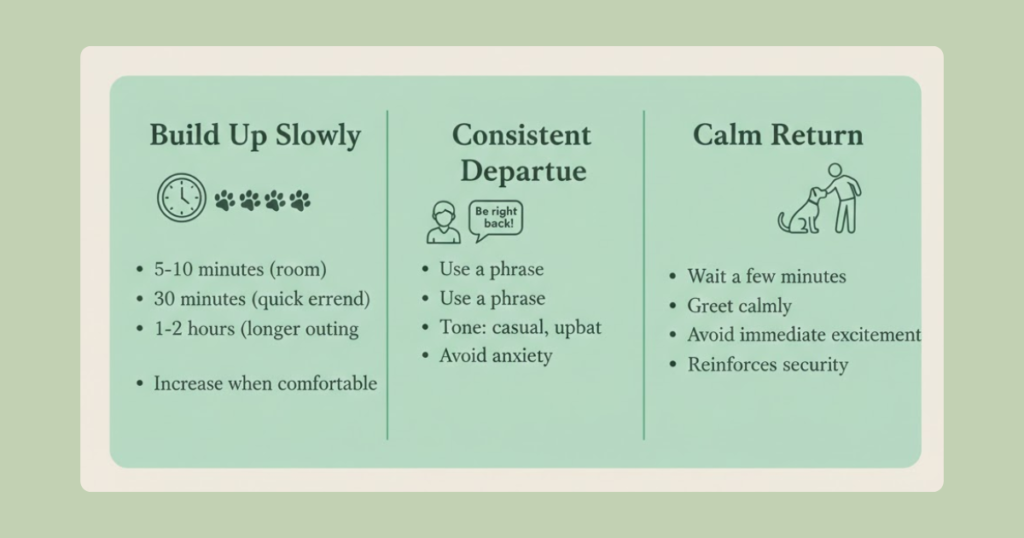
Start small and build up slowly. Do not make your first departure an eight-hour workday. Instead, begin with 5-10 minutes by leaving the room and then returning calmly without fanfare. After that, extend to 30 minutes by leaving the house briefly to run a quick errand. Once your dog is comfortable, build up to 1-2 hours with a longer outing while monitoring how your dog responds. Finally, work up to your typical absence, and only increase duration when your dog shows comfort at each level.
Use a consistent departure phrase like “Be right back!” This simple cue helps your dog understand you are leaving but will return. Keep your tone casual and upbeat, not anxious or apologetic. When you return, wait a few minutes before greeting your dog. Coming home to immediate excitement and attention actually reinforces anxiety about your departure. Instead, put away your things and then greet your dog calmly once they have settled down.
Reinforce Positive Associations
Make alone time something your dog looks forward to rather than dreads. Offer a special treat-dispensing toy just before leaving, something they only get during alone time, like a frozen Kong stuffed with peanut butter. At the same time, avoid long, emotional goodbyes that signal something unusual is happening. Keep departures boring and routine instead.
Use scent items like a worn t-shirt to provide comfort through your familiar smell, and establish a pre-departure routine that is calm and predictable. Remember this important point: never use pee pads as punishment. Your dog should associate them with calm, routine bathroom breaks rather than negative experiences. Scolding a dog for missing the pad creates anxiety that worsens the problem. Before leaving, make sure you have cleaned up outside using heavy dootie poop bags to keep your yard fresh and inviting for when you return.
Troubleshooting Common Alone-Time Problems
Even with preparation, you might encounter challenges. Here is how to address the most common issues that pet parents face.
Barking or Whining
This often signals separation anxiety or boredom. To address it, increase exercise before you leave because a tired dog is a quiet dog. Consider puzzle toys for mental stimulation as well. If barking persists, consult a trainer about desensitization techniques. Most importantly, do not return during barking episodes because this rewards the behavior.
Chewing or Destructive Behavior
This usually indicates anxiety, boredom, or excess energy. Provide appropriate chew outlets and ensure your dog gets adequate physical and mental exercise. Gradually increase alone time so your dog does not feel overwhelmed. Also, consider whether your dog needs more activity before being left alone. A good walk with your dog waste cleanup kit handy can help tire them out while keeping your neighborhood clean.
Accidents Outside the Pee Pad Area
This could mean the pad is not in the right location, your dog is not properly trained to use it, or you are leaving them alone longer than they can manage. Review placement since dogs prefer corners and areas away from their food and water. Practice pee pad training when you are home, and consider whether your absence duration exceeds your dog’s capabilities.
Frequently Asked Questions
How long can I leave my dog alone with a pee pad?
With a pee pad, adult dogs can typically manage 6-8 hours, though shorter periods are ideal. Puppies should follow the one-hour-per-month-of-age guideline with a maximum of 4 hours. Senior dogs vary based on health, and some need breaks every 4-6 hours. Pee pads extend safe alone time by providing a bathroom option, but they do not replace the need for exercise, interaction, and outdoor time.
Are pee pads bad for house training?
No, when used correctly, pee pads do not interfere with house training. They provide a designated indoor potty area, which is especially helpful for puppies, senior dogs, or situations where outdoor access is limited. The key is consistency. If your goal is eventual outdoor-only pottying, gradually transition by moving the pad closer to the door, then outside, and then eliminating it entirely. For apartment dwellers or senior dog owners, pee pads can be a permanent and practical solution.
Should I crate my dog or use a pee pad?
The answer depends on your dog and situation. Crate-trained dogs who can hold their bladder for your absence duration do well in crates, which provide security and prevent destructive behavior. However, if you are gone longer than your dog can comfortably hold it, a pee pad in a larger confined area is more humane. Puppies and senior dogs especially benefit from pee pad access. You can also combine approaches by using a crate for short absences and a gated area with a pee pad for longer ones.
How do I stop my dog from barking when alone?
Address barking by ensuring adequate exercise before you leave. A 30-minute walk or play session tires your dog and reduces anxiety. Provide mental stimulation through puzzle toys or treat-dispensing toys. Practice gradual desensitization to alone time starting with very short absences. Use white noise or calming music to mask triggering sounds. Never return during barking episodes because this rewards the behavior. If barking persists despite these efforts, consult a professional trainer about separation anxiety protocols. After your walks, use the EZ Dootie Rake to quickly clean your yard before heading out.
What age can dogs stay home alone without accidents?
Most dogs achieve reliable bladder control around 6-8 months old, though this varies by breed and individual. Smaller breeds often take longer to house-train than larger breeds. Even house-trained adult dogs may have accidents during long absences or when experiencing anxiety. Providing a pee pad gives dogs of any age an appropriate option, which reduces stress and prevents accidents on carpets or furniture. Senior dogs may develop incontinence regardless of training, making pee pads valuable throughout their life.
Leave Home with Confidence
Learning to leave your dog alone at home does not have to be stressful for either of you. With the right preparation, including a safe space, gradual training, and supportive tools like pee pads, you can feel confident that your dog is comfortable and cared for while you are away.
Pee pads are not a sign of failure. Instead, they are a practical solution that reduces anxiety for dogs and gives pet parents peace of mind. Whether you are training a puppy, caring for a senior dog, or simply need a backup plan for long days, pee pads support your dog’s needs and protect your home.
Ready to set your dog up for success? Check out GOGO Stik’s complete line of dog waste bags and pooper scooper products for everything you need to keep your home and yard clean. A well-prepped home equals a happier pup and more freedom for you, and that is a win for everyone.
How Many Times Do Dogs Poop in a Day :Most dog owners ask this exact question but get conflicting answers from friends, forums, and even some pet care guides. Figuring out how many times dogs poop in a day becomes really important when you notice changes in your pet’s bathroom
Essential Supplies and Planning Tips How to Prepare Self-Isolation Pet Owner: Nobody expects to be stuck at home for weeks. But when it happens, pet owners face a real problem. Your furry friends don’t understand why routines change, and they’re going to need just as much care when you can’t
Your kitchen’s already loaded with safe, nutritious treats for your dog. Most owners don’t realize this. While you’re spending big money on commercial treats packed with preservatives, simple human foods for dogs sitting in your pantry cost less and offer way better nutrition. These wholesome options strengthen your bond with