




Pooper Scoopers
Dog Poop Vacuum: Worth It? 7 Real Questions to Ask
Can a dog poop vacuum really clean your yard? Here is how suction, powered scoopers and yard robots work, what they struggle with, and what to buy.

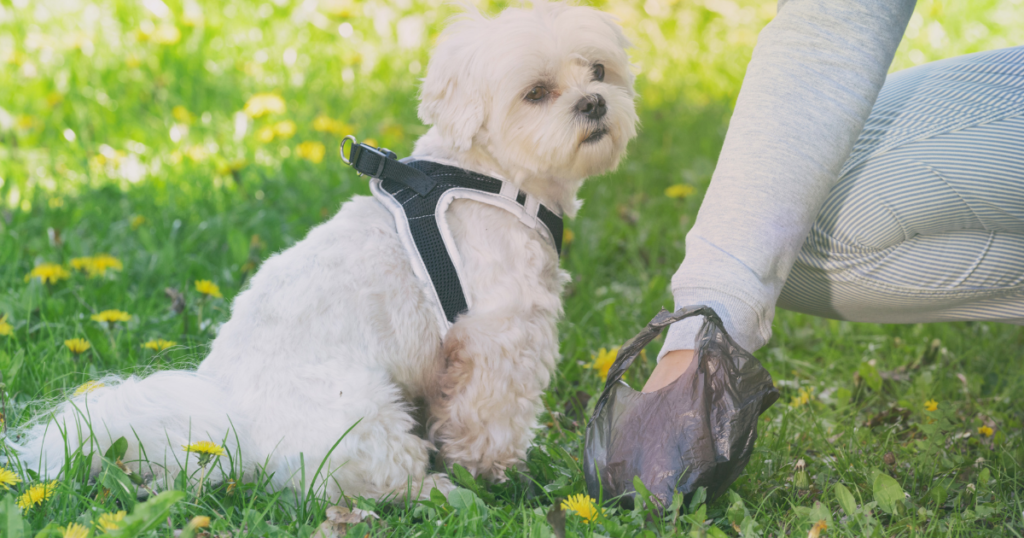
How Many Times Do Dogs Poop in a Day :Most dog owners ask this exact question but get conflicting answers from friends, forums, and even some pet care guides. Figuring out how many times dogs poop in a day becomes really important when you notice changes in your pet’s bathroom habits or need to plan your daily cleanup routine. New puppy, adult dog, or senior companion? Knowing what’s normal helps you spot potential health concerns early and manage waste cleanup way more effectively.
At GoGoStik, we’ve worked with thousands of pet owners who deal with daily waste management challenges. We understand that every dog is unique, and their bathroom frequency varies based on a lot of different factors. This guide gives you clear answers about normal pooping frequency while offering practical solutions for hands-free cleanup that gets rid of bending, touching, and mess from your daily routine.
Most healthy adult dogs poop between 1 and 3 times per day. The majority average around 2 times daily. This frequency typically happens after meals, as the digestive process gets bowel movements going naturally.
Some dogs stick to a predictable schedule. Once in the morning and once in the evening. Others might have three smaller movements throughout the day. The range can extend from once every other day to up to 5 times daily and still be considered normal, depending on your dog’s individual characteristics.
Puppies under 12 weeks often poop 4 to 6 times per day because of their developing digestive systems and frequent feeding schedules. Senior dogs may experience changes in frequency due to slower metabolism, medication effects, or underlying health conditions. What matters most is consistency in your dog’s personal pattern. A dog that normally goes twice daily shouldn’t suddenly drop to once every few days or jump to 5 times without an obvious reason like dietary changes. Individual variation is completely normal, so focus on what’s typical for your specific pet rather than comparing to other dogs.
Several key factors influence your dog’s bathroom frequency. You need to understand these variables when evaluating what’s normal for your pet.
Puppies between 8 and 16 weeks typically poop 4 to 6 times daily. Their digestive systems are still developing and they eat smaller, more frequent meals. Young puppies also have less bowel control and faster metabolisms, which leads to more frequent elimination needs.
Adult dogs usually settle into 1 to 3 bathroom breaks per day once their digestive systems mature and they transition to regular feeding schedules. Most adult dogs develop predictable patterns that line up with their meal times and walk schedules.
Senior dogs? That’s where things can get tricky. They may experience increased or decreased frequency due to slower digestion, medication side effects, reduced activity levels, or age-related health changes. Some older dogs need more frequent bathroom breaks, while others may become less regular.
High-fiber diets typically increase how many times dogs poop in a day. Fiber adds bulk to stool and gets bowel movements moving. Foods with ingredients like pumpkin, sweet potato, or added fiber supplements often result in more frequent elimination.
Feeding schedules directly impact bathroom timing. Most dogs need to poop within 30 minutes to 4 hours after eating. Dogs fed twice daily usually develop two primary bathroom times. Those eating once daily may go less frequently but produce larger amounts.
Food quality affects digestive efficiency big time. Higher-quality foods with better digestibility may result in less waste production, while lower-quality foods with fillers can increase both frequency and volume.
Small dog breeds often poop more frequently than large breeds. Sometimes 3 to 4 times daily, due to faster metabolisms and smaller stomach capacity requiring more frequent meals. Toy breeds like Chihuahuas or Yorkshire Terriers may need bathroom breaks every 4 to 6 hours.
Large and giant breeds typically produce larger amounts less frequently. Often 1 to 2 times per day. Great Danes, German Shepherds, and other large dogs usually have slower metabolisms and can go longer between bathroom breaks.
Ready for mess-free cleanup? Call now for order at +1 (315) 264-5210 and discover our ergonomic pooper scooper solutions.
While variation in how many times dogs poop in a day is normal, certain changes need attention from your veterinarian.
Sudden increases or decreases in frequency without obvious dietary or routine changes can mean digestive issues, stress, or underlying health problems. Watch for consistency changes alongside frequency shifts. Loose stools, diarrhea, really hard pellets, or blood in the stool require immediate veterinary evaluation regardless of how often your dog is going.
Straining, crying, or showing discomfort during elimination also signals potential problems. Dogs that haven’t pooped in 48 hours or longer may be dealing with constipation, blockages, or other serious conditions requiring prompt medical care. On the flip side, dogs suddenly having 6 or more loose movements daily need evaluation for infections, dietary indiscretions, or inflammatory conditions.
Other concerning signs include loss of appetite, lethargy, vomiting alongside bathroom changes, or behavioral shifts like hiding or avoiding normal activities. Trust your instincts about your dog’s normal patterns and talk to your veterinarian when something feels off.
Multi-dog households face way more waste management challenges. Some families deal with 6 to 15 cleanup sessions daily depending on the number and size of their pets. This frequency makes efficient, hygienic cleanup tools needed for maintaining sanitary conditions without spending too much time on waste removal.
Planning cleanup routes through your yard helps. So does establishing regular collection schedules to manage the increased volume effectively. Many multi-dog owners find success with morning and evening cleanup sessions using extra-large, leakproof bags that can handle multiple collections in one trip.
Ergonomic tools become particularly valuable when dealing with frequent cleanups. Traditional methods requiring repeated bending and squatting can cause back strain and discomfort. No bending, no touching, no mess solutions let you maintain cleanliness without physical stress throughout multiple daily collections.
Think about establishing designated bathroom areas in your yard to concentrate waste in specific zones. This makes cleanup more efficient and keeps play areas cleaner for both pets and family members.

Managing daily dog waste becomes much easier with the right equipment designed for frequent use and maximum hygiene.
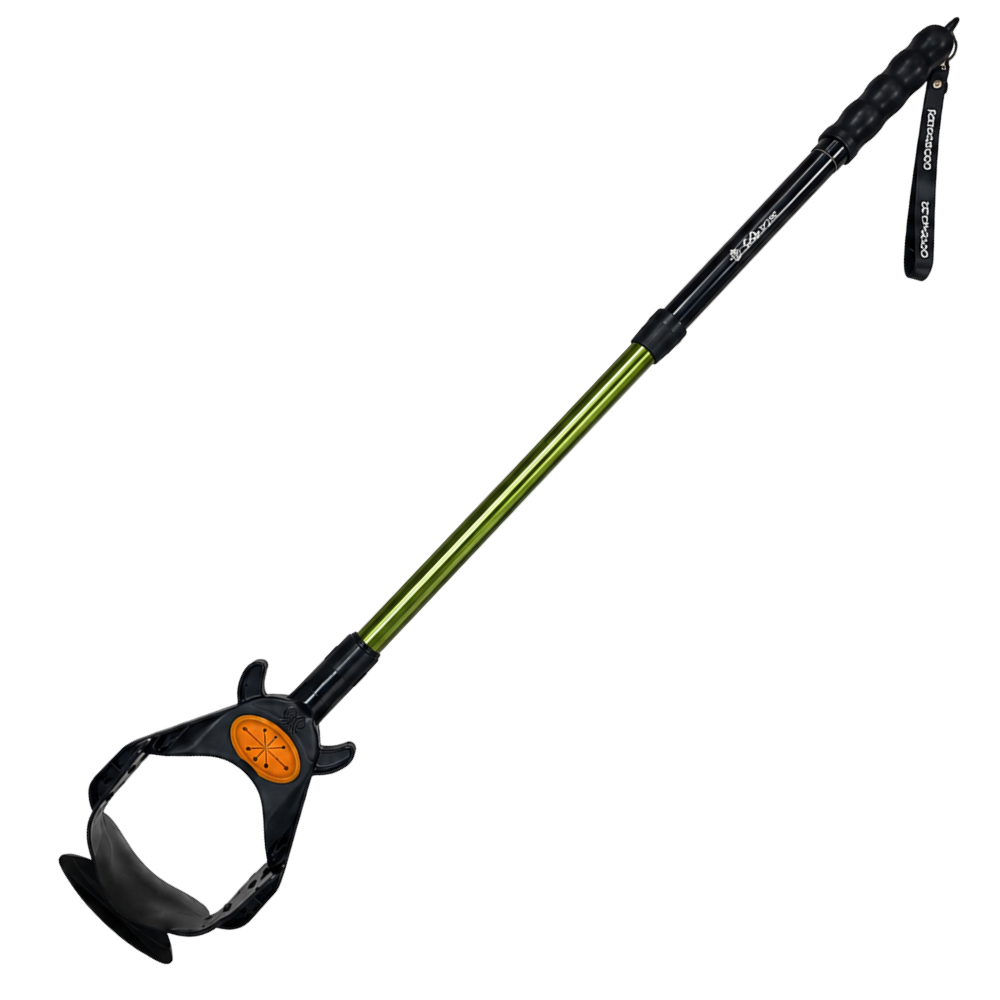
Modern pooper scoopers get rid of the need for bending, touching, and dealing with mess while providing efficient waste collection for daily use. The Catch-N-Go hybrid system combines scooping and bagging in one motion. Multiple daily cleanups become quick and convenient.
These tools work great for pet owners who need to clean up several times throughout the day. They reduce physical strain and keep hands completely away from waste material. Professional-grade scoopers handle all dog sizes and work effectively on various surfaces from grass to concrete.
Extra-large capacity bags accommodate waste from dogs of all sizes while providing leakproof protection during collection and disposal. Heavy Dootie Bags feature reinforced construction that prevents tears and leaks even with frequent daily use.
Quality bags become needed when dealing with multiple cleanups per day. Thin or inadequate bags can create hygiene issues and require double-bagging that wastes time and materials. Durable bags with secure closure systems maintain cleanliness from pickup to final disposal.
Setting up regular feeding schedules promotes predictable bathroom habits that benefit both you and your dog. Most dogs develop reliable patterns when meals happen at consistent times, typically resulting in bathroom needs 30 minutes to 2 hours after eating.
Morning, midday, and evening walk timing helps regulate your dog’s natural elimination schedule. Many dogs adapt to going first thing in the morning, sometime during midday, and once in the evening when given consistent opportunities.

Routine benefits go beyond convenience. Predictable schedules reduce anxiety in dogs and make it easier to identify when something is wrong with their normal patterns. Dogs thrive on consistency, and regular bathroom schedules contribute to overall behavioral stability.
Adjust timing based on your dog’s natural preferences rather than forcing an arbitrary schedule. Some dogs naturally need to go immediately after meals. Others prefer bathroom breaks before eating. Work with your pet’s tendencies to create a sustainable routine.
Most healthy adult dogs poop 1 to 3 times daily, with 2 times being the average. Puppies may go 4 to 6 times per day, while senior dogs may have varying frequencies based on health and activity levels.
Yes, this frequency can be normal, especially for puppies, small breeds, or dogs eating high-fiber diets. As long as the stool consistency is normal and your dog shows no signs of distress, higher frequency may be their individual pattern.
This can be completely normal for some dogs, particularly larger breeds or those on lower-fiber diets. Monitor for signs of straining or discomfort, and make sure your dog is drinking adequate water and getting regular exercise.
Puppies typically go 4 to 6 times daily due to developing digestive systems, adults average 1 to 3 times per day, and seniors may experience changes due to slower metabolism, medications, or health conditions affecting their normal patterns.
Sudden changes in frequency need veterinary attention, especially if accompanied by changes in stool consistency, appetite, or behavior. Gradual changes may be normal due to aging, diet adjustments, or seasonal activity changes.
Understanding how many times dogs poop in a day is just the first step toward better pet care and waste management. Whether your dog goes once daily or five times, having the right tools makes every cleanup session quick, hygienic, and comfortable for you.
Our hands-free cleanup solutions get rid of the bending, touching, and mess that makes frequent waste removal a chore. With ergonomic design and leakproof reliability, our products are trusted by thousands of pet owners who demand efficient daily waste management without compromise.Ready to transform your daily cleanup routine? Order today our duty bags and pooper scooper products by calling +1 (315) 264-5210 and experience the convenience of no bending, no touching, no mess cleanup that makes responsible pet ownership easier every single day.

Alec Beaton is the Founder & Inventor of Pooch Approved Products and GoGo Stik®. Inspired by real-life pet parenting, he turns everyday cleanup challenges into simple, innovative solutions that make life better for pets and their people.
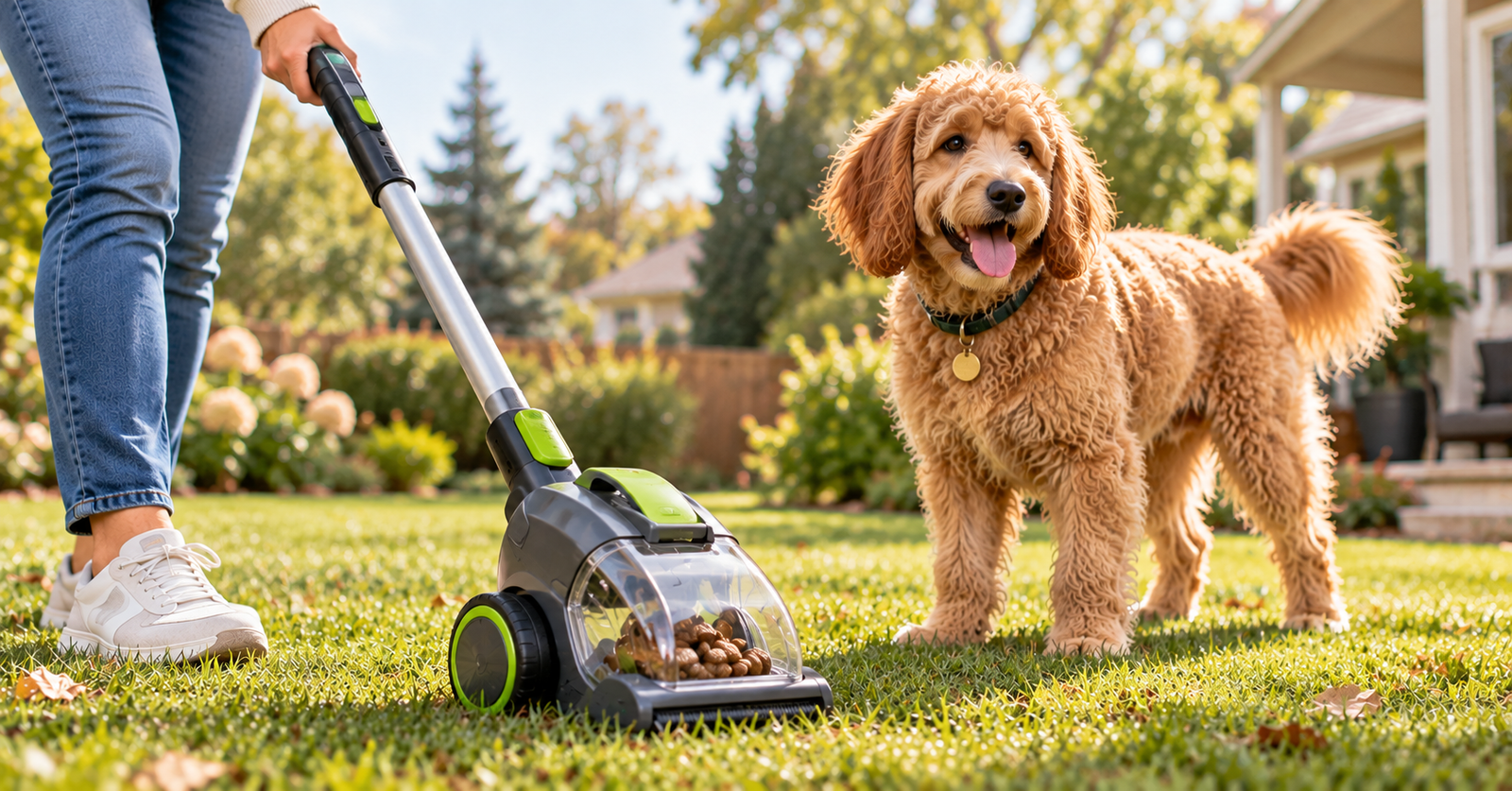
Can a dog poop vacuum really clean your yard? Here is how suction, powered scoopers and yard robots work, what they struggle with, and what to buy.
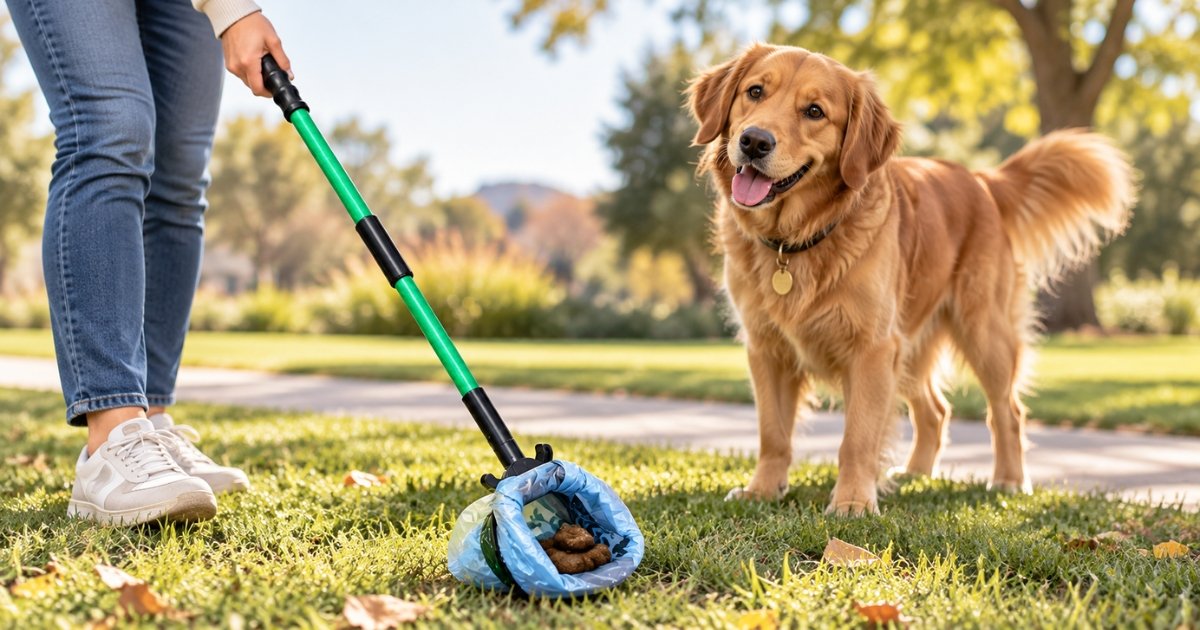
A claw pooper scooper is cheap and one-handed, but it fails on soft stool and gravel. Here are 5 checks before you buy, plus a cleaner alternative.
How long can a dog go without pooping? Learn normal timeframes, warning signs of constipation, and when to call the vet. Clear, vet-backed answers.