Home/Blogs/How to Wash a Dog: Expert Bathing Tips & Techniques
How to Wash a Dog: Expert Bathing Tips & Techniques
Giving your dog a proper bath is one of the most important parts of pet care. A clean dog is a healthy dog — and with the right approach, bath time does not have to be stressful for you or your pup. This guide from GOGO Stik walks you through everything you need to know, so every wash goes smoothly from start to finish.
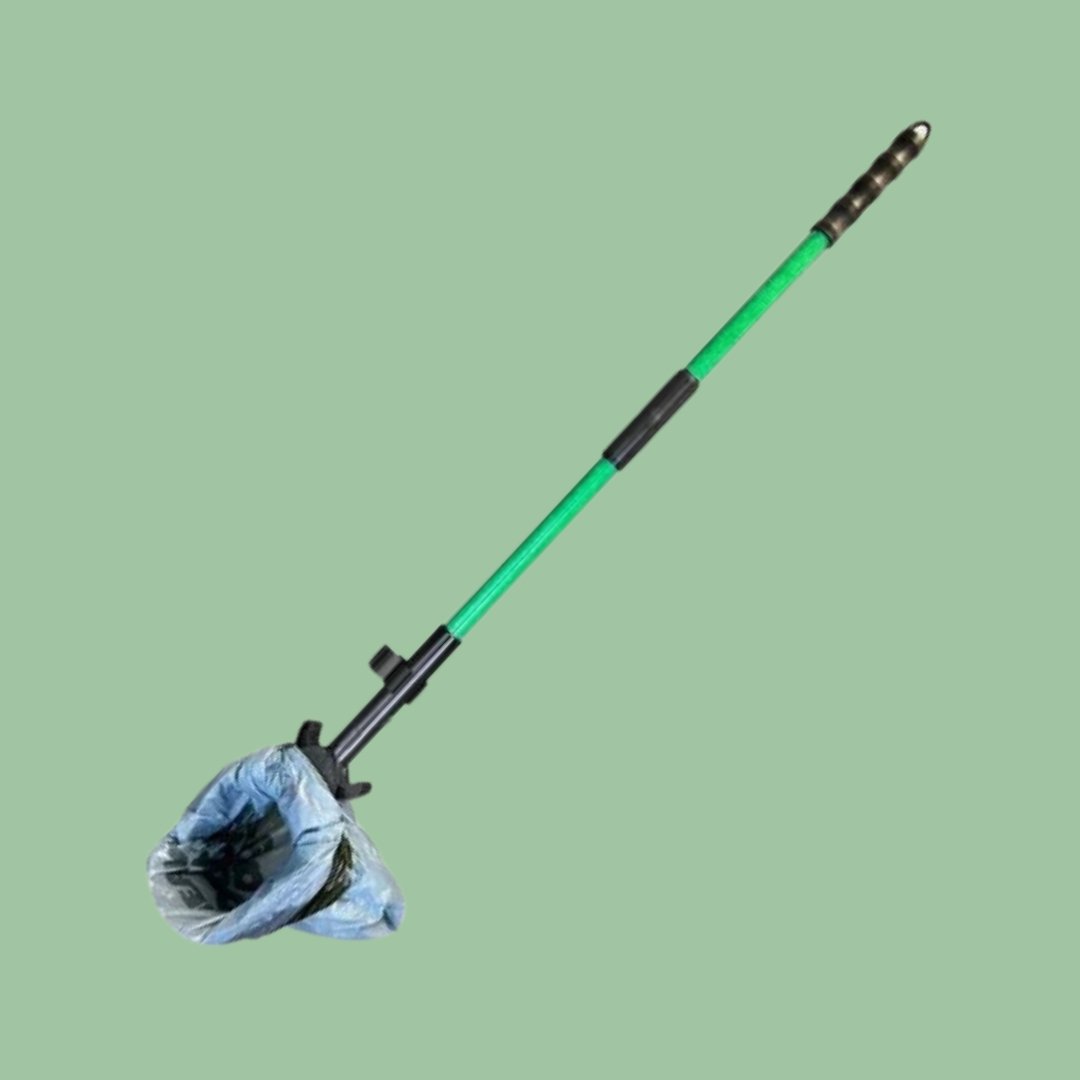
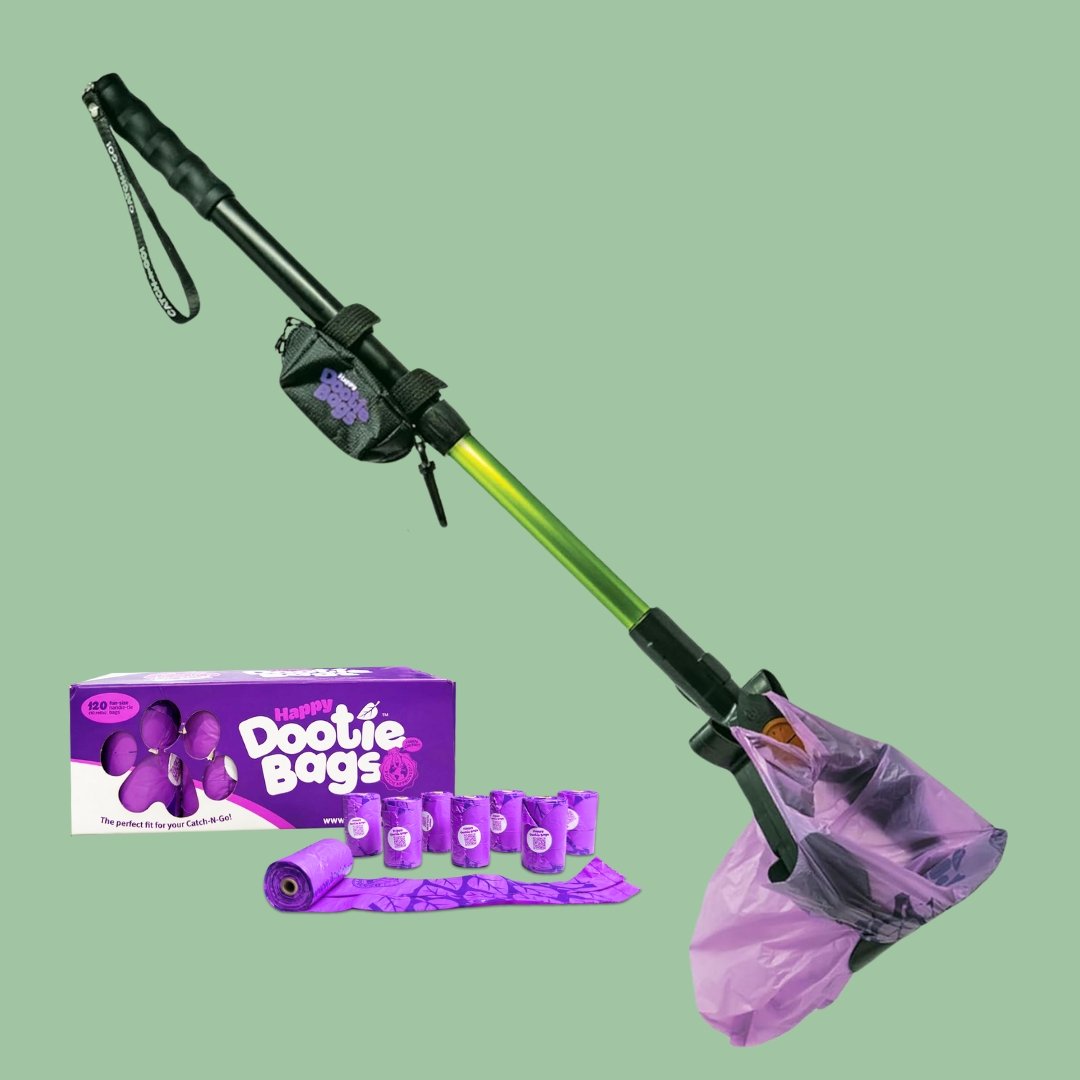
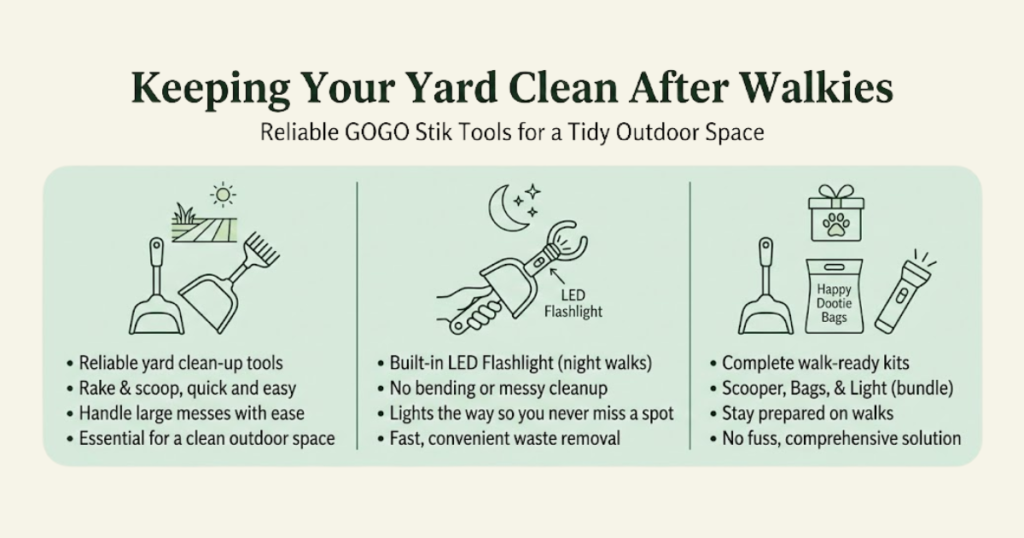
Before you even turn on the faucet, though, there is another task every dog owner needs to handle regularly: yard cleanup. If you want a clean outdoor space to match your clean dog, check out GOGO Stik’s Heavy Dootie Pooper Scooper & Rake Set — built for large dog messes and fast yard cleanup. For walk-time convenience, the Catch-N-Go Hybrid Catcher & Scooper makes picking up on the go quick and hands-free.
How Often Should You Wash Your Dog?
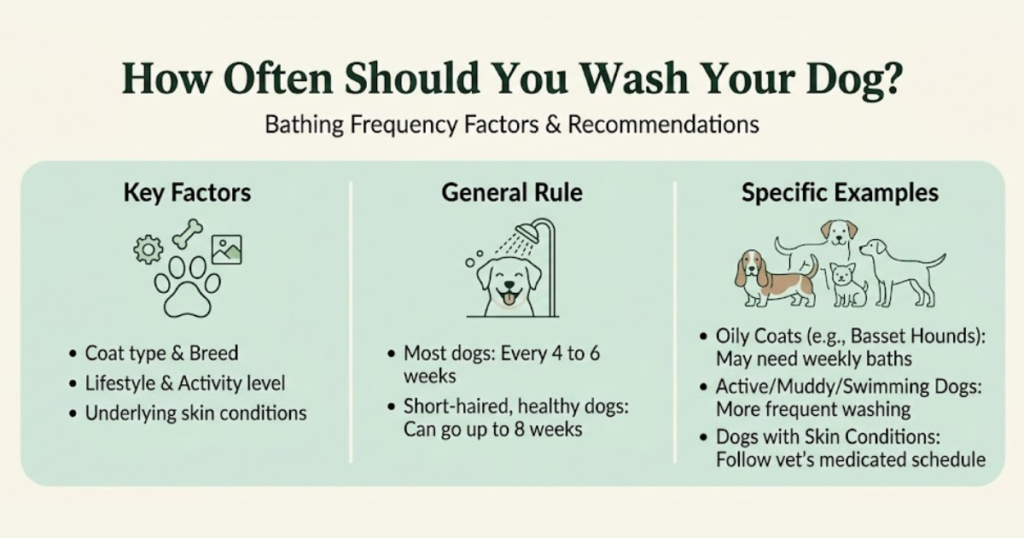
The right bathing frequency depends on your dog’s breed, coat type, and lifestyle. As a general rule, most dogs do well with a bath every four to six weeks. That said, some situations call for more frequent washing:
Dogs with oily coats, like Basset Hounds, may need a bath every week or two.
Short-haired breeds with healthy skin can often go eight weeks between baths.
Dogs with skin conditions may require medicated baths on a specific schedule set by a vet.
Active outdoor dogs who swim or roll in the mud will need more frequent washing.
In contrast, over-bathing can strip natural oils from your dog’s coat, leading to dry, irritated skin. So, finding that sweet spot for your specific dog matters a great deal.
What You Need Before Bath Time
Gathering your supplies before the bath starts saves time and keeps things stress-free. Here is what you will need:
Dog-specific shampoo (human shampoo disrupts a dog’s skin pH)
Conditioner (optional, but great for thick or long coats)
Non-slip mat for the tub or shower floor
Soft washcloth for the face
Towels — at least two for larger dogs
Brush or comb to detangle before and after the bath
Having everything within reach means you will not have to leave a wet, soapy dog unattended — which, as most dog owners know, never ends well.
Step-by-Step Guide to Washing Your Dog
Step 1: Brush Your Dog First
Before water touches your dog, give them a thorough brush-out. Mats and tangles get much worse when wet, so brushing ahead of time makes the whole process easier. This step also loosens dead hair and debris, which helps the shampoo work more effectively.
Step 2: Set the Right Water Temperature
Use lukewarm water — not hot, not cold. Dogs are more sensitive to temperature than most people realize. Test the water on your wrist before bringing your dog near the tub. Warm, comfortable water helps your dog relax rather than tense up.
Step 3: Wet Your Dog Thoroughly
Start at the neck and work your way down toward the tail. Make sure the water reaches all the way through the coat to the skin, especially on thick-coated breeds. Avoid spraying water directly into the ears, eyes, or nose — instead, use a damp cloth to gently clean the face.
Step 4: Apply Shampoo and Lather
Squeeze a small amount of dog shampoo into your hands and work it into the coat, starting from the neck and moving toward the tail. Massage the lather in circular motions to lift dirt from the skin. For dogs with skin issues or heavy coats, this step may take several minutes. Because proper lathering makes a real difference in cleanliness, do not rush through it.
Step 5: Rinse Completely
Rinsing is the most important step — and the one most often rushed. Any shampoo left on the skin can cause itching, flaking, and irritation. Rinse until the water runs completely clear, then rinse one more time just to be safe. Pay special attention to the belly, armpits, and groin area, where shampoo tends to collect.
Step 6: Apply Conditioner (If Needed)
For dogs with long or curly coats, a dog-safe conditioner can prevent tangles and add shine. Apply it the same way as shampoo, let it sit for a minute or two, then rinse fully. Similarly, dogs prone to dry skin benefit from a moisturizing conditioner between regular baths.
Step 7: Dry Your Dog Properly
Wrap your dog in a large towel and gently squeeze (not rub) the coat to absorb water. Rubbing creates tangles and can irritate the skin. You can follow up with a blow dryer set to the lowest heat setting, keeping it at least six inches from the coat. Many dogs feel anxious around dryers, so go slowly and offer treats as encouragement. In warmer weather, air drying outside works well too — just make sure your dog does not roll in the dirt immediately afterward.
How to Wash a Dog That Hates Baths
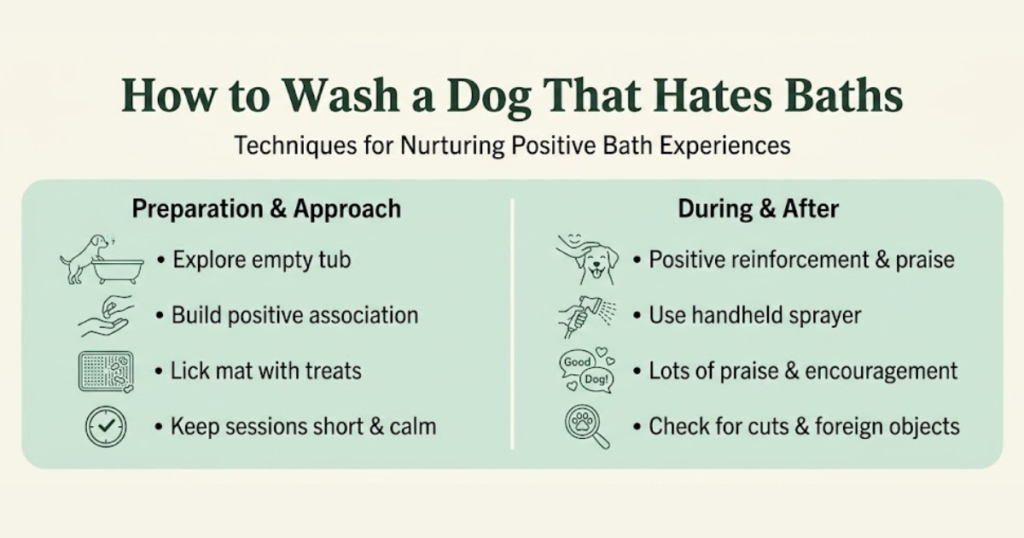
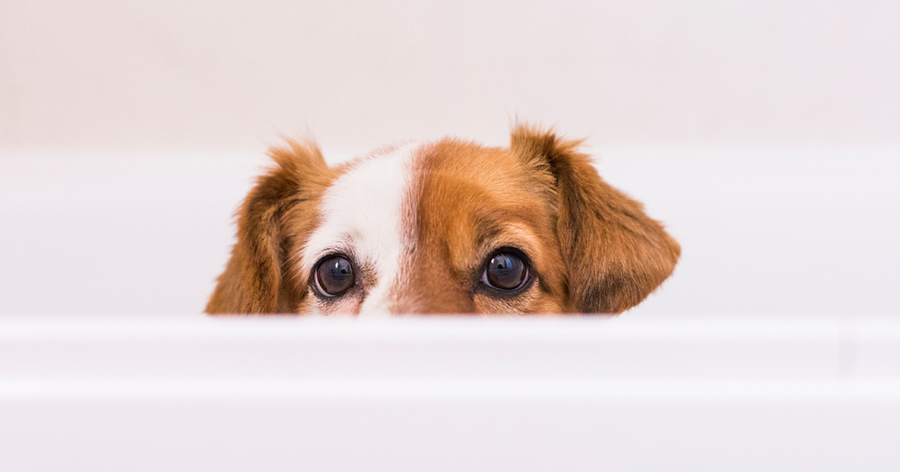
Some dogs are genuinely nervous around water. With those dogs, patience and positive reinforcement go a long way. Here are some techniques that help:
Start small. Let your dog explore the empty tub before adding water. Place treats inside to build a positive association.
Keep sessions short at first. A five-minute wash with lots of praise is better than a twenty-minute struggle.
Use a handheld sprayer. It gives you more control and is less overwhelming than a fixed showerhead.
Try a lick mat. Smearing peanut butter or a similar treat onto a lick mat stuck to the tub wall gives your dog something to focus on during the bath.
Stay calm. Dogs pick up on anxiety quickly. The more relaxed you are, the more relaxed your dog will be.
Over time and with consistent positive experiences, even bath-resistant dogs tend to become more tolerant — and some actually begin to enjoy it.
Choosing the Right Dog Shampoo
Not all dog shampoos are created equal. Choosing the right one depends on your dog’s coat and skin type:
Sensitive skin: Look for oatmeal-based or hypoallergenic shampoos with no artificial fragrance.
Flea and tick treatment: Use a vet-recommended medicated shampoo and follow the contact time instructions carefully.
White or light-colored coats: Brightening shampoos can reduce staining and yellowing.
Puppies: Always choose a puppy-specific formula — adult shampoos can be too harsh for young dogs.
Never use human shampoo, dish soap, or baby wash on a dog. These products disrupt the skin’s natural pH balance and can cause serious irritation over time.
Ear Cleaning During Bath Time
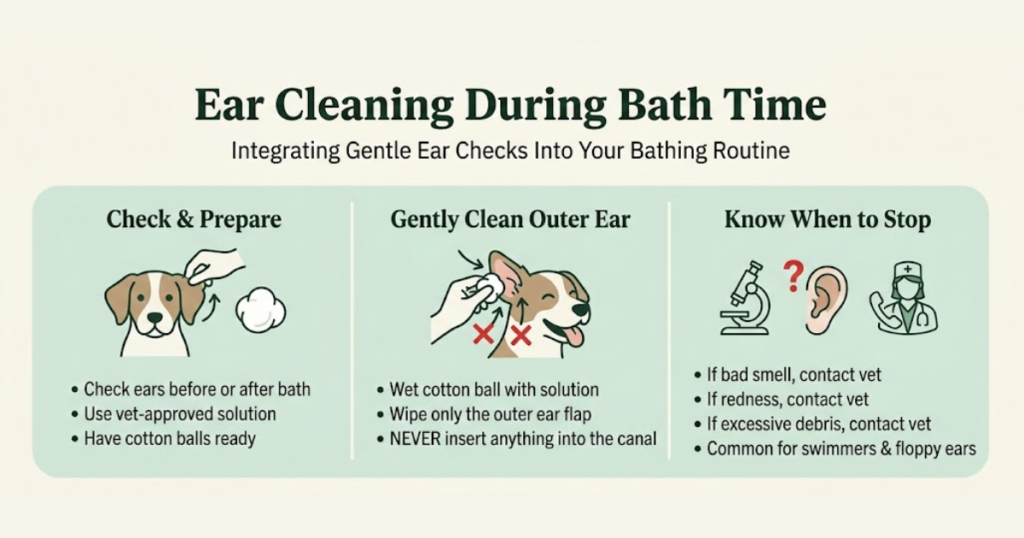
Bath time is a good opportunity to check your dog’s ears, but water should never enter the ear canal. To clean ears safely, use a vet-approved ear cleaning solution and cotton balls. Gently wipe the outer part of the ear — do not insert anything into the canal. If you notice a bad smell, redness, or excessive debris, contact your vet before proceeding.
Because ear infections are common in dogs who swim or have floppy ears, incorporating ear checks into your bathing routine helps catch problems early.
Drying Tips for Different Coat Types
Short Coats
A quick towel dry usually does the job. Most short-coated dogs air dry in under an hour at room temperature.
Medium Coats
Towel dry first, then use a blow dryer on a low setting to speed things up and prevent dampness near the skin, which can cause odor.
Long or Double Coats
These coats hold moisture for a long time. A high-velocity pet dryer works best, as it separates the coat and dries from the inside out. Brush while drying to prevent tangles from setting in.
Curly Coats
Scrunching with a towel — rather than rubbing — preserves the curl pattern. Let curly-coated dogs air dry whenever possible, or use a diffuser attachment on a blow dryer.
Keeping Your Yard Clean After Walkies
A well-bathed dog and a clean yard go hand in hand. After all, there is little point in giving your dog a fresh bath if they come back inside with muddy, dirty paws from a messy yard. Picking up waste regularly is one of the simplest ways to keep your outdoor space tidy.
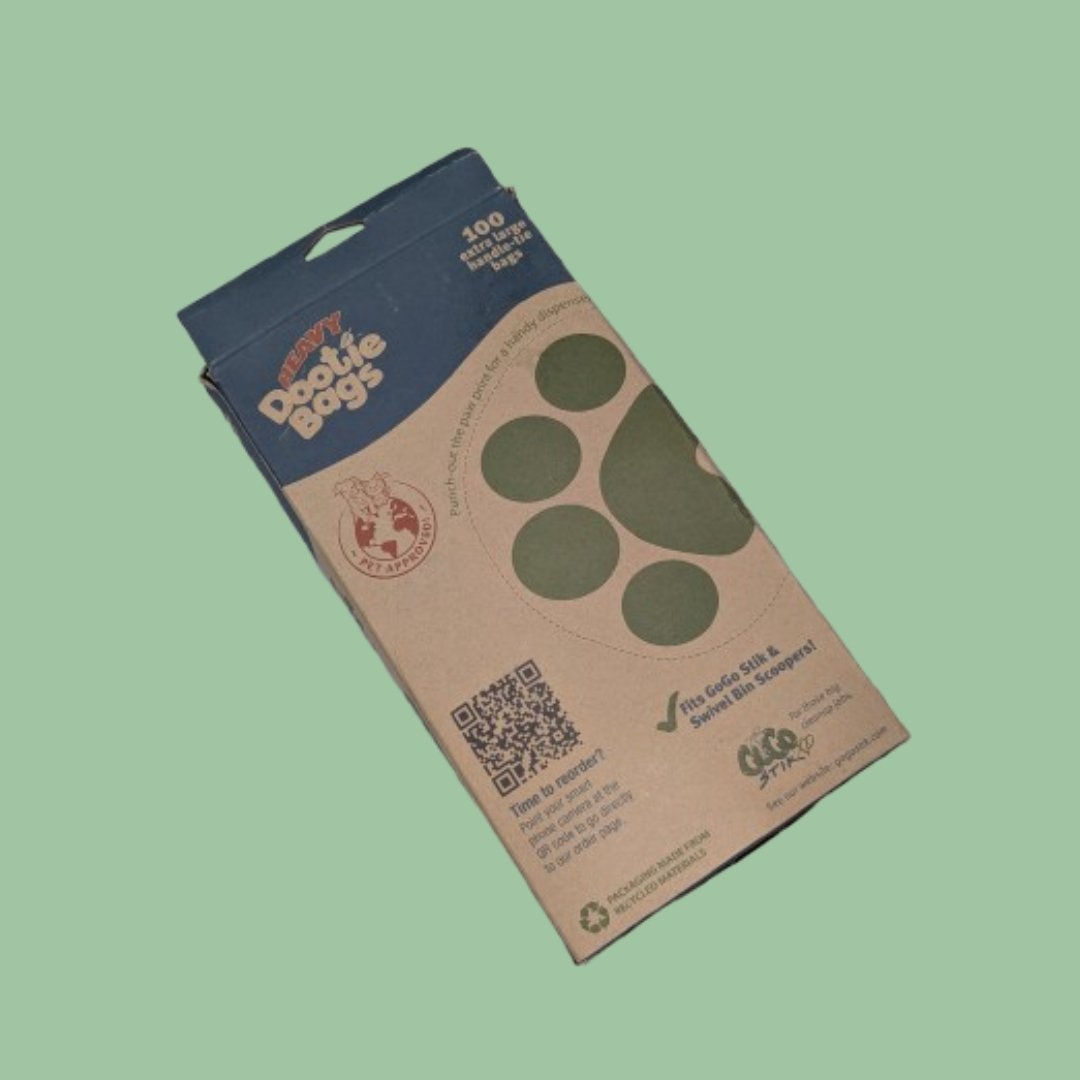
Your clean-up routine is only as good as the bags you use. Weak or leaky bags make the job twice as unpleasant. GOGO Stik offers several options to suit every preference:
Whether you prefer scented or unscented, biodegradable or standard, GOGO Stik has a bag option that works for your routine.
Between-Bath Freshness Tips
Baths every few weeks are enough for most dogs, but staying on top of freshness in between makes a big difference. Here is what works:
Brush regularly. Brushing removes dead hair, dirt, and odor-causing debris between baths.
Wipe paws after walks. GOGO Stik’s Heavy Dootie Pet Wipes are citrus-scented and gentle enough for daily use on paws and the rear end.
Clean dog bedding often. Washing your dog’s bed and blankets weekly reduces the buildup of odor-causing bacteria.
Check and clean ears monthly. This helps prevent infection and keeps ear-related odors under control.
Keep the yard clean. A tidy yard means your dog is less likely to step in, roll in, or track in waste. The GOGO Stik Poop Catcher is a great tool to keep close to the back door.
When to See a Groomer or Vet
Home baths cover most needs, but some situations call for professional help. Consider visiting a groomer if your dog has matted fur that cannot be brushed out safely, if they need a breed-specific cut, or if their anxiety around baths is severe enough to be a safety concern.
On the other hand, see your vet if you notice any of the following during or after a bath: unusual redness, swelling, sores, excessive scratching, hair loss, or a persistent bad smell despite regular bathing. These can all be signs of underlying skin conditions that require treatment.
Final Thoughts
Bathing your dog does not need to be a production. With the right supplies, a calm approach, and a consistent routine, it becomes a straightforward part of dog ownership. Start with proper prep, take your time during the rinse, and reward your dog throughout for the best results.At GOGO Stik, we know that a clean dog and a clean yard go together. From our pooper scoopers and poop bags to our pet wipes, we have the cleanup tools that make pet ownership a whole lot easier — so you can focus on enjoying time with your dog.
Taking your dog on a camping trip is one of the best ways to bond, burn energy, and make memories that last. But if you’ve ever shown up at a trailhead without the right gear, you know how quickly things can go sideways muddy paws, no waste bags, forgotten water
Most dog owners have been there — you say the word “bath,” and your dog bolts in the other direction. The dramatic whining, the scrambling paws on tile, the look of pure betrayal. But why do so many dogs act like bath time is the worst thing that ever happened
If you’ve ever been dragged down the sidewalk by your dog, you know how stressful a simple walk can become. The good news is that leash pulling is one of the most fixable dog behaviors out there. With the right approach and a bit of patience, you can turn chaotic