Home/Blogs/How to Use a Dog Pee Pad: A Practical Guide for Dog Owners
How to Use a Dog Pee Pad: A Practical Guide for Dog Owners
Whether you’re house training a playful puppy, caring for a senior dog with mobility issues, or simply dealing with rainy weather when outdoor potty breaks aren’t practical, keeping your home clean can feel like a constant struggle. This is where dog pee pads become an essential tool for mess-free indoor potty solutions.
In this guide, we’ll walk you through simple and actionable steps for setup, training, and maintenance. By the end, you’ll know exactly how to make pee pad training work for you and your furry friend.
Why Should You Use a Dog Pee Pad?
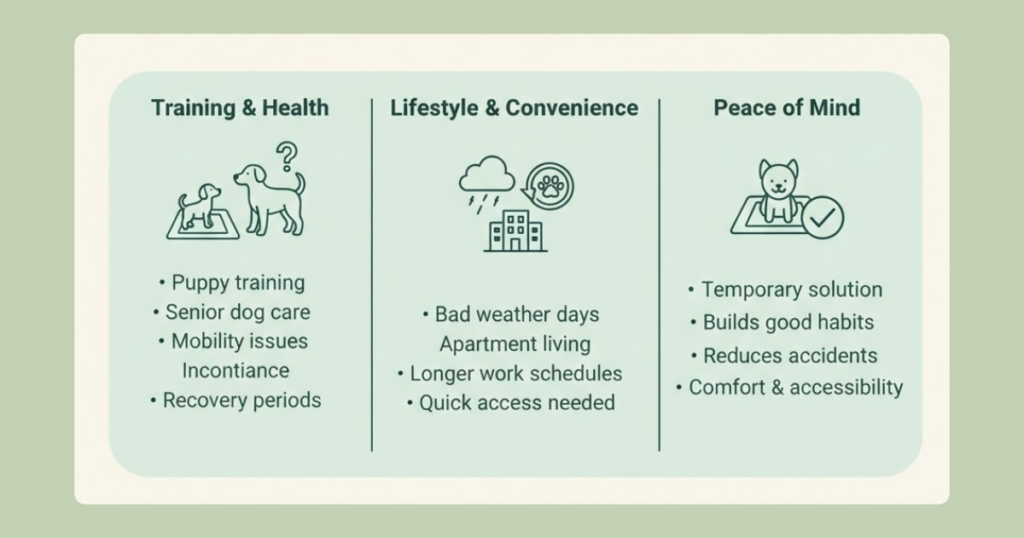
Pee pads aren’t just for puppies. In fact, they’re versatile tools that solve real challenges for dog owners across many different situations.
Here are some common scenarios where pee pads prove helpful:
Puppy training: You can teach your new pup where to go before they’re fully house-trained. This creates a foundation for good habits early on.
Senior dog care: Older dogs with mobility issues or incontinence benefit from an accessible indoor option.
Bad weather days: During storms, extreme heat, or freezing temperatures, pee pads offer a convenient indoor alternative.
Apartment living: If quick outdoor access isn’t available, pee pads provide a practical solution for city dwellers.
Work schedules: When you’re away for extended periods, your dog has an appropriate place to relieve themselves.
Recovery periods: Dogs healing from surgery or illness who can’t navigate stairs or go outside need a safe indoor option.
As a result, pee pads give you flexibility while maintaining a clean and odor-free home. This creates a win-win situation for both you and your dog.
Step-by-Step: How to Use Dog Pee Pads Effectively
Getting started with pee pads is straightforward when you follow these simple steps. Let’s break down each stage of the process.
Step 1: Place the Pad in the Right Location
First and foremost, position your pee pad in a designated potty area. You should choose a spot that’s easily accessible to your dog. However, make sure it’s away from their food, water, and sleeping areas. Dogs naturally avoid eliminating near where they eat and rest, so this placement is crucial.
Here’s how to set it up properly:
Place the pad with the absorbent side facing up
If the pad has adhesive tabs, peel the backing from each corner
Press firmly to secure the pad to your floor
The adhesive feature is particularly important because it prevents sliding and bunching. Even when your dog circles, scratches, or paws at the pad before going, it stays in place. This stability helps your dog feel confident using the pad and prevents messy accidents caused by shifting.
In addition to pee pad training, don’t forget about outdoor cleanup essentials. A reliable pooper scooper set makes yard maintenance quick and convenient once your pup graduates to outdoor potty breaks.
Step 2: Guide Your Dog to the Pad
Training your dog to use the pee pad requires patience and positive reinforcement. When you notice signs that your dog needs to go—such as sniffing, circling, whining, or heading toward the door—gently guide them to the pad.
Training tips that work:
Lead your dog to the pad at regular intervals throughout the day
Take them first thing in the morning, after meals, after naps, and before bedtime
Use a consistent verbal cue like “go potty” when they’re on the pad
Stay calm and patient because accidents will happen during the learning process
Never show frustration if your dog misses the pad
The key to success lies in consistency. The more positive experiences your dog has using the pad, the faster they’ll learn that’s where they should go.
Step 3: Reward Immediately After Success
Timing matters significantly when rewarding your dog. You should give treats and praise within seconds of your dog finishing on the pad. If you wait too long, your dog won’t connect the reward with the behavior.
For effective rewards:
Use high-value treats that are small, soft, and especially tasty
Combine treats with enthusiastic verbal praise and petting
Keep treats nearby so you’re always ready to reinforce success
Be consistent with every successful use during the training phase
As your dog becomes more reliable, you can gradually reduce treat frequency. Nevertheless, occasional rewards help maintain the good behavior over time.
Step 4: Replace and Dispose Properly
Keeping the pad fresh encourages continued use and maintains a clean environment. During initial training, replace the pad after each use to keep the area appealing to your dog.
Replacement guidelines:
Once your dog is reliably trained, you can replace pads once or twice daily
Always replace immediately if the pad is saturated or begins to smell
A dirty pad is unappealing and may cause your dog to eliminate elsewhere
Proper disposal method:
Roll up the used pad with the soiled side inward
Place it in a plastic bag if needed to contain odors
Throw it in the trash
Important: Never flush pee pads because they can cause serious plumbing blockages. Unlike toilet paper, pee pads don’t break down and will damage your plumbing system.
For multi-dog households, consider placing multiple pads in different areas. This prevents territorial issues and ensures each dog has adequate access to a clean pad.
Quick Reference Chart
Step
Action
Key Tips
1. Place
Position pad absorbent side up
Secure with adhesive tabs if available
2. Guide
Lead dog to pad at regular intervals
Use consistent verbal cues
3. Reward
Give treats and praise immediately
Timing is crucial for learning
4. Replace
Change pad after use or when saturated
Always trash—never flush
Common Training Mistakes to Avoid
Even with the best intentions, it’s easy to make mistakes that slow down pee pad training. Here’s what you should avoid doing.
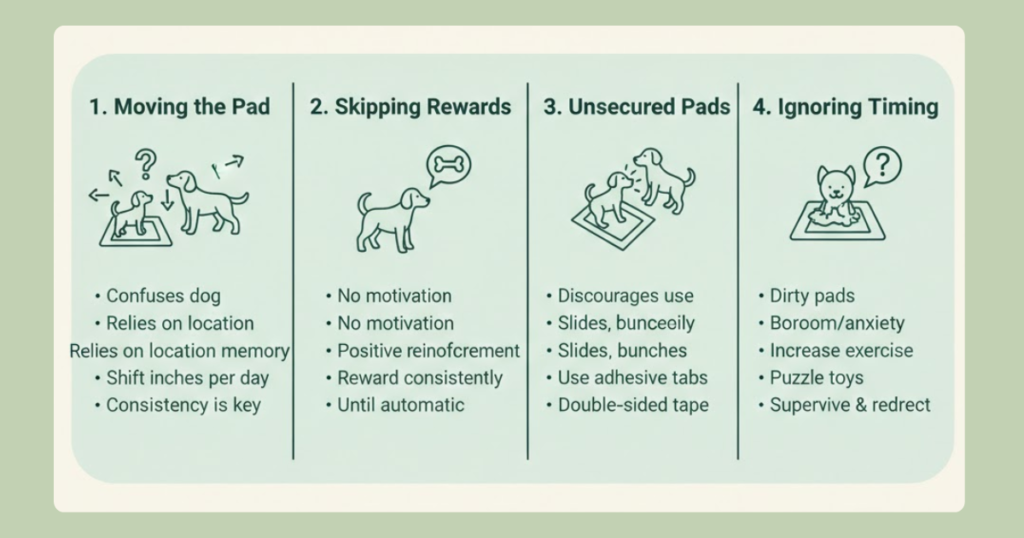
Moving the Pad Around
Keep pads in the same spot throughout the training process. Moving the pad around confuses your dog because they rely on location memory. Consistency in placement helps them learn where to go.
Once your dog is fully trained, you can gradually move the pad if needed. However, do so slowly by shifting it just a few inches per day. Sudden changes will undo your training progress.
Skipping Rewards
Never skip praising and treating your dog when they use the pad successfully. Positive reinforcement is the foundation of effective training. Without consistent rewards, your dog has no motivation to repeat the behavior.
Some owners stop rewarding too soon. Continue the reward system until your dog uses the pad automatically without any guidance from you.
Failing to Secure the Pad
A pad that slides, bunches, or moves can discourage your dog from using it. Make sure you secure the pad properly to prevent this problem. If your pad doesn’t have adhesive tabs, consider using double-sided tape to keep it in place.
Ignoring Replacement Timing
A dirty, saturated pad is unappealing to your dog. When the pad becomes too soiled, your dog may eliminate elsewhere in your home. Fresh pads encourage continued proper use.
Not Addressing Pad Destruction
If your dog tears or plays with the pad, they may be bored or anxious. This behavior requires addressing the root cause rather than just replacing destroyed pads.
To stop pad destruction:
Increase your dog’s physical exercise with longer walks
Add mental stimulation through puzzle toys and training games
Supervise your dog when they’re near the pad during training
Redirect any destructive behavior immediately with a firm “no”
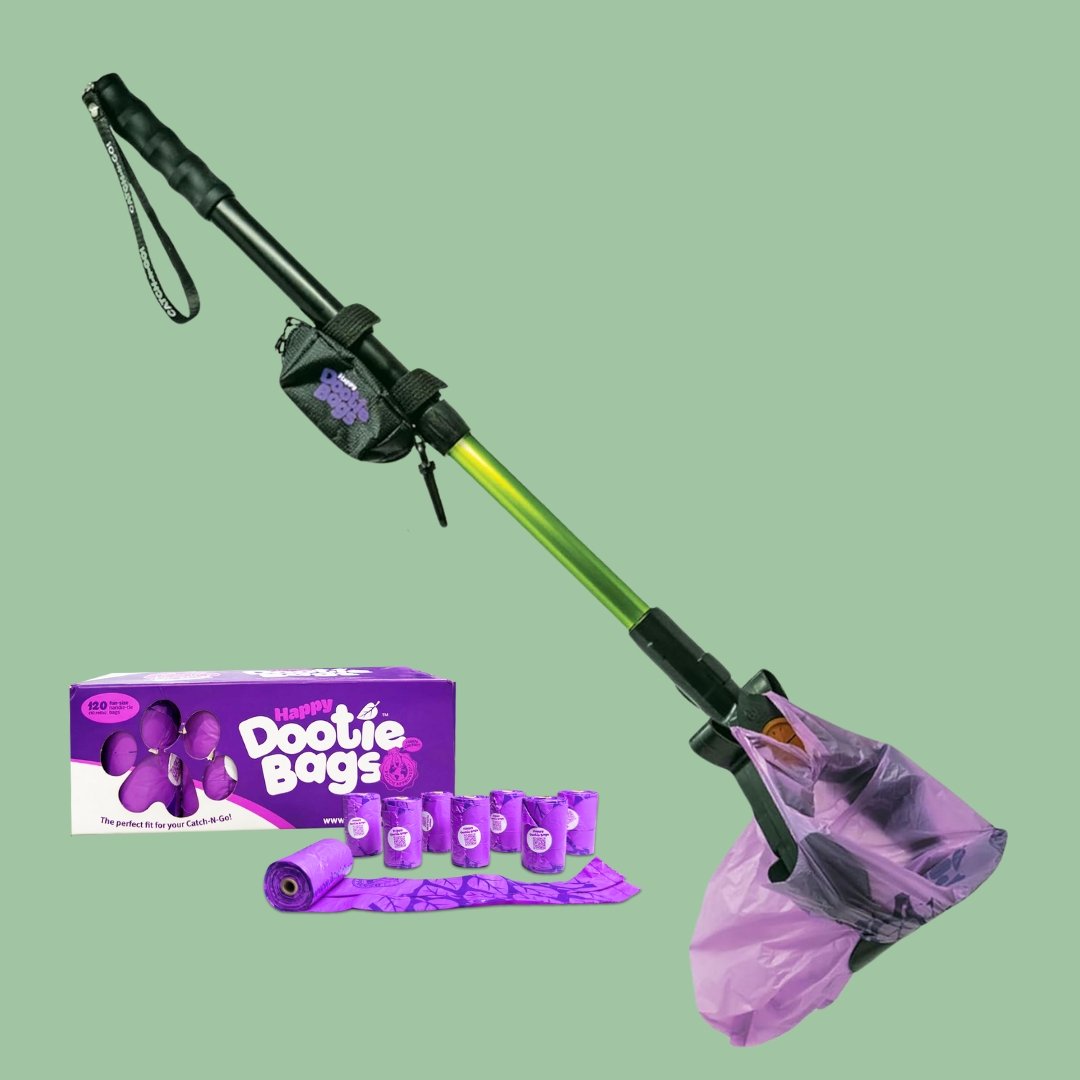
Speaking of walks, the Catch N Go Hybrid Catcher Scooper makes outdoor walks cleaner and more convenient with its built-in bag dispenser.
Transitioning from Pee Pads to Outdoor Potty Training
For many dog owners, pee pads serve as a stepping stone to outdoor potty training. When your dog is ready to make this transition, follow these tips for success.
Gradual movement method:
Move the pad closer to the door over several days
Then place the pad just outside the door
Eventually remove the pad entirely once outdoor habits form
Throughout this process, maintain the same reward system and verbal cues. Consistency helps your dog understand that the location has changed but the expected behavior remains the same.
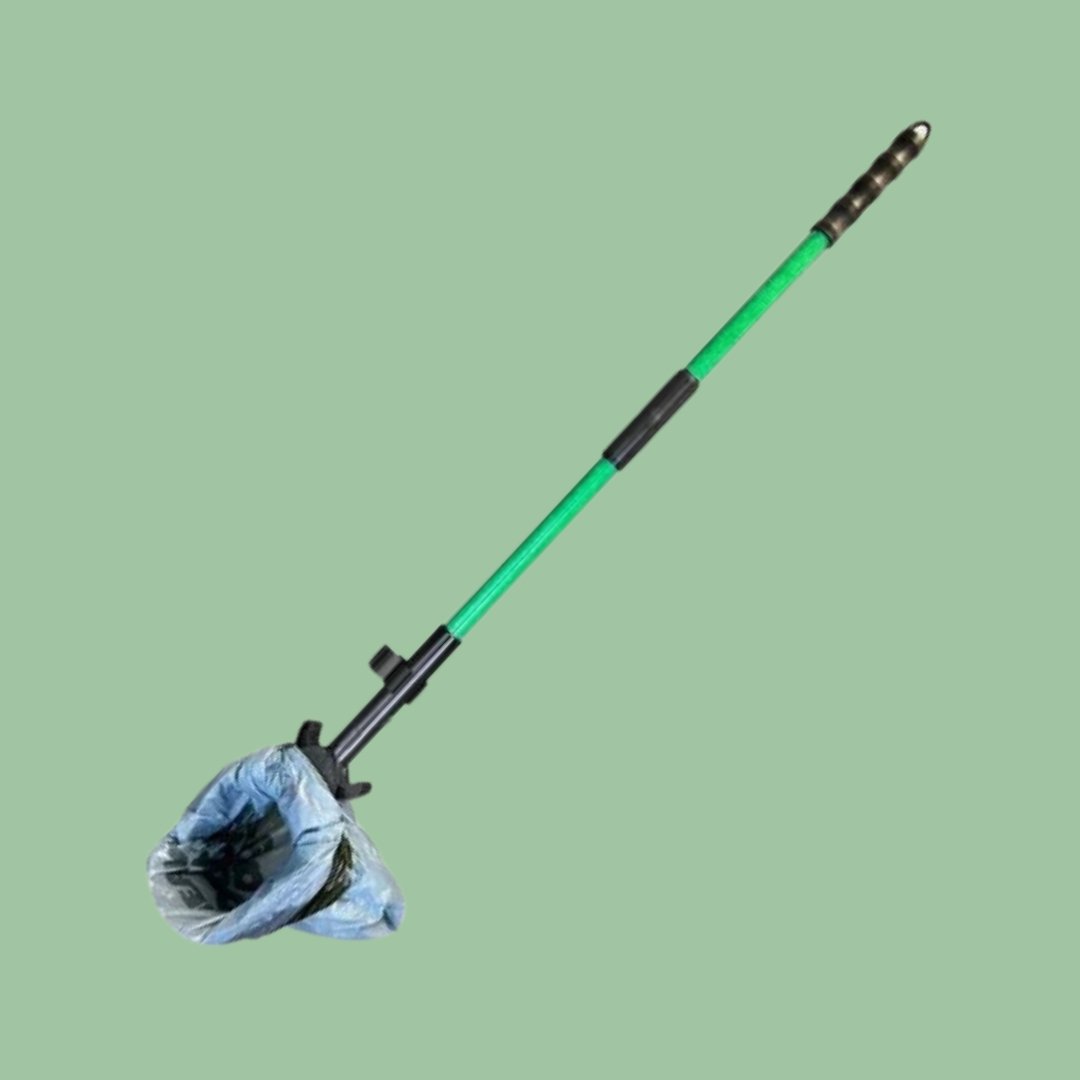
Once your dog transitions to outdoor potty breaks, you’ll need reliable cleanup tools. The GOGO Stik XP Pooper Scooper Set offers hands-free waste pickup that makes the process simple and hygienic.
Night Time and Low-Light Solutions
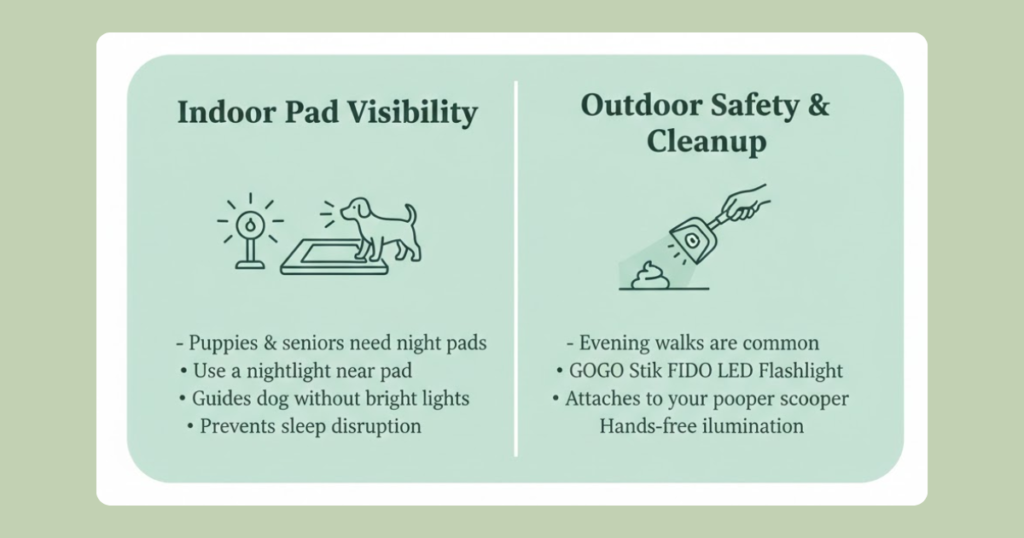
Puppies and senior dogs often need to use the pee pad during nighttime hours. In low-light conditions, both you and your dog benefit from having a visible path to the pad.
Consider placing a small nightlight near the pee pad area. This helps your dog find the pad without you needing to turn on bright lights that disrupt sleep.
Essential Supplies for Complete Dog Waste Management
While pee pads handle indoor accidents, you’ll also need supplies for outdoor waste management. Here are some products that complement your pee pad training setup.
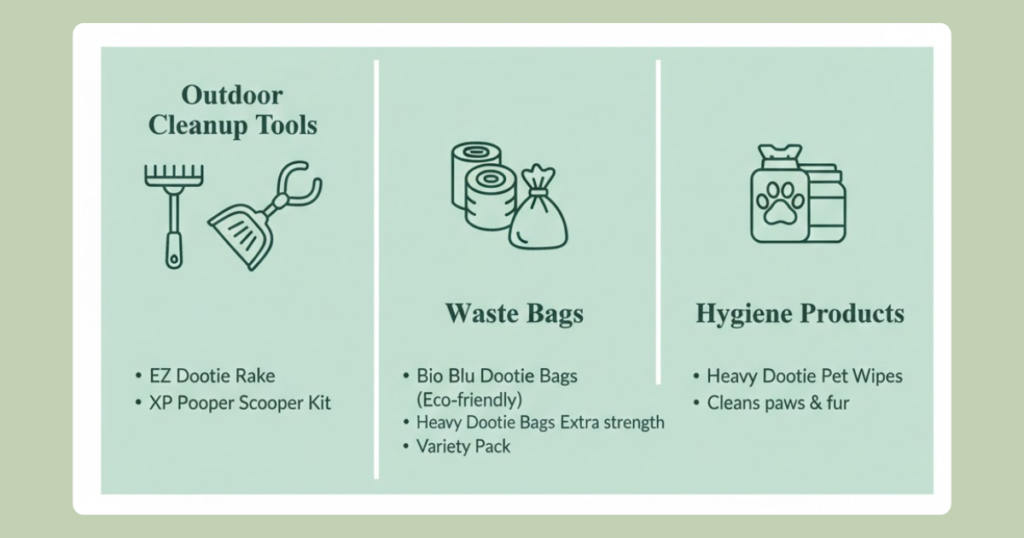
Outdoor cleanup tools:
A quality pooper scooper like the EZ Dootie Rake makes yard cleanup fast and easy
During initial training, replace the pad after each use to keep the area clean and appealing. Once your dog is reliably trained, replace pads once or twice daily depending on usage frequency. Always replace immediately if the pad becomes saturated or starts to smell. A fresh pad encourages continued proper use.
Can I flush used dog pee pads?
No, you should never flush dog pee pads. Despite their absorbent design, pee pads don’t break down like toilet paper. Flushing them will cause serious plumbing blockages. Instead, always dispose of used pads in the trash. Roll up the soiled pad, place it in a plastic bag if needed, and throw it away with your regular garbage.
How do I stop my dog from tearing the pee pad?
Pad destruction often signals boredom, anxiety, or excess energy. First, increase your dog’s physical exercise and mental stimulation through longer walks, play sessions, and puzzle toys. Make sure the pad is properly secured so it doesn’t move and invite play. Supervise your dog near the pad during training and redirect any destructive behavior immediately.
What size pee pad should I get for my dog?
The right size depends on your dog’s breed and size. Small pads work well for toy breeds and puppies, while large or extra-large pads suit medium to large dogs. For training purposes, larger pads provide a bigger target area which can reduce accidents during the learning phase.
How long does pee pad training typically take?
Training duration varies based on your dog’s age, temperament, and consistency of training. Puppies usually take two to four weeks of consistent training. Adult dogs may learn faster if they don’t have established bad habits. Senior dogs might need more patience depending on mobility or cognitive factors.
Final Thoughts on Pee Pad Training
Learning how to use a dog pee pad effectively comes down to three key elements: proper placement, consistent training with positive reinforcement, and regular maintenance. By following the straightforward steps in this guide, you’ll set both yourself and your dog up for success.
For dog owners who want to maintain clean homes both indoors and outdoors, having the right tools makes all the difference. From pee pads for indoor training to quality pooper scoopers and waste bags for outdoor cleanup, GOGO Stik offers practical solutions that make pet parenting simpler.
Remember that patience and consistency are your greatest assets during pee pad training. With time and positive reinforcement, your dog will learn exactly where to go—and your home will stay clean and fresh.
Most dog owners have been there — you say the word “bath,” and your dog bolts in the other direction. The dramatic whining, the scrambling paws on tile, the look of pure betrayal. But why do so many dogs act like bath time is the worst thing that ever happened
If you’ve ever been dragged down the sidewalk by your dog, you know how stressful a simple walk can become. The good news is that leash pulling is one of the most fixable dog behaviors out there. With the right approach and a bit of patience, you can turn chaotic
Bath time doesn’t have to turn into a wrestling match. If your dog flinches, squirms, or bolts the moment you reach for a wipe, you’re not alone. Many pet owners struggle with this exact problem. The good news? With a little patience and the right approach, you can train your