Home/Blogs/How to Teach Your Dog to Love Being Cleaned with Dog Wipes
How to Teach Your Dog to Love Being Cleaned with Dog Wipes
Bath time doesn’t have to turn into a wrestling match. If your dog flinches, squirms, or bolts the moment you reach for a wipe, you’re not alone. Many pet owners struggle with this exact problem. The good news? With a little patience and the right approach, you can train your dog to stay calm and even enjoy a quick wipe-down.
In this guide, you’ll learn step-by-step methods to help your dog accept dog wipes without stress. Whether you need to clean muddy paws after a walk or freshen up between baths, these techniques will make the whole process smoother for both of you.
Why Do Dogs Hate Being Wiped Down?
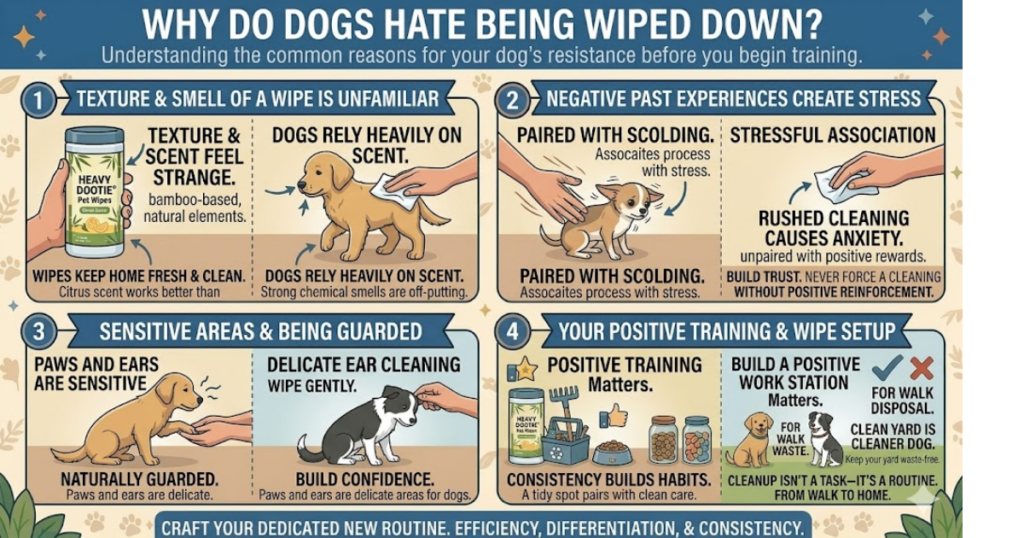
Before you start training, it helps to understand why your dog resists being cleaned in the first place. Dogs don’t naturally enjoy having their paws, face, or body touched with a damp cloth. There are a few common reasons for this reaction.
First, the texture and smell of a wipe can feel unfamiliar. Dogs rely heavily on scent, so a strong chemical smell can be off-putting. That’s why choosing a wipe with a mild, natural scent like citrus tends to work much better than heavily perfumed options.
Second, some dogs have had negative past experiences. If wiping has been rushed, forceful, or paired with scolding, your dog may now associate the process with stress. On top of that, certain areas like paws and ears are more sensitive, which makes dogs naturally guarded about being touched there.
Step 1: Let Your Dog Sniff and Inspect the Wipe
The first step is simple: let your dog get familiar with the wipe before you use it. Pull a wipe out of the pack and hold it in your open palm. Allow your dog to sniff it, paw at it, or investigate it on their own terms.
During this step, stay relaxed. If you tense up or hover, your dog will pick up on that energy. Instead, casually hold the wipe and let curiosity take over. Once your dog sniffs it without backing away, offer a treat as a reward.
Repeat this process for two or three days before moving on. The goal here is to build a positive connection between the wipe and something your dog enjoys like treats and praise. As a result, your dog begins to see the wipe as something normal rather than threatening.
Step 2: Start with Quick, Gentle Touches
Once your dog is comfortable seeing and smelling the wipe, it’s time to make gentle contact. Start by lightly touching the wipe to a less-sensitive area, such as the back or shoulder. Keep the motion slow and brief just a quick swipe, then stop.
Right after the touch, give your dog a high-value treat. This pairing teaches your dog that being touched with a wipe leads to something good. If your dog pulls away, don’t force it. Simply try again later with an even lighter touch.
Over the course of a few sessions, gradually increase the area you wipe. Move from the back to the sides, then toward the legs. However, save the paws, face, and rear for later those spots require a bit more trust from your dog.
Step 3: Work Up to Sensitive Areas
After your dog tolerates wipes on their body, you can begin working on more sensitive spots. Paws and the area around the rear end tend to be the most challenging, so take your time with these.
For paws, gently hold one paw in your hand and give a treat before you even touch the wipe to it. Then do a single, quick swipe between the toes and immediately reward again. This two-treat approach helps your dog stay focused on the reward rather than the sensation.
For the rear area, pet wipes designed for paws and butt work well because they’re pre-sized and gentle enough for sensitive skin. Use a calm voice and keep sessions under a minute at first. As your dog builds tolerance, you can extend the time gradually.
Step 4: Build a Consistent Routine
Dogs thrive on routine, so consistency is key. Try to incorporate wiping into a daily habit for example, right after your evening walk. When you pair it with an activity your dog already expects, the wipe-down becomes just another part of the routine rather than a surprise event.
Keep supplies within arm’s reach near the door so you don’t have to search for them while your dog waits. A quick wipe of the paws and underbelly after outdoor time keeps dirt out of the house and reduces the frequency of full baths. Because of this routine, your dog starts to anticipate the process and resist less each time.
At the same time, pairing wipe-downs with your pooper scooper cleanup routine in the yard makes both tasks efficient and fast. You handle the yard, wipe down your dog, and head inside all in one smooth sequence.
Choosing the Right Dog Wipes for Training Success
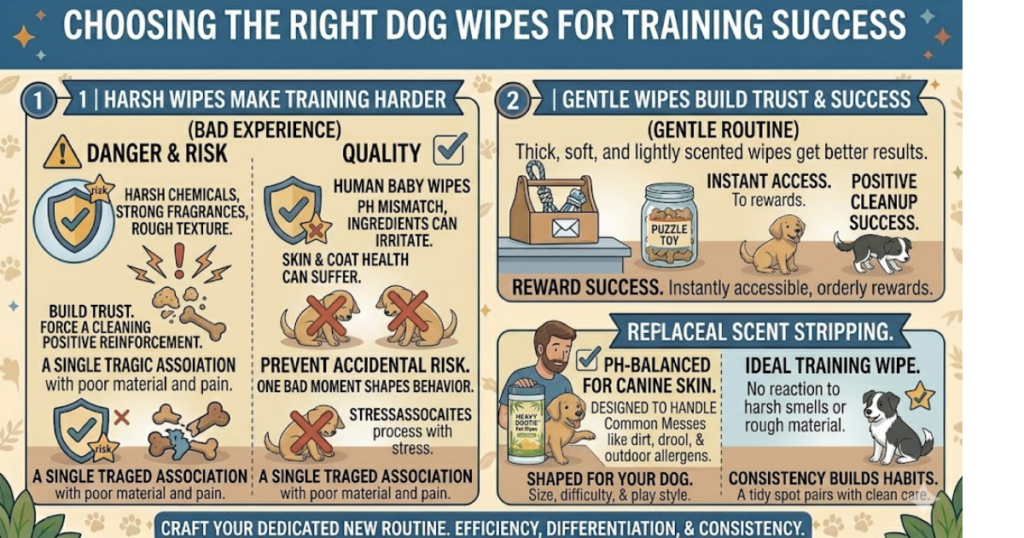
Not all wipes are created equal, and the type you choose can directly affect how your dog responds. Harsh chemicals, strong fragrances, or rough textures will make training harder. On the other hand, wipes that are soft, thick, and lightly scented tend to get better results.
Look for wipes specifically made for pets. Human baby wipes, while tempting, often contain ingredients that can irritate a dog’s skin. Purpose-built dog wipes are pH-balanced for canine skin and designed to handle common messes like dirt, drool, and outdoor allergens.
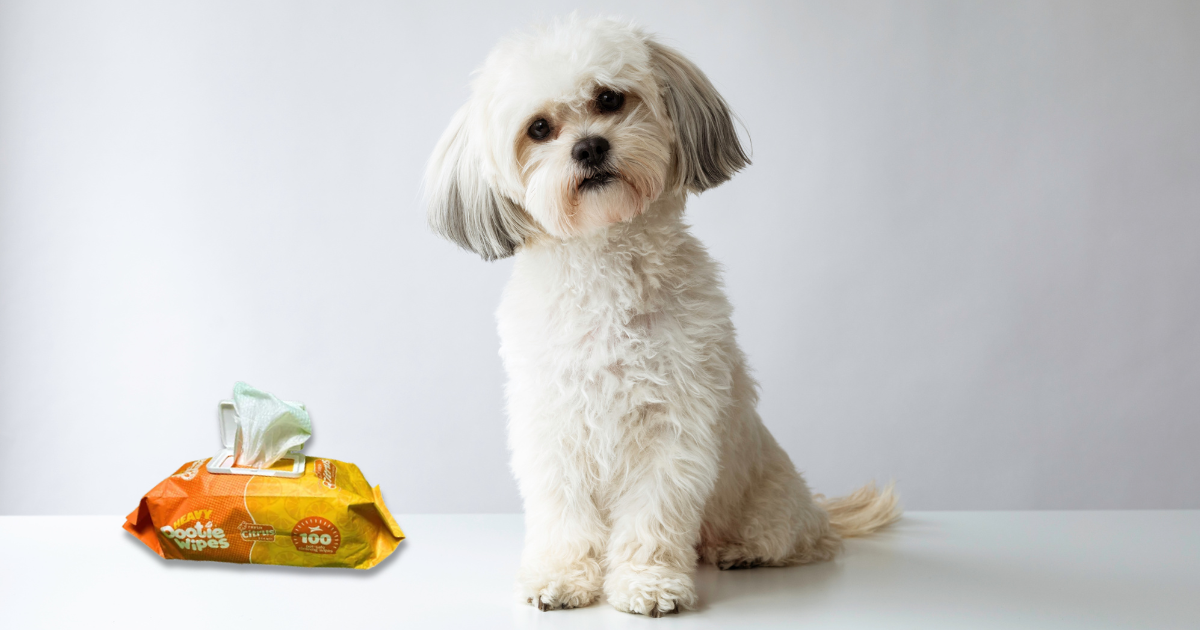
GOGO Stik’s Heavy Dootie Pet Wipes, for instance, use a mild citrus scent that most dogs tolerate well. They’re thick enough to handle a real cleanup without tearing, yet gentle enough for sensitive areas. Therefore, they make an ideal training wipe because your dog won’t react to harsh smells or rough material.
Common Mistakes to Avoid During Training
Even with the best intentions, a few common errors can set back your progress. Here’s what to watch out for:
Rushing the process. If you try to do a full-body wipe on day one, your dog will likely shut down. Take it slow and build up gradually over several sessions.
Using force or restraint. Pinning your dog down to wipe them creates fear and breaks trust. Instead, use positive reinforcement to keep things cooperative.
Skipping the reward. Treats are not optional during training they’re the reason your dog will start to tolerate and eventually accept the process.
Using the wrong wipes. A wipe that stings, smells too strong, or feels rough will undo your training work. Stick with pet-specific products that are designed for sensitive skin.
By avoiding these pitfalls, you’ll keep the training positive and build momentum faster.
How Often Should You Use Dog Wipes?
The answer depends on your dog’s lifestyle. If your dog spends a lot of time outdoors running through grass, digging in dirt, or rolling on the ground daily wipe-downs are a smart idea. Focus especially on the paws and belly, since those areas collect the most debris.
For dogs that stay mostly indoors, wiping two to three times per week is usually enough to keep them fresh between baths. After rainy walks or trips to the dog park, an extra session is always a good call.
Keep in mind that dog wipes are a supplement, not a replacement for regular bathing. They’re perfect for quick touch-ups, spot cleaning, and reducing allergens your dog tracks indoors. As long as you’re also bathing your dog on a regular schedule, wipes fill the gaps perfectly.
Pairing Wipe-Downs with Your Overall Cleanup Routine
A clean dog is only part of the picture. If you’re already keeping your dog fresh with wipes, it makes sense to tighten up the rest of your pet cleanup game too.
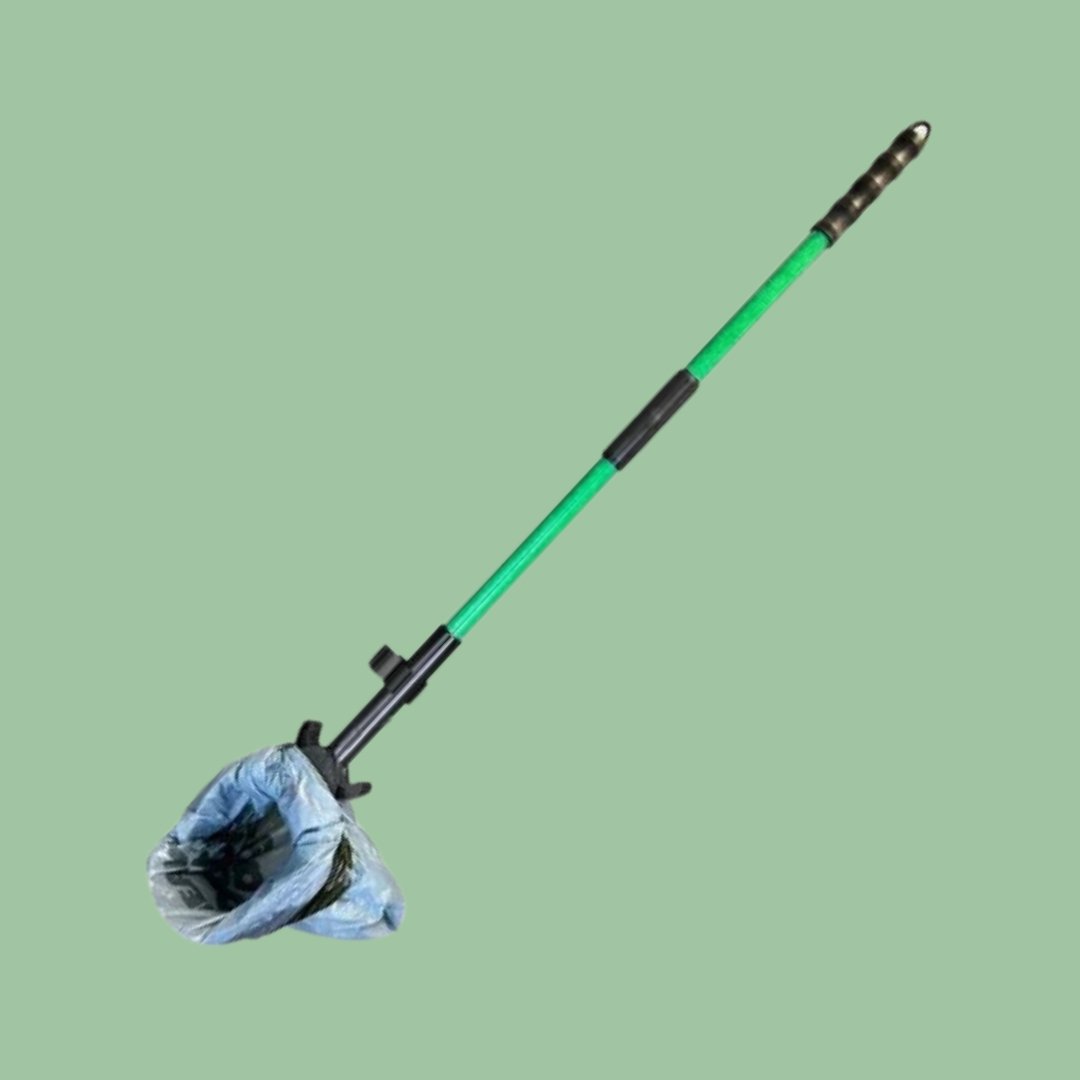
For yard maintenance, a reliable pooper scooper saves time and keeps your outdoor space sanitary. Pair that with heavy-duty poop bags so you’re always prepared during walks. If you walk your dog at night, a USB rechargeable LED flashlight clips right onto your scooper for hands-free visibility.
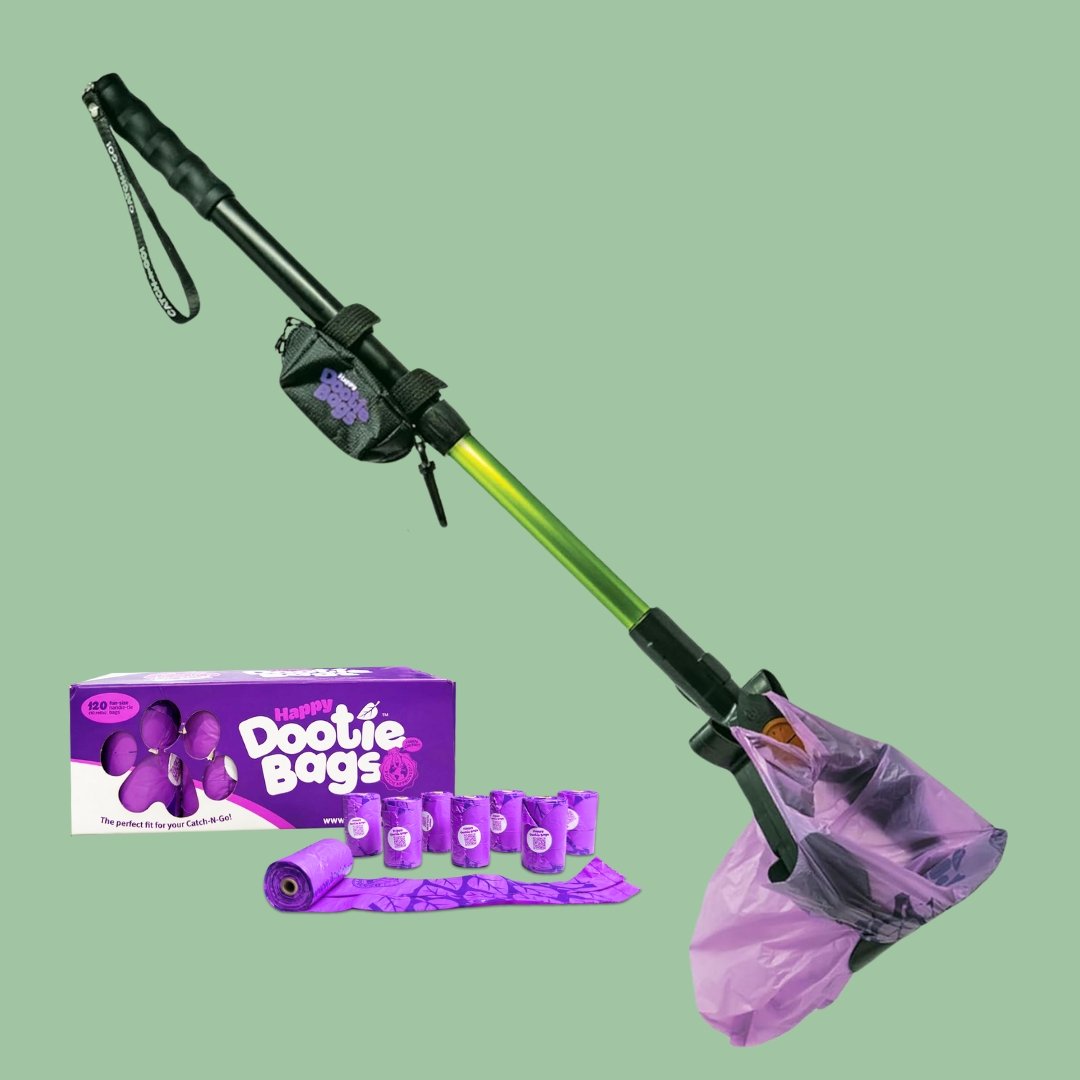
For on-the-go situations, the Catch N Go hybrid catcher and scooper is a portable option that keeps your hands clean while you handle waste quickly. Combined with a pack of wipes in your bag, you’ll have everything you need for a clean walk from start to finish.
Quick-Reference: Dog Wipe Training Timeline
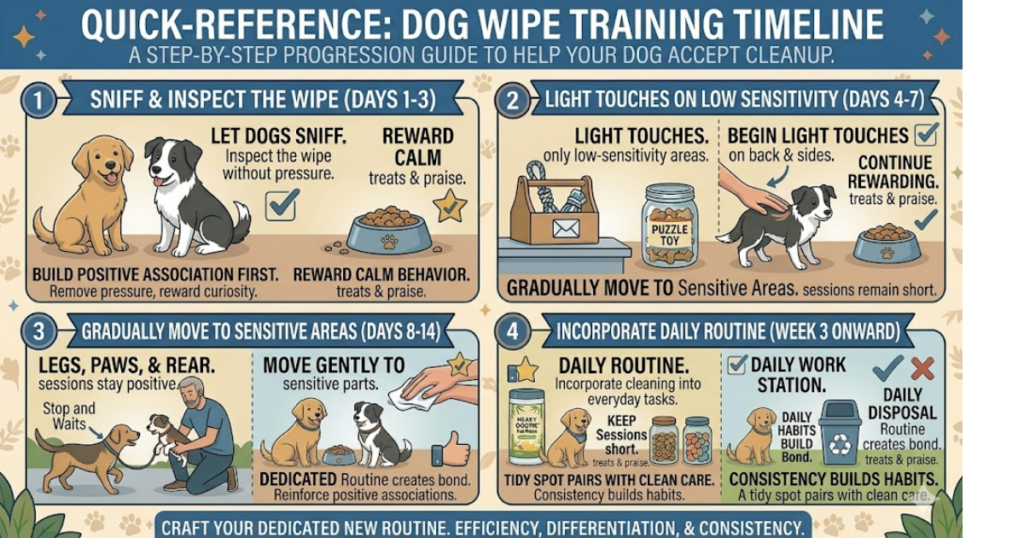
Here’s a rough timeline to set expectations:
Days 1–3: Let your dog sniff and inspect the wipe. Reward calm behavior with treats.
Days 4–7: Begin light touches on low-sensitivity areas like the back and sides. Continue rewarding.
Days 8–14: Gradually move to legs, paws, and the rear area. Keep sessions short and positive.
Week 3 onward: Incorporate wiping into a daily routine. By this point, most dogs accept the process without fuss.
Some dogs pick it up faster, while others need more time. Either way, stay consistent and keep the rewards flowing.
Final Thoughts
Teaching your dog to love being cleaned with dog wipes isn’t about tricking them it’s about building trust. When you go slow, use gentle products, and reward calm behavior, your dog learns that wipe time is a safe and positive part of their day.
Start with the right supplies. GOGO Stik’s Heavy Dootie Pet Wipes give you a soft, citrus-scented wipe that’s tough on messes but easy on your dog’s skin. Pair them with the rest of GOGO Stik’s cleanup tools and you’ll have a complete system for keeping your pet and your home spotless.
Your dog might not thank you with words, but a calm, relaxed pup during cleanup time says it all.
Dogs are more than pets — they’re stress relievers, mood boosters, and loyal companions who show up for us every single day. In fact, spending just a few minutes with your dog can lower cortisol levels and increase the feel-good hormone oxytocin. But here’s the thing: if your daily dog
Dogs are curious by nature. They sniff, chew, and taste just about everything they come across—including your houseplants. For that reason, choosing non-toxic indoor plants that are safe for dogs should be a top priority for every pet owner. The good news? Plenty of beautiful, low-maintenance houseplants pose zero risk
Keeping your dog clean doesn’t have to be a wrestling match. Many pet parents struggle when it comes to wiping down their furry friend after walks, messy meals, or muddy adventures. However, with patience and the right approach, you can transform cleanup time into a bonding experience your dog actually