Home/Blogs/How to Introduce Your Dog to a New Baby
How to Introduce Your Dog to a New Baby
Bringing a new baby home is one of the most exciting milestones in any family’s life. But if you have a dog, the transition requires careful planning. Dogs are creatures of routine, and the arrival of a newborn can feel overwhelming and confusing for them. The good news is that with the right steps, your dog and baby can build a safe, loving bond from the very start.
This guide walks you through everything you need to know — before, during, and after the introduction — so both your dog and your baby are set up for success.
Why Preparation Matters Before the Baby Arrives
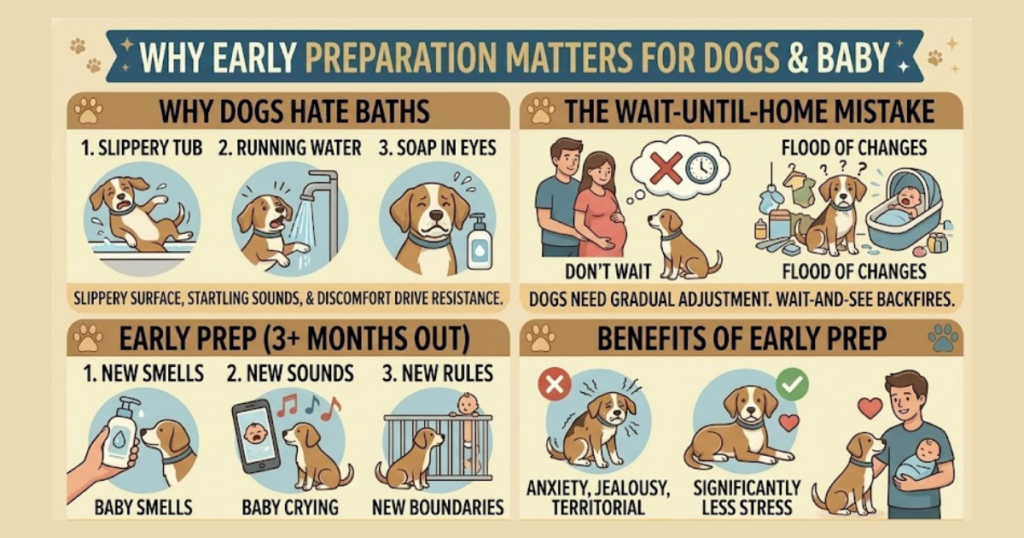
Most dog owners make the mistake of waiting until the baby is home before making any changes. That approach often backfires. Dogs need time to adjust to new rules, smells, sounds, and spaces. Starting early gives your dog the chance to adapt gradually, rather than being hit with a flood of changes all at once.
Research shows that dogs who receive early preparation are significantly less stressed during a baby’s arrival. They are also less likely to show signs of anxiety, jealousy, or territorial behavior. So, the earlier you start, the better things will go for everyone.
Brush Up on Basic Obedience
Before the baby comes, make sure your dog has a solid foundation in basic commands. Commands like “sit,” “stay,” “leave it,” and “go to your place” are not just tricks — they are safety tools. A dog that reliably responds to these commands gives you far more control in tense or unpredictable situations.
If your dog has gaps in training, now is the right time to address them. Enroll in a refresher obedience class or work with a certified trainer. Even a few weeks of consistent practice can make a real difference.
Set New Boundaries in the Home
You may want certain areas of your home to be off-limits to your dog once the baby arrives, such as the nursery or the feeding area. The best strategy is to establish those boundaries before the baby comes home. This way, the dog is not associating the new rules with the arrival of the baby.
Use baby gates, closed doors, or consistent redirection to enforce the new zones. When your dog respects the boundaries while getting praise and treats for doing so, the rules stick much faster.
Introduce Baby Sounds and Smells Early
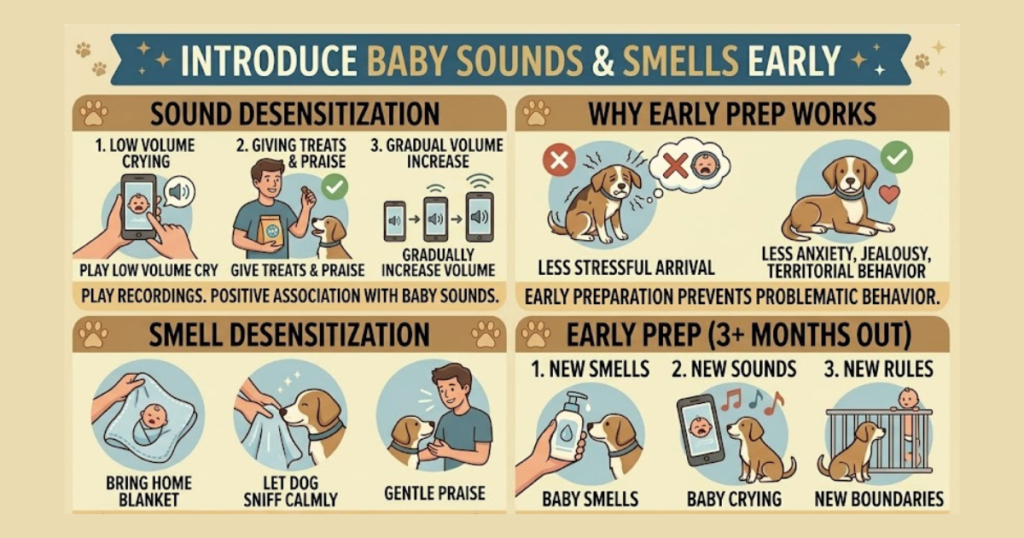
Babies are loud, and the sound of crying can be startling for a dog that has never heard it. Play recordings of baby sounds at a low volume while giving your dog treats and praise. Over time, gradually increase the volume. This process, known as desensitization, helps your dog build a positive association with the sounds of a newborn.
Before the baby comes home from the hospital, bring home a blanket or clothing item that carries the baby’s scent. Let your dog sniff it calmly while receiving gentle praise. This gives your dog its first introduction to the new family member in a relaxed, low-pressure setting.
The First Introduction at Home
The moment you bring your baby home is critical. How you handle the first meeting can set the tone for the entire relationship between your dog and your child. Take it slow, stay calm, and follow a few key steps.
Let Your Dog Settle Down First
Before the baby comes through the door, have another adult take the dog for a walk or engage in some playtime. A dog that has burned off energy is far calmer and more receptive. Avoid letting the dog jump up or rush toward you when you first walk in. Ask your dog to sit and wait before any greetings happen.
Keep the First Meeting Calm and Controlled
Hold your baby securely and allow your dog to approach at its own pace. Do not force the interaction. Let your dog sniff from a distance first, then gradually closer if the dog remains calm. Keep the leash on during the first meeting just in case you need to redirect quickly.
Speak in a calm, neutral tone throughout. Dogs pick up on your energy, so staying composed sends the message that everything is fine. Reward your dog with treats and soft praise for calm, gentle behavior.
Watch for Warning Signs
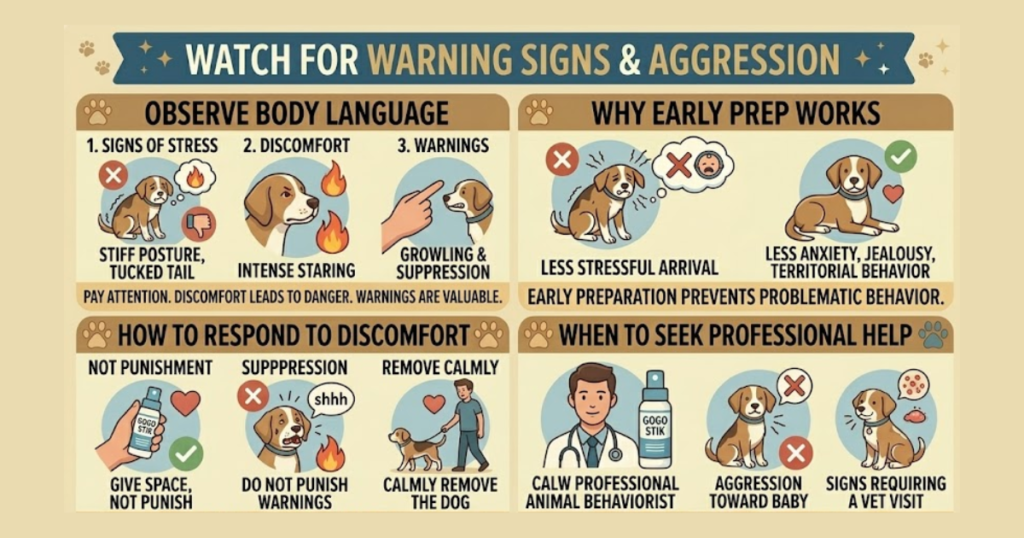
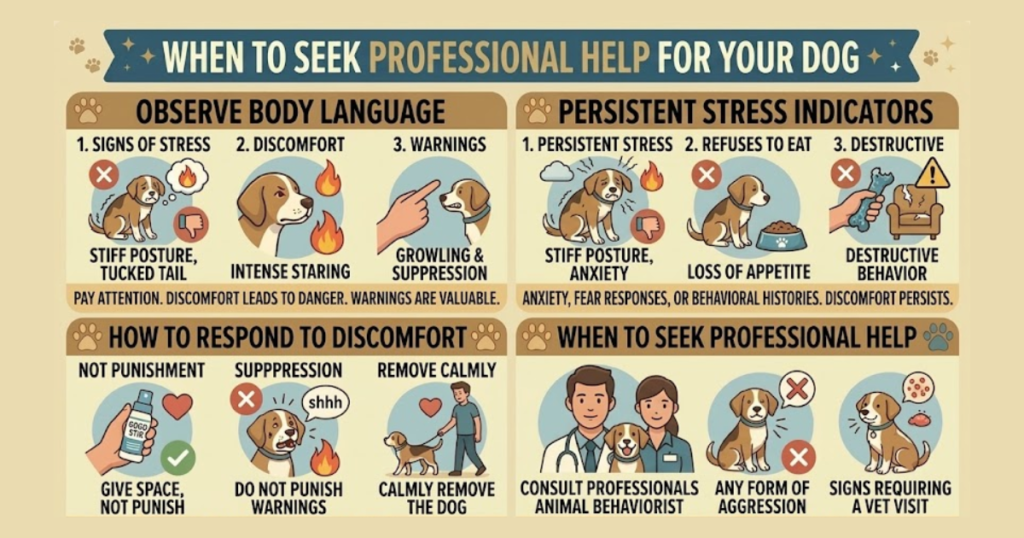
Pay close attention to your dog’s body language. Signs of stress or discomfort include stiff posture, a tucked tail, intense staring, growling, or trying to leave the room repeatedly. If you notice any of these signs, calmly remove the dog and give it some space. Never punish the dog for showing discomfort — doing so only suppresses the warning signs and can make the situation more dangerous down the line.
If your dog shows any aggression toward the baby during the first meetings, consult a professional dog trainer or animal behaviorist right away.
Building a Positive Relationship Over Time
The first introduction is just the beginning. Over the following weeks and months, your dog and baby will be sharing space, and the way you manage that period matters a lot.
Never Leave Them Alone Together
No matter how gentle and well-trained your dog is, never leave your dog and baby alone in the same room unsupervised. This rule applies until your child is old enough to understand how to interact with dogs appropriately — typically around age 8 or older, depending on the child and the dog.
Supervision does not mean hovering anxiously. It simply means being present and attentive whenever the two are in the same space.
Keep Your Dog’s Routine Consistent
Dogs thrive on routine, and the arrival of a baby can easily throw that routine into chaos. Try to keep feeding times, walks, and play sessions as consistent as possible. When your dog’s basic needs are met on a predictable schedule, the dog is far less likely to act out or develop anxiety-related behaviors.
If you know your schedule will change drastically once the baby arrives, begin adjusting your dog’s routine gradually before the due date. Small shifts over several weeks are much easier for a dog to handle than a sudden change.
Give Your Dog One-on-One Time
One of the biggest mistakes new parents make is unintentionally ignoring the dog. Your dog is used to being a central part of your life, and the sudden shift in attention can trigger jealousy or attention-seeking behavior. Schedule short but intentional periods each day for your dog — a walk around the block, a quick game of fetch, or even a five-minute cuddle session.
These small moments go a long way in reinforcing the bond between you and your dog, and they help the dog feel secure rather than displaced.
Managing Outdoor Time and Cleanliness
With a new baby in the house, hygiene becomes a top priority. Your dog will still need regular walks and outdoor time, and that means dealing with waste in a clean, efficient way. Keeping your yard clean is not just a matter of convenience — it is a genuine health consideration when you have a crawling baby who could come into contact with contaminated ground.
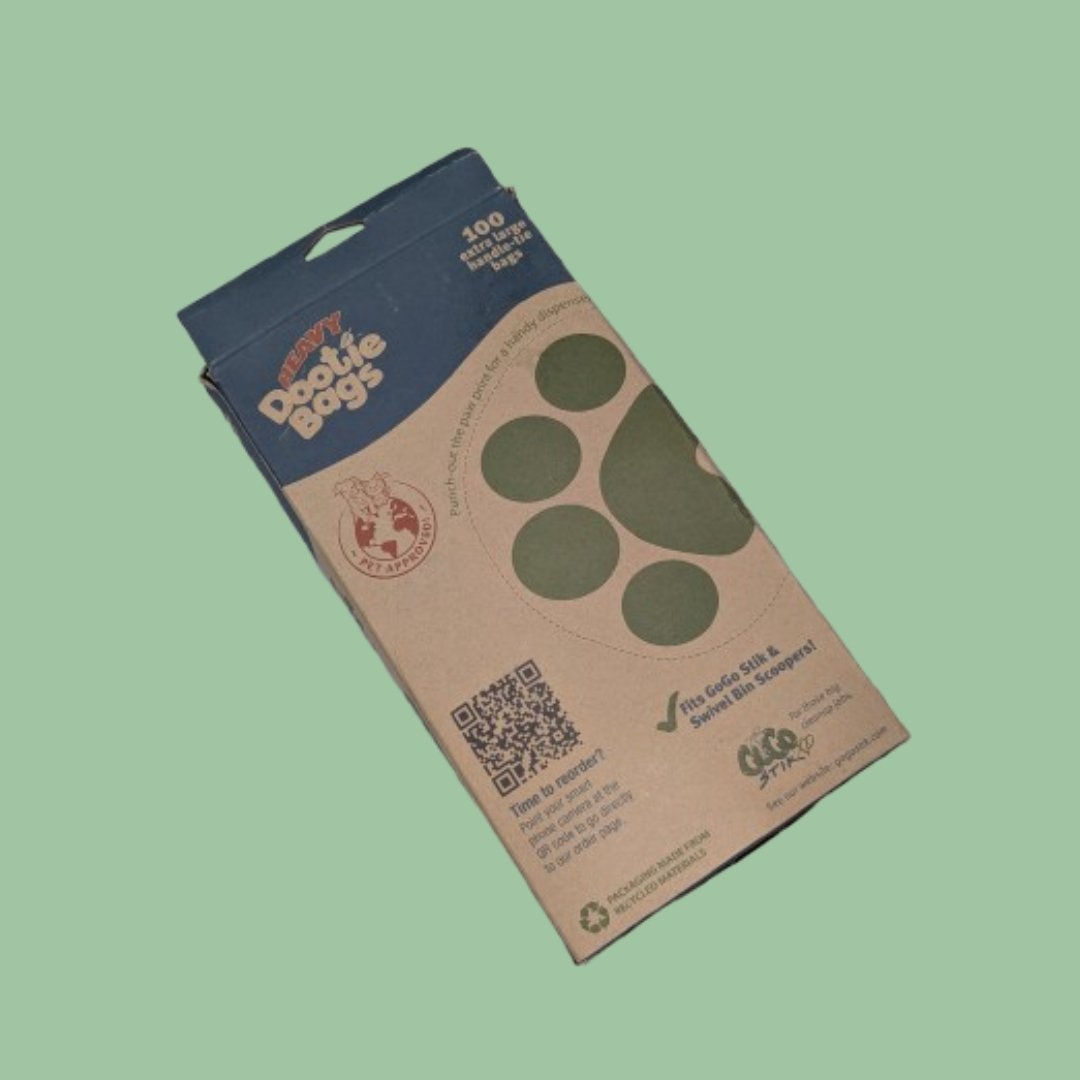
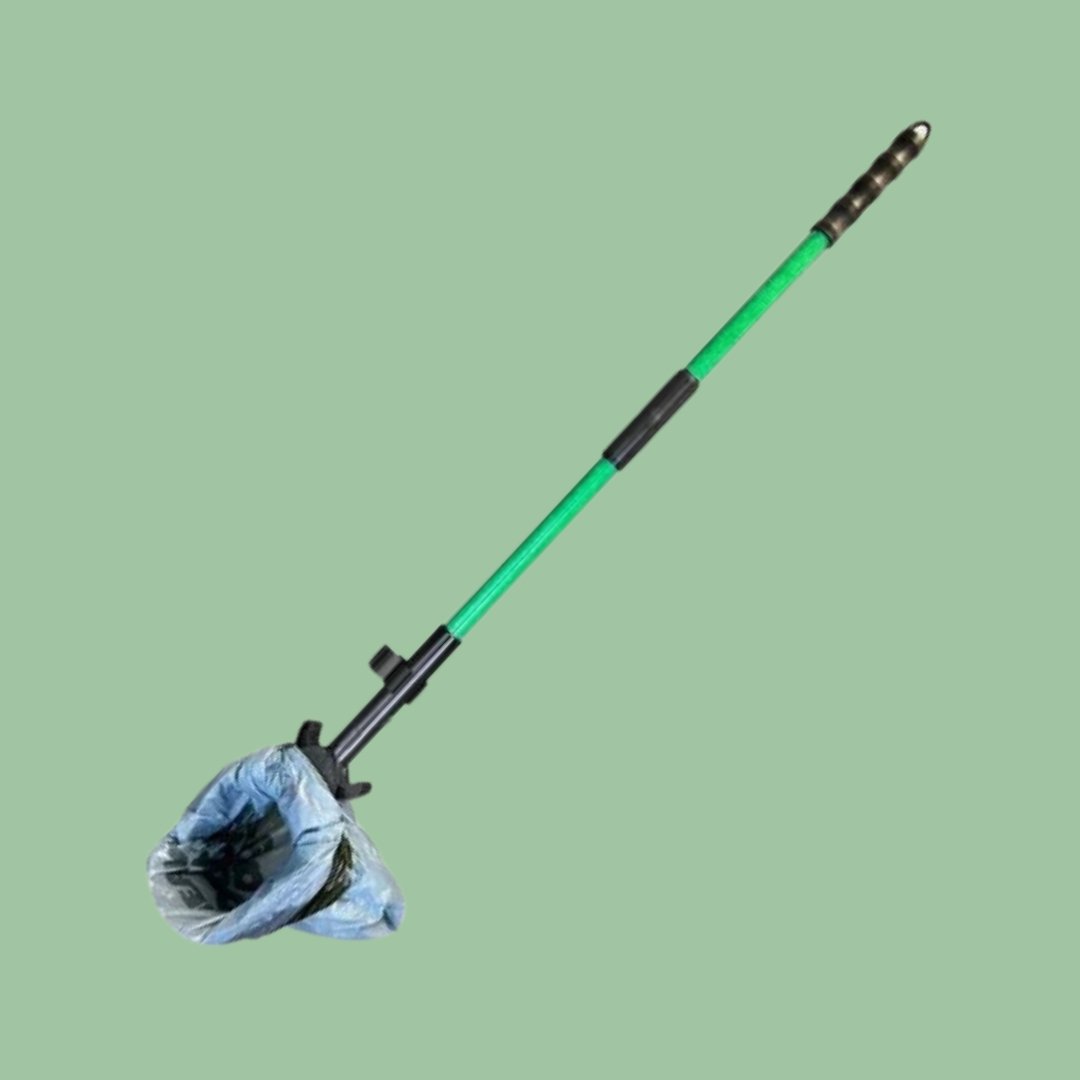
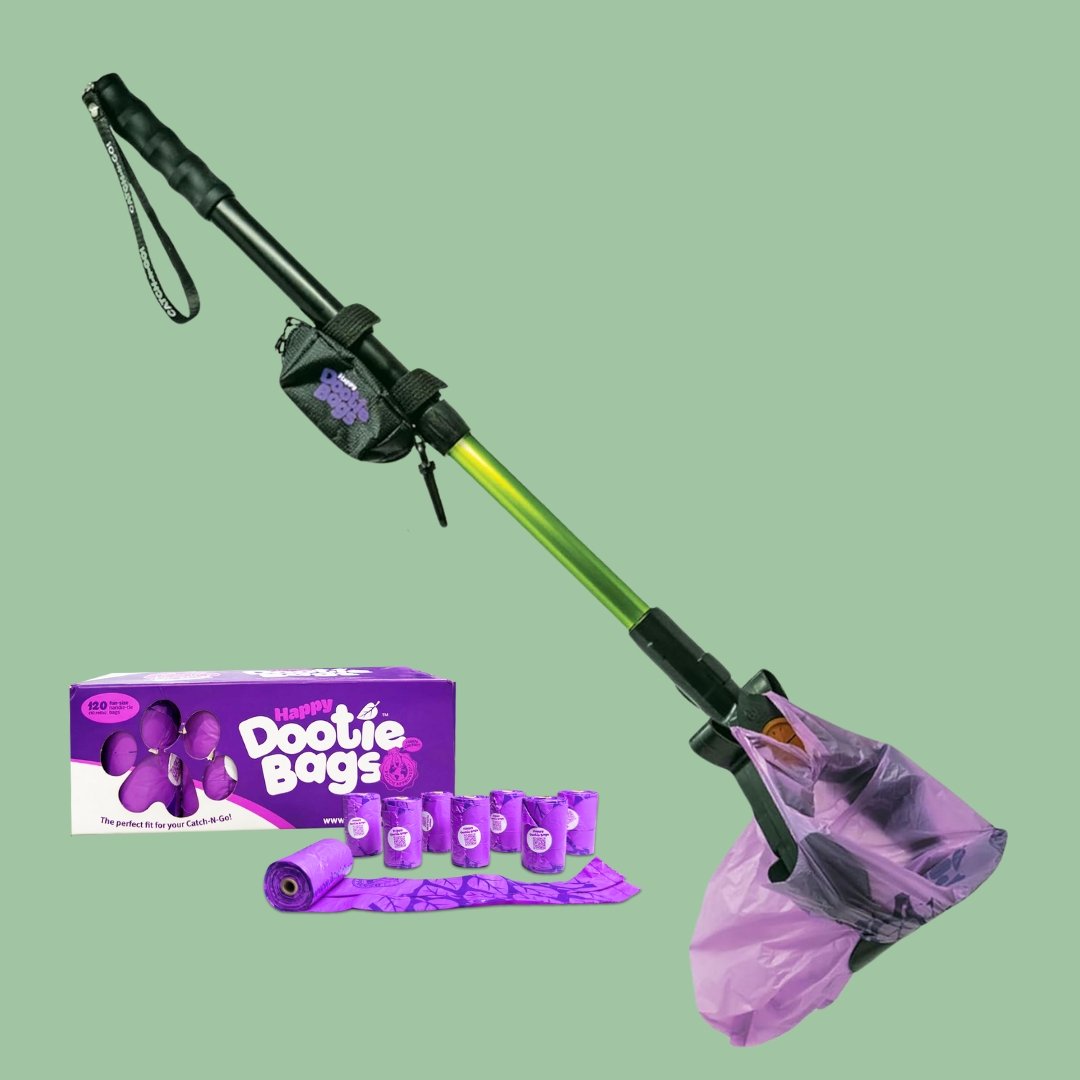
A quality pooper scooper makes this chore fast and hygienic. GOGO Stik offers a range of tools designed for easy, no-fuss cleanup, including the GOGO Stik XP Pooper Scooper Set for thorough yard cleanups and the Catch N Go Hybrid Catcher & Scooper for on-the-go walks. You can also stock up on durable, leak-proof poop bags so you are never caught unprepared.
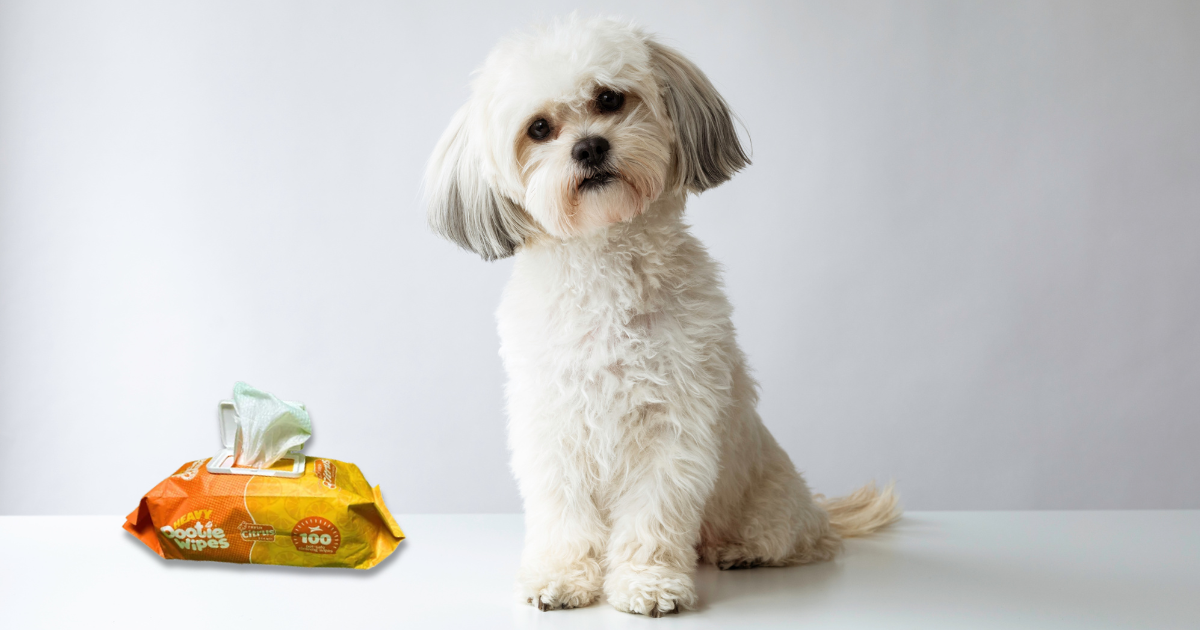
For evening walks, the GOGO Stik Fido USB Rechargeable LED Flashlight keeps your path visible while you handle cleanup safely in the dark. And for wiping down your dog’s paws before they come inside, GOGO Stik’s Heavy Dootie Pet Wipes keep things clean and citrus-fresh — a small but meaningful step when you have a baby on the floor.
Keeping your yard consistently clean with the right tools, like the Scooper and Hybrid Rake Set, means your outdoor space stays safe for your baby as they grow and begin to spend time outside.
Teaching Your Baby How to Interact With Your Dog
As your baby grows into a toddler, the dynamic between child and dog shifts considerably. Toddlers are unpredictable — they grab, poke, fall, and shriek at random. Even the most patient dog has limits, so teaching your child how to interact respectfully with the dog is just as important as training the dog.
Model Gentle Touch from an Early Age
From the moment your baby starts showing interest in the dog, model the behavior you want to see. Guide your baby’s hand to stroke the dog gently and say “gentle” in a calm voice. Repeat this consistently so the concept begins to take hold as the child grows.
Avoid allowing your baby or toddler to pull ears, tug tails, climb on the dog, or disturb the dog while eating or sleeping. These interactions, while they may seem harmless at the time, are common triggers for dog bites in children.
Teach Your Child to Read Dog Body Language
As your child gets older — even as young as three or four — you can begin teaching them basic dog body language. A wagging tail does not always mean a happy dog. A dog that moves away, yawns repeatedly, or turns its head away is signaling that it needs space. Teaching your child to recognize and respect those signals dramatically reduces the risk of a negative incident.
When to Seek Professional Help
Sometimes, despite your best efforts, a dog struggles to adjust to a new baby. This is not a failure on your part — some dogs have anxiety, fear responses, or behavioral histories that require professional support. Reach out to a certified professional dog trainer or a veterinary behaviorist if your dog shows persistent stress, refuses to eat, becomes destructive, or displays any form of aggression toward the baby.
Early intervention is always more effective than waiting for a problem to escalate. A few sessions with the right professional can make a transformative difference.
Final Thoughts
Introducing your dog to a new baby takes patience, planning, and consistency — but it is entirely achievable. The families that do it well are not the ones with perfect dogs. They are the ones who prepare early, stay observant, and prioritize the safety and comfort of every family member, furry ones included.
Take the process one step at a time. Celebrate the small wins. And know that with the right approach, your dog and your child can grow up sharing a bond that will enrich both of their lives for years to come.
Recommended GOGO Stik Products for New Parents with Dogs:
Keeping your dog clean doesn’t have to be a wrestling match. Many pet parents struggle when it comes to wiping down their furry friend after walks, messy meals, or muddy adventures. However, with patience and the right approach, you can transform cleanup time into a bonding experience your dog actually
Dog anxiety is more common than most pet owners realize. Your furry friend might pace nervously, bark excessively, or hide when stressed. Recognizing these signs early helps you address the root cause before the behavior worsens. Understanding Why Dogs Feel Anxious Dogs experience anxiety for various reasons. Loud noises like
Walking your dog should be one of the best parts of your day — fresh air, bonding time, and a little exercise for both of you. But if your dog is constantly yanking, zigzagging, or dragging you down the street, it stops being fun fast. The good news? Leash pulling