Home/Blogs/How to Clean Dog Paws After Walk: Best Practices for Healthy Paws
How to Clean Dog Paws After Walk: Best Practices for Healthy Paws
Every dog owner knows this scenario: your pup finishes a great walk and runs toward the door with muddy, dirty paws. As a result, those paws track debris, dirt, and unwanted substances throughout your home. Beyond the obvious mess, however, those paws carry more than just mud. Learning how to clean dog paws after walk is essential for your dog’s health and your home’s cleanliness.
This guide covers everything you need to know about paw cleaning after walk, from quick daily routines to deep cleaning methods. By following these practices, you can keep your dog’s paws healthy and your floors spotless.
Why Cleaning Your Dog’s Paws After Walks Matters
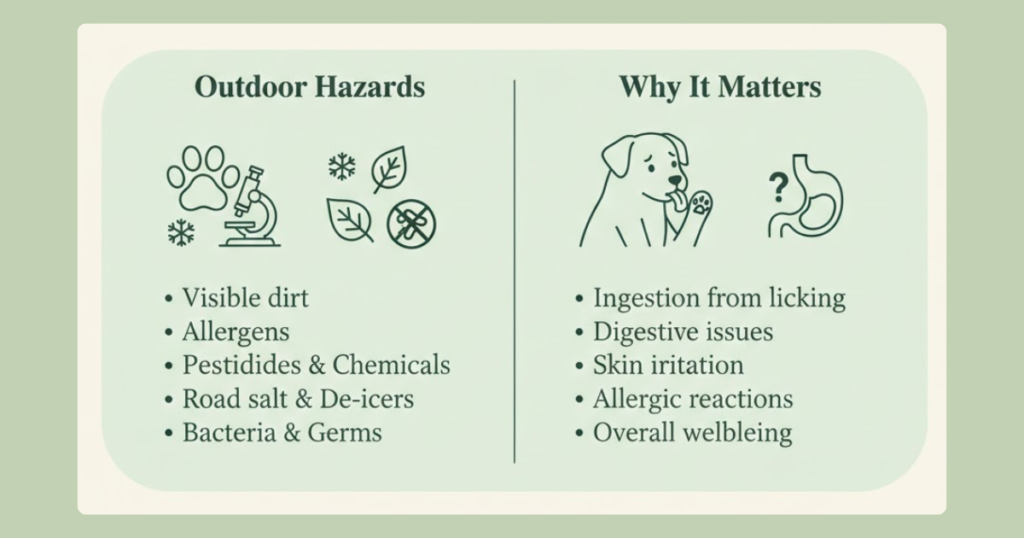
Outdoor walks expose your dog’s paws to far more than visible dirt. In fact, paw pads collect allergens, pesticides, road salt, de-icing chemicals, and bacteria. These substances can harm your pet in multiple ways. When dogs groom themselves by licking their paws, they ingest whatever is stuck there. Therefore, regular cleaning becomes crucial for their wellbeing.
Potential Health Risks of Dirty Paws
Without proper paw cleaning, your dog faces several health risks. First, skin infections from bacteria and fungi can develop quickly. Second, allergic reactions to environmental irritants often cause discomfort. Third, chemical burns from road salt or de-icers damage sensitive paw pads. Fourth, dogs may ingest toxic substances during their grooming routine. Finally, cracked or damaged paw pads result from debris buildup over time.
Besides health concerns, regular paw cleaning prevents outdoor contaminants from spreading throughout your home. As a result, your carpets, furniture, and bedding stay much cleaner.
Warning Signs Your Dog’s Paws Need More Attention
Watch for these indicators that show your dog’s paws are not being cleaned properly. Excessive paw licking or chewing is often the first sign. Similarly, redness or inflammation between toes suggests irritation. If your dog is limping or favoring certain paws, debris may be lodged in the pads. An unpleasant odor from the paws, along with discolored fur around them, also signals poor paw hygiene. Establishing a consistent post-walk cleaning routine protects both your pet’s health and your home environment.
Effective Methods for Cleaning Your Dog’s Paws
Several methods work well for paw cleaning, and choosing the right one depends on your situation. Below are the most effective approaches for different circumstances.
Method 1: Using Dog-Safe Cleaning Wipes
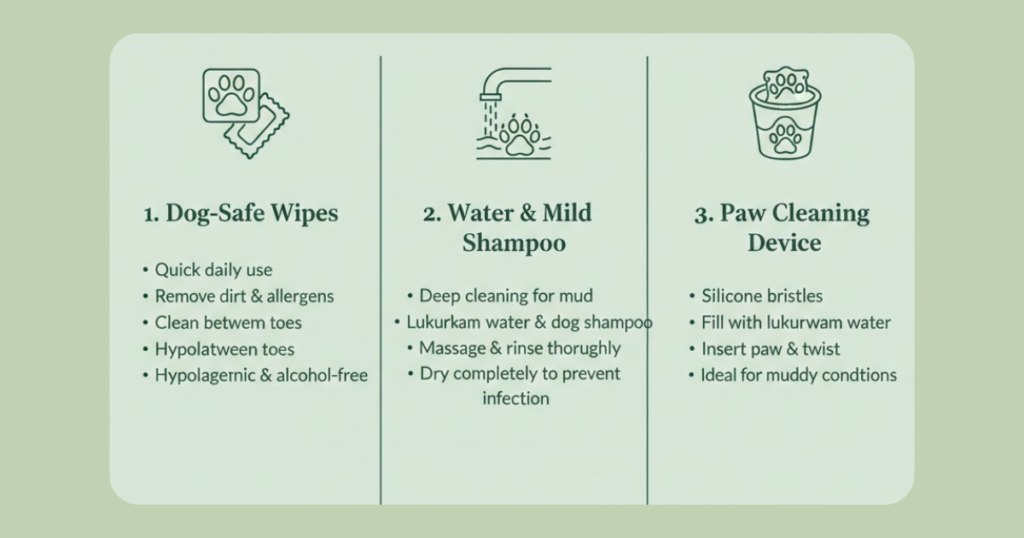
For quick, daily paw care, dog paw wipes offer the most convenient solution. GOGO Stik’s Heavy Dootie Pet Wipes are specifically designed for wiping dog paws without harsh chemicals. They work perfectly for routine maintenance, especially when your dog isn’t excessively muddy.
How to Use Wipes Properly:
Gently wipe each paw pad while removing visible dirt
Clean between toes where debris accumulates most
Use a fresh section of the wipe for each paw
Pay attention to the webbing between toes
Finish with a quick check for cuts or foreign objects
Choose hypoallergenic and alcohol-free wipes to prevent skin irritation. These wipes are ideal for apartment dwellers or anyone who needs a quick solution before entering the home.
Method 2: Washing with Water and Mild Dog Shampoo
When dealing with muddy dog paws or after walks through chemically treated areas, a thorough wash provides the best cleaning. This method is particularly useful after walks in areas with pesticides, road salt, or other harmful substances.
Step-by-Step Washing Process:
Fill a basin or use a handheld sprayer with lukewarm water
Apply a small amount of dog-safe shampoo
Gently massage each paw while focusing on pads and between toes
Rinse thoroughly to remove all soap residue
Dry paws completely with a clean towel
Critical tip: Always dry paws completely to prevent fungal infections. Moisture trapped between toes creates an ideal environment for yeast and bacteria growth. This method works best for deep cleaning sessions or after particularly dirty adventures.
Method 3: Using a Paw Cleaning Device
Paw washer tools feature silicone bristles that gently scrub paws inside a cup-like container. These devices work exceptionally well for owners who frequently encounter muddy conditions or have multiple dogs.
How to Use a Paw Cleaner:
Fill the device with lukewarm water
Insert your dog’s paw into the opening
Gently twist or move the device to activate the bristles
Remove and dry the paw thoroughly
Empty and refill between paws for best results
These tools provide consistent, thorough cleaning and make the process faster once your dog becomes comfortable with them. They are particularly useful during rainy seasons or for active dogs who love muddy trails.
Should You Wipe Your Dog’s Paws After Every Walk?
The answer depends on several factors, but establishing a consistent routine benefits most dogs. Veterinarians and grooming specialists recommend at least wiping dog paws after every walk, even if it’s just a quick once-over with dog-safe wipes.
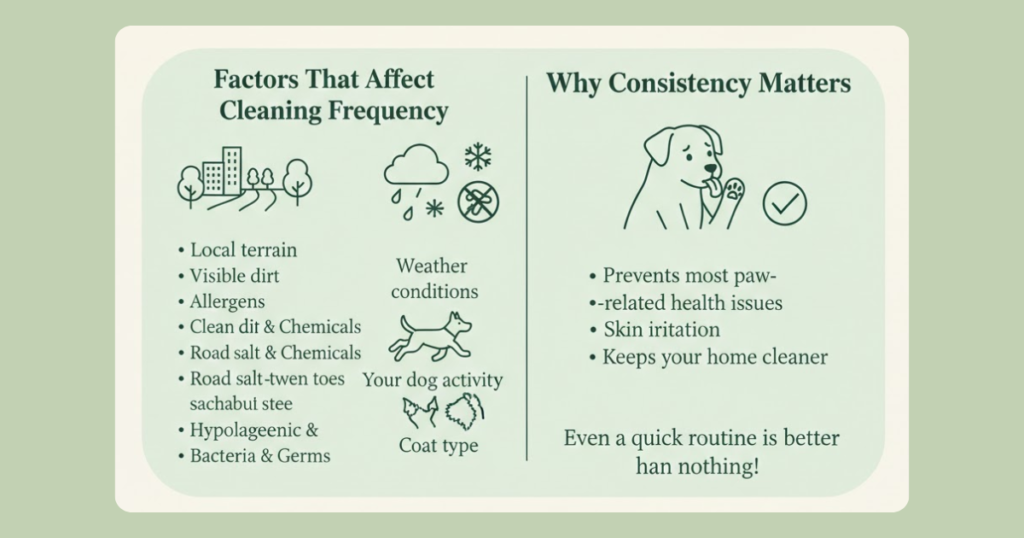
Factors That Affect Cleaning Frequency
Local terrain: Urban sidewalks collect more chemicals than rural trails
Weather conditions: Rain, snow, and mud increase contamination levels
Season: Winter salt and summer pesticides pose specific risks
Your dog’s activity level: More active dogs encounter more debris
Coat type: Dogs with fur between toes collect more material
This simple habit prevents most paw-related health issues and keeps your home cleaner. Consistency matters more than perfection—even a quick rinse routine is better than nothing.
Training Your Dog for Cooperative Paw Cleaning
For owners training their dogs to be more cooperative during paw cleaning sessions, patience and positive reinforcement are key. Start slowly and use treats throughout the process. Speak in calm voices, and keep initial sessions brief. Most dogs adapt quickly when paw cleaning becomes part of their routine, especially if introduced during puppyhood.
Training Tips for Success:
Begin by touching your dog’s paws without cleaning them
Reward calm behavior with treats and praise
Gradually introduce the cleaning tool or wipe
Keep early sessions under one minute
Make paw cleaning a positive association through consistency
Essential Paw Care Tips Beyond Cleaning
Proper paw care goes beyond simple cleaning. By incorporating these practices into your routine, you can keep your dog’s paws in optimal condition.
Regular Paw Inspections
Make paw inspection part of your cleaning routine by checking for issues during each session. Look for cuts, thorns, pebbles lodged between pads, or signs of infection like redness and swelling. Early detection prevents minor issues from becoming serious health problems. If you notice persistent problems, consult your veterinarian promptly.
Moisturizing Paw Pads
Extreme weather conditions—both hot and cold—can dry and crack paw pads. Therefore, use pet-safe moisturizers to keep pads supple and protected. Apply moisturizer after cleaning and drying paws, focusing on the pads themselves. Avoid products containing harmful chemicals that could be ingested during grooming. Many dog owners find that regular moisturizing reduces winter cracking and summer burns.
Trimming Fur Around Paws
Keeping fur trimmed around paws reduces debris accumulation and makes cleaning much easier. Long fur between toes collects mud, ice balls, and seeds that can cause discomfort or injury. If you’re comfortable with grooming tools, trim carefully with blunt-tipped scissors. Otherwise, professional groomers can handle this safely during regular appointments.
Complete Your Walk Cleanup Routine
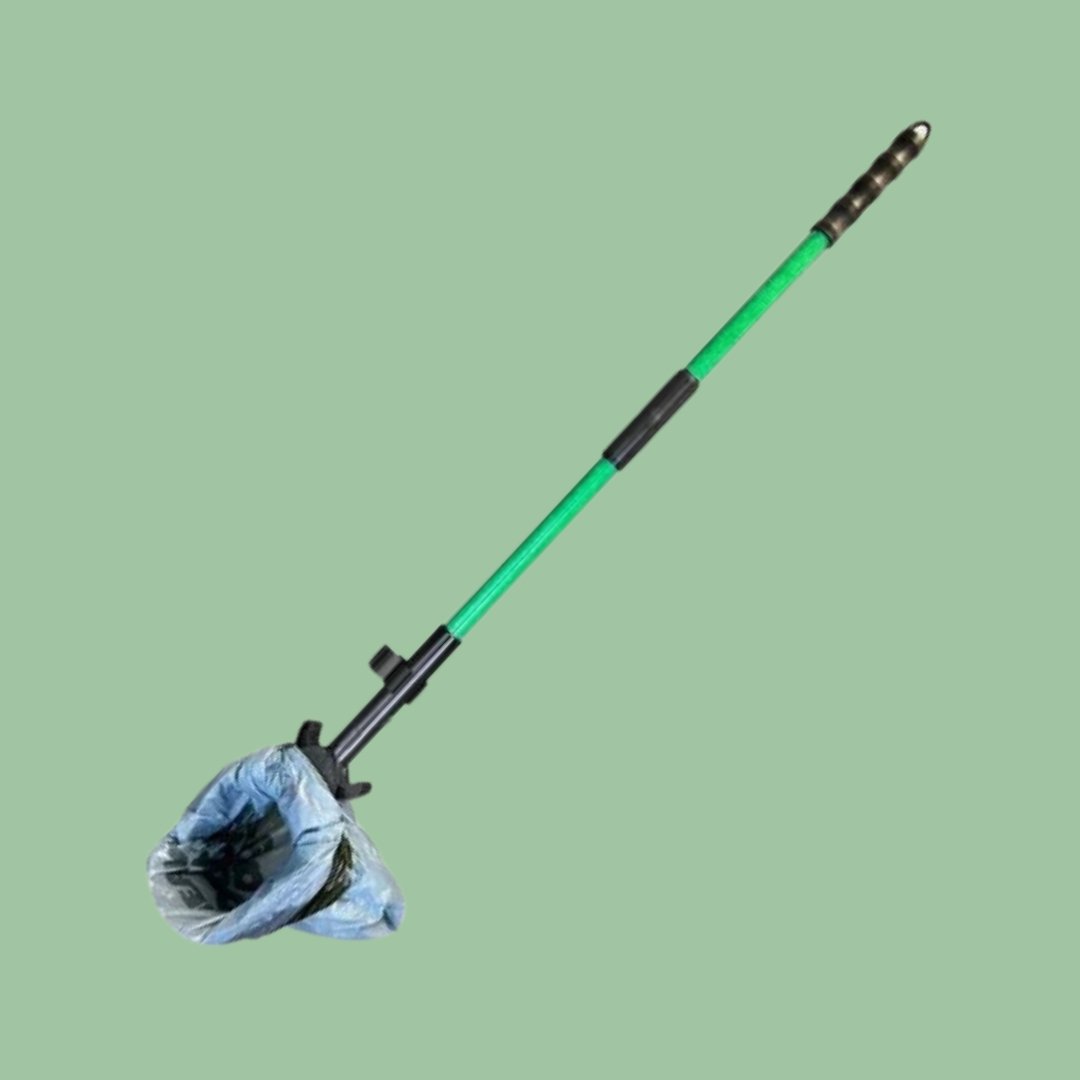
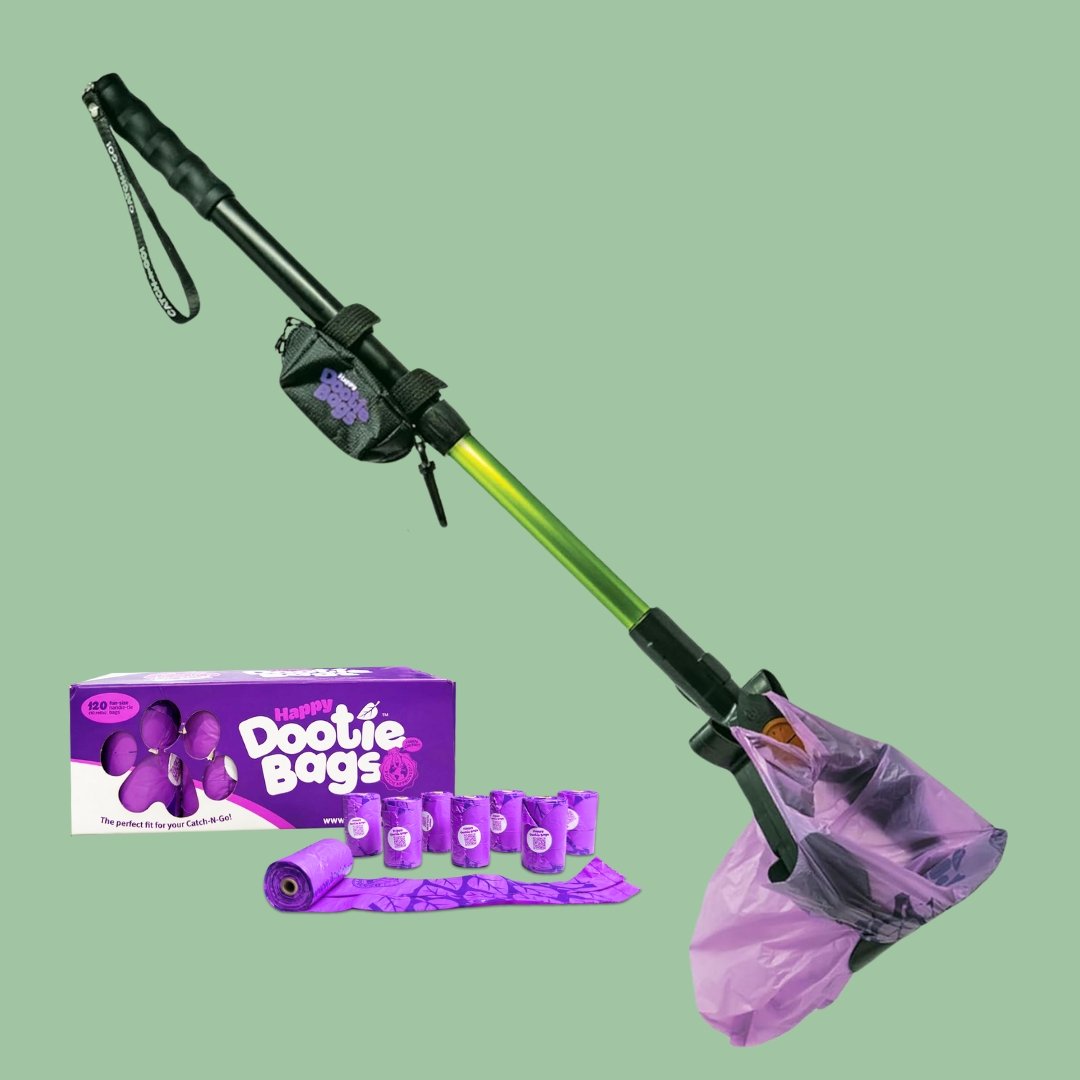
While paw cleaning is essential, a complete post-walk routine includes proper waste management. GOGO Stik offers a full range of products to make your walks cleaner and more convenient. Our Pooper Scooper and Hybrid Rake Set makes yard cleanup quick and easy. For on-the-go waste management, the Catch N Go Hybrid Catcher Scooper keeps your hands clean during walks.
Yes, cleaning your dog’s paws after every walk is recommended. At minimum, use dog paw wipes for a quick clean to remove allergens, bacteria, and chemicals. This simple routine prevents health issues and keeps your home cleaner. During muddy or snowy conditions, a more thorough wash may be necessary.
Should you wipe your dog’s paws?
Absolutely. Wiping dog paws removes harmful substances like pesticides, road salt, and bacteria that your dog might ingest during self-grooming. It also prevents tracking dirt and allergens into your home. Using dog-safe wipes makes this quick and easy as part of your post-walk routine.
How do you clean a dog after a daily walk?
For daily walks, use dog paw wipes to clean each paw while paying attention to pads and between toes. For muddy conditions, wash paws with lukewarm water and dog-safe shampoo, then dry thoroughly. Establish a consistent routine at your entryway so your dog learns to expect cleaning before coming inside.
Is it normal for dogs to lick their paws after a walk?
Yes, it’s normal for dogs to lick their paws after a walk as part of self-grooming. However, excessive licking may indicate irritation from allergens, chemicals, or debris. Regular paw cleaning reduces the need for excessive licking and prevents your dog from ingesting harmful substances picked up during walks.
What should I look for when inspecting my dog’s paws?
During paw inspections, check for cuts, thorns, pebbles, or foreign objects lodged between pads. Also look for redness, swelling, cracked pads, or unusual odors. These signs may indicate infection or injury that requires veterinary attention.
Make Paw Cleaning Part of Your Daily Routine
Knowing how to clean dog paws after walk protects your dog’s health while keeping your home cleaner. Whether you opt for quick daily wipes, thorough washing sessions, or specialized paw cleaning tools, consistency matters most.
Key Takeaways:
Clean paws after every walk to remove harmful substances
Use dog-safe products designed for sensitive paw skin
Dry paws thoroughly to prevent fungal infections
Inspect paws regularly for early problem detection
Choose methods that fit your lifestyle and environment
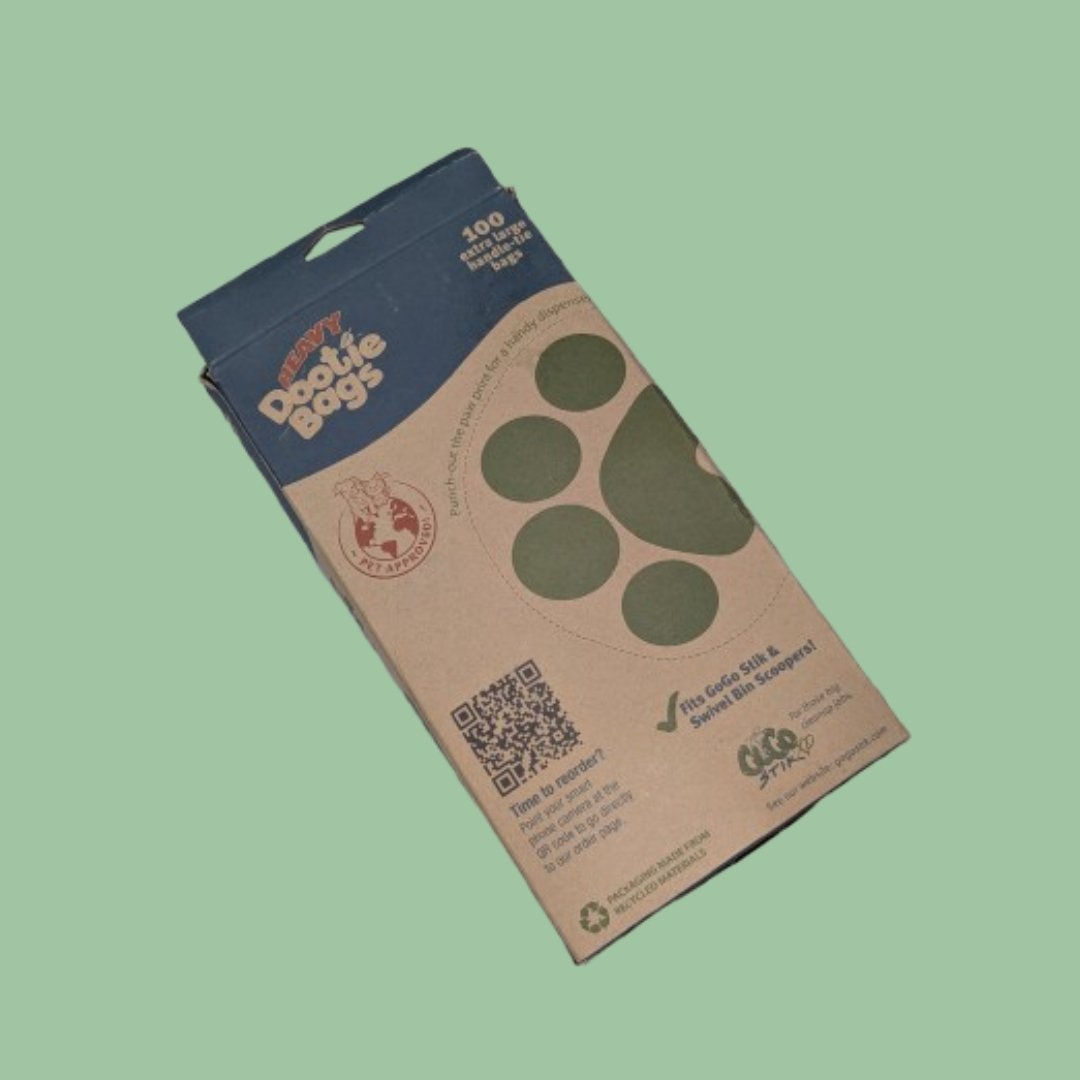
Ready to simplify your paw cleaning and walk cleanup routine? GOGO Stik’s Heavy Dootie Pet Wipes offer a convenient, effective solution for daily paw care. Combined with our XP Pooper Scooper and quality dootie bags, you’ll have everything you need for clean, healthy walks with your furry friend.
Bringing a new puppy home is one of the most exciting days you’ll have as a pet owner. It’s also one of the most chaotic if you’re not prepared. Between the tail wags, the zoomies, and the inevitable accidents, that first day can feel overwhelming fast. That’s why a solid
You call out “bath time,” and suddenly your dog vanishes behind the couch. Sound familiar? You’re not alone. Most dog owners deal with a pup who treats the bathtub like a torture chamber, even though that same dog will happily launch into a muddy puddle at the park. So why
Dog toys can get expensive fast, especially if your pup chews through them in minutes. On top of that, many store-bought options are made with questionable materials that may not be safe for your furry friend. The good news? You don’t need to spend a fortune to keep your dog