Home/Blogs/Heavy Duty Garbage Bags for Pet Owners: Beyond the Backyard
Heavy Duty Garbage Bags for Pet Owners: Beyond the Backyard
Being a pet owner means dealing with messes that go far beyond the occasional backyard cleanup. From muddy paw prints to unexpected accidents, pet parents need reliable solutions that can handle anything their furry friends throw at them—literally.
Heavy duty garbage bags have become an essential tool for responsible pet ownership. However, many pet owners don’t realize the full range of situations where these reinforced bags can make life significantly easier. In this guide, we’ll explore the various ways pet parents can use heavy duty trash bags to maintain a cleaner, more hygienic home.
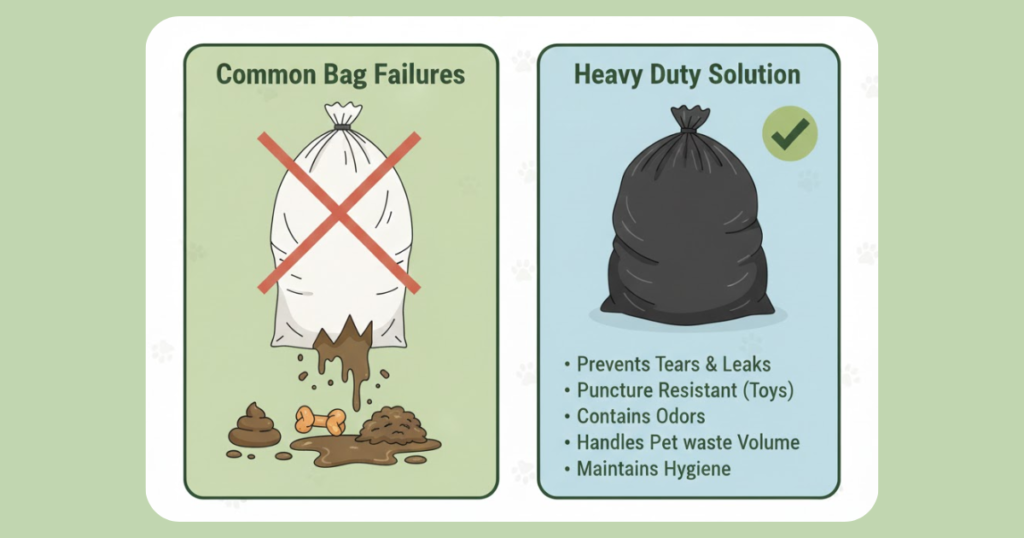
Standard garbage bags simply aren’t built for the unique challenges of pet ownership. Consequently, they often tear, leak, or fail when you need them most. Pet waste, wet fur, muddy items, and sharp objects like broken toys all require bags with superior strength and puncture resistance.
The average dog produces approximately 274 pounds of waste per year. Therefore, choosing the right disposal method becomes crucial for maintaining hygiene and preventing environmental contamination. Heavy duty bags offer the reliability needed to handle this volume safely.
Key Features to Look For
Before purchasing bags for pet-related tasks, consider these essential features:
Thickness and Material Strength: Look for bags with at least 1.2 mil thickness. Thicker bags resist punctures from sharp objects like bones or broken toys. Meanwhile, multi-layer construction provides extra durability.
Leak-Proof Design: A quality bag prevents liquids from seeping through. This feature is particularly important when dealing with wet waste or cleaning up after accidents.
Size Variety: Different tasks require different bag sizes. For instance, small bags work well for daily waste pickup, while larger bags are better suited for major cleaning projects.
Odor Control: Many premium bags include odor-blocking technology. As a result, unpleasant smells stay contained until disposal day arrives.
Eco-Friendly Options: Some manufacturers now offer biodegradable or compostable options. These environmentally conscious choices help reduce your carbon footprint.
Backyard Cleanup Made Simple
The backyard remains the most obvious place where pet owners need reliable bags. Regular yard maintenance prevents contamination, reduces odors, and keeps outdoor spaces safe for children and pets alike.
Daily Waste Collection
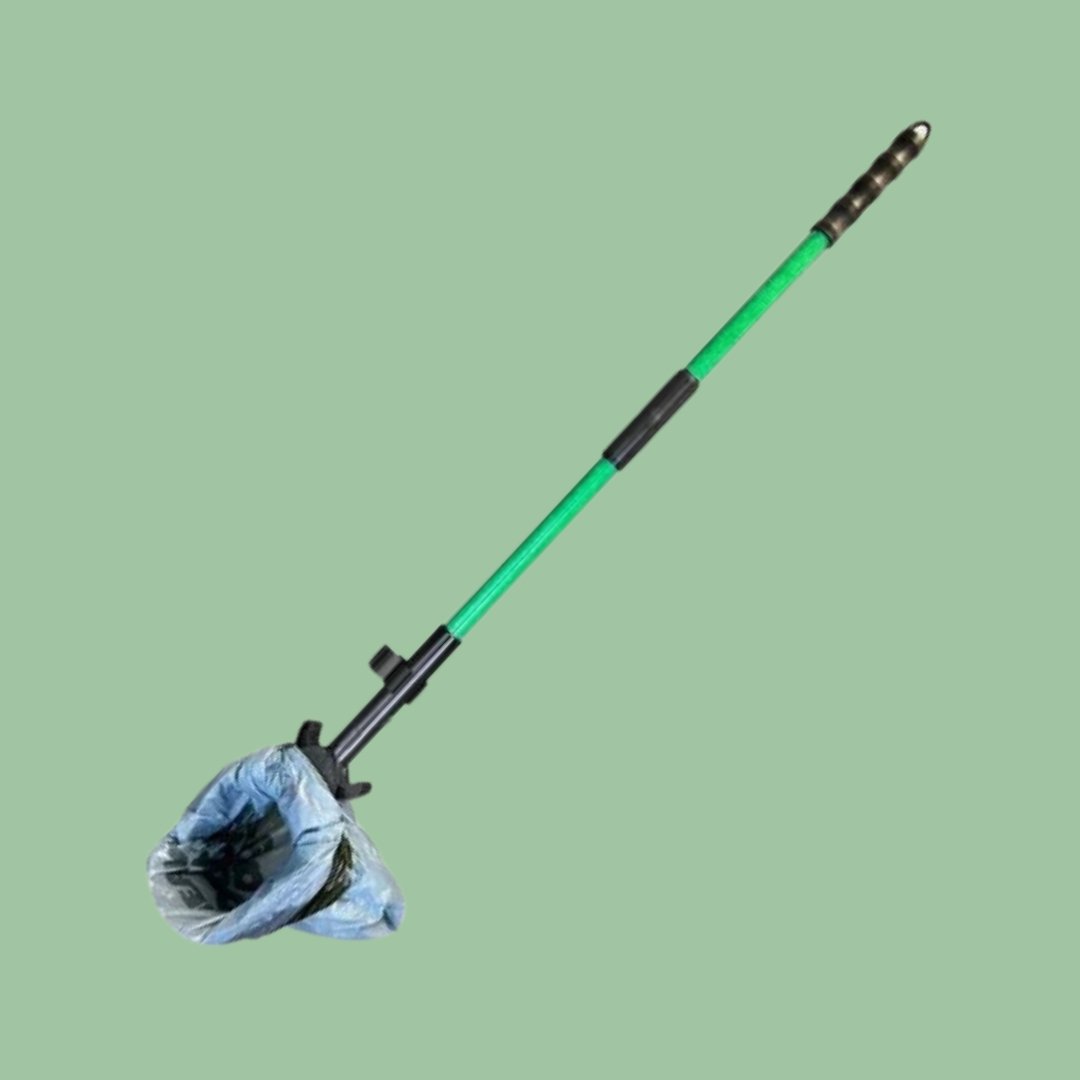
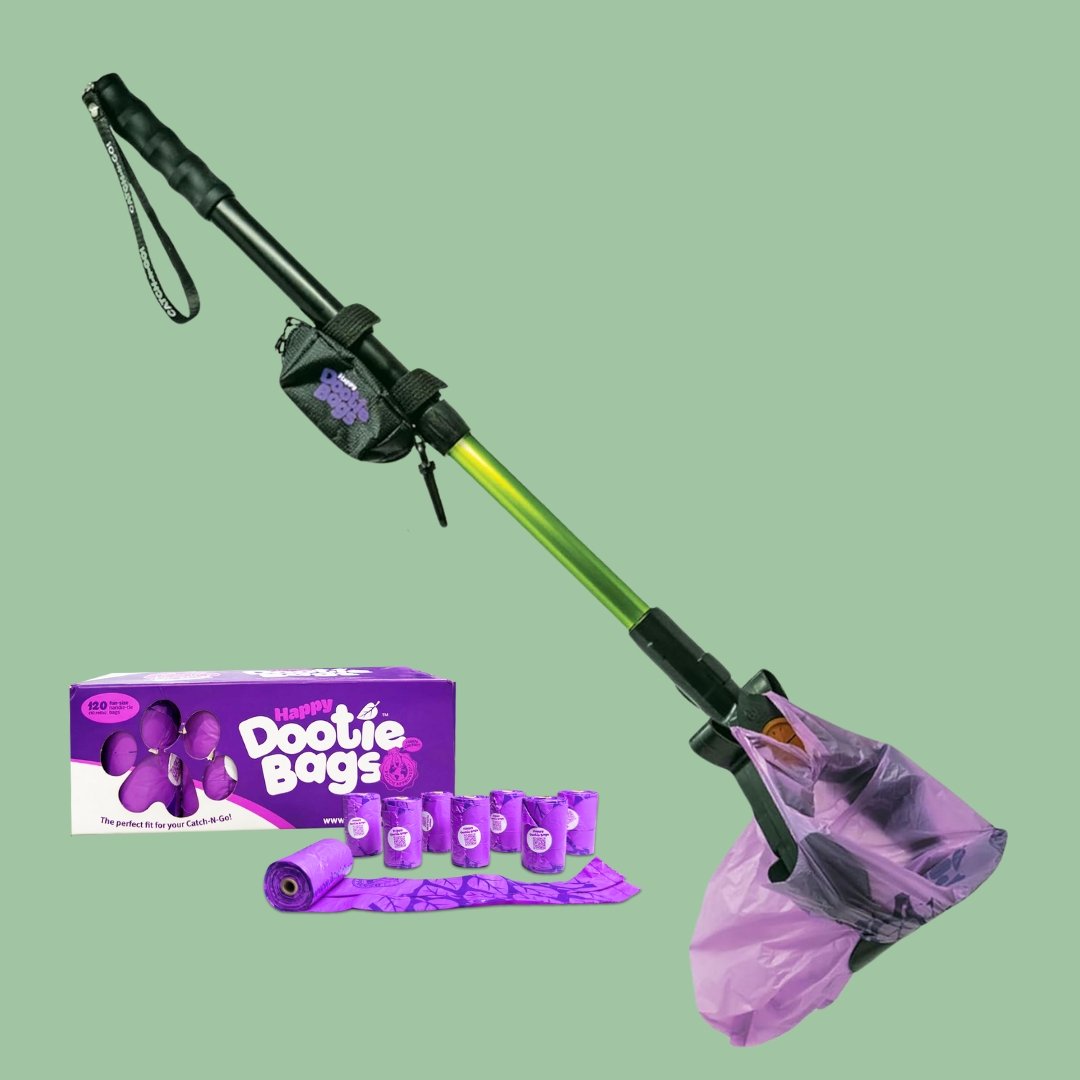
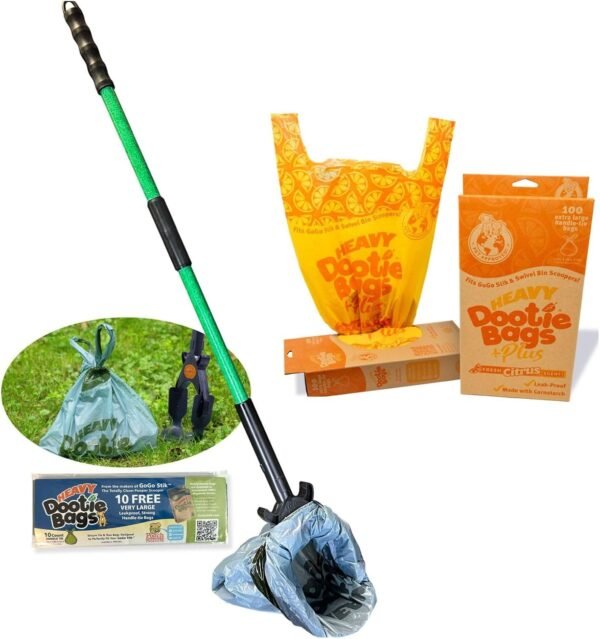
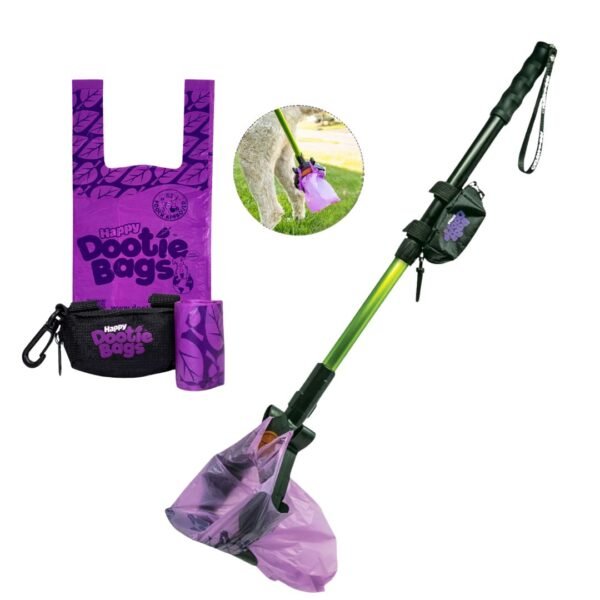
Using a pooper scooper with heavy duty bags streamlines daily cleanup routines. This combination allows you to maintain a clean yard without direct contact with waste. Furthermore, reinforced bags ensure secure containment during disposal.
Professional groomers and veterinarians recommend daily waste removal to prevent:
Parasite transmission to humans and other animals
Lawn damage from concentrated nitrogen
Attraction of flies and other pests
Water contamination during rainfall
Unpleasant odors permeating outdoor spaces
Seasonal Yard Projects
Spring and fall often bring intensive yard work that generates pet-related waste. Dead grass, fallen leaves mixed with pet waste, and old outdoor pet toys all need proper disposal. During these times, larger heavy duty bags become invaluable.
Consider using 30-gallon or larger bags for seasonal cleanups. These bags accommodate bulkier items while maintaining strength. Additionally, having multiple bags on hand prevents interruptions during major cleaning projects.
Indoor Applications for Heavy Duty Bags
Most pet owners associate these bags solely with outdoor use. However, numerous indoor situations benefit from having strong, reliable bags readily available.
Litter Box Maintenance
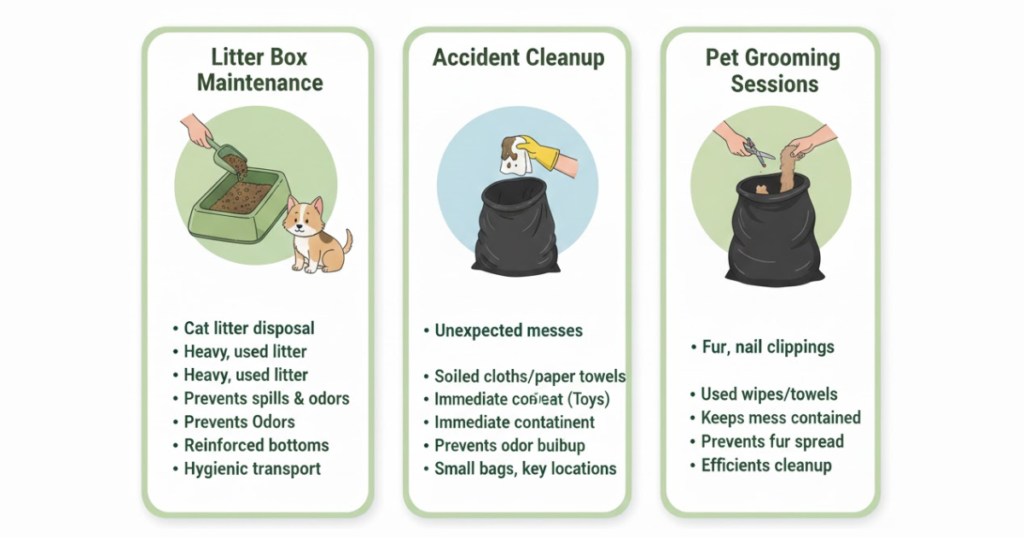
Cat owners face unique challenges with litter box maintenance. Standard bags often tear when filled with heavy, used litter. Instead, switching to reinforced bags prevents spills and makes the disposal process more hygienic.
A typical cat uses approximately 20 pounds of litter monthly. Therefore, choosing bags that can handle this weight becomes essential. Look for bags with reinforced bottoms and strong seams to prevent accidents during transport.
Accident Cleanup
Even well-trained pets have occasional accidents. Paper towels, cleaning cloths, and soiled items need immediate disposal to prevent odor buildup. Having durable bags accessible throughout your home ensures quick cleanup and containment.
Store small bags in strategic locations:
Near pet sleeping areas
In bathrooms where accidents commonly occur
Beside food and water stations
In laundry rooms where pet bedding is washed
Pet Grooming Sessions
Home grooming sessions generate surprising amounts of waste. Fur, nail clippings, used wipes, and dirty towels all need proper disposal. Using heavy duty pet waste bags keeps this mess contained and prevents loose fur from spreading throughout your home.
Professional groomers typically use reinforced bags specifically designed for pet waste. Following their example improves hygiene and makes cleanup more efficient.
Travel and On-the-Go Solutions
Pet ownership doesn’t stop at your property line. Responsible pet parents prepare for messes wherever they occur.
Walks and Park Visits
Most municipalities require pet owners to clean up after their animals in public spaces. Carrying portable waste bags shows respect for your community and helps maintain clean public areas.
Keep a roll of bags attached to your leash or stored in a convenient dispenser. This ensures you’re always prepared, regardless of timing. Moreover, many parks provide disposal stations specifically for pet waste.
Road Trips with Pets
Long car rides with pets require extra preparation. Motion sickness, anxiety, and extended travel times can lead to accidents. Having leak-proof bags in your vehicle prevents disaster and makes cleanup manageable.
Pack a travel kit containing:
Multiple sizes of reinforced bags
Disposable gloves for sanitary handling
Pet-safe cleaning wipes
Paper towels for initial cleanup
Hand sanitizer for after disposal
Hotel and Vacation Stays
Traveling with pets means taking responsibility for their waste, even away from home. Many pet-friendly accommodations appreciate guests who properly dispose of pet waste. Using quality bags demonstrates consideration for staff and future guests.
Before booking accommodations, confirm their pet waste disposal policies. Some locations provide designated areas, while others expect guests to handle disposal independently.
Special Situations Requiring Extra Strength
Certain circumstances demand the absolute strongest bags available. Being prepared for these situations prevents stress and ensures proper handling.
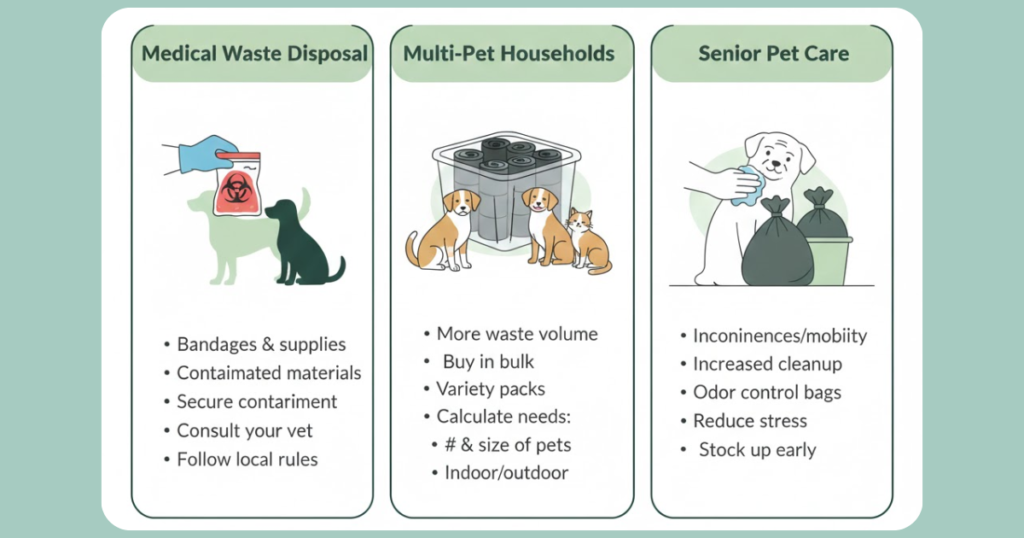
Medical Waste Disposal
Pets with medical conditions sometimes require special waste handling. Bandages, used medical supplies, and contaminated materials need secure containment before disposal. Consult your veterinarian about proper disposal methods for medical waste.
Some medical waste cannot go into regular trash. Therefore, understanding local regulations protects both sanitation workers and the environment. Your vet can provide guidance specific to your pet’s needs.
Multi-Pet Households
Homes with multiple pets generate significantly more waste than single-pet households. Consequently, buying bags in bulk becomes more economical. Look for variety packs that include different sizes for various tasks.
Calculate your household’s needs based on:
Number and size of pets
Frequency of waste disposal
Indoor versus outdoor living arrangements
Any special medical or dietary needs
Senior Pet Care
Older pets often experience incontinence or mobility issues that increase cleanup needs. Having appropriate bags readily available reduces stress during already challenging times. Choose bags with odor control features to maintain home freshness.
Senior pet care requires patience and preparation. Stock up on supplies before problems arise, so you’re ready when needs change.
Environmental Considerations
Responsible pet ownership includes considering environmental impact. While properly containing pet waste is essential, choosing eco-friendly options when possible benefits everyone.
Biodegradable Options
Many manufacturers now offer biodegradable bags that break down faster than traditional plastic. These options provide the strength needed for pet waste while reducing long-term environmental impact. However, verify claims by checking for certifications from recognized environmental organizations.
True biodegradable bags should:
Meet ASTM D6400 standards for compostability
Break down within 180 days in proper composting conditions
Leave no toxic residue after decomposition
Use plant-based materials rather than petroleum products
Proper Disposal Methods
Even the strongest bag doesn’t matter if waste isn’t disposed of correctly. Pet waste should never go into recycling bins or yard waste collections. Instead, it belongs in regular trash or designated pet waste receptacles.
Some communities offer pet waste composting programs. These specialized facilities process pet waste safely, keeping it separate from food waste compost. Check your local waste management website for available programs.
Reducing Overall Waste
While using bags is necessary, reducing overall waste helps the environment. Consider these strategies:
Buy bags in bulk to reduce packaging waste
Choose bags made from recycled materials
Use appropriately sized bags to avoid waste
Reuse bags from other purchases when suitable
Support companies committed to sustainable practices
Storage and Organization Tips
Having the right bags means nothing if you can’t find them when needed. Proper storage ensures accessibility and maintains bag integrity.
Creating a Station
Set up dedicated storage areas for pet waste supplies. This organization saves time and ensures you never run out at inconvenient moments. Include multiple bag sizes, gloves, and any cleaning supplies in your station.
Ideal storage locations include:
Mudrooms or entryways for quick access before walks
Garages or sheds near backyard cleanup areas
Under sinks in bathrooms used for pet grooming
Laundry rooms where pet items are washed
Maintaining Freshness
Bags stored improperly can become brittle or develop odors. Keep them in cool, dry locations away from direct sunlight. Meanwhile, sealed containers prevent pest access and moisture damage.
Rotate your stock regularly, using older bags first. This practice prevents deterioration and ensures you always have reliable supplies available.
Keeping Track of Inventory
Running out of bags at the wrong moment creates unnecessary stress. Therefore, establish a system for monitoring supply levels. Many pet owners set calendar reminders or keep backup supplies on hand.
Consider subscribing to delivery services that automatically ship new bags before you run out. This convenience ensures continuous availability without requiring manual reordering.
Cost Considerations and Value
Quality bags cost more upfront but provide better value over time. Cheap bags that tear or leak end up costing more through wasted bags and additional cleaning.
Calculating True Cost
Compare bags based on cost per bag rather than total package price. A box of 200 quality bags at $25 costs $0.125 per bag. Meanwhile, 100 cheaper bags at $15 cost $0.15 per bag—actually more expensive per use.
Factor in these additional costs:
Replacement bags needed when cheap ones fail
Cleaning supplies for messes from leaking bags
Time wasted dealing with torn or inadequate bags
Potential property damage from improper containment
Buying in Bulk
Purchasing bags in larger quantities typically reduces per-unit costs. However, only buy quantities you’ll use within a reasonable timeframe. Bags stored too long may deteriorate, negating any savings.
Many online retailers offer subscription discounts for recurring orders. These programs often provide 10-15% savings compared to single purchases.
When to Splurge Versus Save
Not every situation requires the heaviest-duty bags available. Match bag strength to specific tasks:
Premium Strength Needed:
Large dog waste
Multi-day accumulation
Sharp or heavy items
Medical waste disposal
Extended travel
Standard Strength Acceptable:
Small dog or cat waste
Daily single-use cleanup
Dry items only
Indoor accident cleanup with immediate disposal
Choosing the Right Brand
The market offers countless bag options, making selection overwhelming. However, focusing on key factors simplifies the decision process.
What Sets Quality Brands Apart
Reputable manufacturers invest in product testing and quality control. Their bags consistently perform as advertised, justifying higher prices through reliability. Look for brands that offer satisfaction guarantees or money-back policies.
Quality indicators include:
Clear thickness specifications (mil measurement)
Weight capacity ratings
Leak-proof certifications
Positive customer reviews mentioning durability
Responsive customer service
Reading Reviews Effectively
Online reviews provide valuable insights, but not all reviews carry equal weight. Focus on detailed reviews from verified purchasers who specifically mention durability, leak resistance, and real-world performance.
Be wary of reviews that only mention shipping or price without addressing actual product performance. Similarly, look for patterns across multiple reviews rather than relying on individual experiences.
Testing New Products
Before committing to large quantities, purchase small quantities of new brands. Test them with your typical tasks to verify they meet your needs. This approach prevents costly mistakes and ensures satisfaction.
Keep notes about different brands’ performance. Track factors like odor control, tear resistance, and ease of tying. These notes help make informed decisions during future purchases.
Safety and Hygiene Practices
Using bags correctly protects both your health and that of your community. Following proper procedures minimizes risk and ensures effective waste containment.
Proper Handling Techniques
Always use bags as a barrier between your hands and waste. Even with gloves, avoid direct contact when possible. Tie bags securely before transport to prevent spills or odor escape.
Basic safety steps include:
Washing hands thoroughly after handling waste bags
Keeping bags away from food preparation areas
Storing unused bags in clean, dry locations
Disposing of filled bags promptly
Never reusing bags intended for waste
Protecting Family Members
Children and other pets should stay clear during cleanup activities. Teach children never to touch waste bags, even sealed ones. Similarly, prevent pets from accessing filled bags before disposal.
Install childproof locks on storage areas if young children are present. This precaution prevents accidental contact with cleaning supplies or used bags.
Community Responsibility
Proper waste disposal protects everyone. Bag waste securely before placing it in public receptacles. Never leave filled bags on the ground, even temporarily, as animals may tear them open.
If public disposal isn’t available, carry waste home for proper disposal. This extra effort maintains community cleanliness and demonstrates responsible pet ownership.
Tools and Accessories
Bags work best when paired with appropriate tools. The right accessories make cleanup faster, easier, and more hygienic.
Scooper Systems
Pooper scoopers eliminate the need to bend down repeatedly, saving your back during regular cleanup. Many systems integrate directly with bags, creating an efficient disposal process.
Keeping bags accessible encourages consistent use. Dispenser systems attach to leashes, belts, or clothing, ensuring you’re always prepared during walks. For home use, wall-mounted dispensers keep bags organized and within reach.
Look for dispensers that:
Protect bags from weather and moisture
Allow easy one-handed bag removal
Attach securely without constant adjustment
Hold enough bags for multiple uses
Lighting Solutions
Evening walks or early morning cleanup can be challenging in low light. LED flashlights designed for pet cleanup help locate waste quickly. Some systems integrate lighting directly into scooper handles.
Rechargeable options prove more economical and environmentally friendly than disposable battery models. Keep devices charged and ready for use.
Training and Consistency
Having the right supplies means little without consistent habits. Training yourself and family members ensures everyone contributes to maintaining cleanliness.
Establishing Routines
Create regular schedules for waste cleanup. Daily routines prevent accumulation and make the task less overwhelming. Assign specific responsibilities if multiple household members share pet care duties.
Sample routine schedule:
Morning: Quick yard check and removal of new waste
After meals: Monitor indoor areas for accidents
Evening walk: Carry disposal bags and clean up immediately
Weekly: Deep clean pet areas and restock supplies
Monthly: Assess bag inventory and reorder as needed
Teaching Children Responsibility
Age-appropriate pet care responsibilities teach children valuable life skills. Older children can help with bag disposal under supervision. However, very young children should not handle waste bags at all.
Make cleanup a positive experience by:
Praising children for helping maintain cleanliness
Explaining why proper disposal protects family and community
Demonstrating correct techniques before expecting independence
Never using cleanup as punishment
Adapting to New Pets
Each new pet brings unique waste management needs. Puppies require more frequent cleanup during house training. Senior dogs may need different accommodations. Adjust your bag supply and storage based on changing needs.
Be patient during transition periods. New pets need time to adjust to household routines, and accidents will happen. Having adequate supplies on hand reduces stress during adjustment periods.
Health Benefits of Proper Waste Management
Beyond cleanliness, proper waste disposal directly impacts health. Both humans and pets benefit from diligent hygiene practices.
Preventing Disease Transmission
Pet waste contains bacteria, parasites, and viruses that can spread to humans and other animals. Proper containment and disposal interrupts transmission pathways. Children who play in yards and people with compromised immune systems face particular risk.
Common health threats in pet waste include:
E. coli bacteria causing intestinal illness
Roundworms transmissible to humans
Giardia causing digestive problems
Salmonella leading to food poisoning symptoms
Parvovirus affecting other dogs
Protecting Water Quality
Rain washes pet waste into storm drains, eventually contaminating waterways. This pollution contributes to algae blooms, kills fish, and makes water unsafe for recreation. Proper disposal prevents these environmental health hazards.
Even waste in your yard poses risks. Therefore, regular cleanup protects local water sources and aquatic ecosystems.
Reducing Pest Problems
Accumulated waste attracts flies, rodents, and other pests. These creatures spread disease and create additional health hazards. Prompt disposal eliminates food sources that attract unwanted visitors.
Regular cleanup also reduces opportunities for pests to breed. Flies, in particular, reproduce rapidly in organic waste, creating infestations if waste isn’t removed promptly.
Long-Term Planning for Pet Owners
Smart pet parents think ahead, ensuring they’re prepared for various situations throughout their pet’s life.
Anticipating Life Changes
Major life events affect pet care routines. Moving to a new home, welcoming a baby, or changing work schedules all impact cleanup habits. Plan ahead by stocking extra supplies and establishing new routines before changes occur.
Consider future scenarios:
Additional pets joining your household
Mobility changes as pets age
Relocation to areas with different disposal options
Changes in your own health or ability to handle cleanup
Building Emergency Kits
Disasters can disrupt normal routines for days or weeks. Include pet waste supplies in emergency preparedness kits. Store bags, gloves, and cleaning supplies alongside food and water for pets.
Emergency supplies should include:
Two weeks’ worth of waste bags
Disposable gloves
Basic cleaning supplies
Plastic storage containers for temporary waste storage
Instructions for household members unfamiliar with pet care
Budgeting for Supplies
Pet ownership includes ongoing costs for waste management supplies. Budget approximately $5-15 monthly for bags and related items, depending on pet size and number. This planning prevents surprise expenses and ensures consistent supply availability.
Track spending over several months to determine average costs. Then, set aside this amount in your monthly budget. Consider this expense as essential as food or veterinary care.
Conclusion
Heavy duty garbage bags serve far more purposes for pet owners than simple backyard cleanup. From daily maintenance to emergency situations, having reliable bags ensures you’re prepared for whatever messes arise. By choosing quality products and establishing consistent routines, pet parents can maintain cleaner homes and healthier environments for their entire family.
The small investment in heavy duty trash bags pays significant dividends through improved hygiene, reduced stress, and protection of community spaces. Whether you’re a new pet parent or an experienced animal lover, upgrading your waste management supplies makes responsible pet ownership easier and more effective.
Remember that proper pet waste management extends beyond personal convenience. Your actions protect public health, preserve environmental quality, and demonstrate respect for your community. By taking these responsibilities seriously and equipping yourself with appropriate tools, you contribute to a cleaner, healthier world for everyone.
Frequently Asked Questions
What makes heavy duty bags better than regular bags for pet waste?
Heavy duty bags feature thicker material and reinforced construction that resists tears and punctures. Standard bags often fail when handling sharp objects, heavy loads, or wet waste. The extra strength prevents leaks and spills during disposal, protecting your hands and home from contamination. For pet owners dealing with larger dogs or multiple pets, this durability becomes essential for safe, hygienic waste management.
How many bags do I need for one dog per month?
Most dog owners need approximately 30-60 bags monthly for one medium-sized dog. This estimate covers daily backyard cleanup and walks. Larger dogs or those with digestive sensitivities may require more frequent cleanup. Multi-pet households should multiply this estimate by the number of animals. Buying in bulk typically offers better value, so consider purchasing 100-200 bags at a time to ensure you never run short.
Can I use heavy duty trash bags for cat litter disposal?
Yes, heavy duty trash bags work excellently for cat litter disposal. Standard bags often tear under the weight of used litter, creating messy spills. Reinforced bags handle the weight and sharp edges of clumping litter without breaking. Choose bags with at least 1.2 mil thickness for reliable performance. Many cat owners find that using quality bags makes litter box maintenance significantly less frustrating.
Are biodegradable pet waste bags as strong as regular ones?
Quality biodegradable bags offer comparable strength to traditional plastic bags. However, not all biodegradable options perform equally. Look for bags certified by recognized environmental organizations and check thickness specifications. Some biodegradable bags work better for immediate disposal rather than long-term storage. Read reviews from other pet owners to verify performance before committing to large purchases of any biodegradable product.
Should I double-bag pet waste for extra protection?
Double-bagging is usually unnecessary if you’re using quality heavy duty bags. This practice wastes money and creates additional environmental impact. However, double-bagging makes sense for medical waste, particularly messy situations, or extended storage before disposal. If you find yourself regularly double-bagging, consider switching to thicker, more durable bags instead.
How should I store unused pet waste bags?
Store bags in cool, dry locations away from direct sunlight and extreme temperatures. Heat and moisture can weaken bag material over time. Keep them in their original packaging or transfer them to sealed containers that protect against humidity. Avoid storing bags in outdoor sheds or garages that experience temperature extremes. Proper storage maintains bag strength and ensures they perform correctly when needed.
What’s the best way to dispose of bags filled with pet waste?
Place sealed bags in your regular household trash for pickup. Never put pet waste in recycling or yard waste bins. Some communities offer special pet waste composting programs—check local waste management resources for available options. When using public receptacles during walks, ensure bags are securely tied before disposal. If receptacles are full, carry waste home rather than leaving it on the ground.
Do scented bags really help with odor control?
Scented bags can help mask odors during transport and storage before disposal. However, scent alone doesn’t eliminate odor—proper sealing matters more. Some pets have sensitivities to artificial fragrances, so monitor your pet’s reaction when using scented products. Many pet owners prefer mild, natural scents like citrus over strong artificial fragrances. If odor remains problematic despite using scented bags, consider disposing of waste more frequently.
How thick should pet waste bags be?
Look for bags with at least 1.2 mil thickness for basic pet waste needs. For larger dogs or heavy-duty tasks, 1.5-2.0 mil thickness provides extra security. The mil measurement indicates plastic thickness—higher numbers mean stronger bags. Manufacturer weight ratings also help determine if bags suit your needs. A 15-pound capacity works for most situations, while 30+ pound ratings handle larger cleanup projects.
Does your dog bolt in the opposite direction the moment bath time begins? You are definitely not alone. Many dogs dislike full baths, and sometimes a busy schedule simply does not allow for a lengthy grooming session. The good news is that you can keep your dog clean, fresh, and
Puppy teething is one of the most challenging phases of early dog ownership. Your shoes, furniture, and fingers can all become targets — and it all happens fast. So, how do you know if your puppy is actually teething, or just being mischievous? Below are three clear signs to watch
Summer is the perfect season to hit the road with your four-legged companion. Whether you’re heading to the beach, the mountains, or a dog-friendly city, a well-planned trip makes all the difference. Since dogs thrive on routine, a little preparation goes a long way toward keeping both of you relaxed