Home/Blogs/Heavy Duty Dog Bags: What Makes Them Different (And Worth It)
Heavy Duty Dog Bags: What Makes Them Different (And Worth It)
You’re halfway through your morning walk when it happens. Your dog does their business, you reach for the bag, and as you’re picking up—rip. The bag tears, and now you’re dealing with a mess on your hands. Literally.
Sound familiar? If you’ve ever dealt with a torn poop bag, you already know why heavy duty dog bags matter. However, are they really that different from regular bags? More importantly, are they worth the extra cost?
Let’s break down exactly what sets these reinforced bags apart and why thousands of large dog owners swear by them.
What Defines a Heavy Duty Dog Bag?
Not all poop bags are created equal. Regular bags might work fine for small breeds, but larger dogs require something more robust. Therefore, understanding the key differences helps you make a smarter choice.
Thickness That Makes a Difference
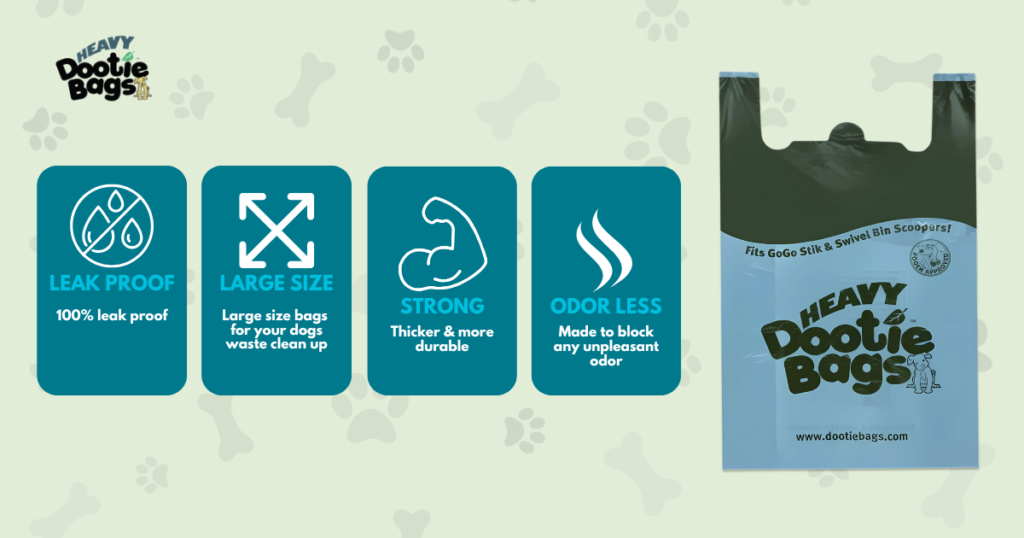
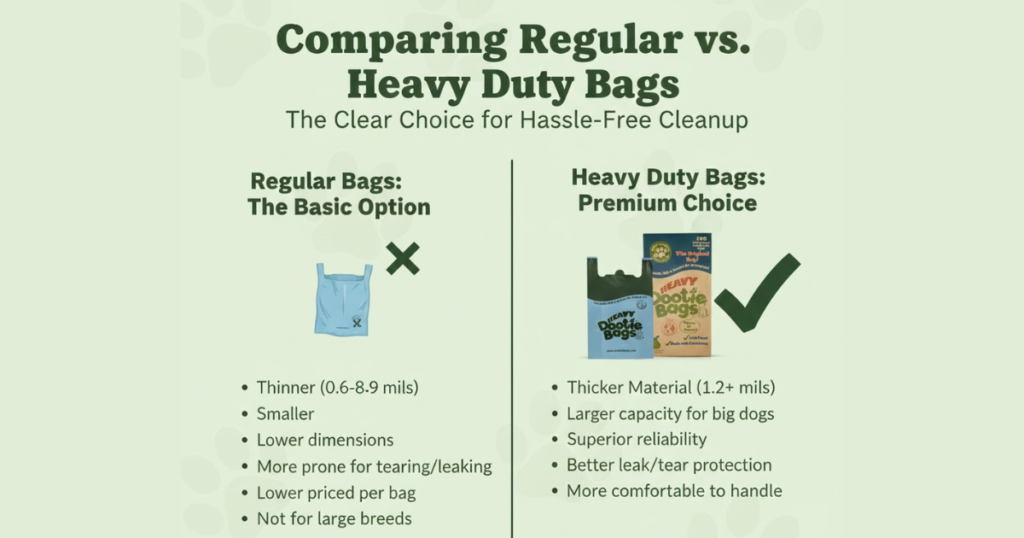
Standard poop bags typically measure between 0.6 to 0.9 mils thick. In contrast, heavy duty bags start at 1.2 mils and can go up to 2.0 mils or more. This extra thickness provides several benefits:
Better tear resistance during pickup
Stronger puncture protection from sharp objects
More confidence when handling larger deposits
Reduced risk of accidents on the go
The difference might seem small on paper, but it’s massive in real-world use. Consequently, you spend less time worrying about bag failures and more time enjoying your walk.
Material Quality Matters
Beyond thickness, the actual material composition sets premium bags apart. Many heavy duty trash bags for dogs use multi-layer construction. This means:
Multiple film layers bonded together
Enhanced strength at stress points
Better resistance to stretching
Improved leak protection
Single-layer bags, even if thick, can still develop weak spots. Multi-layer construction distributes stress more evenly across the entire bag.
The Real-World Benefits You’ll Notice
Theory is one thing, but how do these bags perform during actual use? Here’s what dog owners consistently report after making the switch.
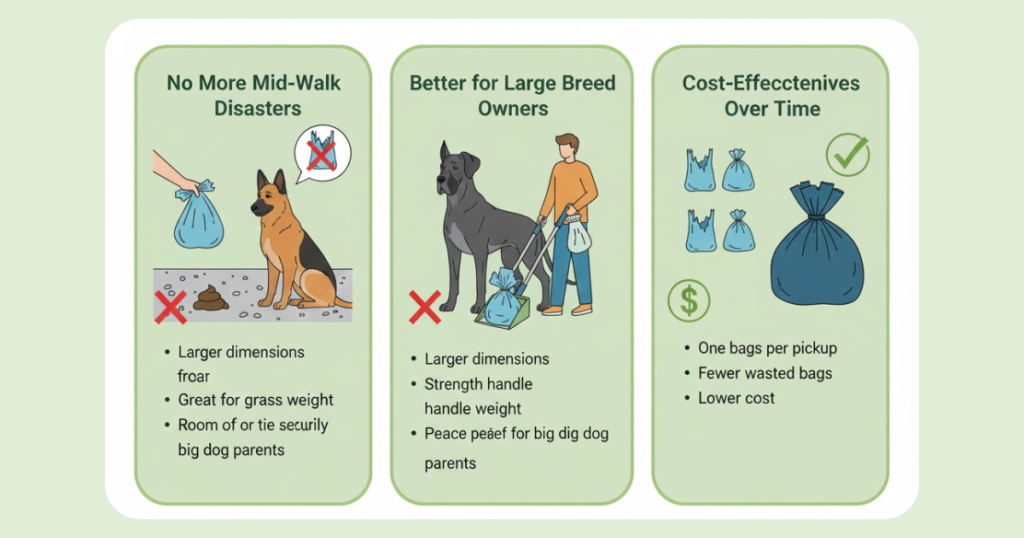
No More Mid-Walk Disasters
The primary benefit is simple: reliability. Heavy duty bags don’t tear when you need them most. This means:
Picking up on gravel or rough surfaces becomes stress-free
No more double-bagging to feel secure
Less anxiety about bag failure in public spaces
Cleaner, more hygienic pickups every time
One bag truly does the job instead of requiring backup bags or emergency measures.
Better for Large Breed Owners
If you have a German Shepherd, Great Dane, or Mastiff, you know regular bags often fall short. Literally. Heavy duty options solve this problem by offering:
Larger dimensions that actually fit substantial deposits
Strength to handle the weight without tearing
Room to tie securely without spillage
Peace of mind for big dog parents
Size and strength go hand in hand for larger breeds.
Cost-Effectiveness Over Time
At first glance, premium bags seem expensive. Nevertheless, let’s do the math. If you use two or three regular bags per pickup because of tears or size issues, you’re actually spending more money and creating more waste.
The best bags fit seamlessly into your existing routine without requiring new equipment.
Home Storage
Keeping bags fresh and accessible requires thought:
Cool, dry storage away from direct sunlight
Sealed containers to maintain scent quality
Easy-access locations near doors
Organized systems for multiple bag types
Proper storage extends bag life and maintains quality over time.
Price Points and Value
Understanding pricing helps you make informed decisions without overspending or under-buying.
Budget-Friendly Options
Entry-level heavy duty bags typically cost 15-30% more than standard options. This minimal increase provides:
Significant reliability improvements
Basic thickness upgrades
Standard sizes and features
Good value for casual users
You don’t need to spend a fortune to get decent quality.
Premium Choices
Top-tier options cost more but include:
Maximum thickness and strength
Advanced features like handles or scents
Eco-friendly materials
Bulk purchasing discounts
Professional-grade reliability
For daily users or large breed owners, premium options often prove most economical long-term.
Common Mistakes to Avoid
Even with quality bags, certain mistakes can undermine their effectiveness.
Buying Based on Price Alone
The cheapest option rarely provides the best value. Instead:
Calculate cost per successful pickup
Consider replacement frequency
Factor in stress and convenience
Think about long-term savings
True economy comes from reliability, not just low prices.
Ignoring Size Requirements
Bags that are too small create problems even if they’re thick. Make sure to:
Match bag size to your dog’s breed
Allow extra room for secure tying
Consider your typical pickup scenarios
Have appropriately sized options available
A strong but tiny bag still won’t work for a large dog.
Neglecting Storage Conditions
Even premium bags degrade in poor conditions. Protect your investment by:
Keeping bags away from extreme temperatures
Avoiding prolonged sun exposure
Storing in sealed containers
Checking expiration dates on biodegradable options
Proper care maintains quality until you’re ready to use each bag.
Conclusion
Heavy duty dog bags represent more than just a slight upgrade from standard options. They offer genuine improvements in reliability, capacity, and overall user experience. For owners of medium to large breeds, or anyone tired of dealing with torn bags and messy accidents, the switch makes practical and financial sense.
The extra thickness, superior materials, and thoughtful features combine to create a product that simply works better. While the upfront cost might be slightly higher, the long-term value becomes clear after just a few uses. You’ll use fewer bags overall, experience fewer frustrating moments, and feel more confident during every walk.
The question isn’t really whether heavy duty bags are worth it—it’s whether you want to keep dealing with the problems that led you to research better options in the first place. Most dog owners who make the switch report immediate satisfaction and long-term savings, making this one upgrade that truly pays for itself.
FAQs
Are heavy duty dog bags really stronger than regular bags?
Yes, significantly stronger. Heavy duty bags typically measure 1.2 to 2.0 mils thick compared to 0.6-0.9 mils for standard bags. This extra thickness, combined with multi-layer construction, provides better tear and puncture resistance. The difference becomes especially noticeable on rough surfaces like gravel or when picking up in areas with sticks and debris. Most users report virtually zero bag failures after switching from regular to heavy duty options.
How much more do heavy duty bags cost compared to regular bags?
Heavy duty bags typically cost 15-40% more than standard options, but this doesn’t tell the whole story. Since you’re less likely to need multiple bags per pickup due to tears or size issues, your actual cost per successful pickup often ends up being similar or even lower. For example, if regular bags cost $0.05 each but you use two per pickup, and heavy duty bags cost $0.07 each and you use one, you’re actually saving money with the premium option. Additionally, bulk purchasing can reduce the price difference further.
Do I need heavy duty bags if I have a small dog?
Not necessarily, though many small dog owners still prefer them for the added confidence and reliability. If your small dog’s deposits are manageable and you haven’t experienced issues with regular bags tearing, standard options might work fine for your needs. However, if you walk in areas with rough terrain, or if you simply want peace of mind knowing your bag won’t fail, heavy duty options are still worthwhile. The choice often comes down to personal preference and walking conditions rather than strict necessity based on dog size.
Are heavy duty bags safe for the environment?
Many modern heavy duty bags now incorporate eco-friendly materials and design. Options include bags made from plant-based materials, certified compostable versions, and bags with recycled content. Interestingly, using one strong bag instead of multiple weak ones can actually reduce overall plastic waste. That said, environmental impact varies by brand and specific product. Look for bags with clear environmental certifications if sustainability is a priority for you. Some municipalities accept certain compostable bags in their waste programs, so check your local guidelines.
Can heavy duty bags be used with standard dispensers?
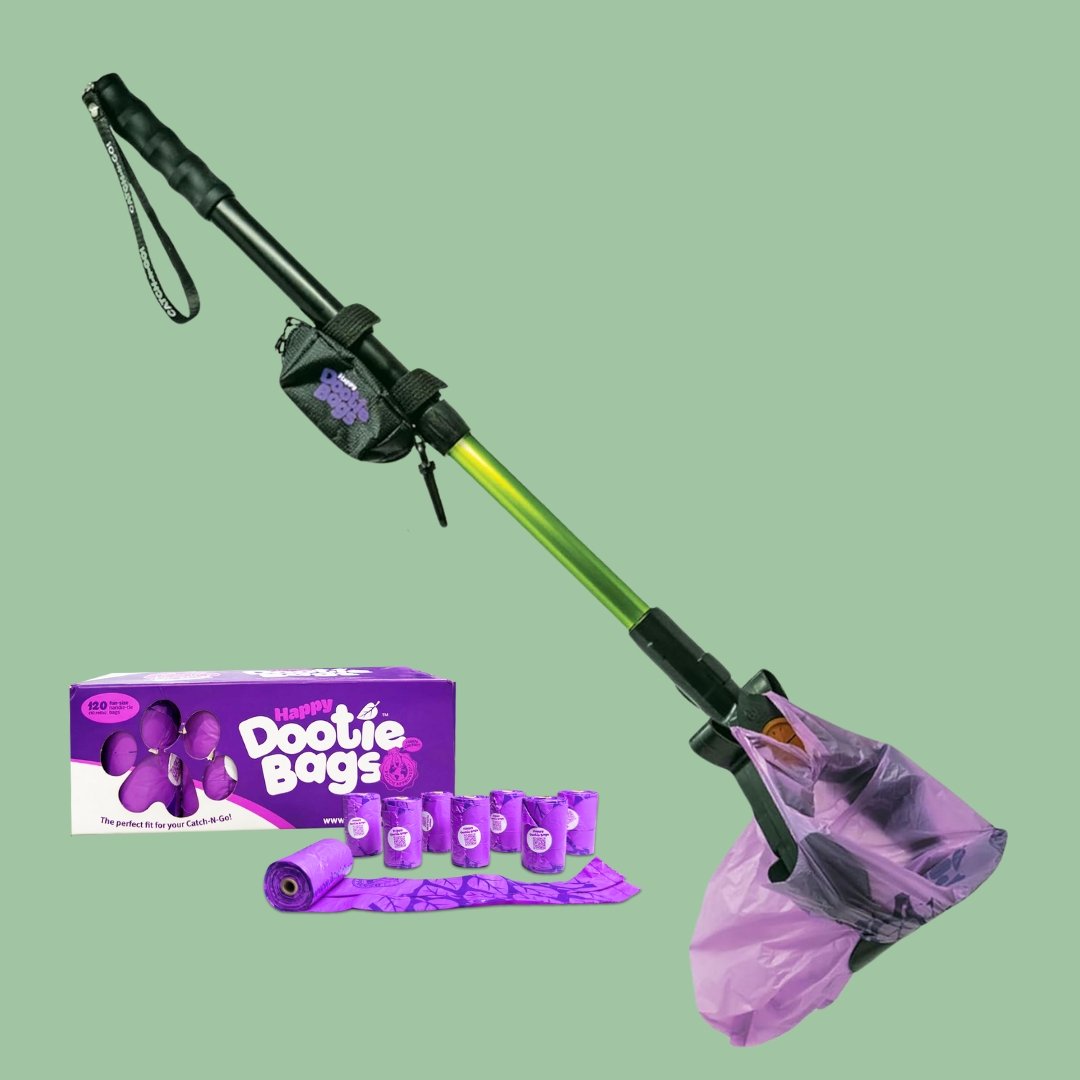
Yes, most heavy duty bags are designed to work with standard leash-mounted dispensers. The rolls typically fit the same core size as regular bags. However, because the bags are thicker, you might fit slightly fewer bags on each roll compared to ultra-thin options. This rarely causes practical issues since the rolls still provide plenty of bags for multiple walks. Some dispensers specifically designed for heavy duty bags offer better roll security and easier one-handed dispensing, but standard holders generally work fine.
How long do heavy duty bags last in storage?
When stored properly in cool, dry conditions away from direct sunlight, traditional plastic heavy duty bags can last several years without degrading. However, biodegradable and compostable options have shorter shelf lives—typically 12-24 months depending on the specific materials and storage conditions. Always check the packaging for expiration dates or “best by” information, particularly with eco-friendly options. Keep bags in sealed containers to maintain their quality, prevent premature degradation, and preserve any added scents.
What size heavy duty bag do I need for my dog?
Bag size depends primarily on your dog’s breed and size. For small dogs (under 20 lbs), standard 9×13 inch bags typically work well. Medium dogs (20-60 lbs) do best with 9×13 to 13×9 inch bags. Large dogs (60-100+ lbs) require 13×9 inch or larger bags for comfortable pickup and secure tying. Extra-large options measuring up to 14×16 inches are available for giant breeds. When in doubt, size up—having extra room makes tying easier and reduces the risk of overflow during pickup. Many brands clearly label their bags by recommended dog size to simplify selection.
The snoot challenge has taken social media by storm, and for good reason. It’s one of the cutest tricks your dog can learn, and the best part is that it’s surprisingly simple to teach. If you’ve been scrolling through Instagram or TikTok and wondering how those dogs gently rest their
Every dog owner has seen it — that bizarre, hilarious ritual your pup performs before doing their business. From dramatic spins to the classic “walk and drop,” dogs have some truly ridiculous pooping habits. Whether you own a tiny Chihuahua or a massive Great Dane, one thing is universal: dogs
Taking your dog on a camping trip is one of the best ways to bond, burn energy, and make memories that last. But if you’ve ever shown up at a trailhead without the right gear, you know how quickly things can go sideways muddy paws, no waste bags, forgotten water