
General
How to Get Dog Poop Off Shoes (Fast, No Gagging)
Learn how to get dog poop off shoes fast without gagging. Step-by-step cleaning for treads, suede & canvas, plus odor-killing tips that actually work.
 Skip to content
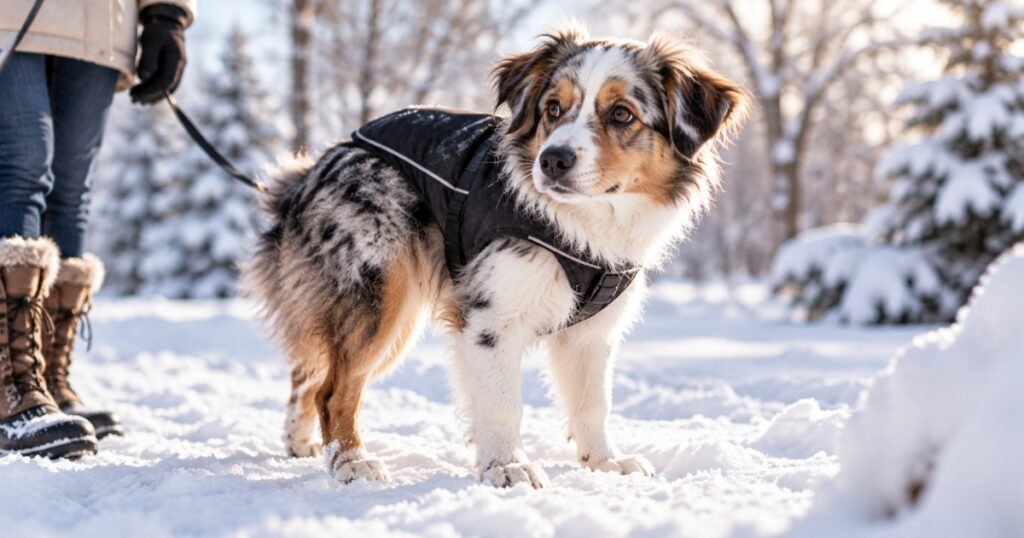
If your dog won’t poop in snow, the cause is almost always physical discomfort rather than stubbornness: freezing pads, a bare belly dragging through drifts, and a yard whose familiar scent markers are buried. The fix is a small patch of cleared ground kept in the exact same spot every day, plus a short trip outside that you take with them. Below are the changes that get most dogs going again within a few days, and the signs that mean a call to the vet.
Squatting is a vulnerable position for a dog. Anything that makes it feel unsafe or painful will delay it, and deep snow stacks up several of those things at once.
Pads lose heat fast on packed snow, and a frozen crust cuts into the webbing between the toes. Sidewalk salt and most commercial ice melts sting on contact, especially on a cracked pad. A dog that associates the back step with burning feet will hover near the door instead of walking out to squat.
Dogs choose a spot by smell. Fresh snow wipes out every scent marker they have been using since fall, so the yard reads as unfamiliar territory. Add loose powder that sinks underfoot, a belly brushing cold snow, and wind hitting them side-on, and many dogs circle, give up and ask to come back in.
Work through these in order. Most owners see a change by the third or fourth day, because the point is to rebuild a routine, not to win an argument.
Rock salt and most hardware-store ice melts irritate paw pads and get licked off afterwards. Keep them off any surface your dog walks on.
| What you put down | What it does | Paw concern |
|---|---|---|
| Rock salt (sodium chloride) | Melts ice quickly | Dries and irritates pads; avoid on the patch |
| Calcium or magnesium chloride | Works at lower temperatures | Still harsh on pads; rinse paws after |
| Ice melt labeled pet-safe | Handles light ice | Gentler, but still wipe paws afterwards |
| Plain sand | Adds grip only, no melting | Harmless; sweep up in spring |
Small breeds, short-coated dogs, puppies and seniors run out of tolerance for cold far sooner than a husky does. A low-slung terrier also has a belly inches from the snow, which is its own reason to rush back inside.
Boots solve cold pads and salt in one move, but only if the dog tolerates them. Fit them indoors, a few minutes at a time, with treats, for several days before the first real outing. If your dog stands frozen in place wearing them, skip it and lean on the cleared patch instead. A fitted coat helps short-haired dogs more than boots do.
Melted snow between the toes keeps feet cold long after the walk. Wipe each foot and the belly fur, and check between the pads for ice balls or grit. Bamboo citrus pet wipes are quicker than a towel for lifting road grime, and our guide to cleaning dog paws after walks covers the full routine.
Skipping one bowel movement and going the next morning is common in a cold snap. Beyond that, stop troubleshooting the weather and call your veterinarian.
Get professional advice if your dog is straining or squatting repeatedly with nothing coming out, has gone roughly 48 hours without a bowel movement, is vomiting, is off food, has a tense or painful belly, or is clearly uncomfortable. Those signs need an exam, not a home remedy, and you should not give any laxative or medication unless your vet tells you to.
It also helps to know your dog’s normal pattern before winter hits, which is covered in our dog poop frequency guide.
Once your dog is going again, pick it up the same day. Piles left under snow surface all at once in spring, and meltwater carries waste into storm drains, which the EPA lists as a source of nutrient pollution in local waterways. For bin day, bagging and storage details, see our notes on handling dog waste in snow and ice.
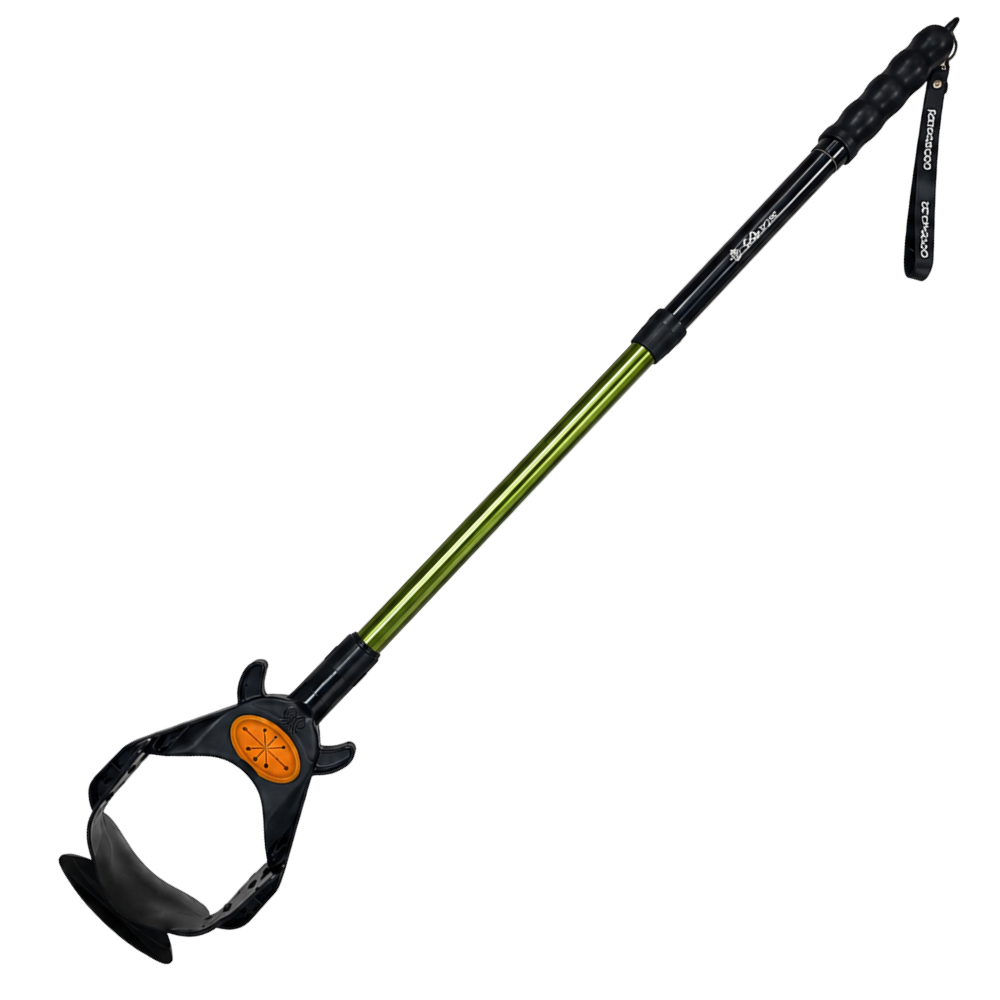
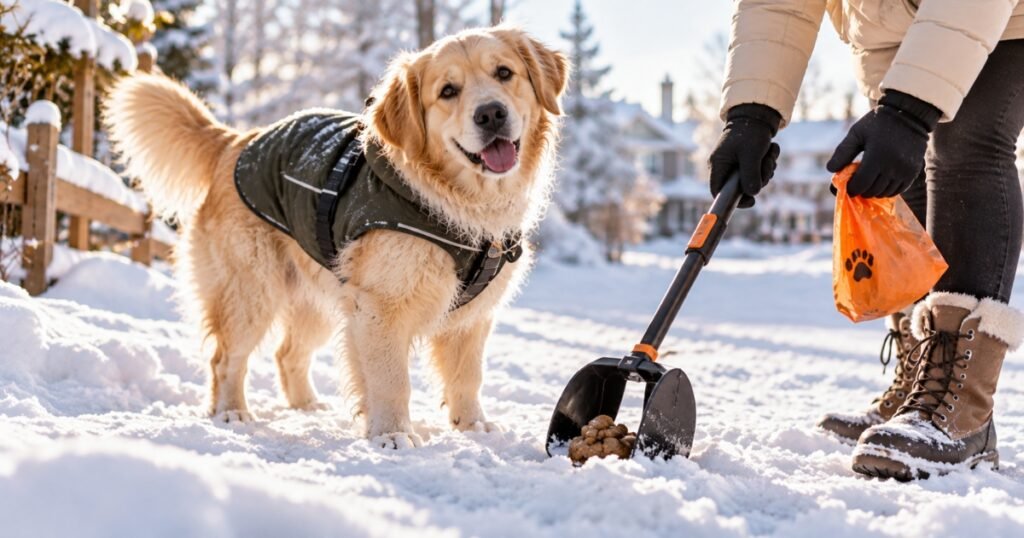
Frozen waste is actually the easy version: it lifts in one piece and leaves nothing behind. On a cleared patch, a long-handled tool like the XP Pro pooper scooper pops a frozen pile free without kneeling on ice. Do not assume freezing sterilizes anything. Parasite eggs such as roundworm and hookworm persist in soil, so what is buried in January is still a hazard in April.
Cold pads, salt burn, a belly dragging through drifts and the loss of familiar scent markers all discourage squatting. Snow also feels unstable underfoot, and squatting leaves a dog exposed to wind. Clear a small bare patch down to the ground, keep it in the same place daily, and walk out there with your dog on leash rather than waiting inside.
Missing a single bowel movement during a cold snap and going the next day is usually nothing. Once you reach roughly 48 hours with no bowel movement, or you see straining, repeated squatting with no result, vomiting, loss of appetite or a tense belly, call your veterinarian. Do not give any laxative or home remedy without their direction.
No. Rock salt and most calcium chloride ice melts irritate and dry out paw pads, and dogs lick their feet afterwards. Use plain sand for traction on the potty patch, or an ice melt specifically labeled as pet-safe on walkways. Either way, wipe and dry paws when your dog comes back inside.
Leave it frozen and scoop it whole. Frozen waste releases from grass and gravel in one piece instead of smearing, so a long-handled scooper does the job without bending or kneeling on ice. If a pile is frozen fast to concrete, wait for midday sun or a warmer afternoon rather than chipping at it.
For a senior, a tiny breed or a dog recovering from illness, an indoor option is a reasonable short-term bridge during extreme cold. For most healthy dogs it creates a habit you then have to undo in spring. A cleared outdoor patch and a short, predictable leash trip usually solve it faster.
A dog won’t poop in snow because the ground hurts, smells wrong and feels unsafe, and all three of those are fixable with a shovel. Clear one small patch, keep it in the same spot after every snowfall, skip the rock salt, and walk out there with your dog instead of opening the door. If the delay stretches past about two days or you see straining or vomiting, call your veterinarian rather than waiting out the weather.
Alec Beaton is the Founder & Inventor of Pooch Approved Products and GoGo Stik®. Inspired by real-life pet parenting, he turns everyday cleanup challenges into simple, innovative solutions that make life better for pets and their people.
Learn how to get dog poop off shoes fast without gagging. Step-by-step cleaning for treads, suede & canvas, plus odor-killing tips that actually work.
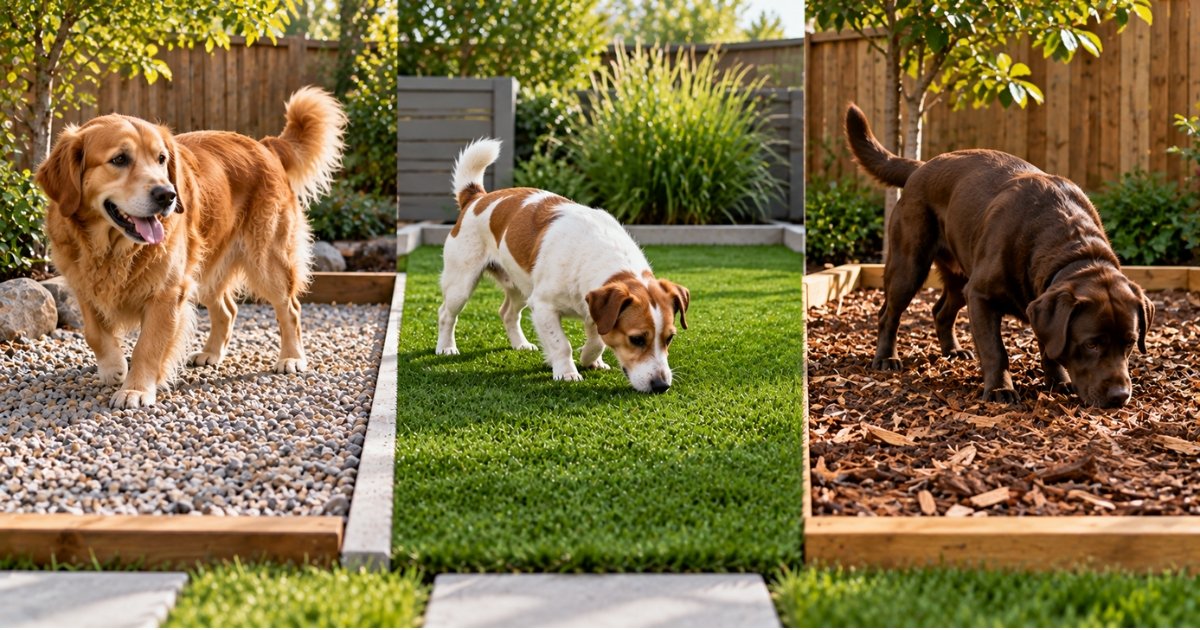
Compare the best dog potty area ideas—pea gravel, artificial turf, and mulch—for drainage, cleanup, and cost. Find the right pick for your yard in 2026.
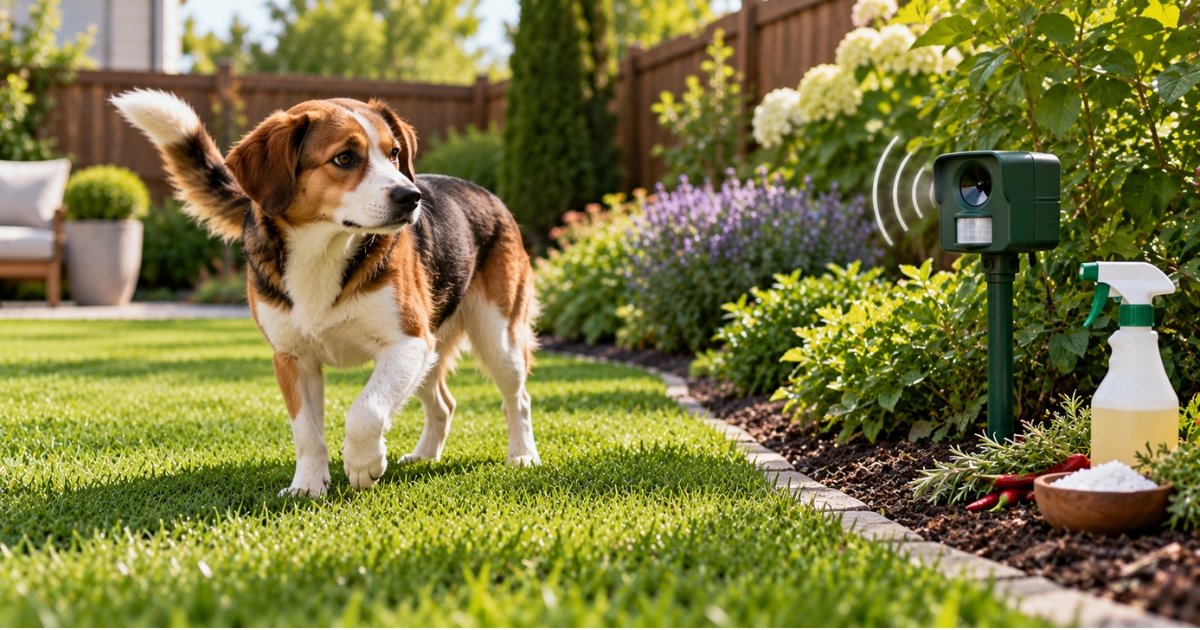
Looking for a dog repellent for lawn that’s safe and effective? See what actually works, what’s cruel to avoid, and humane fixes that keep grass green.