
Dog Health & Wellness
Dog Butt Wipes: 6 Easy Checks for a Safe Choice
Dog butt wipes buyer’s guide: when your dog needs one, the 6 specs that matter, why baby wipes fail, and the signs that mean a vet visit, not more wiping.
 Skip to content

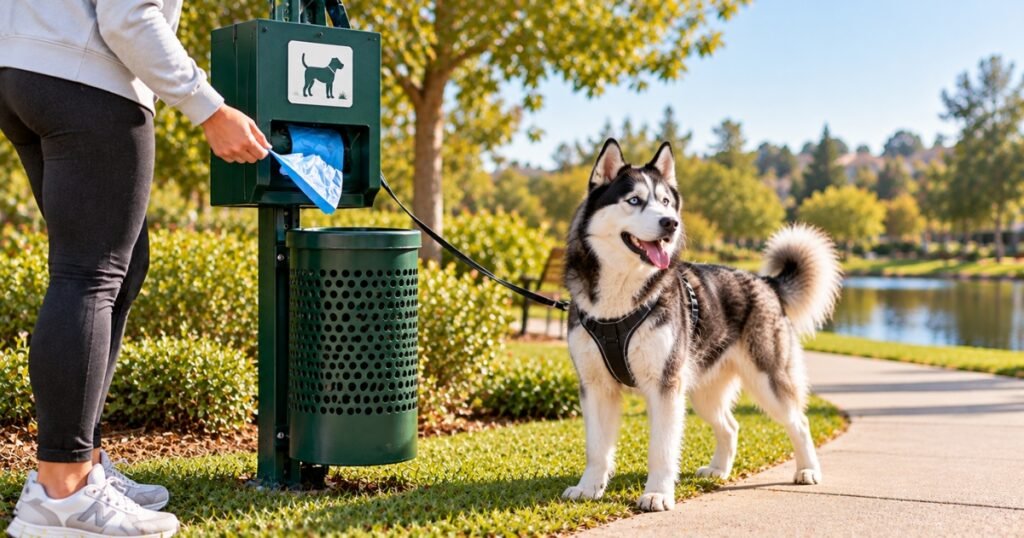
A dog waste station is three things mounted together: a bag dispenser, a lidded receptacle and a sign. The hardware is a one-time purchase, but the bags, the emptying and the complaints are forever, and those are what decide whether it works or becomes the thing residents photograph for the next board meeting.
This is written for whoever signs off on that line item: HOA board members, property managers, campground and RV park owners, dog daycare operators and facilities staff. You are spending someone else’s money, and you get blamed if it fails.
This is shared infrastructure, not the clip-on holder a dog owner hangs from a leash. If you are shopping for yourself rather than a community, personal poop bag dispensers are a different product with different trade-offs. A communal poop bag station has three parts, and the third one gets forgotten.
The dispenser is a lockable box that feeds roll bags one at a time. A wall mounted dog poop bag dispenser is the cheapest way in if you already have a fence, a trash enclosure or a block wall to bolt to. A post-mounted unit costs more because you are also buying the post and the install. Either way, look for a lid that locks so one person cannot walk off with every roll.
A lidded can, liner-ready, sized to how often someone will actually empty it. An open bin invites household trash and wildlife. A lid that is awkward to open one-handed, while holding a leash and a full bag, gets propped open permanently.
A sign that asks outperforms a sign that threatens. Nobody has ever been shamed into scooping by a cartoon of a fine. Keep it short and put these on it:
Placement beats product. A premium unit in the wrong corner collects spiderwebs while the lawn collects waste.
Walk the property at 7 a.m. and 6 p.m. and watch where dogs actually go. Stations belong at the entry to a green space, at the dog run gate, at the mailbox cluster, at the turn where everyone loops back. Not the far corner you picked from a site plan. The same logic applies to outdoor poop bin placement at single-family homes.
From November through March a large share of walks happen in the dark. If the unit sits outside the reach of a path light or building sconce, people will not find the dispenser, and they will not aim for the can. Check the spot after sunset before you drill anything.
If emptying means a staff member crossing wet turf with a full liner, it will slip to once a week. Site within reach of a cart path, service drive or the route the crew already takes to the dumpster.
An unmaintained unit is worse than none at all. An empty dispenser tells residents the community gave up, and a full can with a propped lid becomes the photo in the group chat. Meanwhile waste left on turf washes toward storm drains, which the EPA lists pet waste as a contributor to.
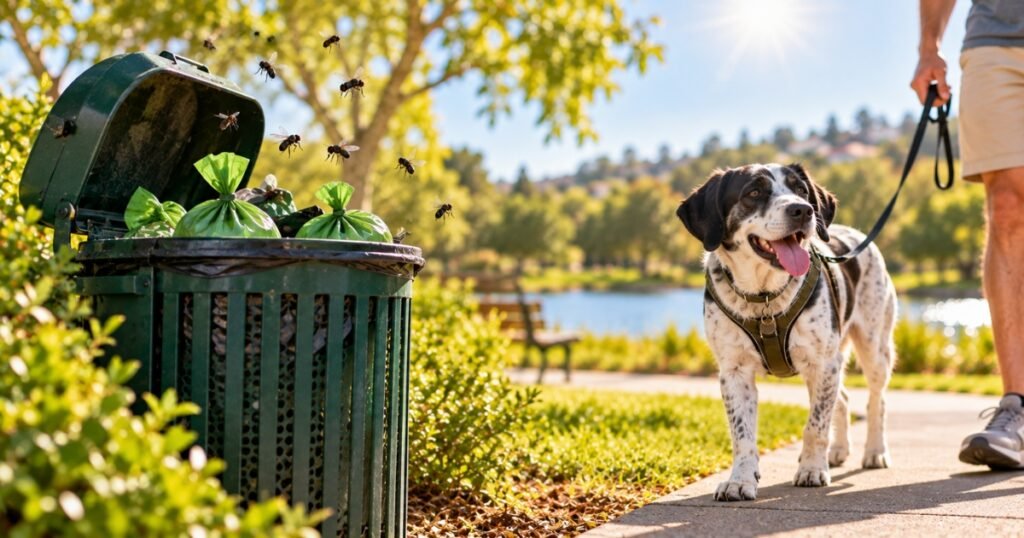
Summer changes the math. A can that holds fine for four days in April turns into odor and flies in three days at 95 degrees. Build a warm-season schedule, not a year-round one, and expect residents to notice within hours. Thicker, better-sealing bags help, which is why hot-weather poop bag picks matter more in July than January.
| Outcome | Stocked and emptied | Empty dispenser, full can |
|---|---|---|
| Resident complaints | Rare, usually about timing | Recurring, often escalated to the board |
| Waste left on grass | Low near the station | Climbs within days |
| Staff time | Short, scheduled, predictable | Unplanned turf cleanup and complaint handling |
| Monthly cost | Refill rolls plus a few minutes of labor | No bag spend, higher labor and goodwill cost |
The hardware is bought once. The bags are bought forever, and they are the part residents actually touch.
Three things, and cheap rolls fail all three:
If people take two every time, your bag budget quietly doubles. For the fumbling problem specifically, our notes on opening stubborn poop bags apply.
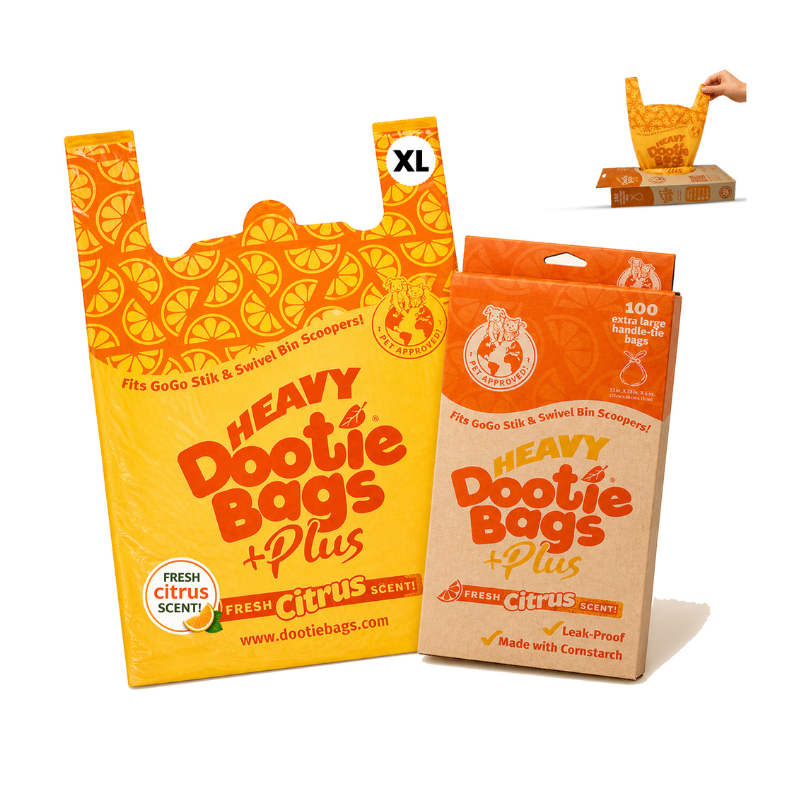
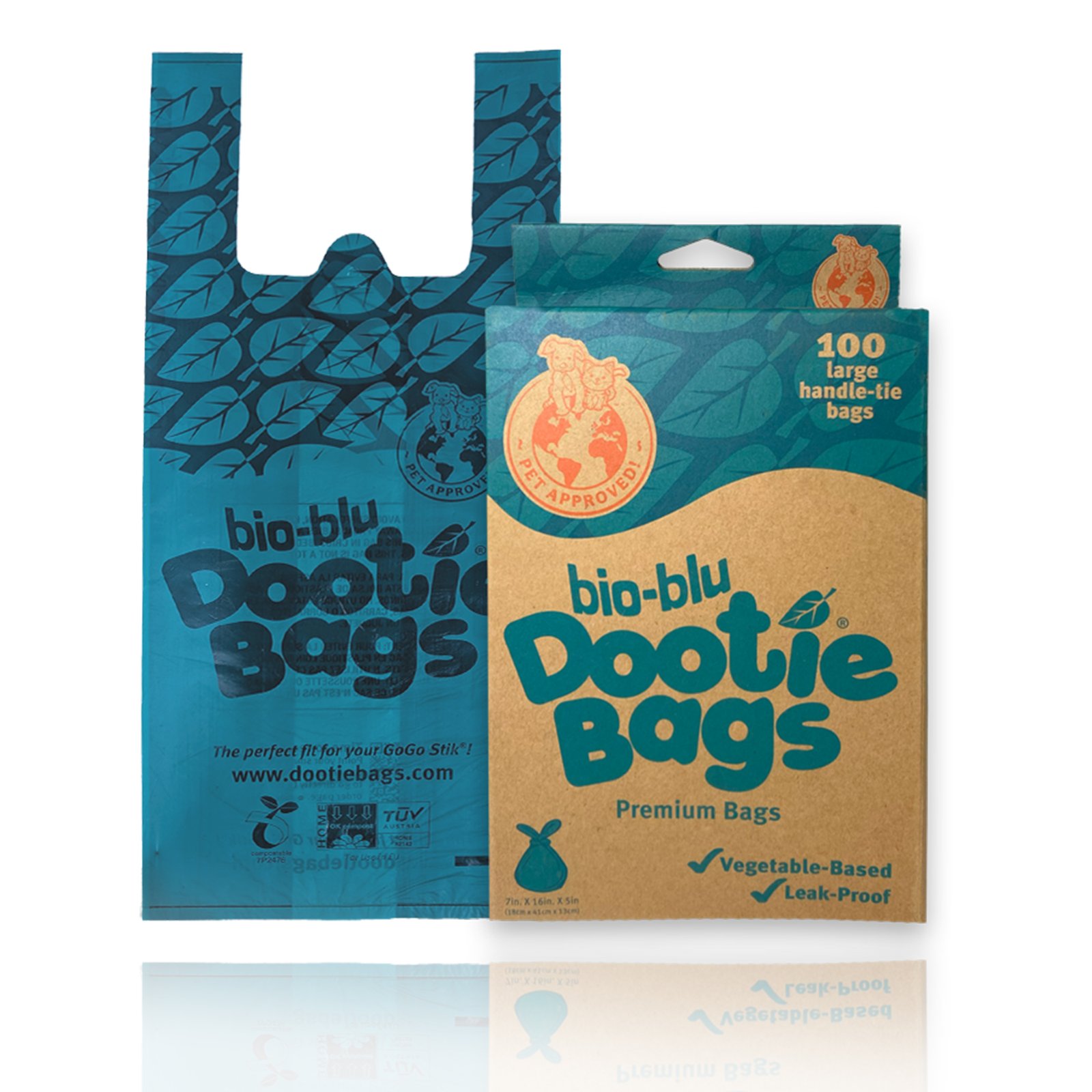
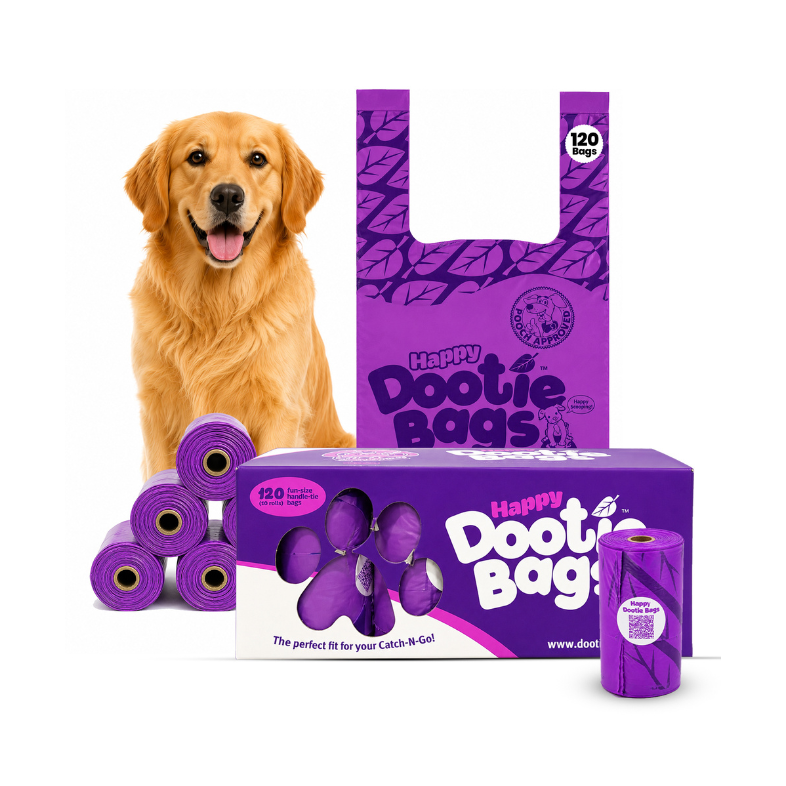
Wall dispensers take roll bags, so check roll diameter and width against your unit before you buy a case. Happy Dootie roll bags come 12 rolls to a box, 120 bags total, unscented, with easy-tie handles, made from cornstarch and plastic, measuring 14 x 9 inches including gussets. For crews doing ground sweeps with a scooper, flat-pack HEAVY Dootie handle-tie bags are easier to load than a roll.
Put it where dogs already relieve themselves: beside the dog run gate, at the side exit most residents use, or at the edge of the lawn strip by the parking area. Keep it off the main entry sightline and downwind of patios and windows. Our guide to apartment dog waste handling covers the resident side of the same problem.
There is no universal ratio, and any number you see quoted is a guess. Count the places dogs actually gather: each green space entrance, each dog run, each building exit that leads to grass. Start with one per node, run it a season, then add where you still find waste on the turf. Check your own HOA documents and city code for anything that applies locally.
A locking dispenser lid and a refill schedule. Some loss is normal and cheaper than the alternative, which is people walking past because the box was empty. If one unit drains unusually fast, it is usually a dispenser that releases several bags per pull rather than theft, so check the perforation quality before you blame anyone.
Roll bags, because that is what wall-mounted dispensers are built to feed. Flat handle-tie bags are better for maintenance crews working from a cart or a scooper, where speed of grabbing and tying matters more than dispensing. Many properties run both: rolls in the public dispenser, flat bags in the groundskeeping supply closet.
Choosing the hardware is the smallest decision you will make. The whole thing succeeds or fails on three unglamorous details: whether it sits on the path people walk, whether someone is named to empty it, and whether the bags inside tear off cleanly and open on a cold morning. Decide those first, then order the unit. When you set up the refill line item, measure your dispenser and order a case of roll bags that matches it.

Alec Beaton is the Founder & Inventor of Pooch Approved Products and GoGo Stik®. Inspired by real-life pet parenting, he turns everyday cleanup challenges into simple, innovative solutions that make life better for pets and their people.
Dog butt wipes buyer’s guide: when your dog needs one, the 6 specs that matter, why baby wipes fail, and the signs that mean a vet visit, not more wiping.
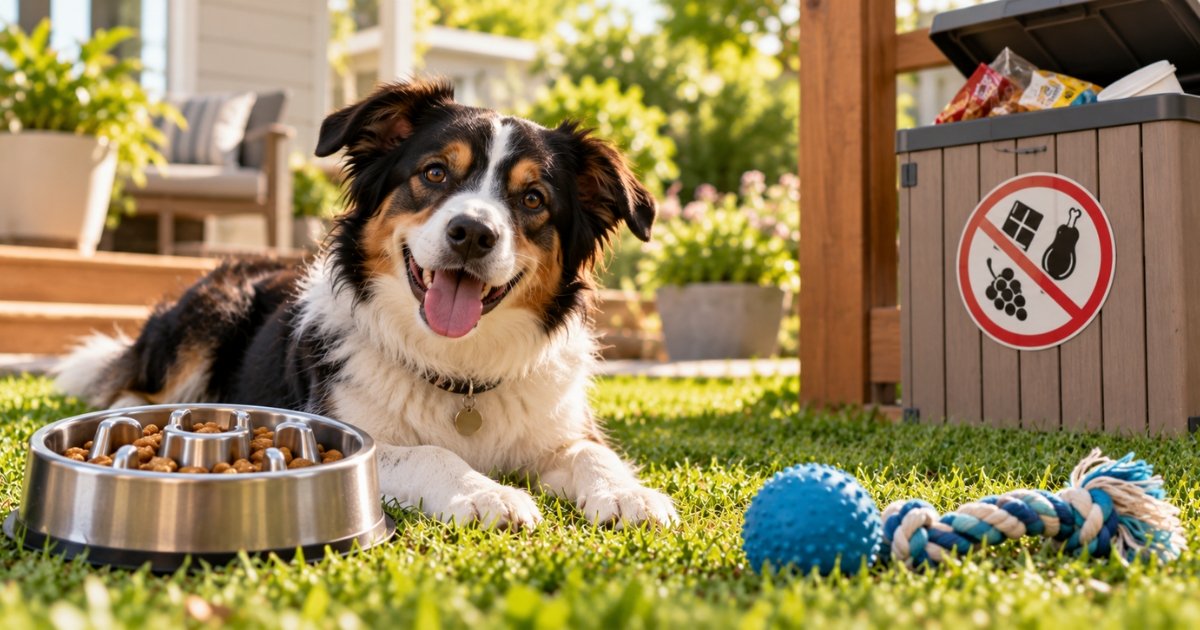
Dog upset stomach? Use this vet-informed home-care checklist to soothe nausea, spot red flags, and know exactly when to call the clinic.
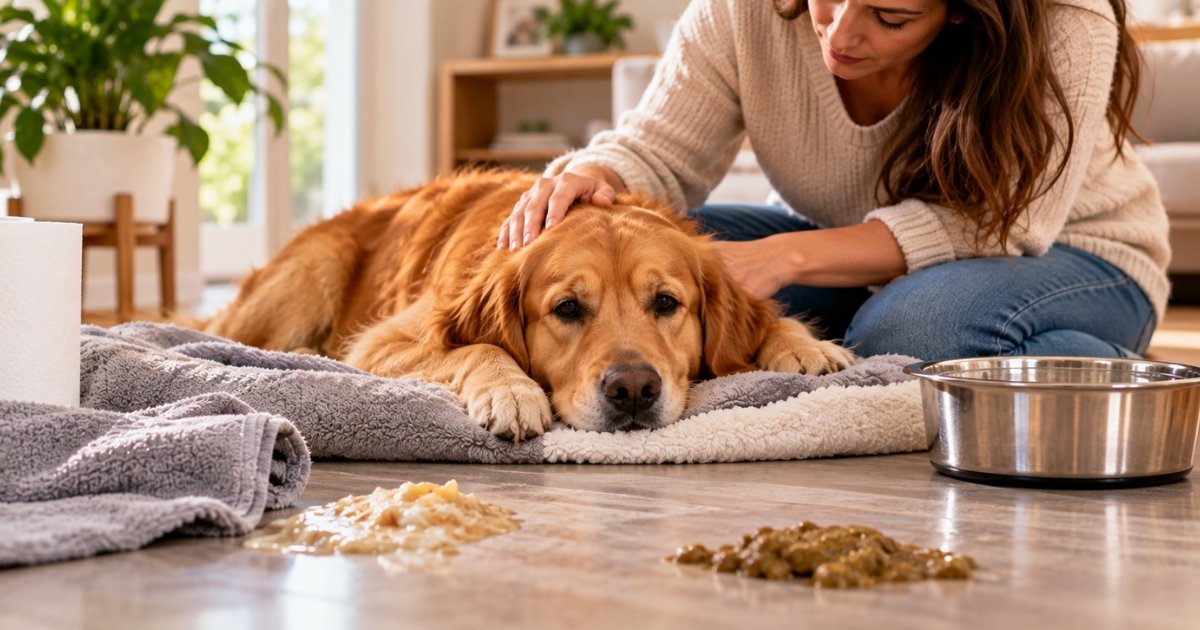
Dog vomiting and diarrhea? Stay calm. Learn what’s normal, when to call the vet, and simple at-home steps to help your dog recover fast.