


Poop Bags
8 Fixes for Litter Box Odor Control That Actually Work
Litter box odor control starts with free fixes, not sprays. 8 ranked steps to stop litter box smell in apartments and multi-cat homes, cheapest first.

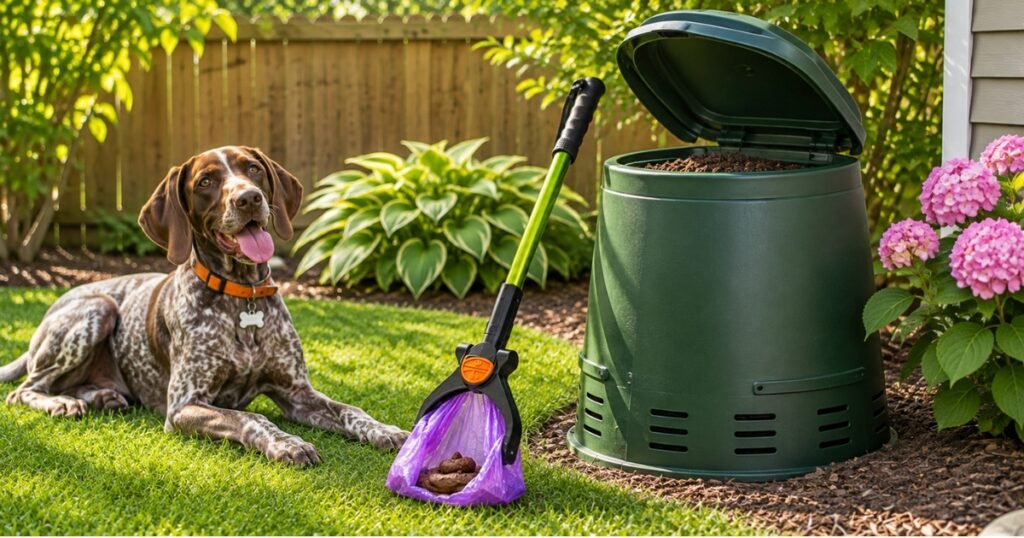
A dog waste digester is a lidded in-ground chamber that breaks waste down with water and an enzyme or bacterial treatment, letting the liquid drain into the surrounding soil. It works well in loose, well-draining ground in a mild climate, and it fails in heavy clay, in a high water table, or anywhere the ground freezes hard for months.
The appeal is real: no bagged waste going out with the trash, no bin smell in summer, waste handled on the spot. But all of that depends on two things most buyers never check before ordering. We do not sell one of these units, so there is nothing here to sell you – just what to verify first.
These two get confused constantly, and they are opposite systems. A composting setup is designed to produce a finished material you handle, cure and eventually use somewhere. An in-ground unit is designed to produce nothing you ever touch – the waste liquefies and soaks away.
If you want usable output, you want the other system. Start with pet waste composting safety and the practical setup steps in where to compost dog poop.
Think of a very small septic unit. You bury a chamber, drop waste through the lid, add water and a treatment product, and the biological action plus the water load carries the broken-down material down into the soil below.
The water is not optional – it is what moves everything through. Doggie Dooley is the best-known name in this category, and the basic principle is the same across the shelf.
Nothing usable comes out the other end. No fertiliser, no mulch, no soil amendment. If that is what you were hoping for, this is the wrong product.
Drainage is the make-or-break variable, and it is the one almost nobody checks. The chamber has no outlet except the ground around it. If that ground will not take water, the unit simply fills and sits there.
Test before you buy, not after. Dig a hole roughly where the unit would go and about as deep, fill it with water, and watch:
Run the test after a wet spell, not during a dry August. Dry clay drains deceptively well the first time.
The biological breakdown slows as ground temperature drops and effectively halts once the surrounding soil is frozen. This is the most common unpleasant surprise.
In a cold-winter state, the unit is seasonal. Through the frozen months it is a hole in the ground that waste goes into and nothing leaves – so you need a bagging routine anyway, exactly when the yard is hardest to work in. Come the thaw, you have a full chamber and a backlog.
If your ground freezes solid for a long stretch each year, plan for a half-year system, not a year-round one.
This is a drainage device, so everything downhill of it is affected. Keep the chamber:
Also check your local rules before you dig. Requirements for on-site waste disposal vary by municipality, county and state, and some areas treat a buried chamber differently than others. A phone call to your local health or building department takes ten minutes and settles it.
Buried does not mean forgotten. The ongoing commitment is modest but real:
That last job is the one people forget at purchase. The site does not last forever, and relocating means another dig.
Capacity is where most buyers are disappointed. A unit matched to one small dog will not keep up with two large ones, and the failure is not gradual – it shows up as smell and as a chamber that stops draining.
Count the actual daily volume, not the number of dogs. Two retrievers produce far more than two terriers. If you are between sizes, go larger; an underloaded chamber causes no problems, an overloaded one causes both of the problems people complain about.
Factor in a growing puppy and any dog you are likely to add in the next few years.
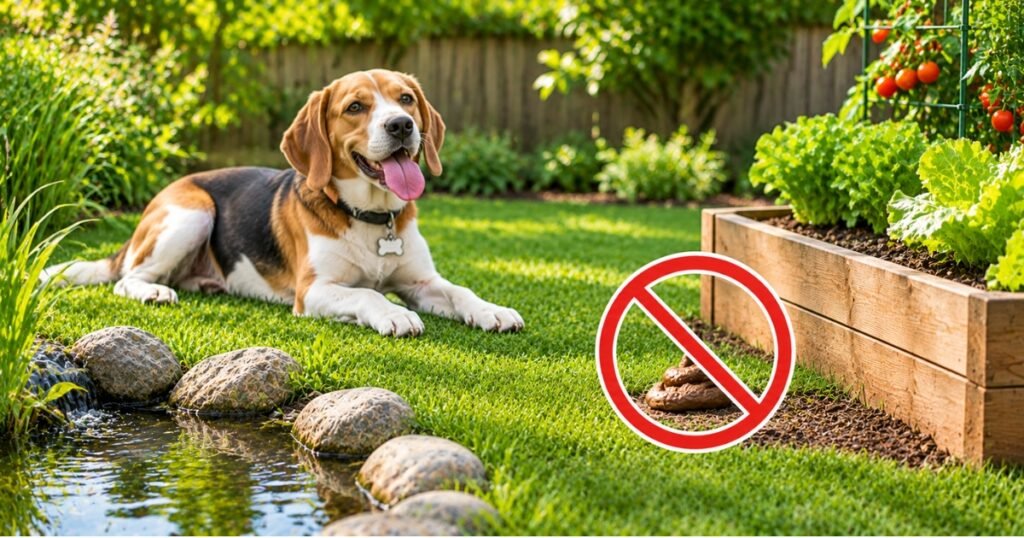
Pet waste carries nutrients that can run off into waterways, which is why the US EPA advises yard owners to pick it up rather than leave it to wash away. The same reasoning applies underground: anything draining out of the chamber eventually moves with soil water.
Food-growing beds are the other no-go zone. Untreated pet waste drainage does not belong anywhere near crops you intend to eat, however appealing the fertility sounds.
Be honest with yourself about these. The unit is a poor purchase if you are:
None of that is a knock on the product. It is a narrow-fit solution that is excellent inside its range.
| Method | Suits | Climate sensitivity | Ongoing maintenance | What you end up with |
|---|---|---|---|---|
| In-ground digester | Draining soil, mild winters, medium to large yard | High – stalls in frozen ground | Treatment, water, eventual relocation | Nothing you handle |
| Composting system | Owners who want usable output and will manage a pile | Moderate – slows in cold | Turning, moisture, temperature checks | Finished material for non-edible areas |
| Bag and bin | Everyone, anywhere, any yard size | None | Buying bags, taking the bin out | Bagged waste in the trash |
| Flushing where permitted | Homes on sewer, where local rules allow it | None | Scooping and carrying indoors | Nothing, if done correctly |
On that last row, the bag itself is the catch – see whether dog poop bags can be flushed before you try it. For the composting route, the specifics are in composting dog poop safely.
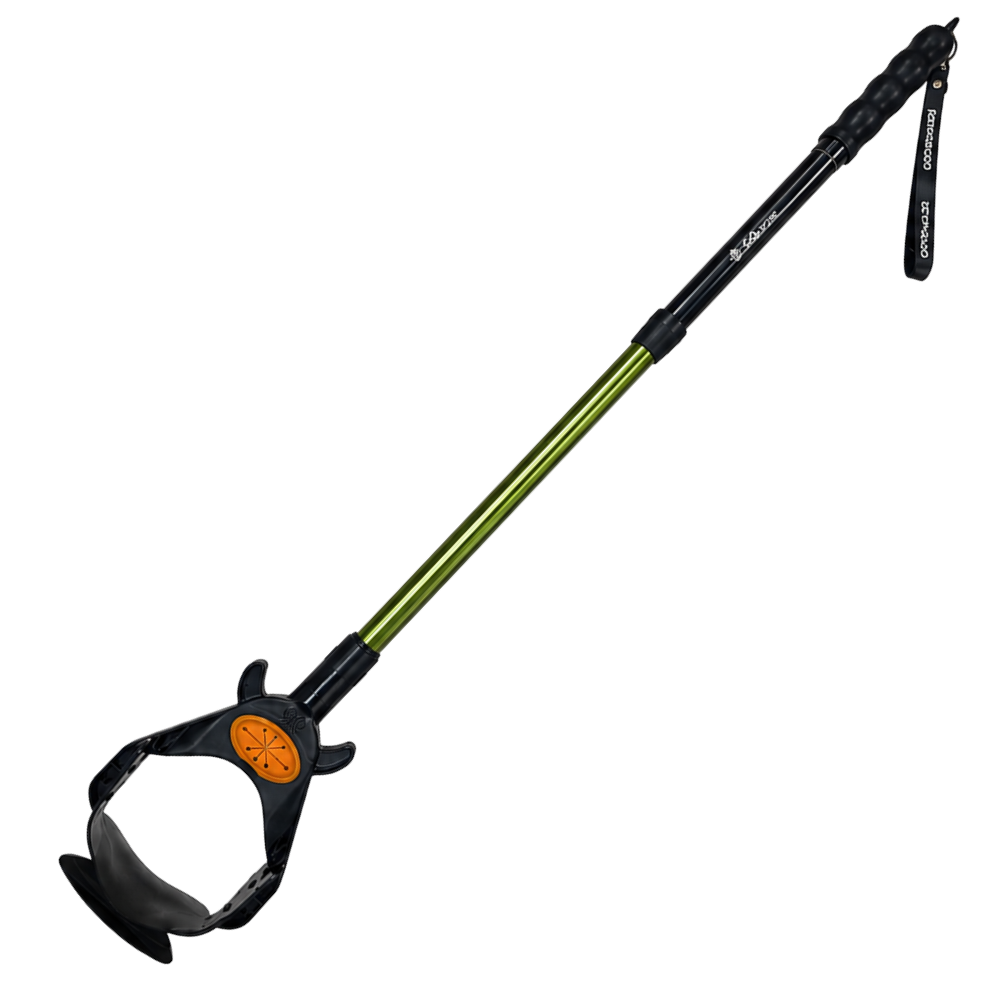
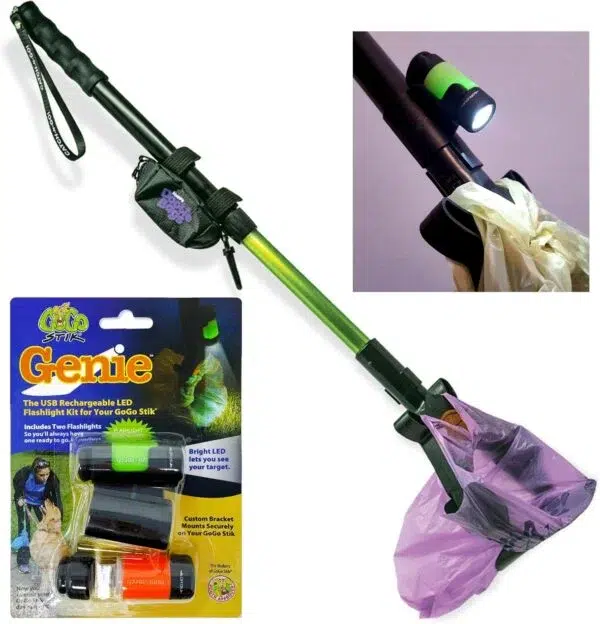
Whichever system you choose, something has to get the waste off the lawn and into it. A long-handled scooper and a box of heavy duty dog poop bags handle that part; the rest is just where it goes afterward.
A correctly sized unit on draining soil should not smell noticeably at the lid. Odour is the warning sign, not the normal state. It usually means one of three things: the chamber is overloaded for its capacity, it is short on water, or the surrounding soil has stopped accepting drainage. Check the load first, then the water, then the site.
It varies far too much with soil temperature, moisture and load to give a reliable number, and any figure you see quoted assumes conditions you may not have. Warm, damp, well-drained ground works fastest; cold ground essentially stops. For background on how waste behaves generally, see how long dog poop takes to decompose.
No to both, as a rule. Clumping litter does not break down and will clog the chamber, and even bags labelled biodegradable are not designed to disappear in an underground unit. Empty the waste in loose and dispose of the bag in the trash, unless the manufacturer specifically states otherwise for its own product.
These units are a good buy in exactly one situation: you own the home, your soil drains freely, your winters are mild, and you have enough dogs to make the routine worth the dig. Test the drainage with a water-filled hole and check your local rules before you spend anything. If either one fails, bagging is not the lesser option – it is simply the one that works everywhere.

Alec Beaton is the Founder & Inventor of Pooch Approved Products and GoGo Stik®. Inspired by real-life pet parenting, he turns everyday cleanup challenges into simple, innovative solutions that make life better for pets and their people.
Litter box odor control starts with free fixes, not sprays. 8 ranked steps to stop litter box smell in apartments and multi-cat homes, cheapest first.
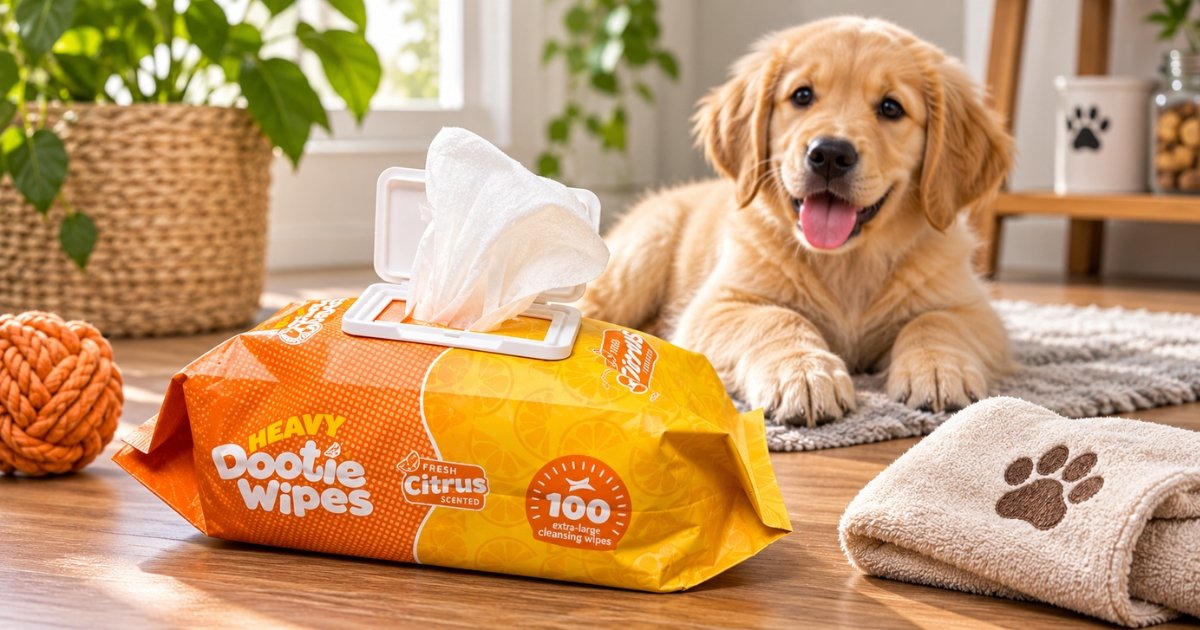
Are baby wipes safe for puppies? Here are 6 honest checks for choosing puppy wipes, plus routines for muddy paws, accidents and nervous first-time owners.
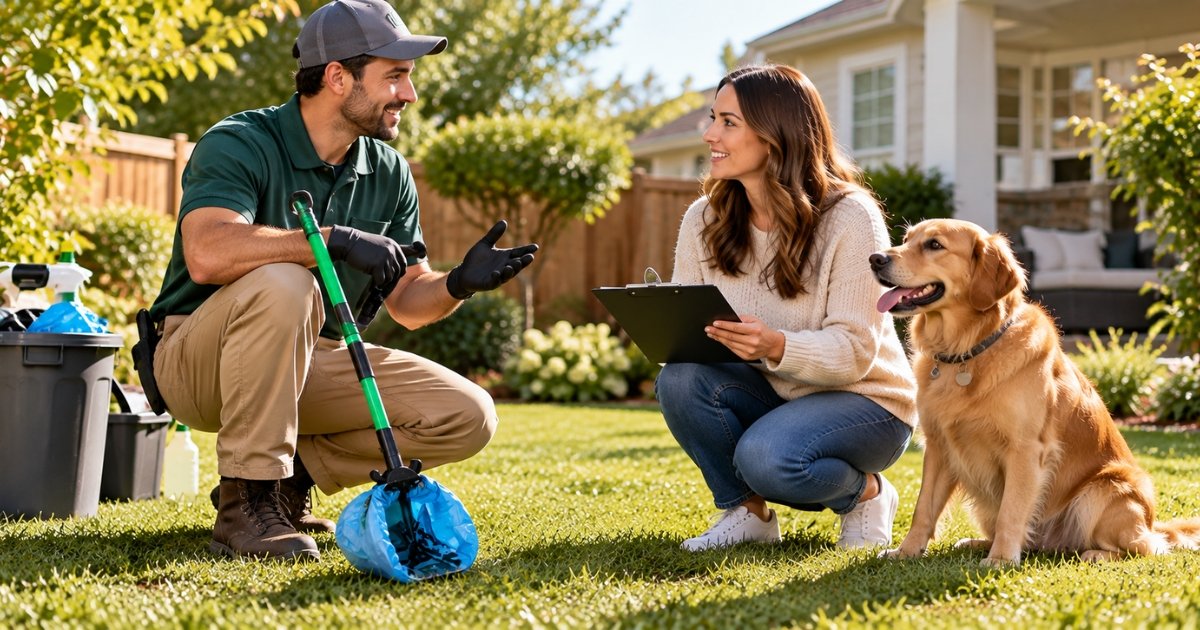
Hiring a pet waste removal service? Ask these 7 questions first – what’s included, how quotes are priced, winter policy, and when DIY is cheaper.