


Pooper Scoopers
Dog Poop Vacuum: Worth It? 7 Real Questions to Ask
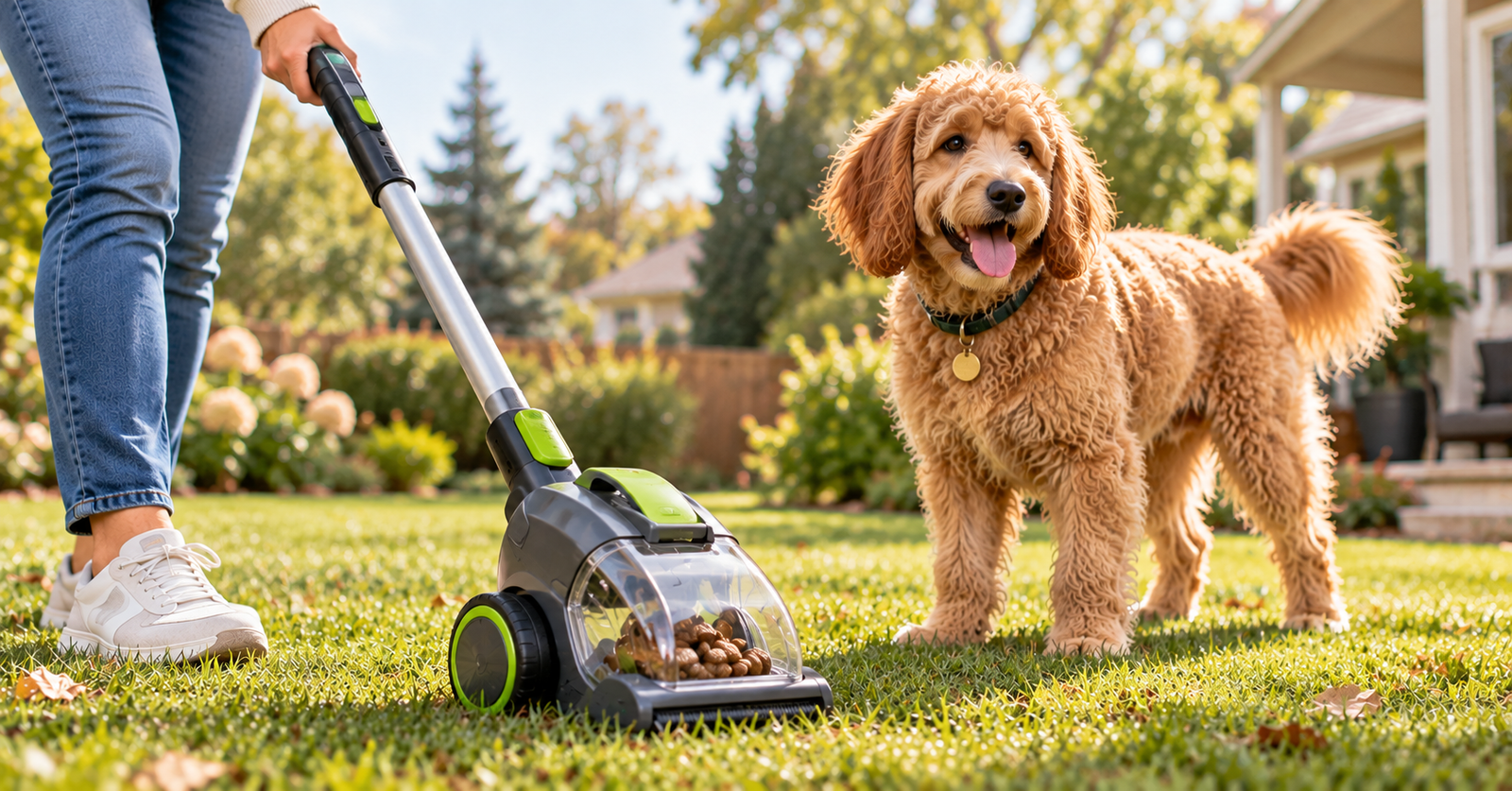
Can a dog poop vacuum really clean your yard? Here is how suction, powered scoopers and yard robots work, what they struggle with, and what to buy.

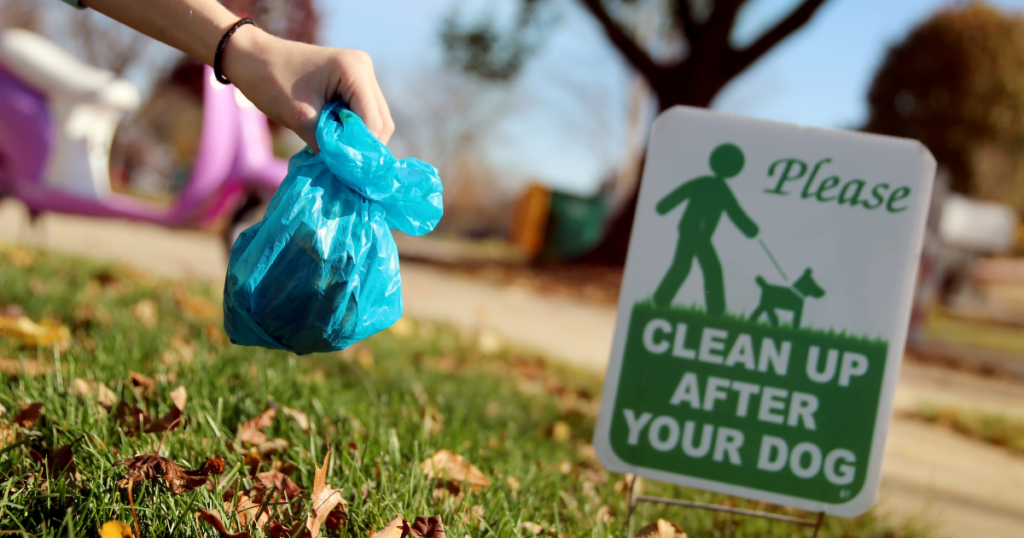
How and Where to Compost Dog Poop :Here’s a fact that might surprise you: the average dog produces 274 pounds of waste annually. With over 90 million dogs in the United States, we’re talking about billions of pounds of pet waste hitting landfills every single year. Most dog owners just grab a plastic bag and toss it in the trash without thinking twice about where it ends up.
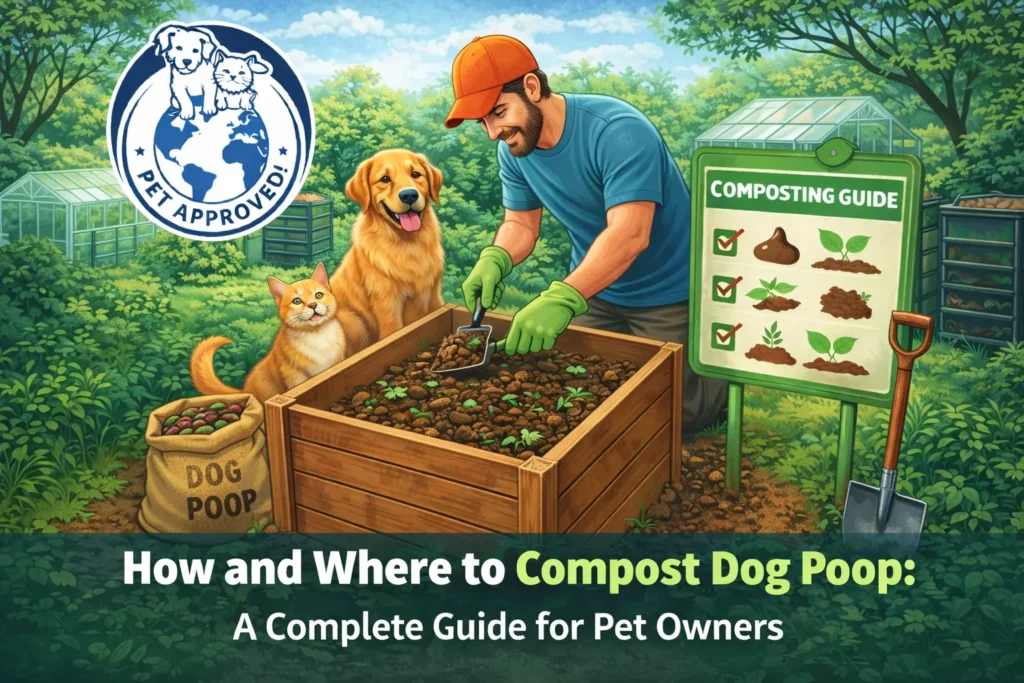
But there’s another way. Learning how and where to compost dog poop gives you an eco-friendly option that cuts down on landfill waste while creating useful soil amendment. The catch? Pet waste composting isn’t something you can wing. You need to know the safety rules, keep track of temperatures, and pick the right spot to keep your family healthy.
We get it. Being a responsible pet owner means way more than just cleaning up the mess. At GoGoStik, we’ve worked with thousands of pet owners to help them figure out better waste management through our ergonomic tools and educational resources. This guide will walk you through safe composting methods and show you how the right collection tools make everything cleaner and way less gross.
Dog waste is nothing like your typical compost materials. High nitrogen content and potential nasties like bacteria make it tricky to handle. Unlike cow or horse manure, carnivore waste carries harmful bacteria including E. coli, salmonella, and parasites that demand special treatment.
Regular composting transforms organic matter through controlled breakdown. But pet waste? That needs hotter temperatures and longer processing times than your garden scraps. We’re talking about maintaining temperatures above 140°F for several days straight to kill off dangerous microorganisms.
The good news is that composting dog waste cuts methane emissions from landfills while creating nitrogen-rich soil amendment for plants you don’t eat. It’s an environmentally smart approach that fits with responsible pet ownership, though you’ve got to stick to proper safety protocols.
Here’s what makes pet waste composting different from regular composting: where you can use the finished product. You can’t put dog waste compost near vegetable gardens, fruit trees, or anywhere kids play. Save it for ornamental plants, trees, and lawn areas away from food production.
Safe dog waste composting means keeping internal temperatures between 140-160°F for at least five days running. These high temps kill harmful pathogens while speeding up breakdown. Use a compost thermometer to check internal heat levels every day during the first phases.
The whole process takes 12-24 months depending on your climate, how often you turn it, and your material ratios. Don’t rush this. Rushed composting creates health hazards. Cold weather slows things down while hot climates speed up breakdown but you’ll need to watch moisture levels more closely.
You need to balance carbon-rich “brown” materials with nitrogen-heavy “green” materials like dog waste. Your brown materials include:
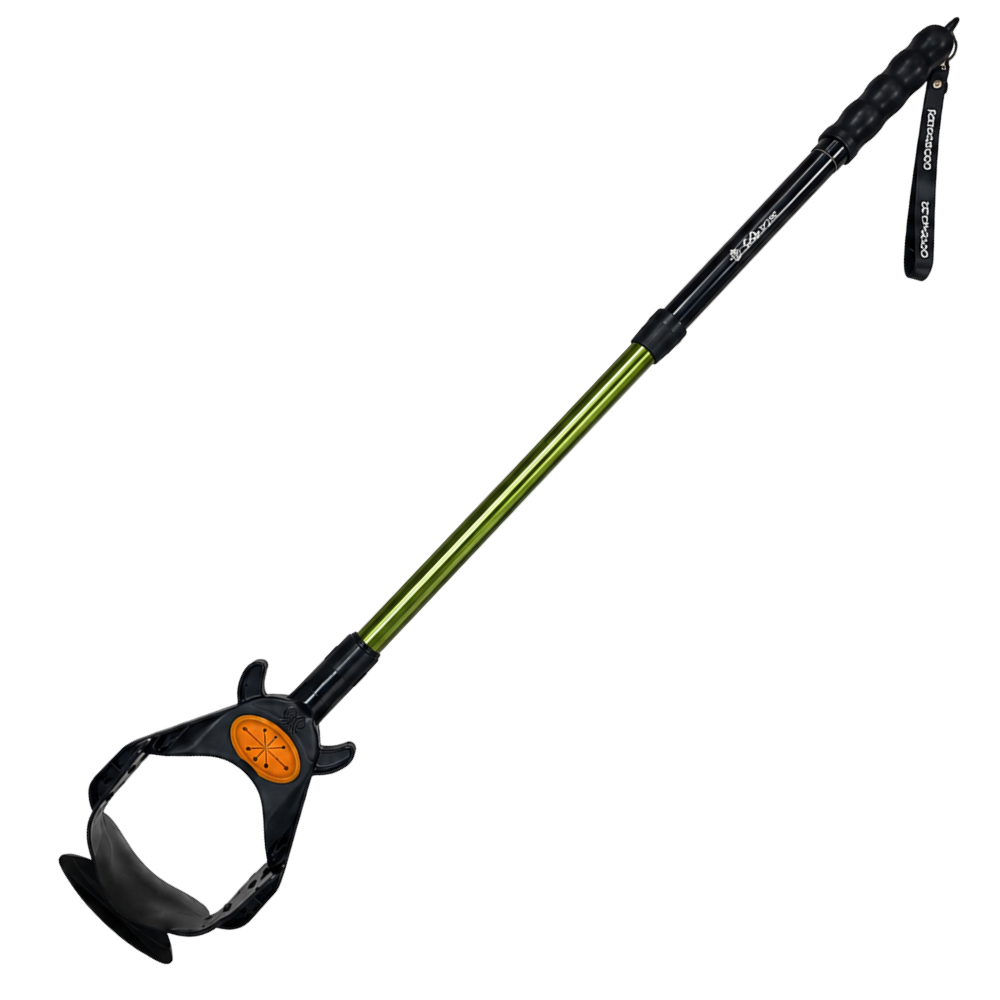
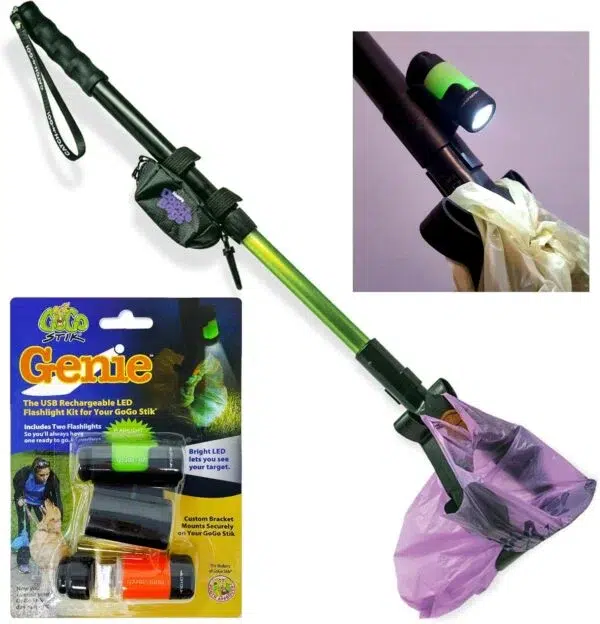
Your setup needs a dedicated container or bin with proper drainage and ventilation. Pick containers with tight-fitting lids to keep pests out while letting air flow. You’ll need basic tools: a shovel for turning, thermometer for monitoring, and our XP Pooper Scooper for clean waste collection.
Where you put your composting area matters big time for safety and efficiency. Keep it at least 100 feet from wells, streams, or other water sources to prevent contamination. Pick spots with good drainage that won’t flood when it rains hard.
Stay away from vegetable gardens, fruit trees, or anywhere kids play. The sweet spot gets partial sunlight to maintain good temperatures while staying accessible year-round. Think about which way the wind blows to minimize odor issues for neighbors.
Check your local rules before you start. Many cities have specific regulations about pet waste composting, especially in urban areas. Homeowner associations might also restrict composting activities, so make sure you’re compliant first.
Urban pet owners face bigger challenges with limited space and closer neighbors. Consider smaller, contained systems or look into community composting programs that take pet waste. Suburban locations give you more flexibility but still require thoughtful placement away from property lines.
Ready to make cleanup easier before composting? Call +1 (315) 264-5210 to order our ergonomic pooper scoopers and leakproof bags today!
Start with a dedicated container that’s at least 3x3x3 feet to keep heat in properly. Drill ventilation holes around the sides while making sure the bottom drains without letting waste contaminate the soil underneath.
Build a base layer using coarse brown materials like wood chips or straw. This foundation improves airflow while soaking up excess moisture from decomposing waste. Add 6-8 inches of mixed brown materials before you introduce any dog waste.
Collect waste using our GoGoStik XP Pooper Scooper for hands-free, clean handling. Layer dog waste with brown materials using a 1:3 ratio. That means one part waste to three parts carbon materials. This balance prevents nasty smells while promoting proper breakdown.
Turn the pile every two weeks during active composting phases. Make sure outside materials move to the center where temperatures peak. Add water if the mixture feels dry like a wrung-out sponge. Check temperature daily during the first month, then weekly once you get stable heat going.
Keep moisture consistent without creating soggy conditions that prevent airflow. Well-balanced compost should feel slightly damp throughout while reaching target temperatures. Adjust brown material amounts if smells develop or breakdown slows way down.
Never add cat litter, meat scraps, or dairy products to dog waste compost. These materials attract rodents while creating conditions that prevent proper heating. Kitchen scraps also bring in different bacteria that mess up the composting process.
Plastic waste bags create contamination problems and never break down properly. Regular plastic bags release harmful chemicals while preventing organic materials from decomposing. Skip any synthetic materials including treated wood chips or glossy paper products.
Chemical additives like fertilizers, pesticides, or cleaning products kill the good microorganisms you need for composting. These substances also create toxic conditions that stick around in finished compost. Instead, use our Bio-Blu Dootie Bags designed for eco-conscious pet owners wanting compostable collection options.
Commercial dog waste digesters offer convenient alternatives for pet owners who don’t have space or time for traditional composting. These underground systems use enzymes and bacteria to break down waste without requiring active management or temperature monitoring.
What about when composting just isn’t doable? Biodegradable waste bags provide environmentally responsible disposal. Look for bags certified by reputable organizations that break down completely in commercial composting facilities. Our Heavy Dootie Bags variety pack includes eco-friendly options made from plant-based materials.
Professional pet waste management services collect and process waste through commercial composting facilities with proper temperature controls and pathogen testing. These services guarantee safe processing while supporting responsible waste management in communities that don’t have individual composting options.
More and more municipal programs now accept pet waste in organic collection streams, processing it alongside other organic materials at industrial facilities. Contact your local waste management authorities to learn about available programs and participation requirements in your area.
Temperature monitoring failures represent the most dangerous mistake in pet waste composting. Way too many beginners assume their pile reaches safe temperatures without actually checking. When heating isn’t adequate, pathogens survive and create health risks when you’re handling or applying finished compost.
Picking bad locations near wells, gardens, or play areas violates basic safety principles. Contamination risks stick around even with proper composting techniques when placement allows runoff to contact water sources or food production areas.
Not using enough brown materials creates smelly conditions that attract pests while preventing proper breakdown. Most pet owners underestimate how much carbon material they need to balance nitrogen-rich dog waste effectively.
Using finished compost on vegetable gardens or areas where children play creates unnecessary exposure risks. Even properly composted dog waste should only contact ornamental plants, trees, and lawn areas away from food production or high-contact zones.
Home composting can be safe when you follow proper temperature and time requirements. Keep it at 140-160°F for five days running and allow 12-24 months total processing time. Monitor temperatures with a reliable thermometer and never use finished compost near food plants.
Complete composting takes 12-24 months depending on climate, how often you maintain it, and material ratios. Active breakdown with high temperatures happens in the first 2-3 months, followed by extended curing to make sure pathogens are eliminated and material is stable.
Use dog waste compost only on ornamental plants, trees, and lawn areas away from vegetable gardens. Never apply it where food crops grow or children play, as pathogen risks stick around even after proper composting processes.
Pick bags certified as compostable by organizations like BPI or TUV Austria. These break down completely during composting without leaving harmful residues. Skip regular biodegradable bags that might not decompose properly in home composting conditions.
Basic equipment includes a dedicated container, compost thermometer, turning tool, and collection supplies. Advanced systems like tumbler composters or commercial digesters offer convenience but aren’t necessary for successful home composting with proper technique.
Successful composting starts with proper waste collection using tools designed for clean handling. Our ergonomic pooper scoopers get rid of direct contact while making sure you get complete pickup, making the whole composting process cleaner and more efficient.
Leakproof, durable bags prevent contamination during transport to your composting area. Whether you pick biodegradable options for composting or heavy-duty bags for traditional disposal, quality collection tools reduce mess and improve safety throughout the process.
Ready to upgrade your pet how and where to compost dog poop? Our ergonomic pooper scoopers and heavy-duty bags make collection cleaner and easier, whether you’re composting or disposing traditionally. Order today our duty bags and pooper scooper products by calling +1 (315) 264-5210 and discover why thousands of pet owners trust GoGoStik for responsible, mess-free cleanup solutions that support eco-friendly waste management practices.

Alec Beaton is the Founder & Inventor of Pooch Approved Products and GoGo Stik®. Inspired by real-life pet parenting, he turns everyday cleanup challenges into simple, innovative solutions that make life better for pets and their people.
Can a dog poop vacuum really clean your yard? Here is how suction, powered scoopers and yard robots work, what they struggle with, and what to buy.
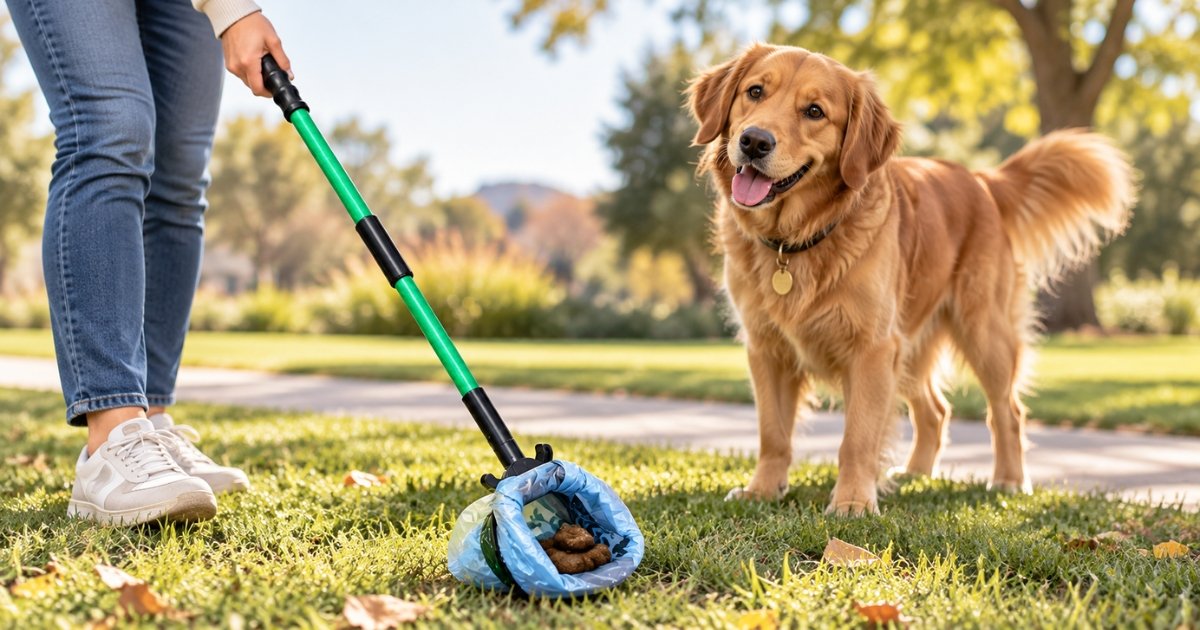
A claw pooper scooper is cheap and one-handed, but it fails on soft stool and gravel. Here are 5 checks before you buy, plus a cleaner alternative.
How long can a dog go without pooping? Learn normal timeframes, warning signs of constipation, and when to call the vet. Clear, vet-backed answers.