Home/Blogs/Common Causes of Paw Chewing in Dogs (And What to Do About It)
Common Causes of Paw Chewing in Dogs (And What to Do About It)
Is your furry friend constantly gnawing at their paws? You’re not alone. Paw chewing is one of the most frequent behavioral issues dog owners face, and understanding the root cause is the first step toward helping your pet find relief.
Understanding Why Dogs Chew Their Paws
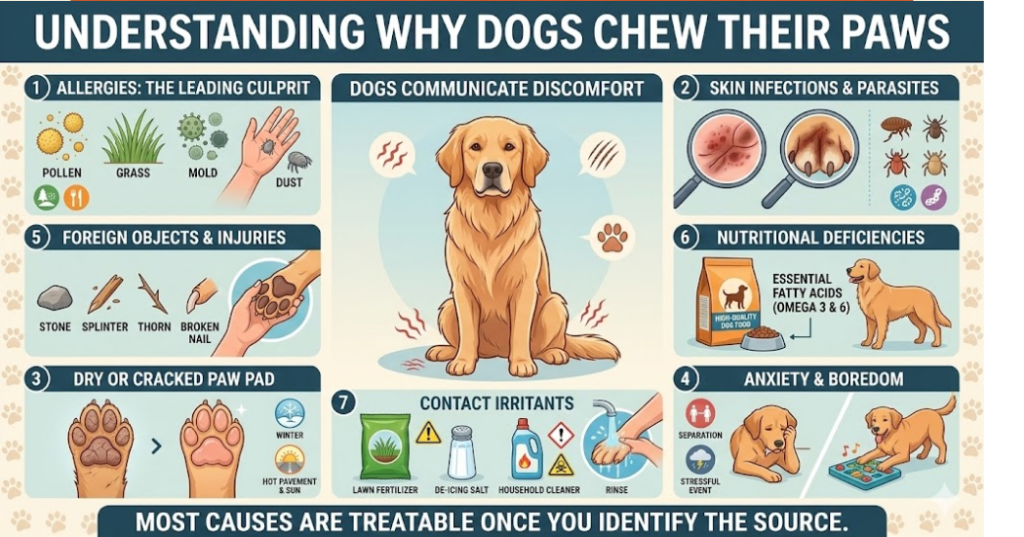
Dogs communicate discomfort through their behavior, and excessive paw licking or chewing often signals an underlying issue. The good news? Most causes are treatable once you identify the source.
Allergies: The Leading Culprit
Environmental and food allergies top the list of paw-chewing triggers. Dogs can develop sensitivities to:
Pollen, grass, and mold spadditionally
Dust mites and household cleaners
Certain proteins in their diet
Chemical lawn treatments
Allergic reactions cause itchy, inflamed paws that drive dogs to chew for relief. If you notice seasonal patterns or redness between the toes, allergies may be the cause.
What You Can Do: Consult your vet about allergy testing. Meanwhile, wipe your dog’s paws after outdoor walks using Heavy Dootie Pet Wipes for Paws and Butt to remove allergens before they cause irritation.
Skin Infections and Parasites
Bacterial and yeast infections thrive in warm, moist environments between dog toes. Similarly, parasites like fleas, ticks, and mites can cause intense itching.
Signs include:
Red, swollen paw pads
Foul odor
Brown discoloration between toes
Visible parasites or black specks (flea dirt)
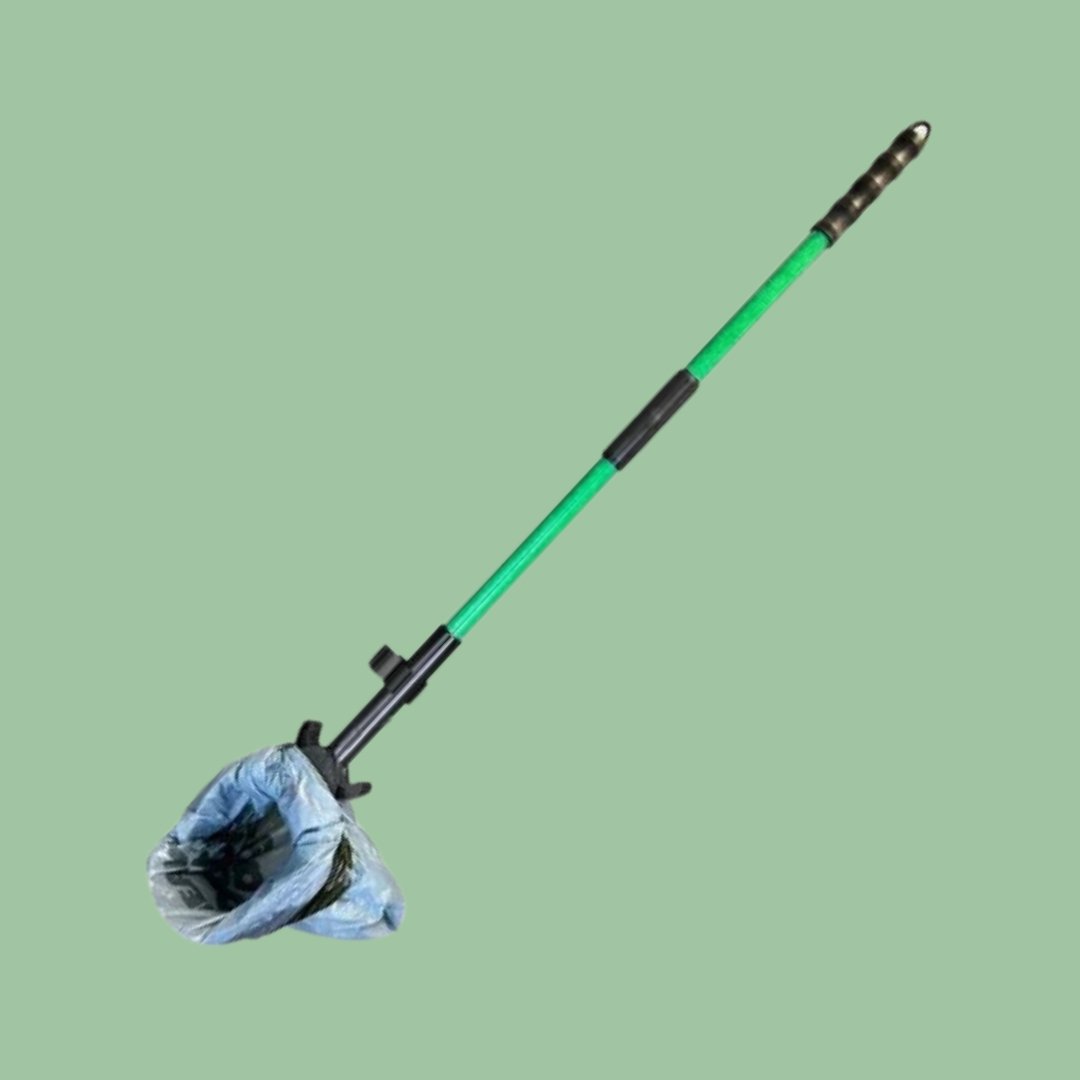
What You Can Do: Schedule a vet visit for proper diagnosis. For prevention, keep your yard clean with reliable tools like the GOGO Stik XP Pooper Scooper to minimize bacterial exposure from waste.
Dry or Cracked Paw Pads
Just like human skin, dog paws can become dry and cracked, especially during winter months or in arid climates. Hot pavement in summer can also cause burns and peeling.
What You Can Do: Apply dog-safe paw balm regularly. Limit walks on extreme surfaces, and check paws after outdoor activities for any cuts or abrasions.
Anxiety and Boredom
Sometimes, paw chewing has nothing to do with physical discomfort. Dogs experiencing stress, separation anxiety, or insufficient mental stimulation may develop compulsive licking habits.
Behavioral chewing typically occurs:
When left alone for extended periods
During stressful events (thunderstorms, fireworks)
In dogs lacking adequate exercise
What You Can Do: Increase daily exercise and provide puzzle toys. Therefore, establishing a consistent routine helps reduce anxiety. For late-night potty breaks, the GOGO Stik Pooper Scooper Fido USB Rechargeable LED Flashlight makes yard cleanup easier, ensuring your dog gets the outdoor time they need.
Foreign Objects and Injuries
Small stones, splinters, thorns, or broken nails can lodge between toes, causing pain and obsessive chewing.
What You Can Do: Examine your dog’s paws thoroughly. Consequently, if you spot any embedded objects or notice limping, see your vet immediately. Keep your outdoor spaces debris-free using the Scooper and Hybrid Rake Set to maintain a safer environment.
Nutritional Deficiencies
An imbalanced diet lacking essential fatty acids can lead to poor skin health and persistent itching. Omega-3 and omega-6 fatty acids play crucial roles in maintaining healthy skin and coat.
What You Can Do: Review your dog’s food quality. Consider supplements approved by your veterinarian to support skin health.
Contact Irritants
Chemicals from lawn care products, de-icing salts, and household cleaners can irritate sensitive paw pads. Dogs then chew their paws attempting to remove the discomfort.
What You Can Do: Rinse paws after walks through treated areas. Choose pet-safe products for your home and yard. Regular cleanup with products like Bio Blu Dootie Bags helps maintain a chemical-free outdoor space.
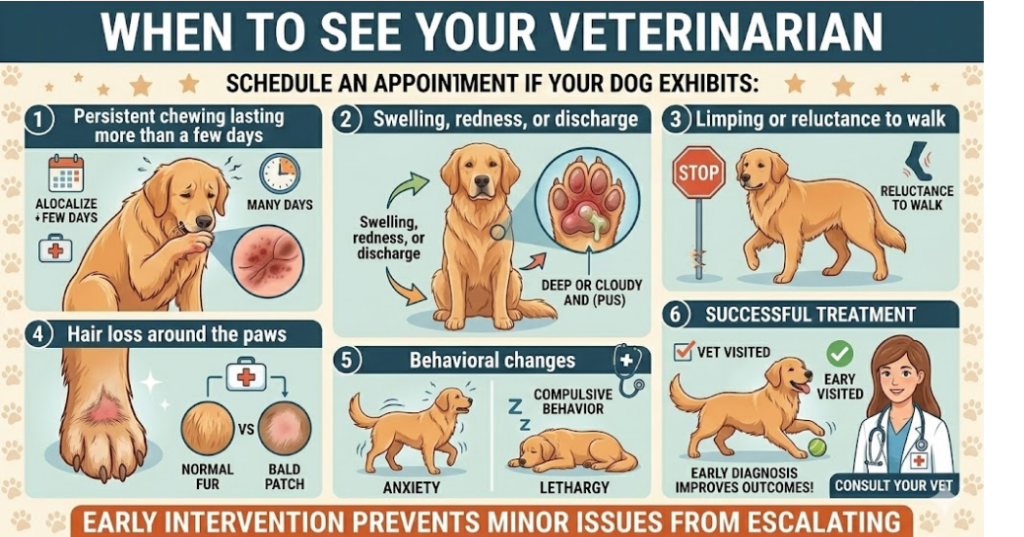
When to See Your Veterinarian
Schedule an appointment if your dog exhibits:
Persistent chewing lasting more than a few days
Swelling, redness, or discharge
Limping or reluctance to walk
Hair loss around the paws
Behavioral changes
Early intervention prevents minor issues from escalating into serious conditions.
Prevention Strategies That Work
Regular Paw Inspections
Check your dog’s paws weekly for cuts, growths, or foreign objects. Consequently, early detection prevents complications.
Maintain Clean Outdoor Spaces
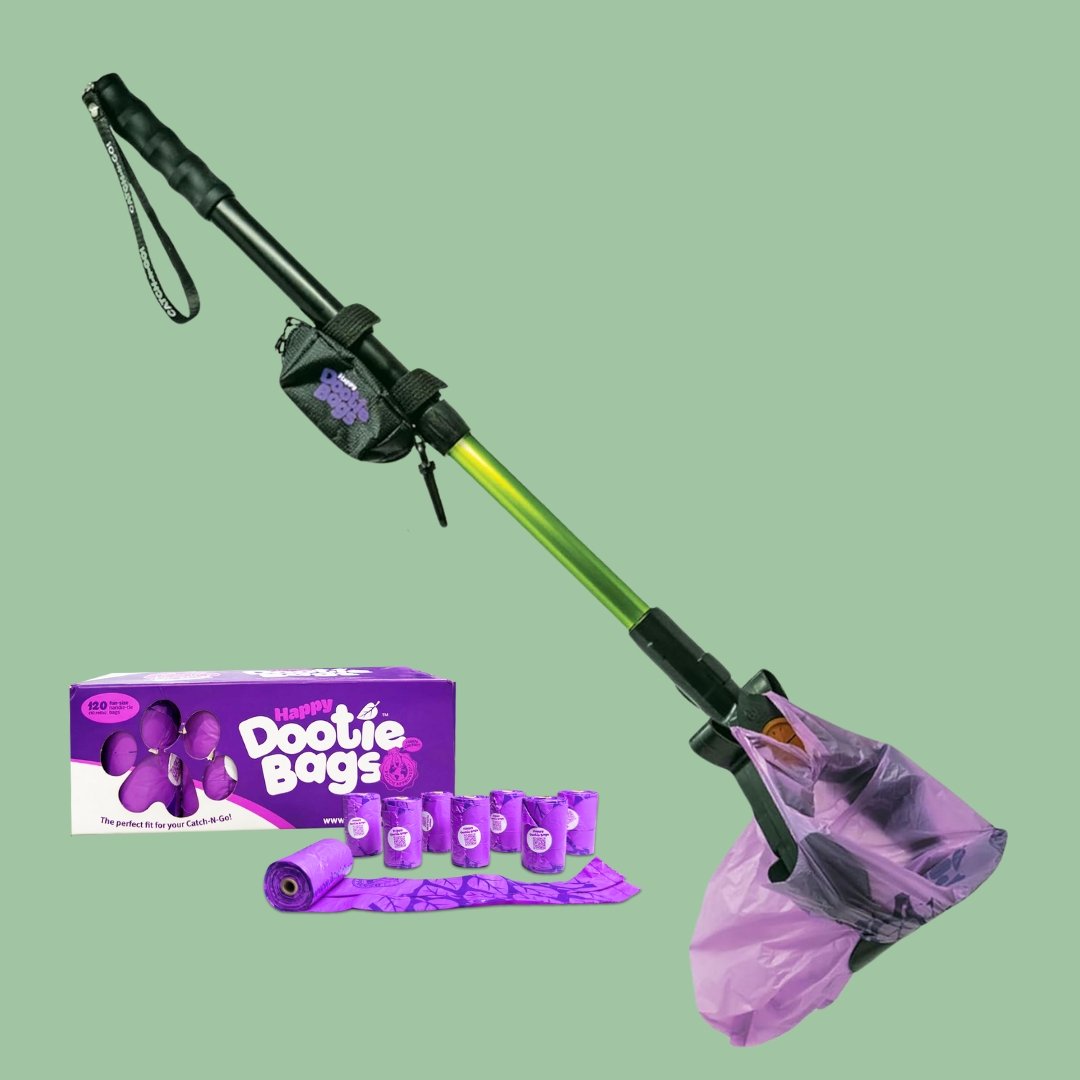
A tidy yard reduces exposure to parasites and bacteria. The Catch N Go Hybrid Catcher Scooper makes daily waste removal effortless, promoting a healthier environment for your pet.
Proper Grooming
Trim hair between toe pads to prevent matting and moisture accumulation. Keep nails properly trimmed to avoid gait issues that might cause compensatory chewing.
Quality Waste Management
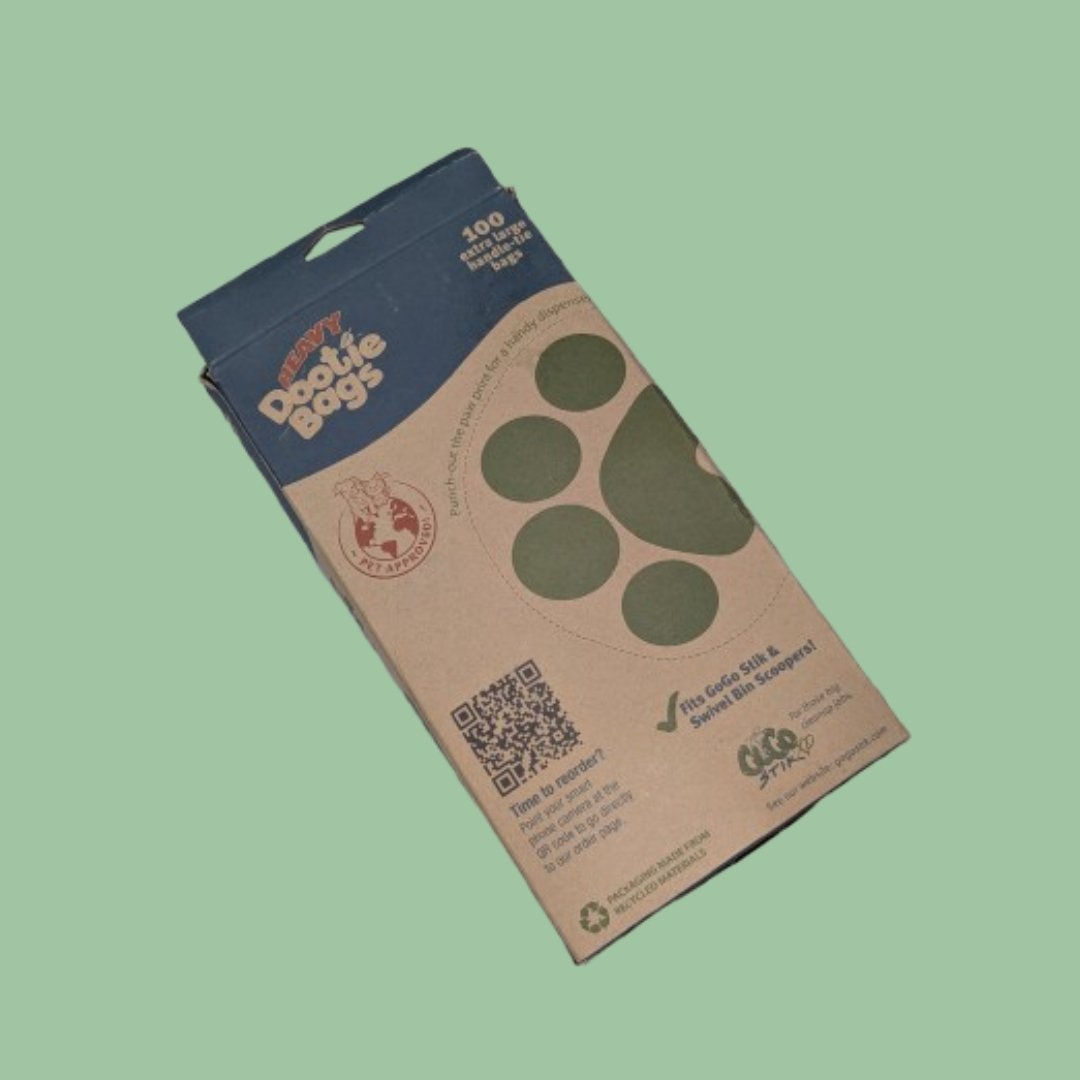
Use reliable disposal products like Heavy Dootie Poop Bags for hygienic cleanup, reducing your dog’s exposure to harmful bacteria.
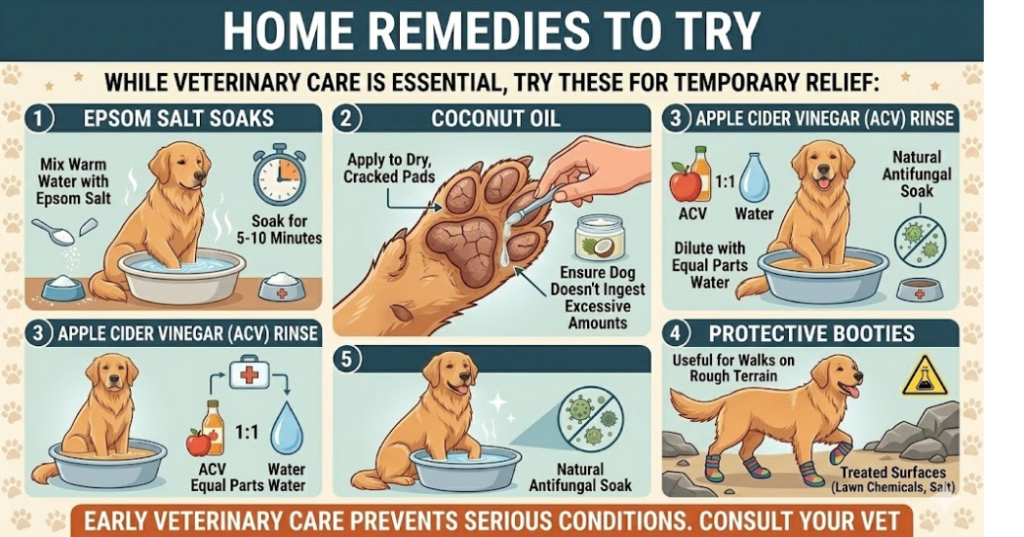
Home Remedies to Try
While veterinary care is essential for persistent issues, these home solutions may provide temporary relief:
Epsom salt soaks: Mix warm water with Epsom salt and soak paws for 5-10 minutes
Coconut oil: Apply to dry, cracked pads (ensure your dog doesn’t ingest excessive amounts)
Apple cider vinegar rinse: Dilute with equal parts water for a natural antifungal soak
Protective booties: Useful for walks on rough terrain or treated surfaces
Creating a Healthier Environment
The connection between yard cleanliness and paw health cannot be overstated. Regular waste removal prevents bacterial buildup that can infect minor paw injuries.
Paw chewing rarely resolves without addressing the underlying cause. By systematically ruling out medical conditions and environmental factors, you can help your dog find relief.
Consistent preventive care—including regular paw checks, maintaining clean outdoor spaces with products like the GOGO Stik Pooper Scooper Poop Catcher, and prompt veterinary attention—keeps your furry companion comfortable and happy.
Does your dog struggle with paw chewing? Start by examining their environment and routine. Often, small changes make significant differences in your pet’s comfort level.
Taking your dog on a camping trip is one of the best ways to bond, burn energy, and make memories that last. But if you’ve ever shown up at a trailhead without the right gear, you know how quickly things can go sideways muddy paws, no waste bags, forgotten water
Most dog owners have been there — you say the word “bath,” and your dog bolts in the other direction. The dramatic whining, the scrambling paws on tile, the look of pure betrayal. But why do so many dogs act like bath time is the worst thing that ever happened
If you’ve ever been dragged down the sidewalk by your dog, you know how stressful a simple walk can become. The good news is that leash pulling is one of the most fixable dog behaviors out there. With the right approach and a bit of patience, you can turn chaotic