



Dog Poop Etiquette & Rules
How Long Can a Dog Go Without Pooping? Vet-Backed Guide
How long can a dog go without pooping? Learn normal timeframes, warning signs of constipation, and when to call the vet. Clear, vet-backed answers.

The right cat litter disposal system comes down to one question: how soon can you get the waste out of your home? If you can reach an outdoor bin today, a bag and a lid is all you need. If the waste has to sit indoors for days, you are paying for containment, and that is where sealed pails earn their keep.
Most articles on this subject are roundups of sealed pails. Here are six honest options, judged against that single deciding factor.
Used litter smells because ammonia and bacteria keep working after the scoop. Nothing you buy stops that. Containment only buys time.
So answer this honestly: can you carry waste to a dumpster or curbside can within 24 hours? If yes, spend your money on bags and a lid. If no, because your bin is collected weekly, you live on the fourth floor, or your trash room is a hallway away, containment is worth real money to you.
Toxoplasma gondii is present in some cat feces, and two groups should not handle litter at all: people who are pregnant and people who are immunocompromised. Ask someone else in the household to take the job, and ask your own doctor about your situation rather than relying on internet advice.
Everyone else: wash your hands with soap after scooping, every time. Cat waste should never go into compost used for food crops. For parasites found in pet feces, the AVMA has a plain-language overview.
Scoop into a bag, tie it, carry it to the outdoor can. Cost: nothing beyond the bag.
This is the baseline every other option is measured against, and for anyone with a bin by the back door it is genuinely hard to beat. The waste leaves the building before it has time to smell.
It fails the moment the trip is inconvenient. If walking out means shoes, keys, elevator and a cold hallway, you will skip it, and the bag will sit by the door. That is how this option quietly becomes the worst one.
A sealed pail takes a cartridge of continuous plastic film, twists each deposit into its own pocket and holds the lot until the pail is full. They work. They are the honest answer for apartment dwellers and for anyone who cannot reach a bin daily.
You are buying into a recurring refill cost and a single supplier’s cartridge. If that supplier changes the design or you move somewhere with a bin outside your back door, you have an expensive container with a subscription attached.
Upper-floor apartments, shared trash rooms, anyone with mobility limits, and households where the litter box sits in a bedroom or home office. If the waste must stay indoors, buy containment and do not feel bad about it.
The middle path: a step-lid trash can kept near the box, lined with a genuinely strong bag. You get most of the smell control of a pail without the cartridge subscription, as long as you empty it every day or two.
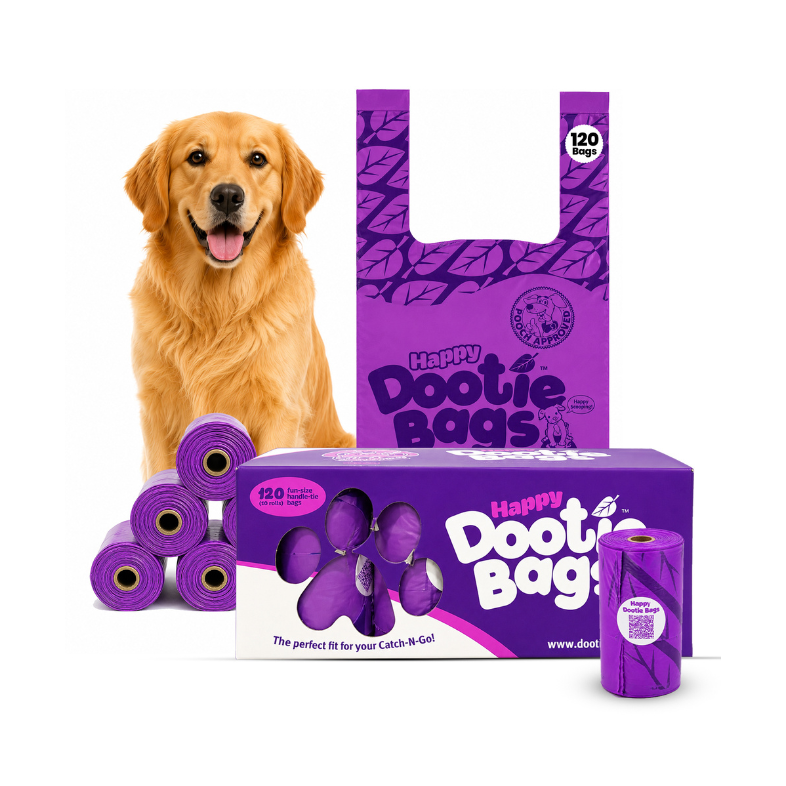
This is the one place bag strength actually decides the outcome. Clumped clay litter is heavy, sharp and unforgiving on thin film. The Heavy Dootie +Plus bags with citrus scent are sold for dog waste and cat litter, sized large with tie handles, which is the shape of bag this setup needs.
If you want the full rundown on film thickness and leak resistance, the guide to leak-proof waste bags covers what the specs mean.
Liners solve exactly one problem: changeover day. When you dump the whole box, you lift the liner instead of tipping twelve pounds of litter into a bag over your bathtub. That is a real benefit.
They do nothing for daily scooping, which is where most litter waste actually comes from. And cats who dig hard will shred a liner within a week, at which point litter sifts underneath and you are scrubbing the box anyway. Worth it for heavy-change households, pointless if your cat is a digger.
The general answer is no. Clumping clay litter is designed to form solid masses when wet, which is exactly what you do not want in a drain line, and on a septic system the answer is a flat no regardless of what the litter bag says.
Some litters are marketed as flushable, usually plant-based ones. Even then, guidance varies by area and some places advise against flushing cat waste at all. Check with your own water utility before you start, not the litter packaging.
Scooped waste is never worth a plumbing bill. If flushability matters to you, ask your utility first, then switch litter types, in that order.
For homes producing more waste than one container can hold, the fix is a second container, not a bigger bag. A lidded outdoor bin used only for litter keeps the smell away from the house and off your kitchen trash.
Double-bagging helps on collection day or in summer heat, but it is a patch, not a plan. Two thin bags still tear at the same corner; one strong bag inside a lidded bin beats two weak ones every time. The same logic applies to dog waste bag and bin setups at home.
| Option | Ongoing cost | Odor control | Effort per day | Best for |
|---|---|---|---|---|
| 1. Bag and walk out | Low (bags) | Excellent, waste leaves | One trip outside | Houses with a bin at the door |
| 2. Sealed pail | Recurring (cartridges) | Strong indoors | Seconds | Apartments, no daily bin access |
| 3. Lidded bin + strong bags | Low (bags) | Good if emptied often | Seconds, plus a trip every day or two | Most households |
| 4. Liners | Low | None between changes | None daily | Full-box changeovers, non-diggers |
| 5. Flushing | None | Excellent, nothing stored | Per scoop | Rare, utility-approved cases only |
| 6. Second bin / double-bag | Low | Good, kept outdoors | One trip | Multi-cat, high volume |
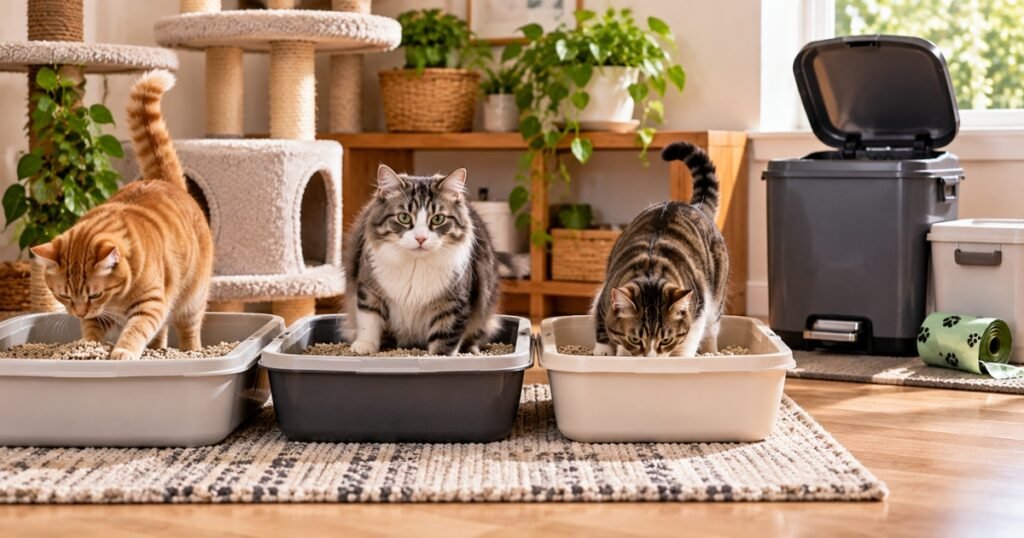
Three cats do not mean three times the inconvenience, they mean the container fills before you are ready to empty it. A pail sized for one cat becomes a daily chore, and the cartridge spend rises with every cat.
The better answer is usually two steps: an open-and-shut lidded can near the boxes, emptied into a dedicated outdoor bin. You stop fighting capacity. Scoop every box twice a day rather than once, because old clumps drive the odor more than fresh ones.
This is the hardest case, and the one where a sealed pail stops being a luxury. If your only trash point is a chute or a shared room you visit twice a week, the waste is living with you until then.
Dog owners facing the same constraint will recognise the pattern in handling dog poop in an apartment.
Heavily scented litter masks rather than removes. Perfume plus ammonia is still ammonia, and strong fragrance puts some cats off the box entirely, which creates a much worse mess.
Leaving a tied bag by the front door is the other classic mistake. The bag is not airtight, the hallway is warm, and you will walk past it for two days. If it is tied, it goes out, or it goes in a lidded can. Nowhere in between.
The same disposal logic applies across species if you also have a dog, covered in safe ways to dispose of dog poop.
Generally no. Clumping clay litter hardens when wet and can block a drain line, and it should never go into a septic system. Some plant-based litters are sold as flushable, but local guidance varies and some areas advise against flushing cat waste at all. Check with your own water utility before flushing anything from the litter box.
Scoop into a strong, tied bag straight away, then store it in a lidded can until your next trip to the building’s trash point. If that trip only happens twice a week, a sealed pail with refill cartridges is worth the recurring cost because the waste stays contained. Never leave a tied bag sitting by the door.
Not branded ones, but you do need bags built for weight. Wet clay clumps are heavy and sharp, so thin grocery-style film splits at the corner. Look for large capacity, a tie handle you can knot one-handed, and real thickness. Bags sold for large-dog waste usually handle litter well because they are built for the same load.
Pick your cat litter disposal system by how soon the waste can leave the building, not by what looks best on a shelf. If a bin is steps away, a lidded can and a bag that does not split will serve you for years. If the waste has to live indoors for days, a sealed pail is money well spent, and the refill cost is simply the price of that. Start by timing your actual trip to the trash, then choose.

Alec Beaton is the Founder & Inventor of Pooch Approved Products and GoGo Stik®. Inspired by real-life pet parenting, he turns everyday cleanup challenges into simple, innovative solutions that make life better for pets and their people.
How long can a dog go without pooping? Learn normal timeframes, warning signs of constipation, and when to call the vet. Clear, vet-backed answers.

Dog won’t poop in snow? Learn why cold, salt and buried scent stop them, how to clear a potty patch, and when holding it means a vet visit.
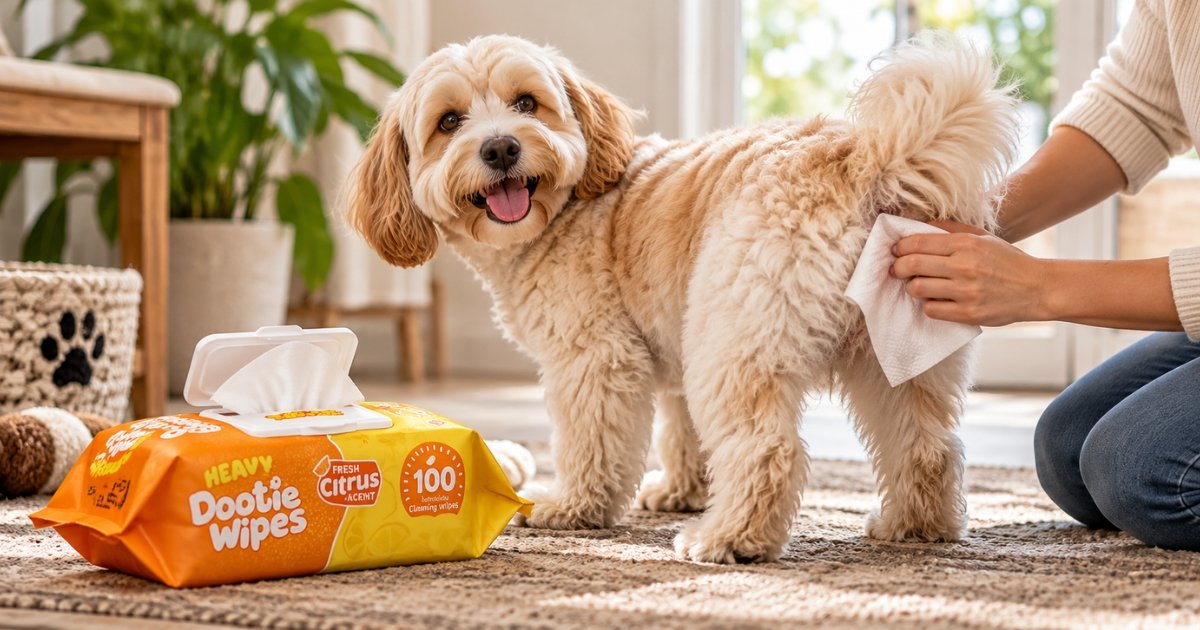
Dog butt wipes buyer’s guide: when your dog needs one, the 6 specs that matter, why baby wipes fail, and the signs that mean a vet visit, not more wiping.