
Dog Poop Etiquette & Rules
Dog Upset Stomach: Quick Home-Care Checklist
Dog upset stomach? Use this vet-informed home-care checklist to soothe nausea, spot red flags, and know exactly when to call the clinic.
 Skip to content
If your dog poop bags smell fine in March and turn into a walking biohazard by July, you’re not imagining it. Heat doesn’t create odor — it accelerates it. The same bag that held up all winter can go from “sealed” to “eye-watering” in the ten minutes it takes to walk home from the park. The good news: a few specific bag features, plus a change in how you pick the mess up, fix most of it.
Here’s what actually drives hot-weather odor, what to look for in a summer bag, and how the tools you pair with it change the equation.
Three things happen at once when the temperature climbs past about 80°F.
Bacteria multiply faster. Dog waste is full of gut bacteria that keep working after the fact, breaking down organic material and releasing the sulfur and nitrogen compounds we register as stink. Bacterial activity roughly doubles with every 18°F rise in temperature. A bag sitting in a 95°F yard is producing odor several times faster than the same bag at 60°F.
Odor molecules move faster. The compounds responsible — hydrogen sulfide, ammonia, skatole, indole — are volatile, meaning they evaporate readily. Heat gives them more energy to escape into the air, and to push through any gaps in a bag’s seal or through the plastic itself.
Plastic gets more permeable. This is the part most people miss. Thin polyethylene film becomes slightly more gas-permeable as it warms, and it also stretches more easily. A bag you tied tightly in cool weather may loosen in the sun. Thin bags don’t just tear more in summer — they leak smell even when intact.
Humid air holds odor compounds near the ground instead of dispersing them. If you live somewhere with muggy summers — the Southeast, the Gulf Coast, the Midwest in August — you’ll notice odor lingering in the yard hours after pickup, especially in the evening when air stops moving. This isn’t a bag failure. It’s a reason to pick up more often, not less.
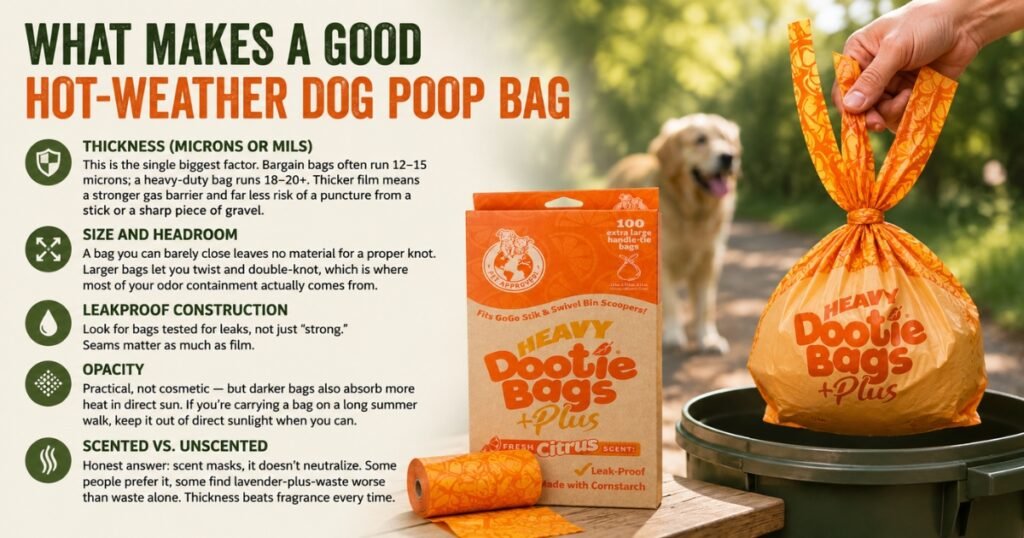
Not all bags are built the same, and marketing terms muddy the water. Here’s what genuinely matters when it’s hot:
Biodegradable and compostable bags are a genuinely good environmental choice, but be realistic about the tradeoff: many break down faster in heat and moisture, which is exactly the condition you’re storing them in during summer. If you use them, use them quickly — don’t let one sit in a hot garage bin for a week. And check whether your municipality actually composts pet waste; most don’t, which means the bag ends up in an anaerobic landfill where it won’t break down as advertised anyway.
Here’s the thing about summer smell: the bag isn’t always the problem. Bending down, gripping waste through a thin film, and getting your hand within inches of it means you pick up odor — on your fingers, on your sleeve, on the leash. In cool weather you might not notice. In heat, with sweat in the mix, you absolutely will.
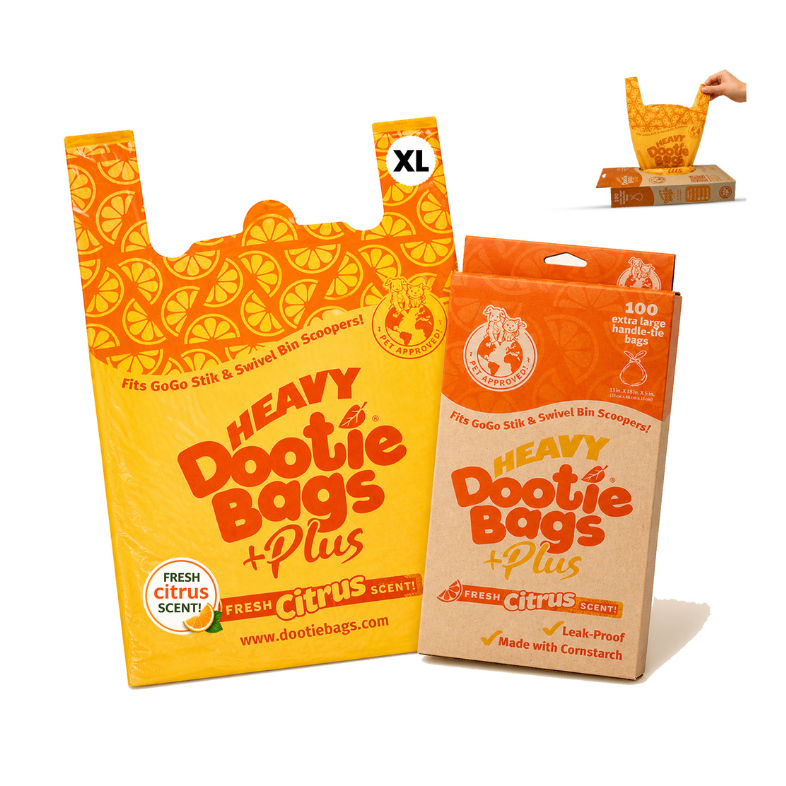
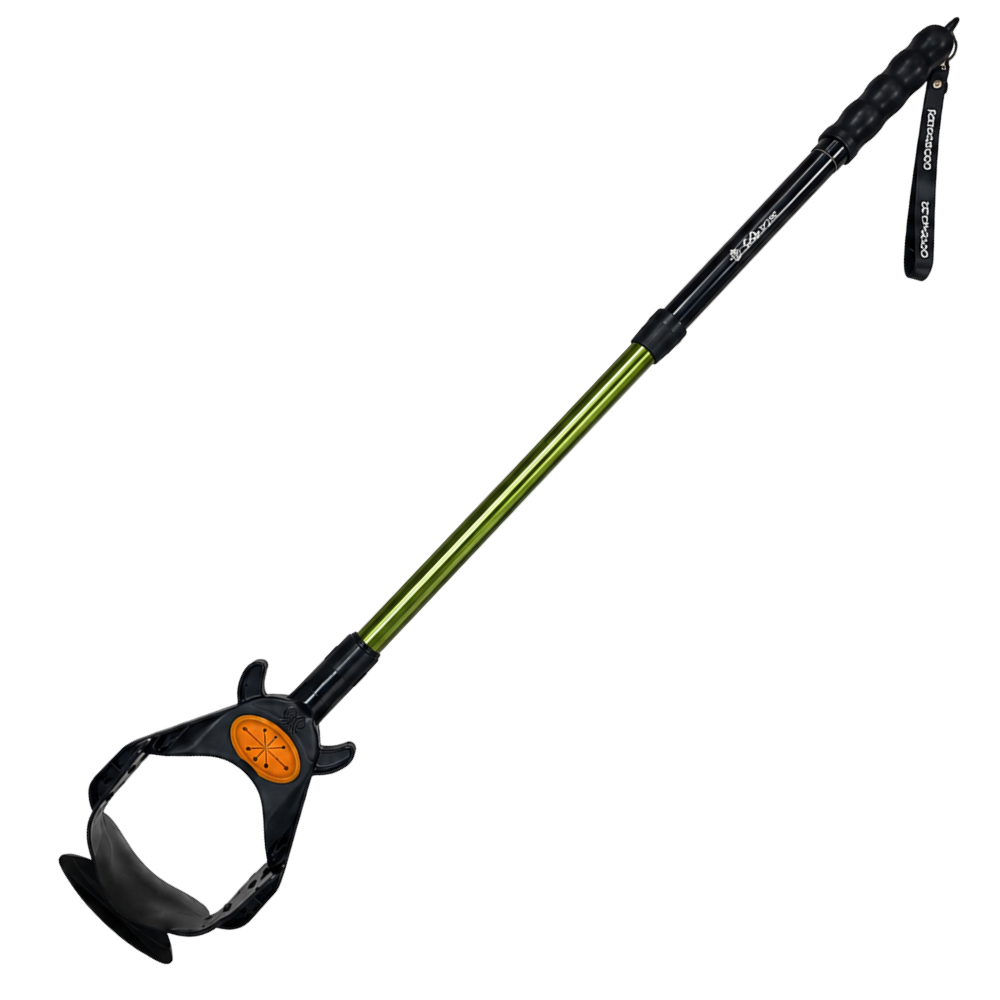
That’s the real case for a no-touch tool. A scooper with a long reach keeps the whole operation at arm’s length, and because you’re not squeezing a bag around the waste, you get a cleaner seal with more air pushed out. The XP Pro scooper with heavy Dootie Bags is built around that idea — the bag loads onto the stik, you scoop without bending, and the bag seals without your hands ever entering the picture.
For yard cleanup, where you’re dealing with a week’s worth in one hot afternoon, the scooper and rake-spade set handles softer summer stool and grass-embedded messes that a bag alone can’t manage.
Bags and tools are half the answer. Routine is the other half.
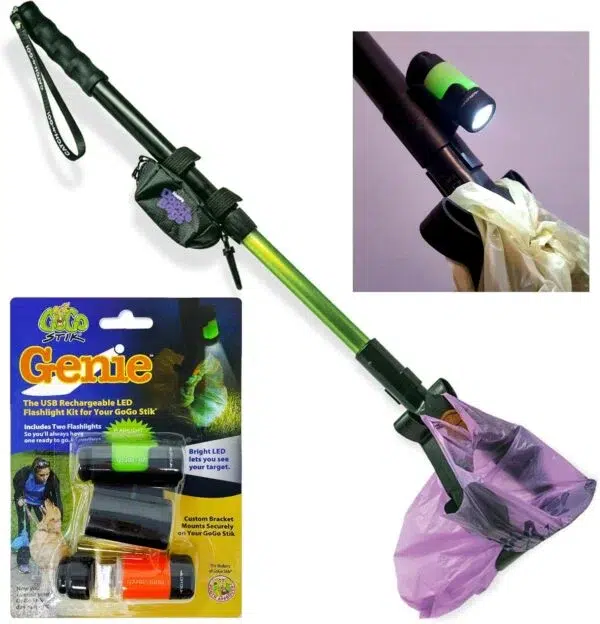
You need bags that seal well and a tool you can carry. The Catch-N-Go catcher-scooper is the compact option here, and the bundled LED flashlight matters more than it sounds — summer means later evening walks, and finding waste in dim grass is half the battle.
Volume changes everything. Bigger, heavier bags aren’t a luxury — a bag that’s overfilled can’t be knotted properly, and an unknotted bag in the heat is just an open container. Go with the largest heavy-duty bags you can find and a full-size scooper.
Buy bags in bulk and pick up twice a day in peak summer. The math is simple: two or three dogs produce enough waste that even a 24-hour gap creates a noticeable odor zone in a small yard.
Only somewhat. Scent masks odor at the moment you tie the bag, but in heat the masking fragrance evaporates faster than the odor compounds it’s covering — so the effect fades quickly, sometimes leaving a strange combined smell. A thicker unscented bag with a proper double knot outperforms a thin scented one in almost every hot-weather test you can run yourself.
Aim for 18 microns or more, and prioritize bags described as heavy-duty and leakproof. Below about 15 microns you’re relying on luck — heat softens the film, and any puncture or stretched knot lets odor out immediately. Thickness also gives you the material you need to twist and knot properly rather than just gathering the top shut.
Residue and bacteria left in the grass or on concrete keep producing odor after the solids are gone, and humidity keeps it hovering near ground level. Hose down hard surfaces, and consider an enzymatic yard cleaner for grass in problem spots. If the smell is concentrated in one area, your dog likely has a favorite spot that’s saturated — that ground needs treatment, not just pickup.
In summer, yes — more than any other season. A no-touch scooper keeps odor off your hands and clothes, lets you get a fuller, better-sealed bag, and makes daily pickup fast enough that you actually do it. The frequency change alone does more for summer odor than any bag upgrade.
Summer smell comes down to bacteria speed, volatile compounds, and thin plastic — and you can fix all three. Use heavy-duty bags at 18+ microns, size up so you can double-knot, pick up daily in the morning, and keep waste out of hot enclosed spaces. Add a no-touch scooper and the whole job gets fast enough that frequency stops being the weak link.
Ready to upgrade your summer routine? Browse the full lineup of scoopers, rakes, and heavy Dootie Bags at the GoGo Stik shop, or start at gogostik.com to see which patented no-touch setup fits your dog and your yard.
Alec Beaton is the Founder & Inventor of Pooch Approved Products and GoGo Stik®. Inspired by real-life pet parenting, he turns everyday cleanup challenges into simple, innovative solutions that make life better for pets and their people.
Dog upset stomach? Use this vet-informed home-care checklist to soothe nausea, spot red flags, and know exactly when to call the clinic.
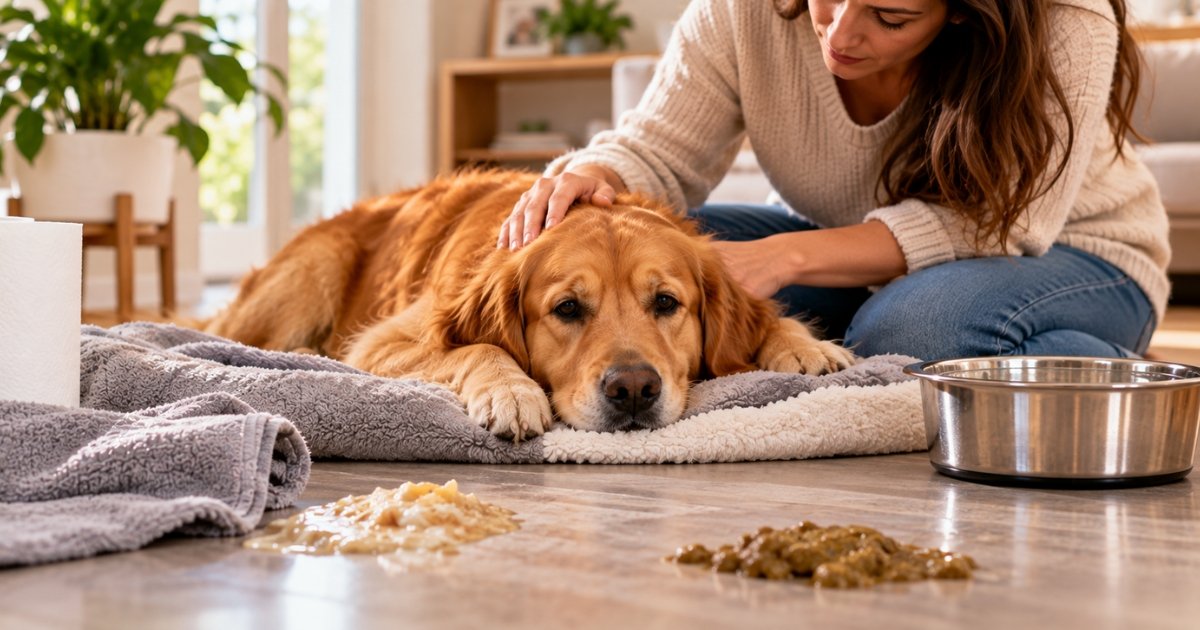
Dog vomiting and diarrhea? Stay calm. Learn what’s normal, when to call the vet, and simple at-home steps to help your dog recover fast.
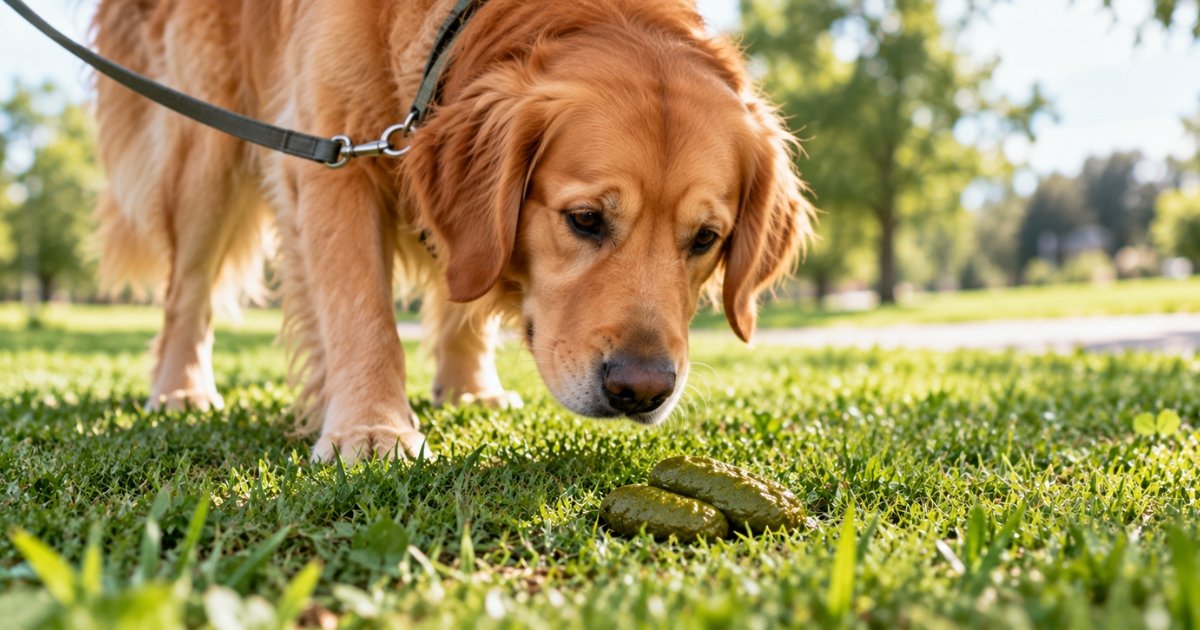
Green dog poop can signal grass, bile, or illness. Learn the common causes, warning signs, and when to call your vet in this 2026 guide.