Home/Blogs/Backyard Hygiene: Creating a Dog-Friendly Outdoor Space
Backyard Hygiene: Creating a Dog-Friendly Outdoor Space
Your backyard should be a safe haven for your furry friend—a place where they can run, play, and explore without health risks. However, maintaining proper hygiene in your outdoor space requires consistent effort and the right tools. A clean yard not only protects your dog’s health but also keeps your family safe from bacteria and parasites.
Creating a dog-friendly outdoor space goes beyond just picking up waste. It involves understanding sanitation practices, choosing quality equipment, and establishing routines that work for your lifestyle. Whether you have a small patio or a sprawling lawn, these strategies will help you maintain a pristine environment.
Why Backyard Hygiene Matters for Your Dog’s Health
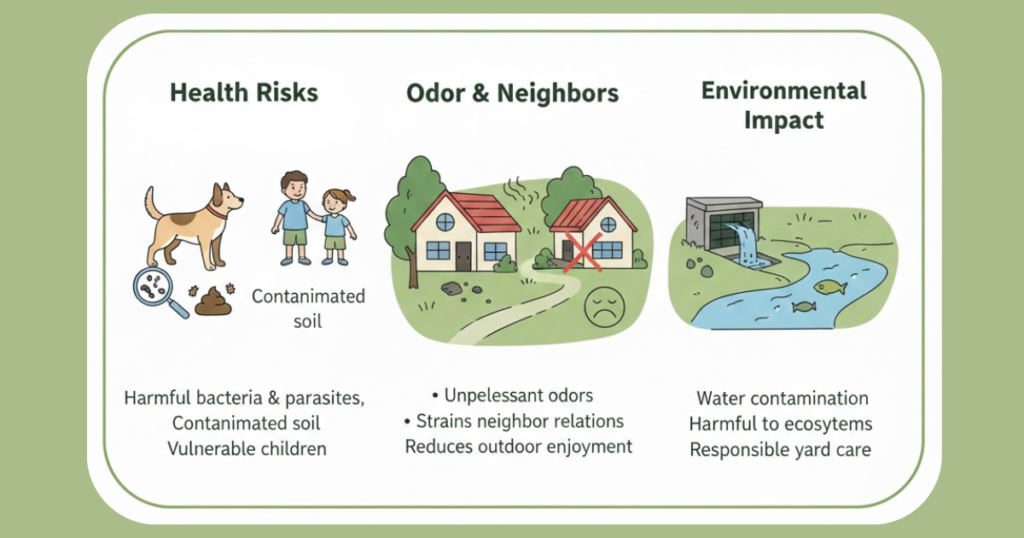
Dog waste contains harmful bacteria like E. coli and salmonella, along with parasites such as roundworms and hookworms. These pathogens can survive in soil for months, creating ongoing health risks for both pets and humans. Children playing in contaminated yards are particularly vulnerable to infections.
Beyond health concerns, accumulated waste creates unpleasant odors that drift into your home and neighboring properties. The smell intensifies during warm weather, making your outdoor space unusable. Regular cleanup prevents these issues while maintaining good relationships with neighbors.
Proper waste management also protects local water sources. Rainwater washes dog waste into storm drains, contaminating rivers and streams. This pollution harms aquatic ecosystems and affects water quality. Therefore, responsible yard maintenance contributes to environmental protection.
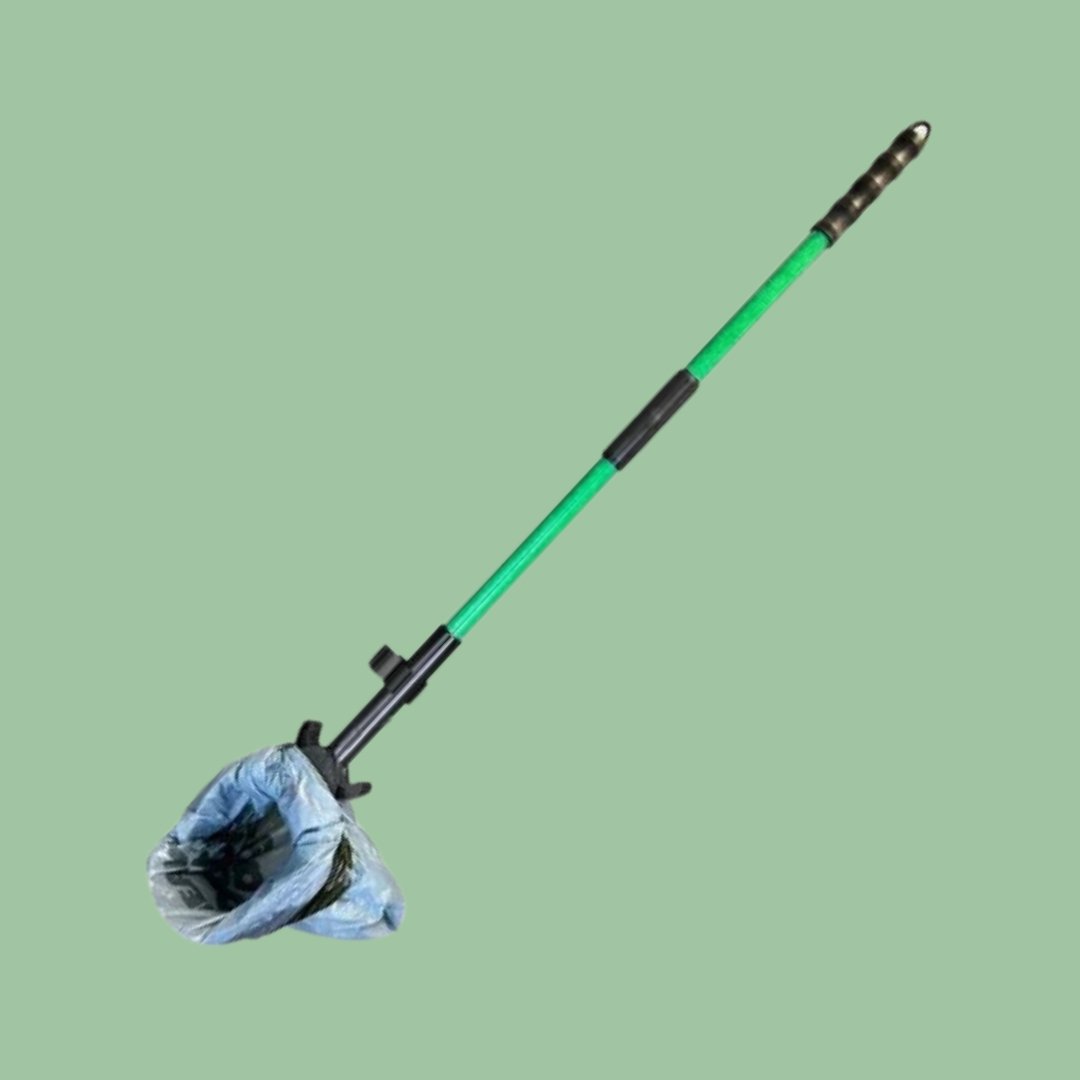
The traditional scoop-and-pan design remains popular because of its simplicity and effectiveness. These tools feature a rake or scoop attached to a collection pan, allowing you to gather waste without bending down. Most models work well on grass, gravel, and concrete surfaces.
Look for options with sturdy construction that can handle daily use. Metal versions typically last longer than plastic alternatives, though they cost more upfront. The best pooper scooper will have comfortable grips and adjustable handles to reduce back strain during cleanup sessions.
Jaw-Style Clamp Scoopers
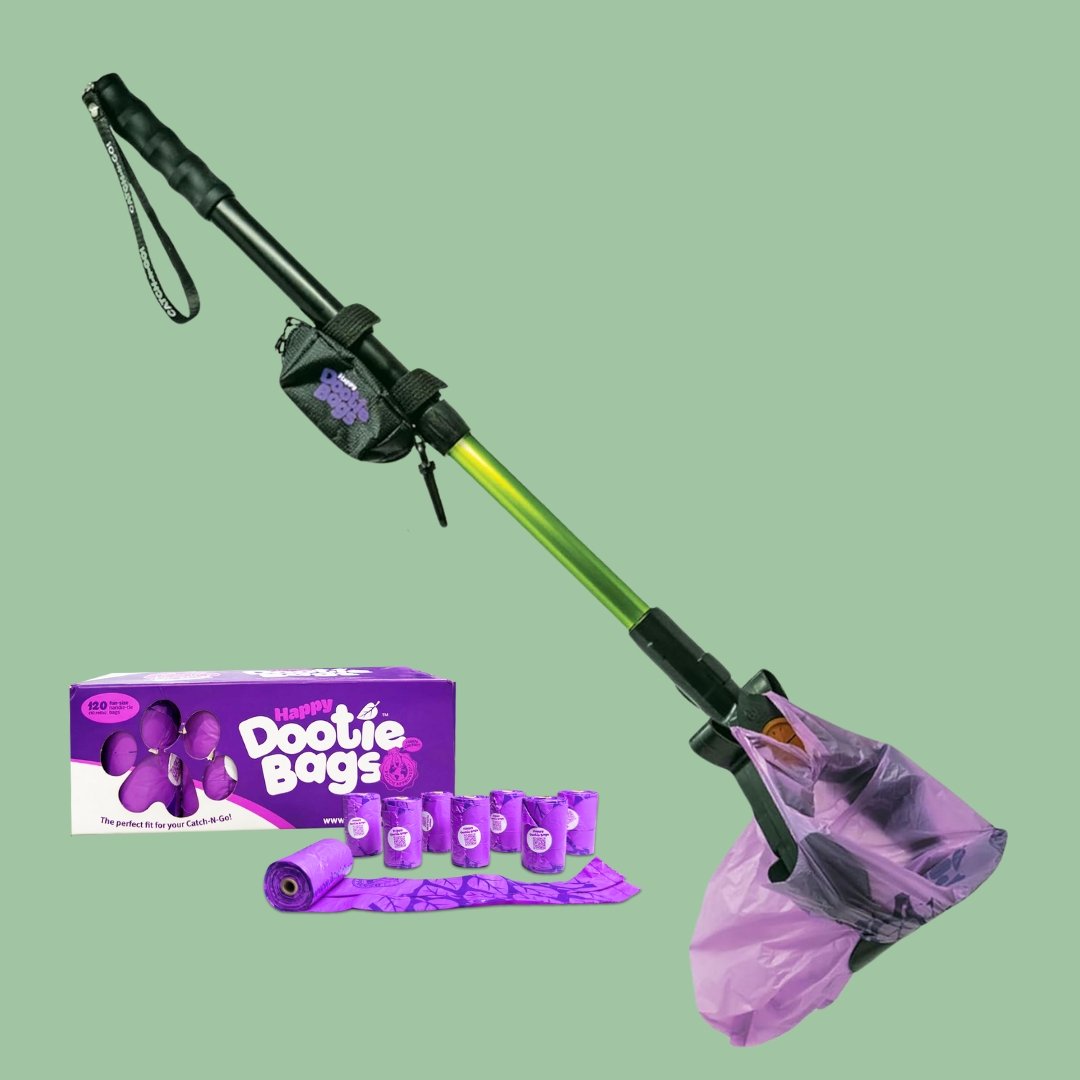
Jaw-style scoopers use a spring-loaded mechanism to grab waste directly from the ground. These tools eliminate the need for a separate pan, making them ideal for quick pickups during walks or spot cleaning. They work particularly well on hard surfaces like patios and sidewalks.
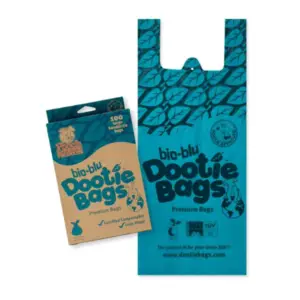
Choose models with serrated edges for better grip on waste. Some versions include built-in bag holders that simplify disposal. However, these scoopers can struggle with soft or liquid waste on grass. For best results, pair them with heavy dootie bags designed for secure containment.
Rake-Style Tools for Large Areas
Property owners with multiple dogs or large yards benefit from rake-style tools that cover more ground efficiently. These implements feature wide collection areas that gather waste in fewer passes. Many include long handles that reach under bushes and into corners.
A heavy duty pooper scooper with rake design speeds up yard maintenance considerably. Look for models with flexible tines that won’t damage grass or plants. Some advanced versions include LED lights for evening cleanups, ensuring you don’t miss spots in low visibility conditions.
Essential Features in Quality Waste Removal Tools
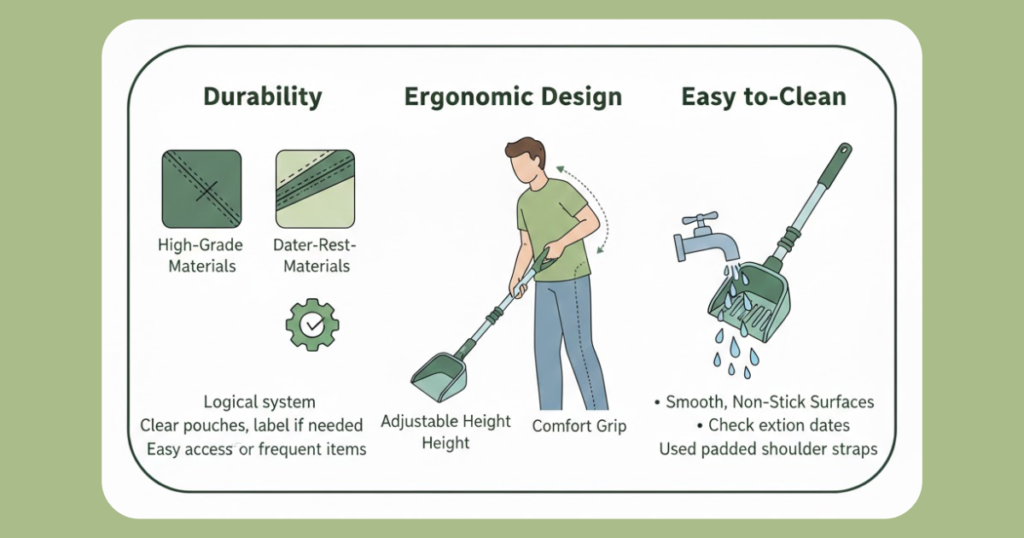
Durability stands as the most important factor in selecting yard maintenance equipment. Tools made from high-grade materials withstand weather exposure and repeated use without breaking. Metal components resist warping better than plastic, though quality polymers can last for years.
Ergonomic design prevents fatigue during extended cleaning sessions. Adjustable handles accommodate different heights, reducing the need to bend or stretch awkwardly. Comfortable grips with cushioning or textured surfaces improve control and reduce hand strain.
Easy-to-clean surfaces save time between uses. Smooth finishes prevent waste from sticking, while open designs allow thorough rinsing. Some pooper scoopers include antimicrobial coatings that resist bacterial growth and minimize odors.
Creating a Waste Management Routine
Daily Cleanup Schedule
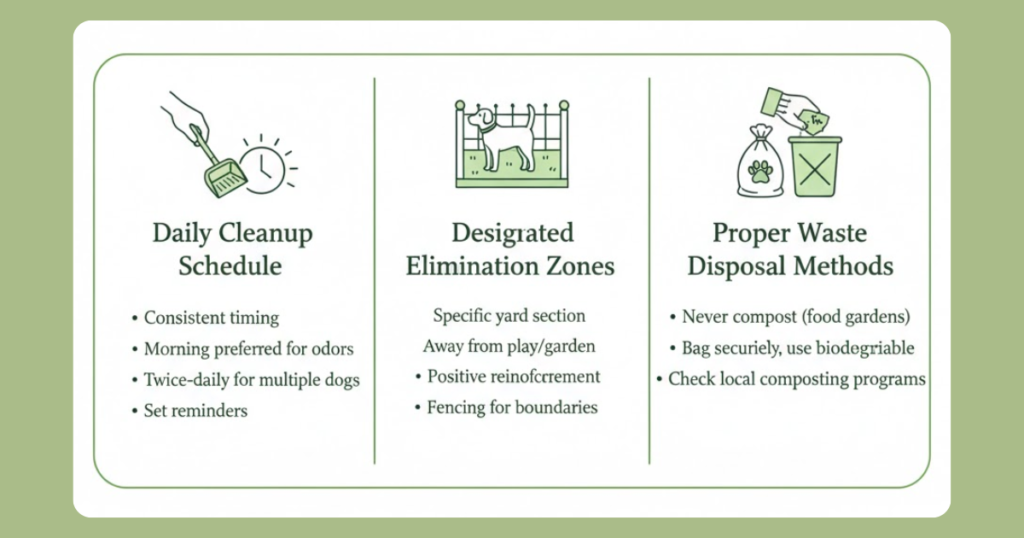
Consistency is crucial for maintaining yard hygiene. Plan to remove waste at least once daily, preferably at the same time each day. Morning cleanups prevent waste from sitting in the sun, which intensifies odors and attracts flies.
For households with multiple dogs, consider twice-daily sessions. This frequency prevents waste accumulation and makes each cleanup faster. Set reminders on your phone until the routine becomes automatic.
Designated Elimination Zones
Training your dog to use specific areas simplifies cleanup significantly. Choose a section of your yard away from play areas and vegetable gardens. Use positive reinforcement to encourage your pet to eliminate in this designated spot.
Mark the boundaries with decorative fencing or landscaping features. This strategy concentrates waste in one area, making removal quicker. Additionally, concentrated waste damages less of your lawn compared to random elimination throughout the yard.
Proper Waste Disposal Methods
Never compost dog waste in gardens used for food production. The pathogens in feces don’t break down at typical composting temperatures. Instead, bag waste securely and dispose of it in your regular trash collection.
Use biodegradable bags that break down faster in landfills. Some municipalities offer pet waste composting programs that process feces safely. Check with your local waste management department about available options in your area.
Maintaining Clean Surfaces Throughout Your Yard
Grass and Lawn Care
Dog urine creates brown spots on grass because of high nitrogen content. Flush affected areas immediately with water to dilute the concentration. Train your dog to use gravel or mulch sections for elimination to preserve lawn quality.
Aerate your lawn twice yearly to improve drainage and reduce waste-related damage. Overseed bare patches promptly to prevent weed growth. Regular mowing at appropriate heights keeps grass healthy and resilient against waste exposure.
Hard Surface Cleaning
Patios, decks, and walkways require different maintenance approaches than grass. Hose down these surfaces weekly to remove urine residue and prevent staining. Use pet-safe cleaning solutions for deep cleaning monthly.
Pressure washing removes stubborn buildup effectively. However, avoid directing high-pressure streams at joints between pavers or deck boards, which can cause damage. For routine maintenance, a standard garden hose provides sufficient cleaning power.
Managing High-Traffic Areas
Dogs naturally create worn paths through frequent use of favorite routes. Protect these areas with gravel walkways or stepping stones that resist compaction. Install ground cover plants along fence lines where dogs patrol regularly.
Rotate access to different yard sections if possible. This practice allows grass to recover in high-use areas. Consider artificial turf in heavily trafficked spots, which stays green and clean year-round without special maintenance.
Odor Control Strategies for Outdoor Spaces
Natural Odor Neutralizers
Lime powder absorbs moisture and neutralizes odors in elimination zones. Spread a thin layer over affected areas weekly during warm months. However, use lime sparingly, as excessive amounts alter soil pH and harm plants.
Enzyme-based cleaners break down organic matter that causes smells. These products work slowly but effectively on grass and soil. Apply according to package directions after removing solid waste for best results.
Landscaping for Better Air Flow
Strategic plant placement improves air circulation and reduces odor concentration. Avoid dense shrubs near elimination zones, which trap smells. Instead, use ornamental grasses that allow air movement while providing privacy.
Position waste disposal areas downwind from patios and windows. This placement prevents odors from drifting toward living spaces. Plant aromatic herbs like lavender or rosemary nearby to mask any remaining smells naturally.
Drainage Improvements
Standing water mixed with waste creates particularly offensive odors. Grade your yard to ensure proper drainage away from the house. Fill low spots where water collects with additional soil or gravel.
Install French drains in chronically wet areas. These underground channels redirect water efficiently, preventing pooling. Better drainage speeds up waste decomposition and reduces smell intensity significantly.
Tools and Accessories That Simplify Cleanup
Hands-Free Collection Systems
Modern hybrid catchers and scoopers combine multiple functions in one tool. These innovative designs allow you to scoop and bag waste without ever touching it directly. Integrated bag dispensers keep supplies within reach during cleanup sessions.
Some models include rechargeable LED flashlights for visibility during early morning or evening pickups. This feature proves especially valuable during winter months when daylight hours are limited.
Storage Solutions
Dedicated storage keeps cleanup tools organized and accessible. Wall-mounted racks in garages or sheds hold scoopers upright, allowing them to drip dry between uses. Choose rust-resistant materials that withstand humid conditions.
Keep waste bags in weatherproof containers near the door for quick grabs. Stock multiple locations around your property if you have a large yard. This preparation eliminates trips back to storage during cleanup sessions.
Supplementary Cleaning Supplies
Pet wipes help maintain cleanliness between full baths. Use them to clean paws after outdoor play, preventing tracked dirt and waste particles indoors. Citrus-scented options provide a fresh smell that many dogs tolerate well.
Keep a dedicated outdoor cleaning station near your entrance. Stock it with wipes, towels, and paw cleaning tools. This setup makes it easy to clean your dog before they enter your home.
Seasonal Considerations for Yard Maintenance
Spring Cleanup Challenges
Spring thaw reveals accumulated waste from winter months. Plan a thorough cleanup as soon as snow melts. Use a rake-style tool to cover large areas efficiently during this seasonal overhaul.
Increased rainfall during spring creates muddy conditions that make cleanup messier. Wear waterproof boots and consider using disposable gloves for particularly difficult pickups. The extra moisture also intensifies odors, so increase cleanup frequency during wet periods.
Summer Heat Management
High temperatures accelerate waste decomposition, creating stronger odors. Clean your yard twice daily during heat waves to stay ahead of smell problems. Water elimination zones after cleanup to dilute any remaining residue.
Flies become more problematic in summer. Remove waste immediately to eliminate breeding sites. Place fly traps around the perimeter of your yard, away from gathering areas. Natural repellents like citronella candles also help during outdoor activities.
Fall Preparation
Falling leaves can hide waste, making it harder to spot during cleanup. Rake leaves regularly or use a leaf blower before waste removal. Clear sight lines ensure you don’t miss spots that could create problems over winter.
Prepare for shorter daylight hours by testing your LED-equipped tools. Replace batteries or charge rechargeable units before winter arrives. Stock up on scented bags to mask odors when waste sits longer between pickups.
Winter Waste Management
Snow cover complicates waste detection and removal. Mark elimination areas with tall stakes that remain visible above snow. Clear paths to these zones regularly to maintain access.
Frozen waste is harder to collect with standard tools. Let it thaw slightly in direct sunlight before attempting removal. Some specialized scoopers work better in cold conditions because of anti-stick coatings.
Training Your Dog for Better Yard Hygiene
Establishing Elimination Cues
Teach your dog a specific command for eliminating on cue. Use phrases like “go potty” consistently until your pet associates the words with the action. This training allows you to direct your dog to appropriate areas quickly.
Reward immediate compliance with treats and praise. Practice the command during regular outdoor visits until it becomes reliable. This skill proves valuable when you need your dog to eliminate before leaving home.
Boundary Respect Training
Dogs should learn which areas are off-limits for elimination. Use positive reinforcement to keep your pet away from gardens, play equipment, and gathering spaces. Block access with temporary fencing during the training period.
Redirect your dog to appropriate areas whenever they start eliminating in restricted zones. Consistent correction helps establish boundaries. Most dogs learn these limits within a few weeks of patient training.
Reducing Yard Digging
Digging damages your lawn and spreads waste particles. Provide appropriate outlets for this natural behavior, such as designated digging pits filled with sand. Bury toys in these areas to encourage their use.
Increase exercise and mental stimulation to reduce boredom-related digging. Tired dogs have less energy for destructive behaviors. Regular play sessions and puzzle toys channel energy productively.
Health Monitoring Through Waste Observation
Recognizing Normal Waste
Healthy dog waste is chocolate brown, firm but not hard, and log-shaped. Consistency remains relatively stable from day to day. Size correlates with the amount of food consumed and your dog’s body size.
Frequency varies by individual, but most dogs eliminate one to three times daily. Puppies and senior dogs may need more frequent bathroom breaks. Establish your pet’s normal pattern to recognize changes quickly.
Identifying Potential Health Issues
Diarrhea, constipation, or unusual colors signal possible health problems. Blood in stool requires immediate veterinary attention. Parasites may appear as white specks resembling rice grains.
Excessive mucus coating or dramatic changes in frequency also warrant concern. Keep a variety of waste bags on hand to collect samples if your veterinarian requests them. Early detection of health issues leads to better treatment outcomes.
Parasite Prevention
Regular deworming protects your dog from intestinal parasites. Follow your veterinarian’s recommended schedule based on your pet’s risk factors. Dogs with outdoor access typically need more frequent treatment.
Remove waste promptly to break the parasite lifecycle. Eggs and larvae develop in feces left on the ground, leading to reinfection. Proper hygiene practices significantly reduce parasite transmission risk.
Environmental Responsibility in Waste Management
Minimizing Plastic Use
Traditional plastic bags take centuries to decompose in landfills. Switch to compostable or biodegradable alternatives that break down faster. Look for products certified by independent testing organizations.
Tie-handle bags seal securely without requiring additional knots. This design reduces the amount of material needed per bag. Buy in bulk to reduce packaging waste from frequent purchases.
Water Conservation Strategies
Avoid hosing down your entire yard frequently, which wastes water. Spot-clean affected areas instead of washing everything. Use captured rainwater for outdoor cleaning tasks when possible.
Native plants require less irrigation than non-native species. They also tolerate exposure to dog waste better because they’re adapted to local soil conditions. This resilience reduces the need for intensive lawn care.
Supporting Sustainable Products
Choose yard maintenance tools from companies committed to environmental stewardship. Durable products that last for years reduce waste compared to disposable options. Look for items made from recycled materials or sustainable resources.
Support businesses that give back to animal welfare organizations. Many pet product companies donate to shelters or fund spay and neuter programs. Your purchases can contribute to broader community benefits.
Creating Multi-Pet Friendly Spaces
Separating Territorial Areas
Multiple dogs may establish territories within your yard. Respect these boundaries by providing separate elimination zones for each pet. This arrangement reduces conflict and makes waste attribution easier.
Ensure adequate space between areas to prevent territorial disputes. Use visual barriers like shrubs or fencing to define each zone clearly. Supervise interactions in shared spaces until pack dynamics stabilize.
Scaling Cleanup Efforts
More dogs mean more waste and more frequent cleanup needs. Consider upgrading to professional-grade tools that handle increased volume efficiently. Larger collection pans and wider rakes speed up the process significantly.
Establish a twice-daily minimum cleanup schedule for multi-dog households. Morning and evening sessions prevent overwhelming accumulation. Assign different family members to each session to distribute the workload fairly.
Resource Allocation
Stock adequate supplies for your entire pack. Calculate monthly bag usage and buy accordingly to avoid running out. Keep extra cleaning wipes on hand for quick cleanups after group play sessions.
Budget for tool replacement more frequently with multiple dogs. Increased use accelerates wear on even high-quality equipment. Inspect tools regularly for damage that could reduce effectiveness.
Safety Considerations for Children and Pets
Chemical-Free Cleaning Methods
Many commercial lawn products contain chemicals harmful to pets and children. Choose pet-safe alternatives or make natural cleaners using vinegar and water. These solutions clean effectively without toxic residues.
Avoid lawn treatments that require keeping pets off grass for extended periods. If you must use chemicals, follow waiting period instructions carefully. Post signs as reminders until the area is safe for use.
Physical Hazard Prevention
Sharp-edged scoopers pose injury risks if left accessible to children. Store all yard maintenance tools securely out of reach. Teach children never to handle these items without adult supervision.
Fence off active composting areas to prevent curious pets from investigating. The decomposition process creates heat that can burn paws. Additionally, partially decomposed waste still harbors harmful bacteria.
Teaching Children Proper Protocols
Educate kids about the importance of immediate handwashing after yard play. Explain that invisible germs from waste can cause illness. Make handwashing stations easily accessible near outdoor entrances.
Supervise young children during outdoor time in areas where dogs eliminate. Even with diligent cleanup, soil contamination can occur. Provide designated play zones away from elimination areas whenever possible.
Troubleshooting Common Backyard Hygiene Issues
Persistent Odor Problems
If smells linger despite regular cleanup, check for hidden waste under decks or bushes. Use a flashlight to inspect dark areas thoroughly. Consider installing motion-sensor lights to deter nighttime elimination in concealed spots.
Test your soil’s drainage by digging a small hole and filling it with water. If water remains after several hours, you have a drainage problem. Improving water flow through aeration or drainage installation helps reduce odor-causing moisture.
Stubborn Stains on Hard Surfaces
Enzymatic cleaners work better than bleach for removing organic stains. Apply the product according to directions and let it sit for the recommended time. Multiple treatments may be necessary for old, set-in stains.
Pressure washing provides the most effective solution for deeply embedded stains. Rent commercial-grade equipment for annual deep cleaning. Follow up with a sealant to prevent future staining on porous surfaces like concrete.
Grass Damage and Brown Spots
Dilute urine immediately with water to minimize lawn damage. Keep a watering can near the door for this purpose. Train your dog to eliminate on gravel or mulch areas to spare your grass entirely.
Choose urine-resistant grass varieties for high-use areas. Fescues and perennial ryegrasses tolerate nitrogen exposure better than Kentucky bluegrass. Overseed damaged areas regularly to maintain lawn density.
Conclusion
Maintaining proper backyard hygiene creates a healthier environment for your entire family, including your four-legged members. By implementing consistent cleanup routines and using appropriate tools, you protect everyone from harmful bacteria and parasites. The best pooper scooper for your situation depends on your yard size, number of pets, and personal preferences.
Remember that backyard cleanliness extends beyond just waste removal. Regular maintenance, smart landscaping choices, and proper training all contribute to a pleasant outdoor space. These efforts pay dividends through reduced odors, better grass quality, and safer play areas for children and pets alike.
Start by evaluating your current cleanup routine and identifying areas for improvement. Invest in quality tools that make the job easier and more efficient. Most importantly, establish habits that you can maintain long-term. Consistency matters more than perfection in creating a truly dog-friendly outdoor environment.
Your commitment to yard hygiene demonstrates responsible pet ownership while protecting your property value. A well-maintained backyard becomes a source of pride rather than embarrassment. With the right approach, you can enjoy your outdoor space fully while providing your dog with a safe, clean area to play and explore.
FAQs
How often should I clean my backyard if I have one dog?
Daily cleanup is ideal for maintaining optimal hygiene in your yard. At minimum, remove waste every other day to prevent odor buildup and reduce health risks. Dogs that spend significant time outdoors or have larger body sizes may produce more waste, requiring more frequent attention. During hot summer months, increase cleanup frequency to twice daily because heat accelerates decomposition and intensifies smells. For small dogs in large yards, you might get away with every other day, but daily removal remains the gold standard for cleanliness.
What’s the difference between a standard pooper scooper and a heavy duty version?
Standard pooper scoopers work well for small to medium dogs and occasional use. They’re typically made from lighter materials that keep costs down. A heavy duty pooper scooper features reinforced construction with thicker materials that withstand daily use and large dog waste. These professional-grade tools resist bending or breaking under stress and often include ergonomic features for extended use. If you have multiple dogs, large breeds, or plan to use your tool frequently, investing in heavy-duty equipment saves money long-term through greater durability.
Can I compost dog waste in my backyard?
Standard backyard composting systems don’t reach temperatures high enough to kill pathogens found in dog waste. Never use dog waste compost on vegetable gardens or anywhere food crops grow. Specialized pet waste composting systems exist that process feces safely through high-heat decomposition or special bacterial treatments. Alternatively, some municipalities offer pet waste composting programs designed specifically for this purpose. The safest disposal method for most homeowners remains bagging waste securely and placing it in regular trash collection. This approach prevents contamination of soil, water, and food sources.
How do I remove dog urine smell from my yard?
Immediate dilution provides the best defense against urine odor. Hose down areas where your dog eliminates shortly after each bathroom break. For existing odor problems, apply enzyme-based cleaners specifically designed for outdoor pet odors. These products break down the organic compounds that cause smells. Spread agricultural lime lightly over affected areas to neutralize odors, but use sparingly to avoid altering soil pH dramatically. Improve drainage in areas where urine pools, as standing moisture intensifies smell. Plant aromatic herbs like lavender around elimination zones to mask residual odors naturally.
What features should I look for in the best pooper scooper?
Prioritize durability by choosing metal or high-quality polymer construction that resists weather and wear. Ergonomic design with adjustable handles reduces back strain during use. Look for tools with comfortable, non-slip grips that won’t cause hand fatigue. Easy-to-clean surfaces with smooth finishes prevent waste from sticking. Consider your yard’s terrain—teeth or tines work better on grass, while flat edges suit hard surfaces. For evening cleanup, models with integrated LED lighting improve visibility. Finally, check that replacement parts are available if components wear out over time.
Is it safe to let children play in the yard where my dog eliminates?
With proper hygiene practices, children can safely play in yards shared with dogs. Remove all waste daily to minimize contamination risk. Designate separate areas for dog elimination and children’s play whenever possible. Teach children to wash hands immediately after outdoor play, even if they didn’t touch anything visibly dirty. Avoid using harsh chemical cleaners in play areas, as these can be harmful to both children and pets. Regular veterinary care including parasite prevention reduces the risk of transmitting worms or other organisms. Supervise young children who might put their hands in their mouths while playing outdoors.
How can I train my dog to use a specific area of the yard?
Start by choosing a designated elimination zone away from high-traffic areas. Take your dog to this spot on a leash every time they need to eliminate. Use a consistent verbal cue like “go potty” while they’re in the act. Reward immediately with treats and praise when they eliminate in the correct location. Repeat this process consistently for several weeks until the behavior becomes automatic. Block access to inappropriate areas during training if possible. Clean up accidents in wrong areas without punishment, which could create anxiety. Most dogs learn designated elimination areas within two to four weeks of consistent training.
What should I do with dog waste during winter when the ground is frozen?
Frozen waste is harder to remove, but regular cleanup remains necessary even in cold weather. Let waste thaw slightly in direct sunlight before attempting collection if possible. Use a heavy duty pooper scooper with sharp edges that can break through light ice. Mark elimination areas with tall stakes so they remain visible above snow. Clear snow from these zones regularly to maintain access and make waste easier to spot. Waste still decomposes slowly even when frozen, so don’t wait until spring thaw for cleanup. Store citrus-scented bags indoors so they remain pliable in cold weather.
Dogs are more than pets — they’re stress relievers, mood boosters, and loyal companions who show up for us every single day. In fact, spending just a few minutes with your dog can lower cortisol levels and increase the feel-good hormone oxytocin. But here’s the thing: if your daily dog
Dogs are curious by nature. They sniff, chew, and taste just about everything they come across—including your houseplants. For that reason, choosing non-toxic indoor plants that are safe for dogs should be a top priority for every pet owner. The good news? Plenty of beautiful, low-maintenance houseplants pose zero risk
Keeping your dog clean doesn’t have to be a wrestling match. Many pet parents struggle when it comes to wiping down their furry friend after walks, messy meals, or muddy adventures. However, with patience and the right approach, you can transform cleanup time into a bonding experience your dog actually