
Dog Health & Wellness
Yellow Dog Poop: 6 Best Clues to What It Means
Yellow dog poop is usually diet-related, but not always. 6 common causes, the exact signs that mean call the vet today, and how it differs from jaundice.

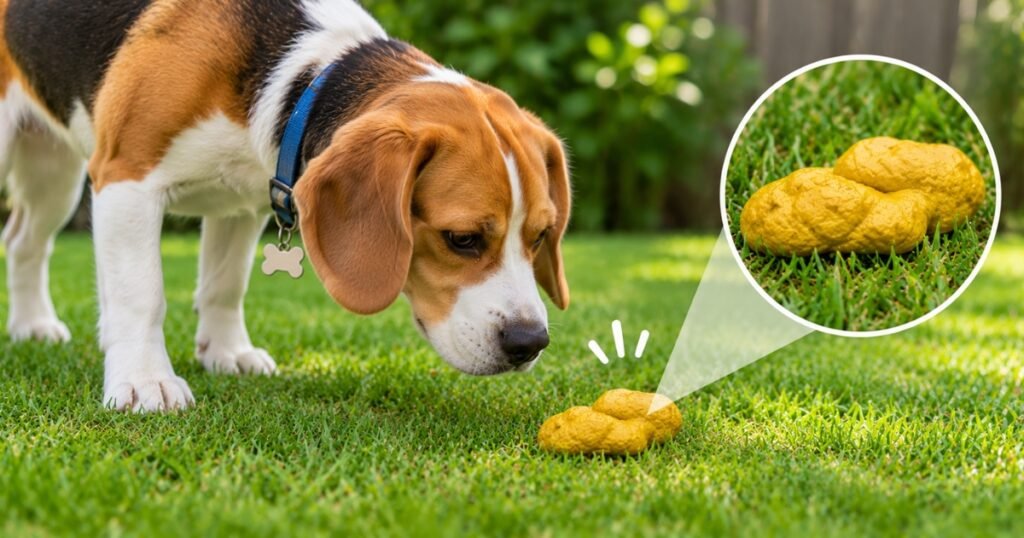
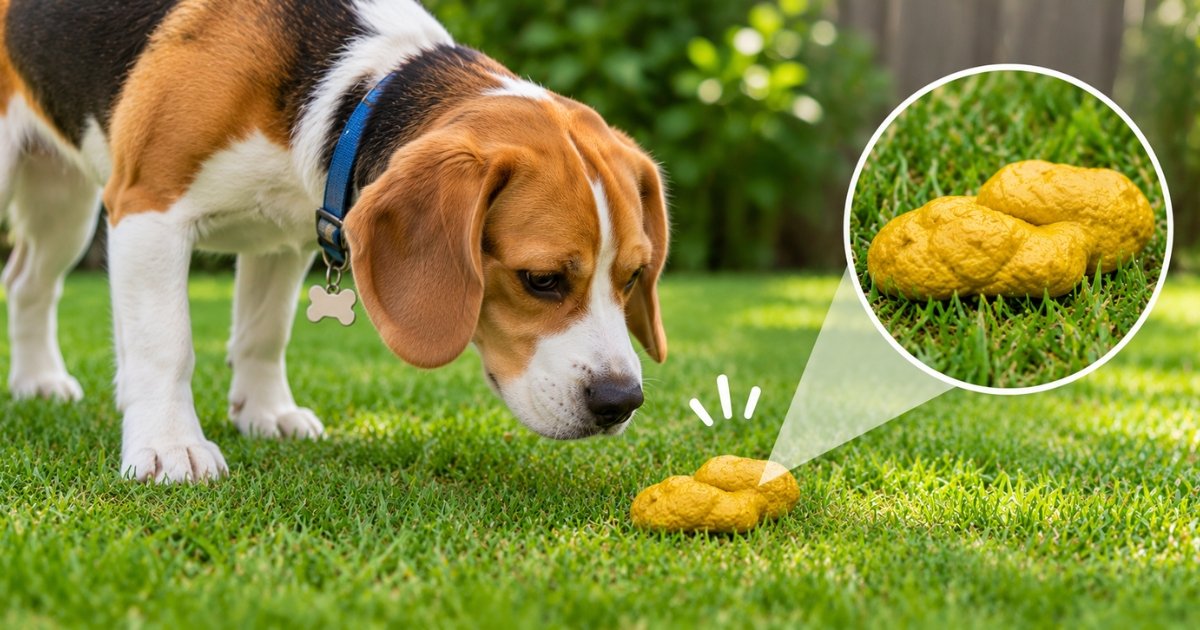
Yellow dog poop in a pet who is eating, drinking and acting like himself is usually explained by food: a recent diet change or a pale, bland meal is by far the most common reason. On its own, it is not the automatic emergency that black, tarry stool is. What changes the answer is what comes with it – yellow gums or yellow whites of the eyes, repeated vomiting, blood, refusing food, unusual tiredness, a very young puppy, or stool that has not returned to normal after a day or two. This article is general information, not a diagnosis. Your vet is the one who decides what is going on.
In most households the answer to “why is my dog’s poop yellow” sits in the food bowl. A new recipe, a new protein, a different treat, or a light-colored meal fed after a stomach upset all show up at the other end within a day or so.
That is why the first question a vet asks is almost always about diet. It is also why a single mustard-colored stool in a bright, playful dog is worth watching rather than panicking over.
Bile, produced in the body and released into the gut, is a large part of what gives stool its familiar brown color. Food and waste normally spend long enough moving through for that color to develop fully.
When things move through faster than usual, there is less time for that process, and the result can look yellow, mustard or tan. That is a description of mechanism, not a diagnosis – it does not tell you why things sped up.
These are the possibilities a vet works through, roughly in order of how often they explain it.
Switching brands, formulas or proteins is the leading explanation. Owners often forget the smaller changes: a new treat, a different dental chew, table scraps at the weekend, or a fresh bag of the same food that happens to be a new production batch. Write down everything that entered your dog in the last week, not just the main meals.
Plenty of people land here because they are seeing dog poop yellow after chicken and rice and have frightened themselves badly. Pale food in, pale stool out – boiled chicken, white rice and most bland recipes produce exactly that result, and it is expected rather than alarming. It is still worth telling your vet what you are feeding and why.
Fast transit often shows up as yellow dog diarrhea or a soft, pudding-like stool rather than a formed one. The color and the consistency travel together because the same thing causes both. Many things can speed up the gut, which is precisely why speed alone does not identify a cause.
Trash, compost, a dropped takeaway, grass, dirt, a mushroom, or a chew that did not agree with him. This is usually obvious in hindsight – the bin lid was off, or the bag was shredded. Often it passes without drama, but it belongs on the list because your vet will ask.
The organs that make and store bile are part of why stool is brown, so a color change that sticks around is one reason a vet wants to examine a dog who is not improving. That is not a statement about what is wrong with your dog. It is the reason persistence matters more than a single odd-looking pile.
Puppies and recently adopted or rescued dogs are the group where this question comes up most. Intestinal parasites are common enough in dogs that the American Veterinary Medical Association publishes owner guidance on them. Testing and treatment are vet decisions, not home ones – and you often cannot see anything, though worms in dog poop are sometimes visible.
Any one of these moves the situation from “watch it” to “phone them now”:
This is the distinction that matters most and the one almost nobody spells out. A yellow tinge in the gums, in the whites of the eyes, or in the pale skin inside the ear flap is a completely different sign from yellow stool, and it is a same-day veterinary call no matter what the stool looks like.
Check in natural daylight, not under a warm indoor bulb, which can tint everything. Lift the lip and look at the gums above the teeth, then look at the eyes. If anything looks yellow there, stop reading and call.
Having these answers ready makes the phone call faster and more useful:
Photograph the stool on a neutral background such as a paving slab or a sheet of paper. Color is genuinely hard to describe over the phone, and grass makes everything look different.
| What you are looking at | What it can point toward | How quickly to act |
|---|---|---|
| Yellow and firm | Often tracks with diet – a food change or a pale meal | Note it, mention at the next visit if it repeats |
| Yellow and soft or loose | Can go with faster movement through the gut | Call if it has not settled after a day or two |
| Yellow with mucus | Can suggest irritation somewhere in the digestive tract | Call your vet for advice |
| Yellow with any blood | Needs a vet to interpret, whatever the amount | Same day |
None of the middle column is a diagnosis. It is a way of describing what the combination might prompt your vet to look into.
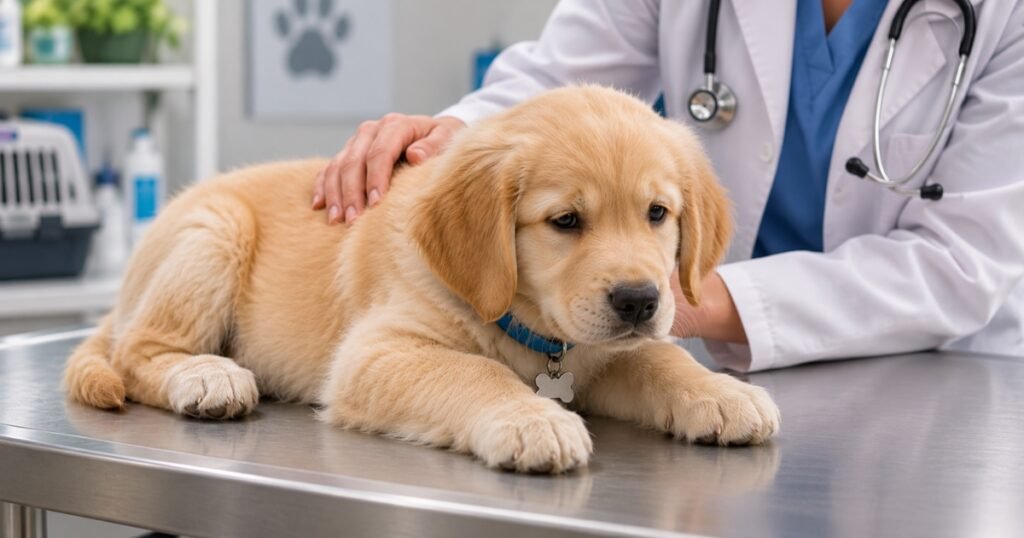
Small, young dogs lose ground faster than healthy adults when stool turns loose, and a puppy who is also off his food or quiet should not be left overnight to see what happens. The same caution applies to a dog you brought home last week, because you have no baseline for what normal looks like for him.
When the patient is a puppy, pale stool plus any second symptom is a phone call, not a wait-and-see.
Each shade on the chart carries its own level of urgency, and it helps to know where this one sits. The dog poop color chart covers the full range in one place, while green dog poop causes handles the other common diet-driven color. At the opposite end of the urgency scale, black dog poop causes explains the one shade that warrants a same-day call on its own.
For a wider look at consistency, frequency and texture alongside color, see what stool tells you about dog health. If loose stool is the main event rather than the color, dog diarrhea causes and home care is the closer match.
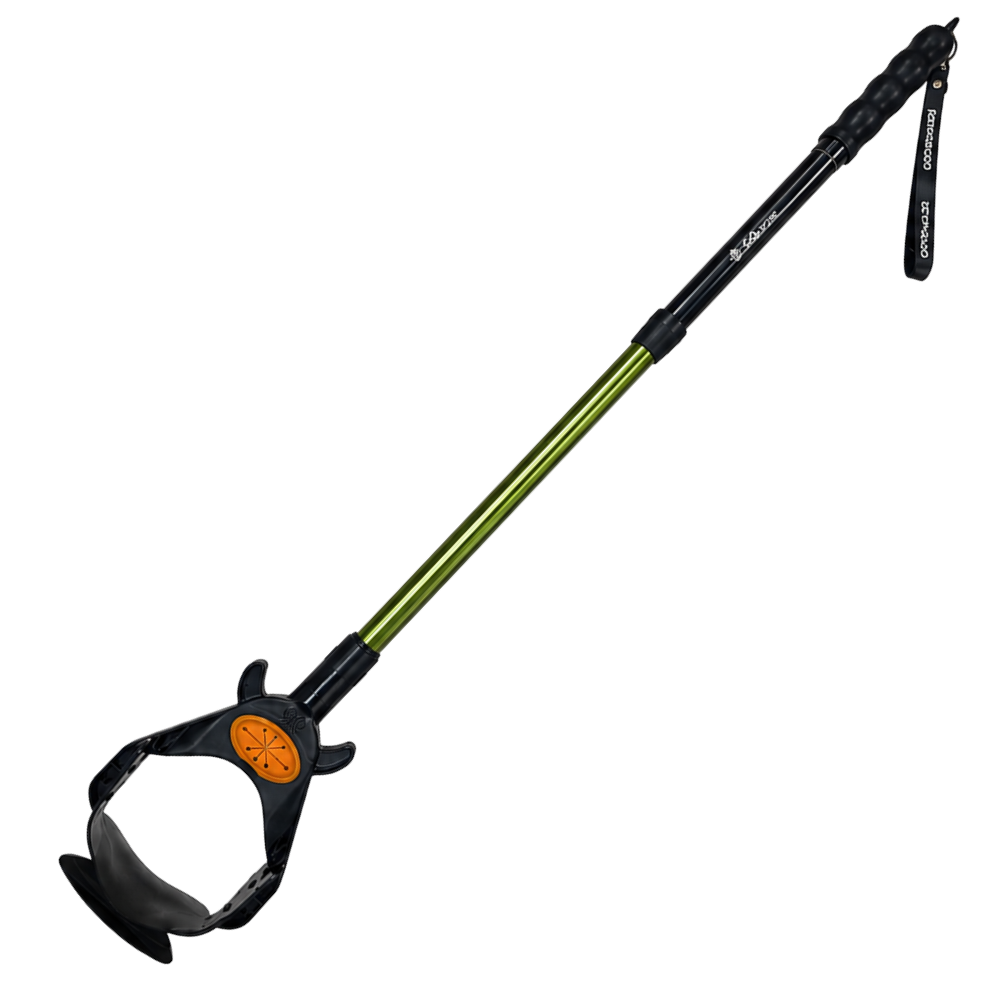
Owners who bag by feel, head turned away, miss color changes for days. A long-handled XP Pro pooper scooper keeps you upright and far enough back that a quick glance is easy rather than unpleasant.
That is the only claim being made here – it helps you see what you are picking up. It does nothing for your dog’s health, and no tool replaces a vet’s opinion.
A bright, hungry, playful dog with one or two pale stools is most often reacting to something he ate – a new food, a new treat, a bland meal, or something scavenged. Keep his diet steady, photograph the stool, and watch the next couple of movements. If the color sticks around, or anything else changes, call your vet rather than waiting it out.
Not automatically, but it deserves closer attention than a firm pale stool. Loose yellow or mustard-colored stool in a dog who is otherwise bright is usually worth monitoring and reporting. It becomes an urgent call if it comes with repeated vomiting, blood, refusing food, lethargy, pain, yellow gums, or if the patient is a young puppy or a dog with an existing condition.
Pale stool is the normal result of a pale diet, and it generally lasts as long as that diet does, often changing again within a day or two of returning to regular food. Your vet should be the one guiding when and how that transition happens, especially if the bland diet was their suggestion in the first place. Report anything that does not settle.
When a dog is eating, drinking and behaving normally, the colour is usually a food story, and a recent diet change explains most of it. Pale stool becomes a veterinary matter when it is persistent, when it comes with vomiting, blood, lethargy or refusing food, or when your dog is a puppy. Yellow gums or yellow whites of the eyes are a separate sign and a same-day call, whatever the stool looks like. Take a photo on a neutral background, write down what changed in the past week, and ring your vet with those details ready.
Alec Beaton is the Founder & Inventor of Pooch Approved Products and GoGo Stik®. Inspired by real-life pet parenting, he turns everyday cleanup challenges into simple, innovative solutions that make life better for pets and their people.
Yellow dog poop is usually diet-related, but not always. 6 common causes, the exact signs that mean call the vet today, and how it differs from jaundice.
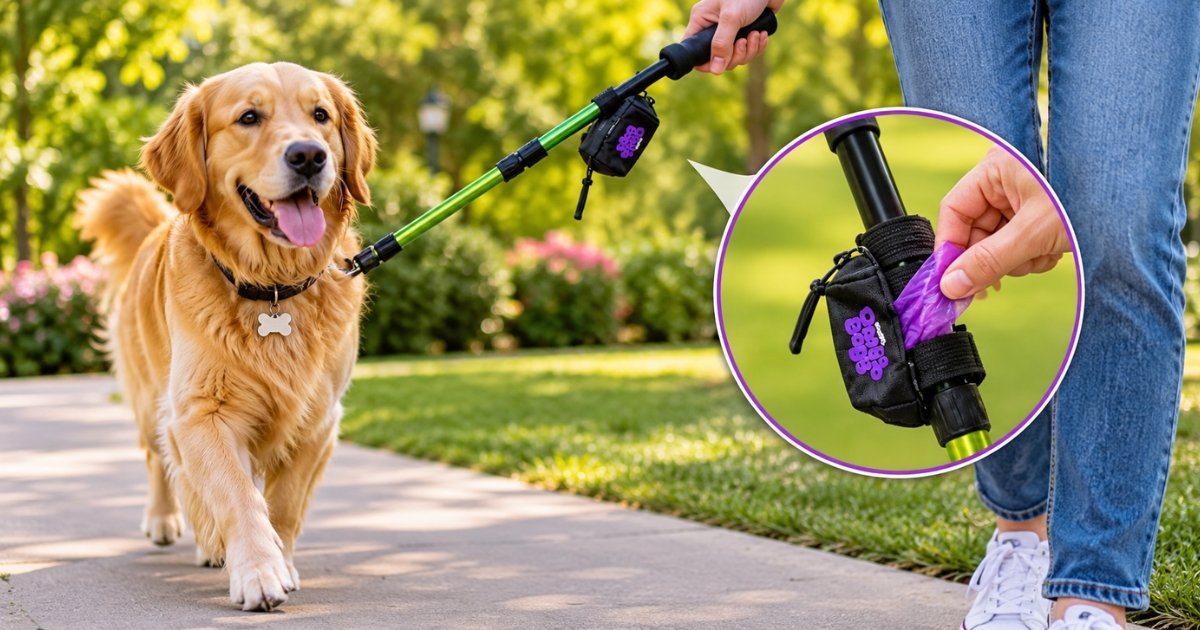
A dog poop bag carrier takes the full bag off your hand. Five practical fixes for odour, hands-free walking, tie-offs and the long walk back to a bin.
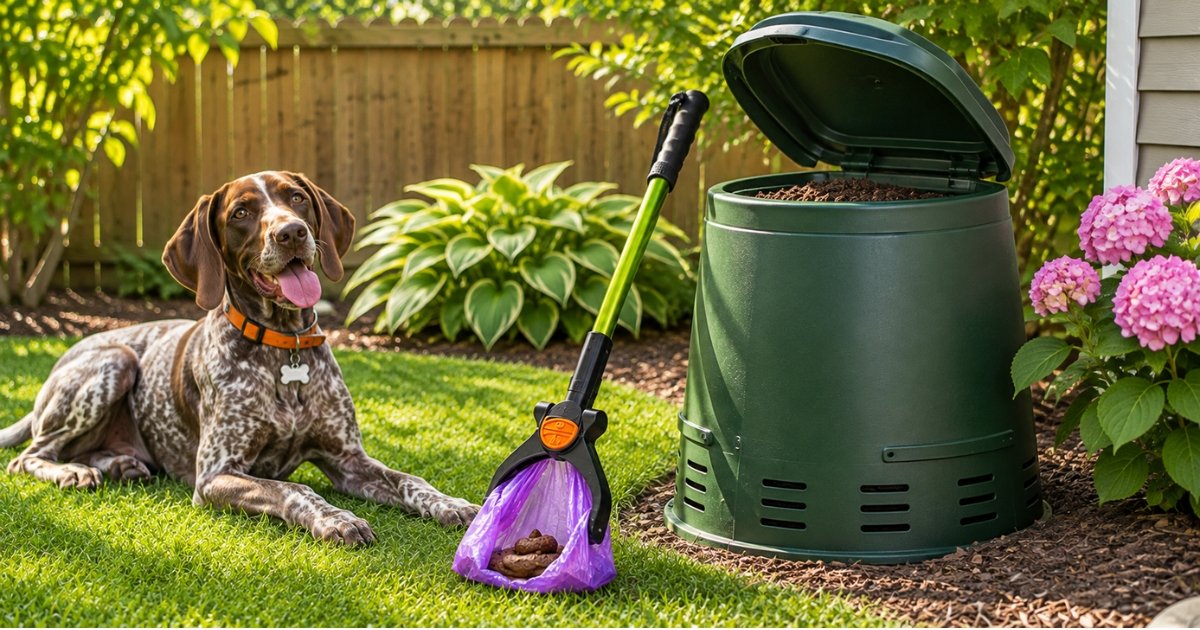
A dog waste digester only works if your soil drains and winters stay mild. Here are 6 honest things to check before you dig one into your yard.