


General
How Long Does Dog Poop Take to Decompose?
How long does dog poop take to decompose? Get real timelines, why it matters, and cleaner cleanup tips for your yard and the planet in 2026.
 Skip to content
Few things send a pet parent scrambling faster than a messy puddle on the kitchen floor. Dog diarrhea is one of the most common reasons owners call the vet, and while a single loose stool is rarely an emergency, it can signal anything from a dietary slip-up to a serious illness. In this guide, we’ll walk through the most common causes of loose stools in dogs, practical home care you can try safely, and the red-flag symptoms that mean it’s time to pick up the phone.
We’ve cleaned up more than our share of messes over the years, so we’ll also share a few real-world tips for making cleanup faster and less stressful for everyone involved.
Diarrhea is a symptom, not a disease. It’s your dog’s gut reacting to something that upset its normal rhythm. Understanding the likely trigger helps you decide whether to watch and wait or seek help.
According to the American Veterinary Medical Association, keeping pets away from spoiled food, toxic plants, and human medications prevents a large share of digestive emergencies.
The appearance of your dog’s stool can offer surprising clues. While you don’t need to become a full-time stool detective, noting the color and consistency helps your vet enormously.
| Stool Appearance | Possible Meaning |
|---|---|
| Soft, brown | Mild upset, often diet-related |
| Yellow or greenish | Food moving too fast; possible bile issue |
| Black, tarry | Possible upper-digestive bleeding — call your vet |
| Red streaks | Lower-tract irritation or bleeding — call your vet |
| Grey, greasy | Possible fat-digestion or pancreas issue |
Snapping a quick photo before cleanup gives your vet real information to work with — awkward, maybe, but genuinely useful.
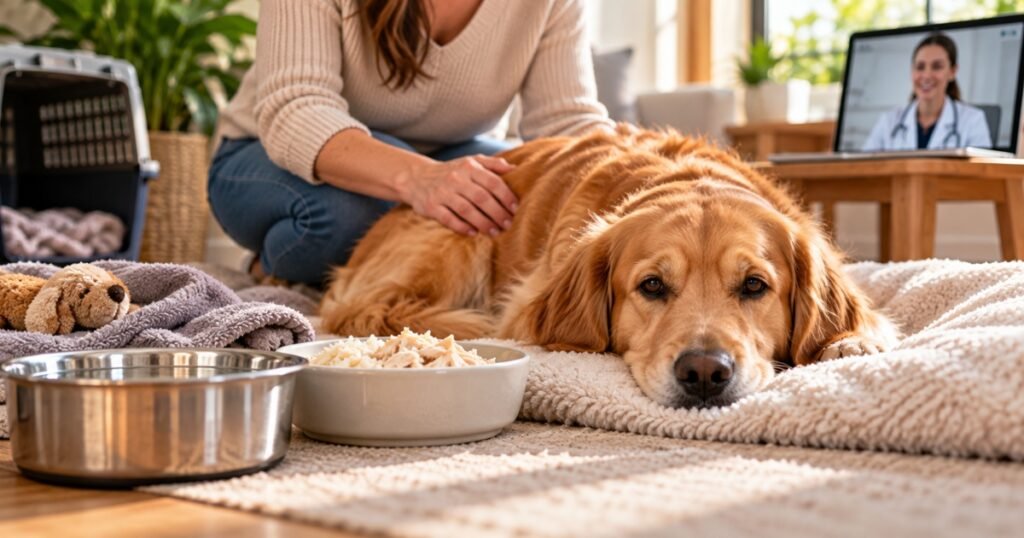
If your adult dog is otherwise bright, alert, and acting normal, a mild case often resolves on its own within 24–48 hours. Here’s a sensible approach for dog diarrhea that isn’t accompanied by other worrying signs.
Skip human anti-diarrheal medications unless your vet specifically recommends them — several are toxic to dogs. The FDA’s Center for Veterinary Medicine warns that many over-the-counter human drugs are unsafe for pets.
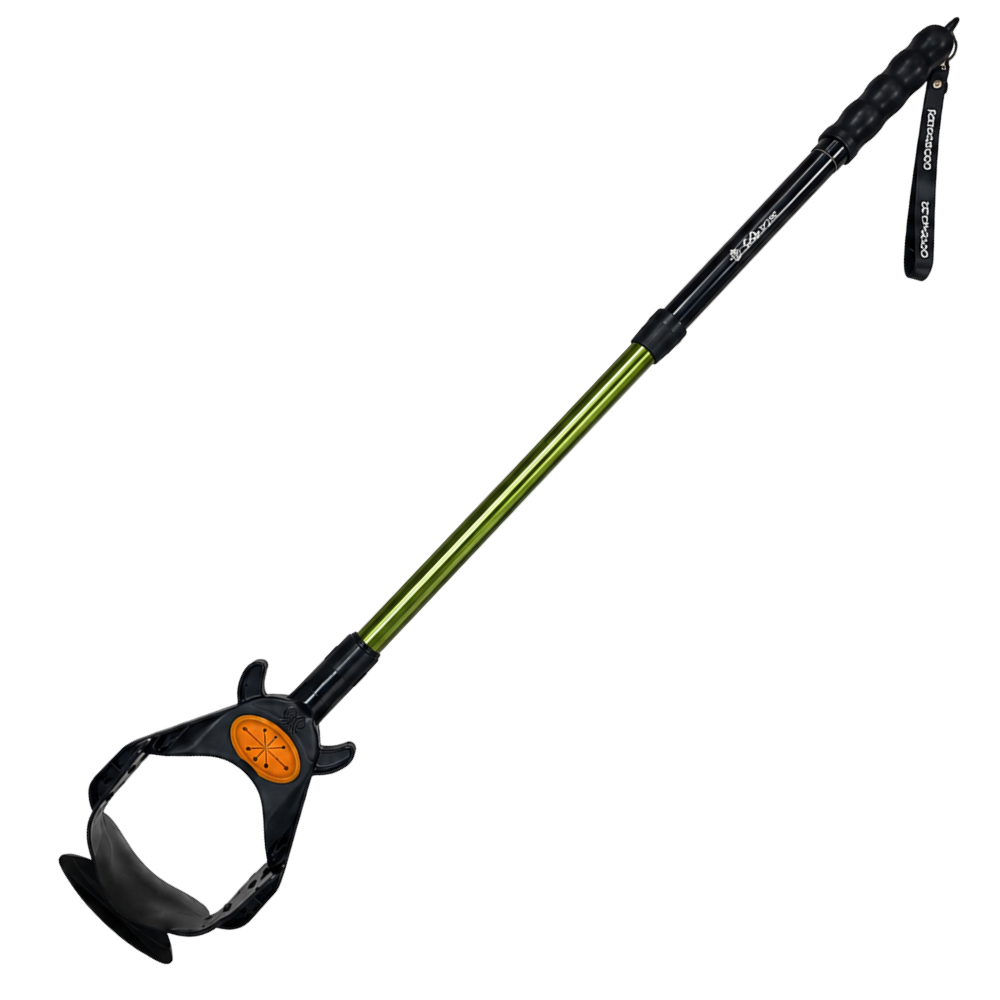
Let’s be honest: diarrhea cleanup is the worst part of the whole ordeal. Loose stools are messier, smellier, and harder to pick up than normal, which is exactly when flimsy bags fail you. A few small upgrades make a real difference.
A no-touch cleanup routine also protects you from the bacteria and parasites that can ride along in loose stool — worth the small investment for peace of mind.
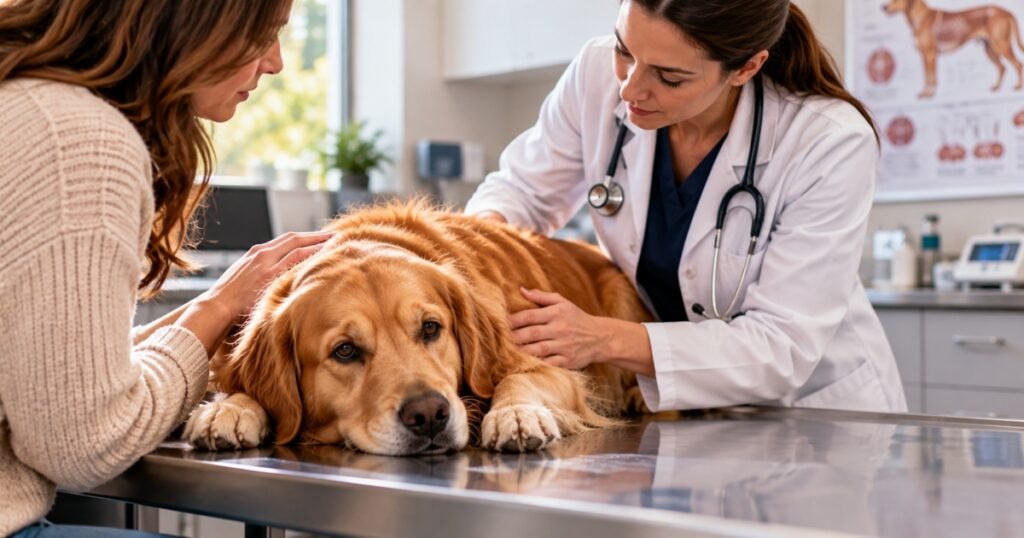
Home care has limits. Contact your veterinarian promptly if you notice any of these warning signs alongside dog diarrhea:
When in doubt, call. Vets would always rather answer a quick question than treat a dog that waited too long.
Mild, diet-related dog diarrhea often clears up within 24–48 hours with rest and a bland diet. If it lasts longer than two days or your dog seems unwell, contact your vet.
No, not without veterinary guidance. Several human anti-diarrheal and pain medications are toxic to dogs. Always check with your vet before giving any medication.
Plain, unsweetened canned pumpkin (not pie filling) is a gentle source of fiber that can help firm up stools. Start with a small spoonful mixed into a bland meal.
Seek urgent care if you see blood, black tarry stools, repeated vomiting, lethargy, a bloated belly, or signs of dehydration — or if a puppy or senior dog is affected.
Most cases of dog diarrhea are short-lived and manageable at home with rest, hydration, and a bland diet. Knowing the warning signs — and keeping the right cleanup supplies on hand — turns a stressful mess into something you can handle calmly. Browse our full lineup of leakproof poop bags, wipes, and patented no-touch scoopers at the GoGo Stik shop to keep your pickups clean, quick, and worry-free.

Alec Beaton is the Founder & Inventor of Pooch Approved Products and GoGo Stik®. Inspired by real-life pet parenting, he turns everyday cleanup challenges into simple, innovative solutions that make life better for pets and their people.
How long does dog poop take to decompose? Get real timelines, why it matters, and cleaner cleanup tips for your yard and the planet in 2026.
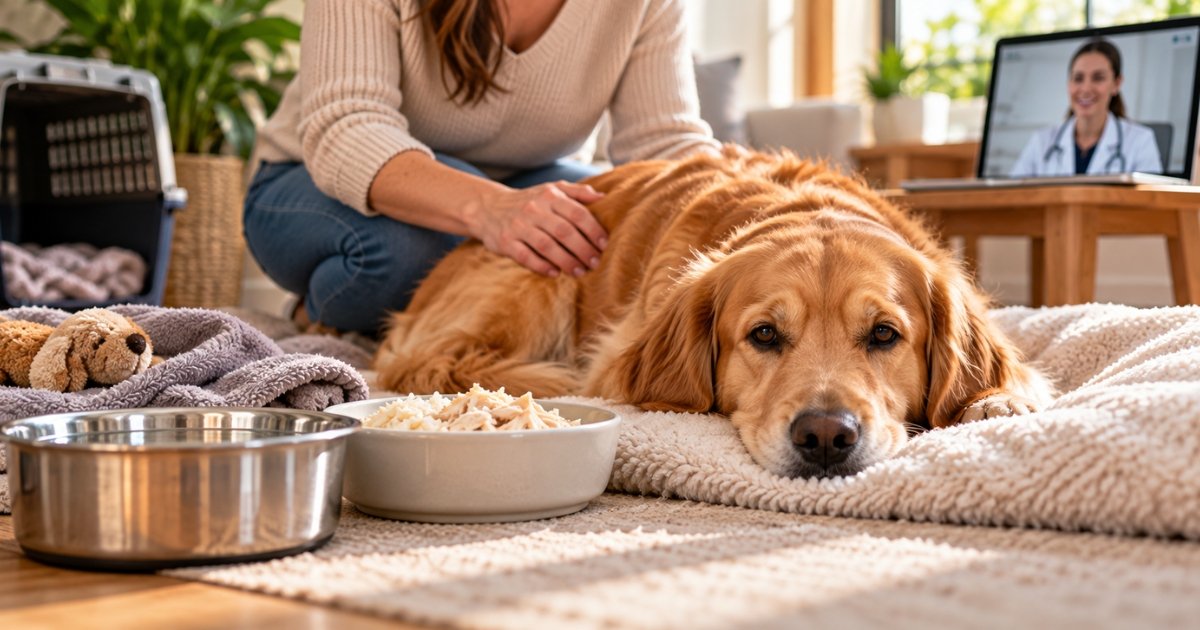
Dog diarrhea got you worried? Learn the common causes, safe home care tips, and the warning signs that mean it’s time to call your vet.
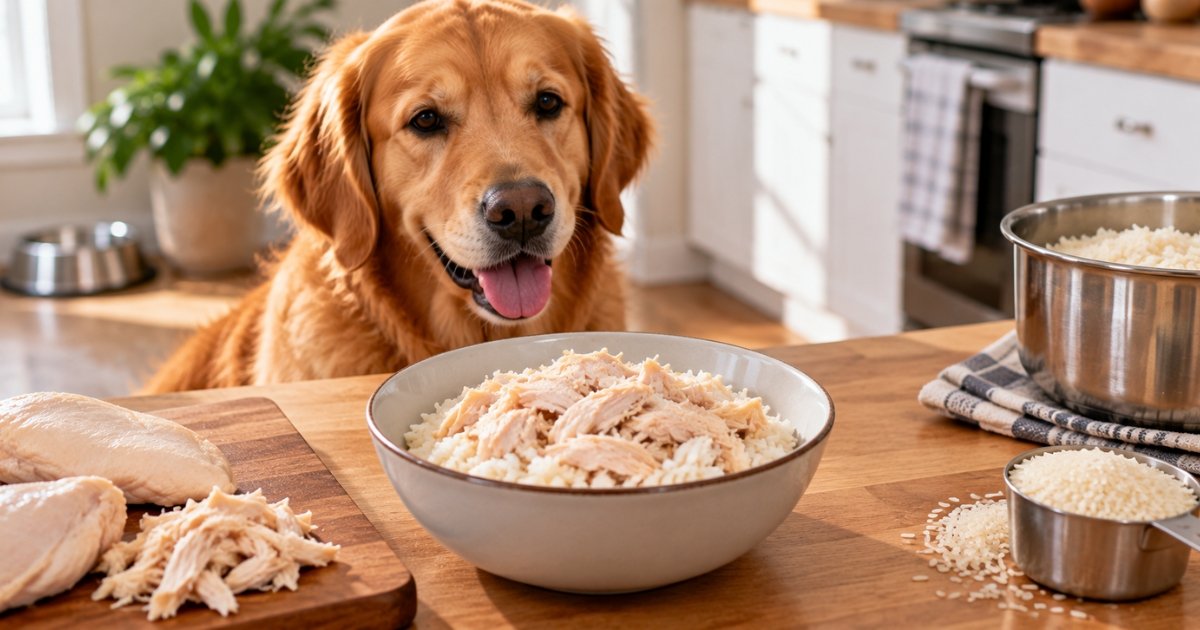
A bland diet for dogs can calm an upset stomach fast. Learn the right chicken & rice ratio, how long to feed it, and when to call your vet.