If you’ve ever been dragged down the sidewalk by your dog, you know how stressful a simple walk can become. The good news is that leash pulling is one of the most fixable dog behaviors out there. With the right approach and a bit of patience, you can turn chaotic walks into calm, enjoyable outings for both you and your pup. Along the way, keeping your walking route clean is just as simple when you have the right pooper scooper tools from GOGO Stik.
In this guide, we’ll cover step-by-step training methods, the best gear to use, common mistakes to avoid, and a few bonus tips for making every walk more fun. So let’s get into it.
Why Does Your Dog Pull on the Leash?
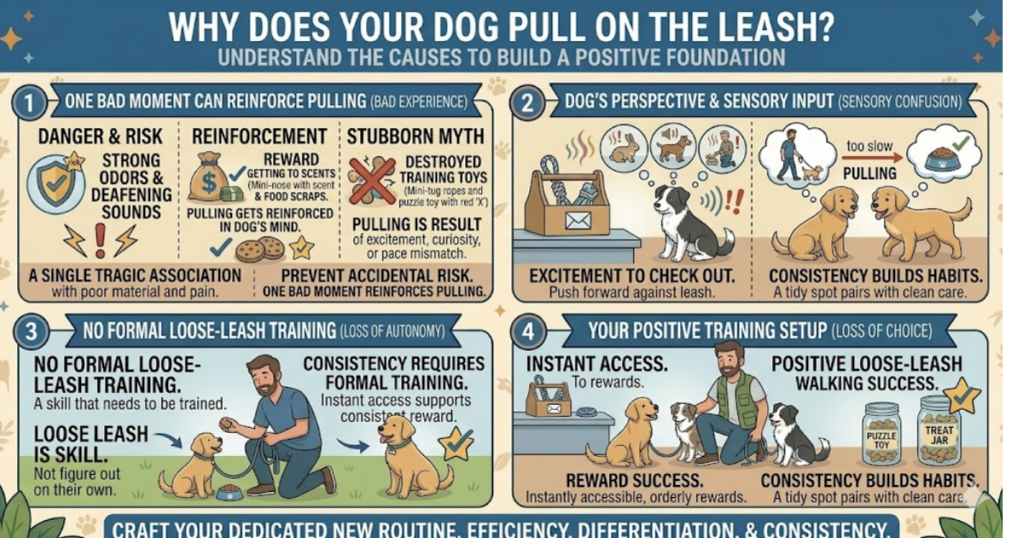
Before you can fix leash pulling, it helps to understand why it happens in the first place. Dogs don’t pull to be stubborn or dominant. In most cases, pulling is simply the result of excitement, curiosity, or a pace mismatch between you and your dog.
Think about it from your dog’s perspective. The world is full of new smells, sights, and sounds. Your dog naturally wants to move faster to check everything out. Because of that, they push forward against the leash. And every time they reach where they wanted to go, the pulling gets reinforced in their mind as something that works.
On top of that, most dogs have never been formally taught how to walk on a loose leash. It’s a skill that needs to be trained, not something dogs just figure out on their own. That’s a key point many pet owners miss.
Gear You Need Before You Start Training
Having the right equipment makes a big difference. As a result, you’ll want to set yourself up with a few essentials before your first training session.
Leash
Use a standard 4-to-6-foot leash made of nylon or leather. Avoid retractable leashes during training because they give inconsistent feedback and make it harder for your dog to learn boundaries. A fixed-length leash, on the other hand, lets your dog understand exactly how much room they have.
Harness or Collar
For dogs that pull hard, a front-clip harness is a great choice. When your dog pulls forward, the front clip turns their body to the side, which naturally reduces momentum. Head halters are another option, especially for larger breeds. However, if your dog walks fairly well already, a flat buckle collar works fine.
Treats
High-value treats are your best training tool. Choose small, soft treats that your dog goes crazy for. You’ll be handing them out frequently during training, so smaller pieces keep your dog from filling up too fast.
Poop Bags and Cleanup Gear
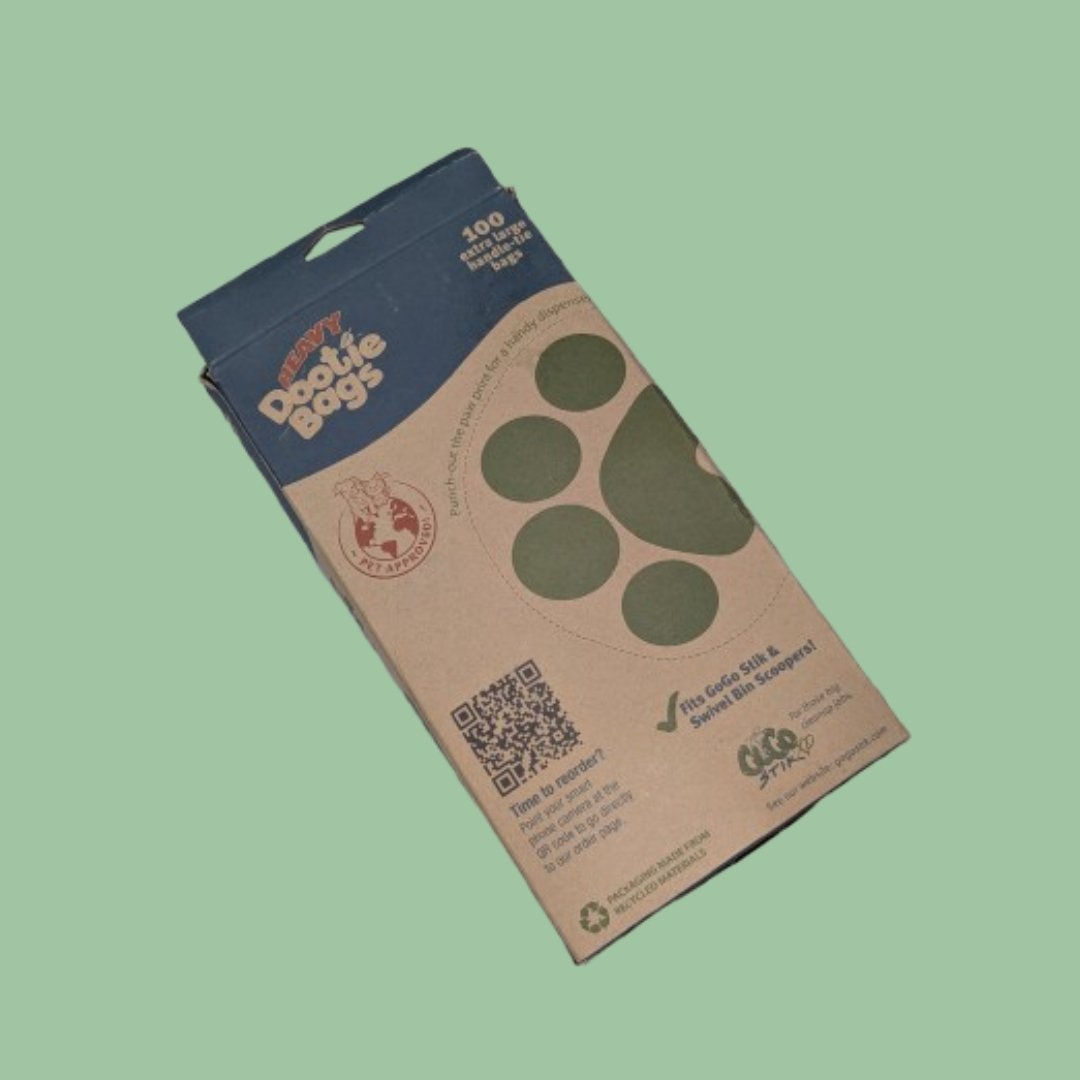
No walk is complete without cleanup supplies. GOGO Stik’s dog poop bags are strong, leak-proof, and easy to carry. Whether you prefer tie-handle bags or citrus-scented options, having bags on hand means you’re always ready to keep your neighborhood clean.
Step-by-Step: How to Teach Your Dog to Walk Without Pulling
Now that you have the right gear, here’s a proven training method that uses positive reinforcement. This approach rewards good behavior instead of punishing bad behavior, which builds trust between you and your dog.
Step 1: Start Indoors
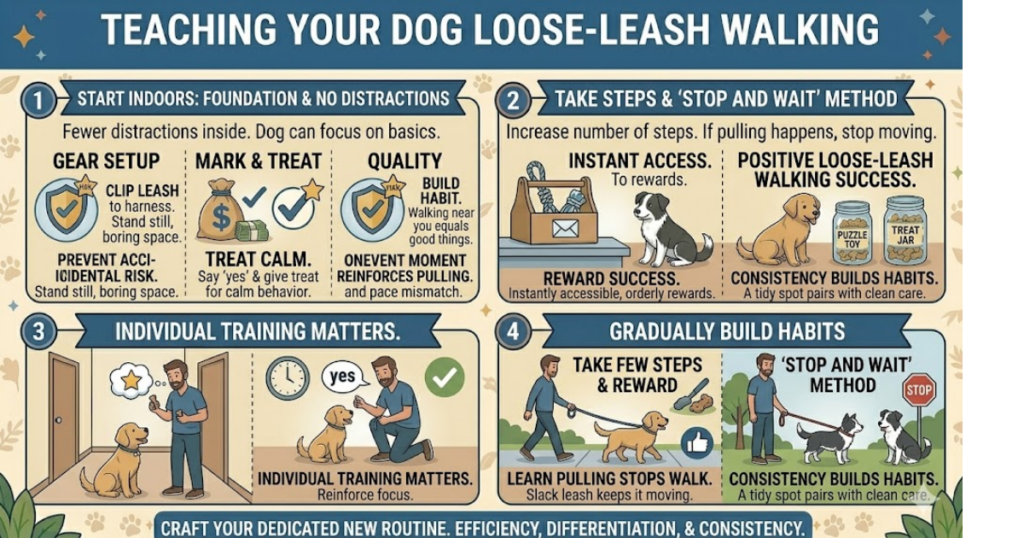
Begin your training in a boring indoor space, like a hallway or living room. There are fewer distractions inside, so your dog can focus on learning the basics. Clip the leash to the harness, hold a few treats in one hand, and stand still. When your dog looks at you or stands calmly by your side, mark that moment with a word like “yes” and give a treat.
Step 2: Take a Few Steps and Reward
Once your dog is paying attention, take one or two steps forward. If your dog moves with you without pulling, say “yes” and treat again. Gradually increase the number of steps between treats. The goal at this stage is to build a habit: walking near you equals good things happening.
Step 3: Use the “Stop and Wait” Method
When your dog pulls, stop moving immediately. Don’t yank the leash or say anything. Just stand still like a tree. Wait until your dog turns back toward you or the leash goes slack. As soon as that happens, praise and reward, then start walking again. Consequently, your dog will learn that pulling makes the walk stop, while staying close keeps things moving.
Step 4: Try the “Direction Change” Technique
If your dog keeps surging ahead, turn around and walk the opposite way. Call your dog’s name as you turn. When they catch up and walk beside you, mark and reward. This method works well because it keeps both of you moving, and your dog quickly realizes that pulling forward doesn’t actually get them where they want to go.
Step 5: Move Outdoors Gradually
After your dog is doing well indoors, move to your yard. Then try a quiet street. After that, try busier areas. Each new environment adds distractions, so take it slow and increase the difficulty step by step. If your dog starts pulling again in a new spot, go back to more frequent treats and shorter distances until they’re comfortable.
Common Mistakes That Make Leash Pulling Worse
Even with the best intentions, some habits can sabotage your training. Here are a few things to watch out for.
Inconsistency: If you stop your dog from pulling during training sessions but let them pull at other times, you’re sending mixed signals. Dogs learn through repetition, so you need to apply the same rules on every single walk.
Using retractable leashes: These leashes reward pulling by design because the more the dog pulls, the more line they get. As a result, they work against everything you’re trying to teach.
Yanking or jerking the leash: Harsh corrections can cause fear, anxiety, and even neck injuries. Positive reinforcement works far better in the long run.
Skipping indoor practice: Starting outside where distractions are everywhere sets your dog up to fail. Instead, build a strong foundation indoors first.
Training sessions that are too long: Short, five-to-ten-minute sessions keep your dog engaged. If either of you gets frustrated, it’s time to take a break.
Bonus Tips for Better Walks
Beyond basic leash training, there are a few extra things you can do to make walks more enjoyable for both you and your dog.
Burn Off Energy Before the Walk
A quick game of fetch or tug-of-war in the yard before your walk can reduce excitement. When your dog starts the walk with less pent-up energy, they’re more likely to stay calm on the leash. Therefore, a short play session before heading out can save you a lot of pulling frustration.
Let Your Dog Sniff
Sniffing is mental stimulation for dogs. Allowing your dog to pause and smell things during parts of the walk keeps them mentally satisfied. You can use a cue like “free time” to let your dog sniff around, and then call them back to your side when it’s time to walk again. This balance between structure and freedom makes walks far more rewarding.
Walk at a Good Pace
Most dogs naturally walk faster than humans. If you walk too slowly, your dog may get bored and pull to create their own momentum. Try picking up your pace a bit, since a slightly brisker walk can actually reduce pulling.
Keep Walks Clean and Convenient
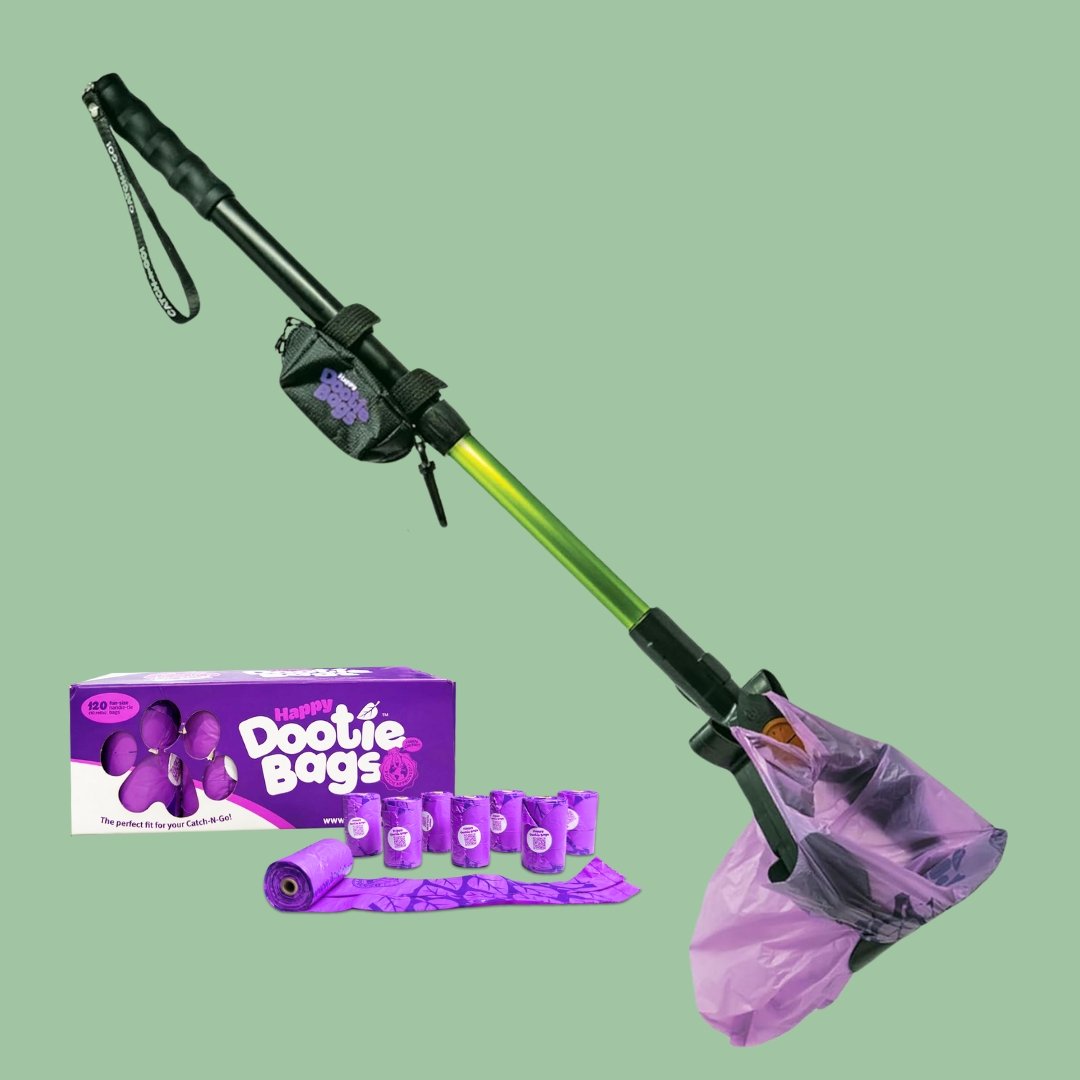
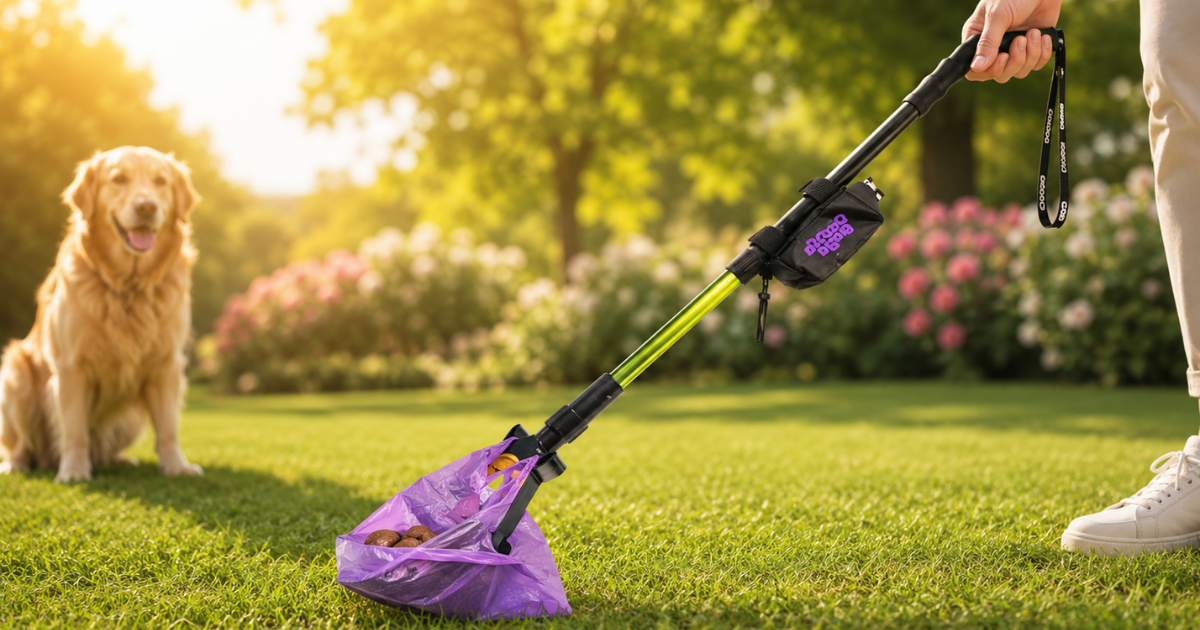
Nobody enjoys stopping mid-walk for a messy cleanup. That’s why the right tools matter. The GOGO Stik Catch ’N Go Hybrid Catcher and Scooper lets you scoop and bag waste in one smooth motion, so you can stay focused on your walk. For nighttime outings, pair it with the Genie Rechargeable LED Flashlight Kit to spot and clean up waste even in low light. Clean walks are better walks.
Training Tips for Different Dog Sizes
Small Dogs
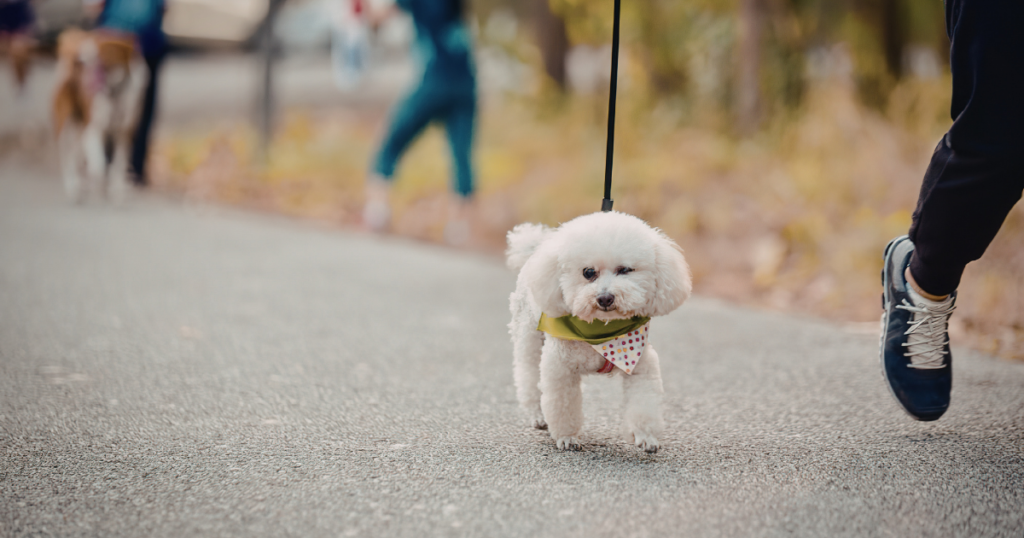
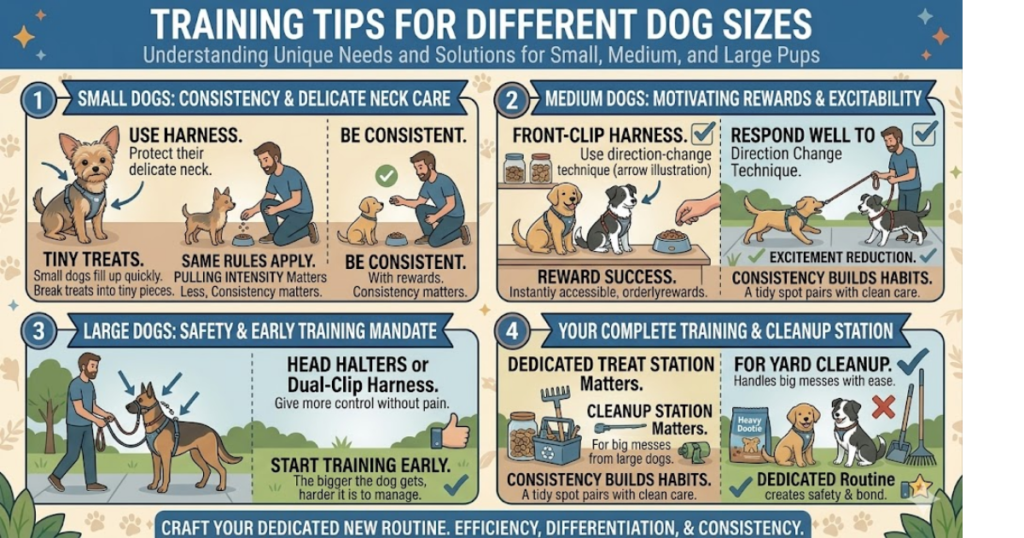
Small dogs can be easy to overlook when they pull because it doesn’t feel as intense. However, the same rules still apply. Use a harness instead of a collar to protect their delicate neck, and be consistent with rewards. Because small dogs fill up quickly, break treats into tiny pieces.
Medium Dogs
Medium-sized dogs often have plenty of energy and strength. A front-clip harness usually provides enough control, and these dogs tend to respond well to the direction-change technique. At the same time, make sure your treat rewards are motivating enough to compete with outdoor distractions.
Large Dogs
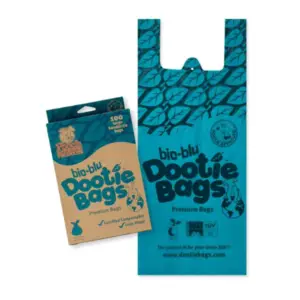
With big breeds, pulling can actually be dangerous for you. Head halters or dual-clip harnesses give you more control without causing pain. Start training early, because the bigger the dog gets, the harder pulling becomes to manage. For yard cleanup after a large dog, the Scooper and Hybrid Rake Set with Heavy Dootie Bags from GOGO Stik handles big messes with ease.
What to Do When Your Dog Lunges at Distractions
Lunging is a step beyond pulling. It usually happens when your dog spots another dog, a squirrel, a bike, or a person they want to reach. To handle lunging, you need to be proactive rather than reactive.
First, learn to read your dog’s body language. If their ears perk up and their body stiffens, a lunge is likely coming. At that point, redirect their attention by calling their name and offering a high-value treat. Then, move in the opposite direction.
Over time, this technique teaches your dog that looking at you during exciting moments is more rewarding than chasing after the distraction. Professional trainers call this “look at that” training, and it’s highly effective for reactive dogs.
The Complete Walk Cleanup Routine
A great walk doesn’t end when you get home. After every outing, a quick cleanup routine keeps your dog comfortable and your home clean.
Start by wiping your dog’s paws and backside with Heavy Dootie Pet Wipes. These citrus-scented wipes remove dirt, allergens, and bacteria before your dog tracks them through the house.
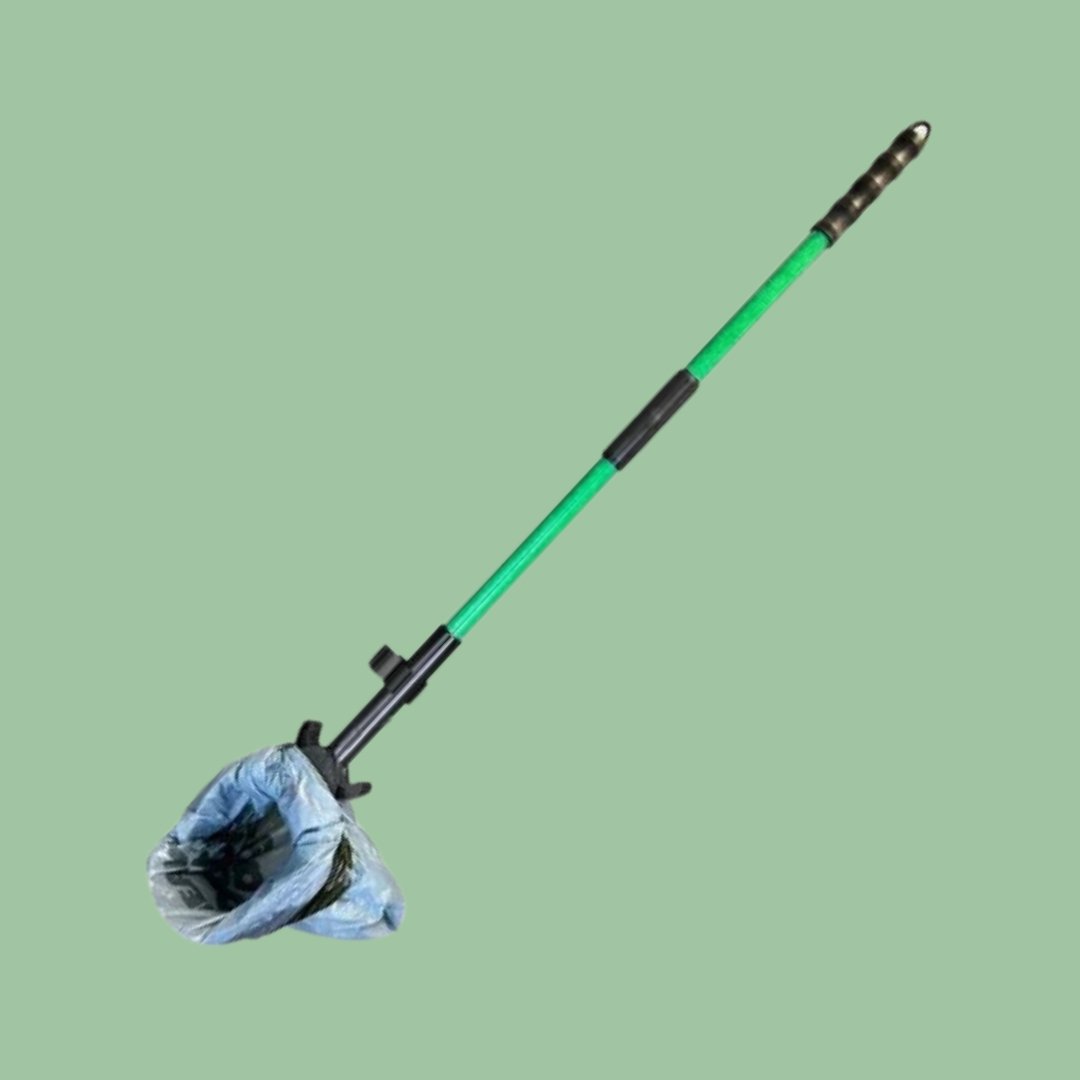
Make sure you’ve properly disposed of any waste from the walk using quality dootie bags. If you do yard cleanup at home too, the EZ Dootie Rake makes it fast and hands-free. And for everyday scooping, the GOGO Stik Poop Catcher keeps things clean and convenient.
Safety Tips for Nighttime Walks
Walking your dog at night comes with extra challenges. Visibility is limited, so both safety and cleanup become harder. Here are a few tips that help.
Wear reflective gear and keep your dog visible with a reflective collar or harness. For waste cleanup in the dark, the GOGO Stik Fido USB Rechargeable LED Flashlight clips right onto your scooper, so you can spot waste easily even on poorly lit streets.
Nighttime walks can actually be great for dogs that are reactive, because there are fewer distractions. As a result, evening walks can double as a calm training opportunity if your dog struggles with daytime triggers.
Your Walk Essentials Checklist
Before heading out the door, make sure you have everything you need. Here’s a quick checklist for the perfect walk.
Every dog is different, so there’s no single answer. Puppies often pick up leash skills within a few weeks of consistent training. Adult dogs with an established pulling habit may take a bit longer, sometimes a month or two of daily practice.
The most important factor is consistency. Short, daily sessions of five to ten minutes produce much better results than occasional long sessions. And remember, setbacks are normal. If your dog has a rough day, just go back to basics and work up from there.
Final Thoughts
Teaching your dog to walk without pulling transforms your daily routine. Walks become something you both look forward to, not something you dread. By using positive reinforcement, the right gear, and a patient step-by-step approach, you can make real progress in just a few weeks. And while you’re building better walking habits, let GOGO Stik handle the dirty work so you can focus on what matters most — enjoying time with your dog.For heavy-duty cleanup needs, check out the Heavy Dootie Bags with XP Pooper Scooper set — it’s the perfect pair for keeping every walk fresh and mess-free.
How to Catch a Dog Pooping on Your Lawn : You walk outside on a sunny Saturday morning, coffee in hand, ready to enjoy your perfectly mowed lawn and then you step in it. Again. A fresh pile of dog poop, right in the middle of your yard, left by
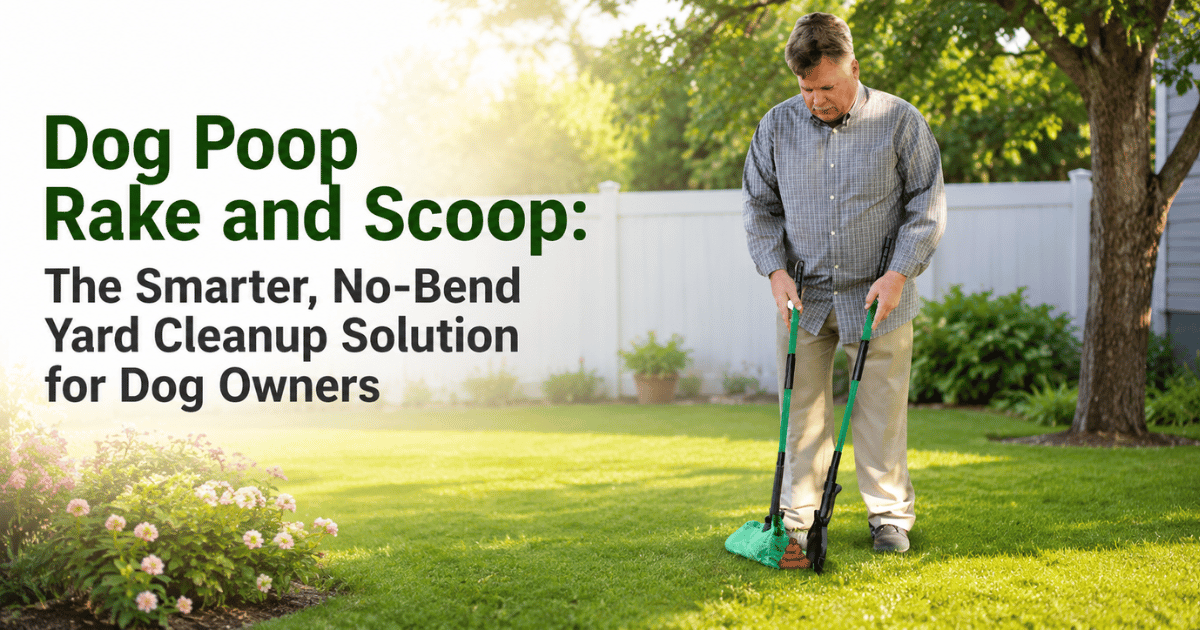
I remember the exact moment I decided I was done doing yard cleanup the hard way. It was a Saturday morning, I was crouched over in my backyard in New Jersey, using a flimsy plastic bag like I always did, and my lower back just said no. Flat out refused.
Let me be honest with you. There are few things more awkward than standing on a busy sidewalk, fumbling with a flimsy bag, trying to swoop and scoop dog poop while your dog stares at you and strangers walk by. The bag stretches. It shifts. Sometimes it tears. And when