



Dog Health & Wellness
Is Dog Poop Dangerous to Humans? 6 Real Risks
Is dog poop dangerous to humans? It can carry parasites and bacteria. The 6 real risks, who is most at risk, and the routine that stops them.

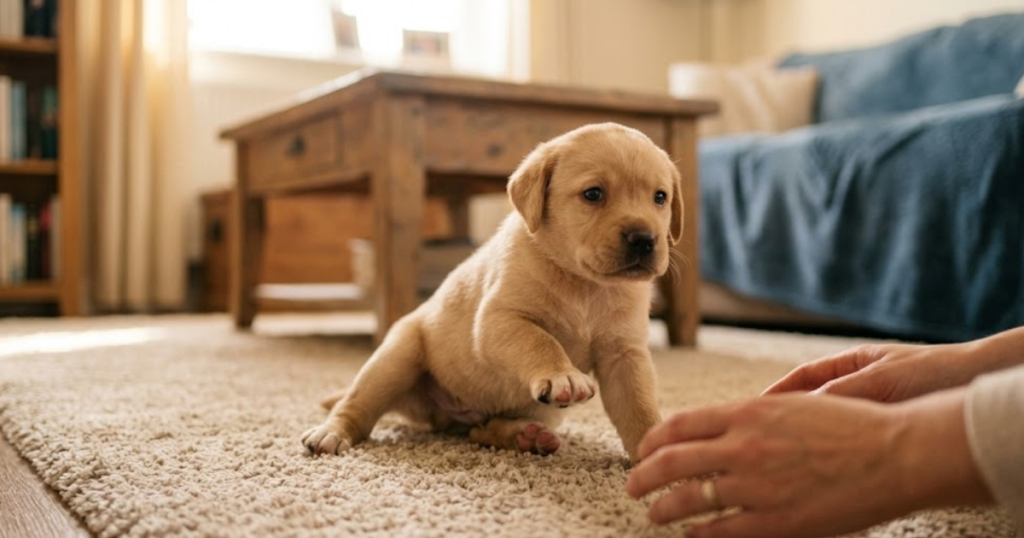
Watching a puppy take its first wobbly steps is one of the most heartwarming moments for any pet parent. Those tiny legs, the stumbles, and the determined little faces — it all marks a major turning point in your pup’s growth. But exactly when do puppies start walking, and what should you expect during those first few weeks?
Most puppies begin walking between 2 and 4 weeks of age. However, every pup develops at its own pace, and several factors like breed, litter size, and overall health can shift this timeline slightly. In this guide, we’ll walk you through each developmental stage, the signs your puppy is about to start walking, and how to prepare for those all-important first outdoor walks.
Understanding your puppy’s growth stages helps you know what to expect and spot any potential concerns early on.
During the first two weeks of life, newborn puppies are almost entirely dependent on their mother. Their eyes and ears are still closed, so they rely on touch and smell to find warmth and food. At this point, puppies spend roughly 90% of their time sleeping and nursing. Their movements are limited to slow crawling and squirming, which helps build early muscle strength in their limbs. While they can’t walk yet, these small movements lay the groundwork for what comes next.
This is the stage where the magic happens. Around the two-week mark, puppies begin to open their eyes and their hearing starts to develop. As a result, they become more aware of their surroundings. By the end of the third week, most puppies try to stand on shaky legs and take a few unsteady steps. Their coordination improves quickly, though, and by four weeks, many pups are walking with growing confidence. You might even notice some playful wobbling and tail wagging during this period.
Once puppies can walk, they start interacting with their littermates through play, gentle wrestling, and nipping. This stage is critical for building social skills and bite inhibition. Puppies also begin weaning off their mother’s milk and trying solid food. Their senses are sharpening, and they become curious about everything around them. If you’re a breeder or have a litter at home, this is a great time to start gentle handling and introduce safe new sounds and textures.
By now, your puppy is on the move with much more control. They’re refining their walking and running skills, and most are ready for their new homes. This is the ideal window for leash training, basic obedience, and continued socialization. Their activity levels are higher, and they need both physical and mental stimulation to stay happy and healthy.
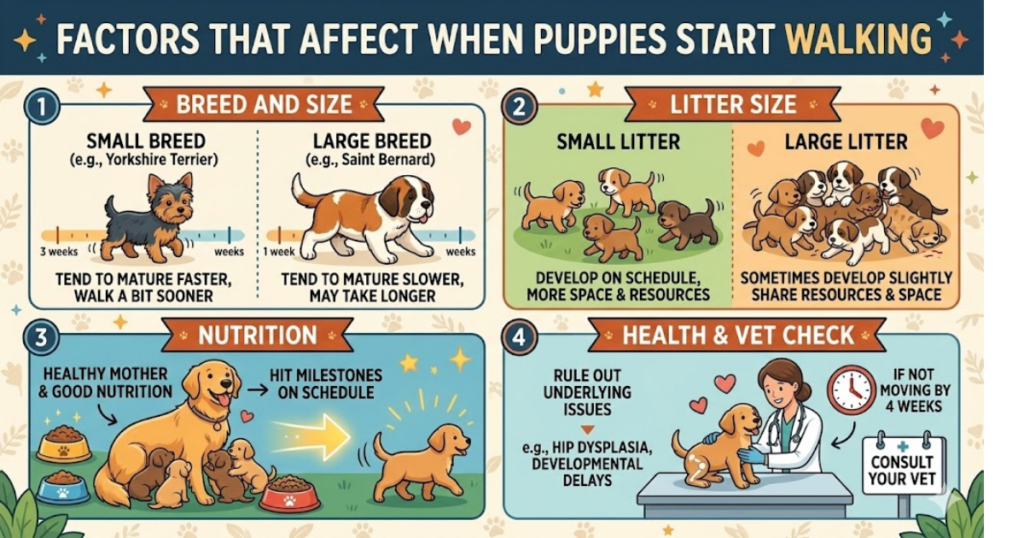
While 2–4 weeks is the standard window, a few things can influence exactly when your puppy takes those first steps.
Breed and size play a role. Smaller breeds like Yorkshire Terriers tend to mature faster than large breeds like Saint Bernards, so they may walk a bit sooner. On the other hand, puppies from larger litters sometimes develop slightly slower because they share resources and space with more siblings. Nutrition matters too — puppies that nurse from a healthy, well-fed mother tend to hit their milestones on schedule. Finally, certain health conditions can delay walking. If your puppy hasn’t started moving around by four weeks, a visit to the vet is a smart idea to rule out any underlying issues like hip dysplasia or developmental delays.
Before puppies take their first real steps, they usually show a few telltale signs that walking is right around the corner. Look for these cues: your puppy pushes up on their legs more often and tries to stand, they scoot and crawl around their space with increasing energy, they sway less when sitting or standing (which signals improved balance), and they show growing interest in their surroundings by moving toward sounds or smells. Once you notice these behaviors, make sure the area around them is safe, with no gaps where they could get stuck or furniture they could bump into.
Here’s where things shift from those early indoor steps to real outdoor adventures. Most vets recommend waiting until your puppy has received all their core vaccinations before heading out to public areas where other dogs frequent. Puppies typically complete their vaccination series by around 16 weeks of age. After that, you should wait an additional one to two weeks for full immunity to develop.
Before your puppy is fully vaccinated, you can still let them explore a secure, fenced backyard — as long as it’s free from unvaccinated dogs. This is also a perfect time to start leash training indoors, so your pup gets used to wearing a collar and walking beside you.
Once those vaccinations are complete, start small. A good rule of thumb is five minutes of walking per month of age, twice a day. So, a three-month-old puppy should walk for about 15 minutes at a time. Keep the pace gentle and let your puppy stop, sniff, and take in their new world. Over-exercising a young pup can strain their developing joints and bones, so patience is key here.
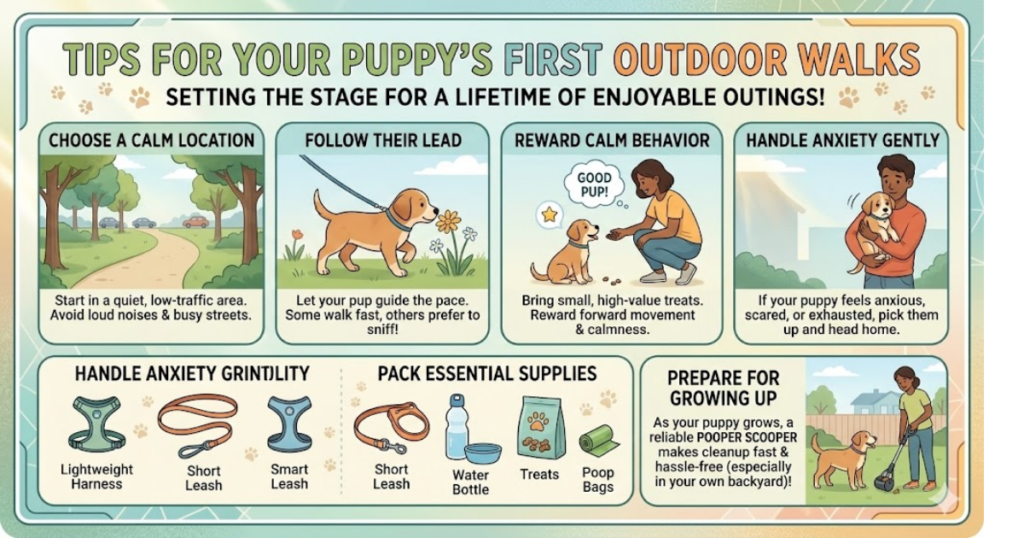
Making your puppy’s first walk a positive experience sets the tone for a lifetime of enjoyable outings. Here are some practical tips to keep in mind.
Start by choosing a quiet, low-traffic area for those first few walks. Loud noises, busy streets, and lots of other dogs can overwhelm a young puppy. Let your pup guide the pace — some like to move quickly while others prefer to stop and sniff every few steps. Bring small, high-value treats to reward calm behavior and encourage forward movement. If your puppy seems anxious, scared, or exhausted, pick them up and head home. You can always try again another day.
You’ll also want to pack the right supplies. A lightweight harness, a short leash, fresh water, treats, and poop bags are all walk-day essentials. As your puppy grows and your walks become longer, having a reliable pooper scooper on hand makes cleanup fast and hassle-free — especially in your own backyard.
Let’s be honest: once your puppy starts walking and eating solid food, poop cleanup becomes part of your daily routine. Whether it’s during a walk around the block or in your backyard, staying on top of waste removal keeps your space hygienic and your neighbors happy.
For on-the-go cleanups, dog poop bags with handles make pick-up quick and mess-free. If you prefer scented options, citrus-scented poop bags help mask unpleasant odors while you carry the bag to the nearest bin. For walks in low-light conditions — early morning or evening strolls — a clip-on LED flashlight makes it much easier to spot and clean up after your pup.
At home, yard cleanup is just as important. A quality yard pooper scooper set saves your back and keeps your hands clean. For larger dogs or bigger messes, a hybrid rake and scooper combo helps you cover more ground quickly. You can also stock up on bulk poop bags so you’re never caught without supplies. And once the job is done, pet wipes for paws and butt keep your puppy fresh before they come back inside.
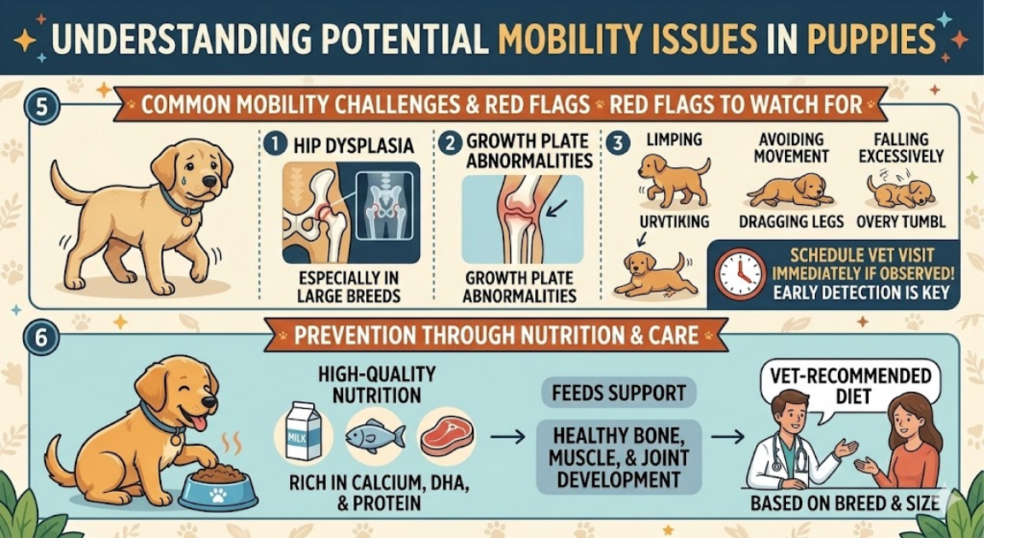
While most puppies start walking without any trouble, some may face mobility challenges. Since puppies are still growing, issues can develop even after they begin walking. Common concerns include hip dysplasia (especially in large breeds), growth plate abnormalities, and abnormal bone development. If you notice your puppy limping, dragging their legs, avoiding movement, or falling more than expected, schedule a vet visit right away. Early detection makes a significant difference in treatment outcomes.
Good nutrition also plays a protective role. Feed your puppy a high-quality food that’s rich in calcium, DHA, and protein to support healthy bone, muscle, and joint development. Your veterinarian can recommend the best diet based on your puppy’s breed and size.
As your puppy gets older, their walking capacity increases — but you still need to be careful not to overdo it. Here’s a general guideline based on age:
At 8–12 weeks, keep walks to about 10–15 minutes, twice daily. Between 12–16 weeks, you can extend to 15–20 minutes per outing. From 4–6 months, walks can last 20–30 minutes on soft, level surfaces. By 6–12 months, most puppies handle 30–45 minute walks without issue, though you should still avoid high-impact activities like long-distance running until your vet confirms their bones have fully matured. For most breeds, that happens around 12–18 months.
Always pay attention to your puppy’s signals. If they lie down, lag behind, or start limping, it’s time to rest. A portable catcher scooper with an LED flashlight kit is handy for longer walks, so you’re always prepared for cleanup no matter how far you go.
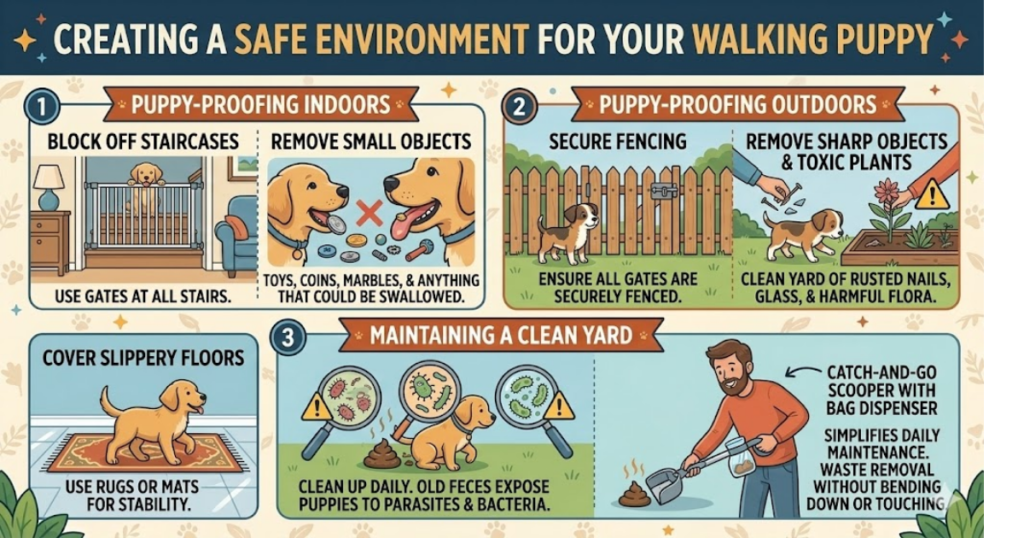
Once your puppy is mobile, puppy-proofing your home and yard becomes a priority. Indoors, block off staircases and remove small objects that could be swallowed. Cover slippery floors with rugs or mats so your puppy can walk without sliding.
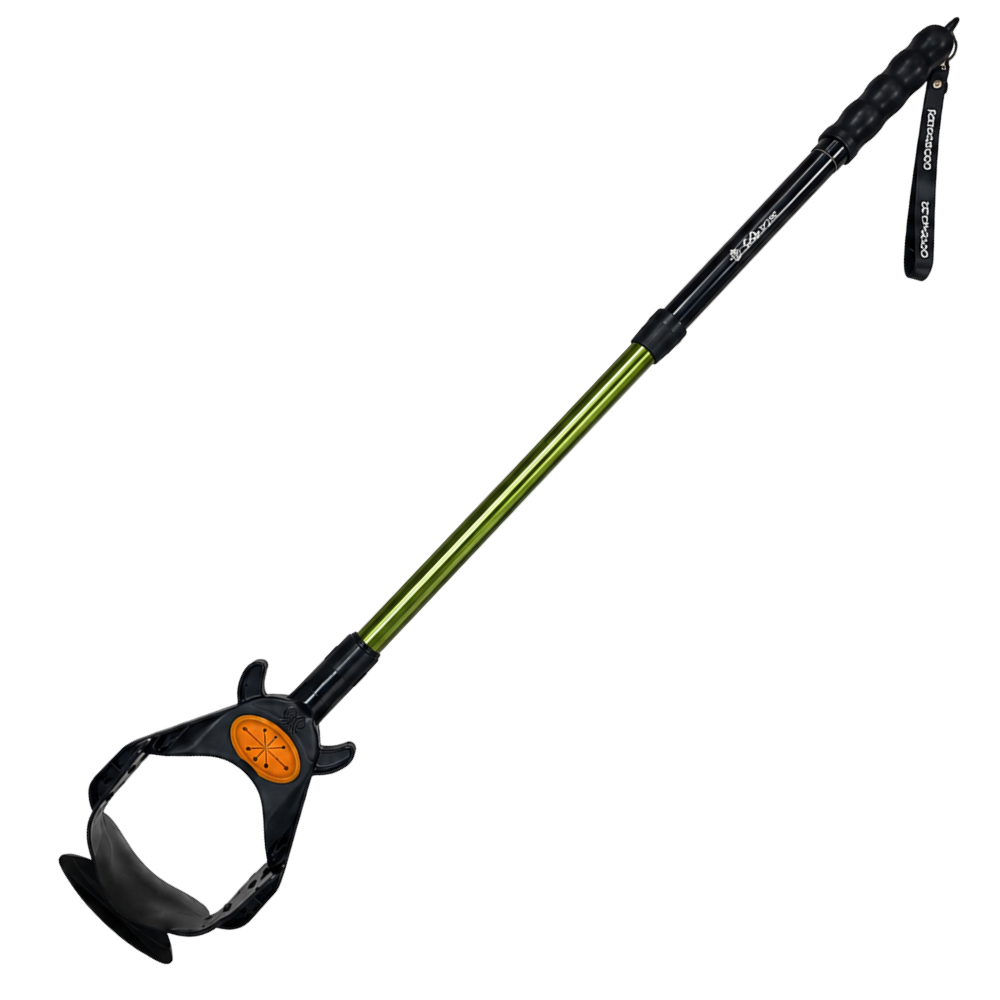
Outdoors, make sure your yard is securely fenced. Remove sharp objects, toxic plants, and anything your puppy might chew on. Keeping the yard clean of dog waste is just as important for your pup’s health — standing or stepping in old feces can expose them to parasites and bacteria. A catch-and-go scooper with a bag dispenser simplifies daily yard maintenance and helps you stay on top of waste removal without bending down or touching anything.
Puppies typically start walking between two and four weeks of age, and by the time you bring one home at eight to twelve weeks, they’ll already be confidently on their feet. From there, your role as a pet parent is to support their growth with proper nutrition, gentle exercise, timely vaccinations, and a safe environment.
Those first outdoor walks are a milestone you’ll both remember. With the right tools — a sturdy leash, tasty treats, and a reliable poop scooper — every walk can be a clean, stress-free, and enjoyable outing. Keep things positive, let your puppy set the pace, and enjoy watching them grow into a happy, active companion.

Alec Beaton is the Founder & Inventor of Pooch Approved Products and GoGo Stik®. Inspired by real-life pet parenting, he turns everyday cleanup challenges into simple, innovative solutions that make life better for pets and their people.
Is dog poop dangerous to humans? It can carry parasites and bacteria. The 6 real risks, who is most at risk, and the routine that stops them.
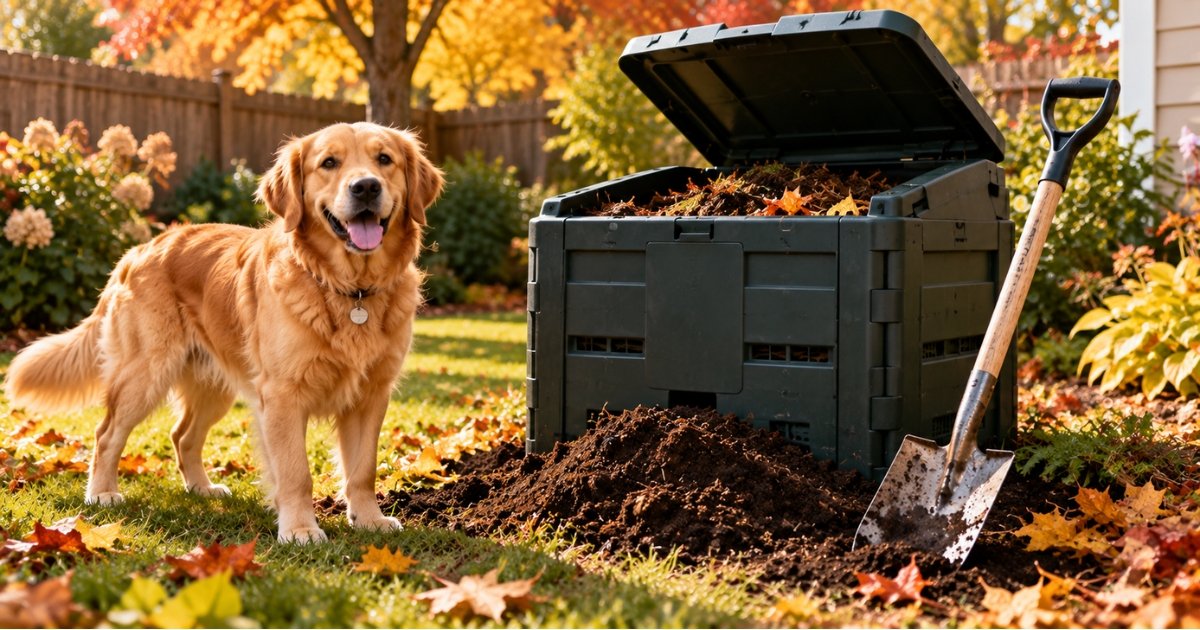
A dog poop composter turns waste into soil drainage instead of landfill. Learn siting rules, enzyme starters, DIY builds, winter fixes and safety limits.
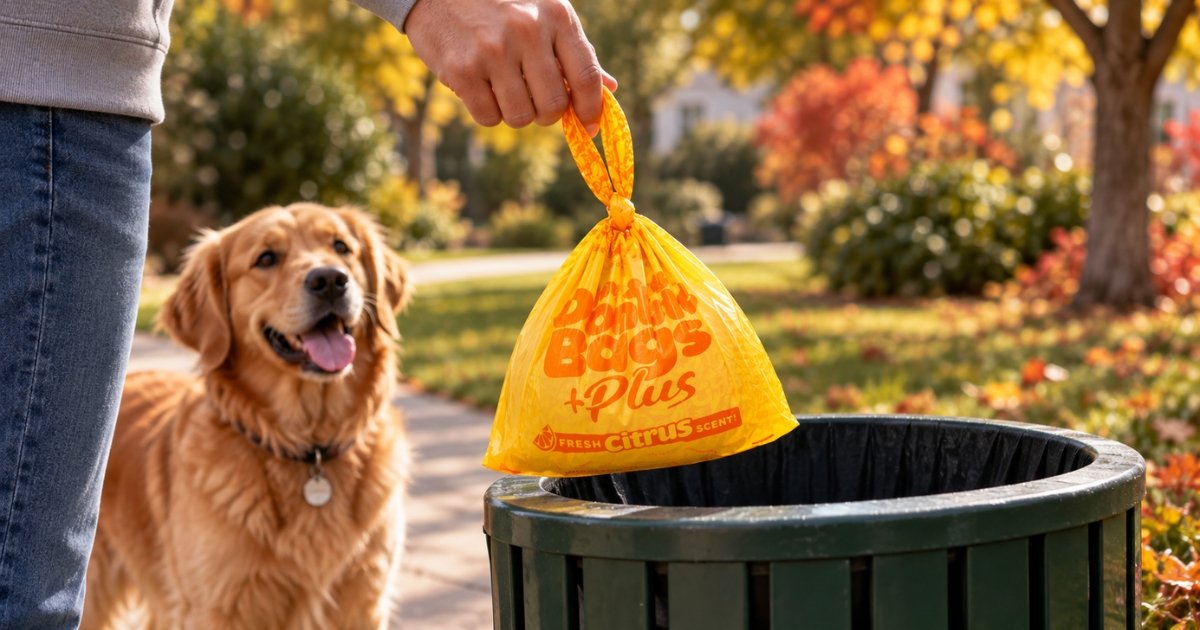
Learn how to dispose of dog poop safely: bagging and binning, flushing, composting, digesters and no-bin walks. What is safe, what is not, and why.