
Pooper Scoopers
Dog Poop Vacuum: Worth It? 7 Real Questions to Ask
Can a dog poop vacuum really clean your yard? Here is how suction, powered scoopers and yard robots work, what they struggle with, and what to buy.
 Skip to content
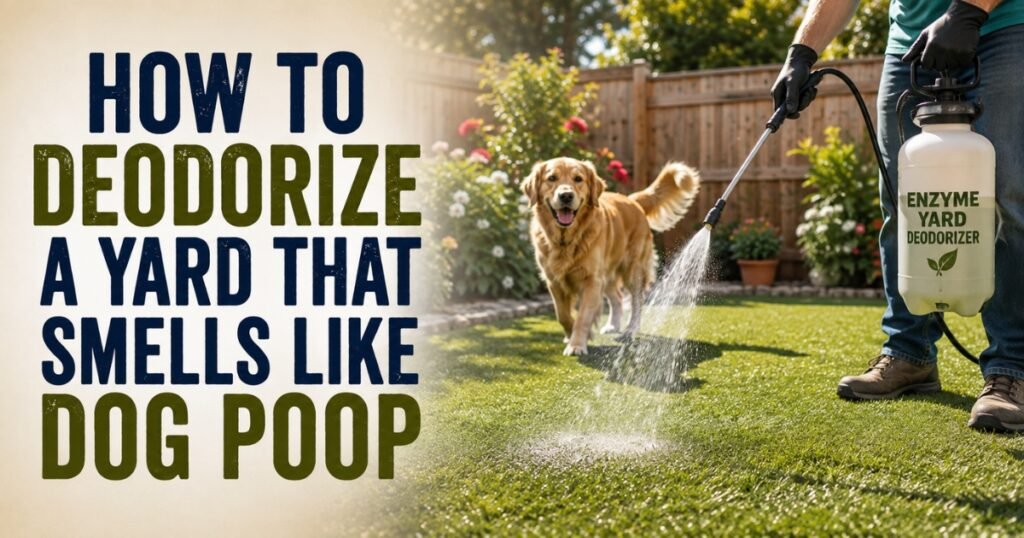
There’s nothing worse than stepping outside on a warm afternoon only to be greeted by that unmistakable funk. If your yard smells like dog poop even after you’ve picked up the obvious messes, you’re not imagining it — odor molecules cling to grass, soil, and the air long after the waste is gone. The good news? A smelly yard is completely fixable. In this guide, we’ll walk through why the odor lingers and share seven practical, pet-safe ways to deodorize your lawn and keep it fresh all season long.
Odor doesn’t just come from visible piles. When waste breaks down, it releases ammonia and sulfur compounds that soak into the soil and coat blades of grass. Miss a spot or two over a few weeks, and those compounds build up fast.
Here are the most common culprits behind a lingering smell:
Understanding the source matters, because deodorizing the surface won’t help much if waste is still accumulating underneath.
No spray or deodorizer will work if the source is still there. Start with a thorough, top-to-bottom pickup — including the small, dried, easy-to-miss pieces along fence lines and under bushes.
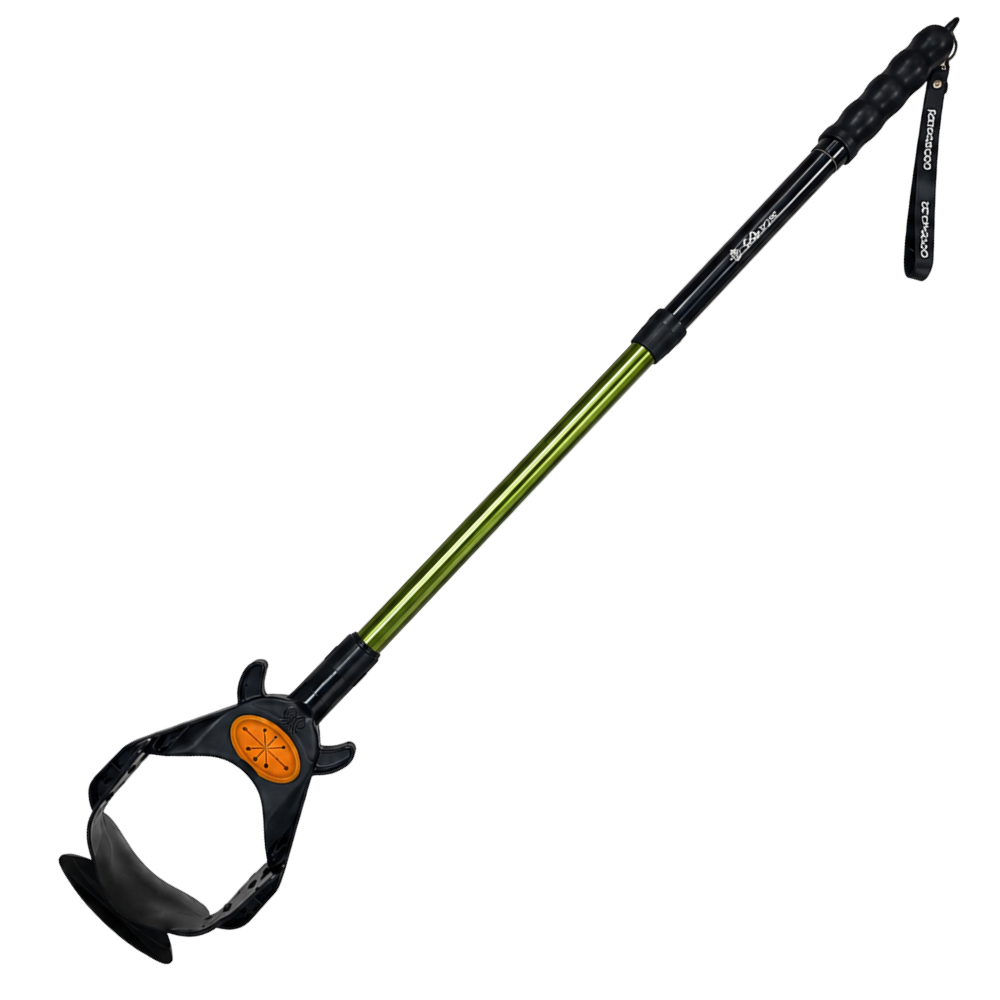
A no-touch XP Pro pooper scooper with a bag holder makes this far less miserable — you scoop, bag, and toss without bending, gagging, or touching anything. For large yards or multiple dogs, a scooper and rake-spade set helps you dig out waste that’s settled into thick grass.
Consistency is the real secret to an odor-free lawn. Aim to clear waste every one to two days. The less time it spends breaking down in the soil, the less smell it leaves behind.
Once the yard is clear, give high-traffic potty zones a deep rinse with a garden hose. Water dilutes the nitrogen and sulfur compounds soaked into the soil and pushes them below the surface where they break down naturally.
For stubborn spots, let the hose run for a few minutes to genuinely flush the ground rather than just wetting the grass. Do this in the cool of the morning or evening to avoid scorching your lawn.
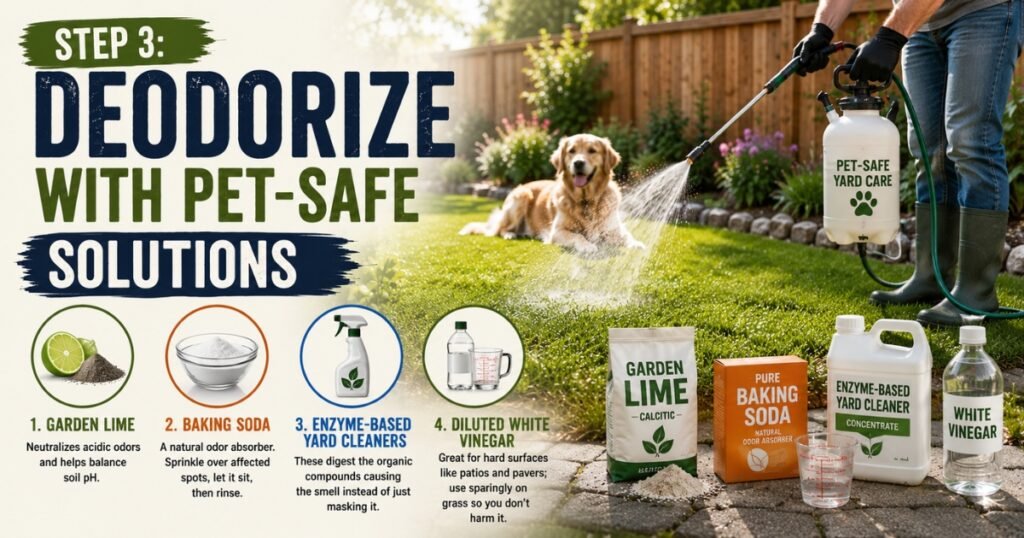
After rinsing, treat the smelly areas. You have several safe, effective options — from pantry staples to purpose-built products.
Always follow label directions and keep pets off treated areas until everything has dried and settled.
Skip bleach, strong disinfectants, and heavily perfumed chemicals. They can burn grass, harm your dog’s paws, and contaminate soil. Pet-safe and lawn-safe should always be your rule.
A yard that stays wet holds odor. If certain areas smell worse, they’re often the poorest-draining spots. Aerate compacted soil once or twice a year to let gases escape and water move through freely. Trimming back overgrown shrubs also improves airflow so smells don’t pool.
Overseeding thin, bare patches helps too — healthy, dense grass absorbs and filters odor far better than dirt and dead spots.
One of the smartest long-term fixes is training your dog to use a single area. A gravel, mulch, or pea-stone potty spot is easy to rinse, drains quickly, and keeps odor contained instead of spread across your whole lawn.
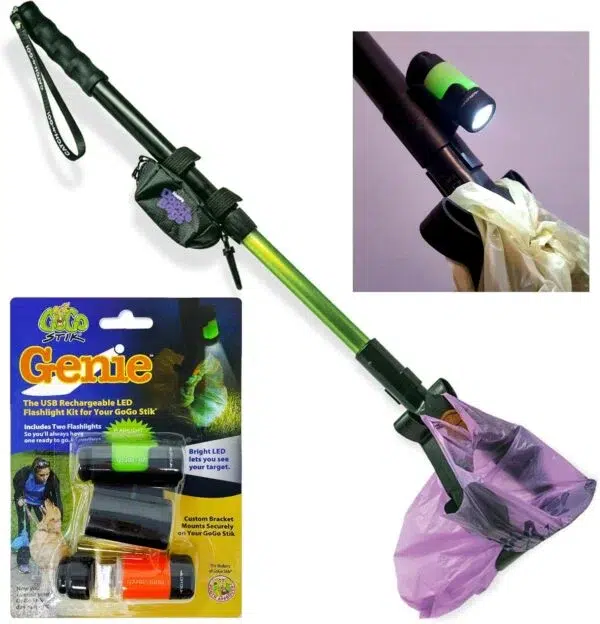
Concentrating cleanup to one zone also makes daily scooping faster. Keep a Catch-N-Go catcher-scooper by the back door, and nighttime pickups become a 30-second job — the included LED flashlight kit means you’ll never miss a spot after dark.
Deodorizing works best as a habit, not a one-time rescue mission. When cleanup is quick and hands-free, you’re far more likely to keep up with it — which is exactly what prevents the smell from returning.
Browse the full lineup of no-touch scoopers, rakes, and heavy-duty yard cleanup tools to find the right fit for your dog and lawn. According to the U.S. Environmental Protection Agency, promptly removing pet waste also protects local waterways from harmful bacteria and excess nutrients — so a fresher yard is a healthier one, too.
Rain reactivates odor compounds trapped in the soil and grass. Moisture releases ammonia and sulfur gases that were dormant when dry, and humid air makes them more noticeable. Consistent scooping and better drainage are the best defenses.
Remove all waste, rinse the affected areas thoroughly with a hose, then apply a pet-safe deodorizer like garden lime or an enzyme cleaner. You’ll usually notice a big improvement within a day, especially once the ground dries.
Standard garden (calcitic or dolomitic) lime is generally pet-safe once watered in and dry. Avoid caustic or “hydrated” lime, which can irritate paws and skin. Always keep dogs off the area until it has fully settled.
For most households, scooping every one to two days keeps odor from building up. Multiple dogs or hot, humid climates may call for daily cleanup. The more consistent you are, the less deodorizing you’ll ever need to do.
A yard that smells like dog poop is really just a sign that waste is breaking down faster than it’s being removed. Stay ahead of it with regular pickup, smart deodorizing, and better drainage, and that fresh-lawn feeling comes right back. Ready to make cleanup effortless? Explore the patented no-touch scoopers and yard tools at the GoGo Stik shop and take back your backyard today.
Alec Beaton is the Founder & Inventor of Pooch Approved Products and GoGo Stik®. Inspired by real-life pet parenting, he turns everyday cleanup challenges into simple, innovative solutions that make life better for pets and their people.
Can a dog poop vacuum really clean your yard? Here is how suction, powered scoopers and yard robots work, what they struggle with, and what to buy.
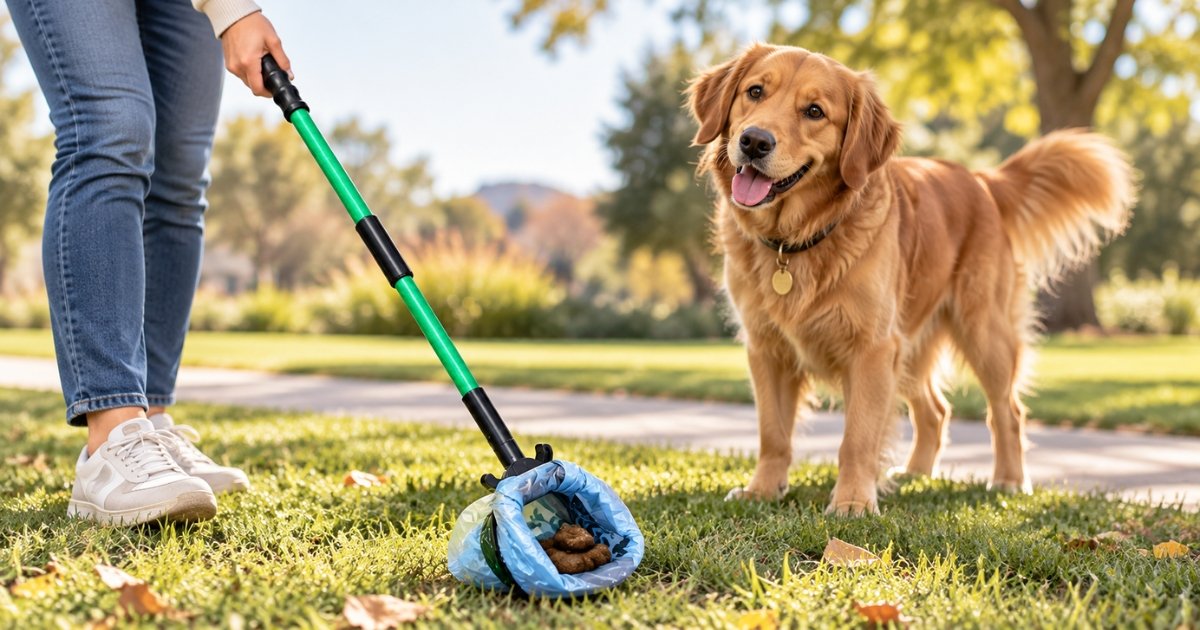
A claw pooper scooper is cheap and one-handed, but it fails on soft stool and gravel. Here are 5 checks before you buy, plus a cleaner alternative.
How long can a dog go without pooping? Learn normal timeframes, warning signs of constipation, and when to call the vet. Clear, vet-backed answers.