

Pooper Scoopers
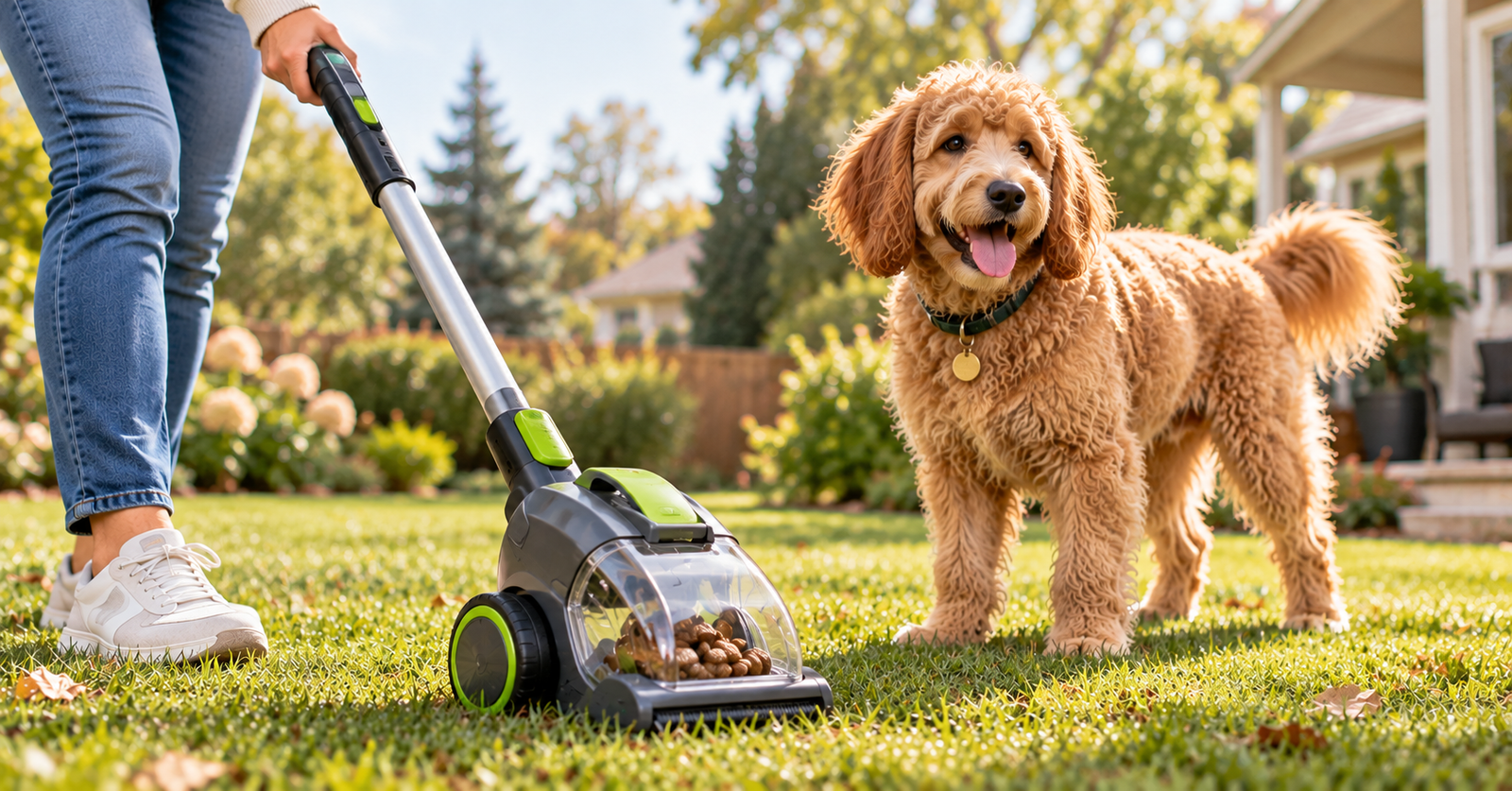
Dog Poop Vacuum: Worth It? 7 Real Questions to Ask
Can a dog poop vacuum really clean your yard? Here is how suction, powered scoopers and yard robots work, what they struggle with, and what to buy.

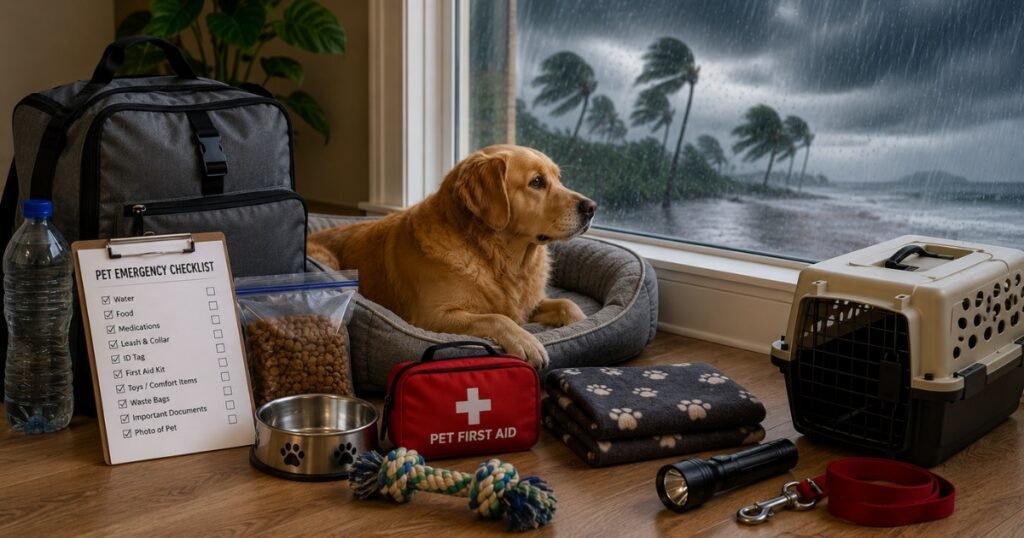
When a storm is barreling toward the coast, your to-do list explodes: board the windows, fill the tank, stock the pantry. But if you share your home with a four-legged family member, hurricane preparedness for dogs deserves its own line on that checklist — including the part nobody likes to talk about, the waste plan. Power outages, flooded yards, and closed shelters all change how (and where) your dog does their business. This friendly, practical guide walks you through everything from the go-bag to sanitation so you and your pup ride out the season calm, clean, and ready.
We’ve helped thousands of dog owners keep cleanup simple in the messiest conditions, so we know the details that actually matter when the lights go out and the ground is soaked.
Dogs read our stress. Add howling wind, dropping barometric pressure, and unfamiliar routines, and even a mellow pup can bolt, hide, or refuse to potty. According to Ready.gov, pets should be included in every family emergency plan — because leaving them behind or unprepared puts both the animal and rescuers at risk.
The reality of the 2025 storm season is simple: evacuations happen fast, and shelters that accept pets fill up faster. Planning ahead means your dog isn’t an emergency within the emergency.
Think of the go-bag as a grab-and-run kit you assemble before the forecast turns ugly. The American Veterinary Medical Association recommends at least three to seven days of supplies per pet.
Here’s the part most checklists skip. During and after a hurricane, your normal potty routine falls apart. The yard may be underwater or littered with debris and downed power lines. Standing floodwater mixes sewage, bacteria, and runoff — and dog waste left in it becomes a genuine health hazard for your family and neighbors.
A solid waste plan keeps things sanitary when you can’t just hose off the patio or run the sprinklers.
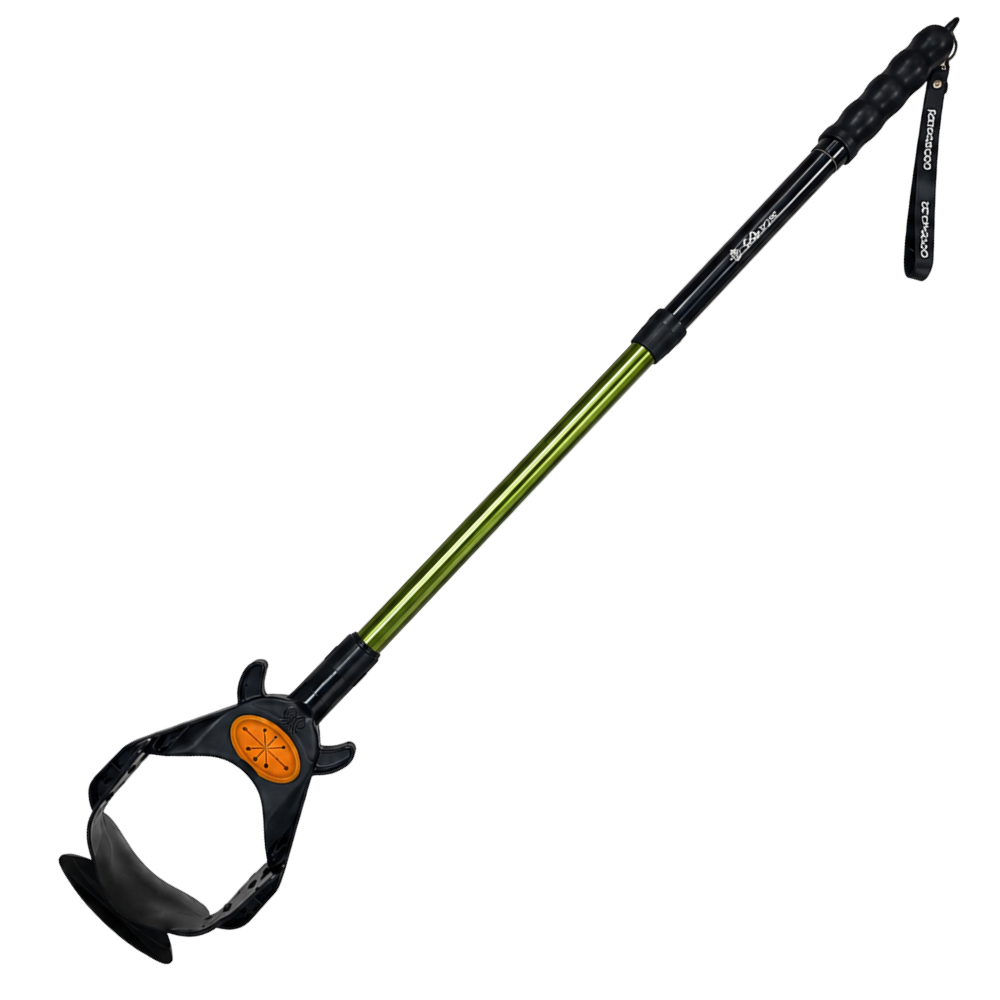
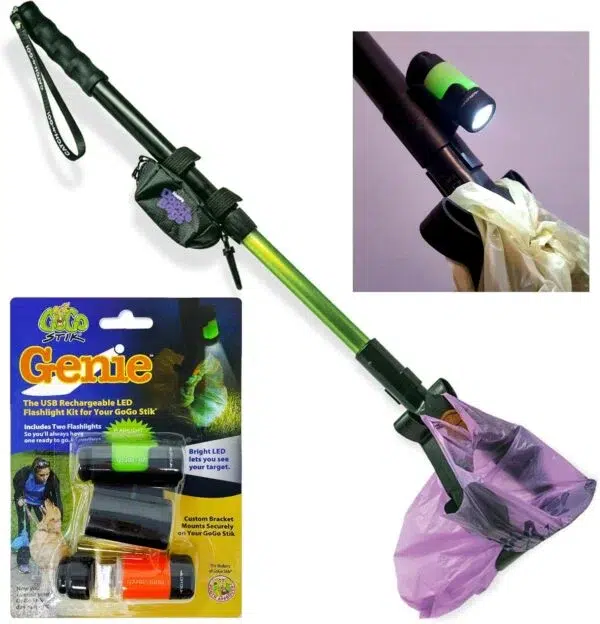
When the grid goes down, you’ll be walking your dog by flashlight. A no-touch scooper means you can bag waste one-handed in the dark without kneeling into wet grass or floodwater. Our Catch-N-Go with the rechargeable LED Genie flashlight kit was practically built for outage season — light in one hand, clean catch in the other.
Garbage collection often halts for days after a major storm. Have a plan to bag, seal, and store waste until service resumes:
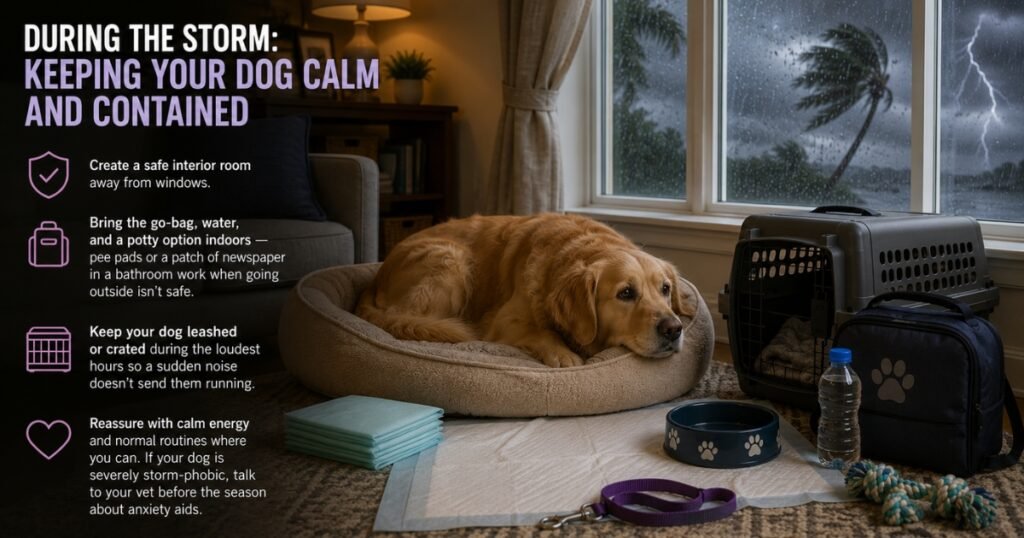
Create a safe interior room away from windows. Bring the go-bag, water, and a potty option indoors — pee pads or a patch of newspaper in a bathroom work when going outside isn’t safe. Keep your dog leashed or crated during the loudest hours so a sudden noise doesn’t send them running.
Reassure with calm energy and normal routines where you can. If your dog is severely storm-phobic, talk to your vet before the season about anxiety aids.
Once it’s safe to go out, keep your dog on-leash. Post-storm yards hide hazards — sharp debris, displaced wildlife, contaminated puddles, and washed-in waste from other properties.
At minimum: three to seven days of water and food, medications, a leash and ID, comfort items, and a full sanitation setup — poop bags, wipes, a no-touch scooper, and a sealable waste bin. Hurricane preparedness for dogs is only complete when the waste plan is covered too.
Double-bag waste in heavy-duty bags, seal it in a lidded bin, and store it above floodwater and away from wildlife until pickup resumes. Don’t flush it or leave it in standing water, where it spreads bacteria.
No. Floodwater often contains sewage, chemicals, sharp debris, and hidden electrical hazards. Keep your dog on-leash, avoid puddles, and wipe their paws and belly thoroughly afterward.
Wait until it’s safe, then leash your dog and inspect for debris and downed lines. Scoop all waste quickly with a long-handled, no-touch tool so contamination doesn’t linger in wet grass, and bag it for sealed storage.
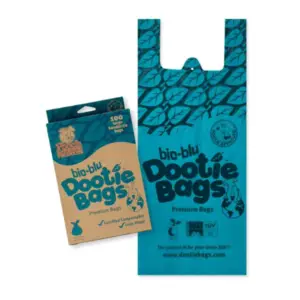
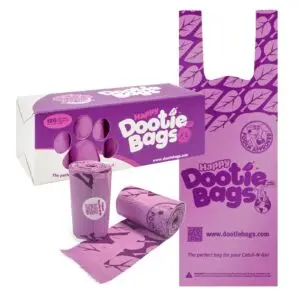
Smart hurricane preparedness for dogs blends the basics — food, water, ID, and a safe space — with a real plan for waste and sanitation when the yard floods and the trash truck stops. Prep once, stay calm every storm. Explore no-touch scoopers, heavy Dootie Bags, and cleanup kits at the GoGo Stik shop and get your storm-season sanitation sorted today.
Alec Beaton is the Founder & Inventor of Pooch Approved Products and GoGo Stik®. Inspired by real-life pet parenting, he turns everyday cleanup challenges into simple, innovative solutions that make life better for pets and their people.
Can a dog poop vacuum really clean your yard? Here is how suction, powered scoopers and yard robots work, what they struggle with, and what to buy.
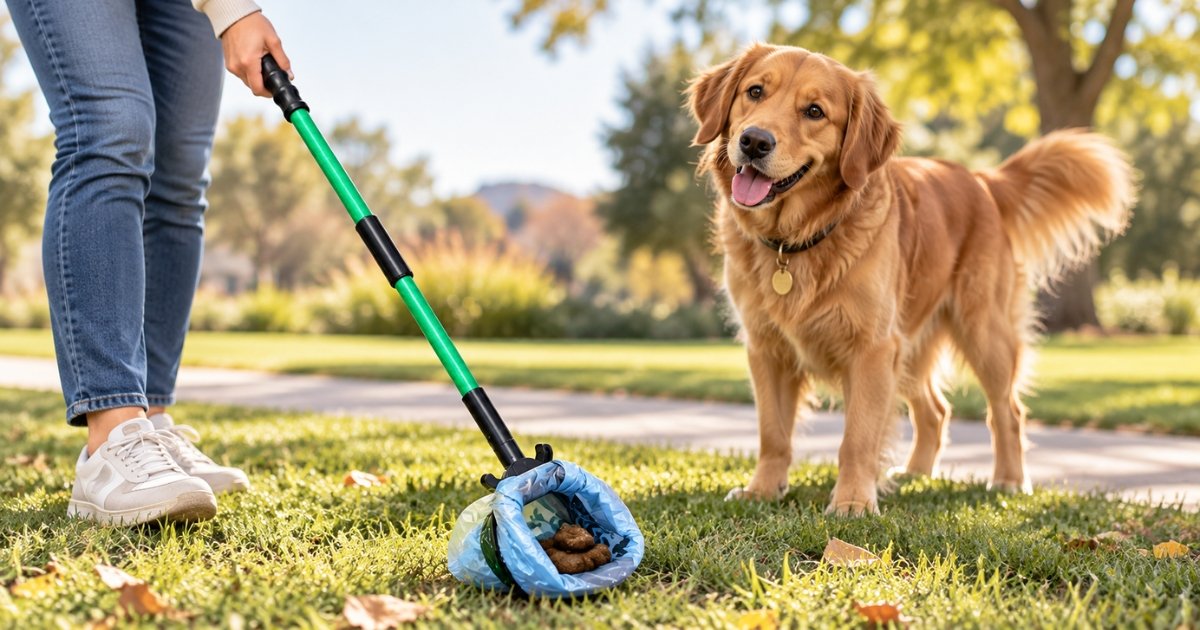
A claw pooper scooper is cheap and one-handed, but it fails on soft stool and gravel. Here are 5 checks before you buy, plus a cleaner alternative.
How long can a dog go without pooping? Learn normal timeframes, warning signs of constipation, and when to call the vet. Clear, vet-backed answers.