Dog Life & Training
Dog Won’t Poop in Snow? 6 Easy Fixes
Dog won’t poop in snow? Learn why cold, salt and buried scent stop them, how to clear a potty patch, and when holding it means a vet visit.
 Skip to content
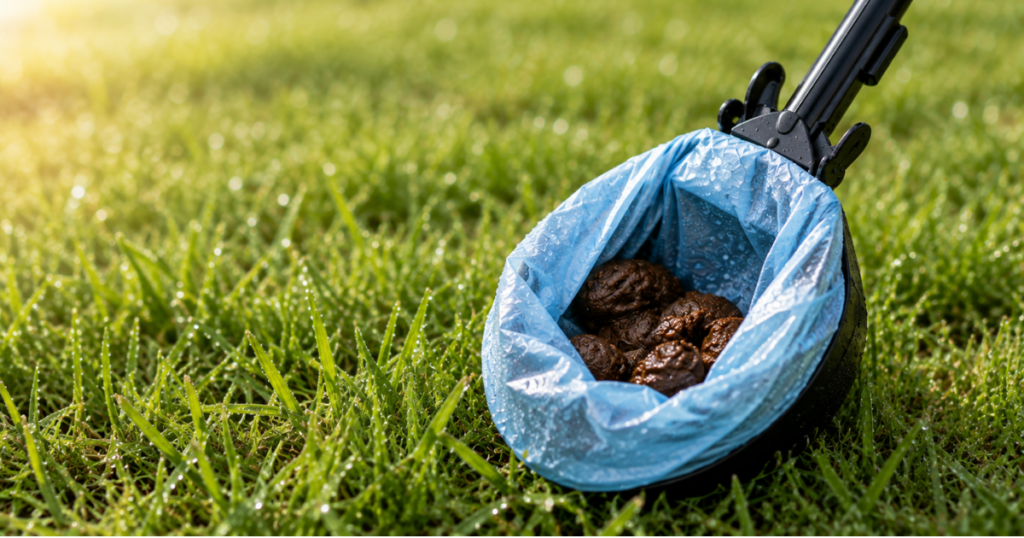
Rain turns the simplest chore into a soggy nightmare. If you’ve ever stood in a drizzly yard wondering how to pick up soft dog poop that’s half-melted into wet grass, you’re not alone. Loose stools, slick blades, and low light make cleanup frustrating — and a flimsy bag-over-the-hand method only smears things worse. The good news: with the right technique and one or two smart tools, rainy-day pickup becomes fast, clean, and completely touch-free.
Below, we’ll walk through why wet weather makes soft poop harder to grab, the exact method our team uses, and the gear that keeps your hands (and shoes) out of the mess.
| Product | Price | |
|---|---|---|
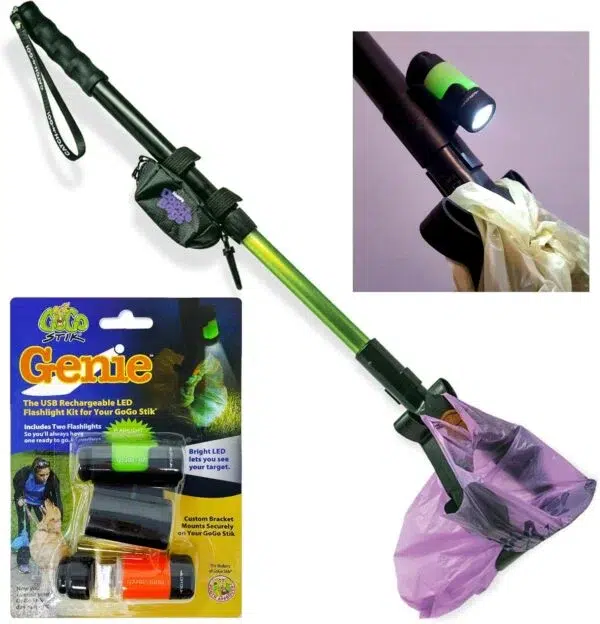
| Catch-N-Go! Catcher-Scooper and Genie Rechargeable LED Flashlight Kit | $10.99 | Order Now → |
Soft or loose stool has little structure to begin with. Add rain and it flattens, spreads, and clings to grass blades instead of sitting on top of them. Standard plastic bags just push the mess sideways, and paper towels disintegrate on contact.
Wet grass also hides waste. Between the color camouflage and fading daylight, it’s easy to miss a spot — or step in one. That combination of poor visibility and poor consistency is exactly why a grabbing tool beats a bag on rainy days.
Occasional loose poop after a diet change or a rainy walk is normal. But persistent soft or watery stool can signal parasites, food sensitivity, or illness. The American Veterinary Medical Association recommends checking with your vet if diarrhea lasts more than a day or two, especially with lethargy or appetite loss.
Here’s the step-by-step method we recommend for wet-grass cleanup. It works whether you use a scooper or a bag, though a no-touch catcher makes every step easier.
The key insight from years of testing: scoop a little grass with it. That thin cushion of turf gives soft poop the structure it’s missing, so it lifts in one clean motion instead of spreading.
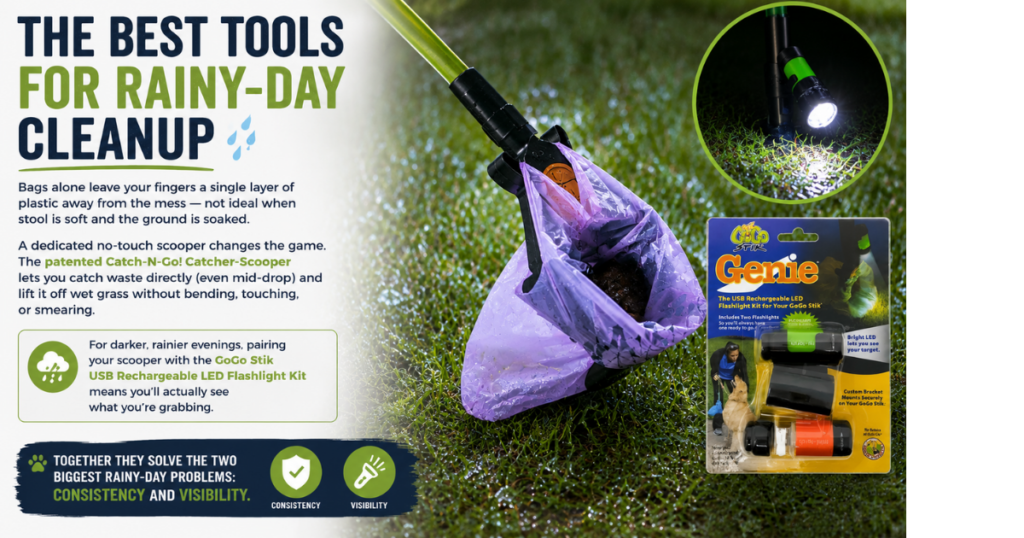
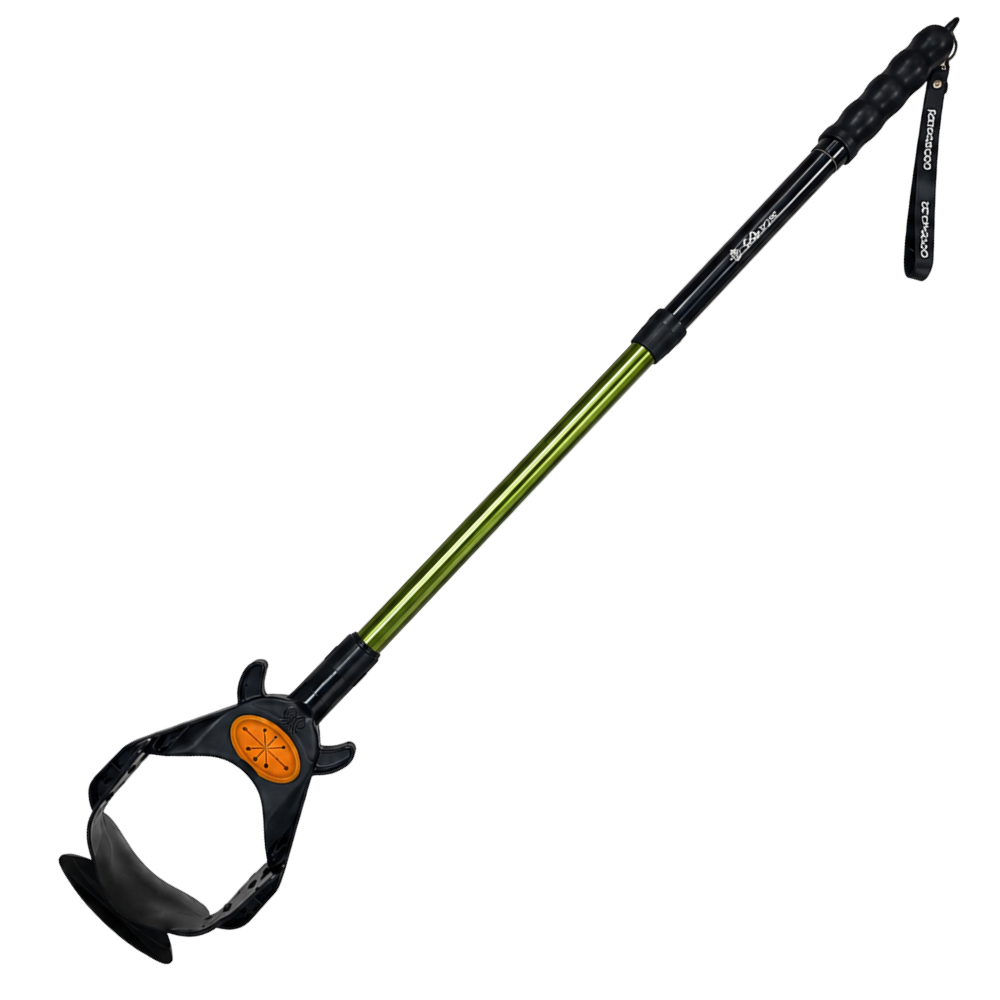
Bags alone leave your fingers a single layer of plastic away from the mess — not ideal when stool is soft and the ground is soaked. A dedicated no-touch scooper changes the game. The patented Catch-N-Go! Catcher-Scooper lets you catch waste directly (even mid-drop) and lift it off wet grass without bending, touching, or smearing.
For darker, rainier evenings, pairing your scooper with the Genie Rechargeable LED Flashlight Kit means you’ll actually see what you’re grabbing. Together they solve the two biggest rainy-day problems: consistency and visibility.
Both get the job done, but they aren’t equal when the grass is wet and the stool is soft. Here’s how they compare on the factors that matter most on a rainy day.
For occasional dry-day duty, a bag is fine. For rainy weeks, soft-stool phases, or anyone with back or knee strain, a no-touch scooper is the clear upgrade. Browse the full lineup on our shop page to match a tool to your yard.
Slide your scooper (or bagged hand) under the mess along the ground and lift a thin layer of grass with it. That grass gives the runny stool structure so it holds together instead of spreading. A wide no-touch catcher like the Catch-N-Go handles loose waste far better than a bag alone.
Yes. Rain flattens soft stool and makes it cling to grass blades, while low light hides it. A grabbing motion from the side, paired with a flashlight, is far more effective than pressing a bag down from the top.
Absolutely. Rain washes bacteria and parasites from waste into soil and storm drains, so prompt cleanup protects your yard and local waterways. It only takes a minute with the right tool.
Use a rechargeable LED flashlight to confirm the location and consistency before you scoop. Our Genie Flashlight Kit pairs perfectly with a scooper so you can clean up confidently on gloomy evenings.
Knowing how to pick up soft dog poop in wet grass comes down to two things: scoop from the side with a little grass, and see clearly before you grab. Add a no-touch scooper and a bright flashlight, and even the messiest rainy walk ends with clean hands and a clean yard. Ready to gear up? Explore the GoGo Stik collection and grab the Catch-N-Go and Genie Flashlight Kit today.
Alec Beaton is the Founder & Inventor of Pooch Approved Products and GoGo Stik®. Inspired by real-life pet parenting, he turns everyday cleanup challenges into simple, innovative solutions that make life better for pets and their people.
Dog won’t poop in snow? Learn why cold, salt and buried scent stop them, how to clear a potty patch, and when holding it means a vet visit.
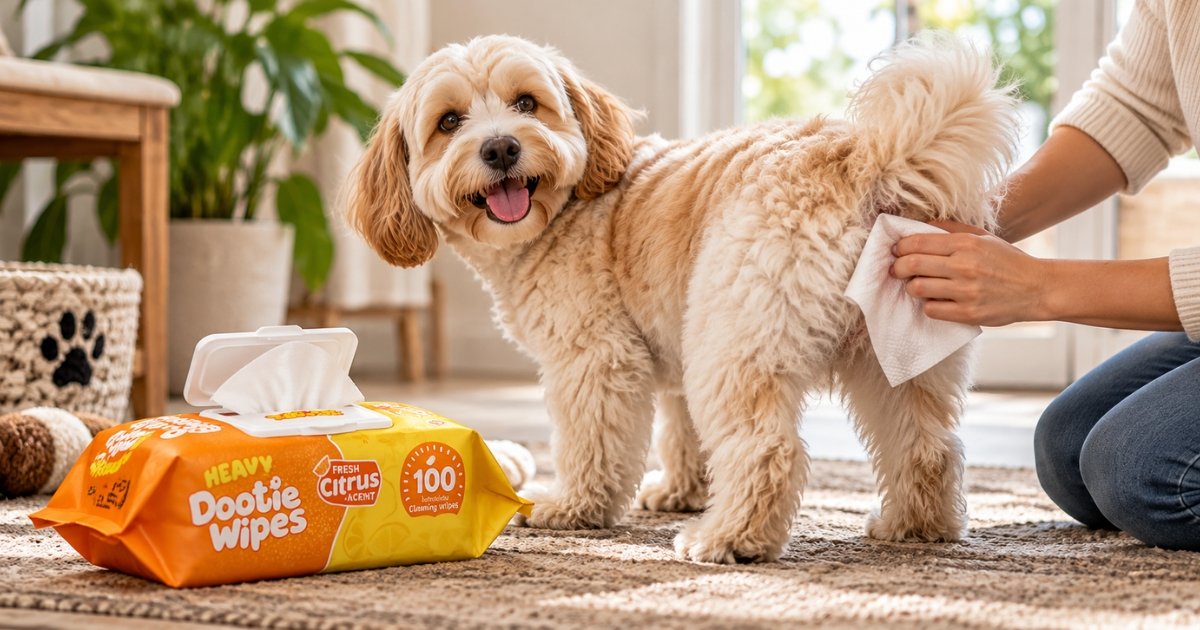
Dog butt wipes buyer’s guide: when your dog needs one, the 6 specs that matter, why baby wipes fail, and the signs that mean a vet visit, not more wiping.
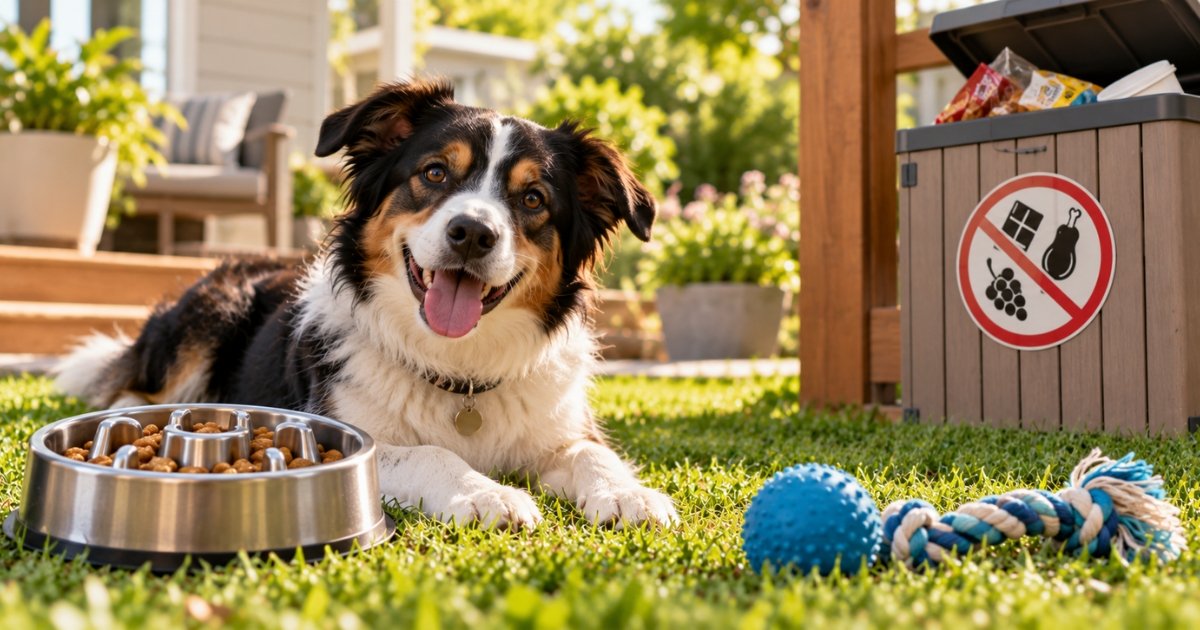
Dog upset stomach? Use this vet-informed home-care checklist to soothe nausea, spot red flags, and know exactly when to call the clinic.