
General
How to Get Dog Poop Off Shoes (Fast, No Gagging)
Learn how to get dog poop off shoes fast without gagging. Step-by-step cleaning for treads, suede & canvas, plus odor-killing tips that actually work.

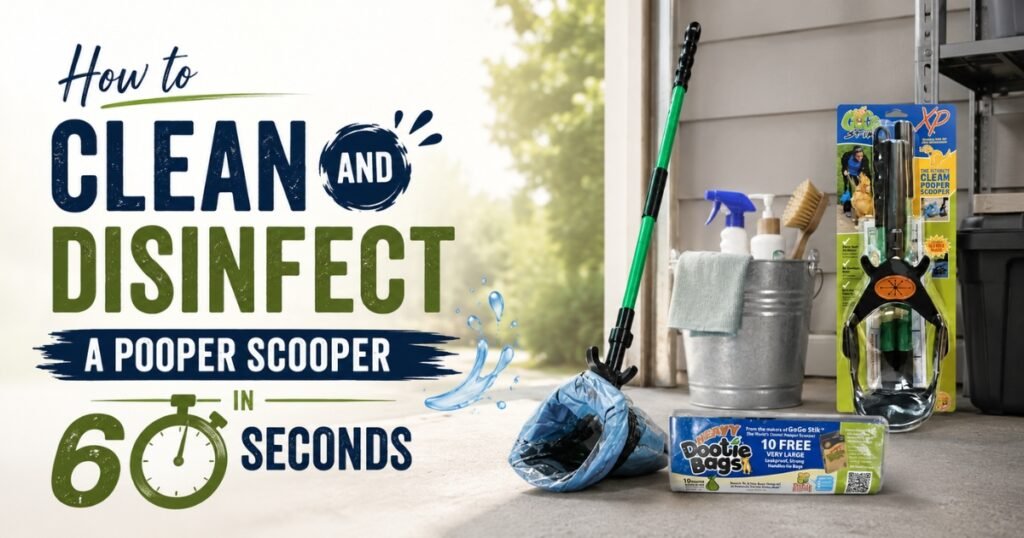
A dirty scooper is a health hazard hiding in plain sight: dog waste carries E. coli, salmonella, giardia, roundworm eggs, and, in unvaccinated areas, parvovirus, which can survive on surfaces for months. The good news: once you know how to clean a pooper scooper properly, the daily version takes 60 seconds flat, and the weekly deep clean takes five minutes. Here’s the routine, the right disinfectant dilutions, and the design trick that lets some owners skip almost all of it.
This is why knowing how to clean a pooper scooper properly matters more than it sounds. The American Veterinary Medical Association highlights that several common parasites pass through pet waste, which means a tool that touches waste and then sits in your garage is worth taking seriously.
Every jaw, tray, and spade scooper touches waste directly, and residue transfers to wherever you store it, garage floors, porch corners, shed walls. Flies find it within minutes; kids and other pets find it eventually. If your dog’s stool ever looks off while you’re cleaning, our guide to what poop color says about your dog’s health covers when to call the vet, and why prompt pickup matters in the first place.
| Disinfectant | Mix | Kills parvo? | Notes |
|---|---|---|---|
| Household bleach | 1:32 (½ cup per gallon) | ✓ Yes (10 min wet) | Cheapest and most effective; mix fresh, don’t store |
| Accelerated hydrogen peroxide (e.g. Rescue™) | Per label | ✓ Yes | What shelters use; gentler on metal parts |
| White vinegar | Undiluted | ✗ No | Deodorizes only, fine between deep cleans, not a disinfectant |
| Dish soap | Squirt in water | ✗ No | Removes residue so disinfectant can work, step 1, not the finish |
Safety notes: never mix bleach with vinegar or ammonia (toxic gas), keep dogs off treated surfaces until dry, and rinse metal parts after bleach to prevent corrosion.
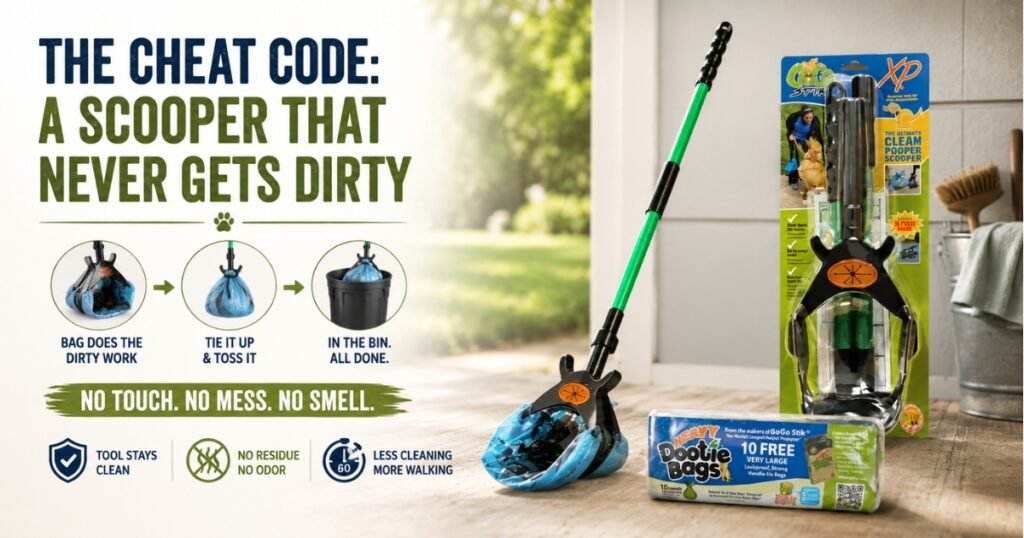
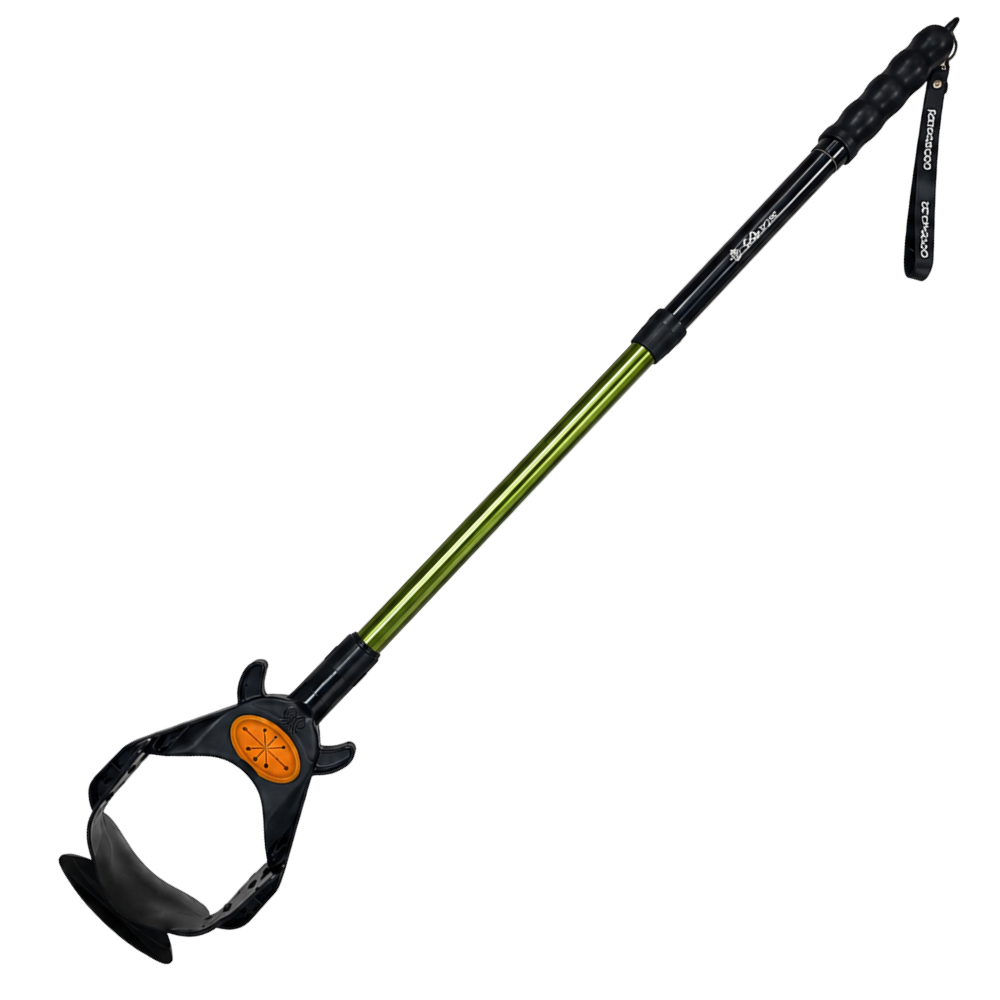
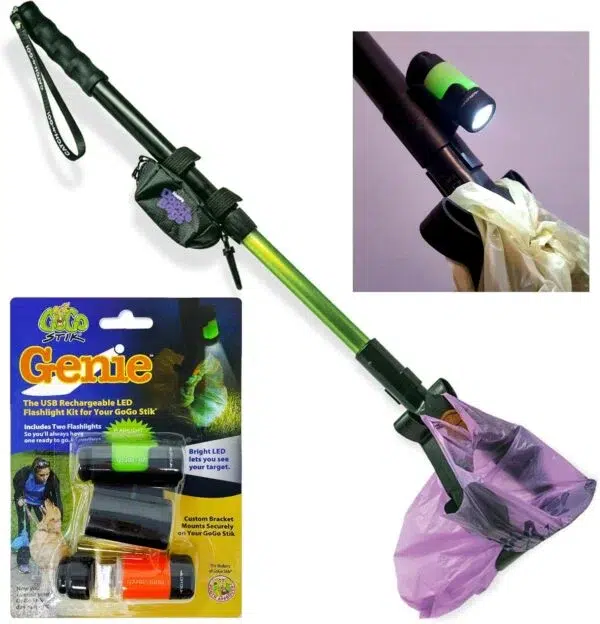
Here’s the part most cleaning guides won’t tell you: this entire routine exists because traditional scoopers touch the waste. No-touch bag scoopers don’t. On a GoGo Stik®, the disposable bag is the scooping surface, waste goes in the bag, the bag goes in the bin, and the tool underneath stays clean walk after walk. Owners typically hose theirs occasionally and disinfect almost never, because there’s no contact to disinfect. That’s the design logic in one sentence, and a big reason it tops our large-dog scooper rankings.
| Product | Why it stays clean | Price | |
|---|---|---|---|
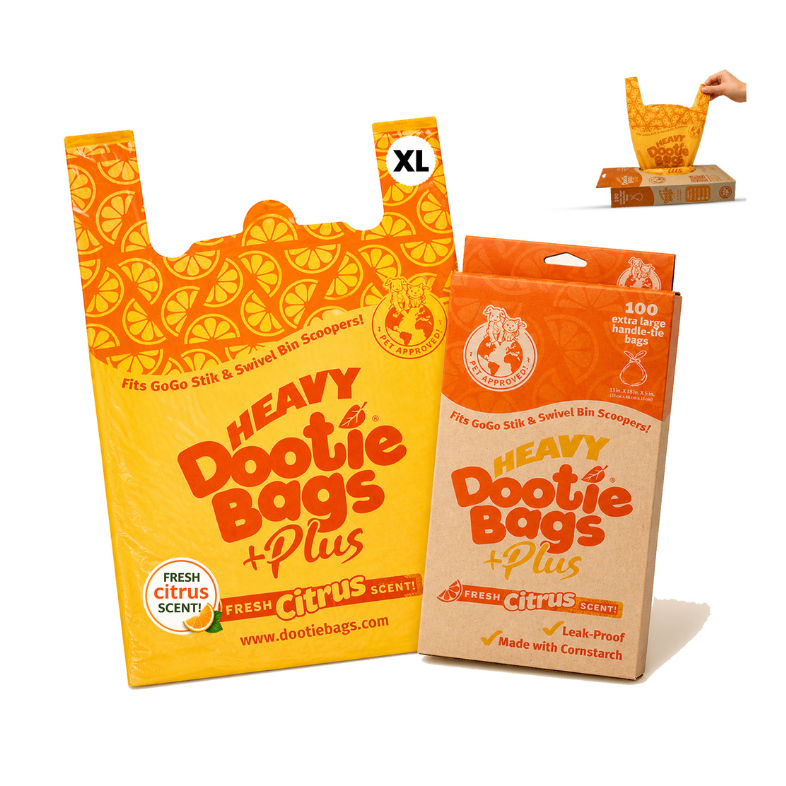
| XP Pro Pooper Scooper 37″ + 100 Heavy Dootie Bags | Bag-as-scooper design, the tool never touches waste | $22.95 |
Order Now → |
| The Original HEAVY Dootie Bags (very large, leakproof) | The strong barrier that makes no-touch possible | $16.95 |
Order Now → |
| Heavy Dootie Pet Wipes (bamboo, citrus) | For hands and handles after any cleanup session | $8.99 |
Order Now → |
Prices shown at time of writing; current promotions apply automatically at checkout.
Hang the scooper off the ground near your waste station, out of sun (UV embrittles plastics) and away from where dogs sniff. If your bin situation is part of the smell problem, see where to put dog poop bags at home and the wider dog poop management guide.
Traditional jaw/tray scoopers: quick rinse-and-spray after every use, deep clean weekly. No-touch bag scoopers: an occasional rinse is genuinely all they need.
Water removes visible debris but kills nothing. Follow the rinse with a proper disinfectant, 1:32 bleach or an accelerated hydrogen peroxide product, and give it contact time.
1:32 bleach with 10 minutes of wet contact, or an AHP disinfectant per label. Vinegar and soap do not kill parvovirus.
Residue is packed into hinges, jaw teeth, or tray seams, deep-clean with a brush, or switch to a design where waste only ever touches a disposable bag: our scooper buying guide compares them all.
Rinse, spray, wait, hang, 60 seconds daily, five minutes weekly, bleach for the serious germs. Or skip nearly all of it with a no-touch scooper where the bag does the dirty work. Either way, a clean tool makes the least-loved dog chore genuinely painless, and if bending is the other half of your problem, read how to pick up dog poop without bending over next.
Alec Beaton is the Founder & Inventor of Pooch Approved Products and GoGo Stik®. Inspired by real-life pet parenting, he turns everyday cleanup challenges into simple, innovative solutions that make life better for pets and their people.
Learn how to get dog poop off shoes fast without gagging. Step-by-step cleaning for treads, suede & canvas, plus odor-killing tips that actually work.
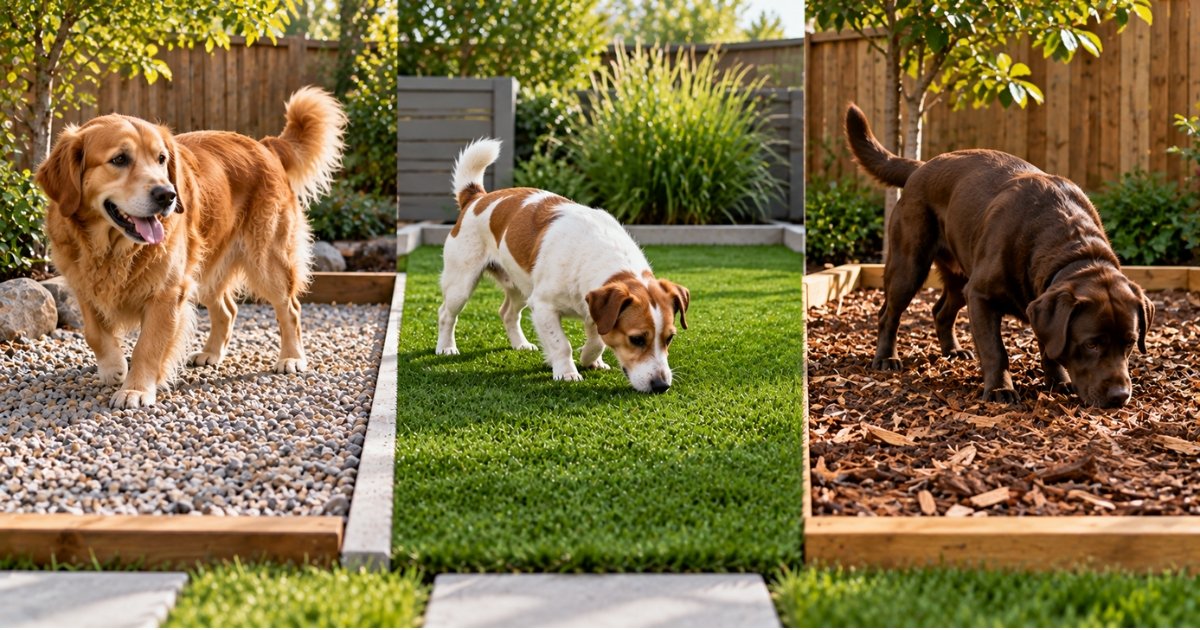
Compare the best dog potty area ideas—pea gravel, artificial turf, and mulch—for drainage, cleanup, and cost. Find the right pick for your yard in 2026.
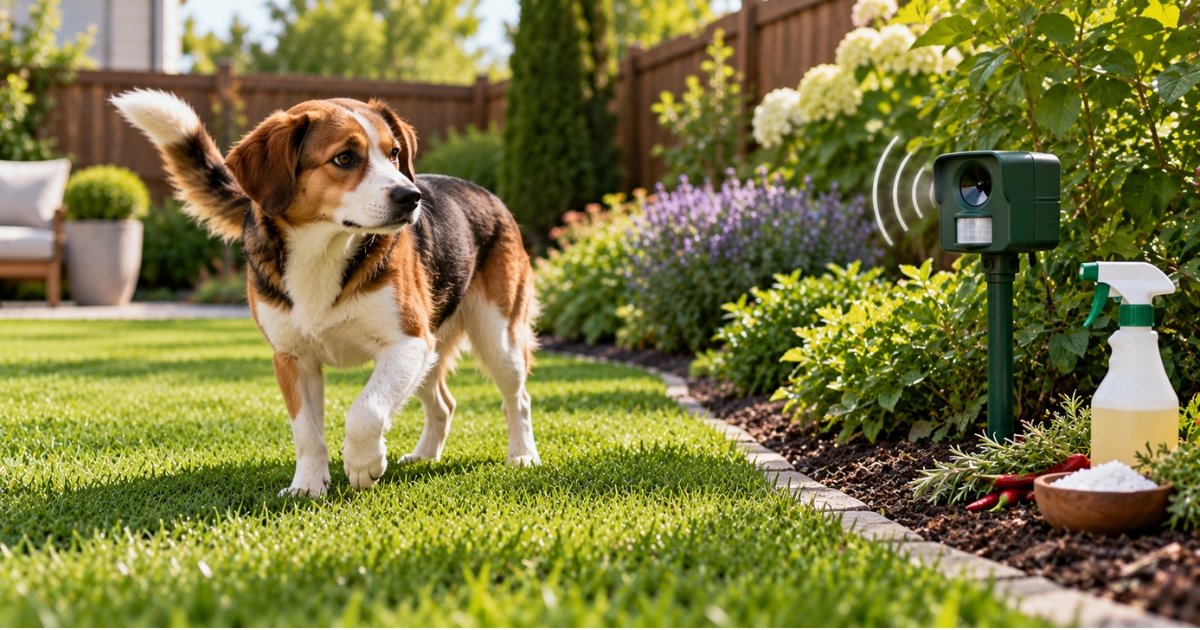
Looking for a dog repellent for lawn that’s safe and effective? See what actually works, what’s cruel to avoid, and humane fixes that keep grass green.