Home/Blogs/How to Calm an Anxious Dog: Expert Tips for a Relaxed, Happy Pup
How to Calm an Anxious Dog: Expert Tips for a Relaxed, Happy Pup
Dog anxiety is more common than most pet owners realize. Your furry friend might pace nervously, bark excessively, or hide when stressed. Recognizing these signs early helps you address the root cause before the behavior worsens.
Understanding Why Dogs Feel Anxious
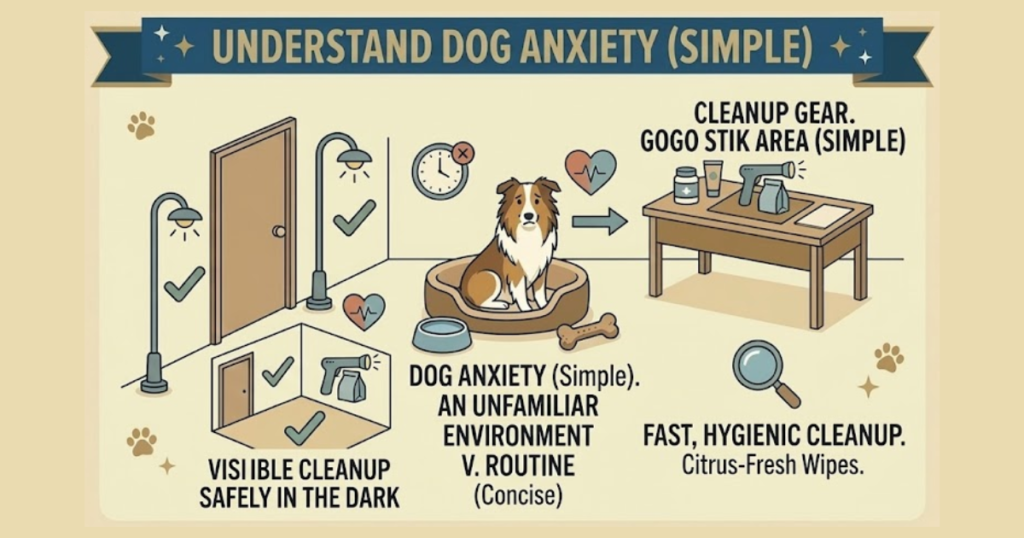
Dogs experience anxiety for various reasons. Loud noises like thunderstorms or fireworks often trigger fear responses. Separation from their favorite humans creates distress, especially in dogs who struggle with being alone. Changes in routine, unfamiliar environments, or past trauma can also spark anxious behaviors.
Some breeds are naturally more prone to nervousness. However, any dog can develop anxiety regardless of their genetics. The key is identifying what specifically bothers your pet so you can help them feel secure again.
Common Signs Your Dog Is Stressed
Anxious dogs display telltale symptoms. They might tremble, pant heavily, or drool more than usual. Destructive chewing, constant barking, and attempts to escape are frequent indicators. Similarly, some dogs lose their appetite or experience digestive issues during stressful periods.
Body language reveals a lot too. Pinned-back ears, a tucked tail, and wide eyes signal discomfort. Your dog might also refuse to make eye contact or cower in corners. Recognizing these cues allows you to intervene before the anxiety escalates.
Create a Safe Space for Your Dog
Every anxious dog needs a designated comfort zone. Choose a quiet room or corner where your pet can retreat when overwhelmed. Add their favorite blanket, a comfortable bed, and familiar toys to make the space inviting.
Crate training works well for many dogs. The enclosed area mimics a den, providing security during stressful moments. Therefore, never use the crate as punishment—it should always represent safety and relaxation.
Physical Exercise Reduces Nervous Energy
Regular physical activity is crucial for managing canine anxiety. A tired dog is typically a calm dog. Long walks, fetch sessions, or trips to the dog park burn off excess energy that might otherwise fuel anxious behaviors.
Consequently, aim for at least 30 minutes of exercise daily, though active breeds may need more. Consistent physical activity also releases endorphins, which naturally improve your dog’s mood and reduce stress levels.
Mental Stimulation Keeps Minds Occupied
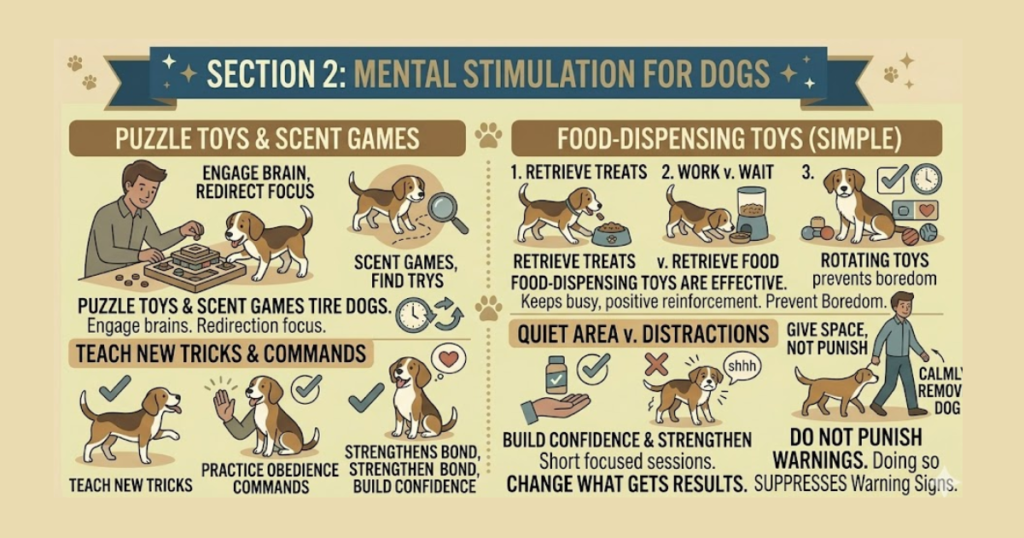
Beyond physical exercise, mental challenges tire dogs in different ways. Puzzle toys, scent games, and training sessions engage their brains and redirect focus away from anxiety triggers. Teaching new tricks or practicing obedience commands strengthens your bond while building confidence.
Food-dispensing toys are particularly effective. Your dog works to retrieve treats, which keeps them busy and provides positive reinforcement. On the other hand, rotating toys prevents boredom and maintains their interest over time.
Establish a Predictable Daily Routine
Dogs thrive on consistency. Feed your pet at the same times each day. Schedule walks, playtime, and bedtime according to a regular pattern. This predictability helps anxious dogs feel more secure because they know what to expect.
Sudden changes can heighten anxiety. If you must alter the routine, introduce modifications gradually. For instance, shift meal times by 15-minute increments over several days rather than making abrupt switches.
Use Calming Products and Supplements
Several products are designed specifically to ease dog anxiety. Anxiety wraps apply gentle, constant pressure that soothes nervous pets, similar to swaddling a baby. Pheromone diffusers release calming scents that mimic natural chemicals mother dogs produce to comfort puppies.
Natural supplements containing ingredients like chamomile, valerian root, or L-theanine may help. Always consult your veterinarian before starting any supplement regimen to ensure safety and proper dosing for your dog’s size and health status.
Practice Desensitization Techniques
Gradual exposure to anxiety triggers can reduce your dog’s fearful responses. Start by introducing the trigger at a very low intensity. For example, play recordings of thunder at barely audible volumes while your dog enjoys treats or playtime.
Slowly increase the intensity over weeks or months, always pairing the trigger with positive experiences. This process requires patience, but it effectively retrains your dog’s emotional response to previously frightening stimuli.
Counter-Conditioning Changes Emotional Responses
Counter-conditioning pairs anxiety triggers with positive outcomes. If your dog fears car rides, begin by simply sitting in the parked vehicle with treats and praise. Next, start the engine briefly without driving. Eventually, take short trips to fun destinations like parks.
The goal is changing your dog’s emotional association from “car means scary vet visit” to “car means exciting adventures.” Consistent, positive experiences gradually overwrite negative memories and reduce anxiety.
Avoid Reinforcing Fearful Behavior
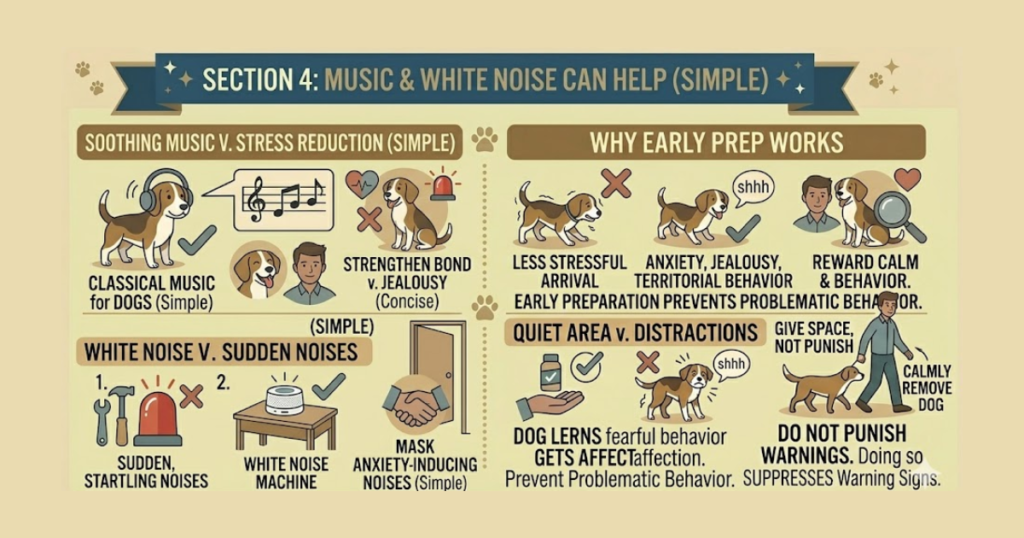
It’s natural to comfort a scared dog, but excessive coddling can accidentally reward anxious behavior. If you shower your trembling pet with attention during thunderstorms, they might learn that acting fearful gets them extra affection.
Instead, remain calm and act normally during stressful events. Offer reassurance through steady presence rather than frantic comfort. Reward calm behavior with treats and praise to reinforce the response you want to see.
Consider Professional Training or Therapy
Severe anxiety cases often benefit from professional intervention. Certified dog trainers specializing in behavioral issues can develop customized plans for your pet. They teach you techniques to manage anxiety more effectively at home.
In some instances, veterinary behaviorists might recommend anti-anxiety medication alongside training. Medication isn’t a cure-all, but it can provide relief while you implement behavioral modifications. Never medicate without veterinary guidance.
Maintain Your Own Calm Demeanor
Dogs are incredibly perceptive to human emotions. If you feel stressed or anxious, your pet picks up on those signals and may mirror your state. Staying calm during potentially triggering situations helps your dog remain composed.
Practice deep breathing and maintain relaxed body language. Your confident, peaceful energy reassures your dog that there’s no real danger. As a result, they’re more likely to stay calm themselves.
Music and White Noise Can Help
Soothing sounds mask anxiety-inducing noises like construction or fireworks. Classical music, specifically compositions designed for dogs, has been shown to reduce stress indicators. White noise machines create consistent background sound that drowns out sudden, startling noises.
Test different audio options to see what your dog responds to best. Some pets prefer gentle nature sounds, while others relax to soft instrumental music. Keep the volume moderate—too loud defeats the purpose.
Massage and Physical Touch Provide Comfort
Gentle massage relaxes tense muscles and promotes bonding. Start at your dog’s neck and work down their back using slow, circular motions. Pay attention to their response—if they lean in, they’re enjoying it; if they pull away, give them space.
Regular grooming sessions also provide calming physical contact. Brushing your dog’s coat while speaking softly can become a soothing ritual you both look forward to.
Keep Your Yard Clean and Stress-Free
A tidy outdoor space reduces potential stressors. Dogs are sensitive to smells, and accumulated waste can create an unpleasant environment. Using quality cleanup tools makes yard maintenance quick and efficient.
Clean outdoor areas give your dog a pleasant place to relax and play. This contributes to their overall well-being and reduces environmental stressors that might trigger anxious behaviors.
Monitor Progress and Adjust Strategies
Track your dog’s anxiety levels over time. Note which techniques seem most effective and which don’t produce results. Every dog is unique, so what works for one might not work for another.
Be patient—behavioral changes take time. Small improvements are still progress. If certain strategies aren’t helping after several weeks, try different approaches or seek professional advice.
When to Consult Your Veterinarian
Persistent or worsening anxiety warrants professional evaluation. Your vet can rule out underlying medical conditions that might cause or contribute to anxious behaviors. Pain, thyroid imbalances, or neurological issues sometimes manifest as anxiety symptoms.
Don’t hesitate to ask for help. Your veterinarian can provide medication options, recommend specialists, or suggest resources you haven’t tried yet. Early intervention prevents anxiety from becoming deeply ingrained.
Building Long-Term Confidence
Helping an anxious dog is a gradual process that requires consistency and compassion. By combining environmental management, behavior modification, and appropriate support, you can significantly improve your pet’s quality of life.
Your calm, patient approach teaches your dog that the world is a safe place. Over time, their confidence grows, anxious episodes become less frequent, and you both can enjoy a more peaceful, happy life together.
Most dog owners have been there — you say the word “bath,” and your dog bolts in the other direction. The dramatic whining, the scrambling paws on tile, the look of pure betrayal. But why do so many dogs act like bath time is the worst thing that ever happened
If you’ve ever been dragged down the sidewalk by your dog, you know how stressful a simple walk can become. The good news is that leash pulling is one of the most fixable dog behaviors out there. With the right approach and a bit of patience, you can turn chaotic
Bath time doesn’t have to turn into a wrestling match. If your dog flinches, squirms, or bolts the moment you reach for a wipe, you’re not alone. Many pet owners struggle with this exact problem. The good news? With a little patience and the right approach, you can train your