


General
Dog Diarrhea: Causes, Home Care & Vet Signs
Dog diarrhea got you worried? Learn the common causes, safe home care tips, and the warning signs that mean it’s time to call your vet.
 Skip to content
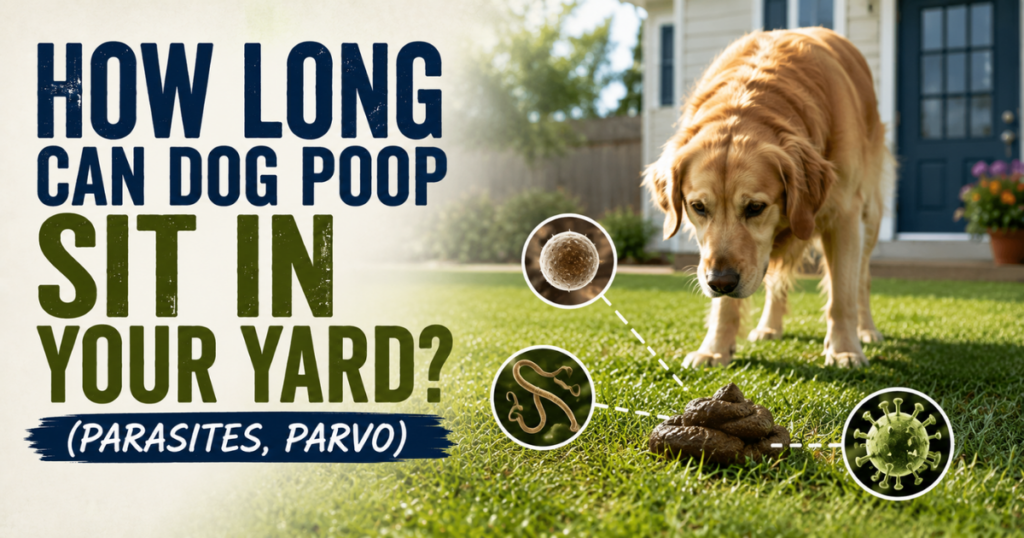
If you have ever glanced across the lawn and wondered how long can dog poop stay in yard before it becomes a real problem, the honest answer is: far less time than most dog owners think. A single pile might look harmless for days, but underneath the surface, parasites, bacteria, viruses like parvo, and swarms of flies are already going to work. In this guide we break down exactly how long dog poop can safely sit outside, what actually happens as it lingers, and how to keep your yard clean without ever touching the mess.
There is a big difference between when poop disappears and when it stops being dangerous. Dog waste does not “compost away” like a fallen leaf. Because of a dog’s protein-heavy diet, it is highly acidic and packed with pathogens that can survive in soil for a long time.
Here is a realistic timeline for a temperate climate:
The practical takeaway: aim to scoop within 24 hours. Anything longer, and you are letting a small chore turn into a lingering health risk for your family and pets.
Dog waste is a well-documented reservoir for parasites and bacteria. According to the U.S. Centers for Disease Control and Prevention, a single gram of dog poop can contain millions of bacteria, plus parasites that infect both animals and people.
Children who play in the grass and dogs who sniff the ground are the most exposed. This is exactly why “I’ll get to it this weekend” is a risky habit.
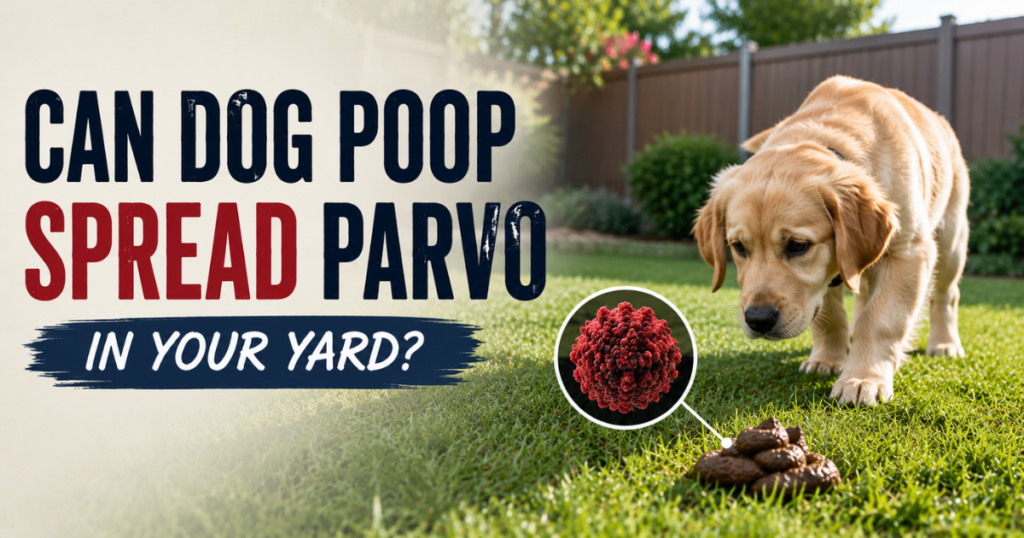
Yes — and this one deserves special attention. Canine parvovirus is shed in the feces of infected dogs, and it is extraordinarily tough. Unlike many pathogens that fade quickly, parvo can survive in soil and on surfaces for months, and in some conditions up to a year. It resists heat, cold, and many common cleaners.
If an infected or unvaccinated dog has done its business in your yard, the area can remain contaminated long after the poop is picked up. That is why prompt removal matters so much: the longer infected waste sits, the more the virus spreads across the soil where puppies and unvaccinated dogs walk. Keeping puppies up to date on vaccines and scooping quickly are your two best defenses.
Beyond the invisible threats, there is the very visible nuisance: flies. Warm, moist dog waste is a prime breeding ground. House flies and blow flies can lay eggs within hours, and those eggs hatch into maggots in a day or two during summer.
Flies do not just stay in the yard, either. They travel to your patio, your grill, and through open doors — carrying bacteria from the poop pile straight to surfaces where your family eats. A neglected yard quickly becomes a self-sustaining pest cycle. The single most effective fly-control step is simply removing the food source: the poop.
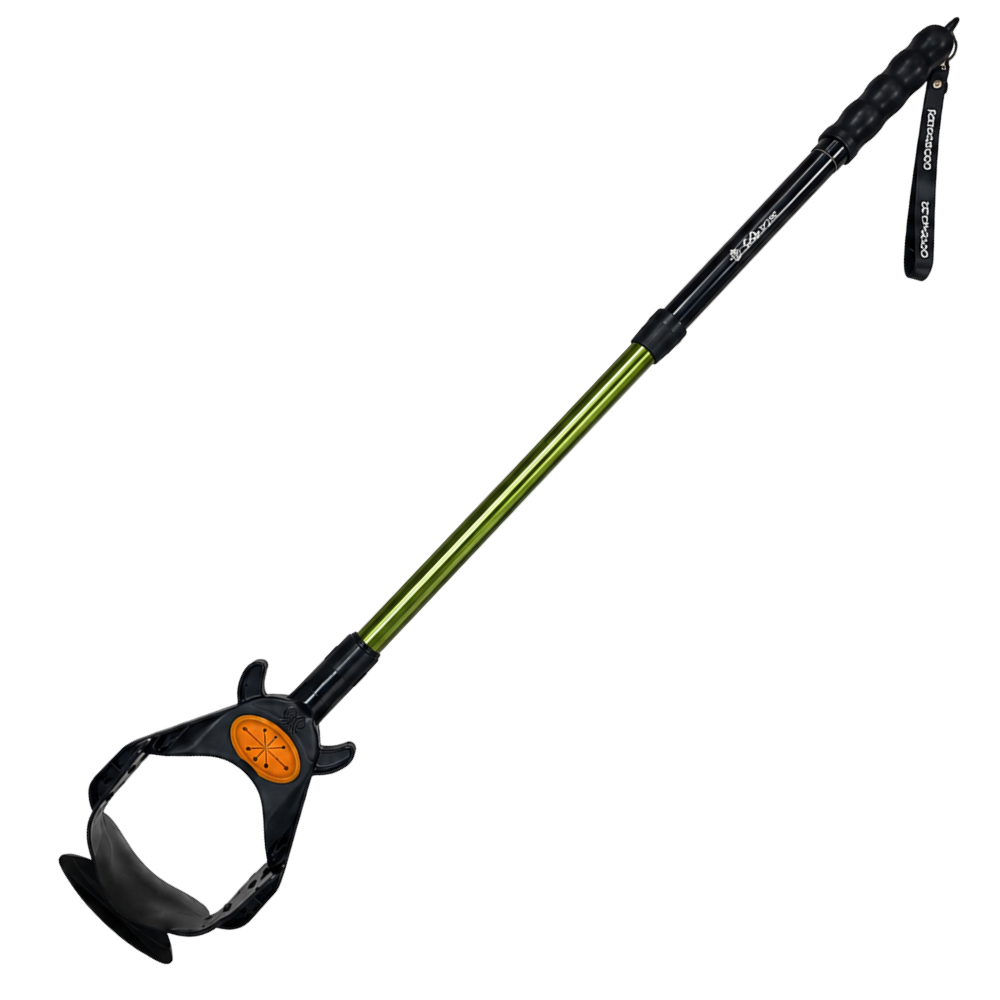
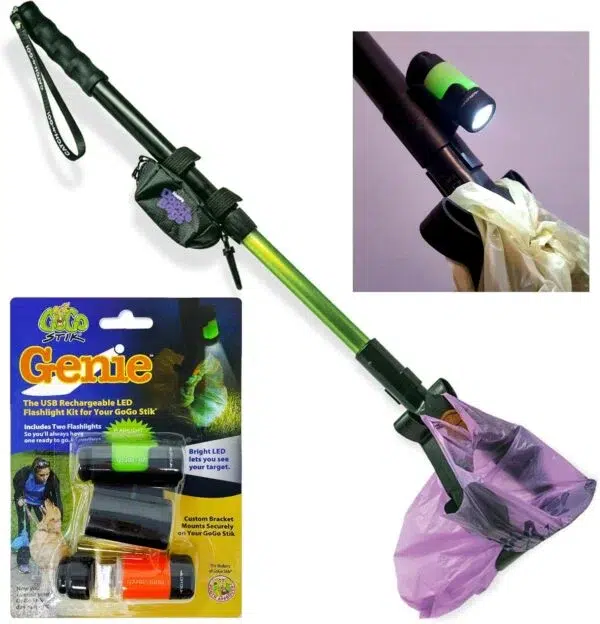
The good news is that fast, sanitary cleanup does not require bending, gagging, or getting anywhere near the mess. The key is having the right no-touch tools ready by the door so scooping takes seconds, not minutes. That is exactly what the patented scoopers from GoGo Stik are built for.
For big dogs and larger yards, a rake-and-spade combo makes short work of stubborn piles on grass — the XP Pro scooper and hybrid rake set is designed for exactly that job. And for evening walks or dark-corner cleanups, the Catch-N-Go catcher-scooper with LED flashlight kit catches waste before it ever hits the ground.
Dog poop starts attracting flies and multiplying bacteria within hours, and parasite eggs can remain infectious in soil for weeks to months. For safety, remove waste within 24 hours rather than letting it accumulate.
It breaks down very slowly and does not safely disappear like plant matter. Even after the visible pile is gone, parasite eggs and viruses like parvo can linger in the soil for months, so natural decomposition is not a substitute for scooping.
Canine parvovirus is extremely hardy and can survive in soil and on outdoor surfaces for months — up to a year in shaded, protected areas. Prompt waste removal and keeping puppies vaccinated are the best ways to reduce risk.
No. Cold weather slows decomposition but does not kill most pathogens. Frozen waste thaws in spring with parasites still viable, so regular winter scooping is still important.
So, how long can dog poop stay in yard? Not long at all if you care about your family’s health. Between fast-breeding flies, stubborn parasites, and long-lived viruses like parvo, the safest window is under 24 hours. A quick daily scoop with the right no-touch tool turns a dreaded chore into a 60-second habit.
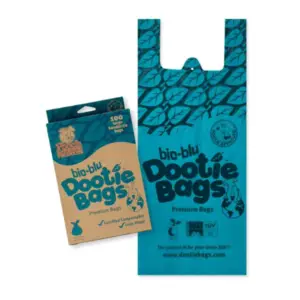
Ready to make yard cleanup clean, quick, and convenient? Browse the full lineup of patented scoopers, rakes, and heavy-duty Dootie Bags at the GoGo Stik shop and keep your yard — and everyone who plays in it — safe.

Alec Beaton is the Founder & Inventor of Pooch Approved Products and GoGo Stik®. Inspired by real-life pet parenting, he turns everyday cleanup challenges into simple, innovative solutions that make life better for pets and their people.
Dog diarrhea got you worried? Learn the common causes, safe home care tips, and the warning signs that mean it’s time to call your vet.
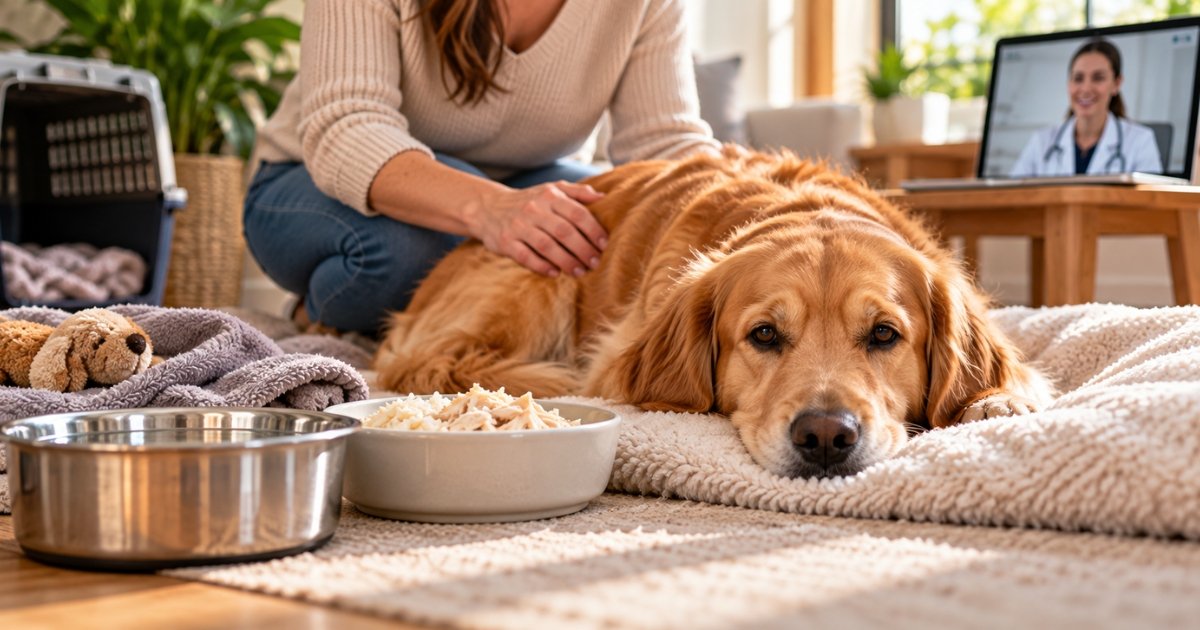
A bland diet for dogs can calm an upset stomach fast. Learn the right chicken & rice ratio, how long to feed it, and when to call your vet.
Does a dog grass pad really work? See real pros, cons, cleaning tips, and the best poop bags to keep your indoor potty fresh in 2026.