




Yard & Home Cleanup
Artificial Turf for Dogs: Pros, Cons & Cleanup
Is artificial turf for dogs worth it? Real pros, cons, cost, odor and cleanup tips from pet-cleanup pros to help you decide in 2026.
 Skip to content

Scooping the yard and spotting an unexpected color can stop any pet parent in their tracks. If you’ve found green dog poop in the grass or on the sidewalk, you’re right to pause and take note. A dog’s stool is one of the clearest windows into their digestive health, and a sudden shift to green can mean anything from a harmless grass-munching habit to a problem worth a vet visit. In this guide, we’ll break down the most common causes, the warning signs that matter, and exactly when green dog poop is a reason to worry.
Healthy dog stool is typically chocolate brown, firm, and log-shaped. That brown color comes from bile and digested food moving through the gut at a normal pace. When poop turns green, it usually points to one of two things: something green went in, or food is moving through the intestines too fast for bile to break down completely.
Bile starts out green in the gallbladder and gradually turns brown during digestion. When stool passes too quickly — often during diarrhea — the bile doesn’t have time to change color, leaving a greenish tint. The other frequent culprit is diet, especially a dog who loves to graze on your lawn.
Most cases of green stool are temporary and tied to something your dog ate. Here are the usual explanations, from the most benign to the more serious.
If your dog is bright, active, eating normally, and you recently watched them demolish a patch of lawn, diet is almost certainly to blame. This type of green dog poop is usually a one-off and firms up within a day. Keeping a quick mental log of what your dog ate — and scooping promptly so you can actually inspect it — makes these cases easy to explain.
Color alone rarely tells the whole story. What matters is the combination of color, consistency, and your dog’s overall behavior. Contact your veterinarian promptly if green stool appears alongside any of the following:
The rat-poison scenario deserves special emphasis. According to the U.S. Food and Drug Administration, rodenticides are a leading cause of pet poisonings, and many are dyed vivid green or blue. If you suspect ingestion, treat it as an emergency and call your vet or a poison hotline immediately — don’t wait to “see how it goes.”
Use this quick comparison to judge whether you’re looking at a harmless fluke or a red flag.
| Feature | Likely Harmless | Call the Vet |
|---|---|---|
| Shade | Olive or grassy green | Bright teal / neon green |
| Consistency | Firm, formed log | Watery, runny, or mucus-coated |
| Frequency | One or two stools | Repeated over 24+ hours |
| Dog’s energy | Normal and playful | Lethargic or off food |
| Extra signs | None | Vomiting, blood, pale gums |

You don’t need to be a vet to be a great first responder for your dog’s gut health. Good day-to-day monitoring catches problems early — and the simplest tool is paying attention every time you scoop.
For a deeper dive on healthy stool and overall canine wellness, the American Veterinary Medical Association offers trustworthy, owner-friendly guidance.
Here’s a trick seasoned dog owners swear by: take a quick phone photo of any abnormal stool before you bag it. Color shifts with time and lighting, so a timestamped picture gives your vet an accurate reference — far better than describing “sort of green” from memory. Pair that with prompt, no-touch cleanup and you’ll never lose the evidence that helps diagnose a problem.
If your dog is energetic, eating well, and otherwise normal, green poop is most often caused by eating grass, leafy vegetables, or green-dyed treats. It typically resolves within a day. Keep an eye out, but a single healthy-firm green stool in a happy dog rarely signals trouble.
Yes. Many rodenticides are dyed bright blue-green, and ingestion can turn stool a vivid teal, sometimes with visible pellet fragments. This is a medical emergency. Call your veterinarian or a pet poison helpline right away if there’s any chance your dog accessed rat or mouse bait.
A single green stool that firms up within 24 hours is usually fine to monitor at home. If it persists beyond 24–48 hours, becomes watery, or is joined by vomiting, lethargy, blood, or appetite loss, contact your veterinarian promptly for guidance.
Not always, but it’s very common. Chlorophyll from grass can tint stool green, and large amounts may also loosen it. Occasional grazing is generally harmless, though frequent, frantic grass-eating can signal nausea or dietary gaps worth discussing with your vet.
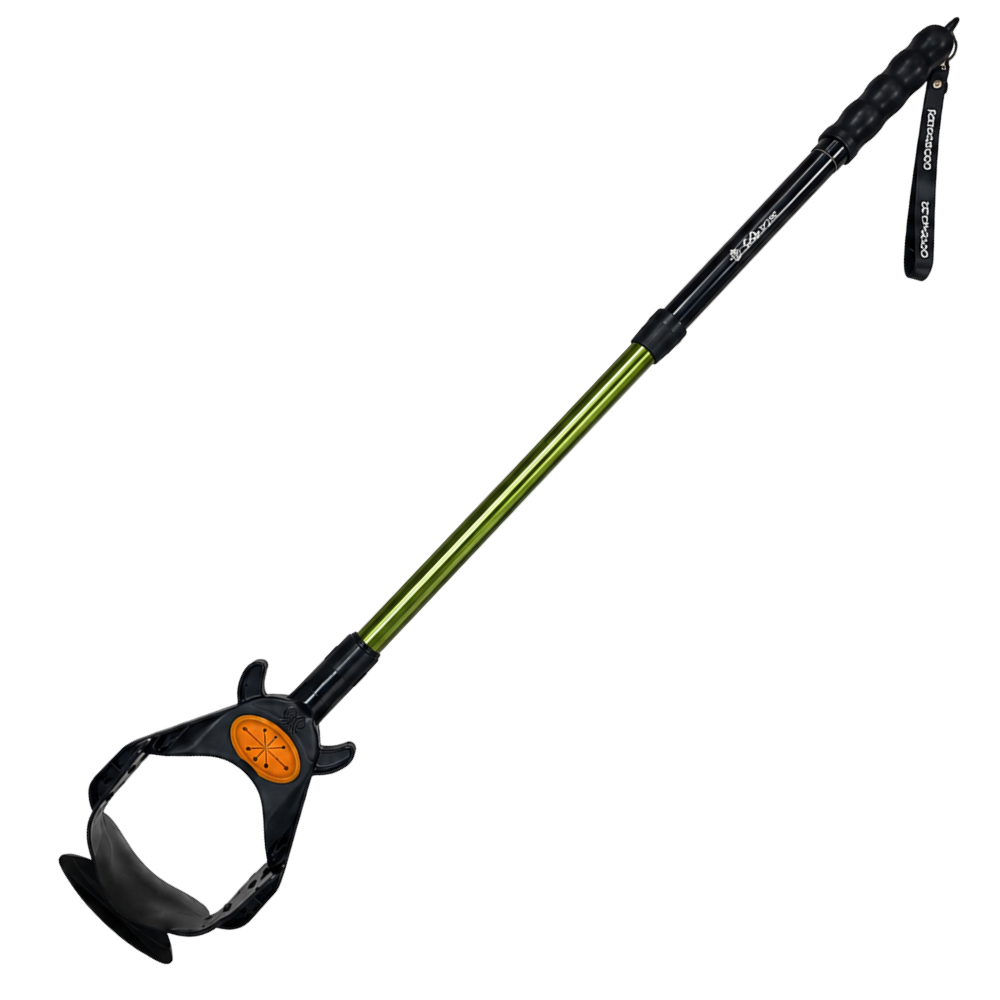
Green dog poop is usually a harmless, diet-driven blip — but it can occasionally flag something serious, so the color always deserves a second look alongside your dog’s behavior and stool consistency. Scoop promptly, inspect what you find, and trust your gut when something seems off. Ready to make daily monitoring cleaner and easier? Explore our full lineup of no-touch scoopers and leakproof Dootie Bags in the GoGo Stik shop and keep your yard — and your dog’s health — in check.

Alec Beaton is the Founder & Inventor of Pooch Approved Products and GoGo Stik®. Inspired by real-life pet parenting, he turns everyday cleanup challenges into simple, innovative solutions that make life better for pets and their people.
Is artificial turf for dogs worth it? Real pros, cons, cost, odor and cleanup tips from pet-cleanup pros to help you decide in 2026.
Is dog poop dangerous to humans? It can carry parasites and bacteria. The 6 real risks, who is most at risk, and the routine that stops them.
A dog poop composter turns waste into soil drainage instead of landfill. Learn siting rules, enzyme starters, DIY builds, winter fixes and safety limits.